Lenses for Product Photography
Capture the perfect shot with this wide selection of lenses designed specifically for product photography. Whether you're a professional photographer or just starting out, having the right lens can make all the difference in showcasing your products in the best light. From macro lenses that capture intricate details to versatile zoom lenses that allow you to capture products from various angles, these lenses offer a range of options to suit your unique needs.
Sort
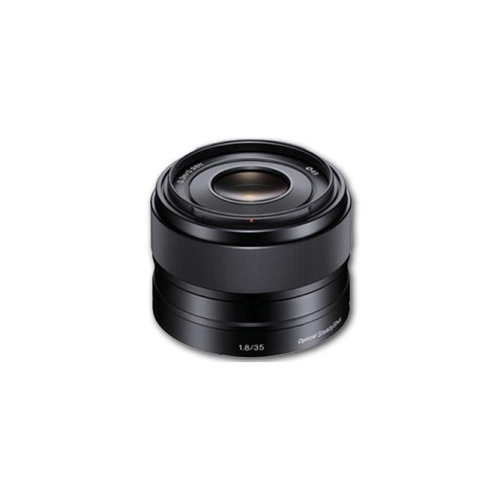
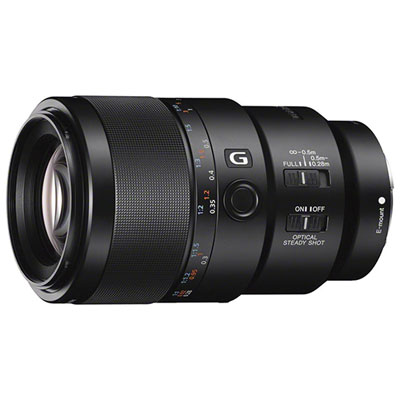
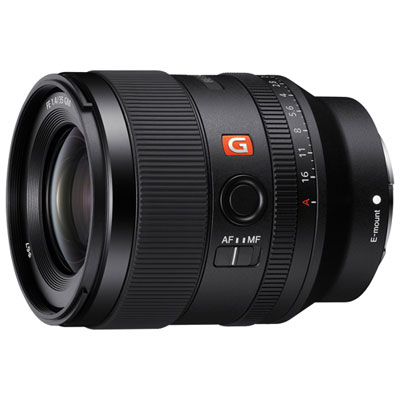
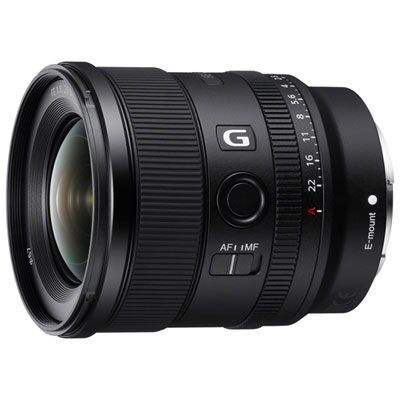

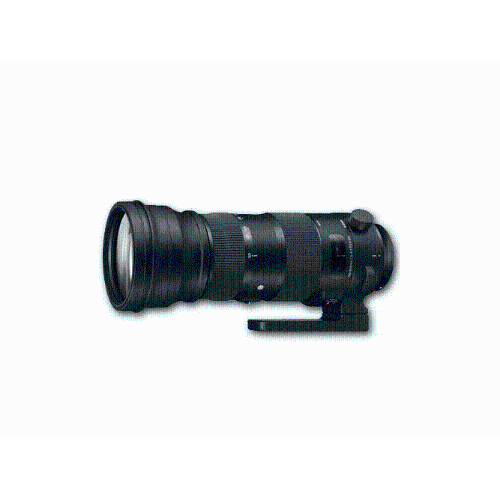
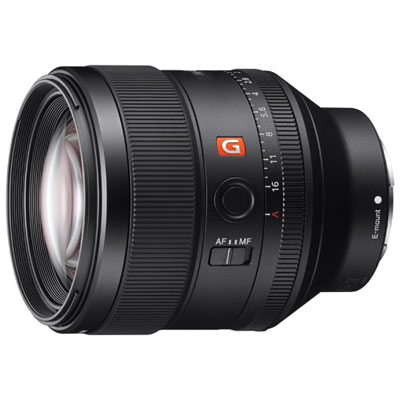
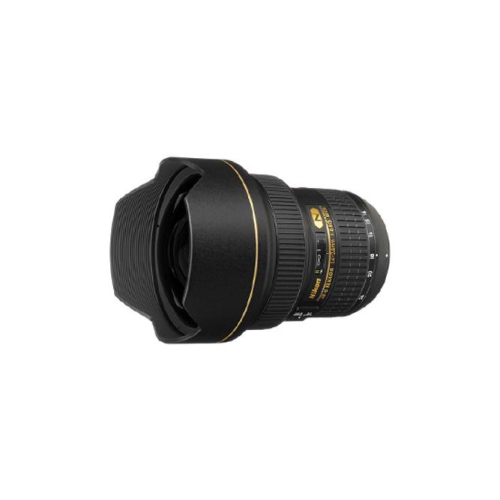


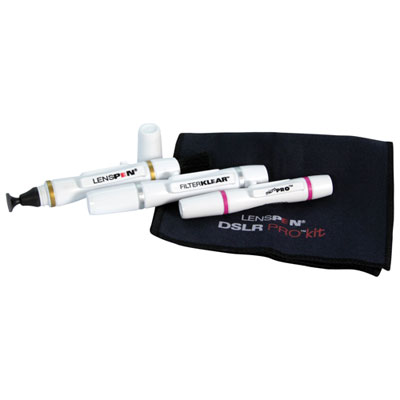
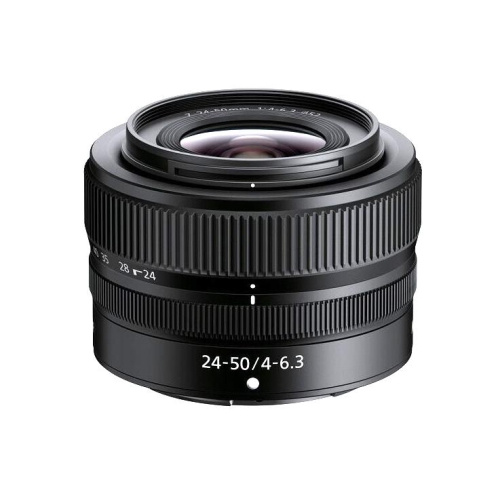
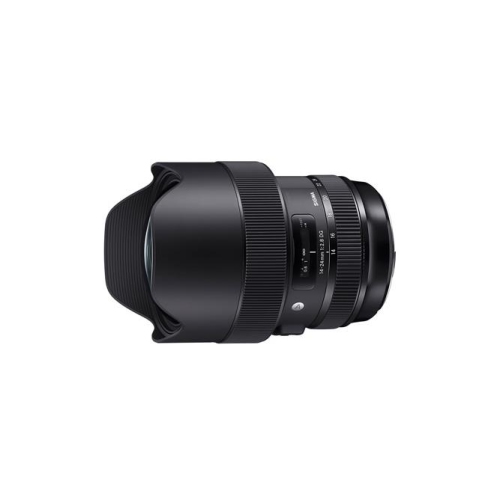


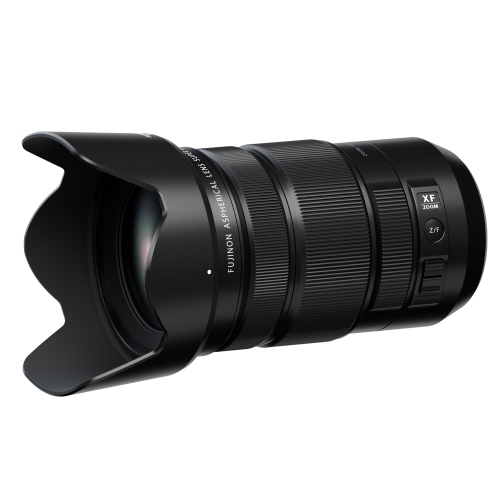
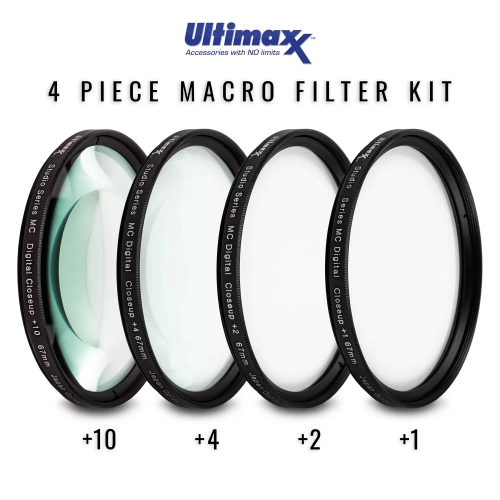
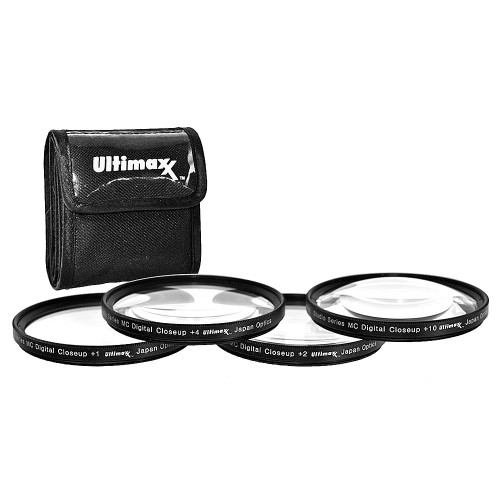
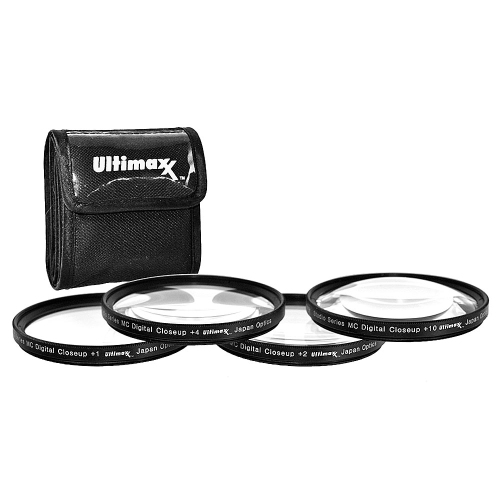
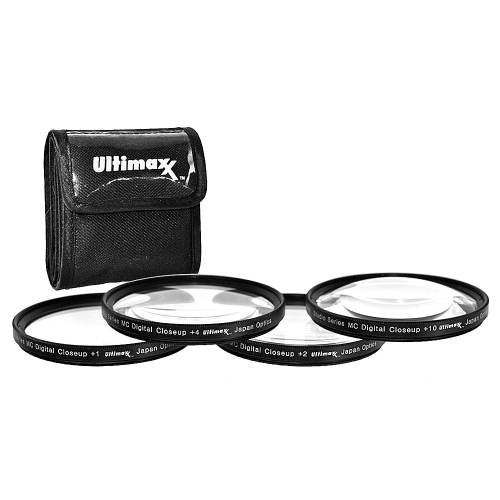

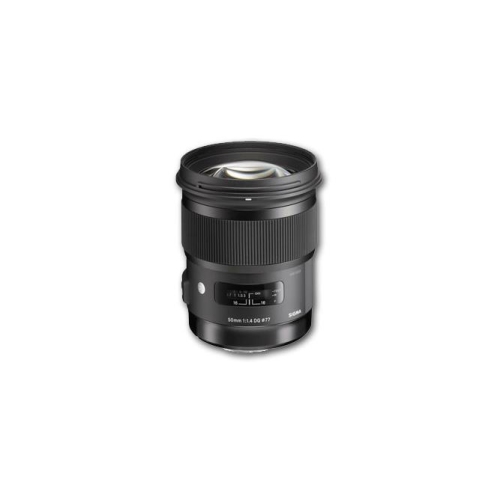
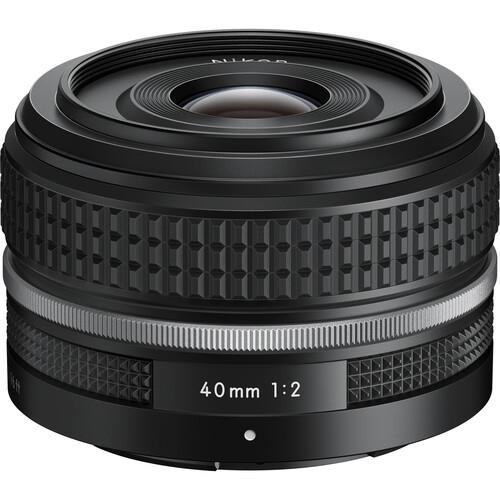
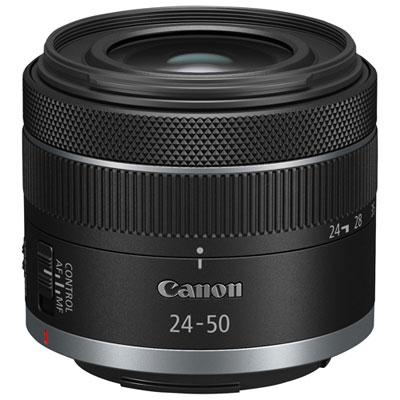
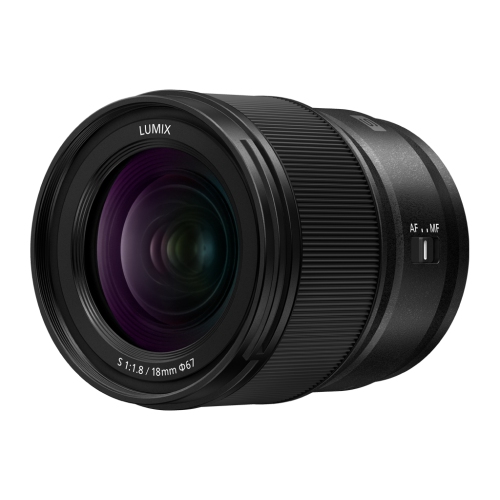
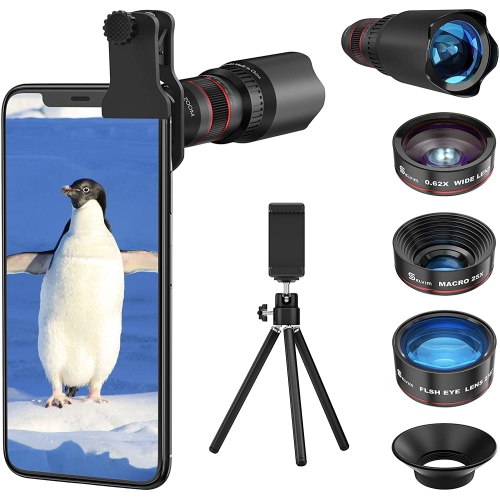
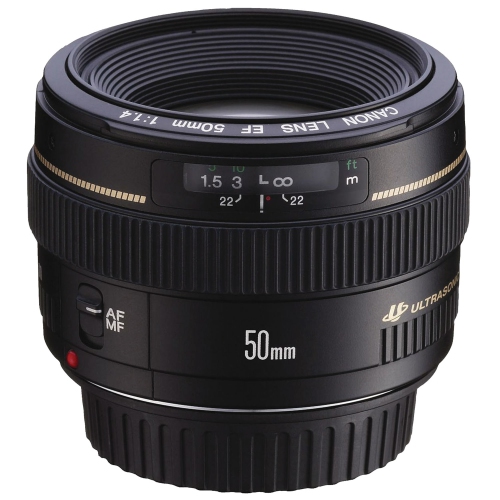
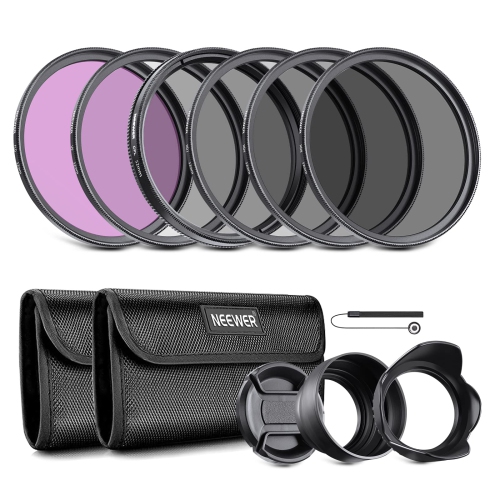
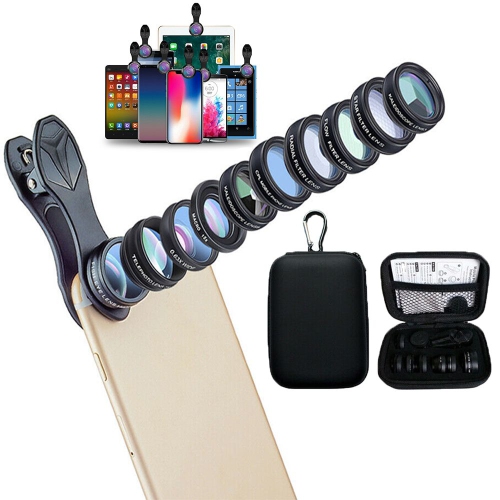


Small product details depend on more than magnification
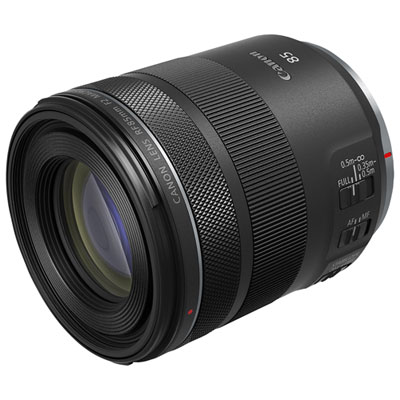
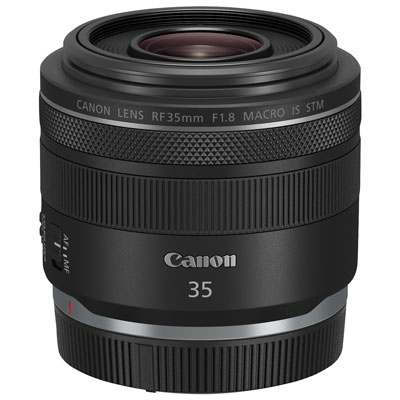
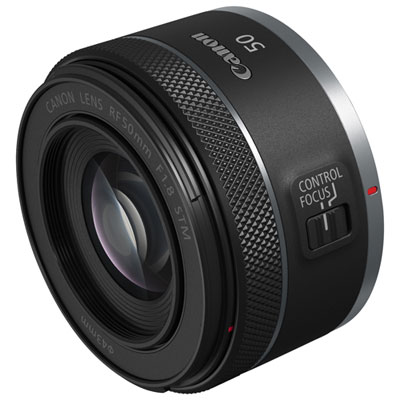
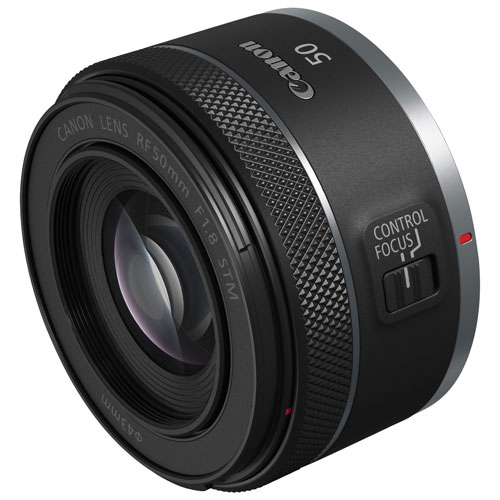
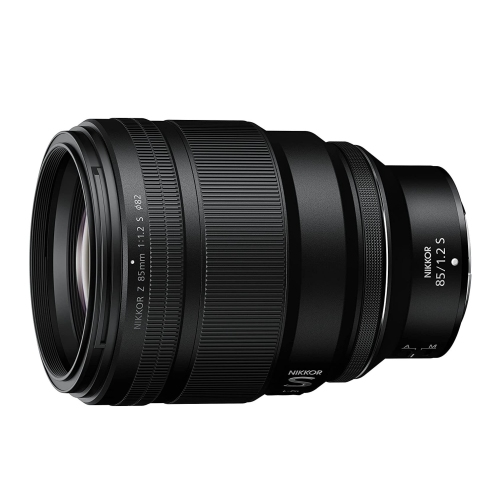
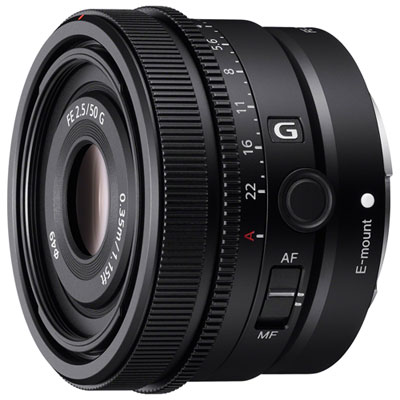
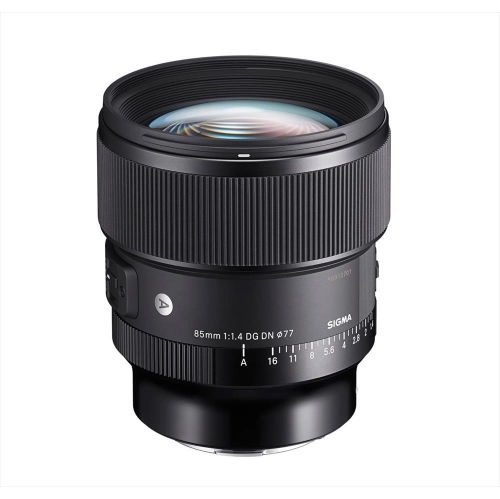
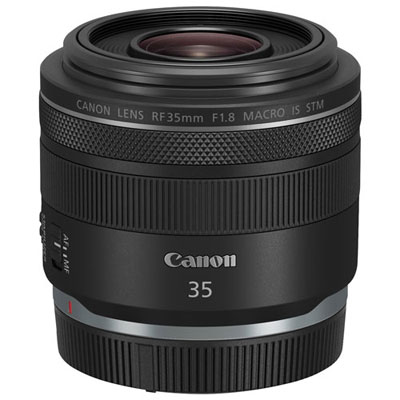
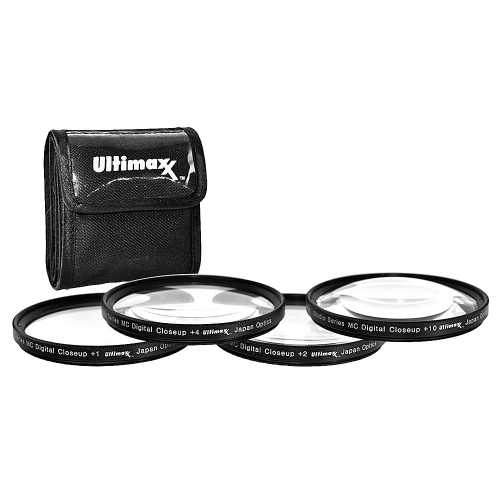
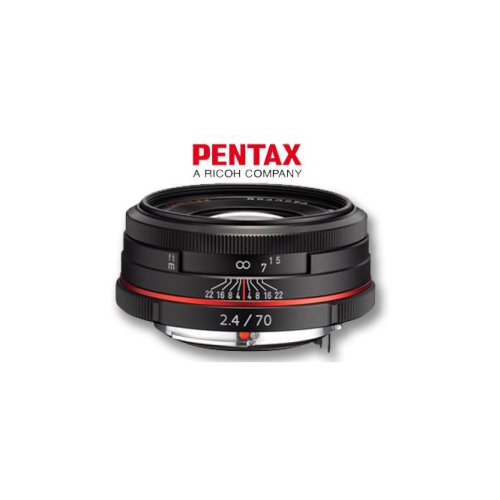
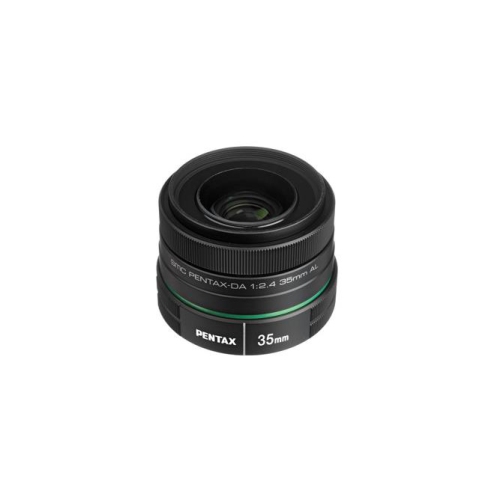
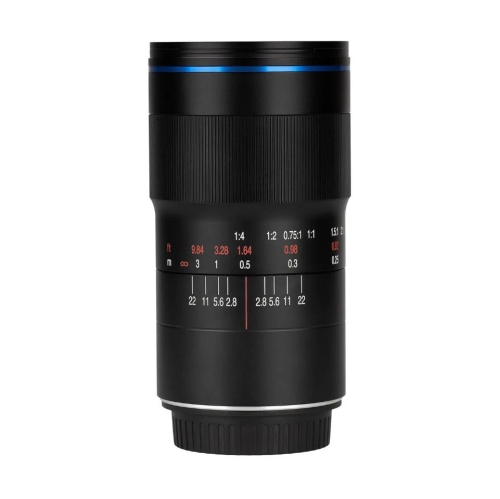
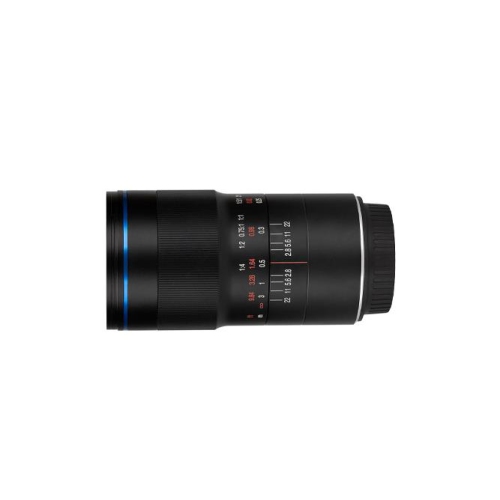
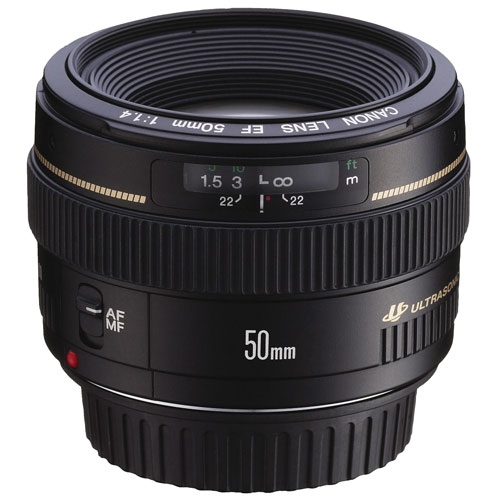
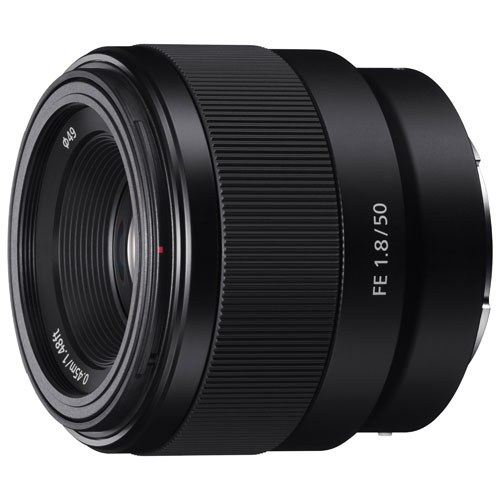
Lenses for product photography help show the shape, texture, colour, and finish of an object clearly, whether the final image is destined for an online shop, a printed catalogue, or a maker’s portfolio. A useful lens needs to suit both the subject’s size and the space available around it. Macro lenses in the 50mm to 105mm range are especially versatile for small tabletop subjects, combining close focusing with the ability to capture fine detail. A true 1:1 macro lens can reproduce a subject at life size on the camera sensor, making it well suited to the engraved lettering on a watch, the weave of a fabric, or the tiny facets of a gemstone. That magnification describes the image on the sensor, not the size of the final photograph on a screen. Longer macro focal lengths, such as 90mm or 105mm, generally provide more working distance at the same magnification than shorter options, leaving room between the lens and subject for lighting and reflectors. For medium-sized subjects, 50mm and 85mm prime lenses can offer comfortable framing without requiring close-up magnification. A 24–70mm zoom provides flexibility when moving between individual objects, grouped arrangements, and larger subjects, particularly where changing lenses would interrupt a session. A 35mm lens can include more of a styled tabletop or room, giving an object a sense of scale and purpose. These focal-length examples are most easily understood in relation to a full-frame camera; smaller sensors produce a narrower field of view with the same lens. Perspective also depends on camera position, rather than focal length alone. Moving very close with a wide-angle lens can make the nearest part of an object look disproportionately large, while stepping back and using a longer focal length can produce more balanced proportions. The most suitable choice is therefore the one that accommodates the subject, desired framing, and available shooting distance.
Camera compatibility is just as important as focal length when considering a product photography lens. The lens mount must match the camera body, or work through a compatible adapter, and the lens’s image circle needs to cover the camera’s sensor for normal full-frame coverage. Adapters do not necessarily preserve every function, so autofocus, aperture control, and stabilisation support can vary. Beyond fit, optical performance influences how convincingly an image presents polished metal, transparent glass, textured packaging, and other demanding surfaces. Good sharpness across the frame is valuable for flat lays and labels, where lettering near a corner may matter as much as the central subject. Control of distortion helps straight edges retain their shape, while control of chromatic aberration reduces coloured fringes around high-contrast details. Lens coatings can reduce flare and ghosting, although the position and size of the light source still play a major role when photographing glossy objects. A macro designation does not guarantee that every edge will be perfectly sharp or free of distortion. Aperture, focus placement, camera alignment, and the subject’s depth all affect the result. Wide maximum apertures are useful for softly blurred backgrounds and handheld work, but detailed catalogue-style images often benefit from a smaller aperture that keeps more of the object in focus. Settings around f/8 or f/11 can be useful starting points, depending on the camera and magnification; stopping down further may increase depth of field while reducing fine-detail sharpness through diffraction. At high magnification, even a small object may extend beyond the area of acceptable focus. A lens with a smooth, precise manual focus ring makes careful adjustments easier, especially on a tripod. Focus stacking can extend apparent depth of field by combining photographs focused at different distances, though it requires a suitable shooting and editing workflow. For still subjects, dependable handling and controlled focus often matter more than the fastest autofocus performance.
Build quality and day-to-day handling become noticeable during repeated shoots, from a small business owner photographing handmade pieces to a studio team producing consistent catalogue images. Lens barrels may use metal, engineering plastics, or a combination of materials; overall durability depends on construction and handling, not material alone. A heavier lens can feel substantial but may make overhead arrangements or long handheld sessions less comfortable. A balanced lens-and-camera combination is easier to position precisely, and larger lenses with a tripod collar can place the support point closer to the weight of the setup. Internal focusing can be helpful around delicate tabletop arrangements because the lens does not extend towards the subject as focus changes, although its effective focal length may change at close distances. Image stabilisation can reduce blur from camera movement during handheld shooting, but it cannot freeze a moving subject and does not replace stable support for carefully aligned compositions. For photographers who also create product videos, quiet focusing, smooth aperture changes where supported, and limited focus breathing can make transitions less distracting. Filter-thread size matters when fitting a polarising filter, which can help manage reflections on some non-metallic surfaces but will not remove every highlight. Lens hoods, front and rear caps, and padded storage help protect the glass and mount between sessions. Routine care is straightforward: remove loose dust with a suitable blower before gently cleaning fingerprints with lens-safe supplies, and avoid unnecessary rubbing of optical surfaces. Weather sealing varies by lens and camera combination and should not be treated as waterproofing. During the cooler months, allowing cold equipment to warm gradually inside a closed bag before opening it indoors can help limit condensation on its surfaces. These practical details make a difference for photographers working in home studios, shared workspaces, and client locations. A lens can also be a thoughtful gift for a craft seller, photography student, or hobbyist building a tabletop setup, provided the camera mount and intended subjects are known. Whether the aim is a crisp label, a close view of stitching, or a carefully styled arrangement, a well-matched lens supports clear, consistent images that let the subject’s details speak for themselves.
Camera compatibility is just as important as focal length when considering a product photography lens. The lens mount must match the camera body, or work through a compatible adapter, and the lens’s image circle needs to cover the camera’s sensor for normal full-frame coverage. Adapters do not necessarily preserve every function, so autofocus, aperture control, and stabilisation support can vary. Beyond fit, optical performance influences how convincingly an image presents polished metal, transparent glass, textured packaging, and other demanding surfaces. Good sharpness across the frame is valuable for flat lays and labels, where lettering near a corner may matter as much as the central subject. Control of distortion helps straight edges retain their shape, while control of chromatic aberration reduces coloured fringes around high-contrast details. Lens coatings can reduce flare and ghosting, although the position and size of the light source still play a major role when photographing glossy objects. A macro designation does not guarantee that every edge will be perfectly sharp or free of distortion. Aperture, focus placement, camera alignment, and the subject’s depth all affect the result. Wide maximum apertures are useful for softly blurred backgrounds and handheld work, but detailed catalogue-style images often benefit from a smaller aperture that keeps more of the object in focus. Settings around f/8 or f/11 can be useful starting points, depending on the camera and magnification; stopping down further may increase depth of field while reducing fine-detail sharpness through diffraction. At high magnification, even a small object may extend beyond the area of acceptable focus. A lens with a smooth, precise manual focus ring makes careful adjustments easier, especially on a tripod. Focus stacking can extend apparent depth of field by combining photographs focused at different distances, though it requires a suitable shooting and editing workflow. For still subjects, dependable handling and controlled focus often matter more than the fastest autofocus performance.
Build quality and day-to-day handling become noticeable during repeated shoots, from a small business owner photographing handmade pieces to a studio team producing consistent catalogue images. Lens barrels may use metal, engineering plastics, or a combination of materials; overall durability depends on construction and handling, not material alone. A heavier lens can feel substantial but may make overhead arrangements or long handheld sessions less comfortable. A balanced lens-and-camera combination is easier to position precisely, and larger lenses with a tripod collar can place the support point closer to the weight of the setup. Internal focusing can be helpful around delicate tabletop arrangements because the lens does not extend towards the subject as focus changes, although its effective focal length may change at close distances. Image stabilisation can reduce blur from camera movement during handheld shooting, but it cannot freeze a moving subject and does not replace stable support for carefully aligned compositions. For photographers who also create product videos, quiet focusing, smooth aperture changes where supported, and limited focus breathing can make transitions less distracting. Filter-thread size matters when fitting a polarising filter, which can help manage reflections on some non-metallic surfaces but will not remove every highlight. Lens hoods, front and rear caps, and padded storage help protect the glass and mount between sessions. Routine care is straightforward: remove loose dust with a suitable blower before gently cleaning fingerprints with lens-safe supplies, and avoid unnecessary rubbing of optical surfaces. Weather sealing varies by lens and camera combination and should not be treated as waterproofing. During the cooler months, allowing cold equipment to warm gradually inside a closed bag before opening it indoors can help limit condensation on its surfaces. These practical details make a difference for photographers working in home studios, shared workspaces, and client locations. A lens can also be a thoughtful gift for a craft seller, photography student, or hobbyist building a tabletop setup, provided the camera mount and intended subjects are known. Whether the aim is a crisp label, a close view of stitching, or a carefully styled arrangement, a well-matched lens supports clear, consistent images that let the subject’s details speak for themselves.
Top selling and popular products
-
 Your price for this item is $169.99
 -
 Your price for this item is $329.99
 -
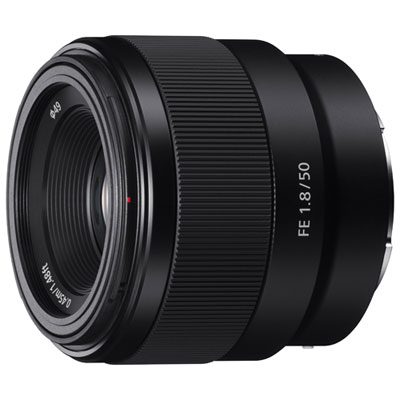 Your price for this item is $349.99
 -
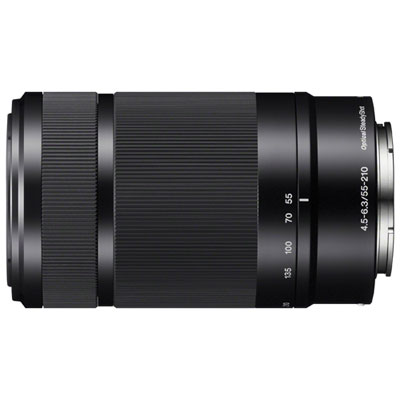 Your price for this item is $399.99
 -
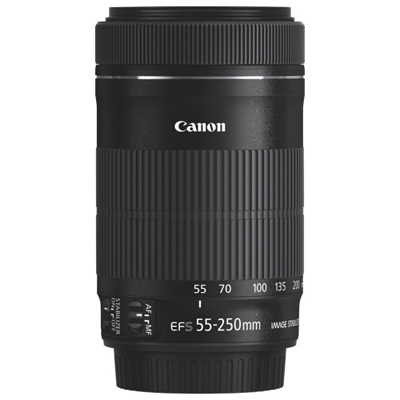 Your price for this item is $399.99
 -
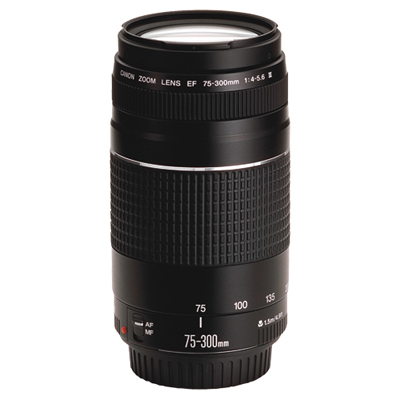 Your price for this item is $199.99
 -
 Your price for this item is $174.99
 -
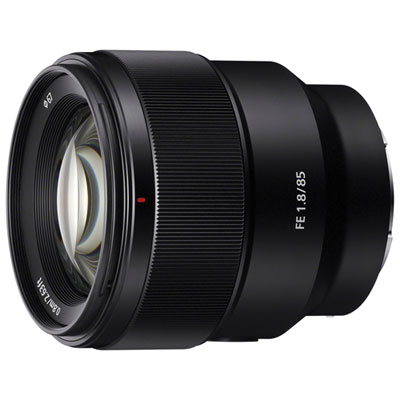 Your price for this item is $749.99
Discover more categories related to Lenses for Product Photography
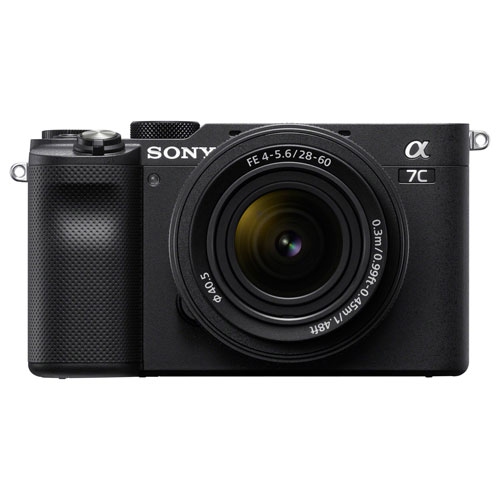
Top Collections:
Pokemon Centers, Kindle Devices, Best Budget Office Chairs, Apple iPhones 16, Best Laptops for Writers, iPhone 15 Apple, Canon G7X Cameras, Refurbished Apple Laptops, Alarm Clock, Motorola Razr Phones
Some products may be subject to Environmental Handling Fees
(EHF) depending on your province.
Learn more about EHFs.