Telephoto Lenses With Image Stabilization
Image stabilization is a feature that helps to reduce the blurring caused by camera shake, especially at long focal lengths. It's especially important for telephoto lenses, which are more susceptible to this problem. Here are some of our favorites.
Sort
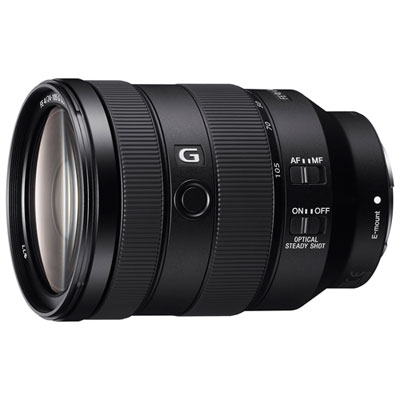
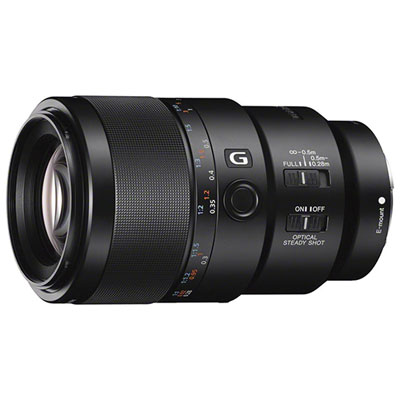
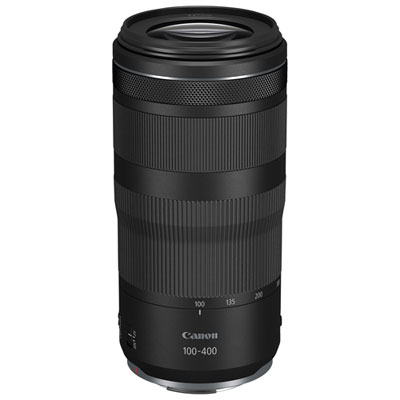
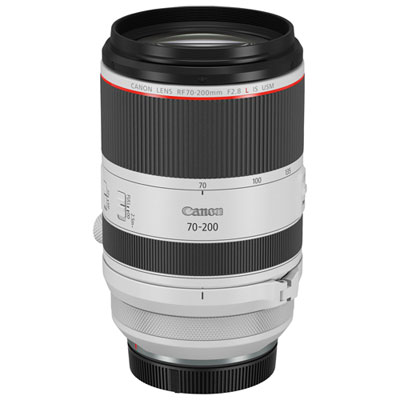
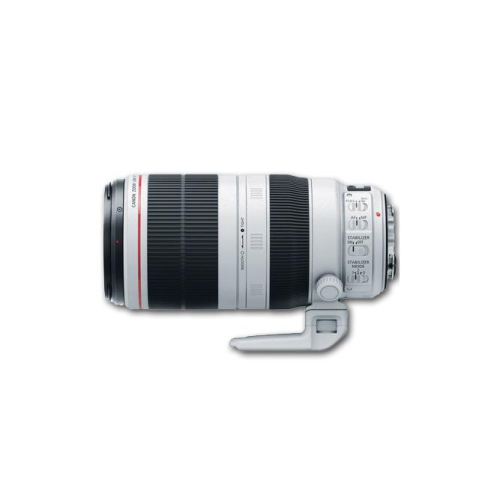
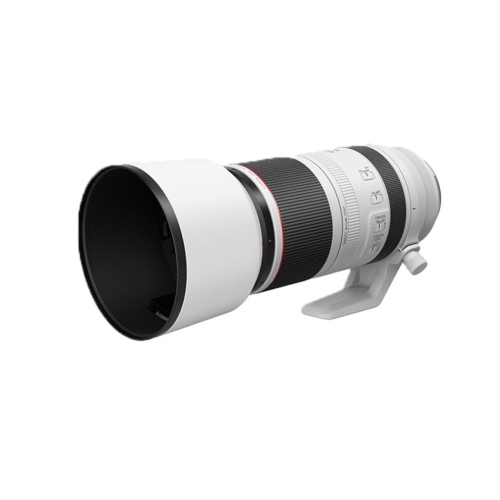
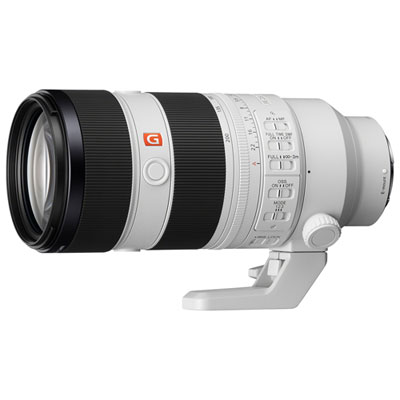
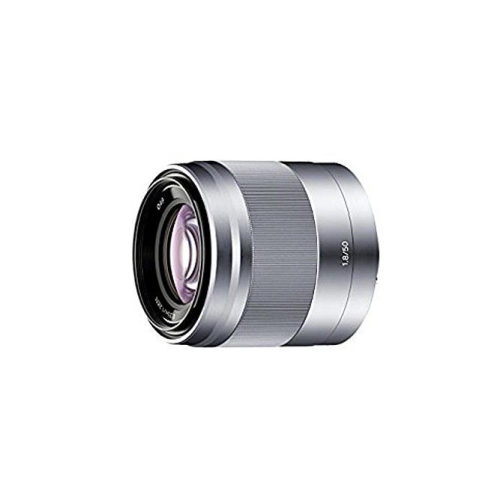

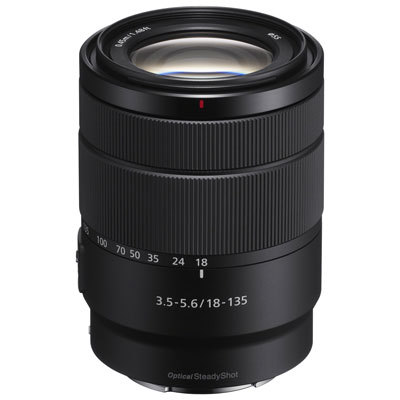
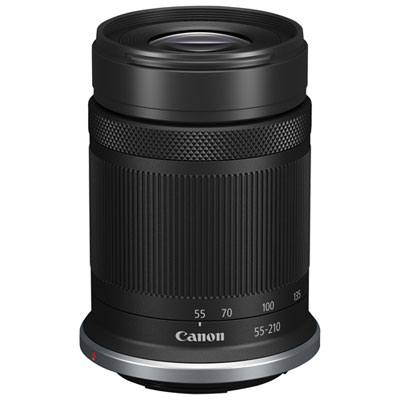
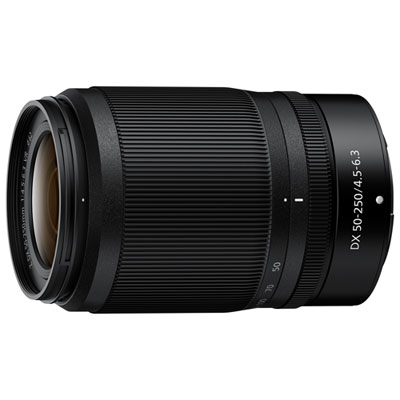
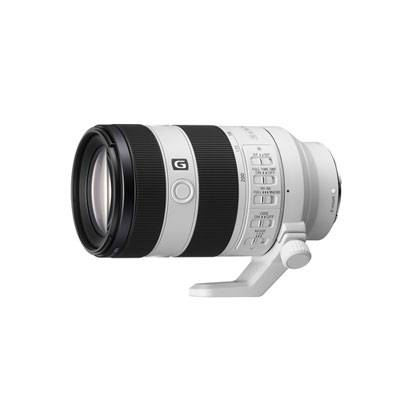
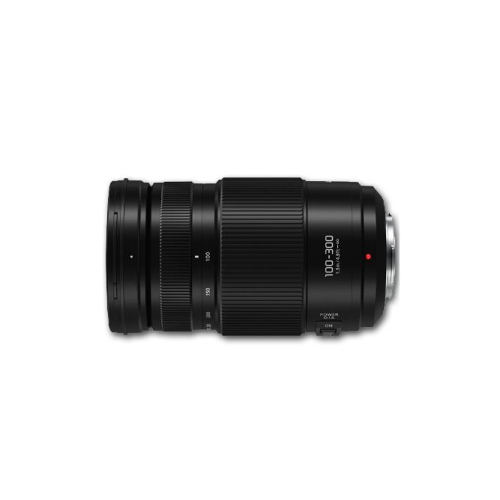
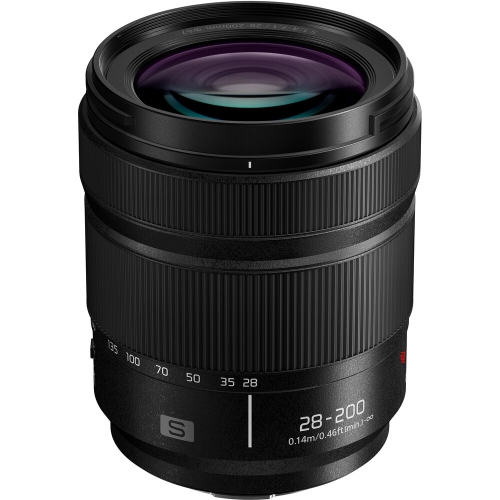
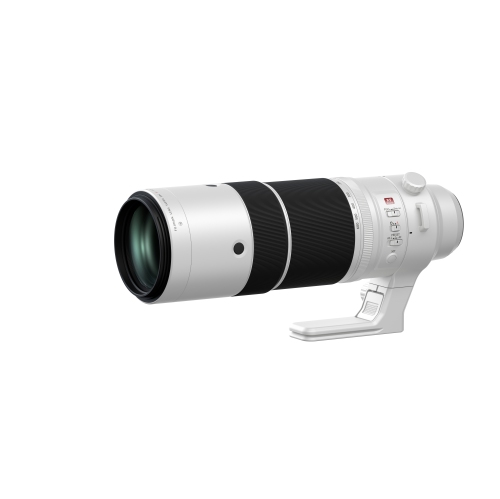
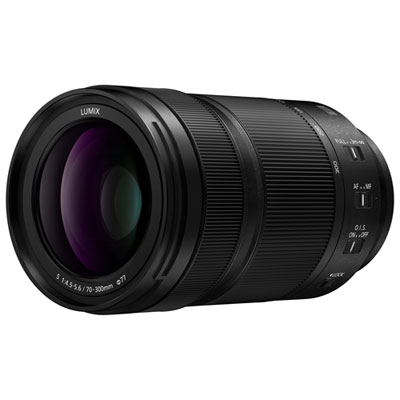
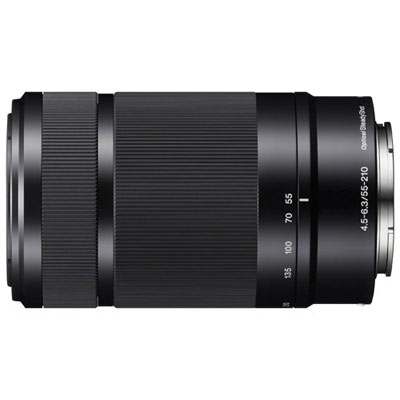
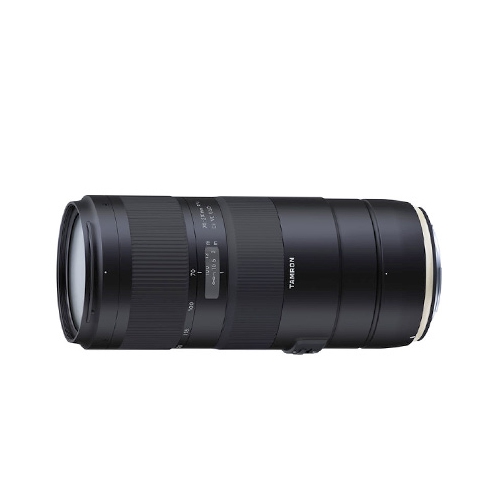
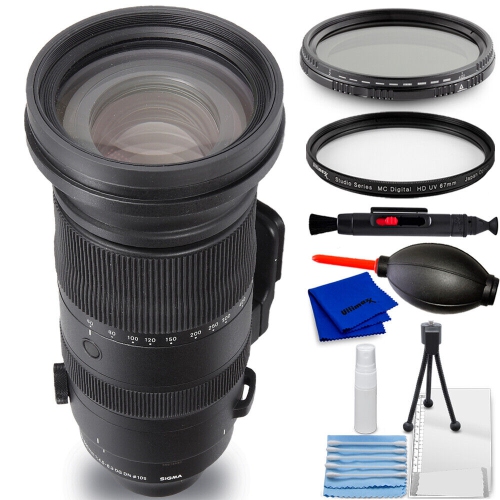
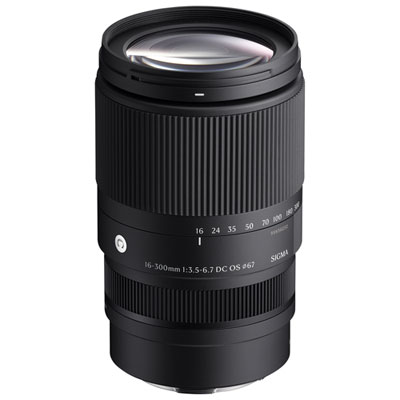
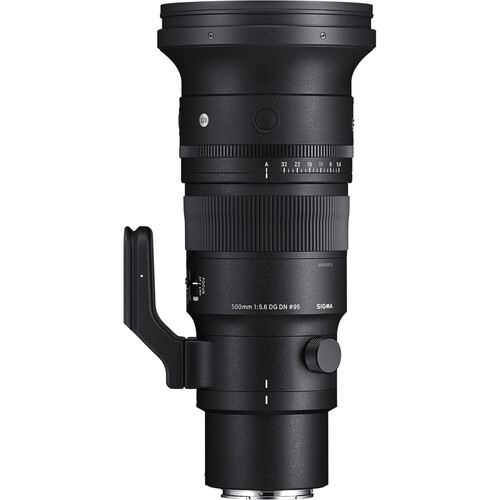
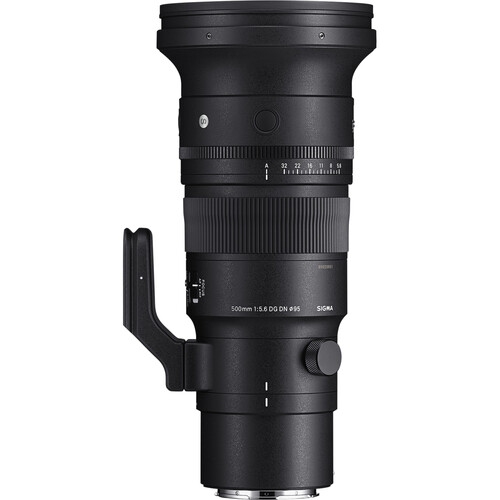
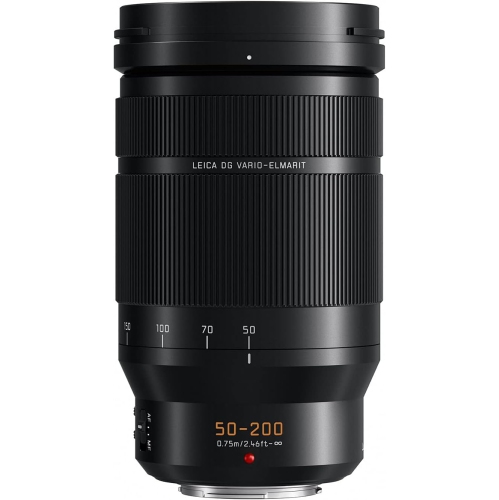
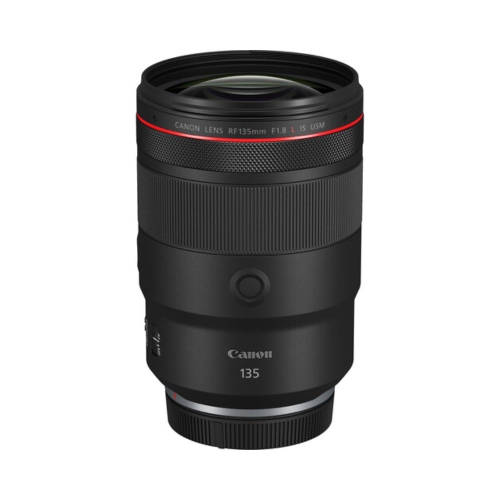
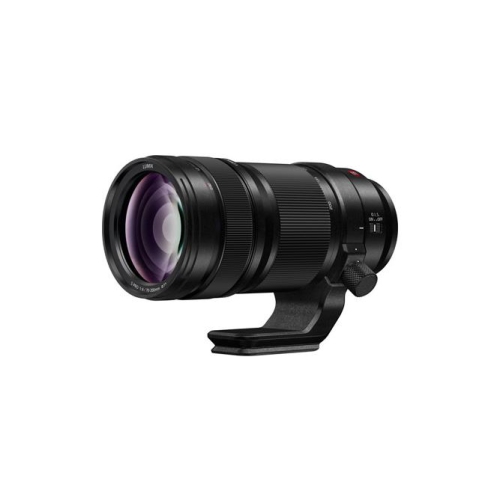
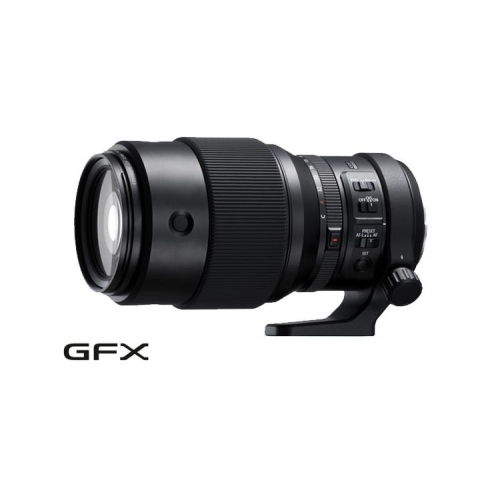
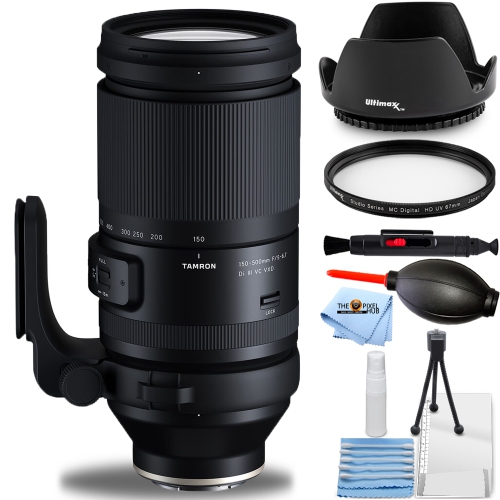
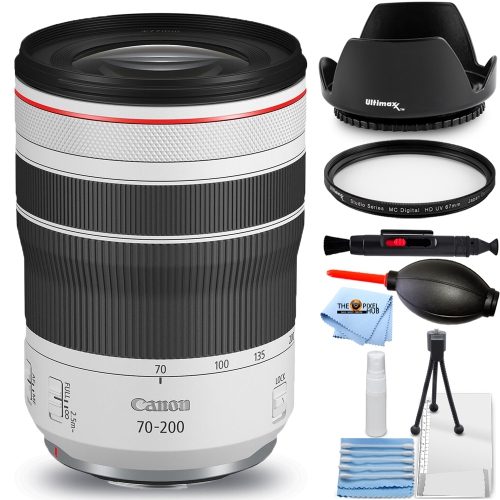
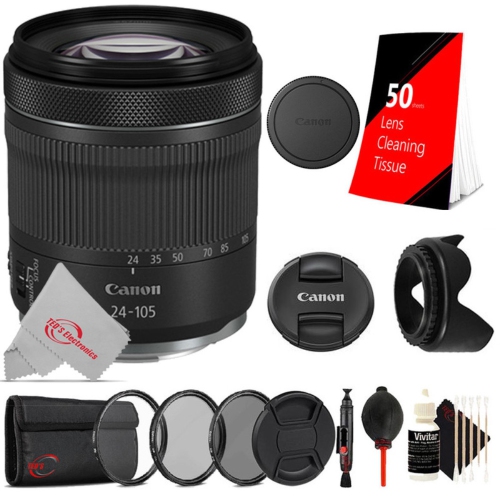
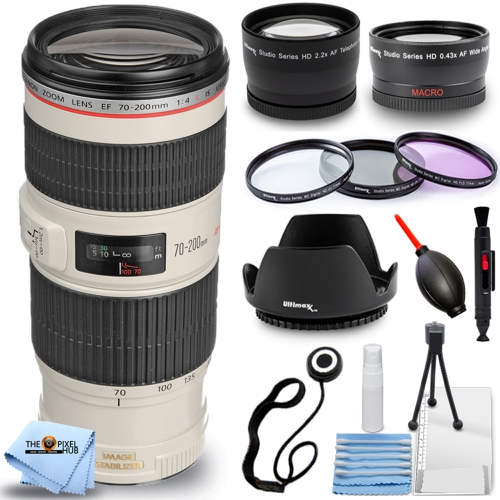
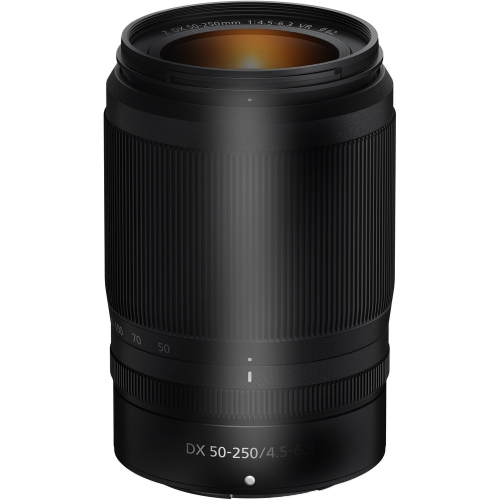
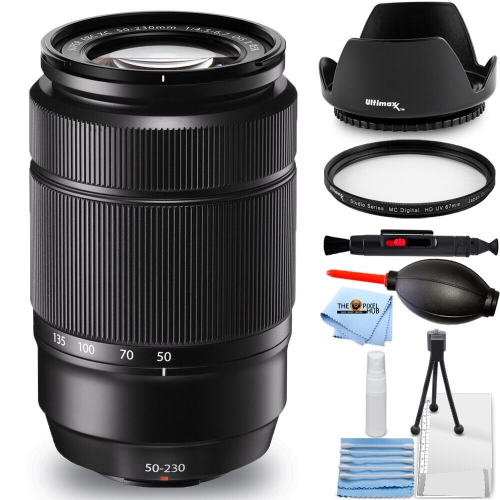
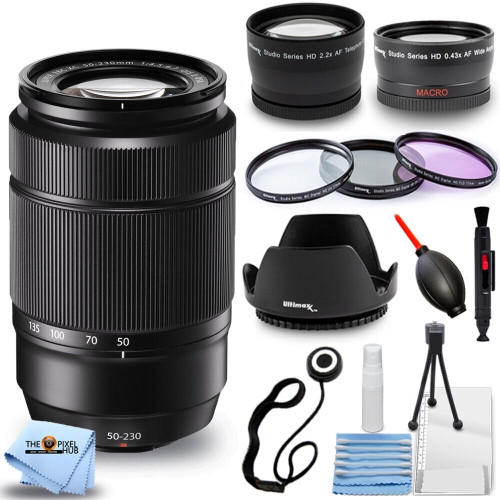
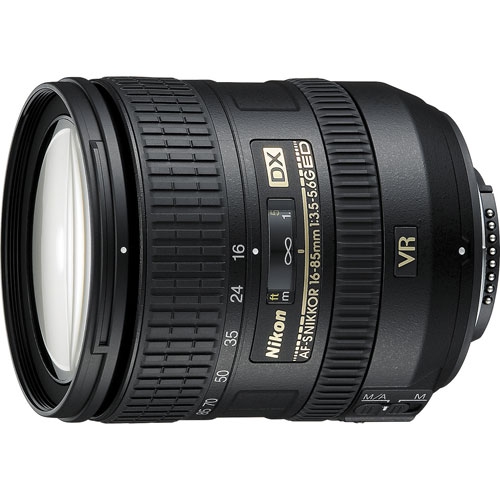
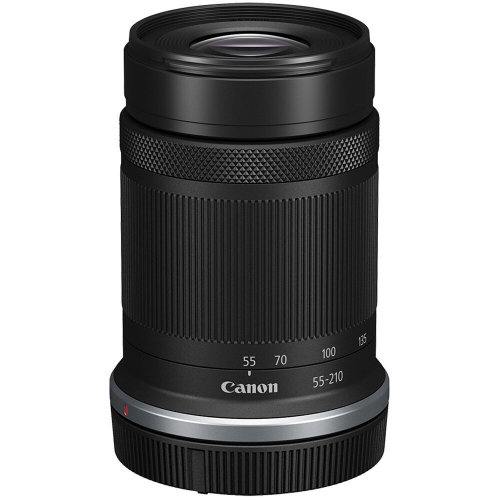
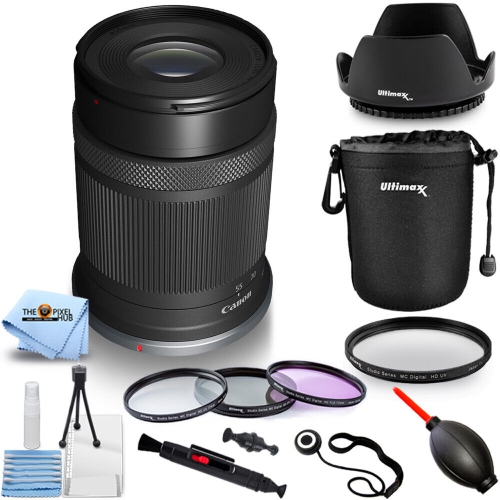
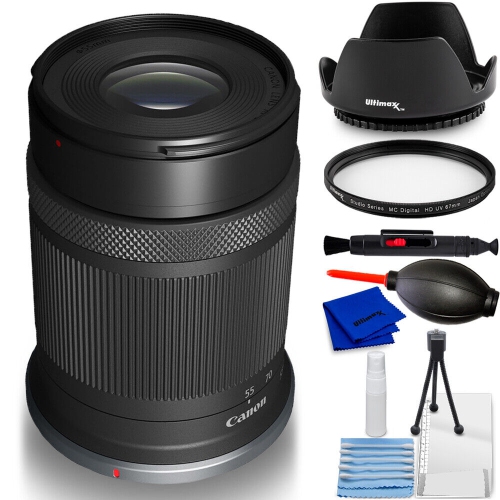
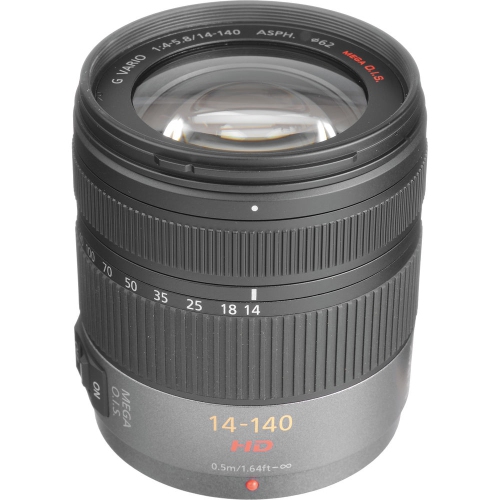
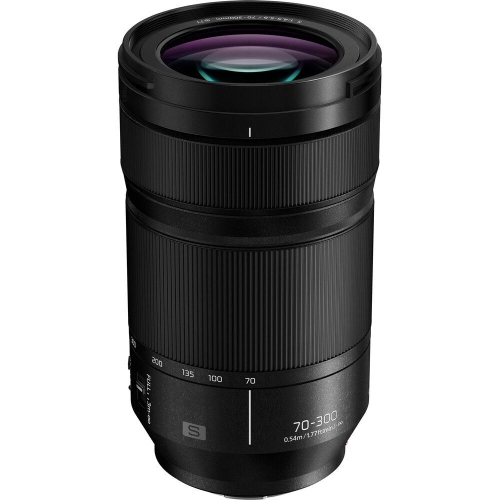
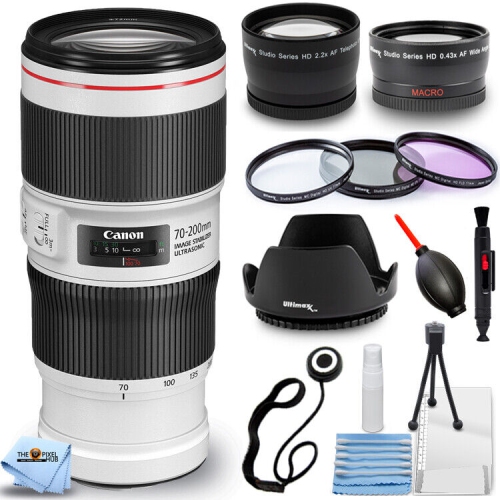

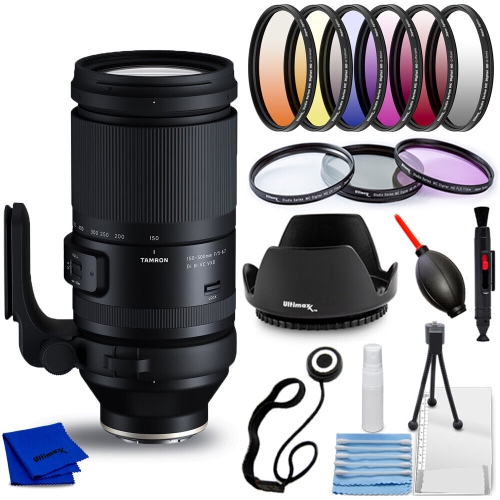
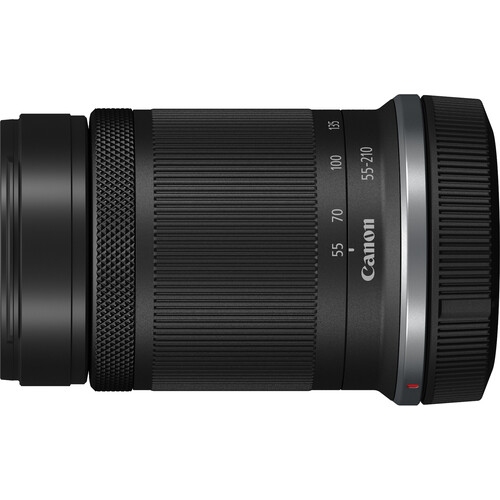
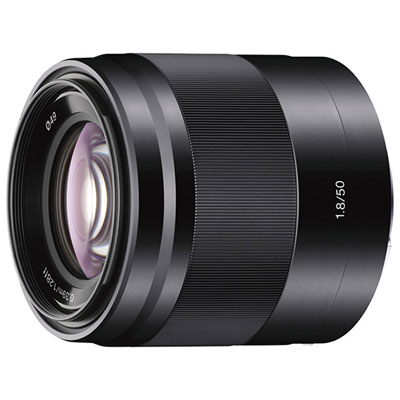
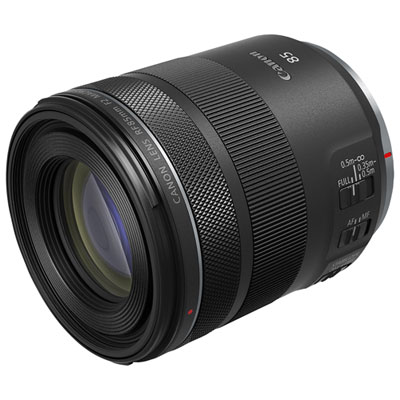
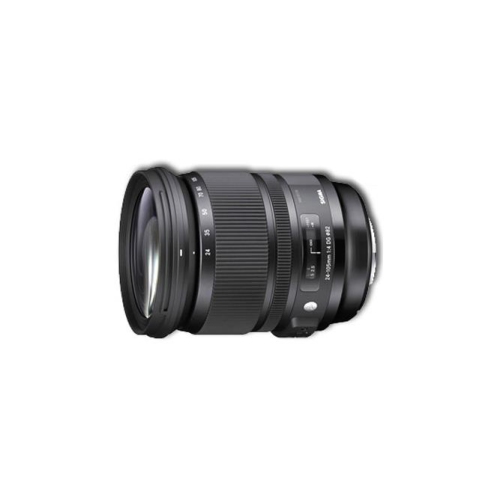
Stabilized reach for sharper photos of distant subjects
Telephoto lenses with image stabilization are designed to bring distant subjects closer while helping reduce the blur caused by camera shake. At longer focal lengths, even a small movement in your hands can appear as a noticeable shift in the frame, particularly at 200mm, 400mm, 600mm or beyond. A stabilized lens uses an internal optical system to compensate for that movement, making it easier to capture sharper handheld photos and steadier video. This can be especially useful when photographing wildlife at the edge of a woodland, athletes moving across a field, birds in flight, aircraft overhead or candid moments from a distance. Image stabilization may also allow you to use a slower shutter speed than you otherwise could when the subject is relatively still, which can be helpful during overcast afternoons, indoor events or the softer light found during the cooler months. Depending on the lens and camera combination, stabilization may offer several stops of correction, while some mirrorless systems coordinate lens-based stabilization with in-body image stabilization for additional support. The exact result depends on the camera, focal length, shooting technique and conditions, but the practical benefit is consistent: you have more flexibility when a tripod is inconvenient or when a fast-moving moment leaves little time to set up. Stabilization does not freeze a moving subject, so shutter speed still matters for sports, wildlife and action photography. It primarily helps reduce blur caused by your own movement, allowing the camera to record a steadier view.
When choosing a telephoto lens with image stabilization, start by considering the subjects you photograph most often and the distance from which you typically work. A telephoto zoom offers flexibility for changing compositions, allowing you to widen the view when an animal moves closer or tighten the frame when a player or performer is farther away. A telephoto prime generally provides one fixed focal length and can be appealing when you value a consistent perspective, a lighter design or a specialized reach. Maximum aperture is another important factor. A wider aperture can help in dimmer light and make it easier to separate a subject from the background, while a narrower aperture may contribute to a more compact design or a longer reach. Autofocus performance is worth checking as well, especially for birds, motorsports and field sports, where responsive tracking can be just as important as optical stabilization. Look for compatibility with your camera mount and sensor format, and confirm how the lens communicates with the camera’s autofocus, exposure and stabilization systems. Some cameras can combine lens stabilization with in-body correction, but the available modes and performance vary by system. For a closer look at a related assortment, browse Canon Zoom Lenses With Image Stabilization. Physical design also matters: a lens that feels manageable in your hands is more likely to be used regularly. Consider the overall weight, the position of the zoom and focus rings, the balance on your camera body, and whether it includes a tripod collar or a rotating mount for landscape and portrait orientation. A weather-resistant design can be reassuring for outdoor sessions, but your complete camera setup should be protected according to the manufacturer’s guidance.
These lenses can suit photographers at many experience levels, from someone building a first wildlife kit to an experienced shooter refining a travel or sports setup. They can also make a thoughtful gift for a photographer who already owns a compatible camera and enjoys finding detail in subjects that are too far away for a standard lens. Before giving one as a gift, check the camera’s mount carefully, since lenses made for one system may not attach to another without the appropriate equipment, and some features may be limited when compatibility is incomplete. A telephoto lens can open up new ways to explore familiar places: a walk through a local park may reveal a heron standing in the reeds, while a drive along a rural road may offer opportunities to photograph distant farm animals, soaring birds or changing landscapes without approaching them. During the warmer and cooler parts of the year, stabilization can help when you are working quickly outdoors, carrying minimal gear or trying to keep your setup steady from a lookout, shoreline or spectator area. Good technique remains valuable. Support the lens with your left hand, keep your elbows close to your body, use a shutter speed suited to the subject, and select the stabilization mode recommended for panning or tripod use when available. Monopods and tripods can still be useful with heavier lenses or long exposures, while stabilization provides an extra layer of control when circumstances call for handheld shooting. Think about reach, portability, aperture, autofocus, camera compatibility and the kinds of moments you want to preserve. The right telephoto lens with image stabilization can make distant scenes feel immediate, helping you create detailed photographs with greater confidence whether you are tracking movement, observing wildlife or simply discovering a new perspective close to home.
When choosing a telephoto lens with image stabilization, start by considering the subjects you photograph most often and the distance from which you typically work. A telephoto zoom offers flexibility for changing compositions, allowing you to widen the view when an animal moves closer or tighten the frame when a player or performer is farther away. A telephoto prime generally provides one fixed focal length and can be appealing when you value a consistent perspective, a lighter design or a specialized reach. Maximum aperture is another important factor. A wider aperture can help in dimmer light and make it easier to separate a subject from the background, while a narrower aperture may contribute to a more compact design or a longer reach. Autofocus performance is worth checking as well, especially for birds, motorsports and field sports, where responsive tracking can be just as important as optical stabilization. Look for compatibility with your camera mount and sensor format, and confirm how the lens communicates with the camera’s autofocus, exposure and stabilization systems. Some cameras can combine lens stabilization with in-body correction, but the available modes and performance vary by system. For a closer look at a related assortment, browse Canon Zoom Lenses With Image Stabilization. Physical design also matters: a lens that feels manageable in your hands is more likely to be used regularly. Consider the overall weight, the position of the zoom and focus rings, the balance on your camera body, and whether it includes a tripod collar or a rotating mount for landscape and portrait orientation. A weather-resistant design can be reassuring for outdoor sessions, but your complete camera setup should be protected according to the manufacturer’s guidance.
These lenses can suit photographers at many experience levels, from someone building a first wildlife kit to an experienced shooter refining a travel or sports setup. They can also make a thoughtful gift for a photographer who already owns a compatible camera and enjoys finding detail in subjects that are too far away for a standard lens. Before giving one as a gift, check the camera’s mount carefully, since lenses made for one system may not attach to another without the appropriate equipment, and some features may be limited when compatibility is incomplete. A telephoto lens can open up new ways to explore familiar places: a walk through a local park may reveal a heron standing in the reeds, while a drive along a rural road may offer opportunities to photograph distant farm animals, soaring birds or changing landscapes without approaching them. During the warmer and cooler parts of the year, stabilization can help when you are working quickly outdoors, carrying minimal gear or trying to keep your setup steady from a lookout, shoreline or spectator area. Good technique remains valuable. Support the lens with your left hand, keep your elbows close to your body, use a shutter speed suited to the subject, and select the stabilization mode recommended for panning or tripod use when available. Monopods and tripods can still be useful with heavier lenses or long exposures, while stabilization provides an extra layer of control when circumstances call for handheld shooting. Think about reach, portability, aperture, autofocus, camera compatibility and the kinds of moments you want to preserve. The right telephoto lens with image stabilization can make distant scenes feel immediate, helping you create detailed photographs with greater confidence whether you are tracking movement, observing wildlife or simply discovering a new perspective close to home.
Top selling and popular products
-
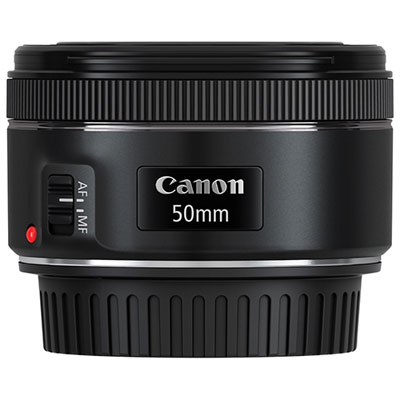 Your price for this item is $169.99
 -
 Your price for this item is $329.99
 -
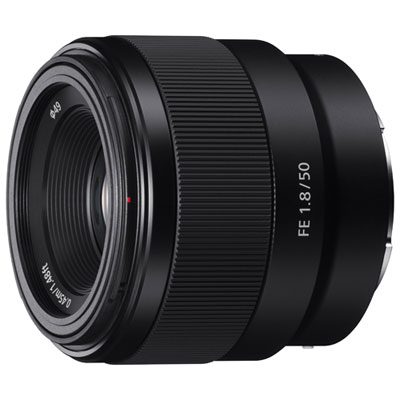 Your price for this item is $349.99
 -
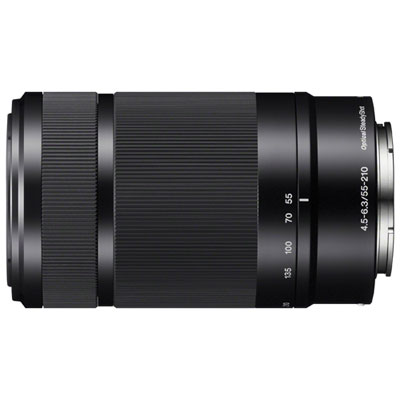 Your price for this item is $399.99
 -
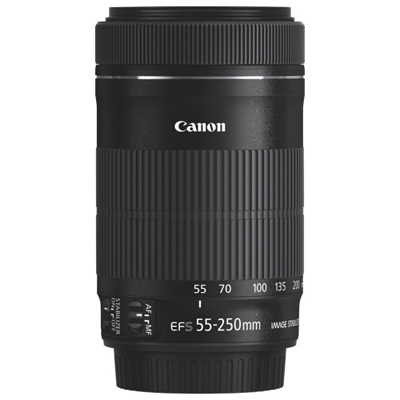 Your price for this item is $399.99
 -
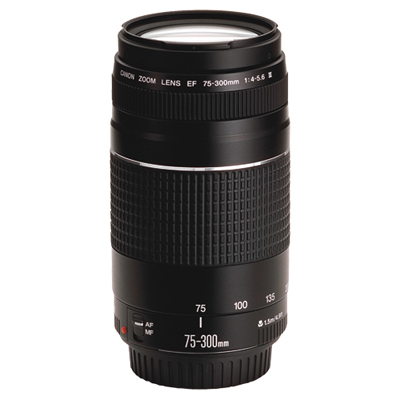 Your price for this item is $199.99
 -
 Your price for this item is $174.99
 -
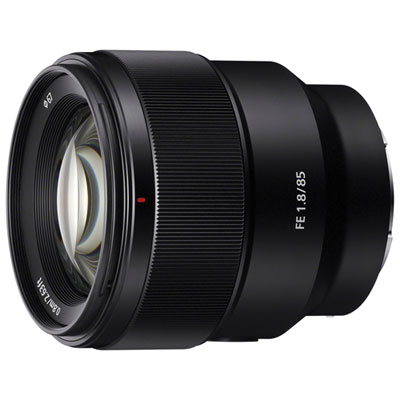 Your price for this item is $749.99
Discover more categories related to Telephoto Lenses With Image Stabilization
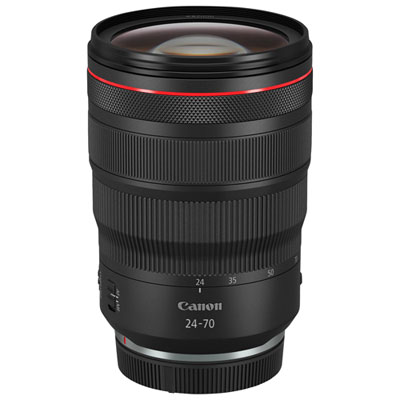
Top Collections:
Pokemon Centers, Kindle Devices, Best Budget Office Chairs, Apple iPhones 16, Best Laptops for Writers, iPhone 15 Apple, Canon G7X Cameras, Refurbished Apple Laptops, Alarm Clock, Motorola Razr Phones
Some products may be subject to Environmental Handling Fees
(EHF) depending on your province.
Learn more about EHFs.