Prime Lenses With Image Stabilization
Prime Lens With Image Stabilization options offer photographers and videographers enhanced clarity and creative control for every shot. These lenses are designed to deliver sharp images, making them an excellent choice for capturing everything from portraits to fast-moving action. Whether you’re upgrading your camera gear or searching for the perfect lens to complement your style, explore a wide selection of Prime Lens With Image Stabilization to find the right fit for your needs. Discover models compatible with leading camera systems and elevate your photography experience with advanced optical performance.
Sort
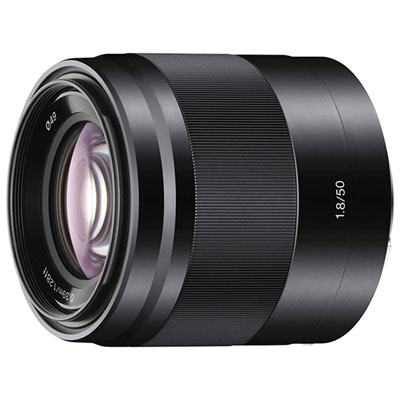
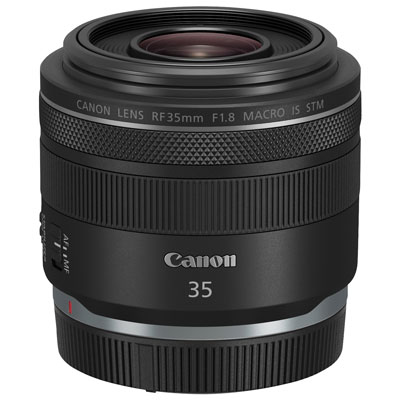
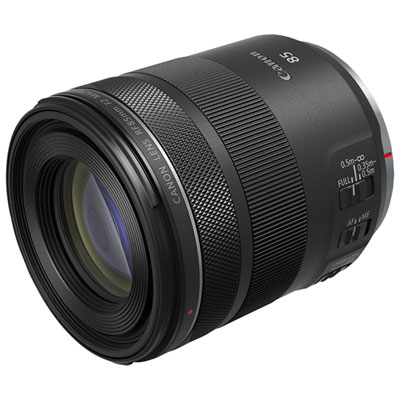
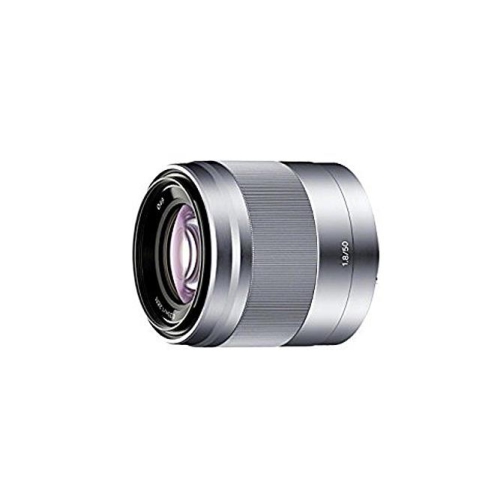
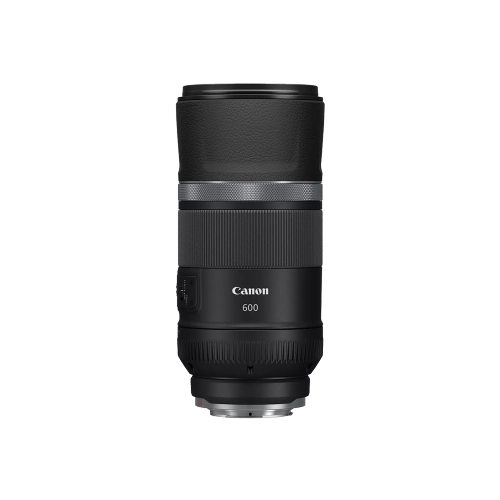
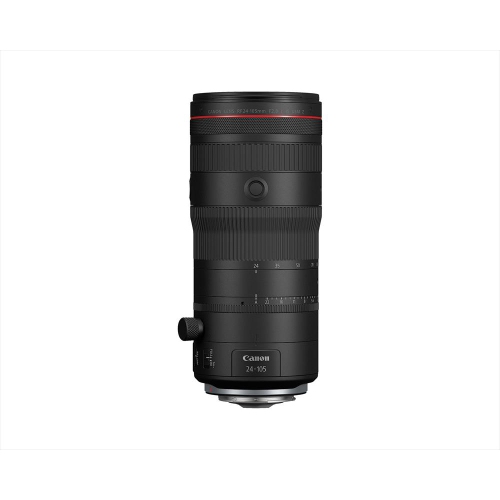
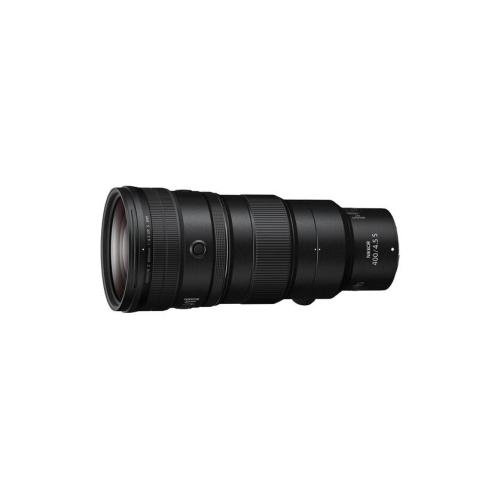
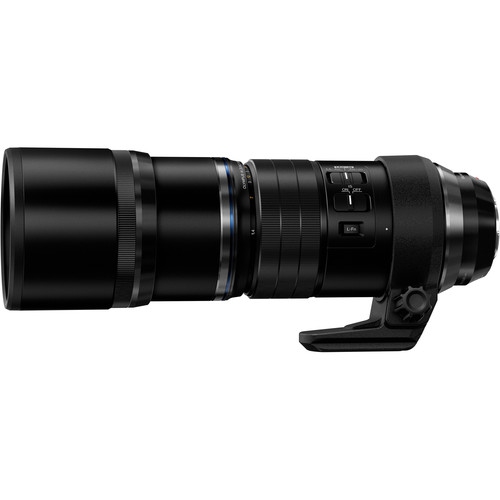
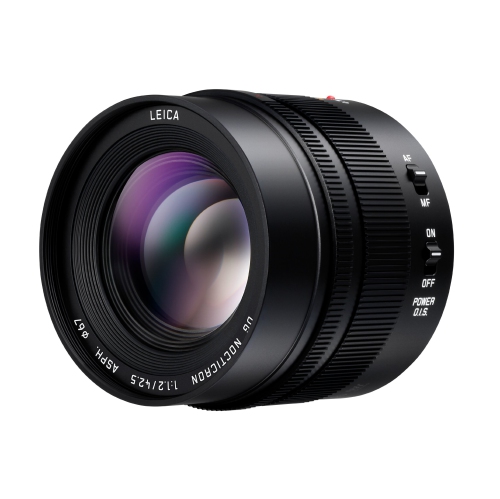
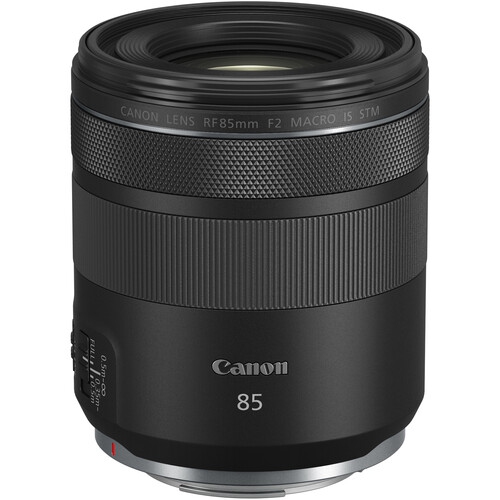
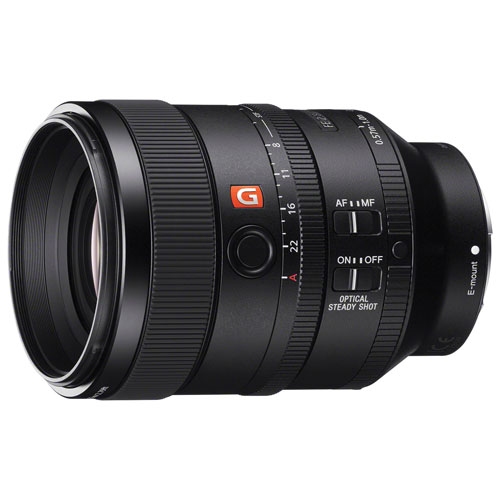
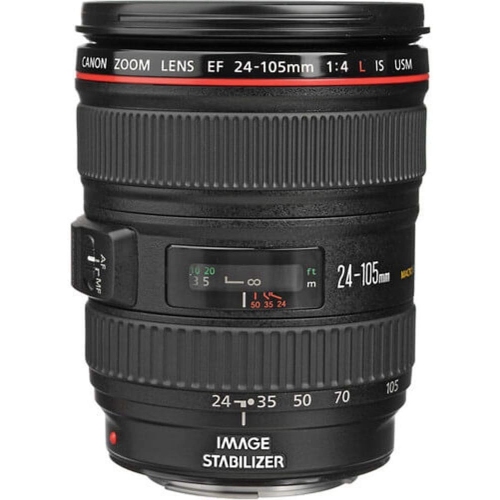
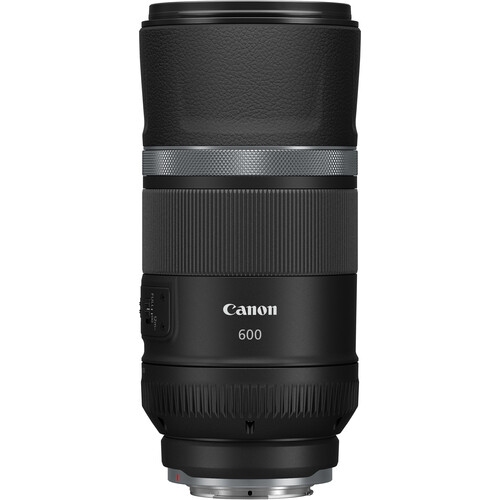
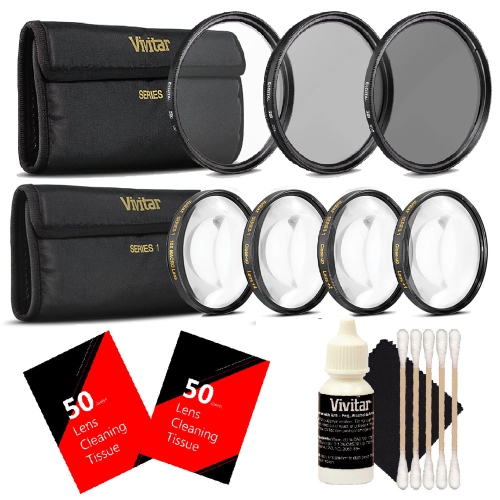
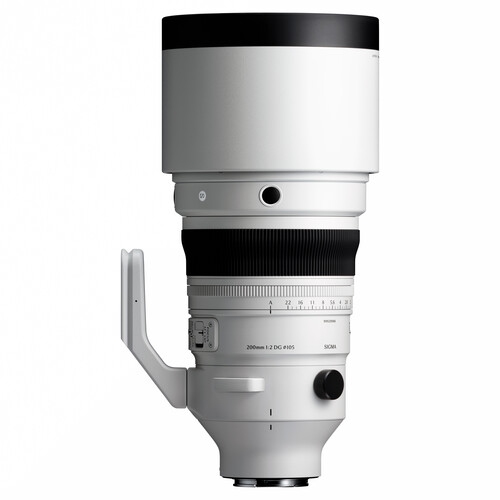

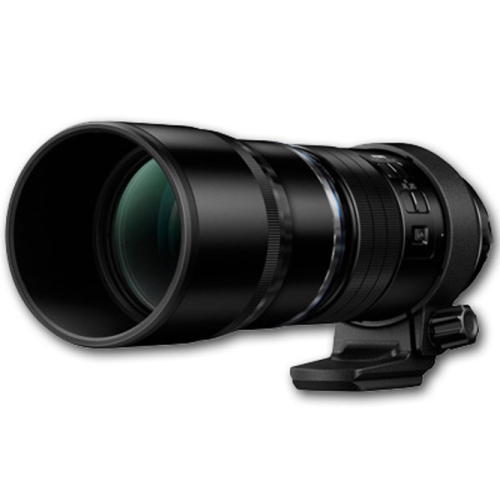
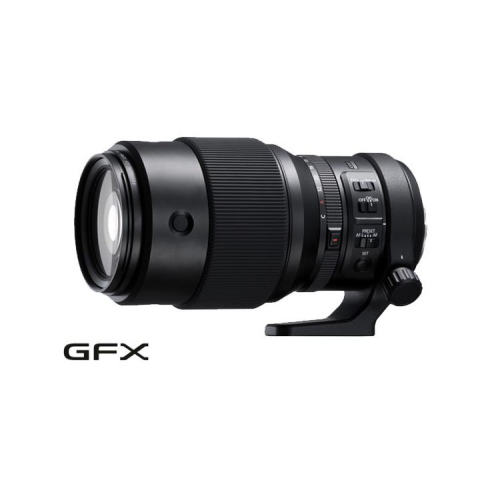
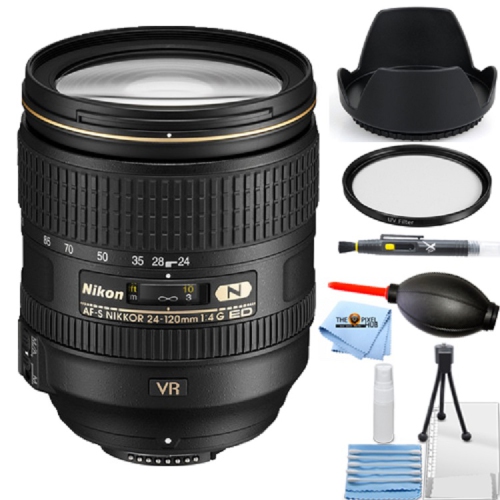
Steadier handheld shots at slower shutter speeds
Prime lenses with image stabilization combine a fixed focal length with an optical system that helps compensate for camera shake. They can make handheld photography more practical at slower shutter speeds, particularly with longer focal lengths or in dimly lit spaces. Unlike a zoom lens, a prime lens maintains one focal length, so changing the framing usually means moving closer to the subject or farther away. Within a stabilized lens, movable optical elements respond to small camera movements to help keep the image steady during an exposure. This lens-based system differs from in-body image stabilization, which moves the camera’s sensor. Stabilized primes are less common than stabilized zooms, but they appear in several categories, including telephoto, macro, and some wide-angle and standard lenses. Their appeal depends on the subject and how the camera is used. A portrait photographer might appreciate steadier framing while concentrating on a person’s expression, while someone photographing architectural details may value the ability to work handheld without immediately reaching for a tripod. Image stabilization and a wide maximum aperture offer different benefits: stabilization reduces blur caused by camera movement, while a wider aperture admits more light and can create a shallower depth of field. Neither replaces the other. A stationary subject in a quiet interior may remain sharp at a slower shutter speed with stabilization, but a walking person or a bird lifting off still needs a shutter speed fast enough to freeze its movement. Focal length also shapes the experience. Wider views suit interiors and scenes that include the subject’s surroundings, standard focal lengths work well for everyday photography, and longer lenses provide tighter framing from a greater distance. For people who enjoy composing deliberately, a stabilized prime offers a consistent angle of view with added support for handheld work. It can suit photographers building a focused kit around portraits, close-up details, performances, or distant subjects rather than carrying a lens for every possible situation.
Camera compatibility is the starting point when comparing prime lenses with image stabilization. The lens mount must match the camera or work through a suitable adapter, and the lens’s image circle must cover the sensor format. A lens designed for a smaller sensor may produce dark corners or require a crop mode on a larger-sensor body, where supported. Conversely, using a compatible larger-format lens on a smaller-sensor camera gives a narrower angle of view without changing the lens’s actual focal length. These distinctions matter when choosing a lens for a small room, a head-and-shoulders portrait, or a distant subject. Autofocus, aperture control, and stabilization may behave differently through an adapter, so physical attachment alone does not establish full compatibility. For a mount-specific selection, Canon EF Lenses With Image Stabilization provides a related category to explore. When a camera also has in-body stabilization, lens and body systems may work together, divide the correction between them, or operate with limitations, depending on the combination. Their advertised stabilization ratings should not simply be added together. Ratings expressed in stops describe a measured potential advantage against camera shake under test conditions, not a guarantee of sharp photographs at a particular shutter speed. Handholding technique, focal length, subject distance, and the final viewing size all affect the result. Longer focal lengths make small movements more noticeable, which is one reason stabilization is particularly useful for handheld telephoto work. At close focusing distances, small shifts forward or backward can also move the plane of focus, and stabilization cannot prevent every missed macro photograph. Some macro systems compensate for additional types of movement, but a steady stance and careful focusing remain important. For video, optical stabilization can soften small handheld tremors, although it does not replace the support of a tripod or gimbal for every type of movement. Panning modes, tripod behaviour, and stabilization controls vary, making the lens and camera documentation useful for understanding a particular pairing.
Handling and construction deserve as much attention as the optical specifications, especially when a lens will be carried for hours or used frequently. Lens bodies may combine metal and engineered plastics, while glass elements and optical coatings influence weight, durability, contrast, and resistance to flare. A heavier lens can feel reassuringly solid yet become tiring during a long portrait session or a day spent photographing birds. Balance on the camera matters more than weight alone: a large lens on a small body may benefit from additional support, and some telephoto designs include a tripod collar to help balance the setup. The focusing ring should be comfortable to reach, with controls that remain easy to operate while looking through the viewfinder. Autofocus speed, accuracy, and motor noise are also worth considering, particularly for moving subjects or video recorded with an on-camera microphone. For close-up photography, minimum focusing distance, working distance, and maximum magnification reveal more about suitability than focal length alone. A little extra space between the front of the lens and the subject can make lighting jewellery, small collectibles, or delicate details easier. Protective seals, where included, offer a degree of resistance to dust and moisture but do not make a lens waterproof. Routine care is straightforward: keep caps fitted during transport, remove loose dust with a suitable blower before wiping glass, and use a clean lens cloth with an appropriate cleaning solution when needed. A padded bag helps protect the barrel and mount from knocks, while clean, dry storage reduces the risk of moisture-related damage. Stabilized prime lenses can be thoughtful gifts for photography enthusiasts, students, or family members developing a particular interest, provided the camera mount and intended use are known. Matching the lens to the recipient’s camera, preferred subjects, and carrying habits is more useful than choosing by aperture or stabilization rating alone. The most rewarding choice is one that feels comfortable in use and supports the photographs its owner genuinely enjoys making.
Top selling and popular products
-
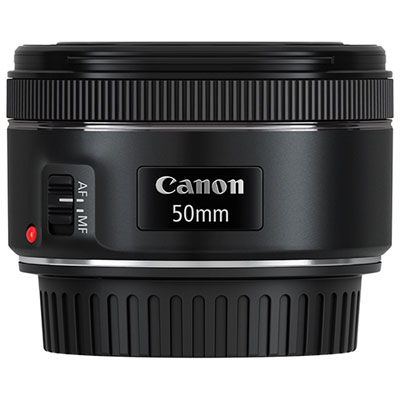 Your price for this item is $169.99
-
 Your price for this item is $279.99
-
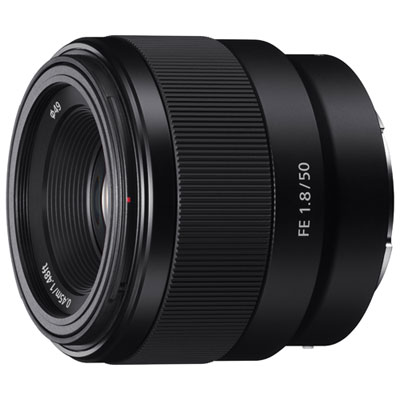 Your price for this item is $299.99
-
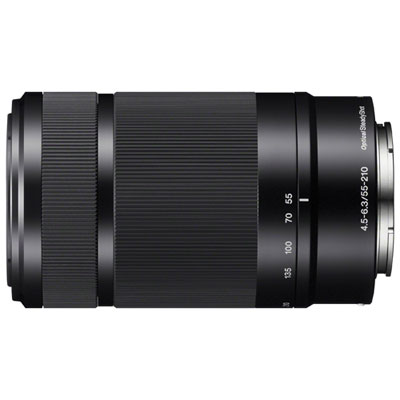 Your price for this item is $399.99
-
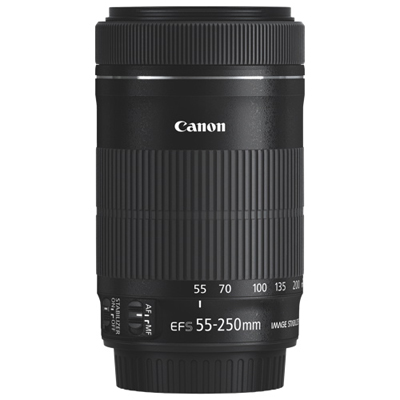 Your price for this item is $399.99
-
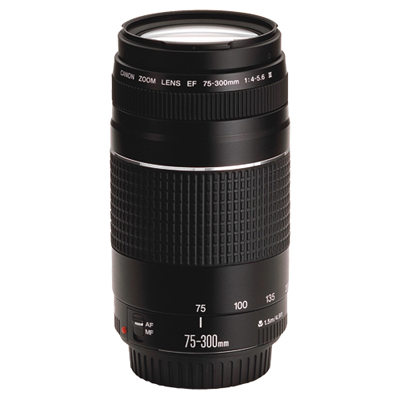 Your price for this item is $199.99
-
 Your price for this item is $539.99
-
 Your price for this item is $174.99
Discover more categories related to Prime Lenses With Image Stabilization

Top Collections:
Best Black Friday Deals This Year, Best Black Friday Deals On Electronics, Kindle Devices, Pokemon Centers, Best Black Friday Deals On Apple Products, Best Cameras for Sports Photography, Dyson Airwrap, Pokémon 30th Celebration Cards, Apple iPhone 17 Pro, Canon G7X Cameras
Some products may be subject to Environmental Handling Fees
(EHF) depending on your province.
Learn more about EHFs.