14mm Lenses
Looking to capture stunning wide-angle shots and add a new dimension to your photography? Look no further than our collection of 14mm lenses. These lenses offer a wider field of view, allowing you to capture more of the scene in a single frame. Whether you're a professional photographer or an avid hobbyist, our range of 14mm lenses is designed to deliver exceptional image quality and enhance your creative possibilities. Explore our selection today and take your photography to the next level.
Sort
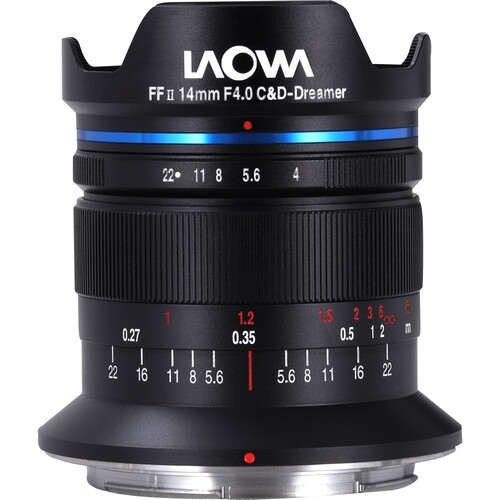
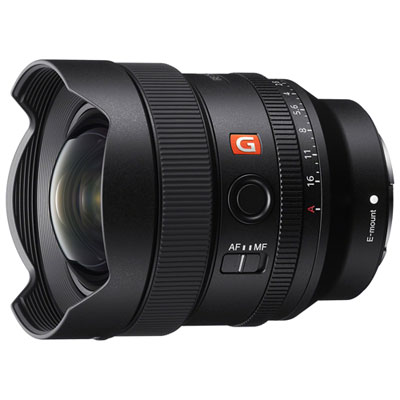
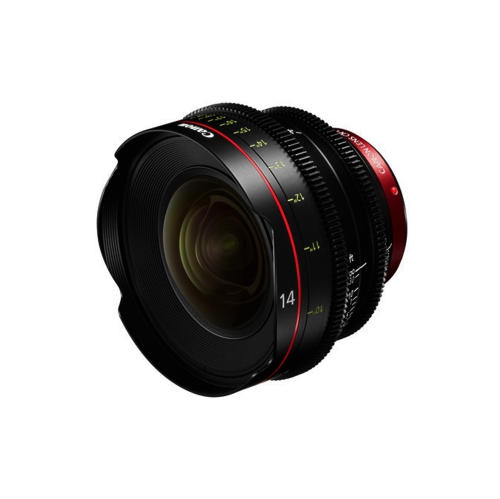
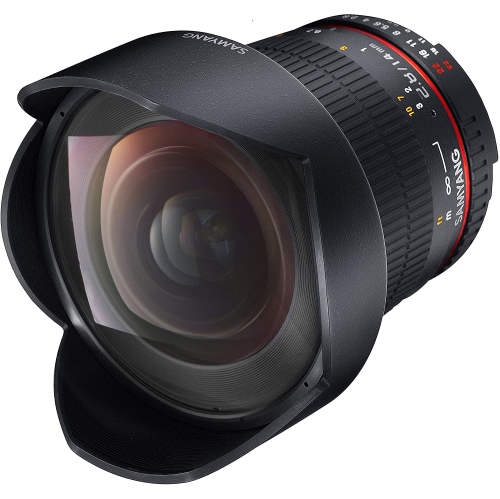
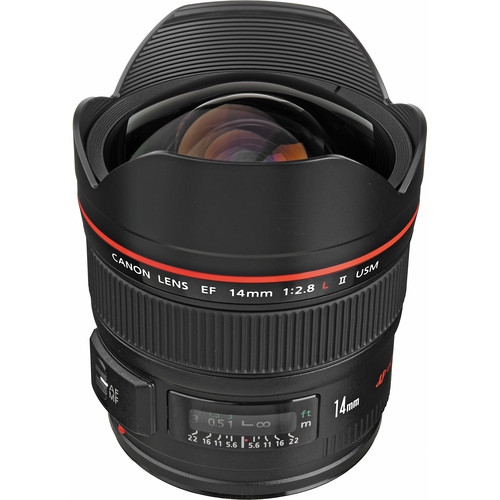
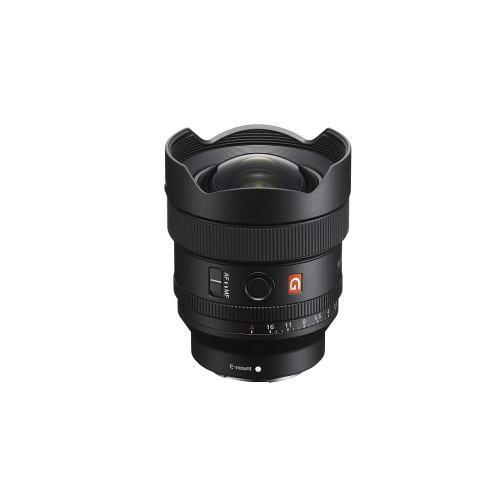
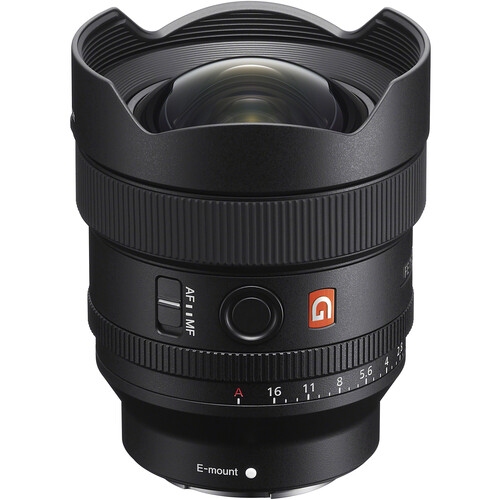
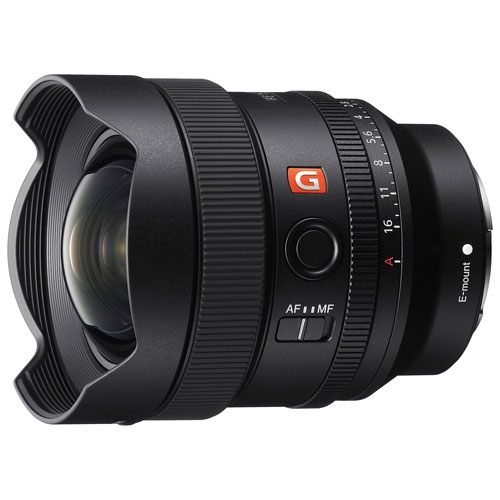

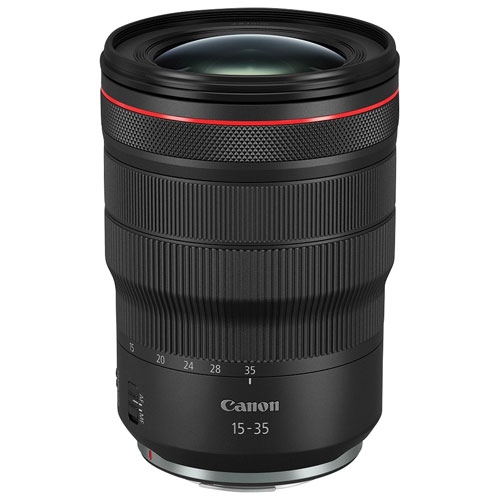
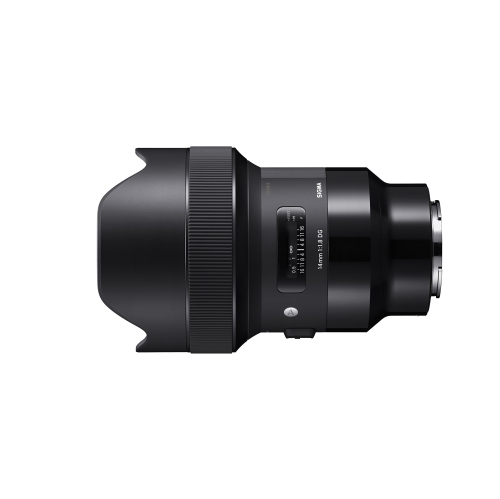
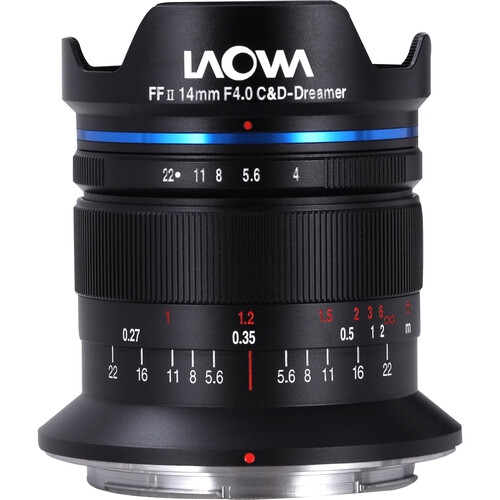
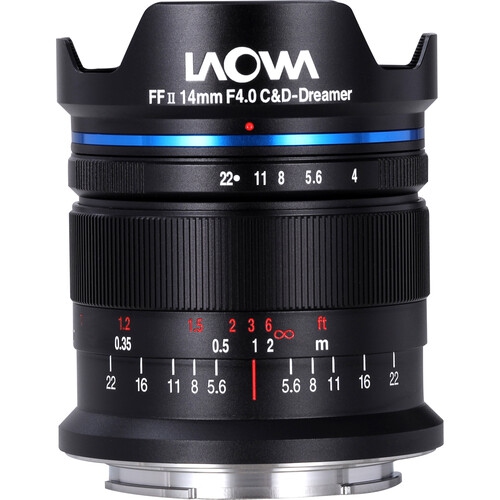
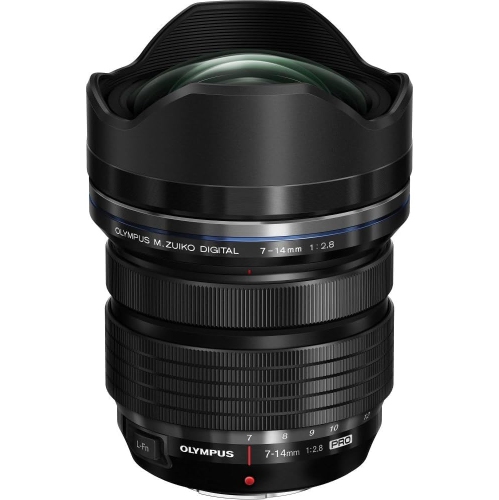
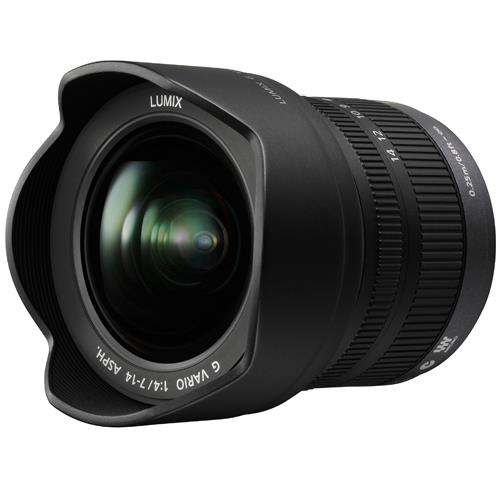
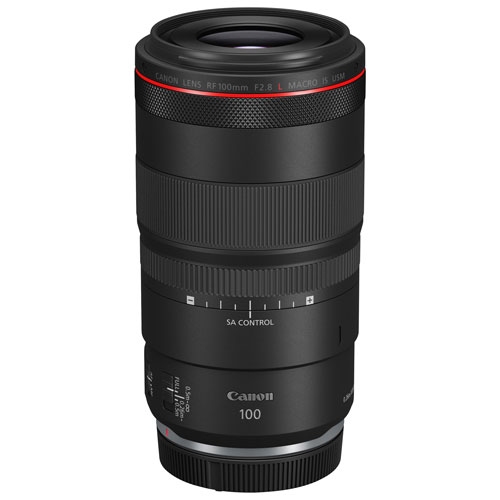
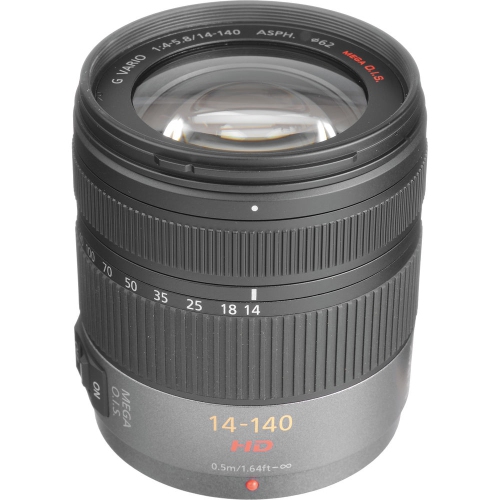
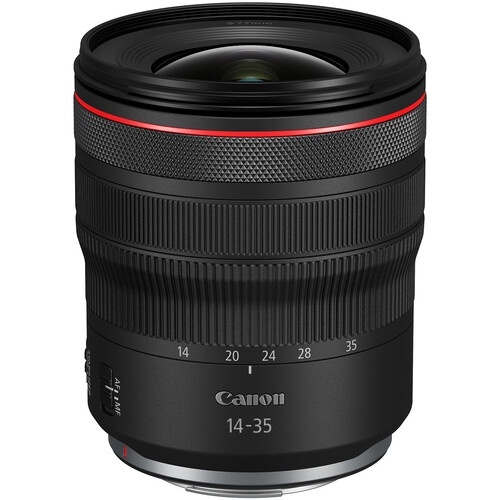
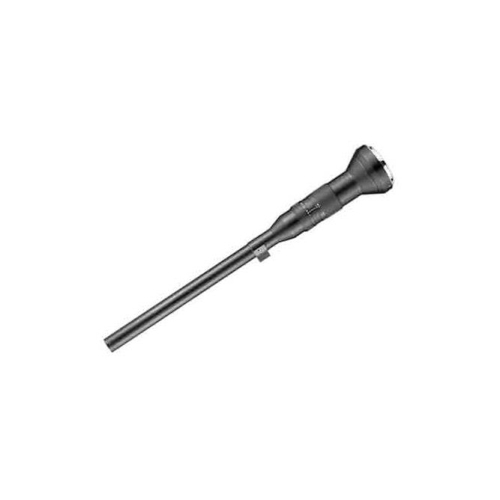
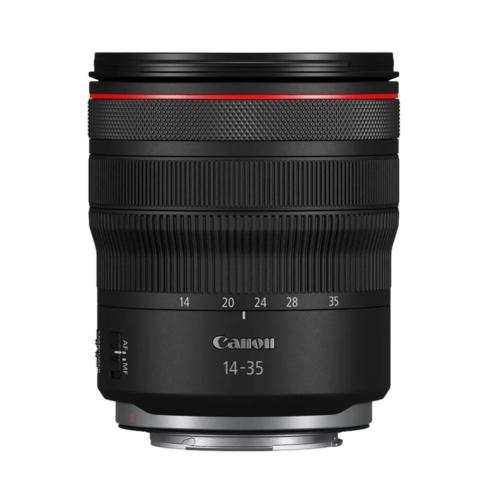
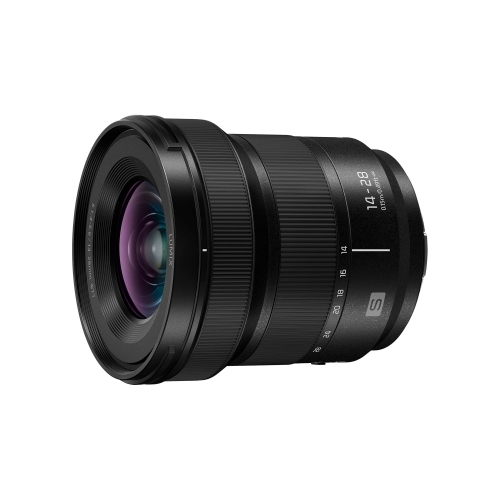
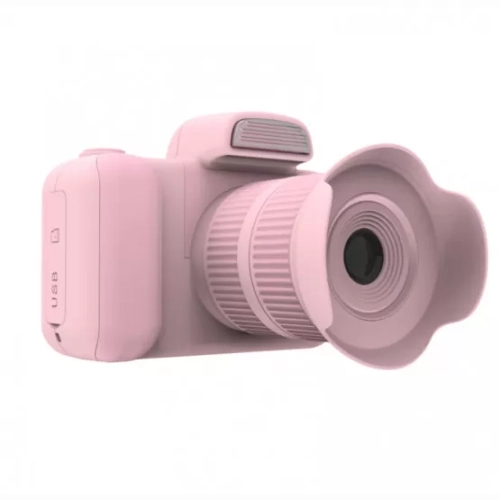

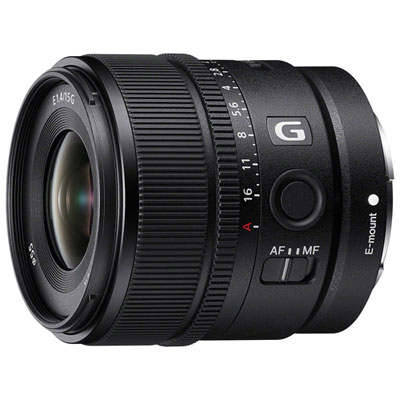
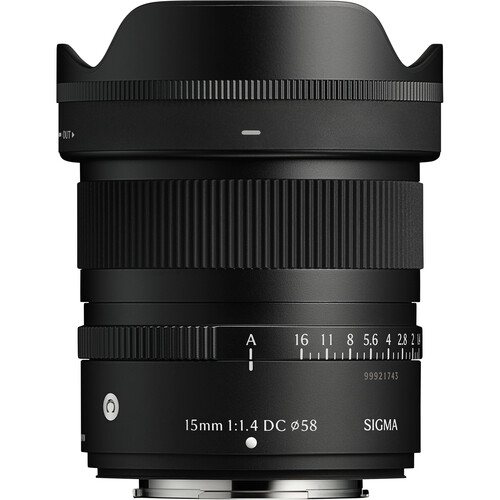
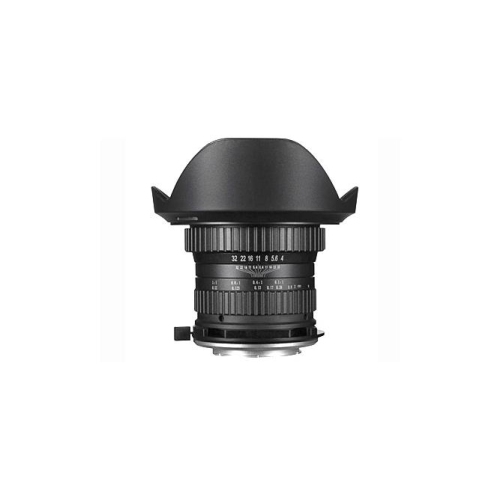


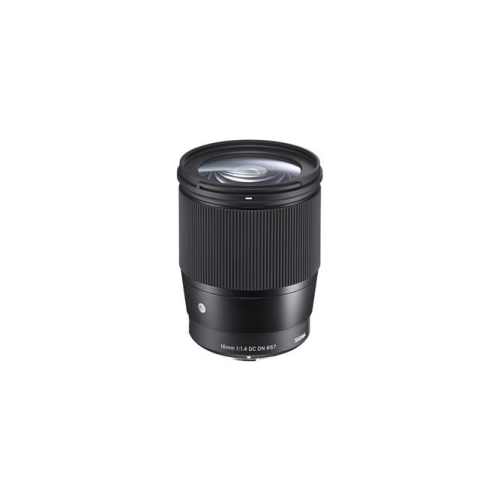
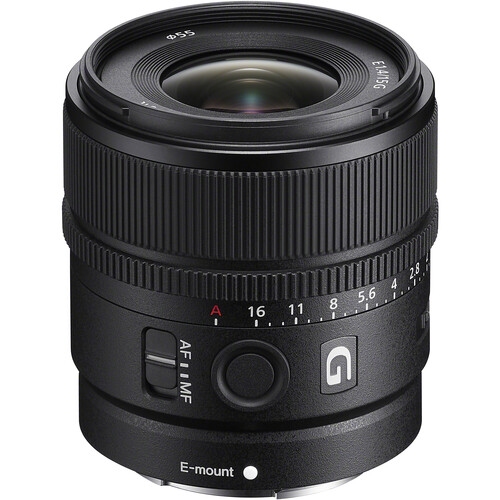
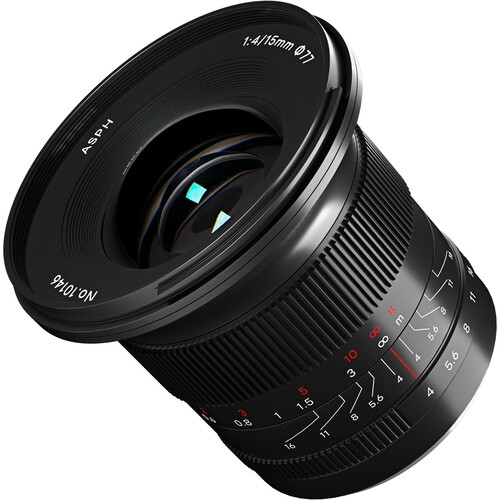
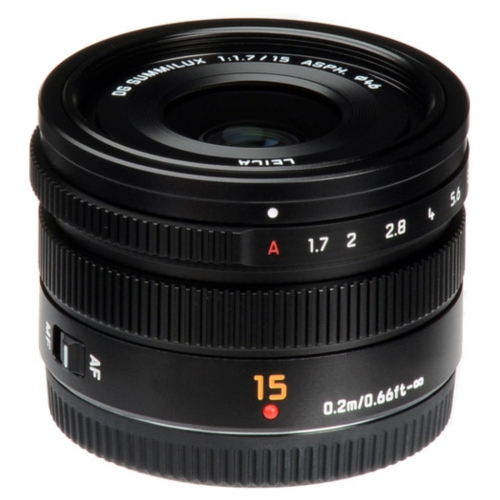
Expansive perspectives for landscapes, interiors and night skies
14mm lenses are ultra-wide-angle lenses designed to capture an exceptionally broad view, making them a useful choice when the scene in front of you feels too large for a standard lens. On a full-frame camera, a 14mm focal length typically provides a field of view of roughly 114 to 116 degrees, allowing expansive landscapes, tall architectural features, compact rooms and wide night skies to fit comfortably within one frame. This broad perspective also creates an exaggerated sense of depth: objects close to the camera appear dramatically larger, while distant details seem to recede quickly into the background. A foreground rock, a textured doorway or a person standing near the edge of a scene can therefore become a strong visual anchor. Many 14mm lenses use rectilinear optical designs, which are intended to keep straight lines such as walls, horizons and building edges looking straight rather than curving outward like they would with a fisheye lens. Even so, perspective distortion can become noticeable when the camera is tilted or when people are placed near the edges of the frame, so careful composition is important. Keeping the camera level can help maintain natural-looking vertical lines, while placing subjects closer to the centre can reduce stretching. Photographers who enjoy dramatic viewpoints may deliberately move in close to emphasize scale, whereas real estate, interior and architectural photographers often step back, level the camera and use the width to show how spaces connect.
Choosing among 14mm lenses starts with confirming compatibility. The lens mount must match your camera system, and the camera’s sensor size affects the final angle of view. A 14mm lens on a full-frame camera delivers the classic ultra-wide perspective, while the same focal length on an APS-C or other crop-sensor camera provides a narrower view because of the crop factor. It can still be useful for landscapes, interiors and creative photography, but it will not look identical from one camera format to another. Autofocus can be convenient for travel, events, interiors and moving subjects, particularly when you need to compose quickly or work in changing light. Manual-focus lenses may appeal to photographers who prefer a deliberate workflow, and they can be especially practical for night-sky photography when focus is set carefully at or near infinity. Aperture is another important consideration. Wider apertures, such as f/1.4 or f/2.8, let in more light and can make it easier to photograph stars, the Milky Way, dim interiors or evening scenes without relying as heavily on a tripod. A smaller or variable maximum aperture may offer a lighter design or a more accessible option for daytime landscapes, where the camera can often be stopped down for broad depth of field. Look at the minimum focusing distance as well: the ability to focus close can make flowers, food, travel details or foreground textures appear bold against a sweeping background. Other useful features include weather sealing for outdoor work, a focus-distance scale for manual adjustments, a smooth focus ring and a sturdy hood that helps shield the front element from stray light.
These lenses are particularly appealing to landscape photographers who want to include a broad sweep of mountains, coastlines, forests or open fields, as well as to travellers documenting a sense of place in busy streets and historic spaces. They can make a narrow hallway feel more connected to the room beyond it, reveal the full height of a soaring ceiling, or frame a campsite beneath a sky filled with stars during the cooler months. For astrophotography, a fast 14mm lens can combine a wide view with strong light-gathering ability, helping capture more of the sky while limiting the need for extremely long exposures that may show star movement. A tripod, remote shutter release and careful focus technique can further improve results. Video creators may also use 14mm lenses for walk-and-talk footage, interiors and dynamic establishing shots, although the wide perspective can make camera movement feel more pronounced. Before choosing, consider whether you prefer the immersive look of a very wide lens, how often you shoot in low light, whether you need autofocus, and whether the size and weight suit your camera bag. A 14mm lens can be a thoughtful gift for a photographer who enjoys road trips, architecture, stargazing or experimenting with unusual compositions, particularly when their existing kit does not include an ultra-wide option. Photographers comparing nearby focal lengths may also want to browse 15mm Lenses for a slightly different balance between expansive coverage and more restrained perspective.
Choosing among 14mm lenses starts with confirming compatibility. The lens mount must match your camera system, and the camera’s sensor size affects the final angle of view. A 14mm lens on a full-frame camera delivers the classic ultra-wide perspective, while the same focal length on an APS-C or other crop-sensor camera provides a narrower view because of the crop factor. It can still be useful for landscapes, interiors and creative photography, but it will not look identical from one camera format to another. Autofocus can be convenient for travel, events, interiors and moving subjects, particularly when you need to compose quickly or work in changing light. Manual-focus lenses may appeal to photographers who prefer a deliberate workflow, and they can be especially practical for night-sky photography when focus is set carefully at or near infinity. Aperture is another important consideration. Wider apertures, such as f/1.4 or f/2.8, let in more light and can make it easier to photograph stars, the Milky Way, dim interiors or evening scenes without relying as heavily on a tripod. A smaller or variable maximum aperture may offer a lighter design or a more accessible option for daytime landscapes, where the camera can often be stopped down for broad depth of field. Look at the minimum focusing distance as well: the ability to focus close can make flowers, food, travel details or foreground textures appear bold against a sweeping background. Other useful features include weather sealing for outdoor work, a focus-distance scale for manual adjustments, a smooth focus ring and a sturdy hood that helps shield the front element from stray light.
These lenses are particularly appealing to landscape photographers who want to include a broad sweep of mountains, coastlines, forests or open fields, as well as to travellers documenting a sense of place in busy streets and historic spaces. They can make a narrow hallway feel more connected to the room beyond it, reveal the full height of a soaring ceiling, or frame a campsite beneath a sky filled with stars during the cooler months. For astrophotography, a fast 14mm lens can combine a wide view with strong light-gathering ability, helping capture more of the sky while limiting the need for extremely long exposures that may show star movement. A tripod, remote shutter release and careful focus technique can further improve results. Video creators may also use 14mm lenses for walk-and-talk footage, interiors and dynamic establishing shots, although the wide perspective can make camera movement feel more pronounced. Before choosing, consider whether you prefer the immersive look of a very wide lens, how often you shoot in low light, whether you need autofocus, and whether the size and weight suit your camera bag. A 14mm lens can be a thoughtful gift for a photographer who enjoys road trips, architecture, stargazing or experimenting with unusual compositions, particularly when their existing kit does not include an ultra-wide option. Photographers comparing nearby focal lengths may also want to browse 15mm Lenses for a slightly different balance between expansive coverage and more restrained perspective.
Top selling and popular products
-
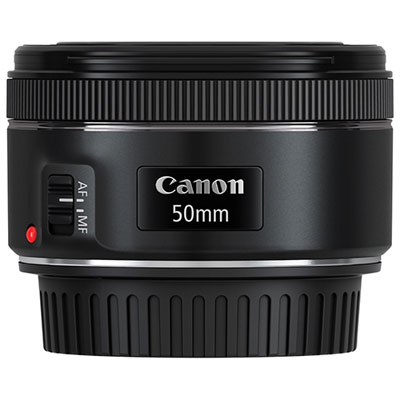 Your price for this item is $169.99
 -
 Your price for this item is $329.99
 -
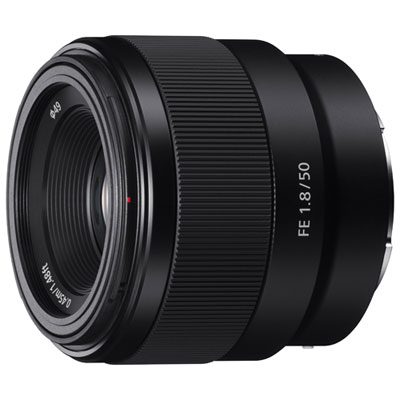 Your price for this item is $349.99
 -
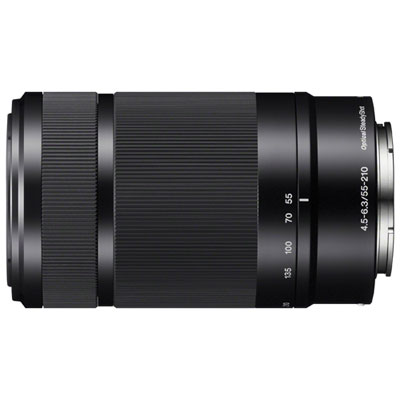 Your price for this item is $399.99
 -
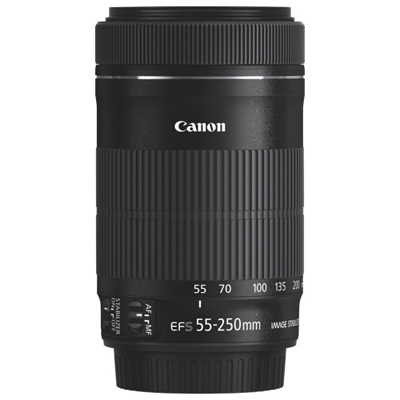 Your price for this item is $399.99
 -
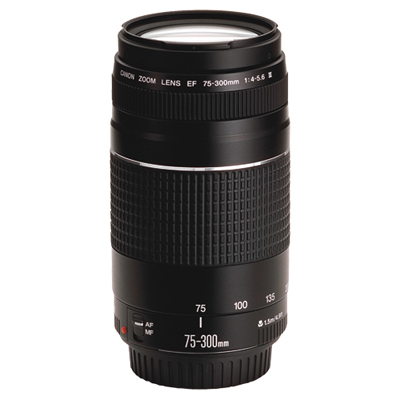 Your price for this item is $199.99
 -
 Your price for this item is $174.99
 -
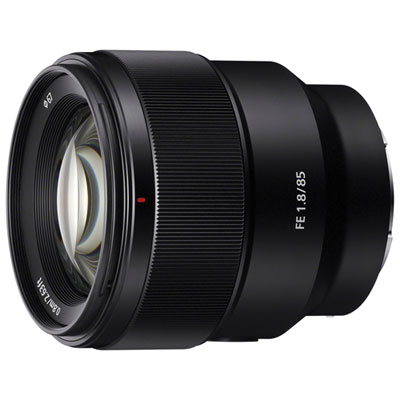 Your price for this item is $799.99
Discover more categories related to 14mm Lenses
Top Collections:
Pokemon Centers, Best Cameras for Sports Photography, Kindle Devices, Samsung Galaxy Phones, Canon G7X Cameras, Pokémon 30th Celebration Cards, Refurbished Apple Laptops, iPhone 15 Apple, Laptops for Students, Budget Smartphones
Some products may be subject to Environmental Handling Fees
(EHF) depending on your province.
Learn more about EHFs.