10 18MM Lenses
Capture the perfect shot with our wide selection of 10 18mm lenses. Whether you're a professional photographer or an avid hobbyist, these lenses are designed to enhance your creativity and bring your images to life. With features such as wide-angle, zoom, and macro capabilities, you can find the perfect lens for your needs. They also come with a range of filter sizes, so no matter what kind of image you're trying to capture, you can find the perfect lens for the job. Here are some great options available.
Sort
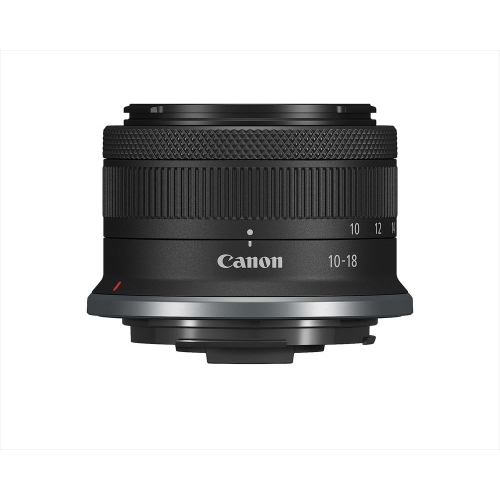
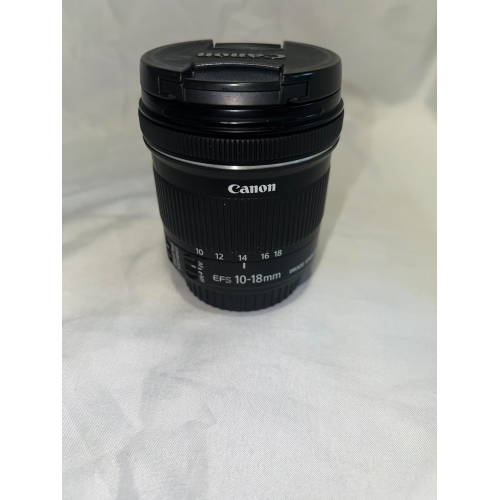
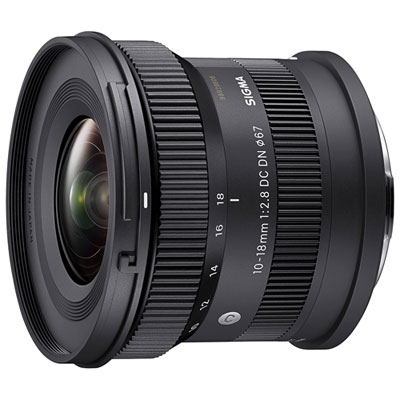
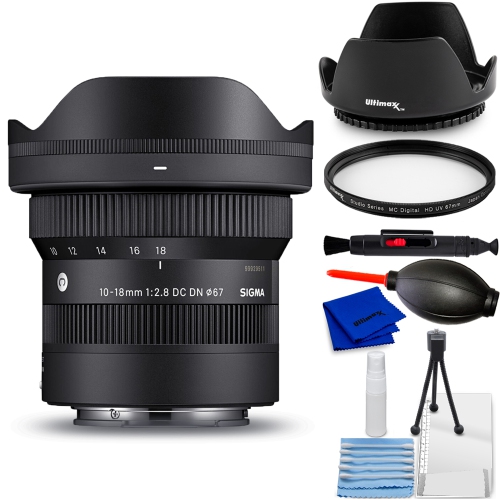
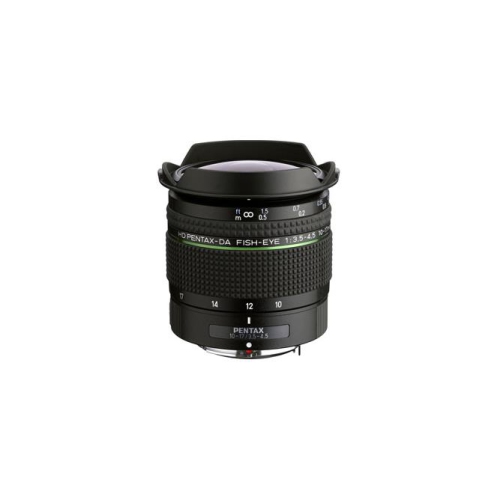
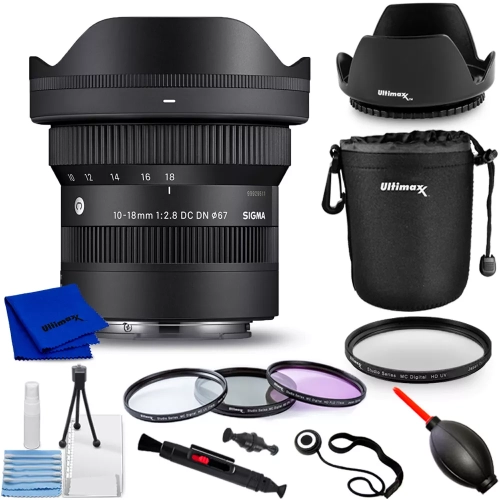
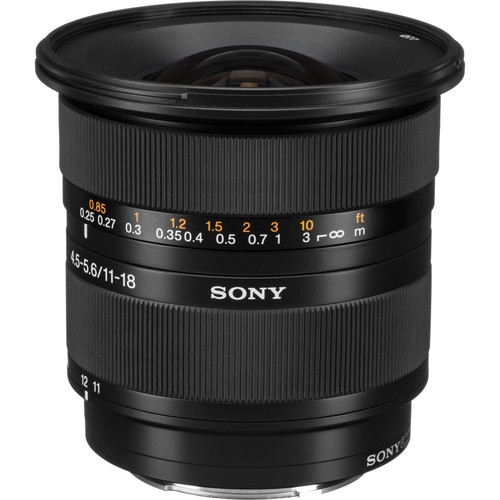
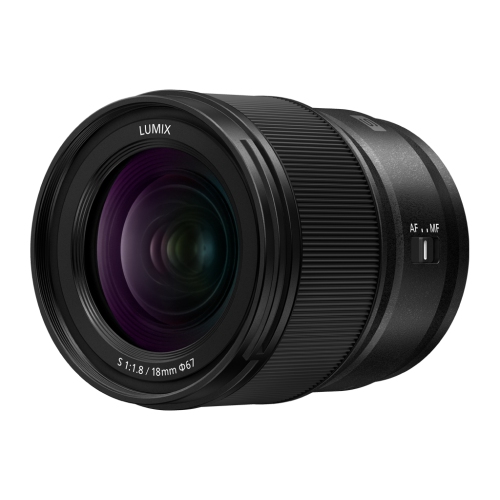
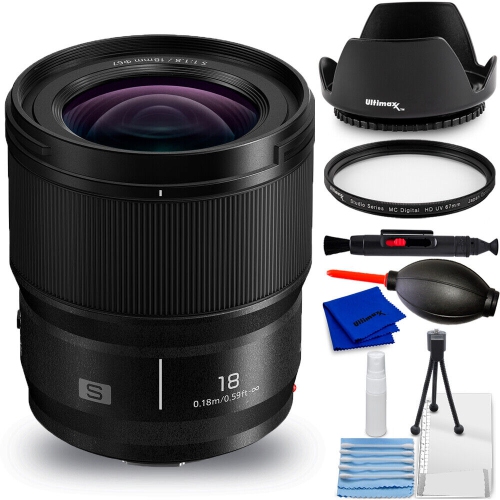
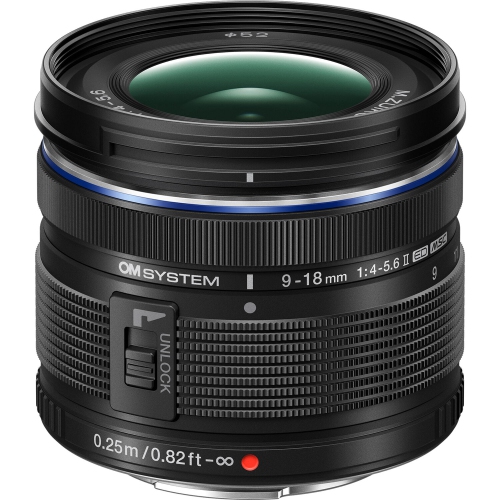
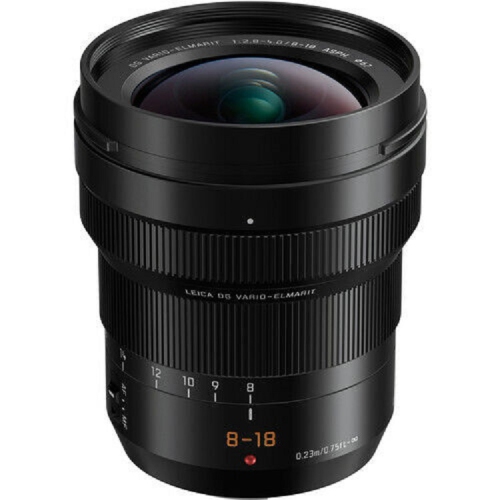
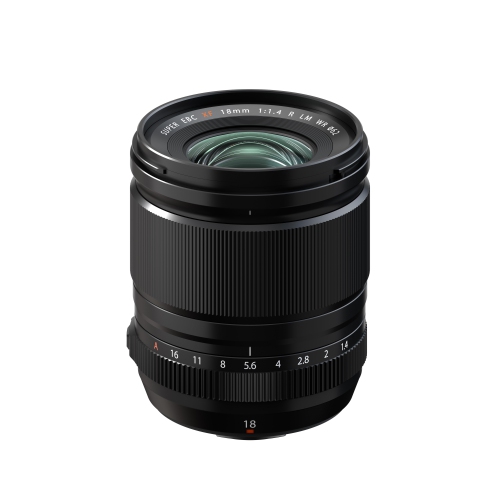
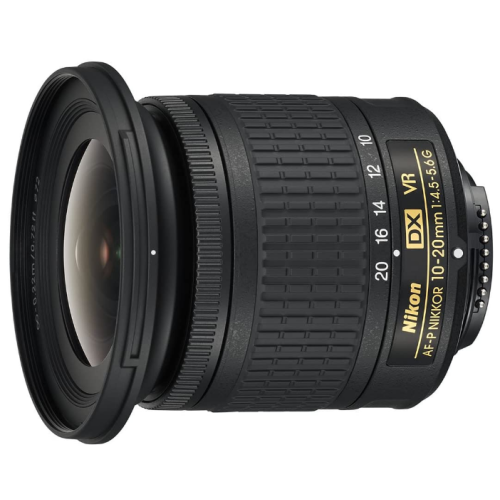
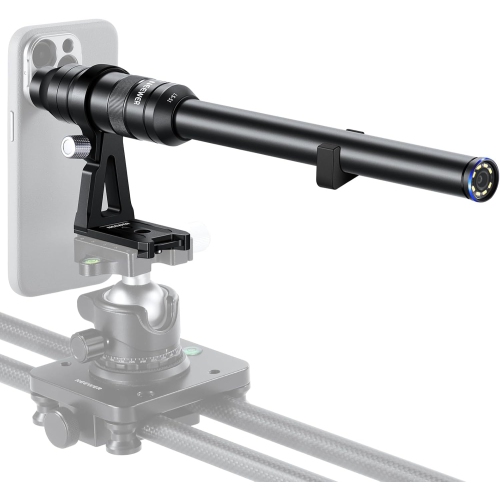
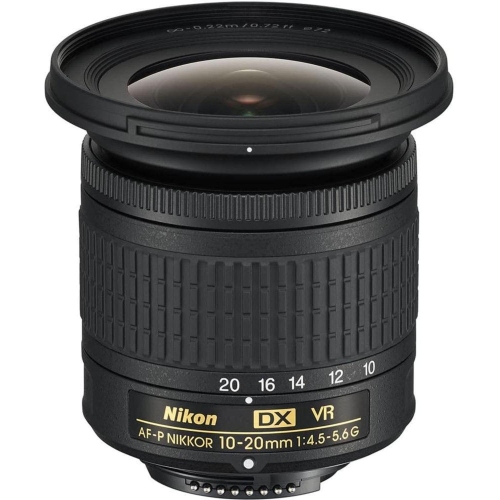
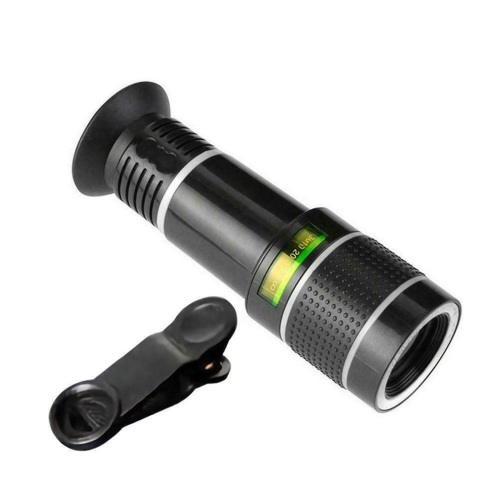
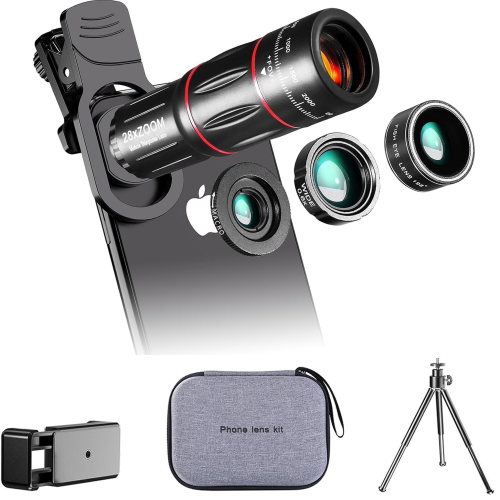
A flexible wide-angle view for expansive scenes
10-18mm lenses are ultra-wide zoom lenses designed to capture a noticeably broader view than a standard kit lens, making them a popular choice for landscapes, architecture, interiors, travel photography and video. At the 10mm end, the expansive field of view can include sweeping coastlines, tall buildings, dramatic skies and entire rooms, even when you are working in a confined space. Zooming toward 18mm provides a slightly more natural perspective for street scenes, environmental portraits and everyday snapshots while retaining the flexibility of a wide-angle design. On cameras with APS-C sensors, the full-frame equivalent field of view is typically around 15-27mm, depending on the camera system, which still offers a strong ultra-wide perspective. This range is especially useful for photographers who want to move quickly between broad compositions and more controlled framing without changing lenses. It can also be a practical addition to a compact camera bag for travel, where the ability to photograph a narrow alley, a spacious interior and a sweeping vista with one lens can make a real difference.
Before choosing among 10-18mm lenses, confirm that the mount matches the camera body and that the lens is designed for the camera’s sensor format. Compatibility is more than a matter of physical fit: lenses made for DSLR systems and lenses made for mirrorless systems may use different mounts, while autofocus, image stabilization and electronic communication can vary between camera generations. Aperture is another important consideration. A wider maximum aperture, such as f/2.8, can help when photographing indoors, at dusk or in other dim conditions, and may provide more control over shutter speed for video. More modest variable apertures can still be well suited to daylight landscapes, architecture and travel photography, particularly when the camera is mounted on a tripod or when image stabilization is available. Optical or in-body stabilization can help reduce the effect of handheld camera movement, although it cannot freeze a moving subject. For video, look for smooth autofocus, quiet focusing and a design that minimizes visible shifts in framing while zooming. Weight, filter compatibility, close-focusing ability and weather sealing may also influence the decision, especially for photographers who spend long days outdoors or frequently move between changing conditions. Those comparing wider and more standard focal lengths may also wish to browse 25mm Lenses when building a versatile collection.
These lenses are often chosen by landscape photographers who want foreground detail to lead the eye into a scene, such as textured rocks guiding the view toward distant mountains or a winding path disappearing beneath an open sky. Architecture and real estate photographers can use the broad perspective to show the relationship between walls, furniture and architectural features, although careful positioning is important because ultra-wide lenses can exaggerate lines near the edges of the frame. For vlogging and video calls, a 10-18mm lens can keep the subject visible at arm’s length while including a desk, studio corner or outdoor setting in the background. It is also useful for documenting renovations, family gatherings and travel memories when several people need to fit comfortably into a frame. The wide perspective rewards thoughtful composition: placing an interesting object close to the lens can add depth, while keeping important faces and straight lines away from the outer edges can reduce distortion. As the weather warms, the range can be useful for open-air events, road trips and bright coastal scenes; during the cooler months, it can bring a sense of space to indoor gatherings, museums and softly lit rooms. A 10-18mm lens can make a thoughtful gift for a photographer moving beyond a basic kit lens, a student learning composition, or a content creator looking for a flexible option for travel and home video. Its greatest strength is the freedom to show more of the setting without giving up the ability to tighten the composition, helping memorable places and everyday moments feel connected to their surroundings.
Before choosing among 10-18mm lenses, confirm that the mount matches the camera body and that the lens is designed for the camera’s sensor format. Compatibility is more than a matter of physical fit: lenses made for DSLR systems and lenses made for mirrorless systems may use different mounts, while autofocus, image stabilization and electronic communication can vary between camera generations. Aperture is another important consideration. A wider maximum aperture, such as f/2.8, can help when photographing indoors, at dusk or in other dim conditions, and may provide more control over shutter speed for video. More modest variable apertures can still be well suited to daylight landscapes, architecture and travel photography, particularly when the camera is mounted on a tripod or when image stabilization is available. Optical or in-body stabilization can help reduce the effect of handheld camera movement, although it cannot freeze a moving subject. For video, look for smooth autofocus, quiet focusing and a design that minimizes visible shifts in framing while zooming. Weight, filter compatibility, close-focusing ability and weather sealing may also influence the decision, especially for photographers who spend long days outdoors or frequently move between changing conditions. Those comparing wider and more standard focal lengths may also wish to browse 25mm Lenses when building a versatile collection.
These lenses are often chosen by landscape photographers who want foreground detail to lead the eye into a scene, such as textured rocks guiding the view toward distant mountains or a winding path disappearing beneath an open sky. Architecture and real estate photographers can use the broad perspective to show the relationship between walls, furniture and architectural features, although careful positioning is important because ultra-wide lenses can exaggerate lines near the edges of the frame. For vlogging and video calls, a 10-18mm lens can keep the subject visible at arm’s length while including a desk, studio corner or outdoor setting in the background. It is also useful for documenting renovations, family gatherings and travel memories when several people need to fit comfortably into a frame. The wide perspective rewards thoughtful composition: placing an interesting object close to the lens can add depth, while keeping important faces and straight lines away from the outer edges can reduce distortion. As the weather warms, the range can be useful for open-air events, road trips and bright coastal scenes; during the cooler months, it can bring a sense of space to indoor gatherings, museums and softly lit rooms. A 10-18mm lens can make a thoughtful gift for a photographer moving beyond a basic kit lens, a student learning composition, or a content creator looking for a flexible option for travel and home video. Its greatest strength is the freedom to show more of the setting without giving up the ability to tighten the composition, helping memorable places and everyday moments feel connected to their surroundings.
Top selling and popular products
-
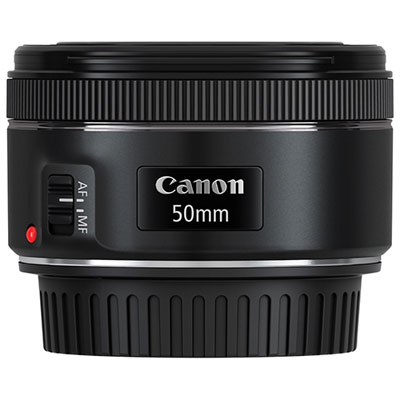 Your price for this item is $169.99
 -
 Your price for this item is $329.99
 -
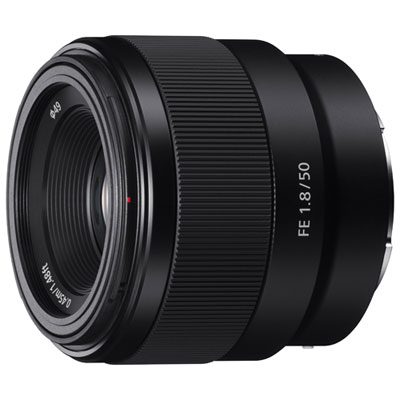 Your price for this item is $349.99
 -
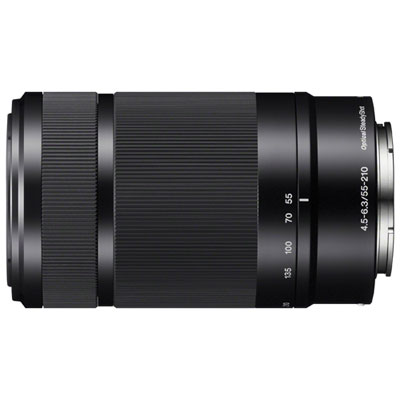 Your price for this item is $399.99
 -
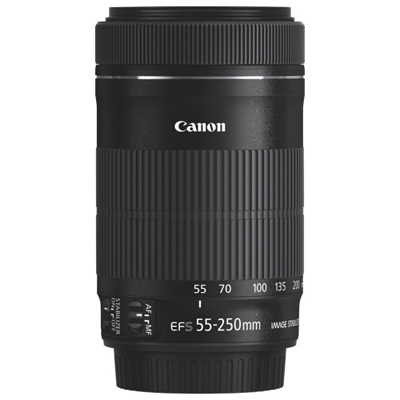 Your price for this item is $399.99
 -
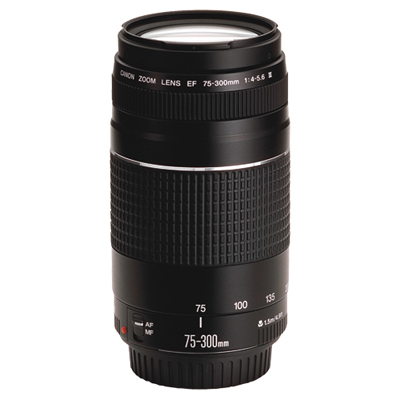 Your price for this item is $199.99
 -
 Your price for this item is $174.99
 -
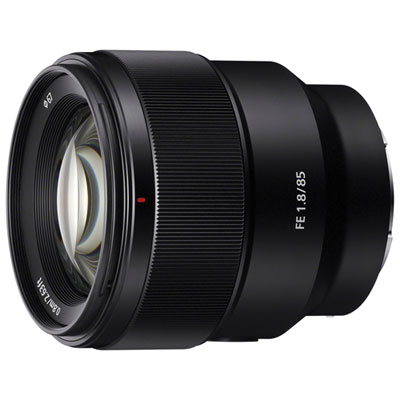 Your price for this item is $799.99
Discover more categories related to 10 18MM Lenses
Top Collections:
Pokemon Centers, Best Cameras for Sports Photography, Kindle Devices, Samsung Galaxy Phones, Canon G7X Cameras, Pokémon 30th Celebration Cards, Refurbished Apple Laptops, iPhone 15 Apple, Laptops for Students, Budget Smartphones
Some products may be subject to Environmental Handling Fees
(EHF) depending on your province.
Learn more about EHFs.