Full Frame Lenses
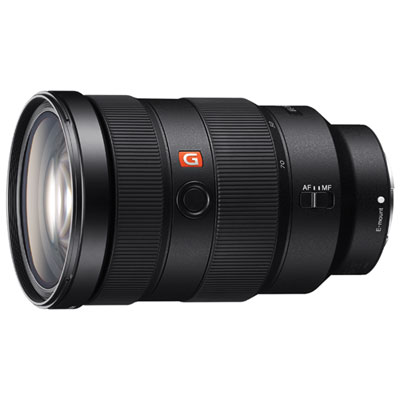
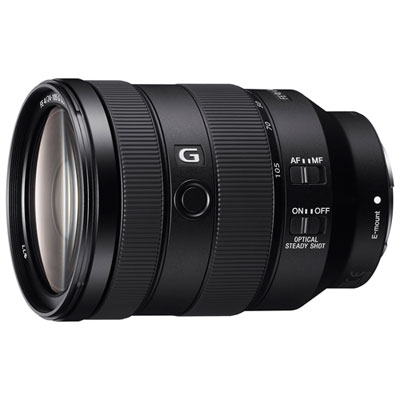
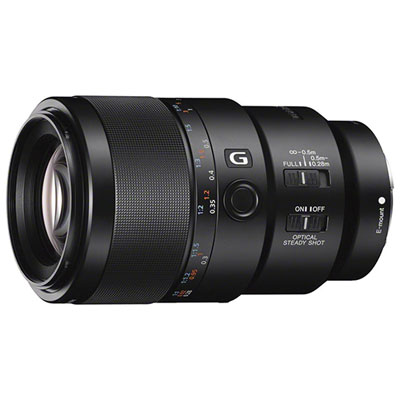
Capture every detail with stunning clarity and precision using this wide selection of full-frame lenses. Designed to complement your DSLR or mirrorless camera, these lenses offer exceptional image quality, allowing you to capture every moment with incredible detail and depth. Whether you're a professional photographer or a passionate hobbyist, this range of full-frame lenses will take your photography to new heights. From wide-angle lenses for breathtaking landscapes to telephoto lenses for capturing distant subjects, we have the perfect lens to suit your needs.
Sort





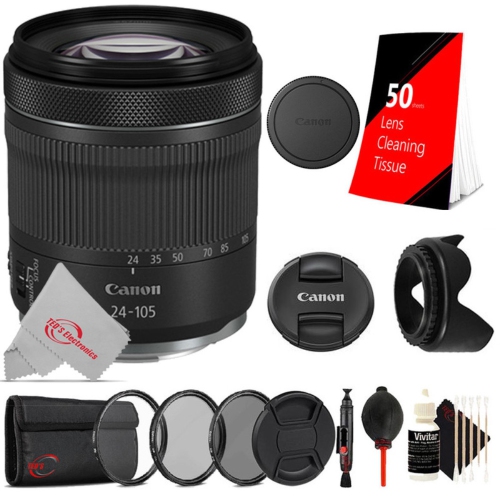
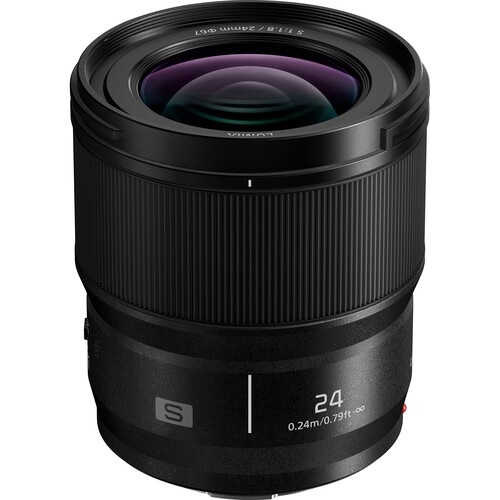
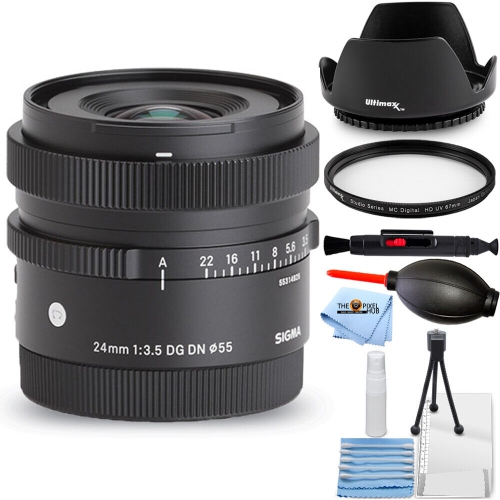
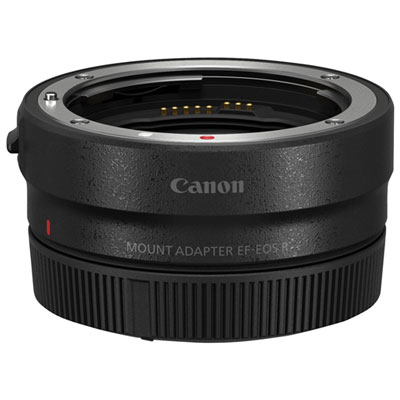


Why sensor coverage is only part of lens compatibility
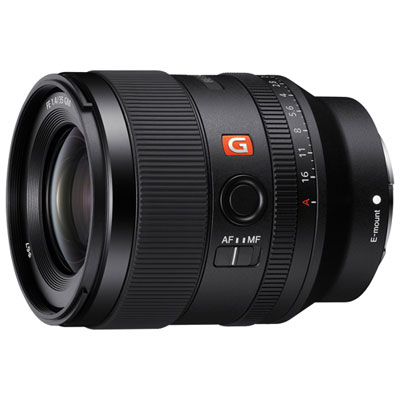
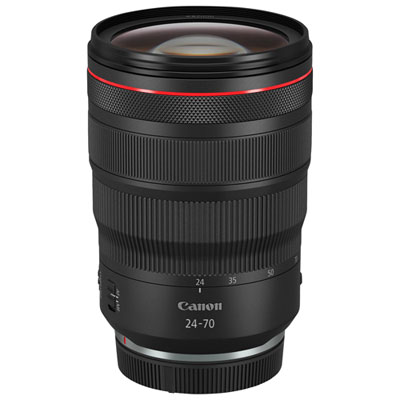
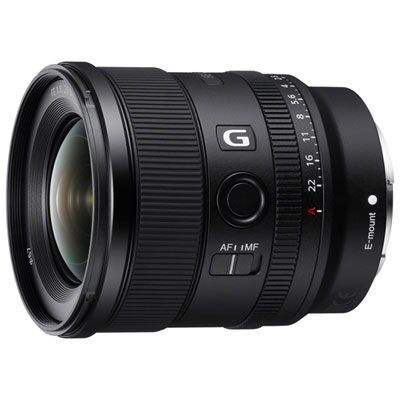
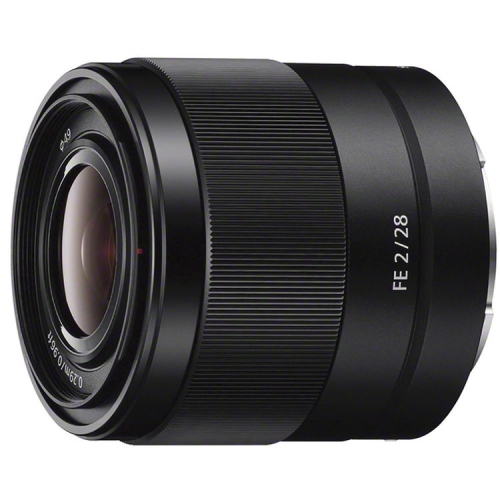
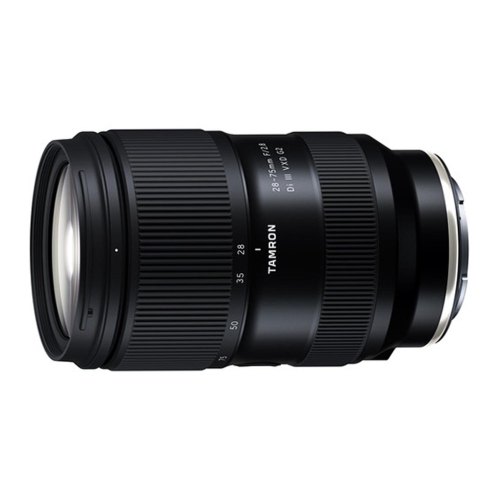
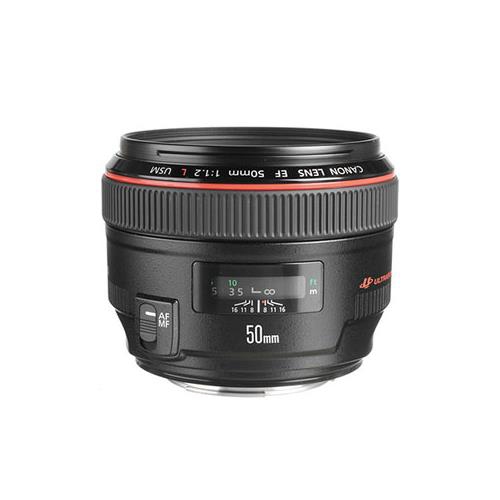
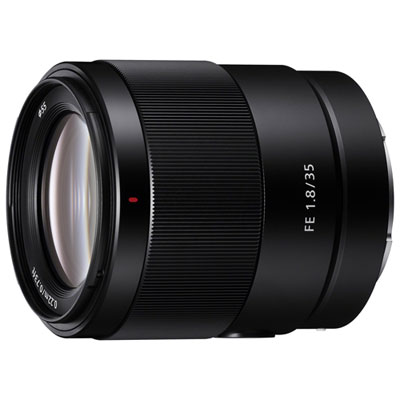
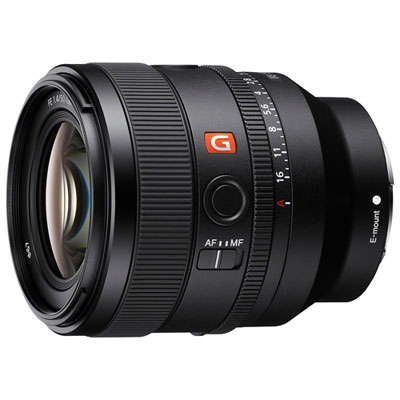
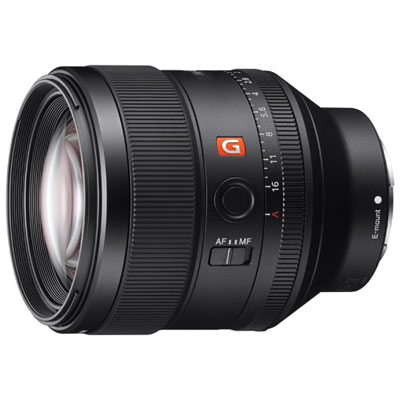
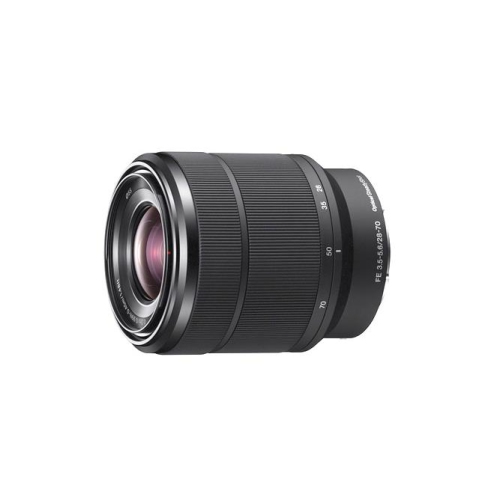
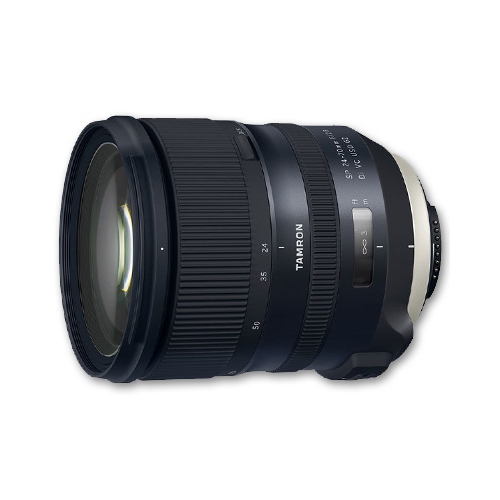
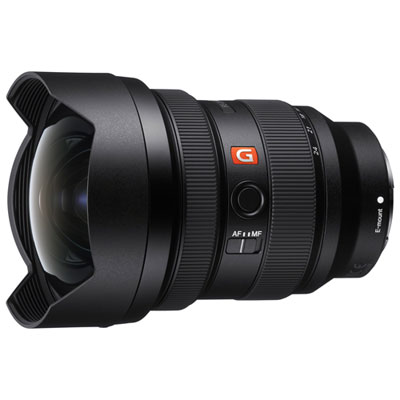
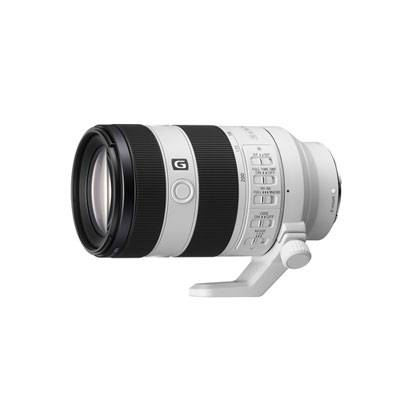
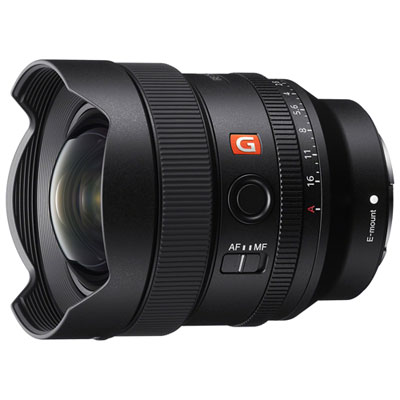
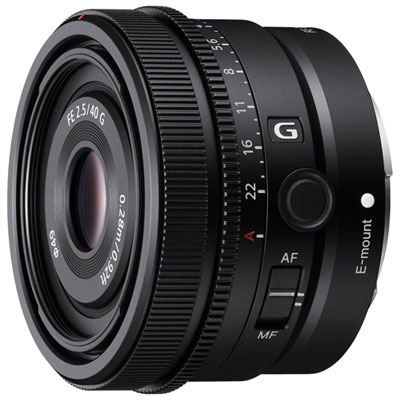
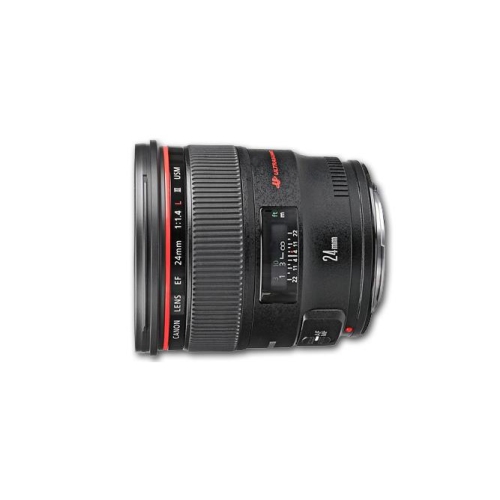
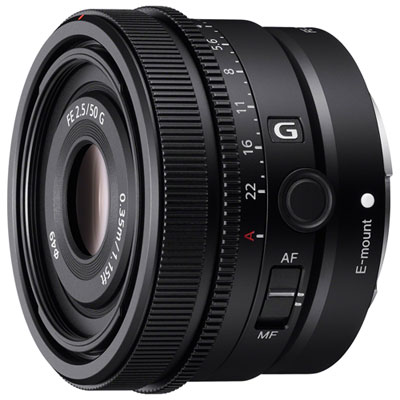
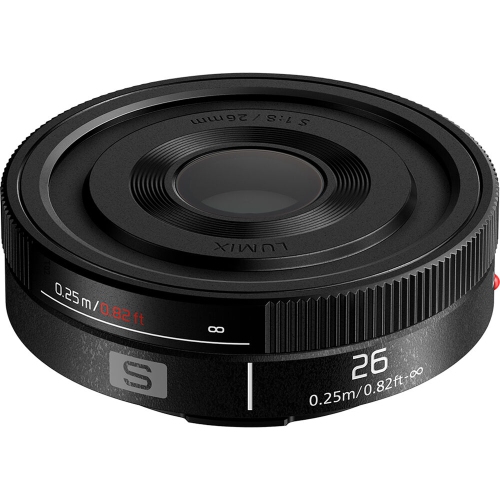
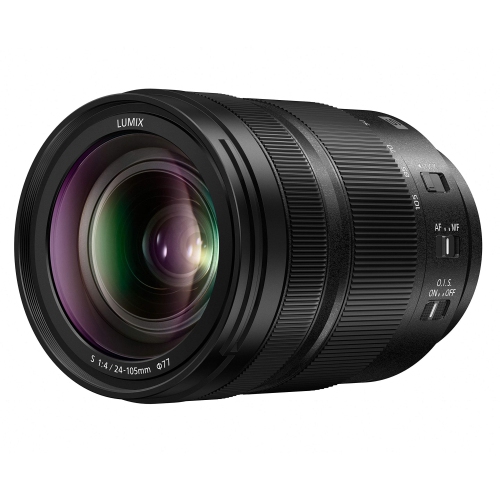
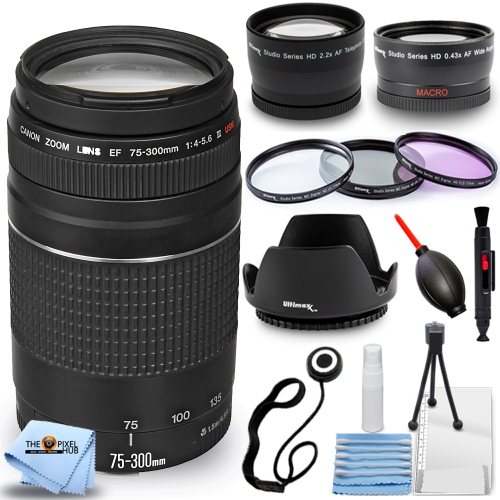
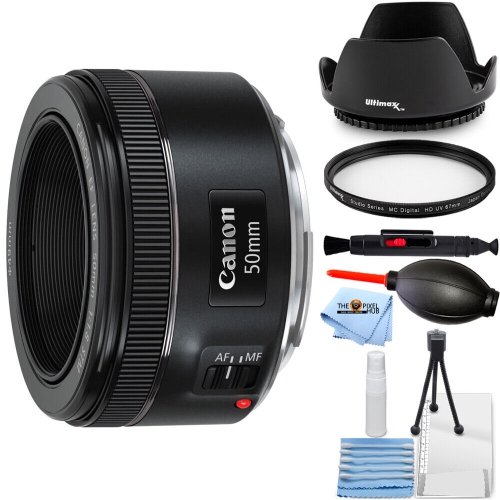
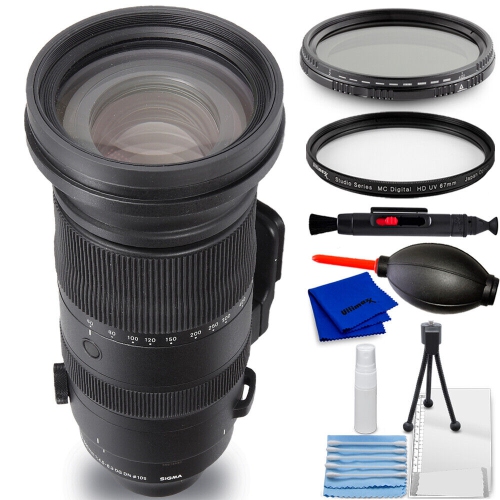
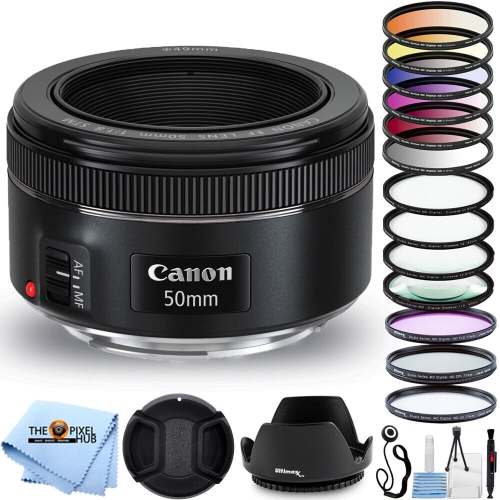
Full-frame lenses are camera lenses designed to project an image circle large enough to cover a full-frame sensor, which measures approximately 36 × 24 mm and corresponds to the image area of traditional 35 mm photography. They support a wide range of still photography and video, from expansive interiors and everyday street scenes to close portraits and distant wildlife. The full-frame designation describes sensor coverage, not a particular focal length, aperture, or level of image quality. A full-frame lens can be a compact prime with one fixed focal length, a versatile zoom, or a specialized optic for detailed close-ups. Camera compatibility starts with the lens mount: the lens and camera body must use matching mounts or a supported adapter. Even within a camera system, lenses for mirrorless cameras and digital SLRs are not automatically interchangeable. Adapters may also affect autofocus, aperture control, stabilization, or other functions, so compatibility extends beyond whether the lens physically attaches. Many full-frame lenses can be used on compatible cameras with smaller sensors, though the resulting angle of view is narrower. For example, a 50 mm lens on a camera with a 1.5× crop factor provides an angle of view similar to a 75 mm lens on full frame; its actual focal length remains 50 mm. Conversely, a lens designed only for a smaller sensor may leave dark borders on a full-frame image or require the camera to use a cropped capture area. For someone building a camera kit or choosing a photography gift, the recipient’s exact camera model and preferred subjects are more useful starting points than the camera’s appearance or age. Understanding these distinctions makes it easier to match full-frame camera lenses to an existing setup and to recognize which lens characteristics will make a meaningful difference in everyday shooting.
Focal length shapes how much of a scene fits into the frame and how close a photographer needs to stand to the subject. On full frame, wide-angle focal lengths such as 16 mm or 24 mm suit architecture, interiors, and broad scenic compositions, although placing a face close to a wide-angle lens can exaggerate nearby features. Standard focal lengths around 35 mm to 50 mm work well for everyday scenes, documentary photography, and portraits that include some surroundings. Short telephoto lenses around 85 mm to 135 mm allow more working distance for head-and-shoulders portraits, while longer telephoto lenses help fill the frame with distant subjects. Perspective depends on camera position rather than focal length alone: stepping back and using a longer lens changes the relationship between a subject and its background. Zoom lenses make framing flexible when moving closer is impractical, such as during a performance or while photographing from the sidelines. Prime lenses trade that flexibility for a fixed view and may offer a wider maximum aperture or a smaller design, depending on the lens. Aperture is expressed as an f-number, with a lower number indicating a wider opening. A wide maximum aperture can help maintain faster shutter speeds in dim indoor settings and produce a shallow depth of field, separating a face or small detail from a softly blurred background. That narrow zone of sharpness also demands careful focus, especially with close subjects. Stopping down increases depth of field, which can be useful for group portraits or detailed scenes, although very small apertures can soften fine detail through diffraction. Macro lenses add another capability by focusing closely enough to show small subjects at high magnification. A true 1:1 macro lens can project a subject onto the sensor at life size, making it useful for jewellery, textures, flowers, and small objects. Minimum focusing distance is measured from the sensor plane, so the working space between the front of the lens and the subject will be shorter.
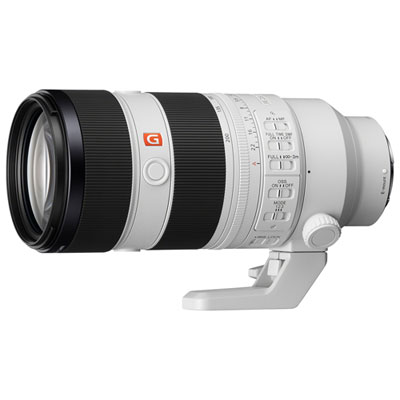
Handling, construction, and optical performance matter just as much as the specifications that describe framing. Lens elements are usually made from optical glass, with coatings that help reduce reflections, flare, and ghosting; some designs also use specialized elements to control colour fringing and other aberrations. Barrels may combine metal and engineered plastics, balancing rigidity with weight rather than making either material an automatic marker of quality. A substantial telephoto lens can feel very different from a compact prime during a long handheld session, and larger designs may include a tripod collar to support the setup closer to its centre of gravity. Focus-ring feel, the position of control switches, and the way a zoom extends all affect everyday comfort. Autofocus speed and subject tracking depend on both the lens and the camera body. For video, quiet focusing, smooth aperture changes, and limited focus breathing can be particularly useful; focus breathing is a change in framing as focus shifts between distances. Optical stabilization can reduce blur caused by camera shake, but it does not freeze a moving subject, and its interaction with in-body stabilization varies by system. Details such as filter-thread diameter, hood design, and access to manual controls also influence how easily a lens fits into an established kit. Related designs within Modern Lenses provide further context for comparing optical features and handling priorities. Care helps protect those features over time: use front and rear caps during transport, keep the lens in a padded compartment, and remove loose dust with a suitable blower before gently cleaning exposed glass with a lens-safe cloth or tissue. Avoid spraying cleaning liquid directly onto the lens, touching electrical contacts, or forcing a mount that does not align smoothly. Dust-resistant construction can offer added protection, but it does not eliminate the need for careful handling. For frequent travellers, portrait enthusiasts, family photographers, and video creators alike, the most useful full-frame lens is one whose field of view, focusing behaviour, size, and controls fit the way the camera is actually used.
Focal length shapes how much of a scene fits into the frame and how close a photographer needs to stand to the subject. On full frame, wide-angle focal lengths such as 16 mm or 24 mm suit architecture, interiors, and broad scenic compositions, although placing a face close to a wide-angle lens can exaggerate nearby features. Standard focal lengths around 35 mm to 50 mm work well for everyday scenes, documentary photography, and portraits that include some surroundings. Short telephoto lenses around 85 mm to 135 mm allow more working distance for head-and-shoulders portraits, while longer telephoto lenses help fill the frame with distant subjects. Perspective depends on camera position rather than focal length alone: stepping back and using a longer lens changes the relationship between a subject and its background. Zoom lenses make framing flexible when moving closer is impractical, such as during a performance or while photographing from the sidelines. Prime lenses trade that flexibility for a fixed view and may offer a wider maximum aperture or a smaller design, depending on the lens. Aperture is expressed as an f-number, with a lower number indicating a wider opening. A wide maximum aperture can help maintain faster shutter speeds in dim indoor settings and produce a shallow depth of field, separating a face or small detail from a softly blurred background. That narrow zone of sharpness also demands careful focus, especially with close subjects. Stopping down increases depth of field, which can be useful for group portraits or detailed scenes, although very small apertures can soften fine detail through diffraction. Macro lenses add another capability by focusing closely enough to show small subjects at high magnification. A true 1:1 macro lens can project a subject onto the sensor at life size, making it useful for jewellery, textures, flowers, and small objects. Minimum focusing distance is measured from the sensor plane, so the working space between the front of the lens and the subject will be shorter.
Handling, construction, and optical performance matter just as much as the specifications that describe framing. Lens elements are usually made from optical glass, with coatings that help reduce reflections, flare, and ghosting; some designs also use specialized elements to control colour fringing and other aberrations. Barrels may combine metal and engineered plastics, balancing rigidity with weight rather than making either material an automatic marker of quality. A substantial telephoto lens can feel very different from a compact prime during a long handheld session, and larger designs may include a tripod collar to support the setup closer to its centre of gravity. Focus-ring feel, the position of control switches, and the way a zoom extends all affect everyday comfort. Autofocus speed and subject tracking depend on both the lens and the camera body. For video, quiet focusing, smooth aperture changes, and limited focus breathing can be particularly useful; focus breathing is a change in framing as focus shifts between distances. Optical stabilization can reduce blur caused by camera shake, but it does not freeze a moving subject, and its interaction with in-body stabilization varies by system. Details such as filter-thread diameter, hood design, and access to manual controls also influence how easily a lens fits into an established kit. Related designs within Modern Lenses provide further context for comparing optical features and handling priorities. Care helps protect those features over time: use front and rear caps during transport, keep the lens in a padded compartment, and remove loose dust with a suitable blower before gently cleaning exposed glass with a lens-safe cloth or tissue. Avoid spraying cleaning liquid directly onto the lens, touching electrical contacts, or forcing a mount that does not align smoothly. Dust-resistant construction can offer added protection, but it does not eliminate the need for careful handling. For frequent travellers, portrait enthusiasts, family photographers, and video creators alike, the most useful full-frame lens is one whose field of view, focusing behaviour, size, and controls fit the way the camera is actually used.
Top selling and popular products
-
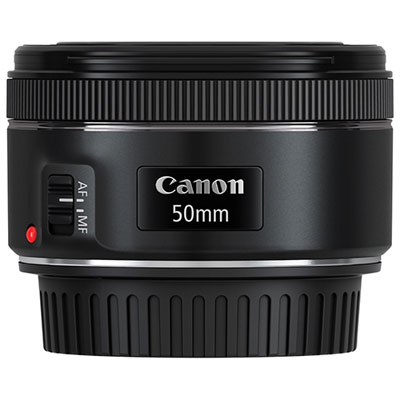 Your price for this item is $169.99
 -
 Your price for this item is $329.99
 -
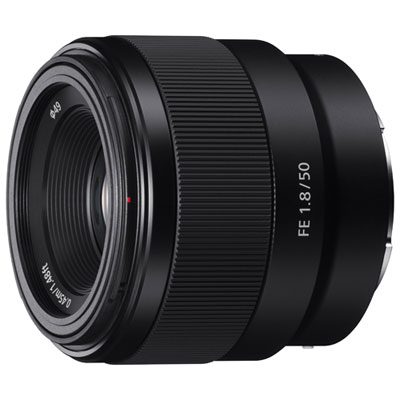 Your price for this item is $349.99
 -
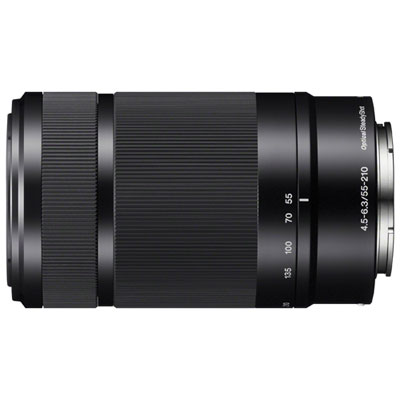 Your price for this item is $399.99
 -
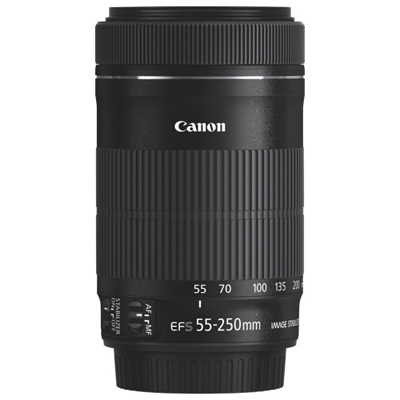 Your price for this item is $399.99
 -
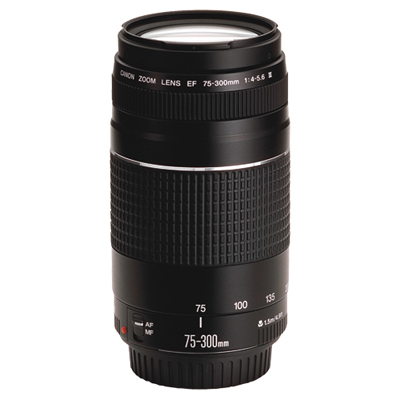 Your price for this item is $199.99
 -
 Your price for this item is $174.99
 -
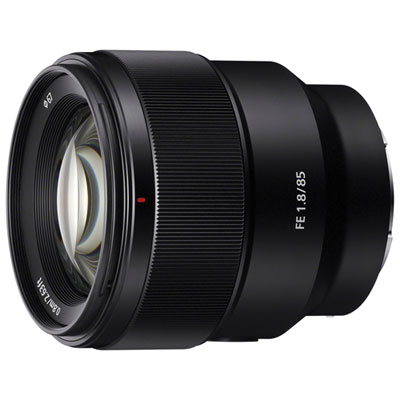 Your price for this item is $749.99
Discover more categories related to Full Frame Lenses
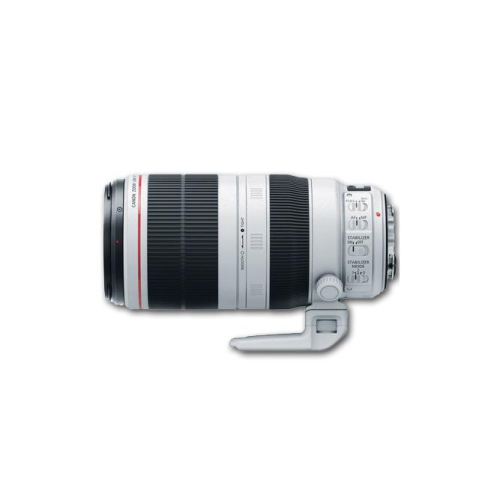
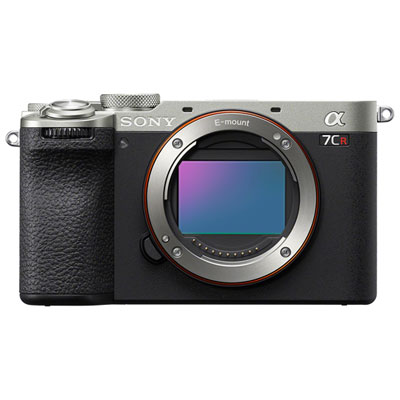
Top Collections:
Pokemon Centers, Kindle Devices, Best Budget Office Chairs, Apple iPhones 16, Best Laptops for Writers, iPhone 15 Apple, Canon G7X Cameras, Refurbished Apple Laptops, Alarm Clock, Motorola Razr Phones
Some products may be subject to Environmental Handling Fees
(EHF) depending on your province.
Learn more about EHFs.