Telephoto Lenses for Beginner
If you're a beginner, you might not know what lens is best for you. Telephoto lenses are ideal for photographing sports, wildlife and nature. They are also useful for shooting portraits and for capturing the details in landscapes. If you're looking to take your photography to the next level, consider adding a telephoto lens to your kit.
Sort
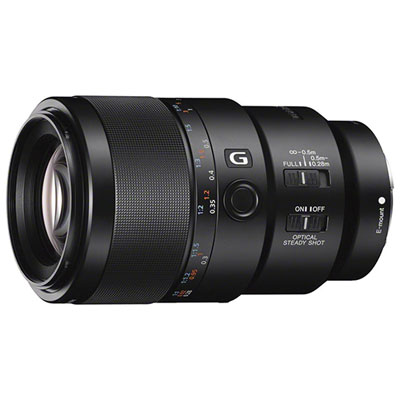
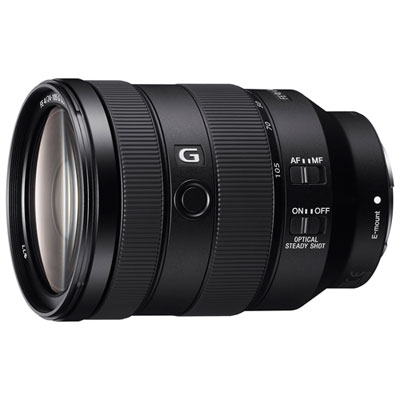
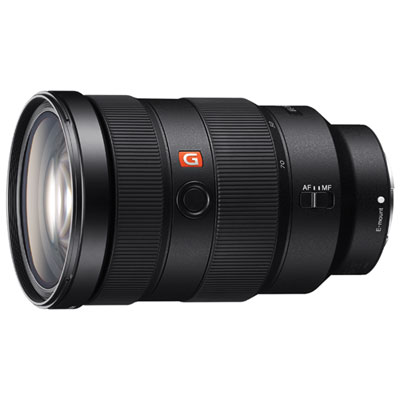
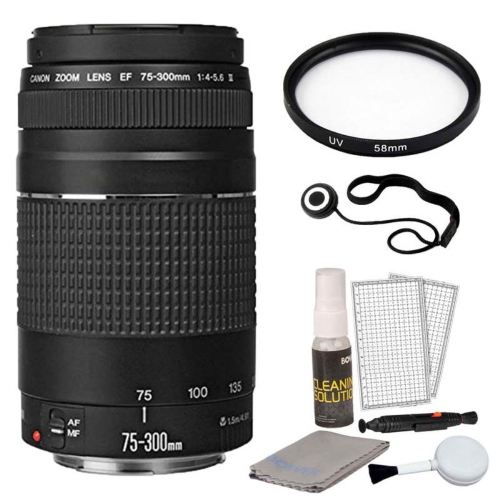
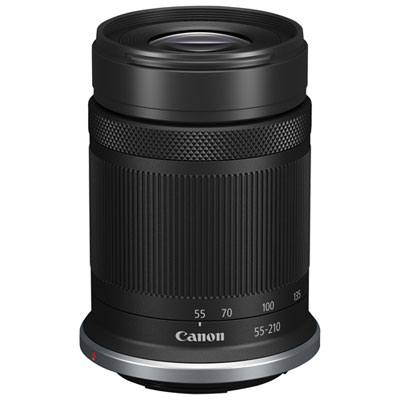
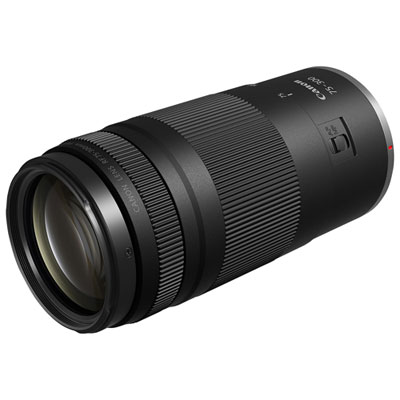
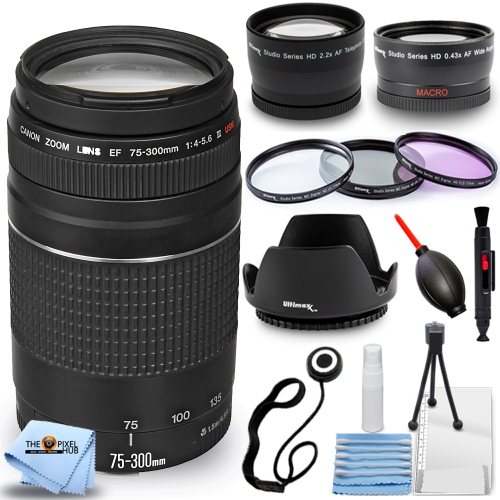
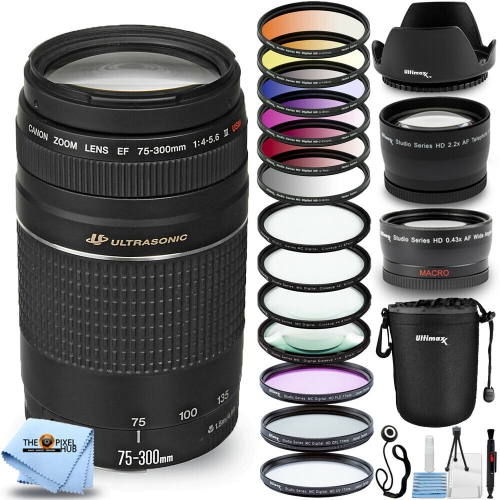
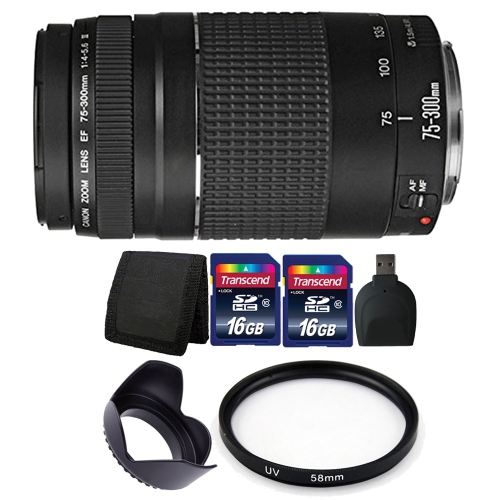
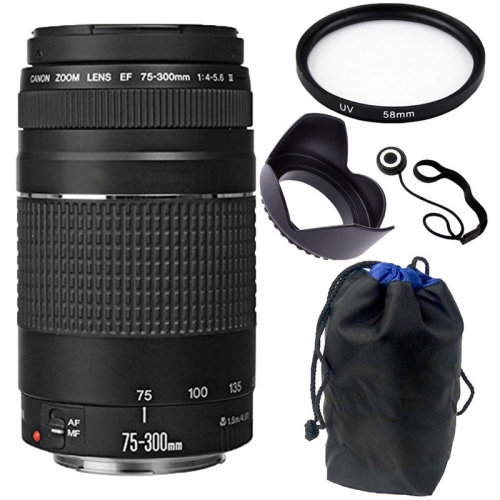
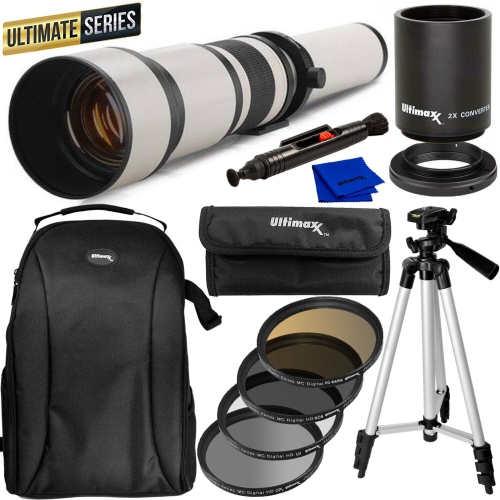
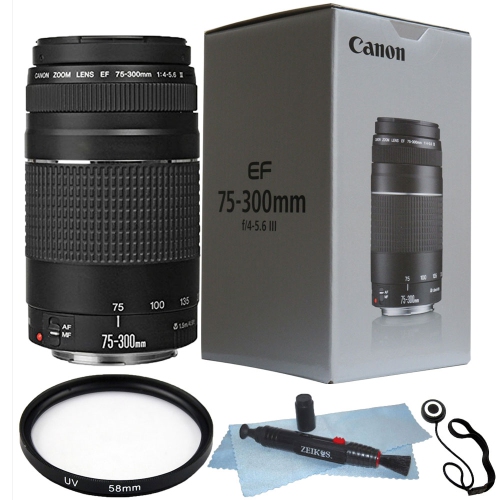
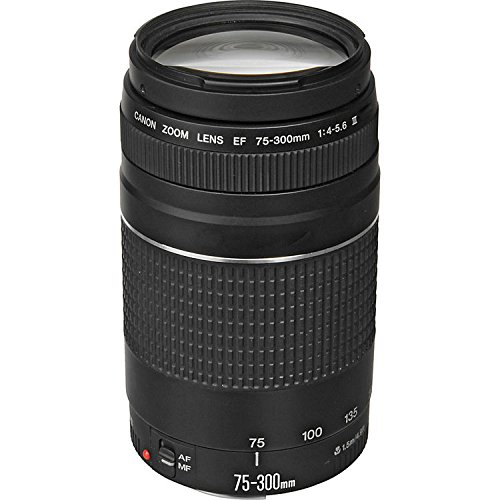
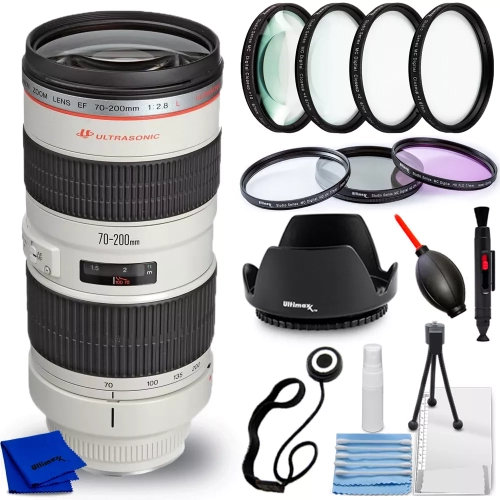
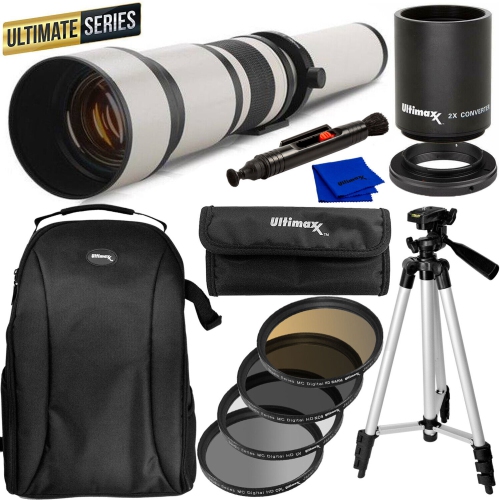
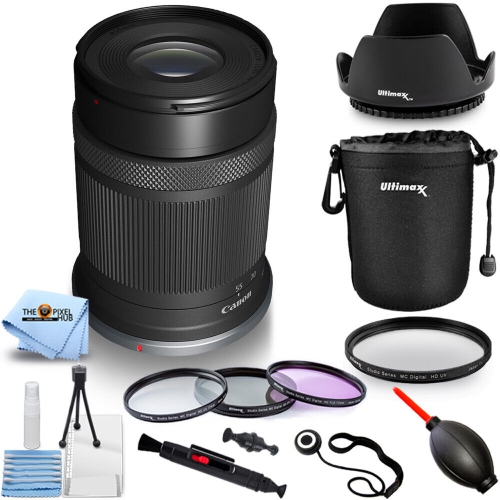
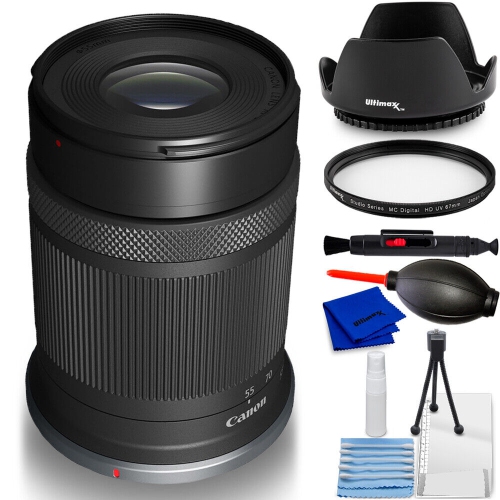
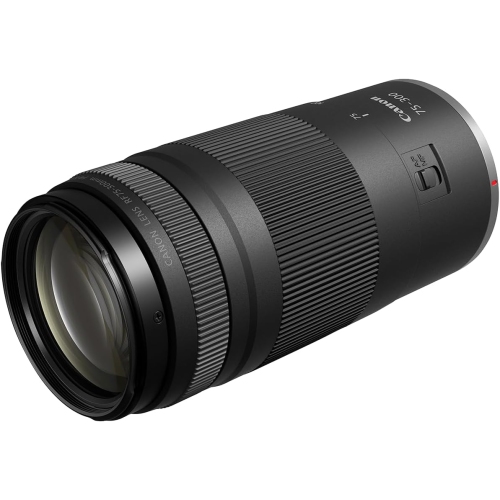
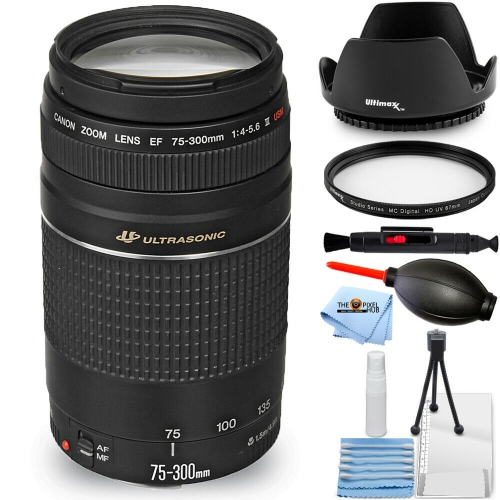
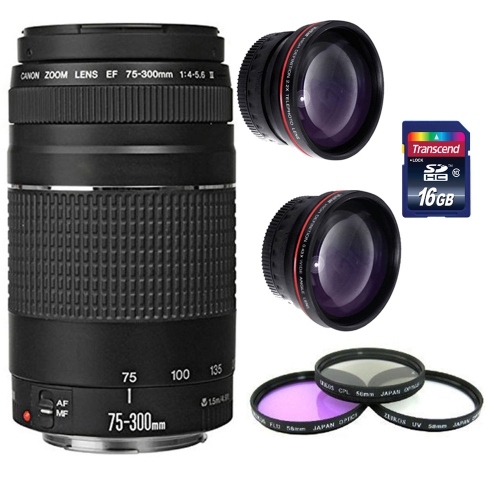
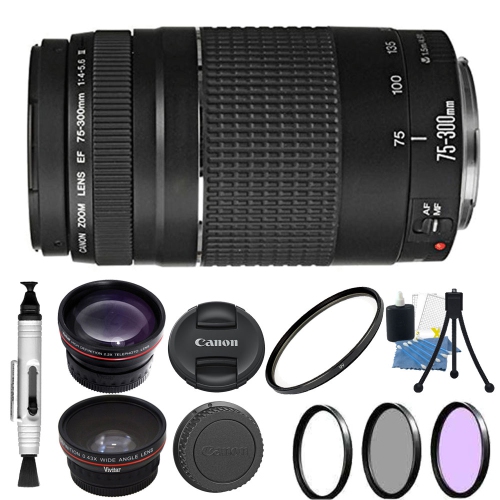
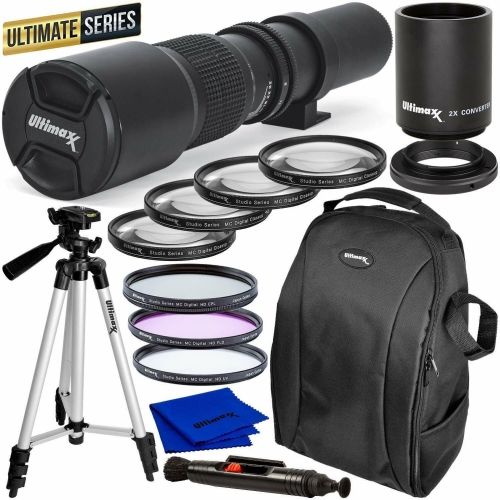
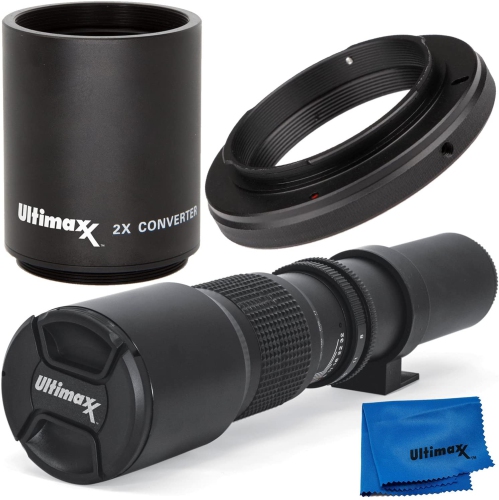
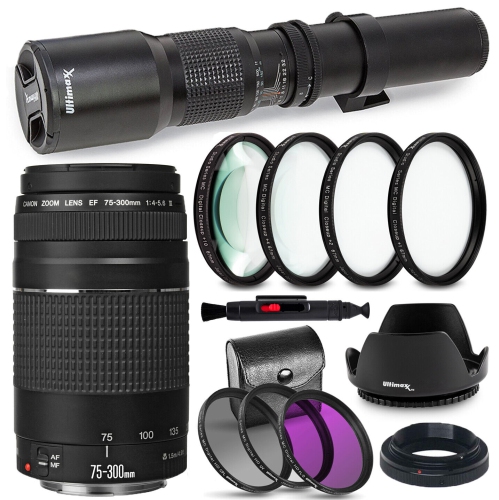
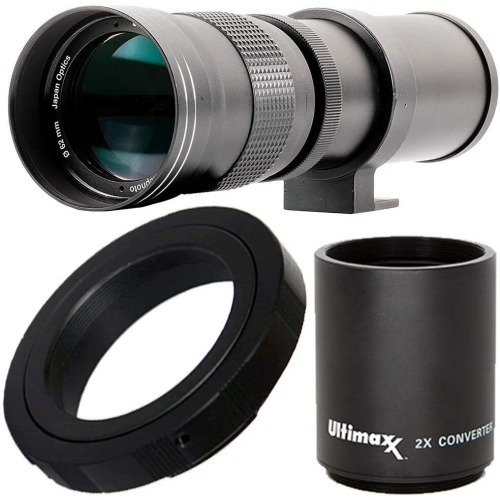
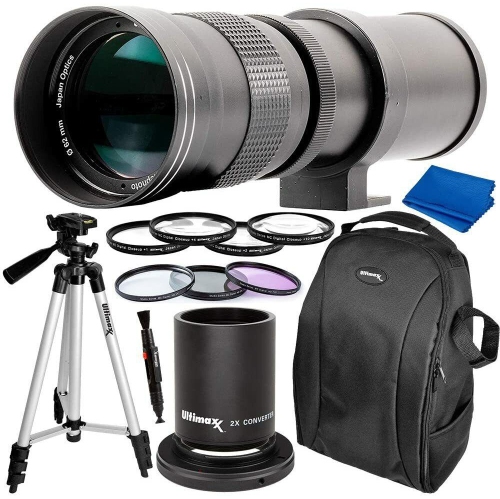
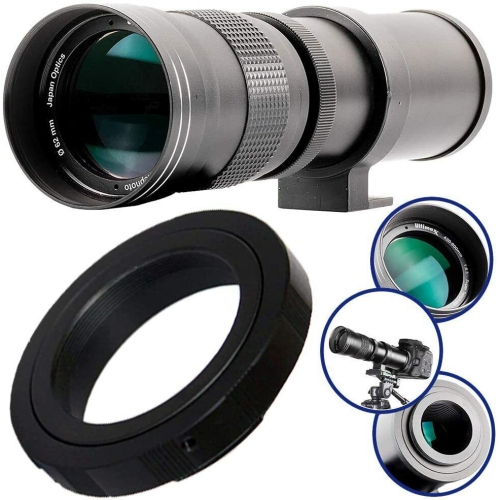
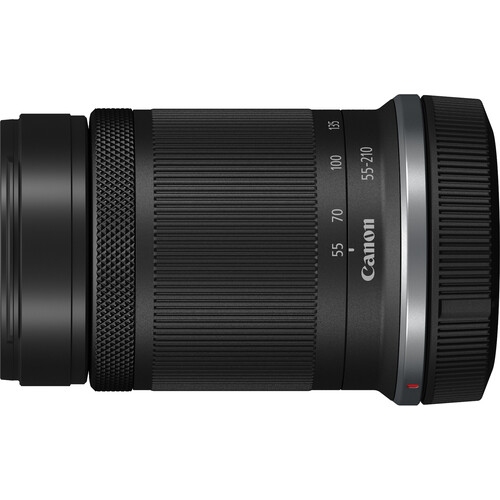
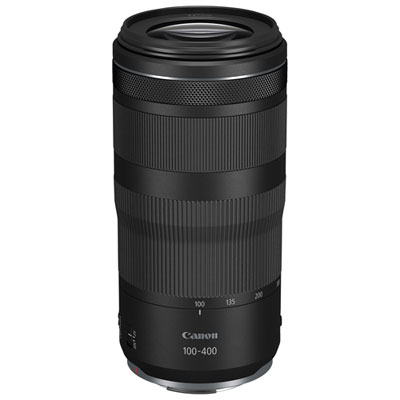
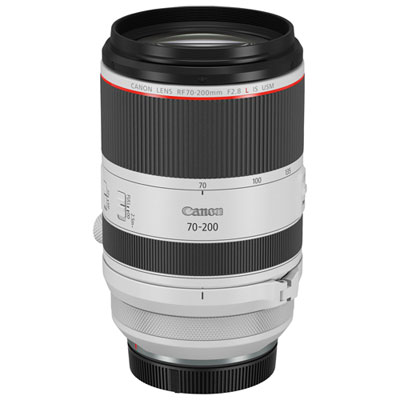
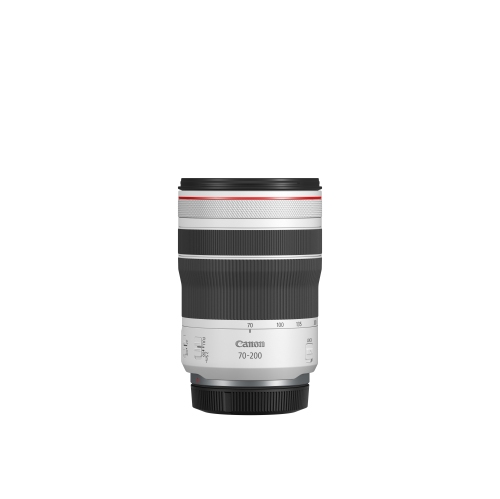
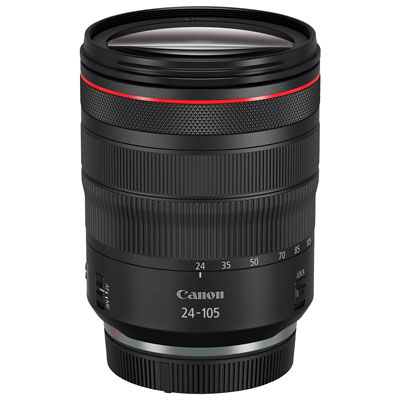
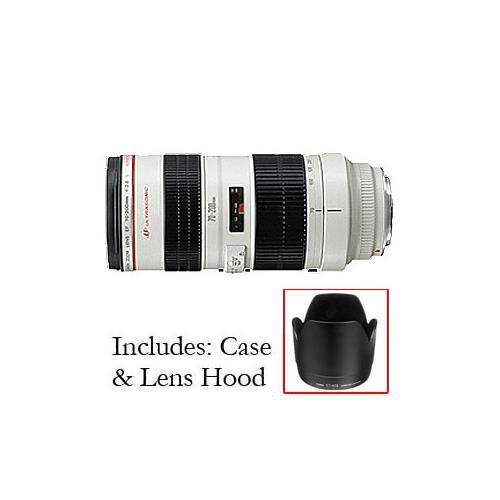
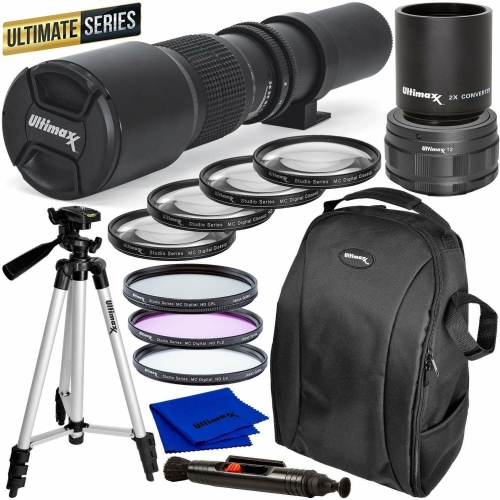
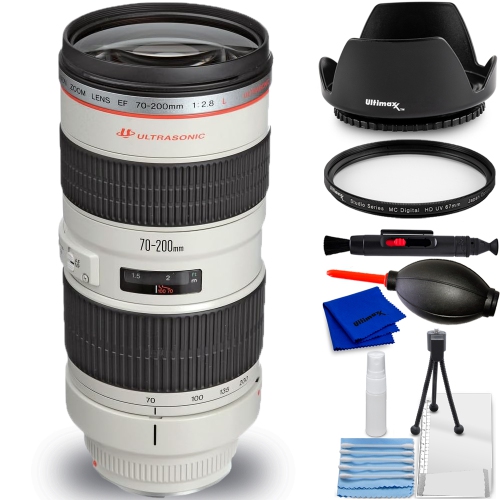
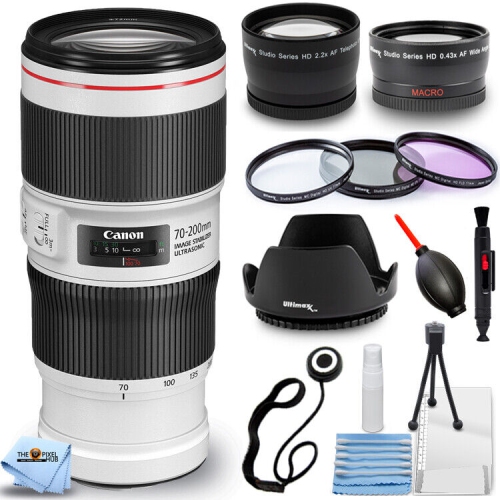
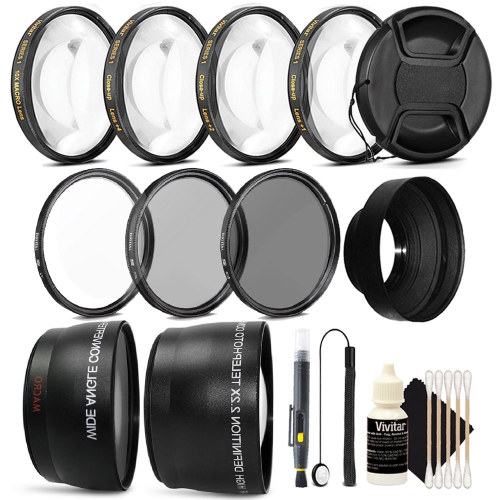
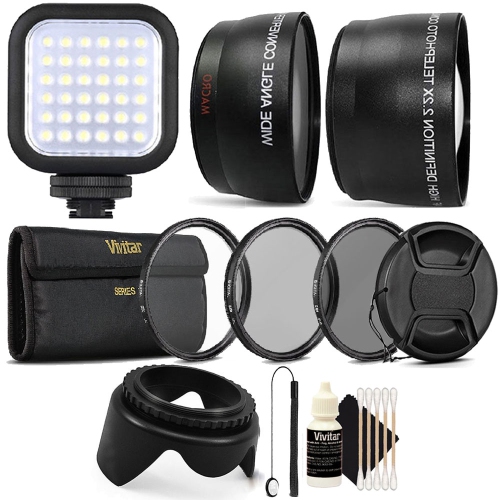
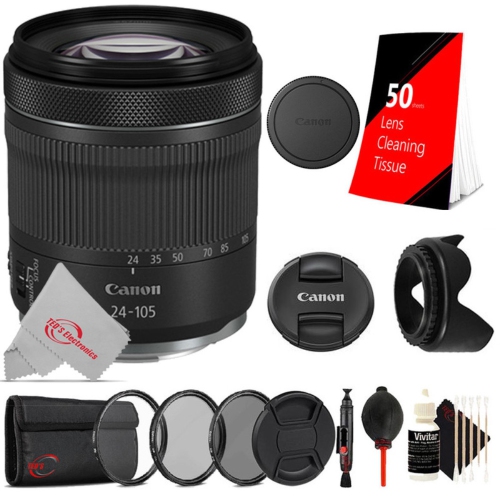
Distant subjects fill the frame without stepping closer
Telephoto lenses for beginners bring distant subjects closer in the frame, making them useful for photographing a player across a sports field, a bird perched beyond the garden fence, or a performer on a stage. They also suit portraits, where a narrower angle of view can help keep distracting details out of the picture. A beginner telephoto lens typically combines useful reach with manageable weight, straightforward controls, and compatibility with the photographer’s camera. Zoom lenses are especially versatile because they let the photographer adjust framing without changing lenses or moving closer to the subject. A shorter telephoto zoom can be comfortable for family outings and portraits, while a longer zoom offers more reach for wildlife and field sports. Focal length, expressed in millimetres, describes part of that difference: a higher number produces a narrower view on the same camera, so distant details occupy more of the image. The camera’s sensor size also affects framing. A crop-sensor camera captures a narrower view than a full-frame camera at the same focal length, although the lens’s actual focal length does not change. For someone moving beyond a standard kit zoom, a telephoto zoom adds a distinctly different way to photograph familiar subjects. A child’s expression at the far end of a playing field becomes easier to frame, and an animal can fill more of the photograph without being approached. Telephoto lenses can also create portraits with a softly blurred background, depending on the aperture, focal length, and distances between the camera, subject, and background. The compressed appearance often associated with telephoto photographs comes from photographing at a greater distance, which makes background features appear larger relative to the subject. These qualities make telephoto lenses appealing to new hobbyists, parents photographing activities, travellers interested in architectural details, and anyone who enjoys observing subjects from a respectful distance. Their usefulness depends less on having the longest possible reach than on having a lens that feels comfortable to carry and suits the photographs someone wants to take.
Camera compatibility is the starting point for choosing a beginner telephoto lens. The lens mount must work with the camera body; matching the camera’s brand alone is not enough, because one manufacturer may use different mounts for DSLR and mirrorless systems. Sensor coverage matters as well. A lens designed for a smaller sensor may not cover a full-frame sensor completely, and some compatible camera bodies use a cropped capture mode with these lenses. Adapters can make certain combinations possible, but autofocus, aperture control, and other functions depend on the particular pairing. For a beginner, confirmed compatibility helps avoid uncertainty about everyday operation. Autofocus performance is particularly relevant for moving subjects: a lens that acquires focus promptly and works with the camera’s tracking features can make it easier to follow a runner or a dog crossing a park. Quiet focusing is helpful for video, although sound captured by the camera also depends on the microphone and recording setup. Image stabilization is another useful feature for handheld photography because longer focal lengths magnify small hand movements. Stabilization may be built into the lens, the camera body, or both, with support varying by system. It can reduce blur caused by camera shake, but it does not freeze a moving subject; action still calls for a sufficiently fast shutter speed. Maximum aperture influences how much light the lens can admit and how much flexibility it offers in dim settings. On a variable-aperture zoom, the widest available aperture becomes smaller toward the longer end of the zoom range. A constant-aperture lens maintains the same maximum aperture throughout its range, though this design can add size and weight. For shoppers comparing broader telephoto options, Good Telephoto Lenses provides another relevant selection to explore. The most useful features are those that match the intended subject: comfortable handheld operation for casual outings, responsive focusing for action, or additional reach for distant wildlife.
Handling, construction, and care have a lasting effect on how enjoyable a telephoto lens is to use. Lens barrels may combine engineered plastics and metal components, with optical glass inside; a lighter exterior does not automatically mean lower image quality. More important everyday considerations include a secure mount, smoothly operating zoom and focus rings, and controls that are easy to identify while looking through the viewfinder. Balance matters because a lens that feels light on its own can still make a small camera feel front-heavy. A manageable lens is often easier for a beginner to hold steadily, carry for longer periods, and bring along regularly. Some zooms extend as the focal length changes, so their working length and the space needed in a camera bag deserve attention. Minimum focusing distance is worth checking for anyone interested in flowers, pets, or small details: telephoto reach does not necessarily mean a lens can focus on something very close. Maximum magnification gives a clearer indication of how large a small subject can appear in the frame. A lens hood helps limit stray light and offers some protection against incidental contact, while front and rear caps protect exposed surfaces during storage. Filter thread diameter determines which screw-in filters fit, and it is separate from the camera’s lens mount measurement. For heavier lenses, a compatible tripod collar can improve balance on a support, although not every telephoto lens includes or accepts one. Routine care is simple but important: loose dust is best removed with a suitable blower before fingerprints are gently cleaned with lens-safe materials. A padded compartment helps prevent knocks, and supporting a long lens rather than allowing it to hang unsupported from the camera mount reduces unnecessary strain. For gift giving, the recipient’s exact camera model and existing lenses are more useful starting points than experience level alone. A compatible telephoto lens can be a thoughtful gift for someone developing an interest in wildlife, portraits, or sports photography, particularly when its size and focal range complement the equipment they already enjoy using.
Camera compatibility is the starting point for choosing a beginner telephoto lens. The lens mount must work with the camera body; matching the camera’s brand alone is not enough, because one manufacturer may use different mounts for DSLR and mirrorless systems. Sensor coverage matters as well. A lens designed for a smaller sensor may not cover a full-frame sensor completely, and some compatible camera bodies use a cropped capture mode with these lenses. Adapters can make certain combinations possible, but autofocus, aperture control, and other functions depend on the particular pairing. For a beginner, confirmed compatibility helps avoid uncertainty about everyday operation. Autofocus performance is particularly relevant for moving subjects: a lens that acquires focus promptly and works with the camera’s tracking features can make it easier to follow a runner or a dog crossing a park. Quiet focusing is helpful for video, although sound captured by the camera also depends on the microphone and recording setup. Image stabilization is another useful feature for handheld photography because longer focal lengths magnify small hand movements. Stabilization may be built into the lens, the camera body, or both, with support varying by system. It can reduce blur caused by camera shake, but it does not freeze a moving subject; action still calls for a sufficiently fast shutter speed. Maximum aperture influences how much light the lens can admit and how much flexibility it offers in dim settings. On a variable-aperture zoom, the widest available aperture becomes smaller toward the longer end of the zoom range. A constant-aperture lens maintains the same maximum aperture throughout its range, though this design can add size and weight. For shoppers comparing broader telephoto options, Good Telephoto Lenses provides another relevant selection to explore. The most useful features are those that match the intended subject: comfortable handheld operation for casual outings, responsive focusing for action, or additional reach for distant wildlife.
Handling, construction, and care have a lasting effect on how enjoyable a telephoto lens is to use. Lens barrels may combine engineered plastics and metal components, with optical glass inside; a lighter exterior does not automatically mean lower image quality. More important everyday considerations include a secure mount, smoothly operating zoom and focus rings, and controls that are easy to identify while looking through the viewfinder. Balance matters because a lens that feels light on its own can still make a small camera feel front-heavy. A manageable lens is often easier for a beginner to hold steadily, carry for longer periods, and bring along regularly. Some zooms extend as the focal length changes, so their working length and the space needed in a camera bag deserve attention. Minimum focusing distance is worth checking for anyone interested in flowers, pets, or small details: telephoto reach does not necessarily mean a lens can focus on something very close. Maximum magnification gives a clearer indication of how large a small subject can appear in the frame. A lens hood helps limit stray light and offers some protection against incidental contact, while front and rear caps protect exposed surfaces during storage. Filter thread diameter determines which screw-in filters fit, and it is separate from the camera’s lens mount measurement. For heavier lenses, a compatible tripod collar can improve balance on a support, although not every telephoto lens includes or accepts one. Routine care is simple but important: loose dust is best removed with a suitable blower before fingerprints are gently cleaned with lens-safe materials. A padded compartment helps prevent knocks, and supporting a long lens rather than allowing it to hang unsupported from the camera mount reduces unnecessary strain. For gift giving, the recipient’s exact camera model and existing lenses are more useful starting points than experience level alone. A compatible telephoto lens can be a thoughtful gift for someone developing an interest in wildlife, portraits, or sports photography, particularly when its size and focal range complement the equipment they already enjoy using.
Top selling and popular products
-
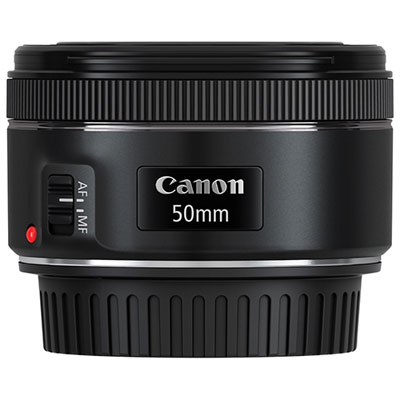 Your price for this item is $169.99
 -
 Your price for this item is $329.99
 -
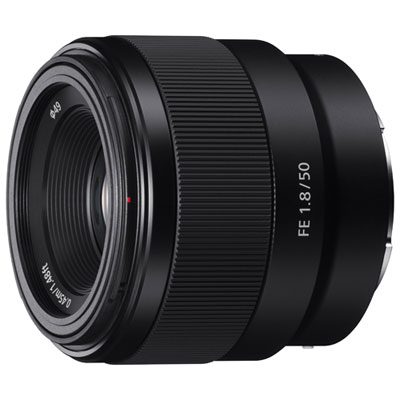 Your price for this item is $349.99
 -
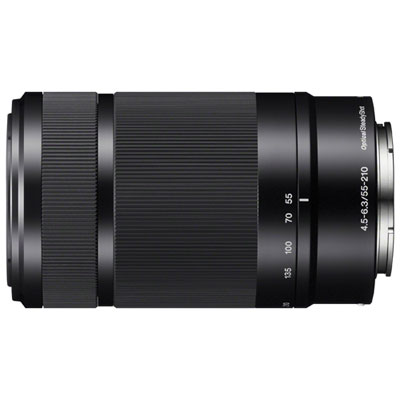 Your price for this item is $399.99
 -
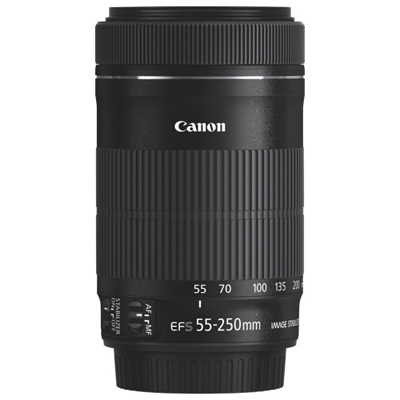 Your price for this item is $399.99
 -
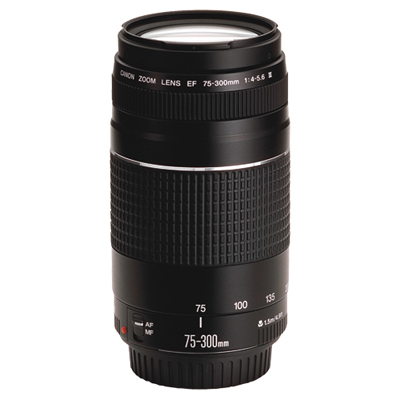 Your price for this item is $199.99
 -
 Your price for this item is $174.99
 -
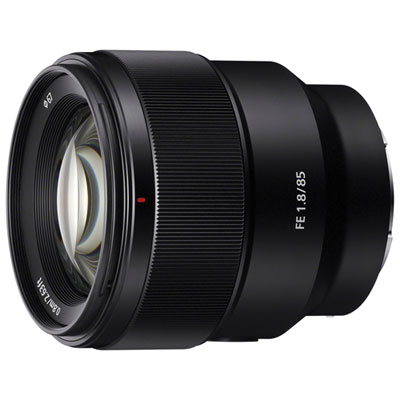 Your price for this item is $749.99
Discover more categories related to Telephoto Lenses for Beginner
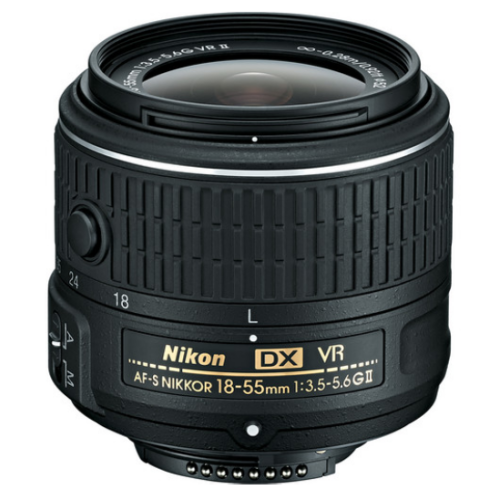
Top Collections:
Pokemon Centers, Kindle Devices, Best Budget Office Chairs, Apple iPhones 16, Best Laptops for Writers, iPhone 15 Apple, Canon G7X Cameras, Refurbished Apple Laptops, Alarm Clock, Motorola Razr Phones
Some products may be subject to Environmental Handling Fees
(EHF) depending on your province.
Learn more about EHFs.