Zoom Lenses for Sony
Capture every detail, from near to far, with our incredible selection of zoom lenses for Sony cameras. Whether you're a professional photographer or an enthusiastic hobbyist, these versatile lenses will take your photography skills to new heights. From wide-angle shots that encompass breathtaking landscapes to telephoto capabilities that bring distant subjects up close and personal, our range of zoom lenses offers endless possibilities for capturing the perfect shot. With quality and cutting-edge technology, you can trust that our zoom lenses will deliver exceptional results every time.
Sort
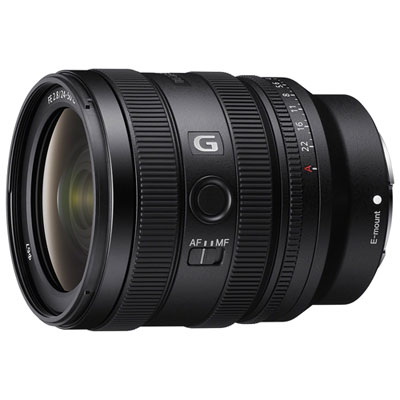
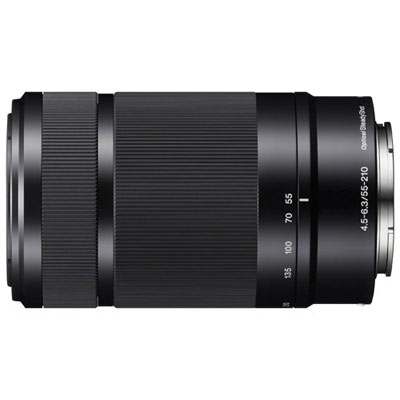
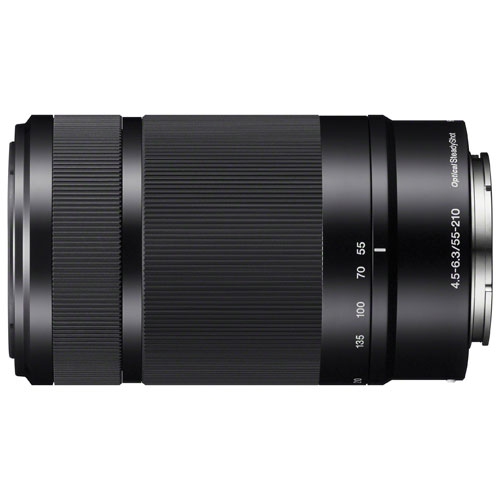
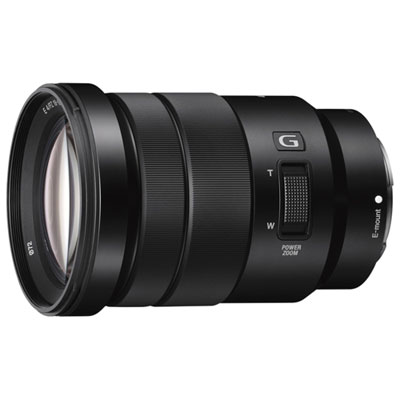
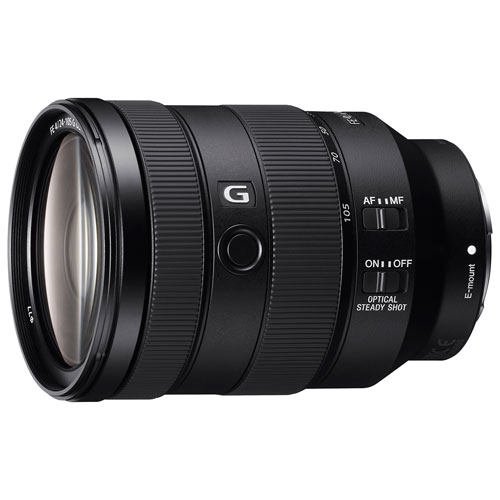
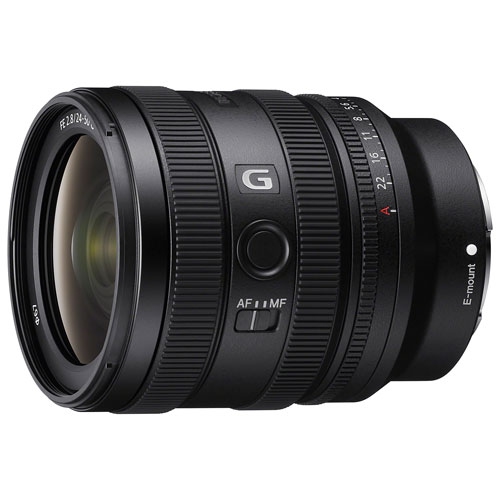
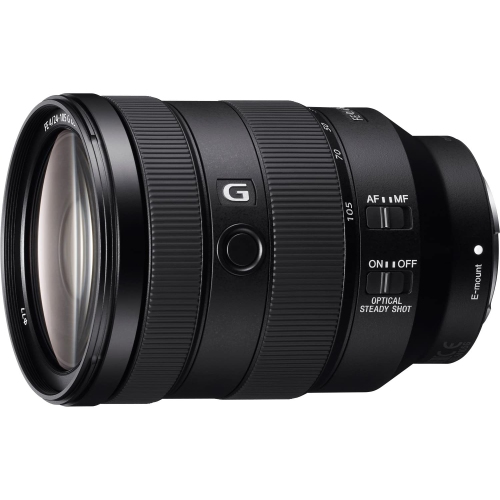
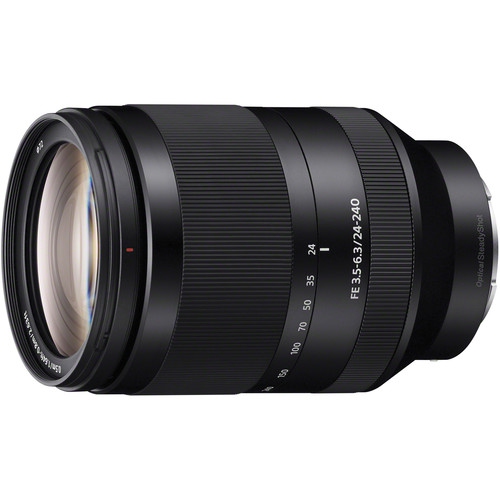
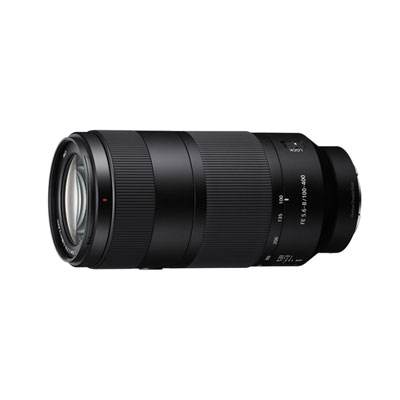
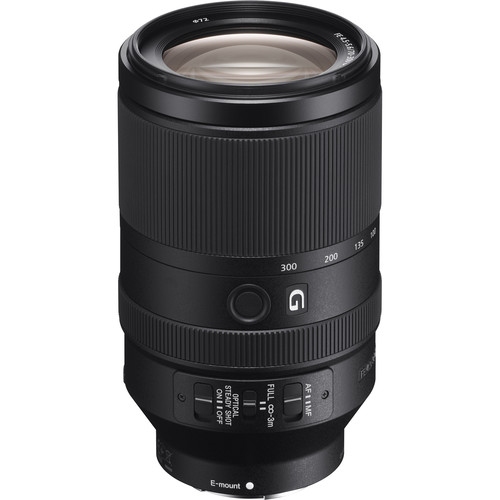
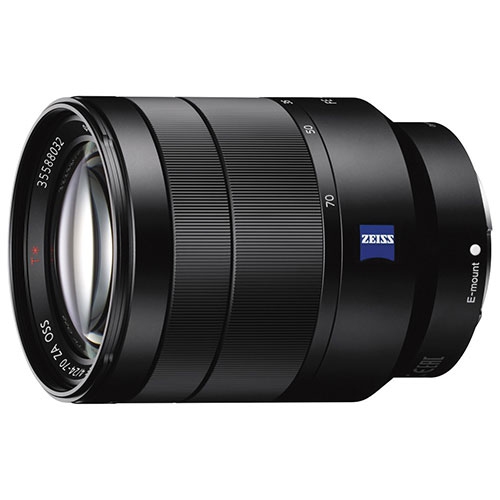
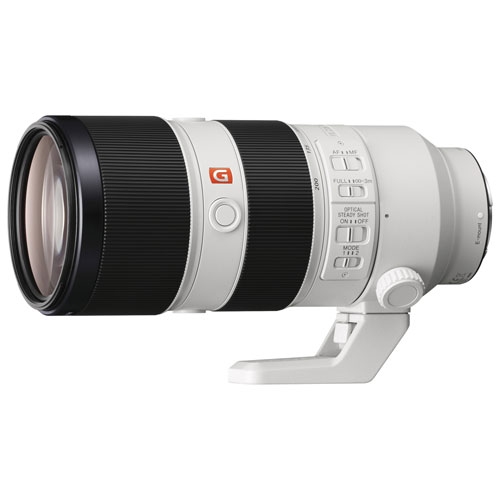

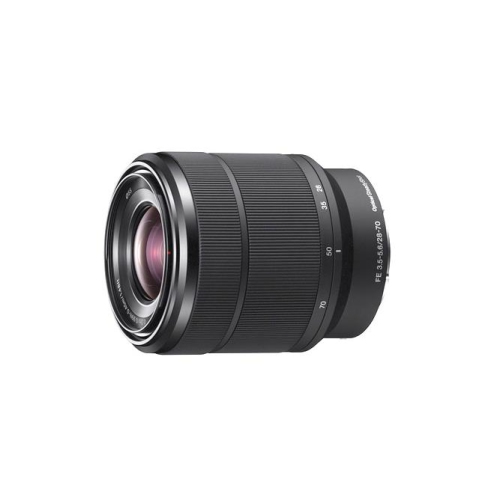
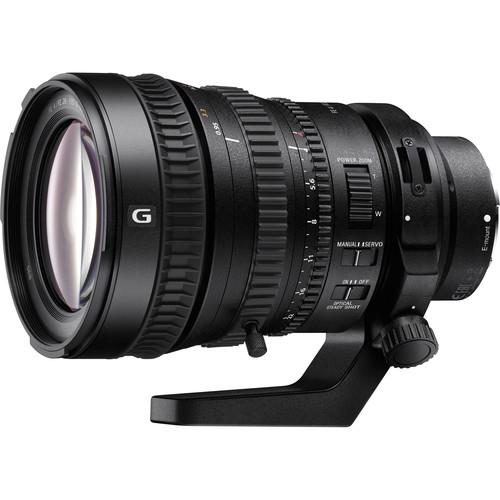
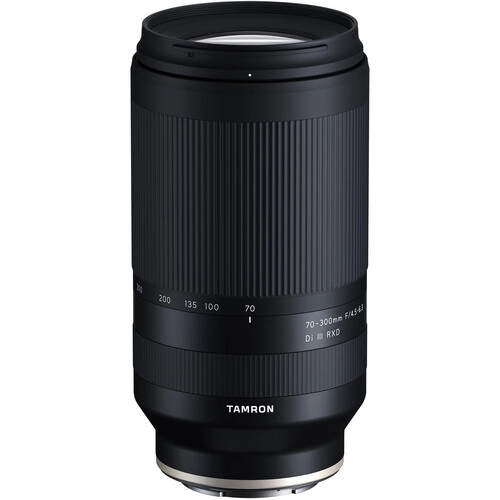
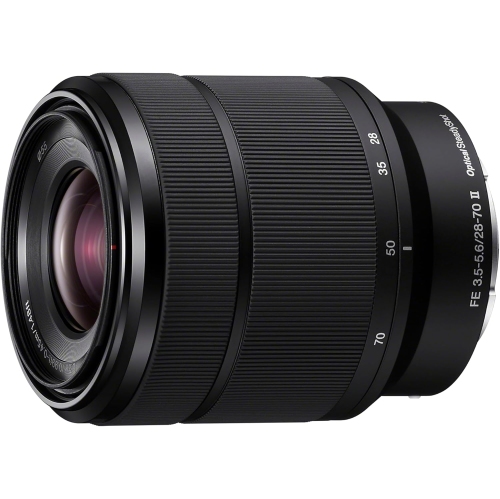
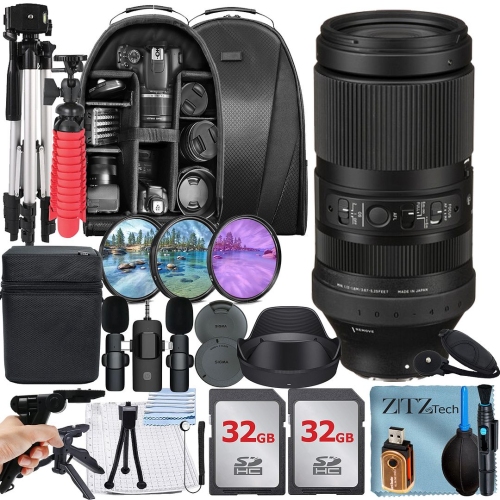
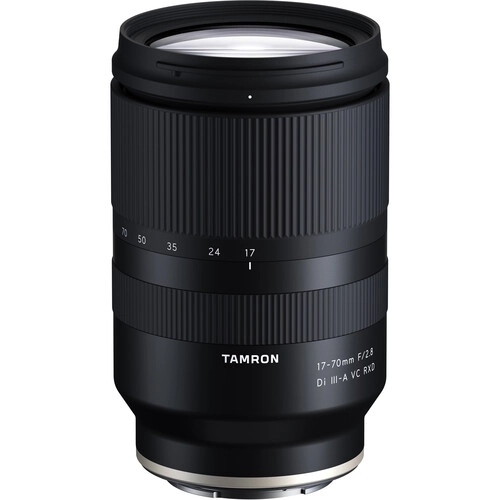
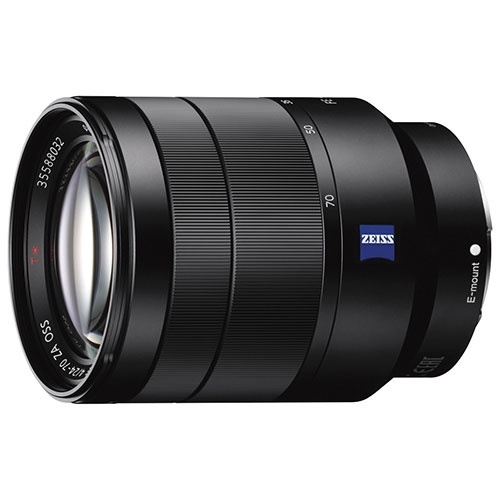
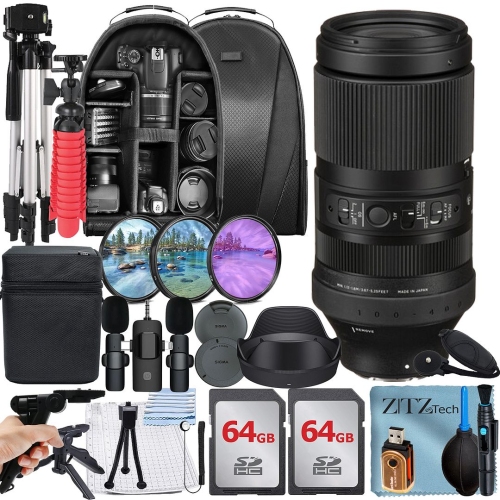
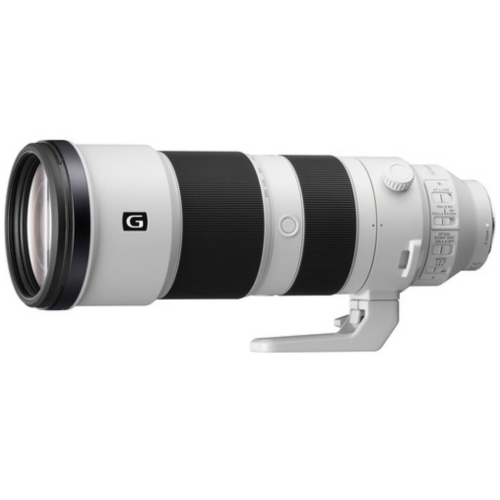
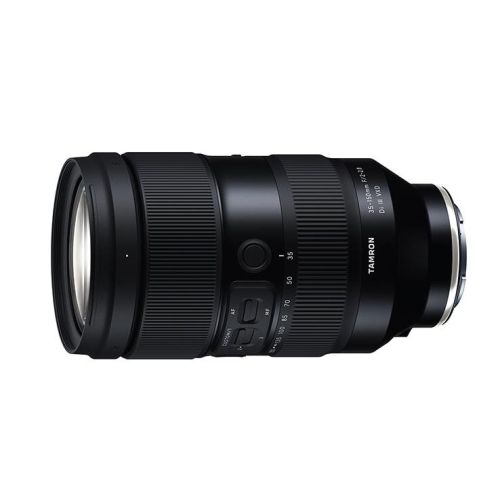
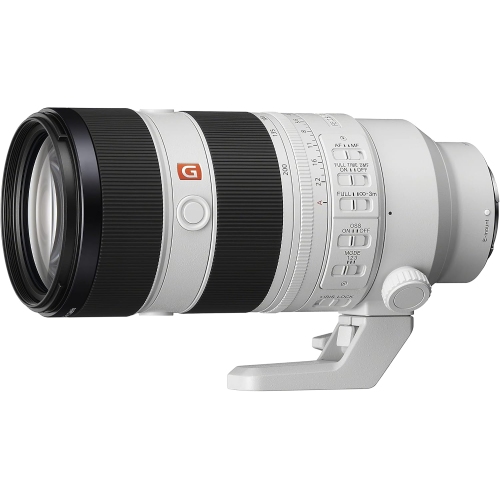
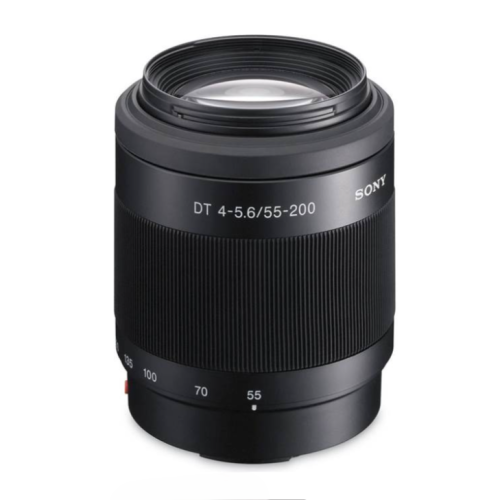
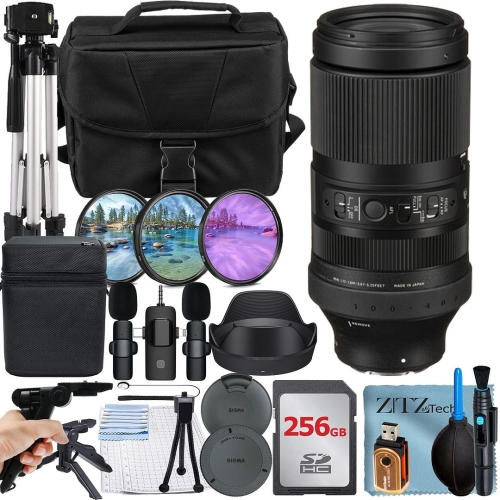
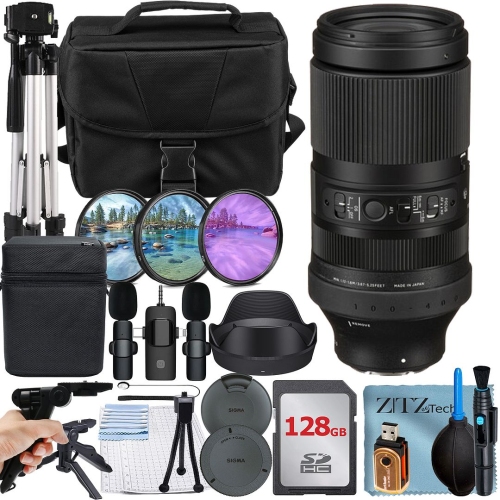
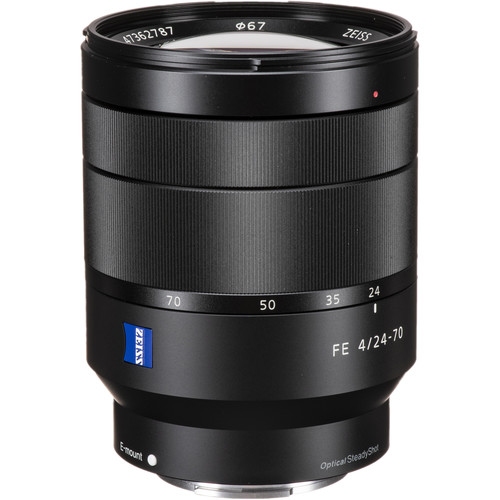
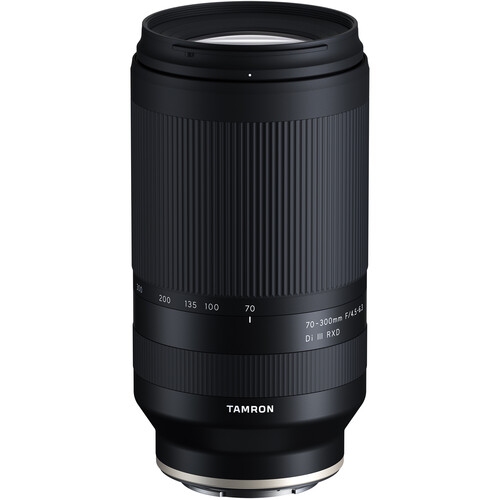
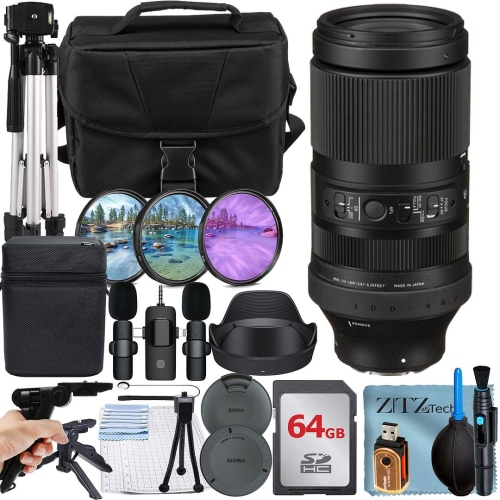
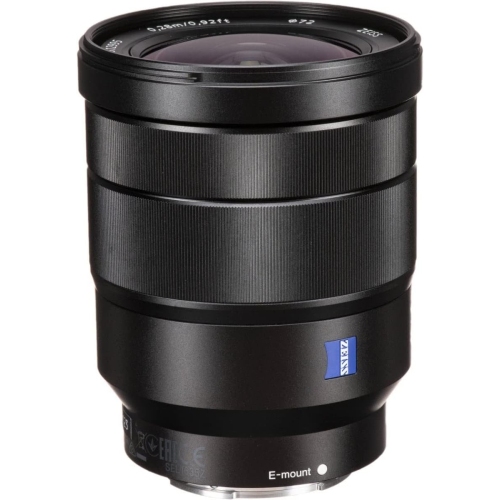
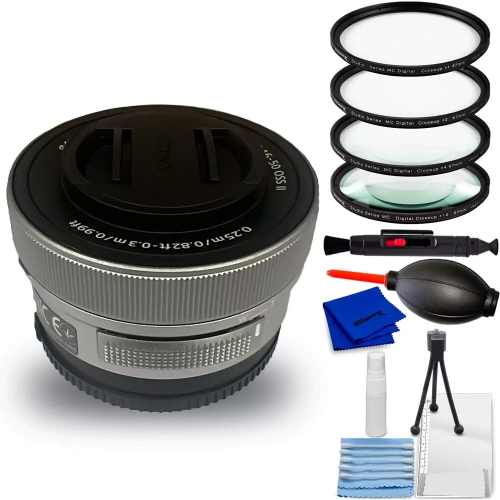
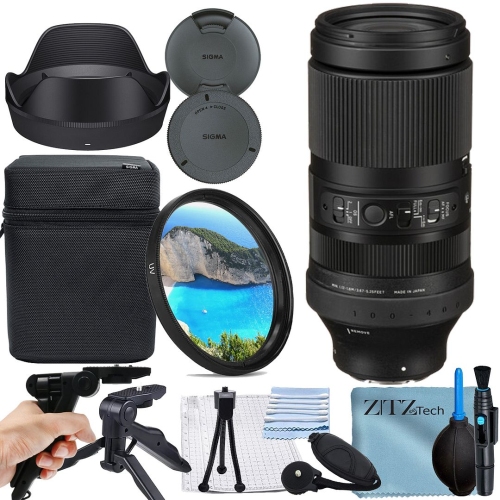
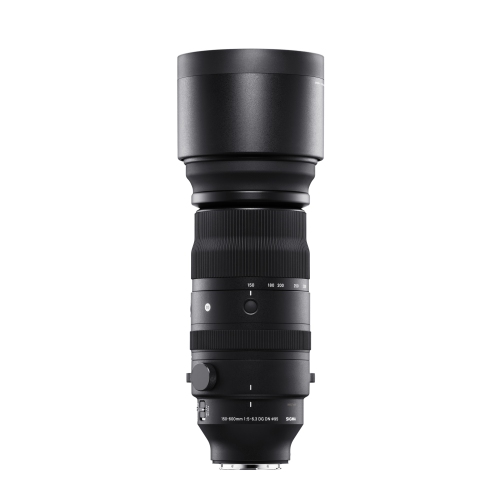

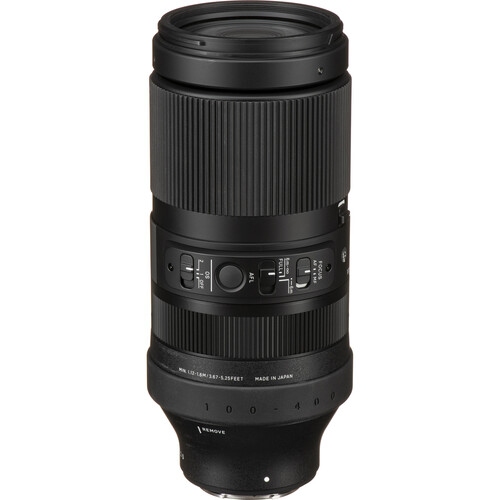
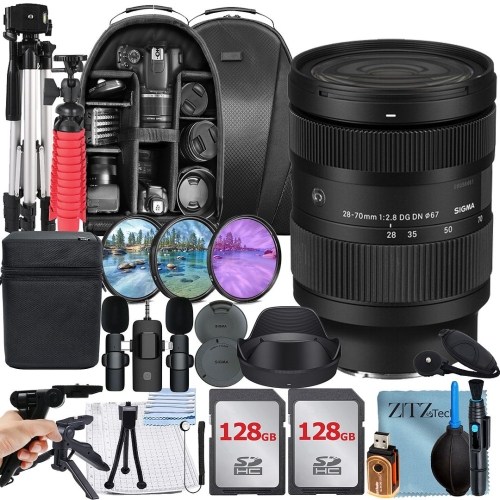
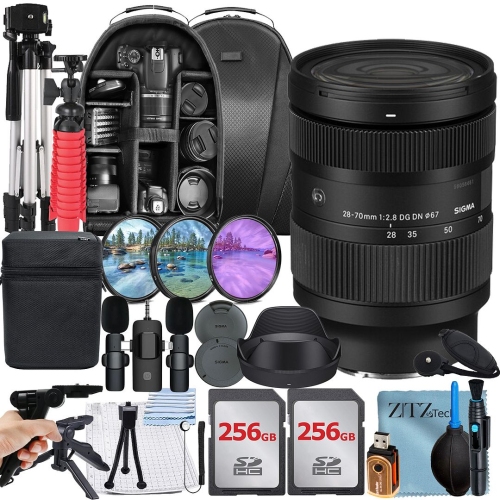
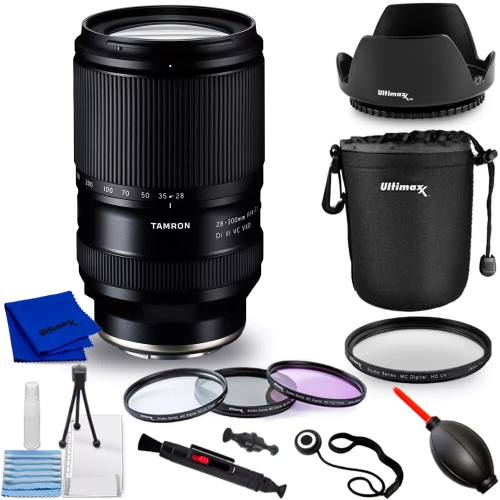
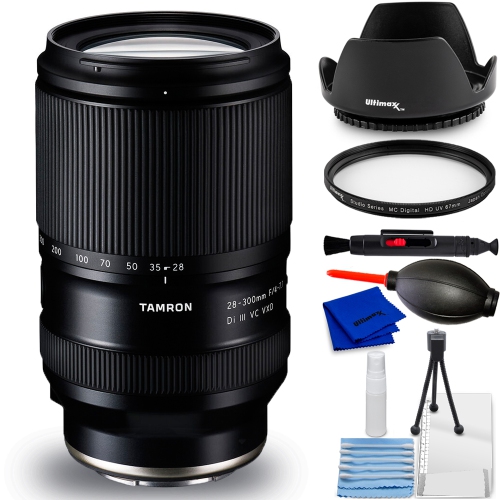
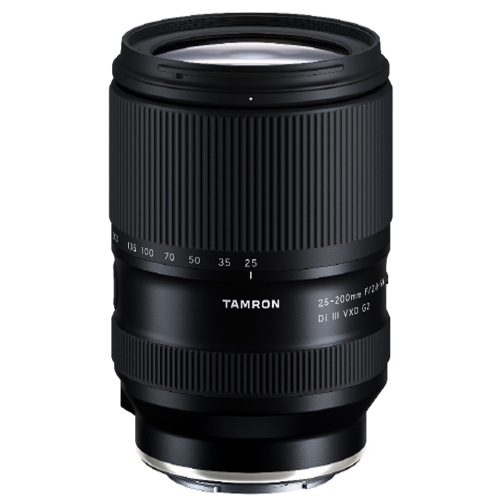
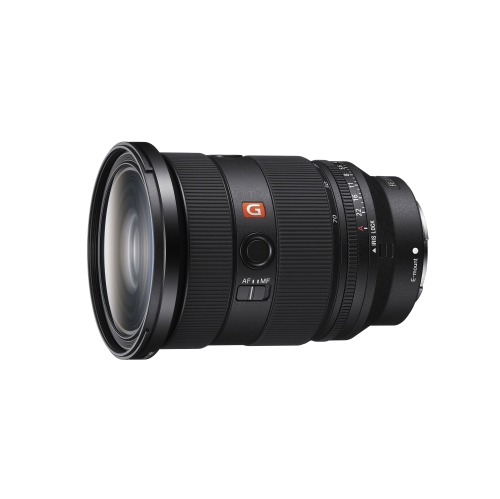
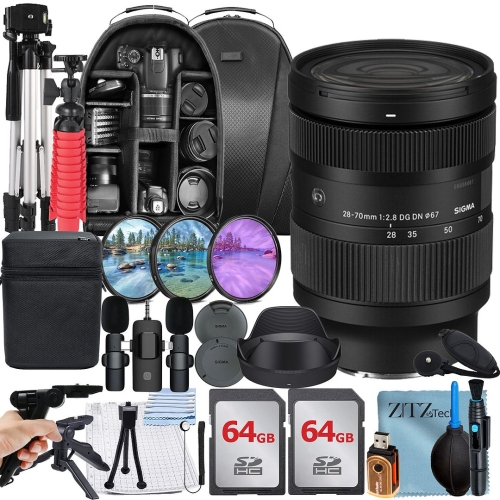
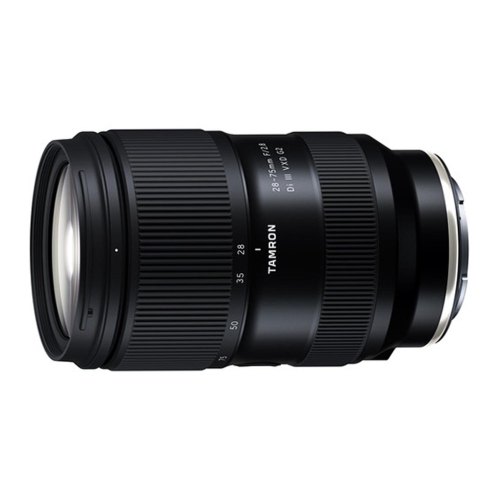
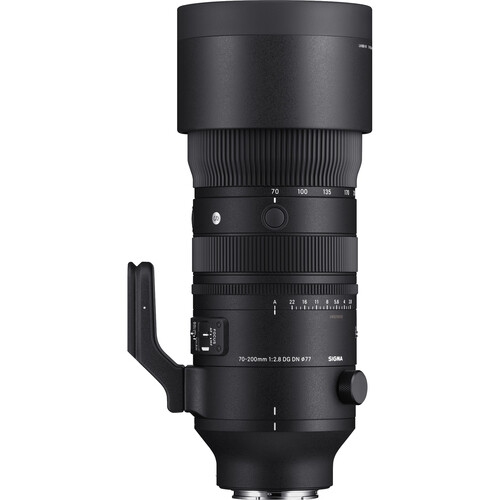
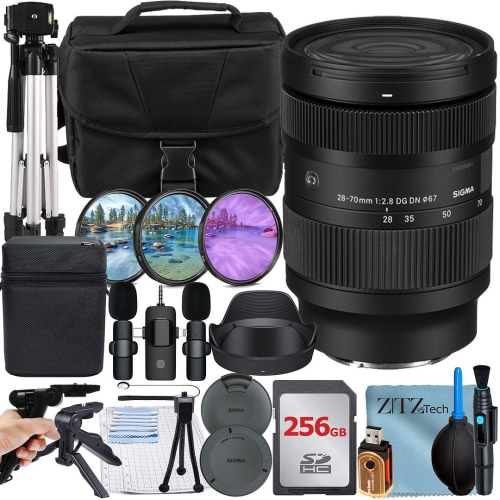
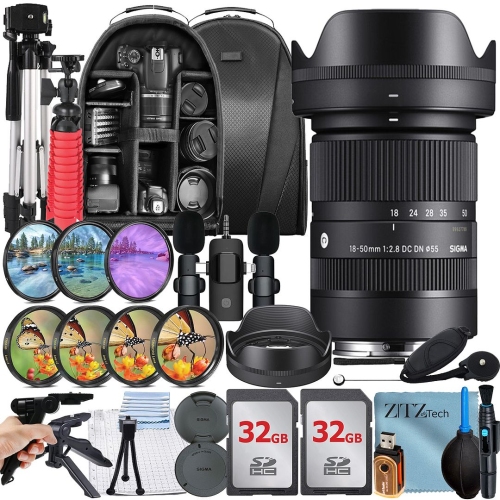
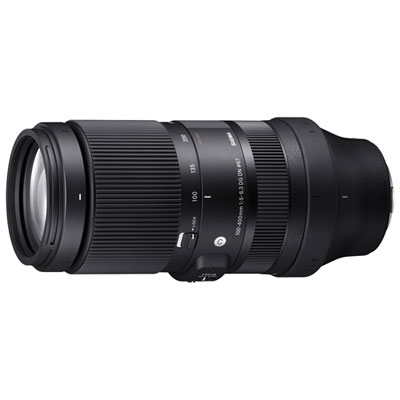
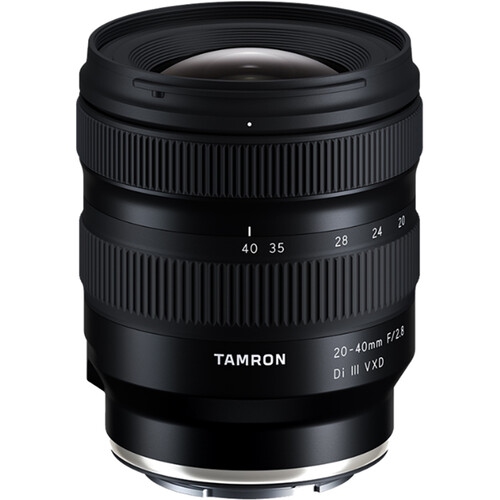
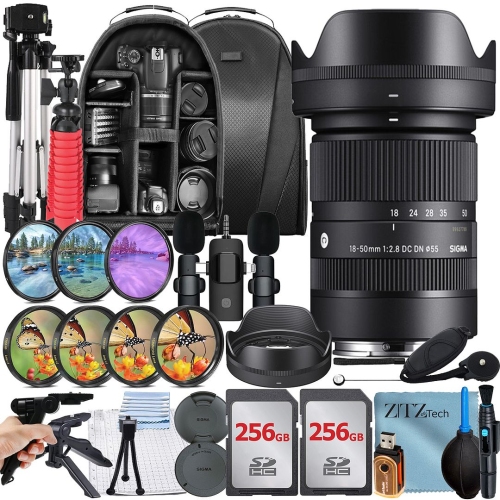
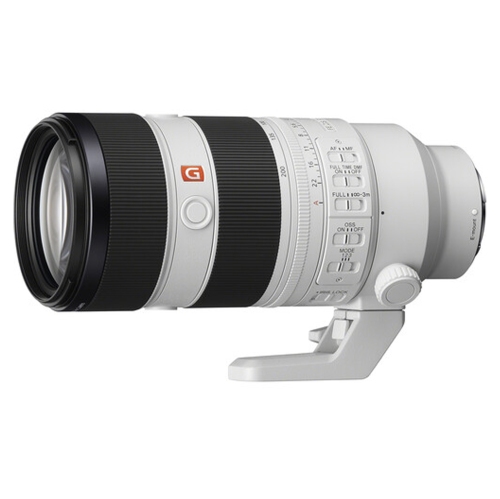
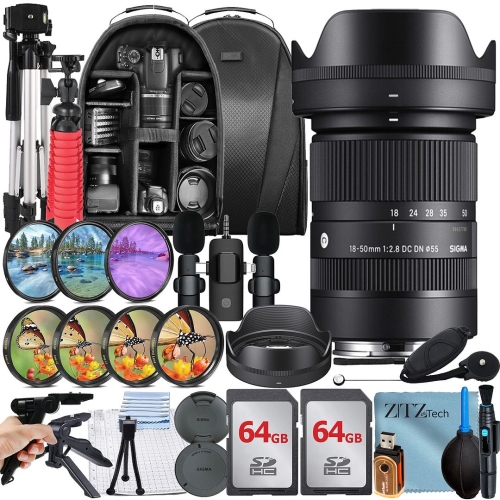
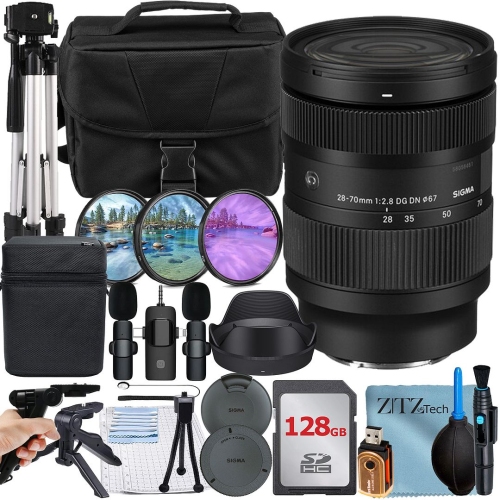
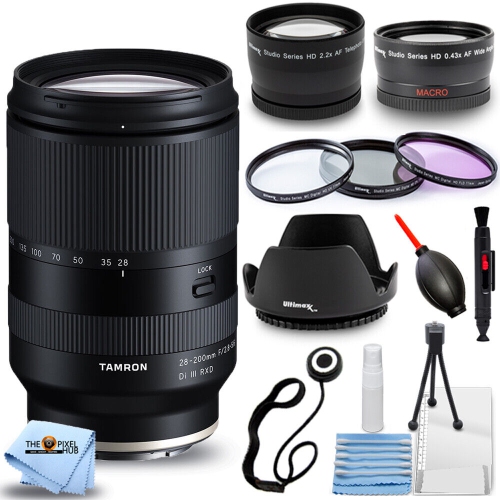
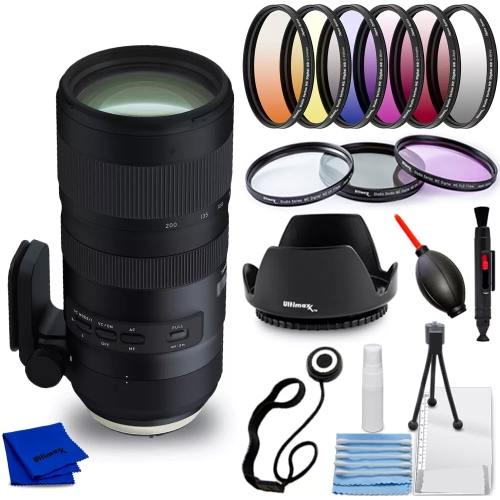
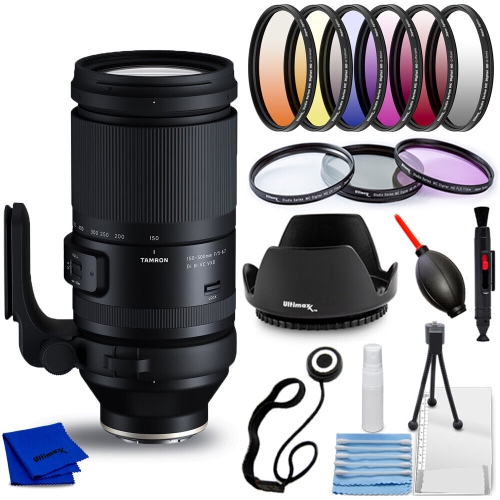
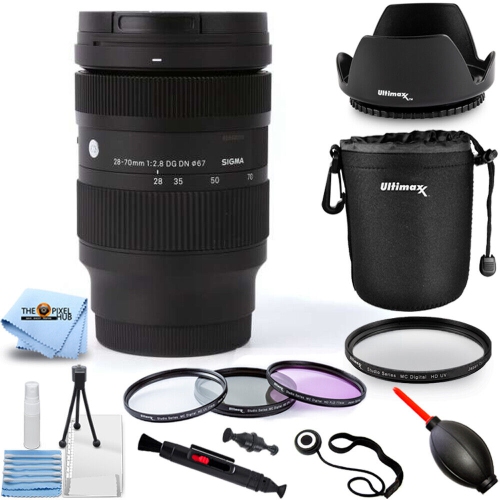
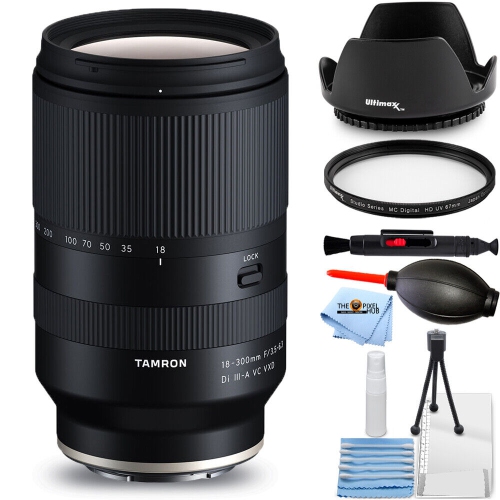
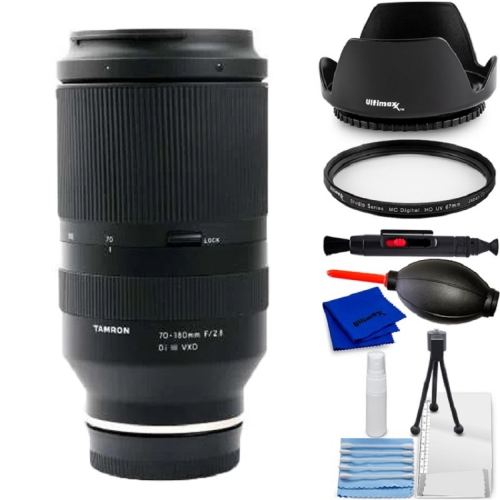
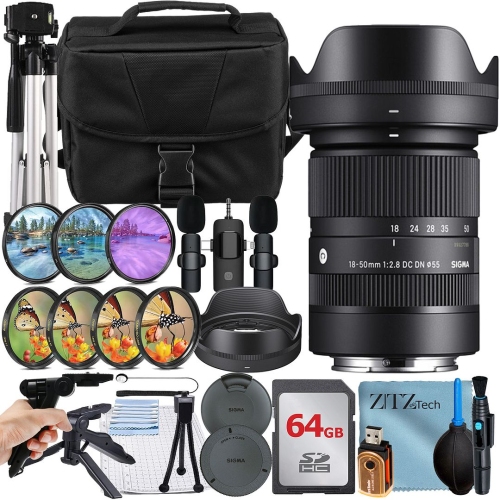
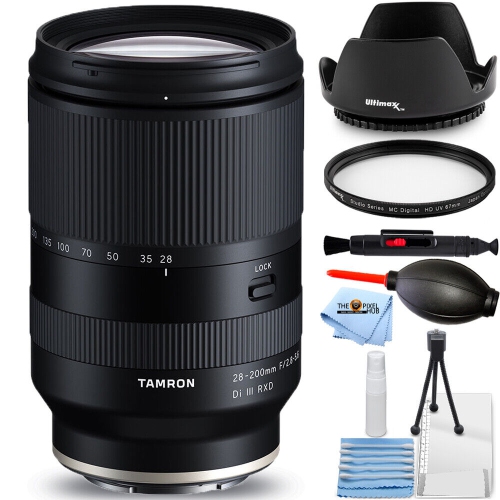
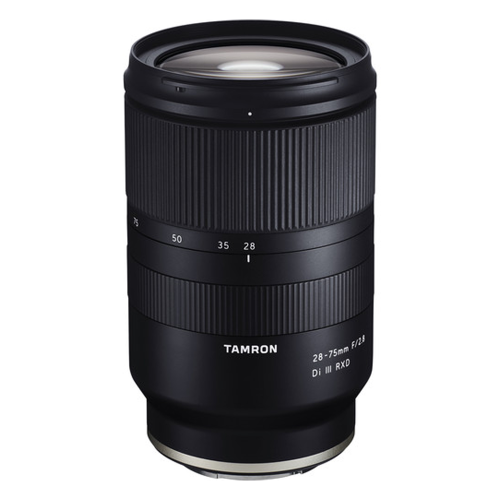
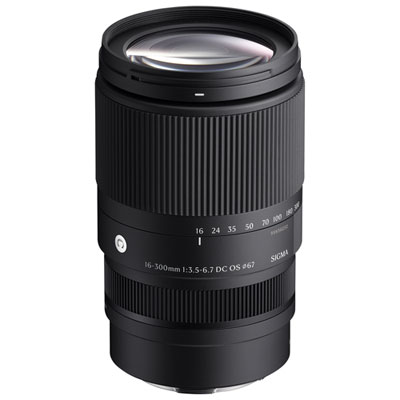
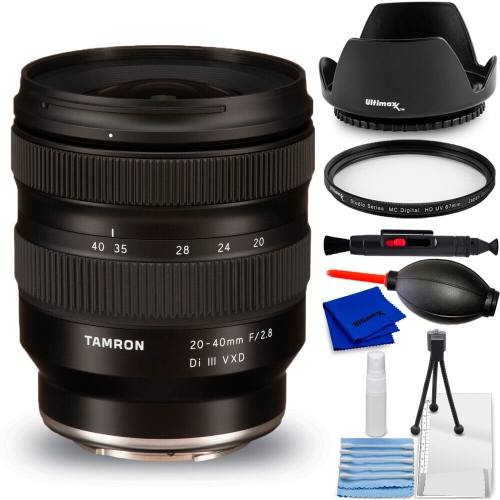
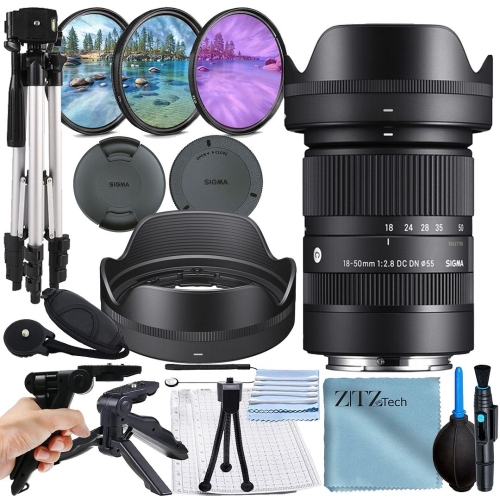
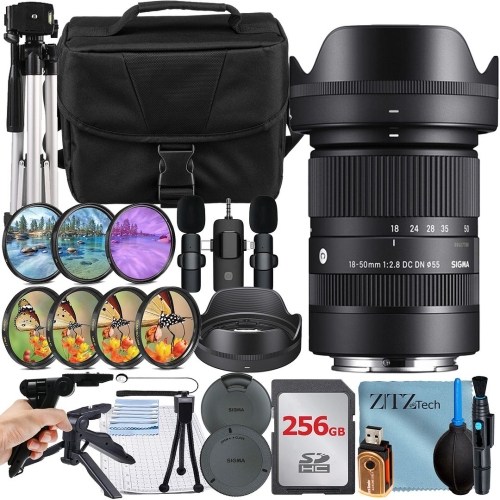
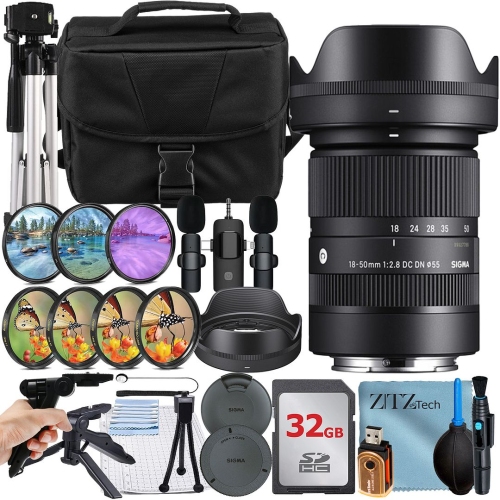
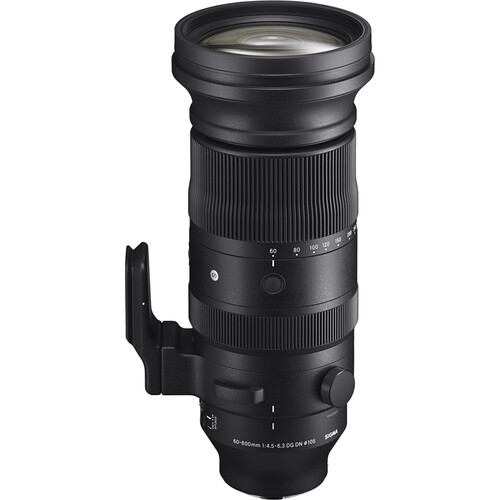
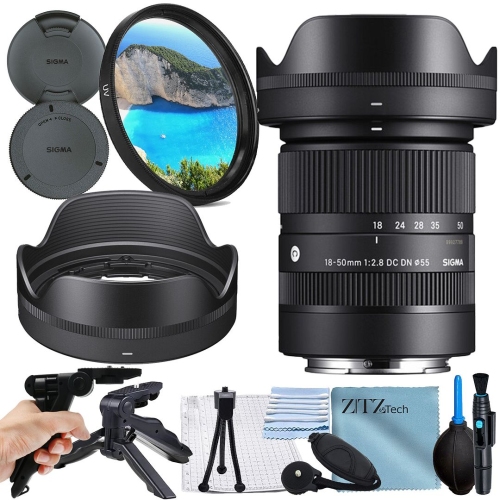
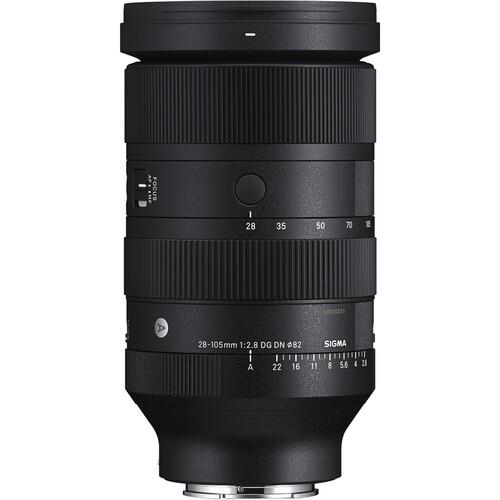
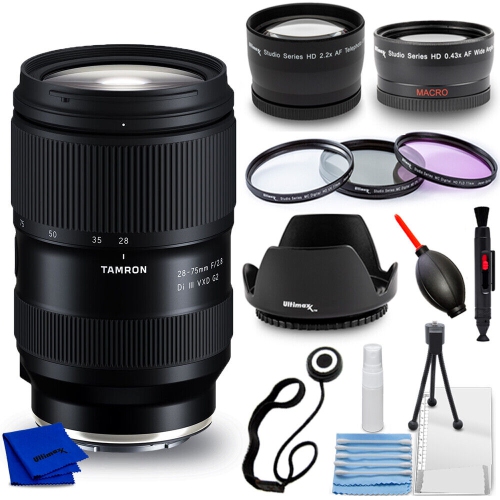
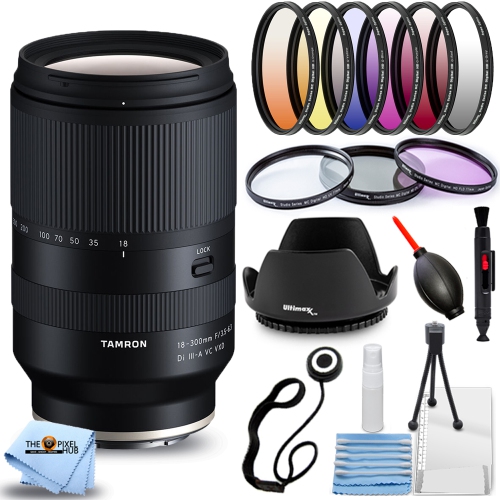
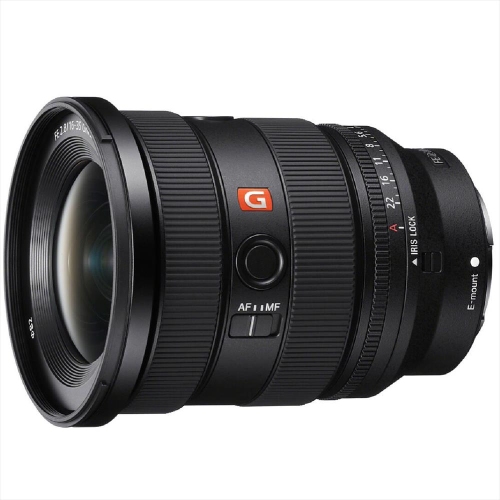
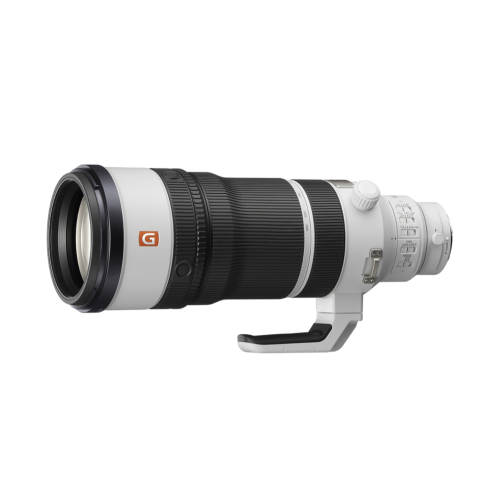
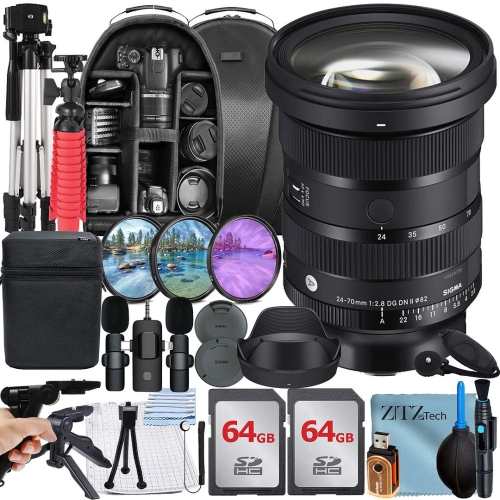
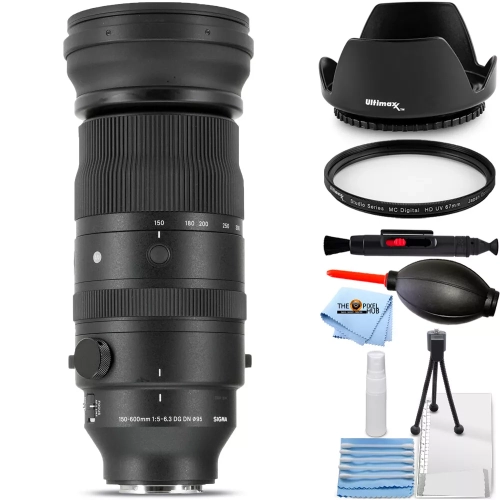
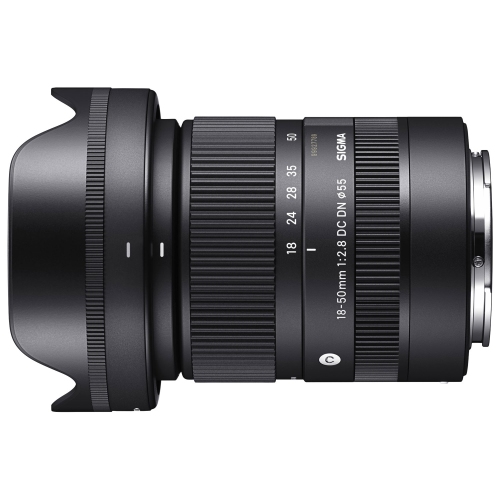
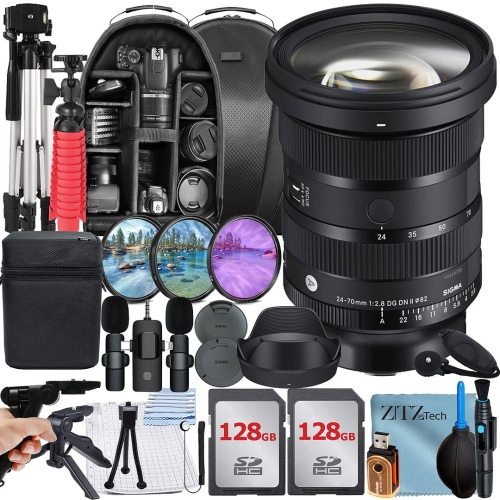
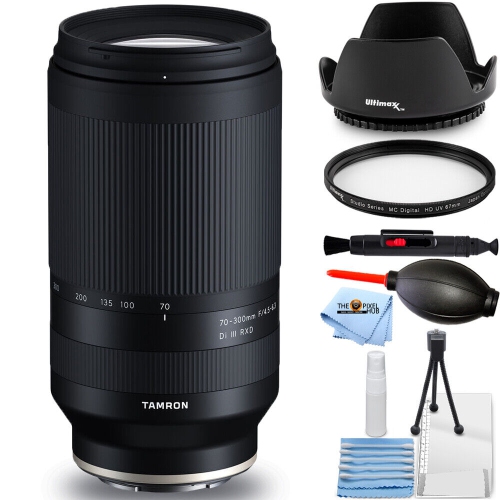
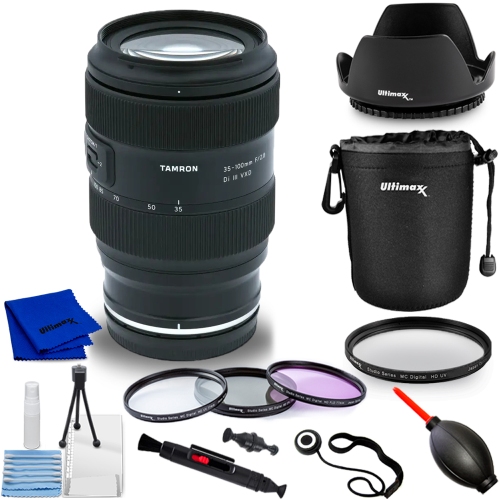
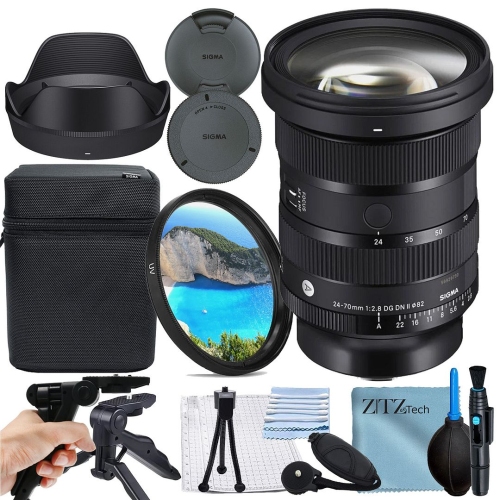
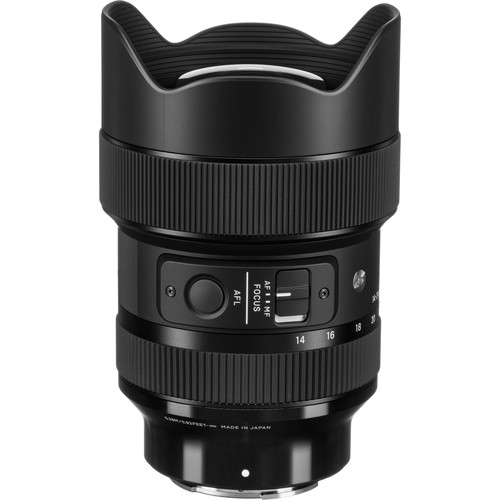
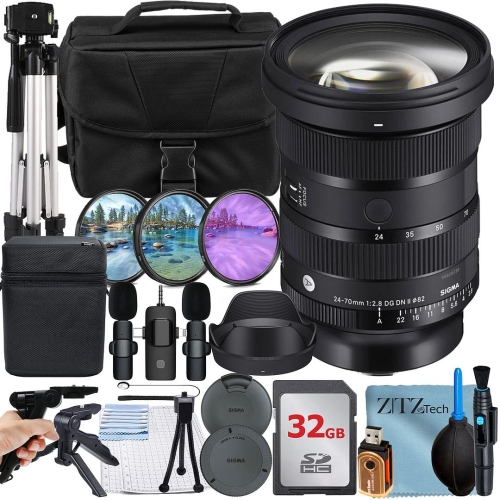
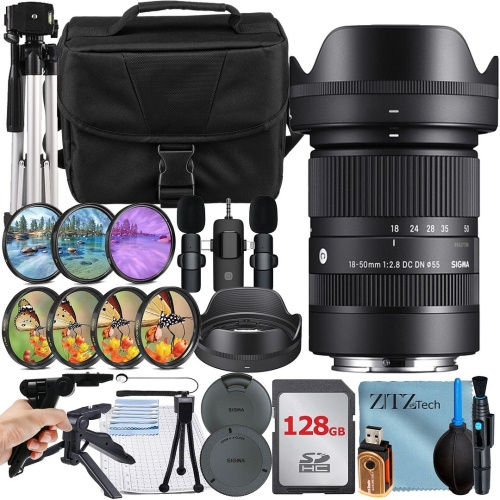

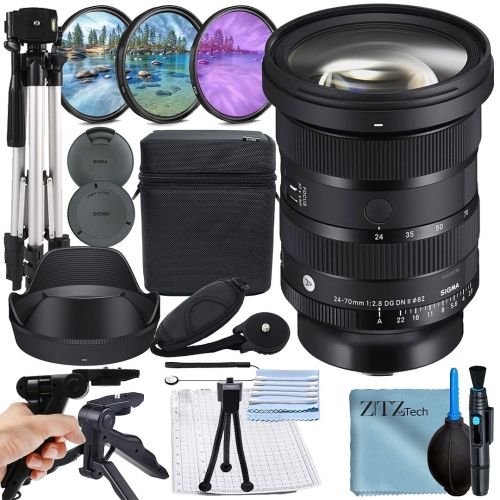
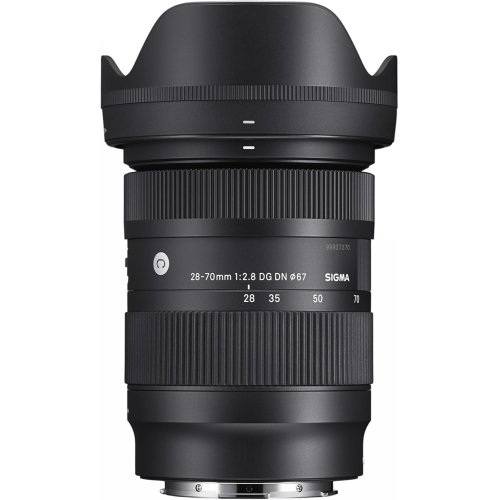
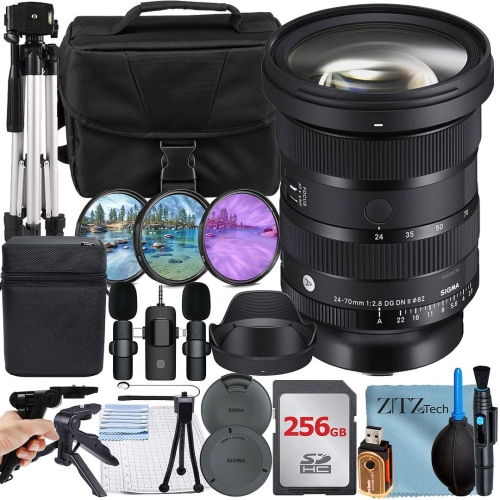
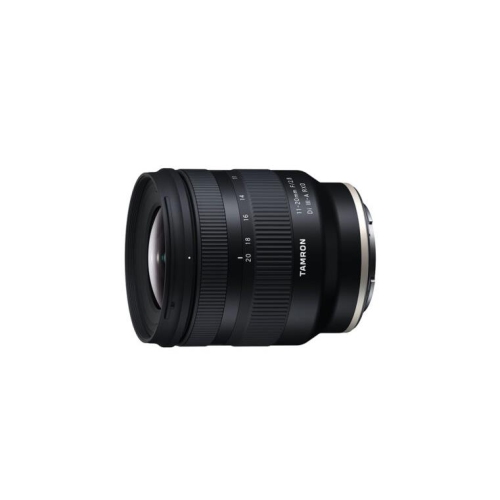
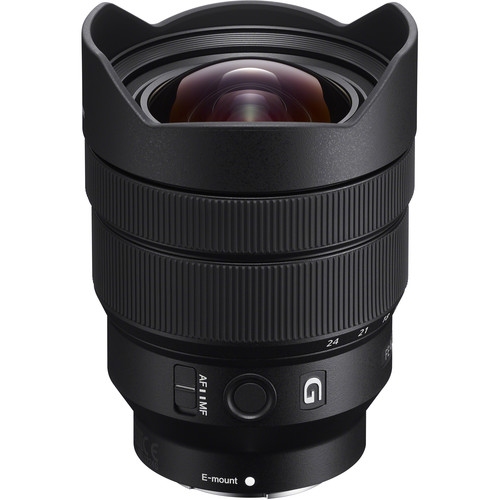
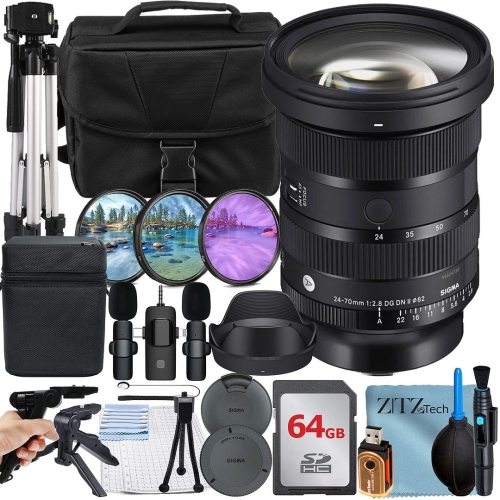
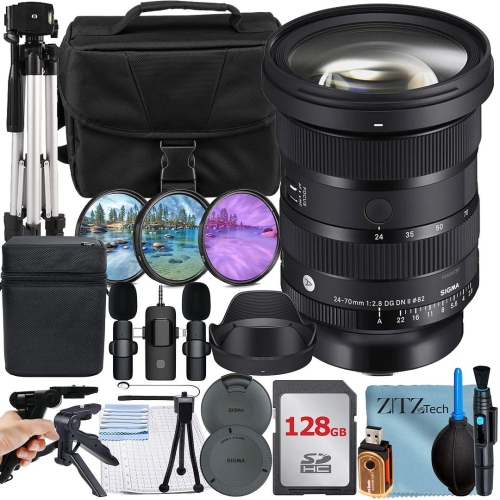
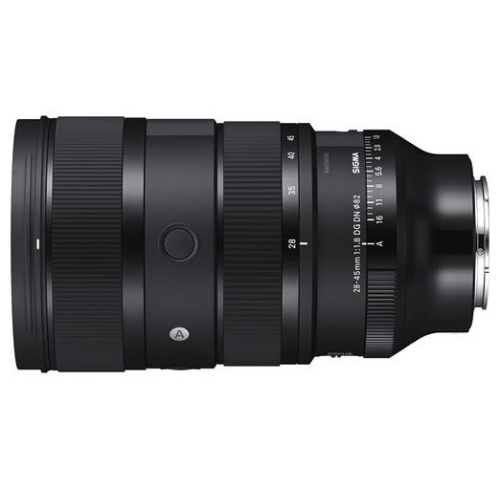
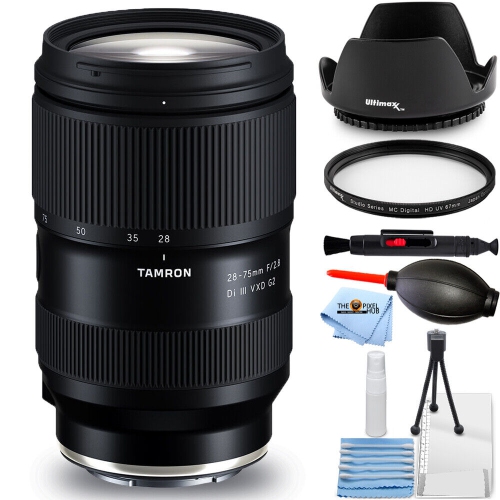
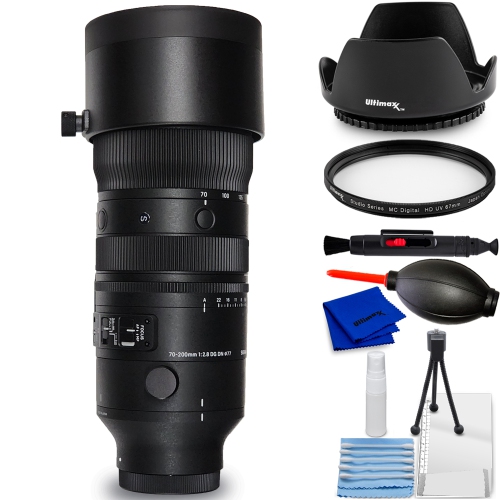
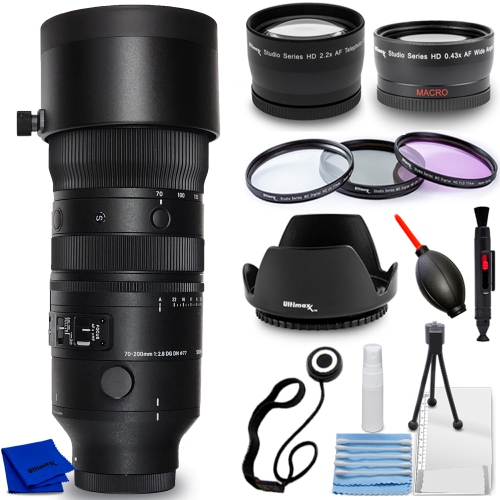
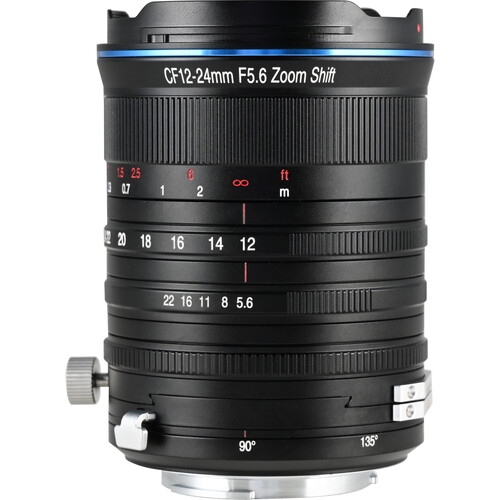
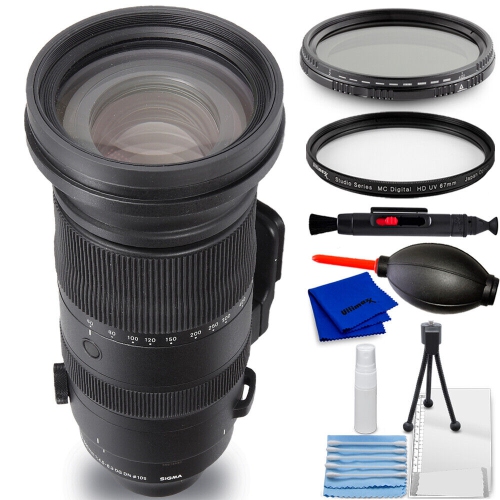
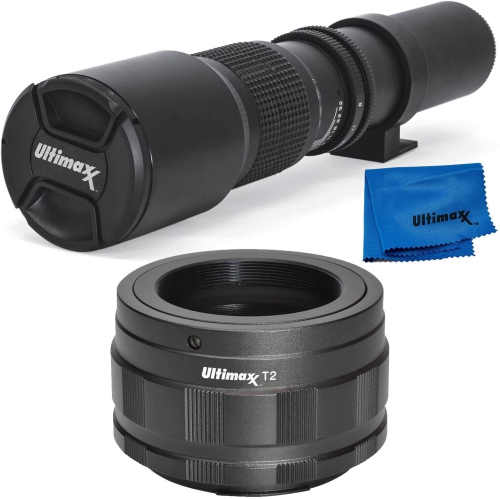
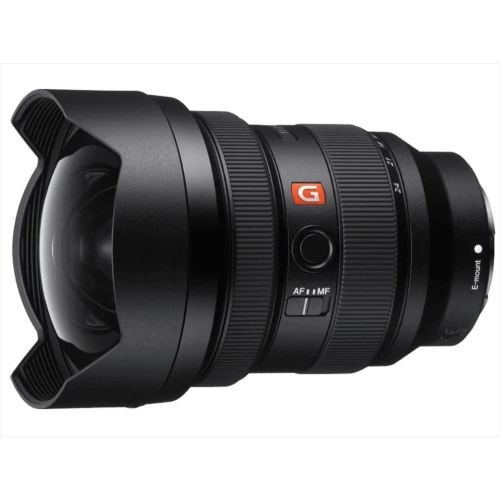
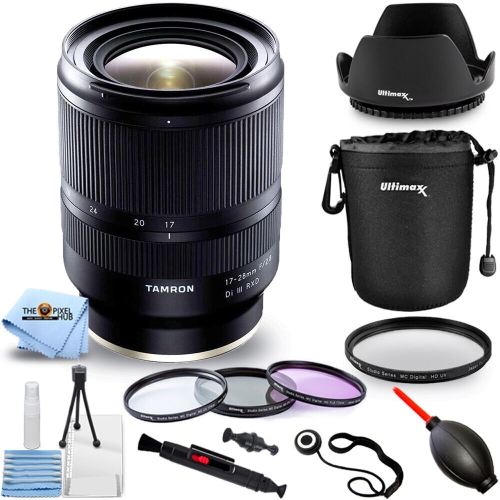
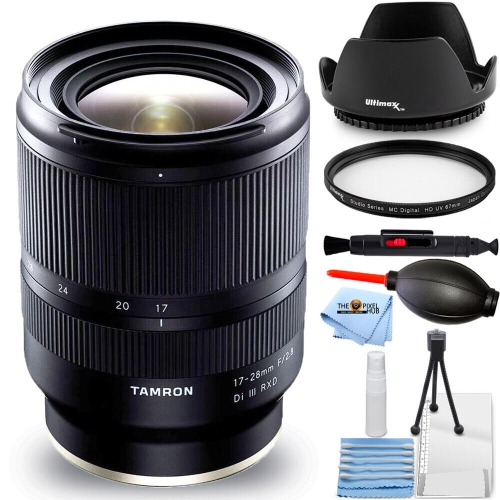

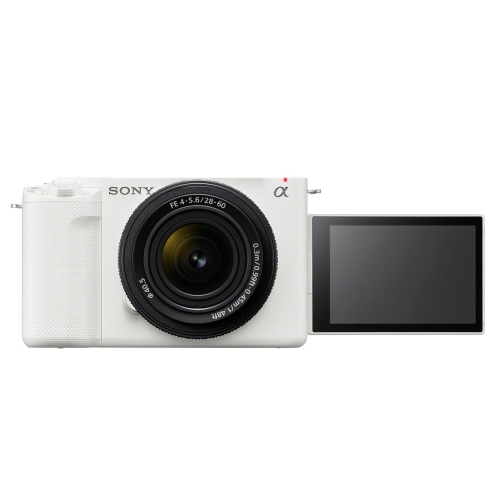
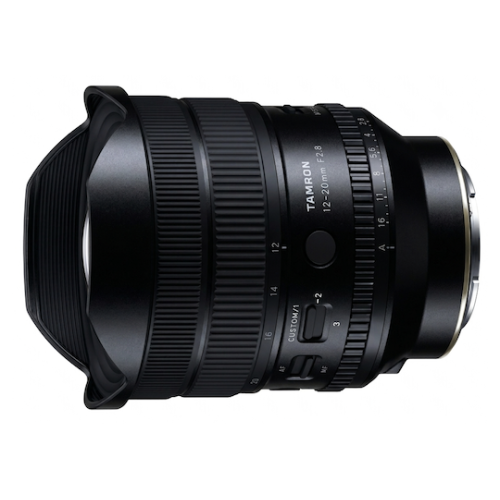
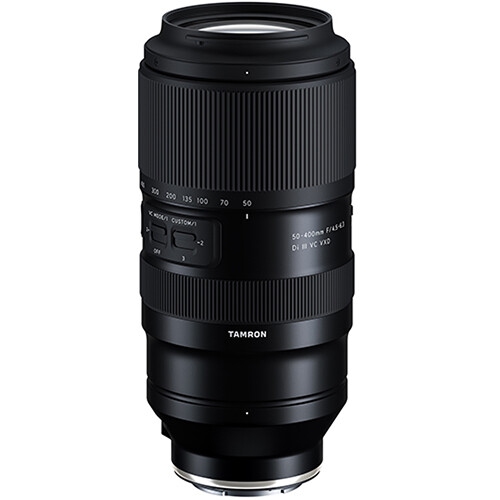
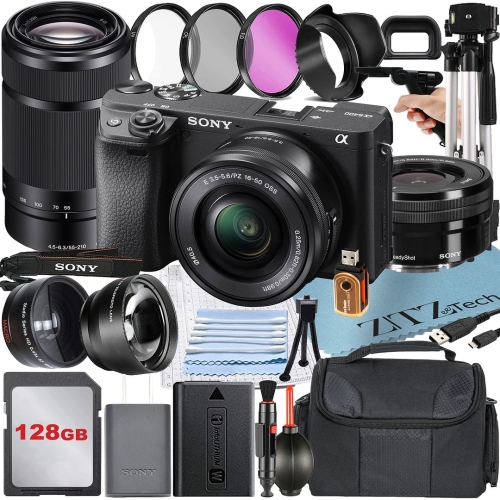
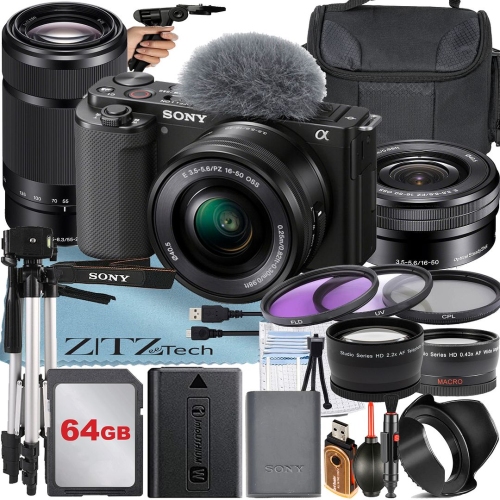
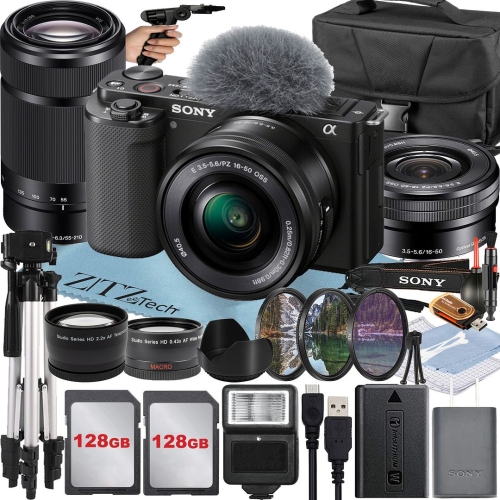
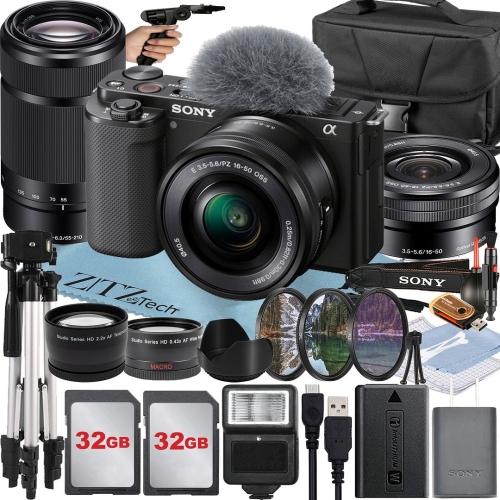
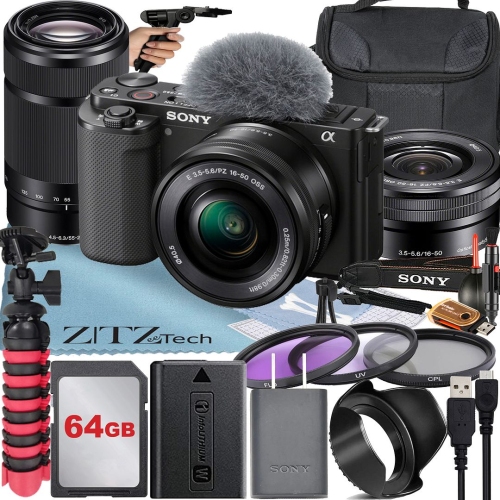
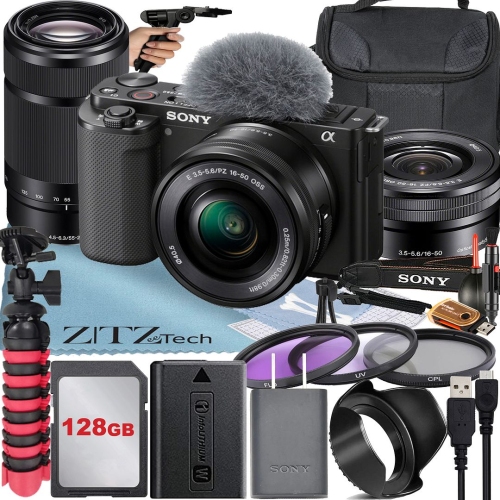
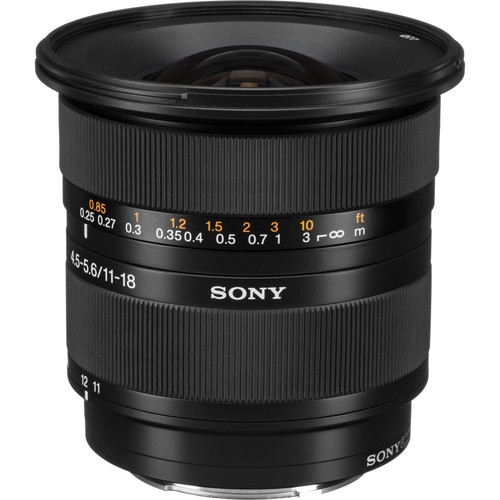
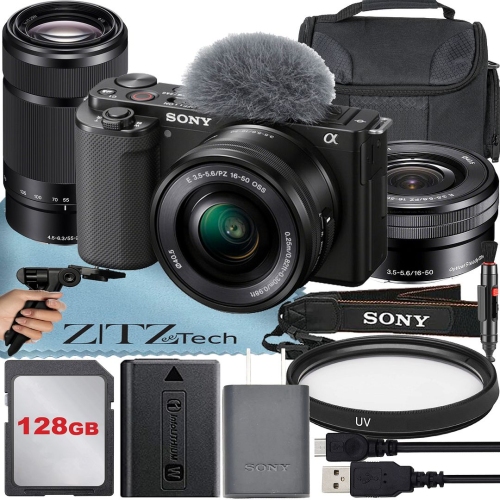
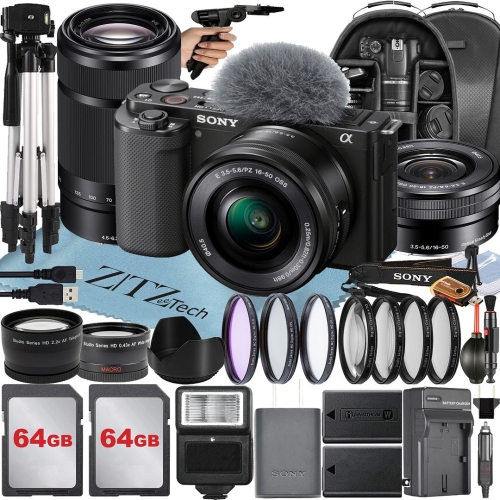
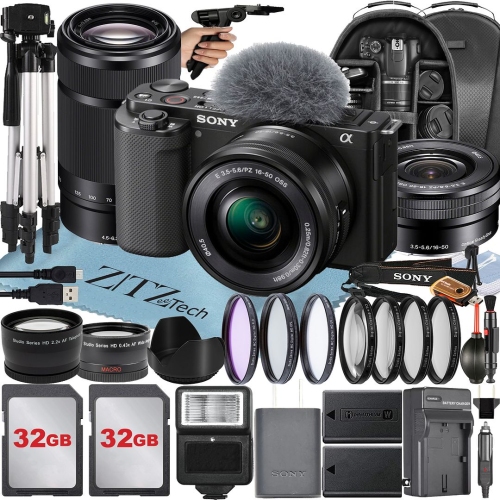
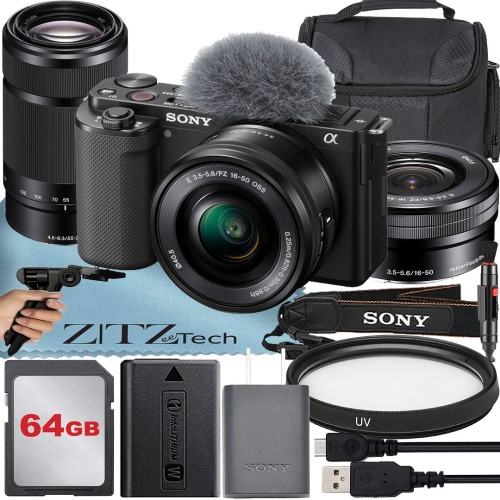
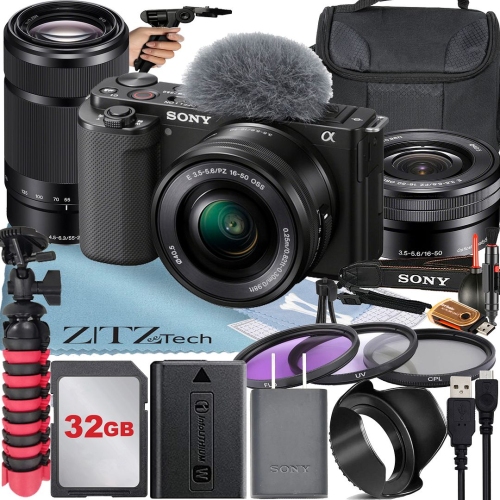
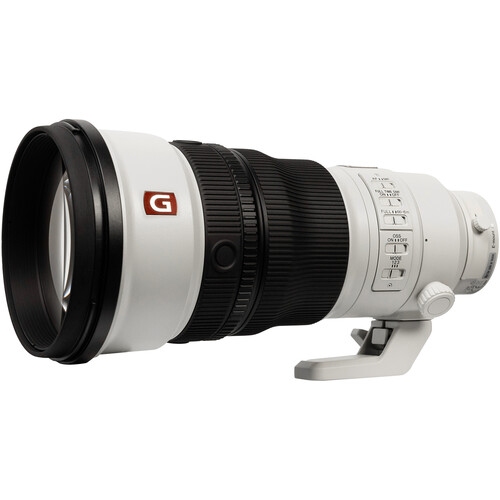
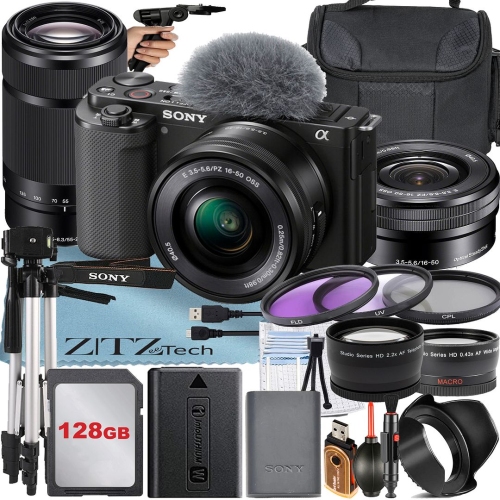
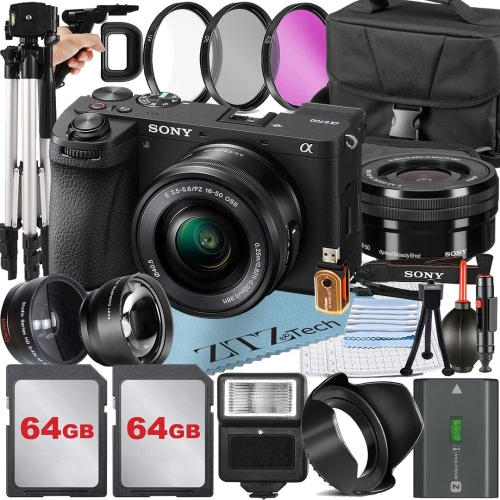
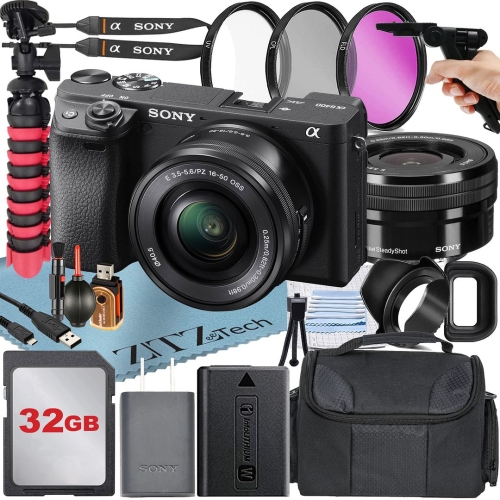
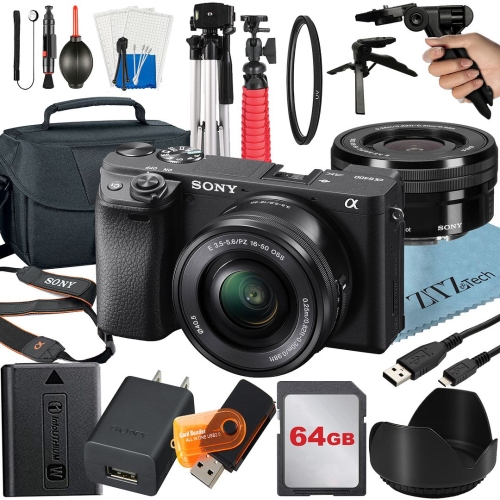
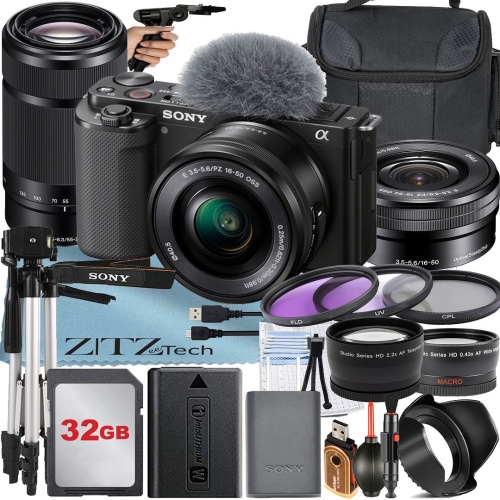
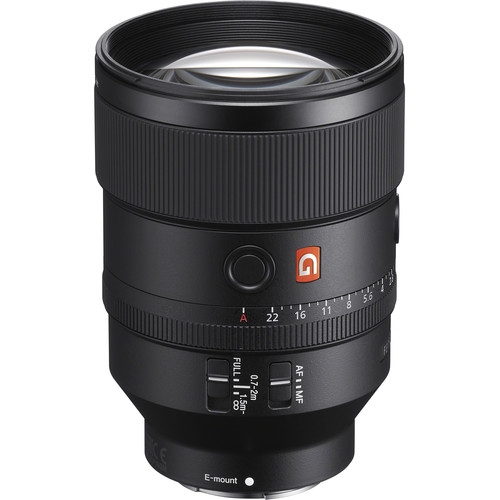
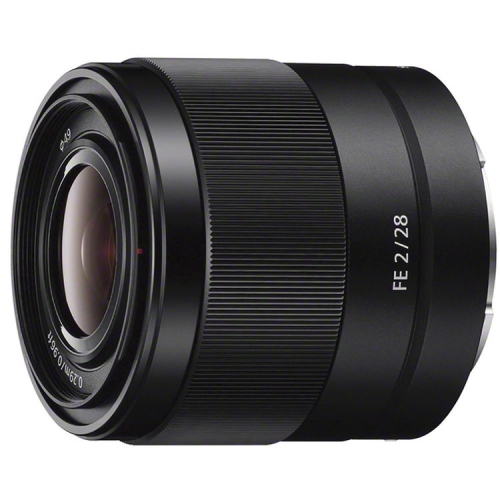

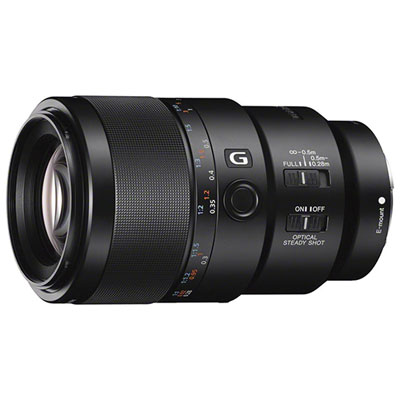
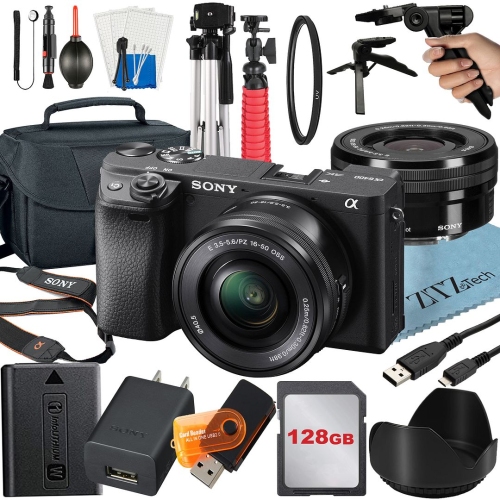
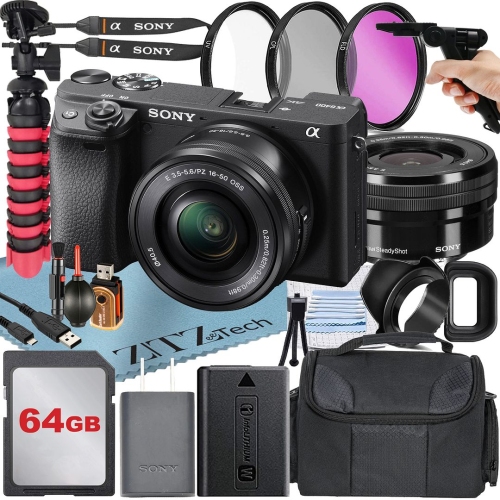
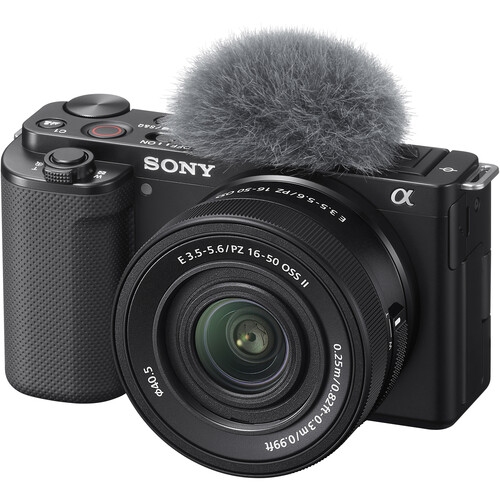
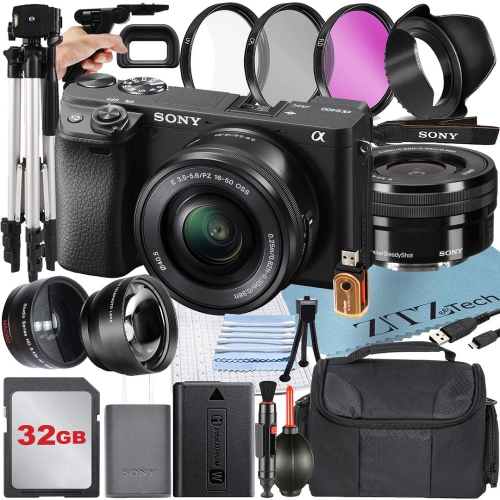
One lens for changing subjects, distances, and lighting
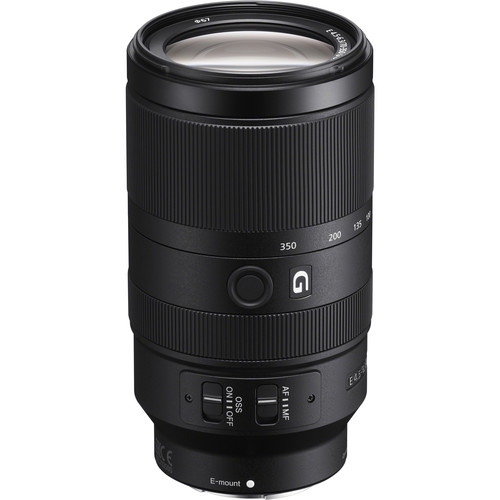
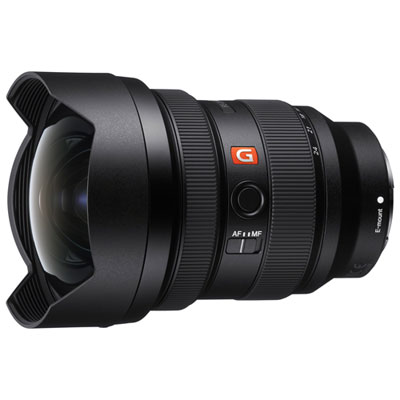
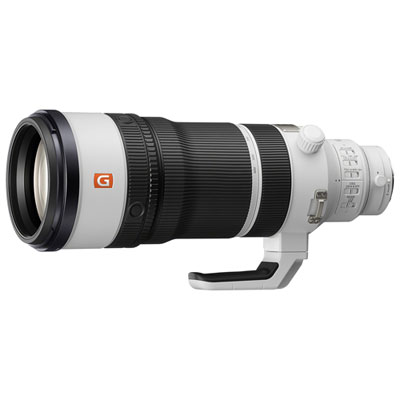
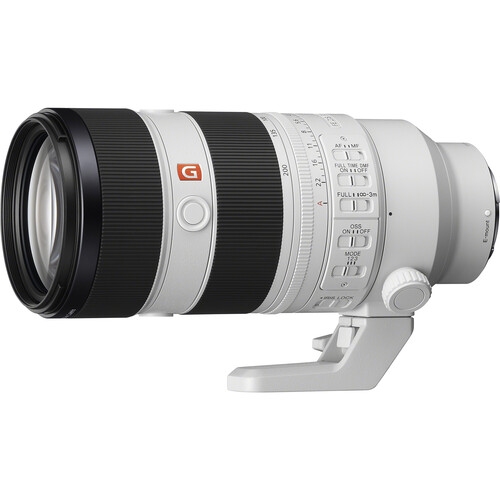
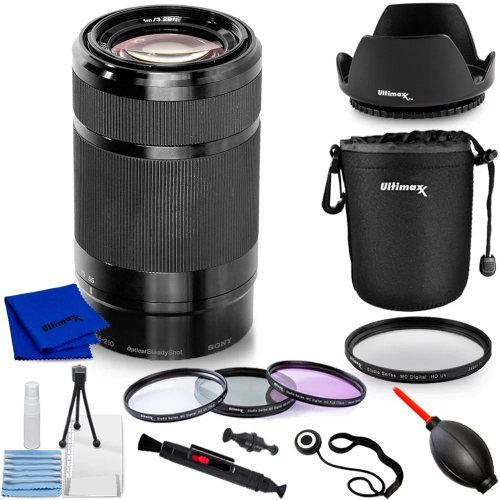
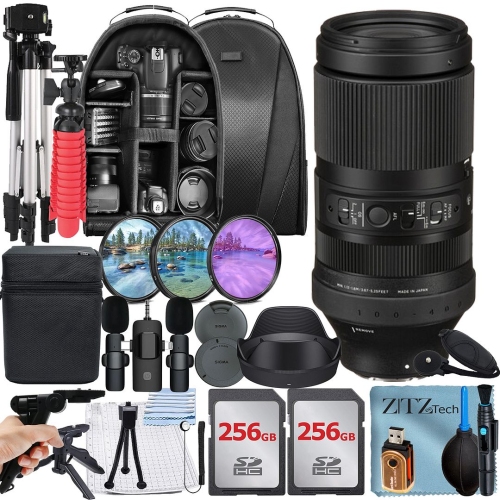
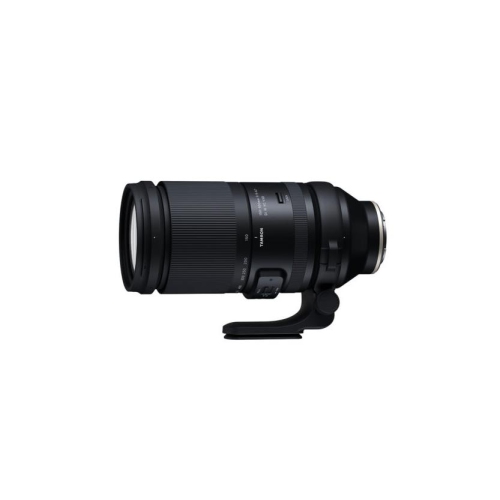
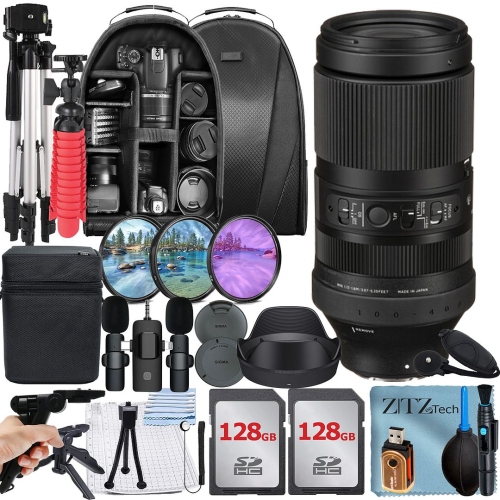
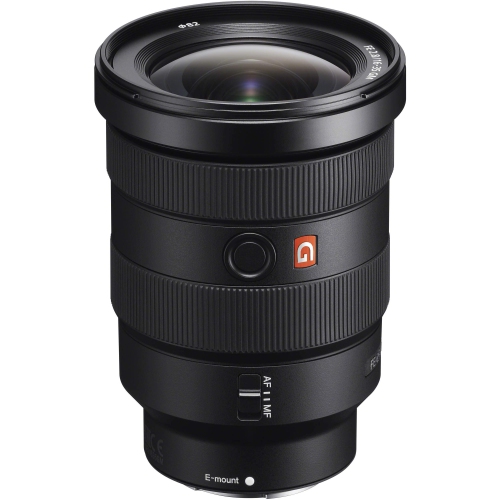
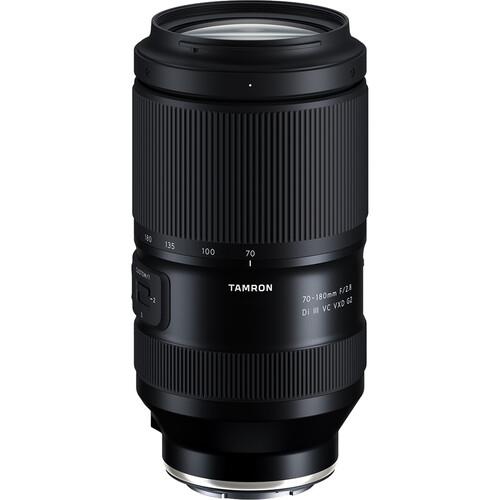
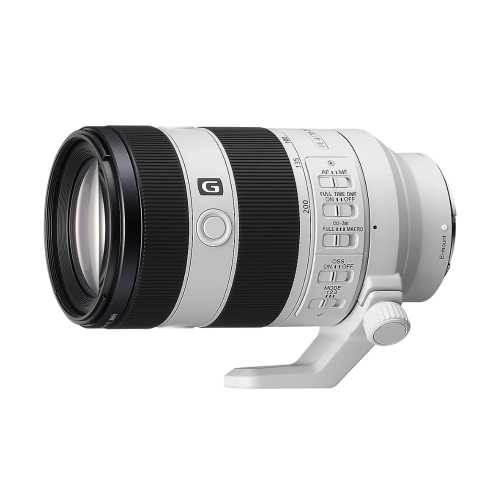
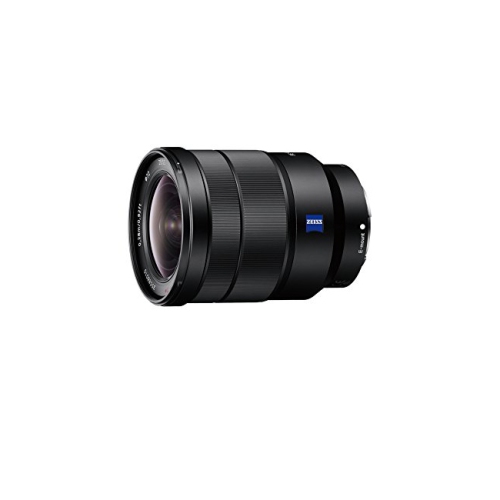
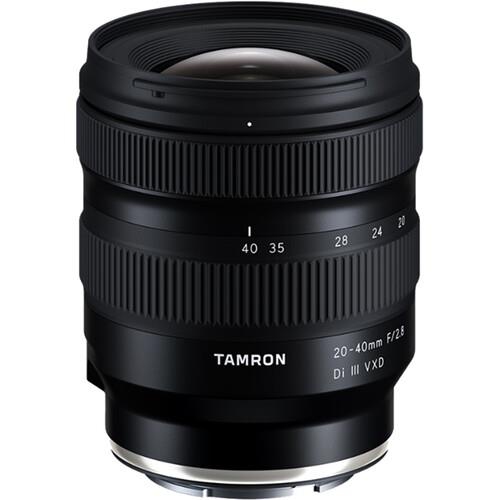
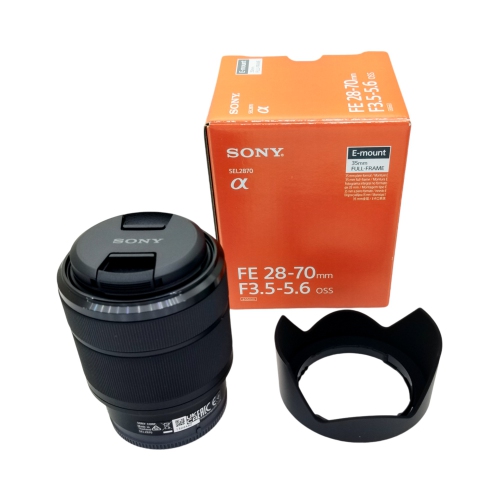
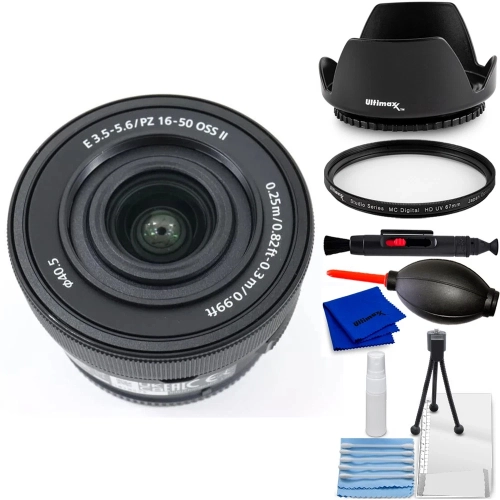
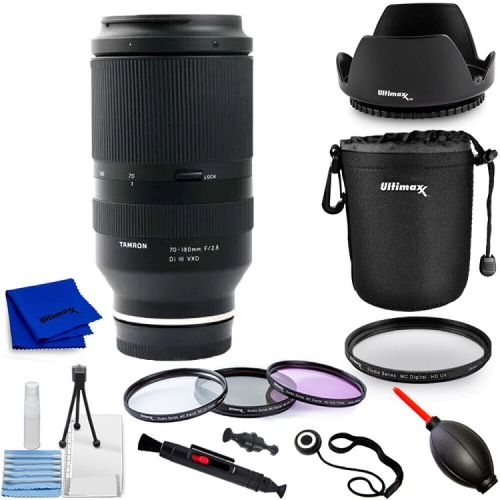
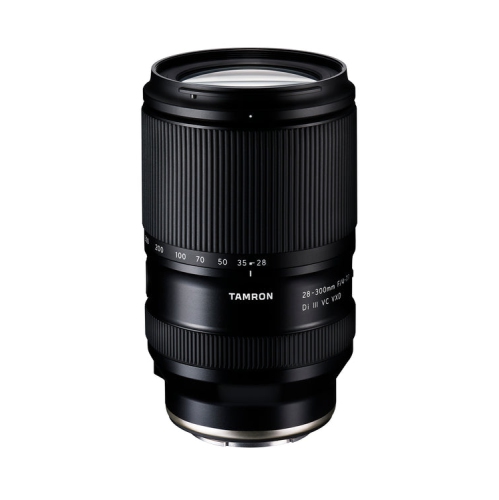
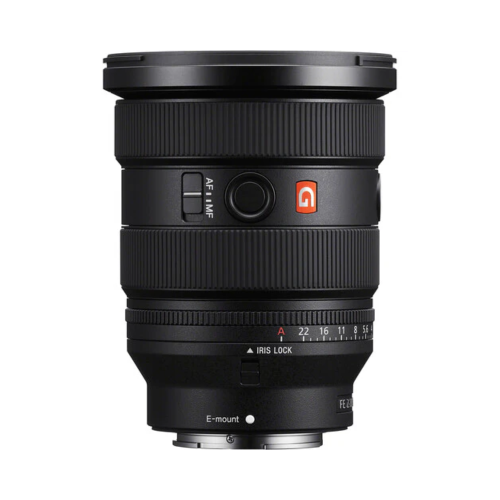
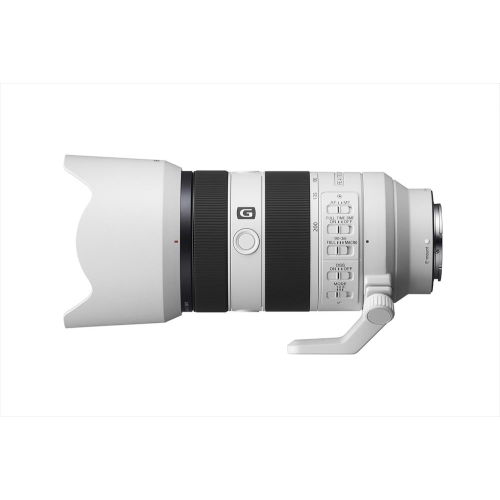
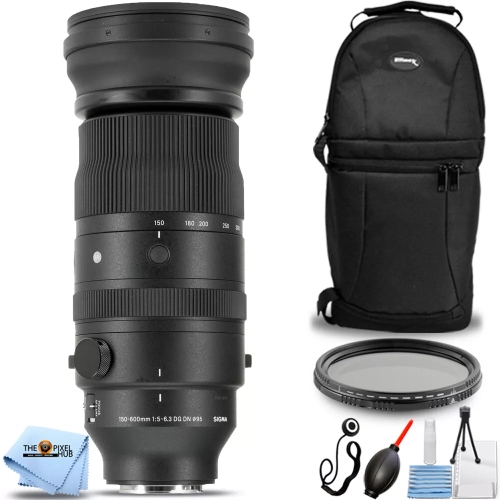
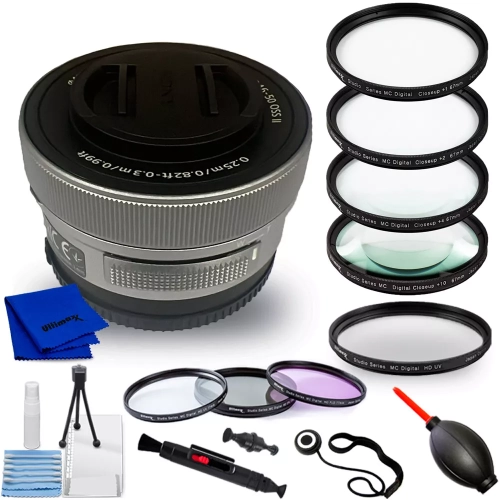
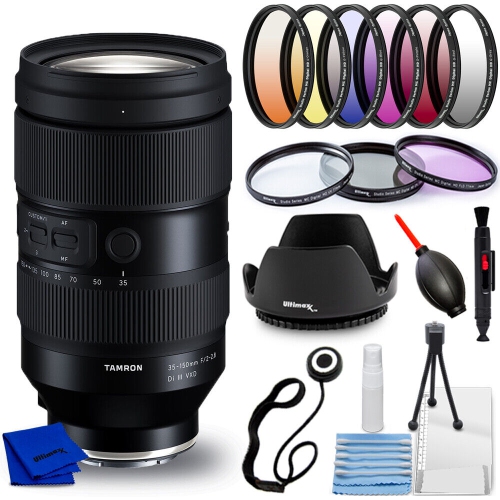
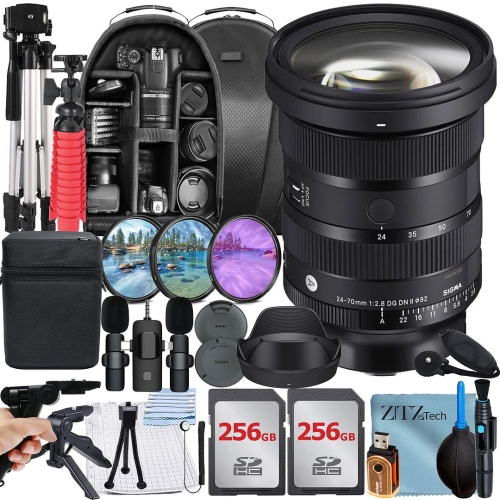
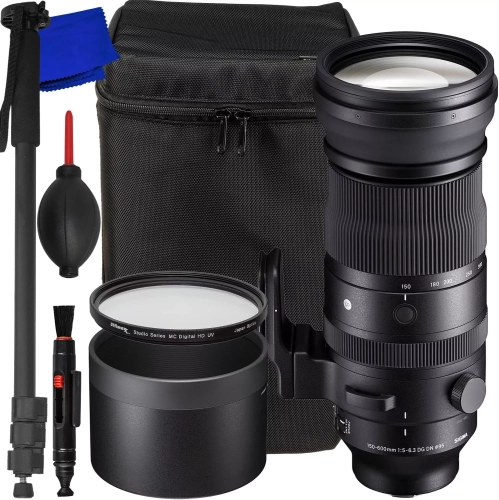
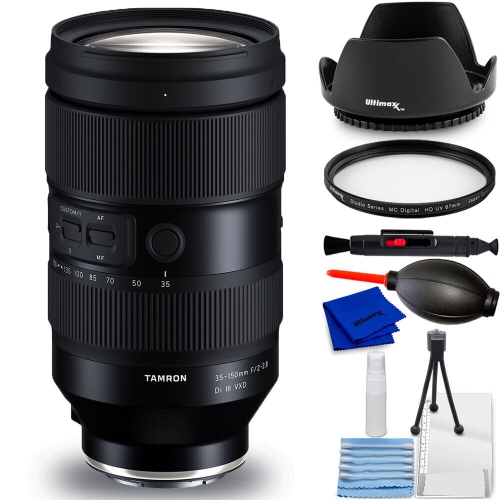
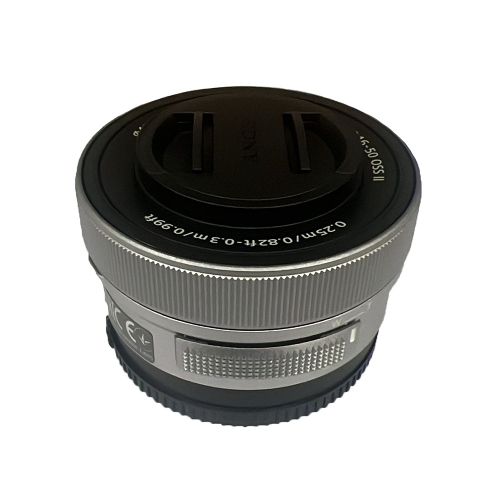
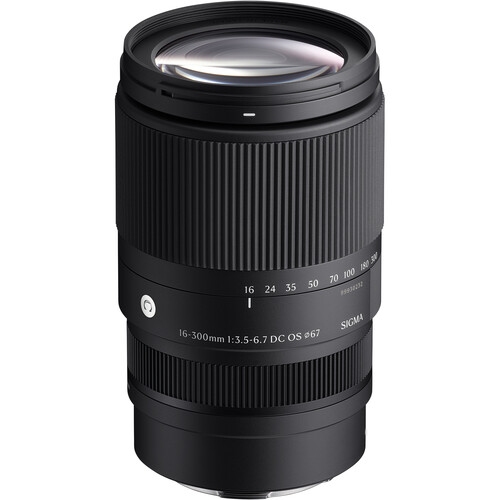
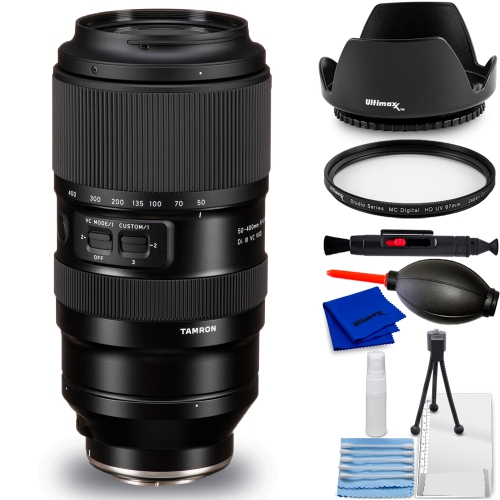
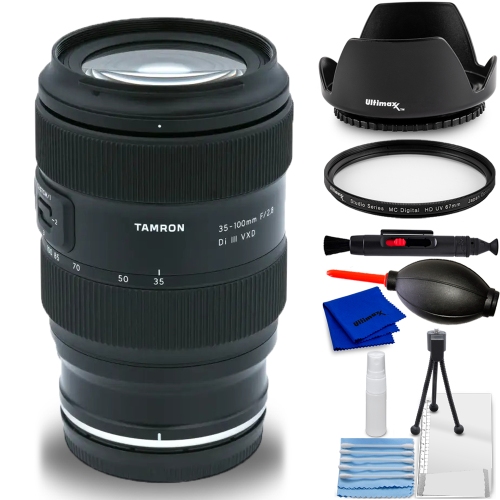
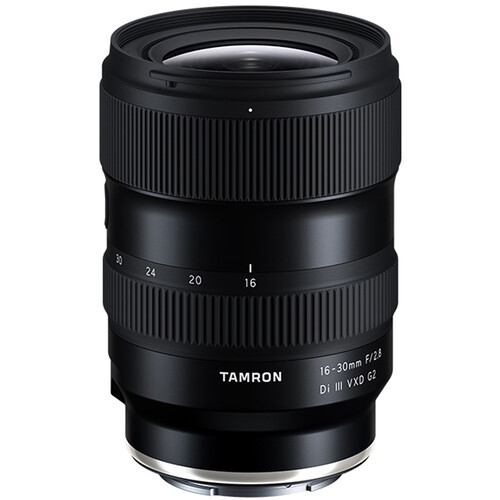
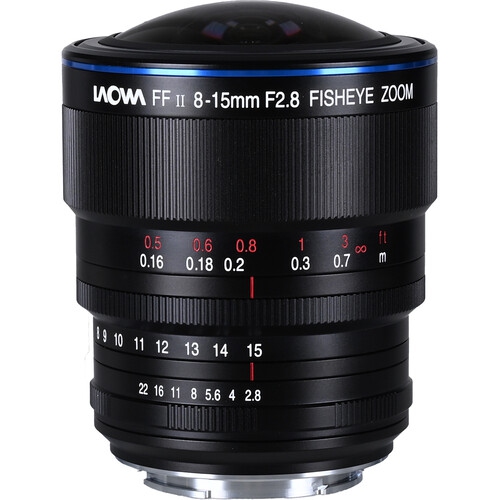
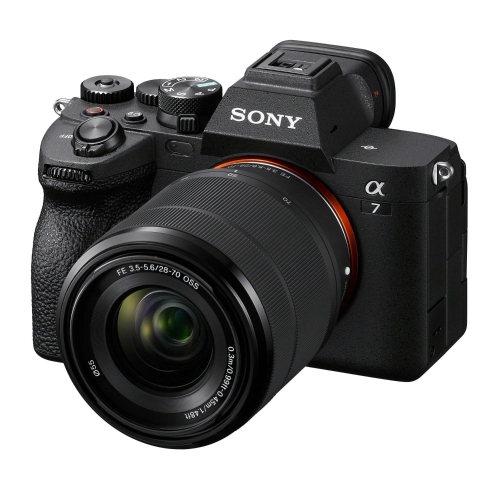
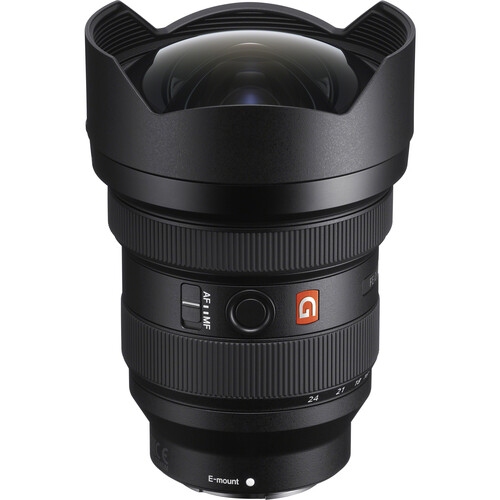
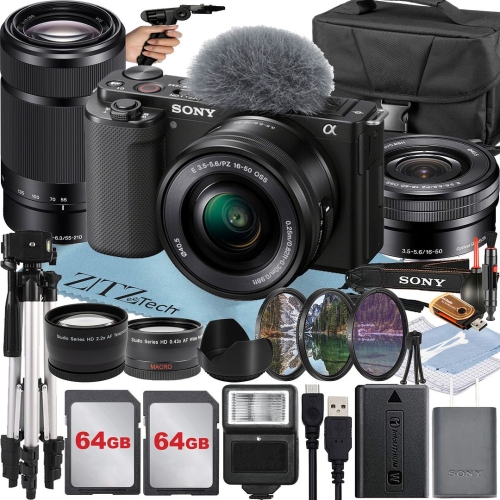
Zoom lenses for Sony cameras offer a practical way to cover a wide range of subjects without changing lenses every few minutes. With one lens, you can move from a broad view of a city street to a tighter portrait, a distant performer, or a detail across a field. This flexibility makes them useful for everyday photography, travel, family gatherings, landscapes, events, sports, wildlife, and video. When choosing a Sony-compatible zoom lens, start by checking the camera body’s mount and sensor format. Sony mirrorless cameras generally use E-mount lenses, but the camera may have either a full-frame or APS-C sensor. A full-frame lens can typically be used on both full-frame and APS-C bodies, while an APS-C lens is designed for the smaller sensor format and may not provide full coverage on a full-frame camera. On an APS-C body, the field of view appears narrower than the focal length printed on the lens, which can be helpful for distant subjects but less convenient for tight indoor spaces. Standard zoom lenses are popular all-purpose choices, often covering a range from moderately wide to short telephoto. They suit travel, street photography, family portraits, food photography, and general walk-around shooting, especially when you want to pack one lens for a full day. Wide-angle zooms are better suited to architecture, interiors, sweeping landscapes, group photos, and video where you need to fit more of the scene into the frame. A telephoto zoom brings distant subjects closer and is a strong choice for field sports, wildlife, outdoor performances, candid portraits, and details on a mountain trail. Longer super-telephoto zooms can be especially useful when approaching an animal or athlete is not practical, although they are often larger and may benefit from a monopod or sturdy support. For close-up work involving flowers, small objects, crafts, or insects, a dedicated Macro Lenses for Sony may be a more suitable option than a general-purpose zoom.
Focal length is only one part of the decision. The maximum aperture affects how much light reaches the camera sensor and how easily you can create a softly blurred background. A lens with a wider maximum aperture can be valuable for indoor events, evening scenes, portraits, and fast-moving subjects, while a smaller or variable aperture can help keep the lens lighter and more affordable for travel or daytime use. Optical image stabilization can make handheld shooting easier, particularly at longer focal lengths or in dim conditions, but it does not freeze a moving person or animal; shutter speed remains important for action. Autofocus performance also matters when photographing children, pets, sports, birds, or video subjects that move unpredictably. Look for compatibility with the camera’s tracking and eye-detection features, along with quiet focusing if the lens will be used for movies, interviews, or vlogging. The physical design deserves attention as well. A compact zoom may be easier to carry through an airport, along a trail, or around a busy event, while a larger lens may offer a brighter aperture, more robust construction, or greater reach. Consider the filter size, minimum focusing distance, zoom direction, control rings, and whether the lens includes a hood. If you already own lenses, compare their focal-length coverage to avoid paying for overlapping range unless the newer lens offers a meaningful advantage in brightness, sharpness, size, or focusing speed. It is also worth considering how the lens balances on your camera. A heavy telephoto may feel comfortable on a larger body but front-heavy on a compact camera, and a small body may be easier to carry with a lightweight standard zoom. For video, check whether the zoom action is smooth, whether focus breathing is controlled, and whether the lens produces distracting operating sounds. These details can have a noticeable effect when recording a quiet conversation, a school performance, or a moving subject during the cooler months.
A zoom lens can be a thoughtful gift for a photographer who is ready to explore beyond the basic lens that came with a camera. A versatile standard zoom is a sensible choice for someone who photographs holidays, gatherings, travel, and everyday moments, while a telephoto zoom may appeal to a sports fan, birdwatcher, hiker, or parent documenting outdoor activities. A wide-angle option can help a new creator capture room interiors, architecture, dramatic scenery, and more engaging video footage. Before giving a lens as a gift, confirm the recipient’s camera model, sensor format, and mount, since compatibility is more important than appearance or focal-length range. It is also helpful to think about their habits: someone who prefers to travel light may appreciate a compact lens, while an enthusiast who photographs wildlife from a fixed position may welcome extra reach and a tripod collar. For portraits, look for a range that includes a short telephoto perspective and an aperture suited to the desired background blur. For sports and wildlife, prioritise reach, autofocus responsiveness, stabilization, and handling. For landscapes and architecture, a broad viewing angle, corner-to-corner clarity, and low distortion may be more useful. During warmer weather, a flexible lens can simplify beach walks, road trips, outdoor celebrations, and scenic outings by reducing the need to carry several lenses. As the weather changes, the same lens can move indoors for family gatherings, performances, cooking videos, or creative still-life photography. The best choice is the one that matches the camera body, subject distance, available light, and the photographer’s willingness to carry it. A well-matched Sony zoom lens can become the lens that stays on the camera, ready for an unexpected expression, a fast-moving game, a distant bird, or the changing light across a familiar view.
Focal length is only one part of the decision. The maximum aperture affects how much light reaches the camera sensor and how easily you can create a softly blurred background. A lens with a wider maximum aperture can be valuable for indoor events, evening scenes, portraits, and fast-moving subjects, while a smaller or variable aperture can help keep the lens lighter and more affordable for travel or daytime use. Optical image stabilization can make handheld shooting easier, particularly at longer focal lengths or in dim conditions, but it does not freeze a moving person or animal; shutter speed remains important for action. Autofocus performance also matters when photographing children, pets, sports, birds, or video subjects that move unpredictably. Look for compatibility with the camera’s tracking and eye-detection features, along with quiet focusing if the lens will be used for movies, interviews, or vlogging. The physical design deserves attention as well. A compact zoom may be easier to carry through an airport, along a trail, or around a busy event, while a larger lens may offer a brighter aperture, more robust construction, or greater reach. Consider the filter size, minimum focusing distance, zoom direction, control rings, and whether the lens includes a hood. If you already own lenses, compare their focal-length coverage to avoid paying for overlapping range unless the newer lens offers a meaningful advantage in brightness, sharpness, size, or focusing speed. It is also worth considering how the lens balances on your camera. A heavy telephoto may feel comfortable on a larger body but front-heavy on a compact camera, and a small body may be easier to carry with a lightweight standard zoom. For video, check whether the zoom action is smooth, whether focus breathing is controlled, and whether the lens produces distracting operating sounds. These details can have a noticeable effect when recording a quiet conversation, a school performance, or a moving subject during the cooler months.
A zoom lens can be a thoughtful gift for a photographer who is ready to explore beyond the basic lens that came with a camera. A versatile standard zoom is a sensible choice for someone who photographs holidays, gatherings, travel, and everyday moments, while a telephoto zoom may appeal to a sports fan, birdwatcher, hiker, or parent documenting outdoor activities. A wide-angle option can help a new creator capture room interiors, architecture, dramatic scenery, and more engaging video footage. Before giving a lens as a gift, confirm the recipient’s camera model, sensor format, and mount, since compatibility is more important than appearance or focal-length range. It is also helpful to think about their habits: someone who prefers to travel light may appreciate a compact lens, while an enthusiast who photographs wildlife from a fixed position may welcome extra reach and a tripod collar. For portraits, look for a range that includes a short telephoto perspective and an aperture suited to the desired background blur. For sports and wildlife, prioritise reach, autofocus responsiveness, stabilization, and handling. For landscapes and architecture, a broad viewing angle, corner-to-corner clarity, and low distortion may be more useful. During warmer weather, a flexible lens can simplify beach walks, road trips, outdoor celebrations, and scenic outings by reducing the need to carry several lenses. As the weather changes, the same lens can move indoors for family gatherings, performances, cooking videos, or creative still-life photography. The best choice is the one that matches the camera body, subject distance, available light, and the photographer’s willingness to carry it. A well-matched Sony zoom lens can become the lens that stays on the camera, ready for an unexpected expression, a fast-moving game, a distant bird, or the changing light across a familiar view.
Top selling and popular products
-
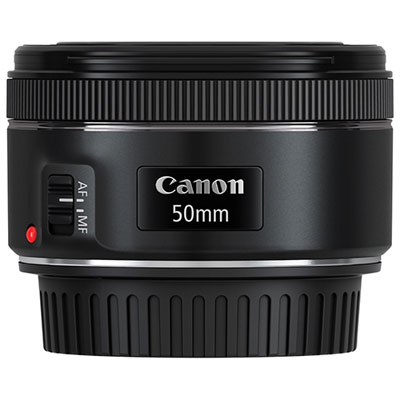 Your price for this item is $169.99
 -
 Your price for this item is $329.99
 -
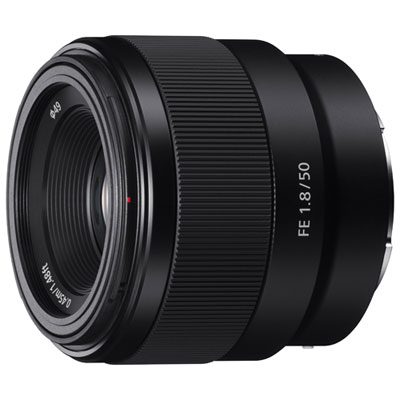 Your price for this item is $349.99
 -
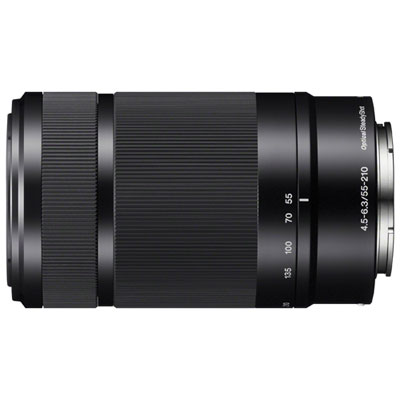 Your price for this item is $399.99
 -
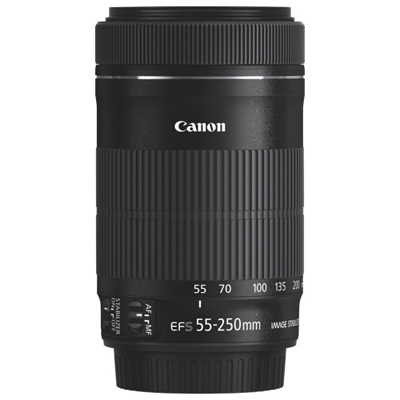 Your price for this item is $399.99
 -
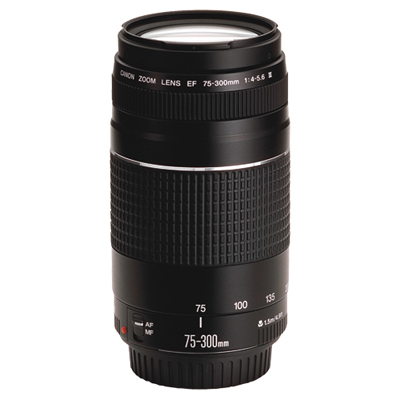 Your price for this item is $199.99
 -
 Your price for this item is $174.99
 -
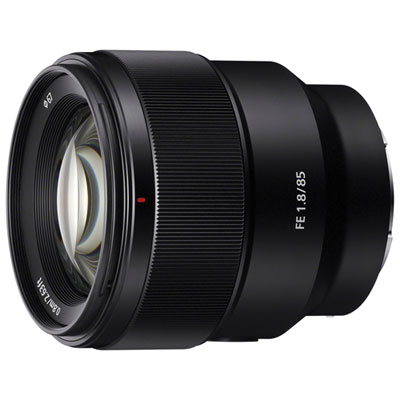 Your price for this item is $799.99
Discover more categories related to Zoom Lenses for Sony
Top Collections:
Pokemon Centers, Best Cameras for Sports Photography, Kindle Devices, Samsung Galaxy Phones, Canon G7X Cameras, Pokémon 30th Celebration Cards, Refurbished Apple Laptops, iPhone 15 Apple, Laptops for Students, Budget Smartphones
Some products may be subject to Environmental Handling Fees
(EHF) depending on your province.
Learn more about EHFs.