Huge Refrigerators for Home
The refrigerator is the most important appliance in your kitchen. It's where you keep all your food cold so it doesn't spoil, and it's where you store leftovers so they don't go to waste. If you're in the market for a new refrigerator, here are some of the biggest refrigerators available today.
Sort
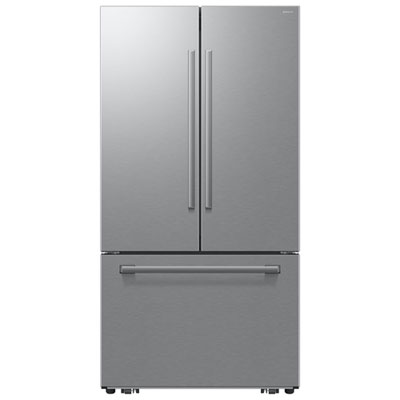
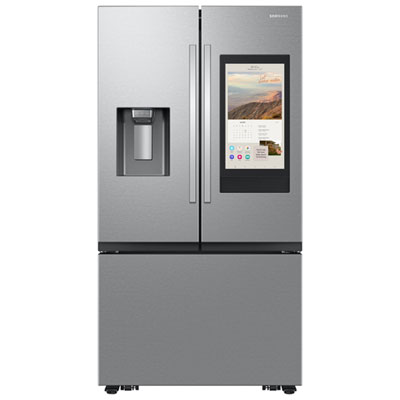
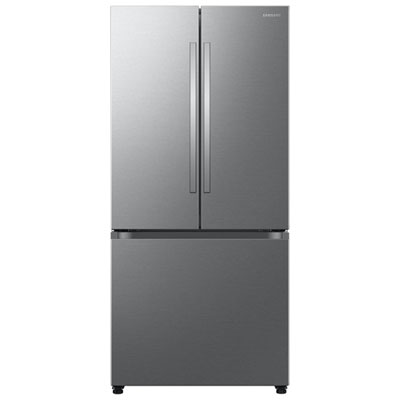
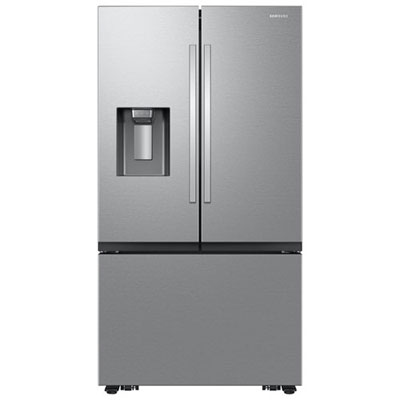
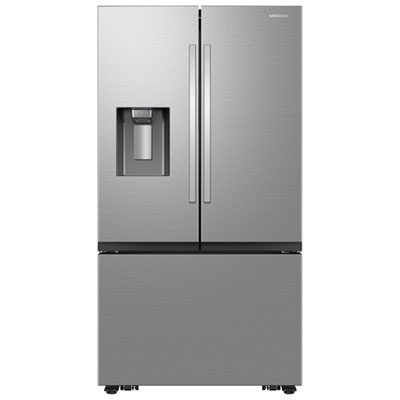
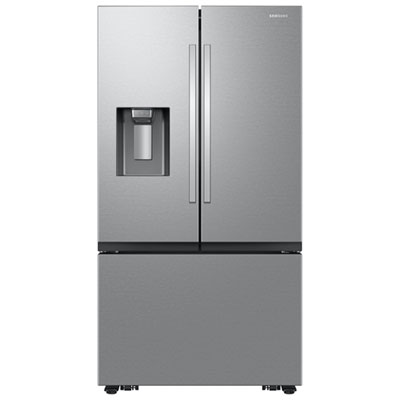
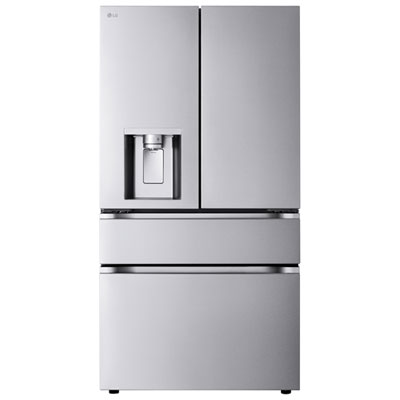
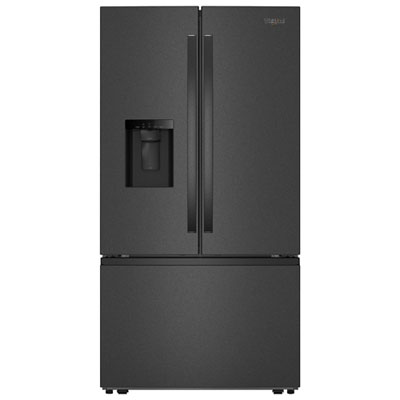
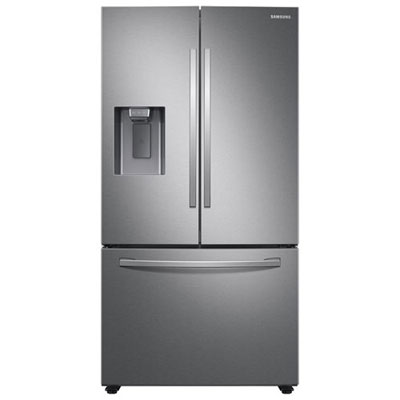
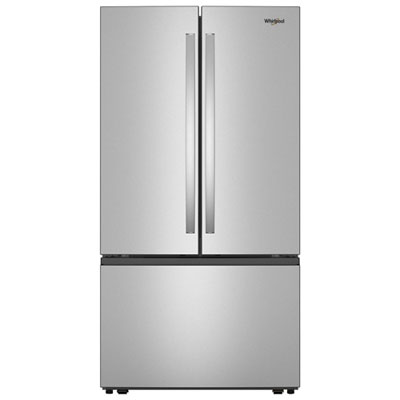
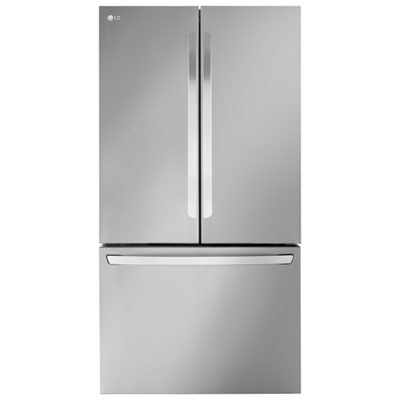
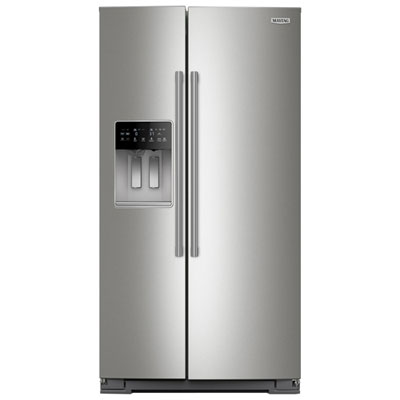
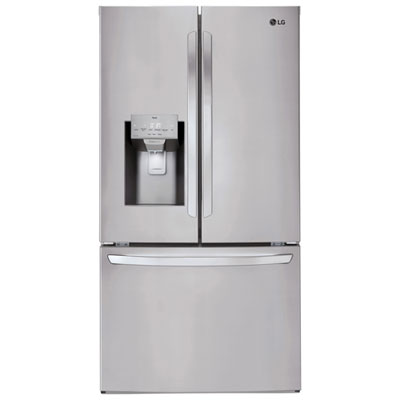
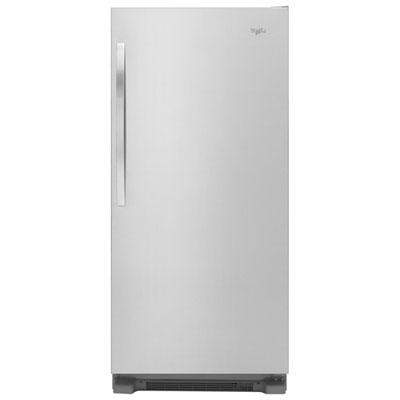
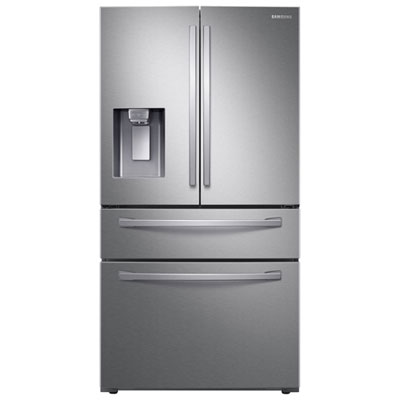
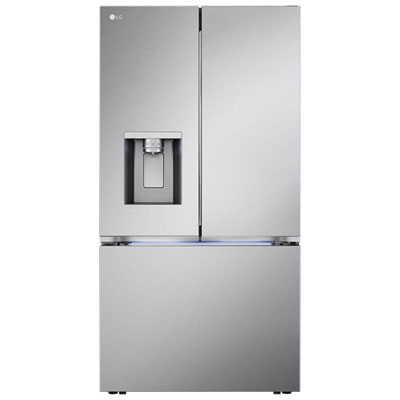
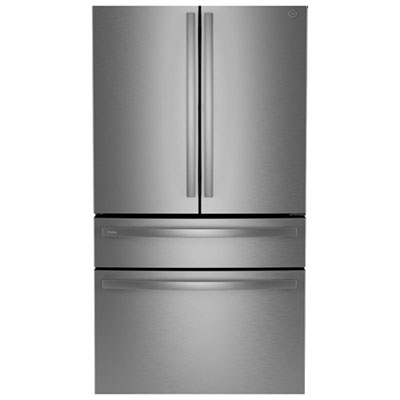
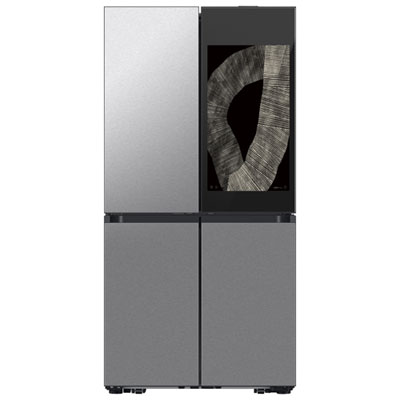
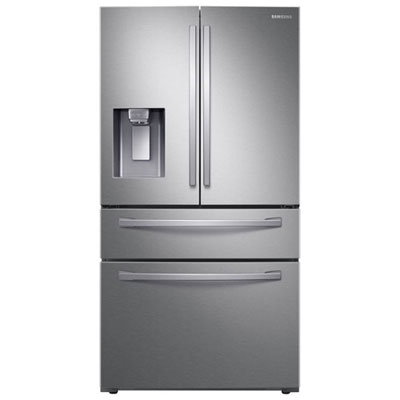
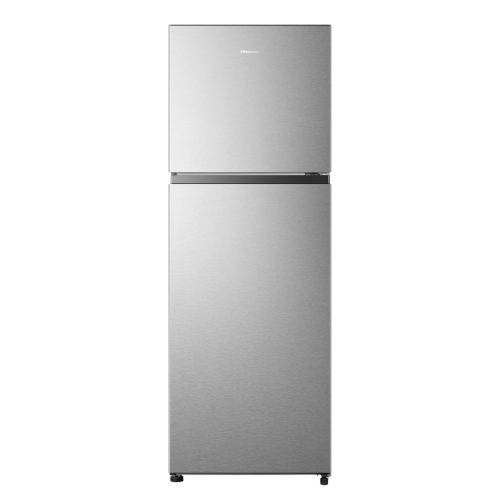
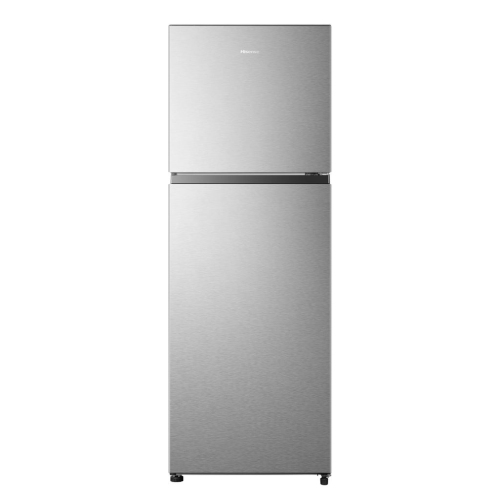
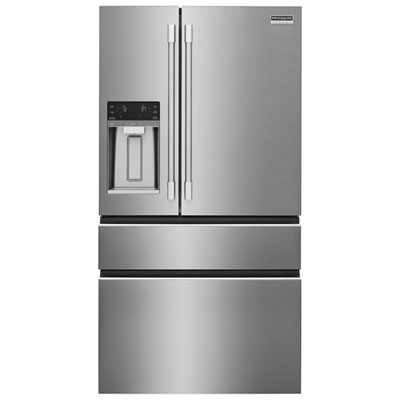
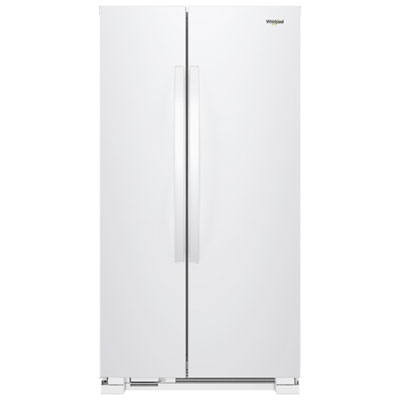
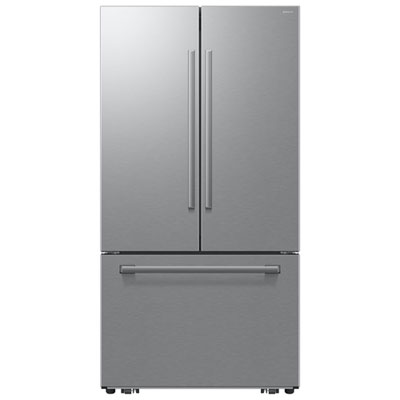

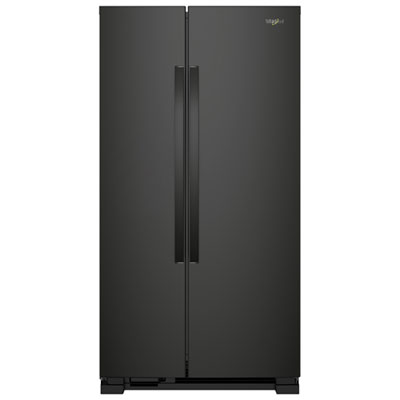
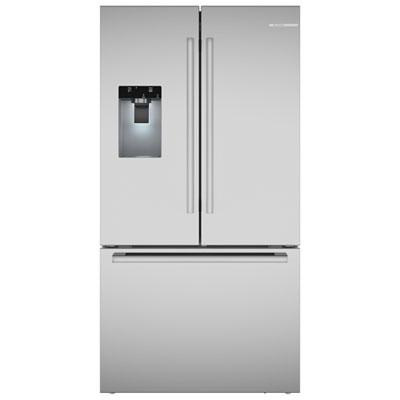
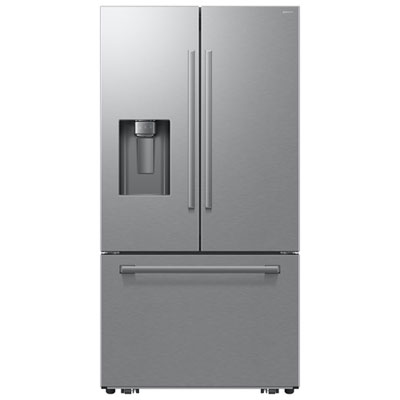
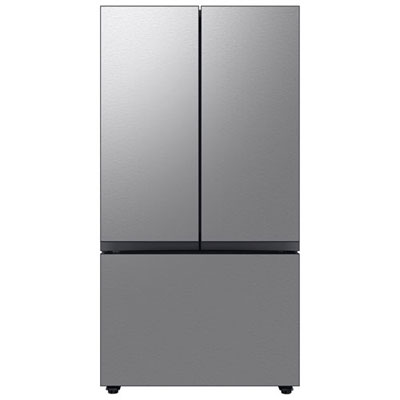
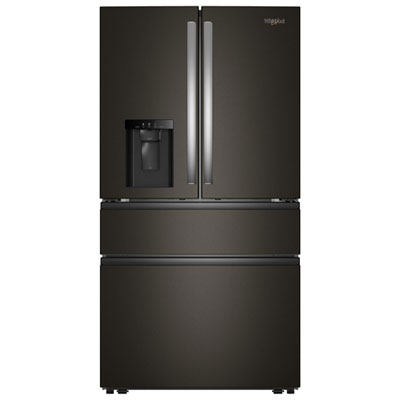
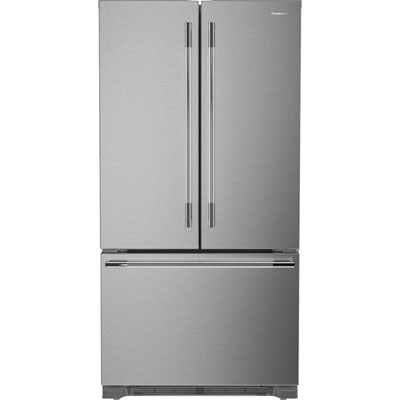
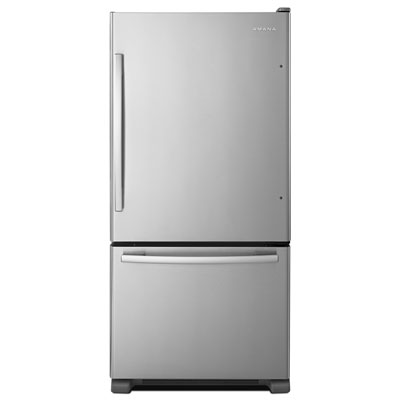
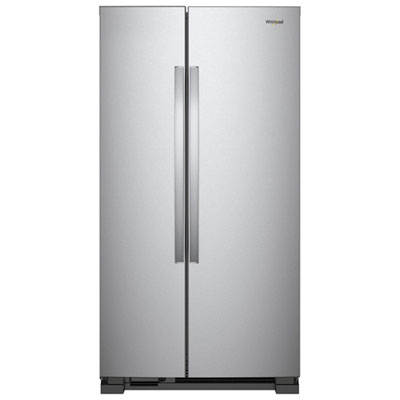
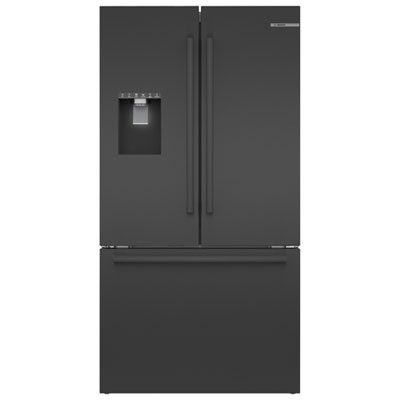
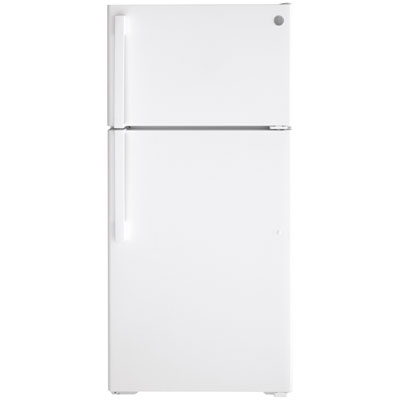
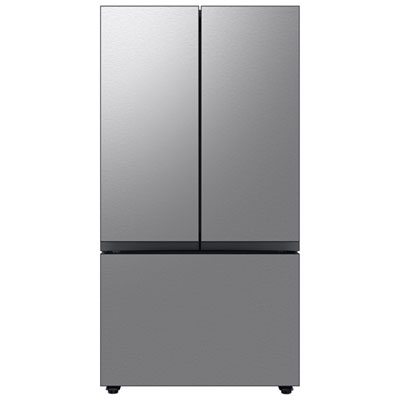
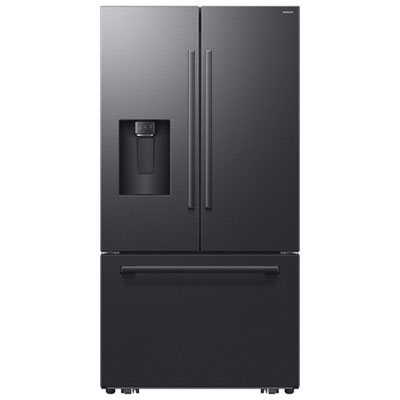
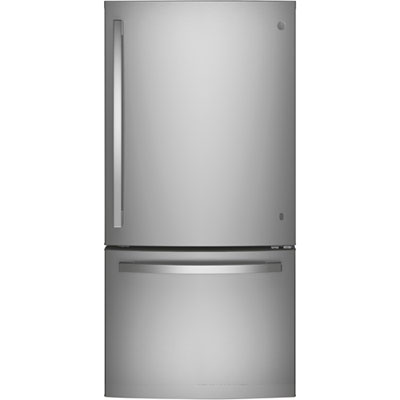

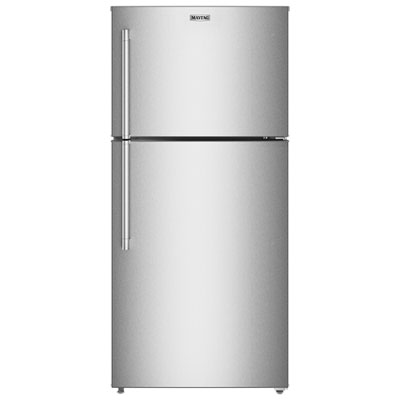
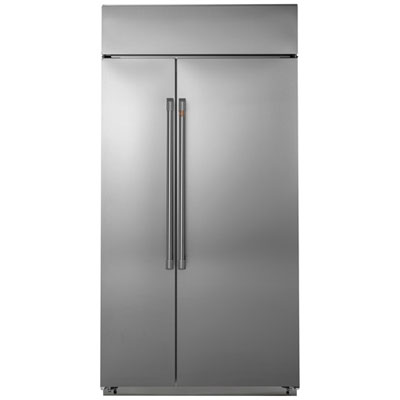
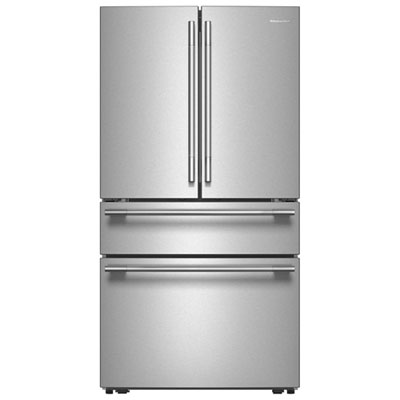
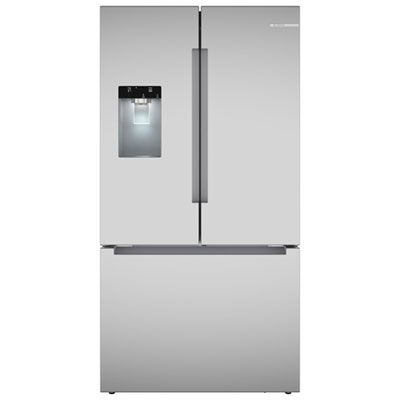
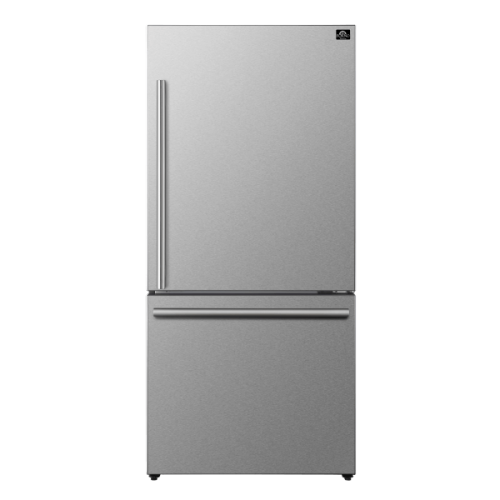
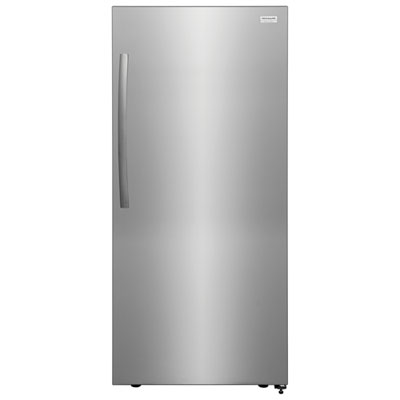
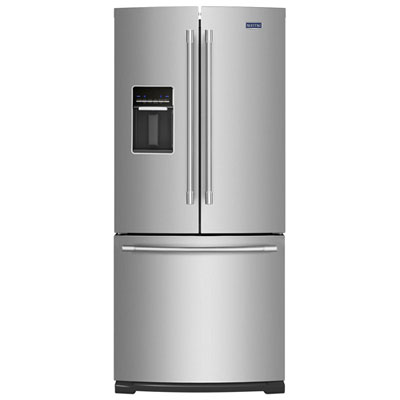
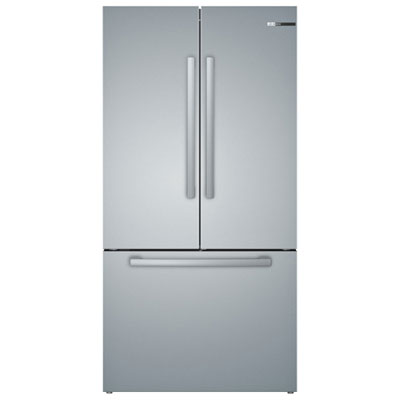
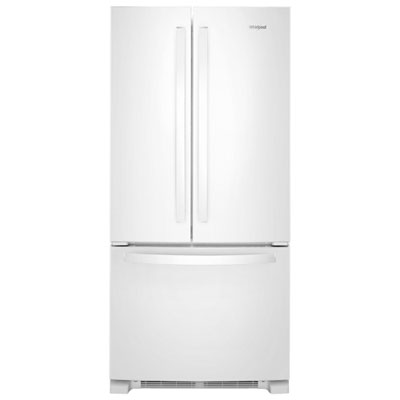
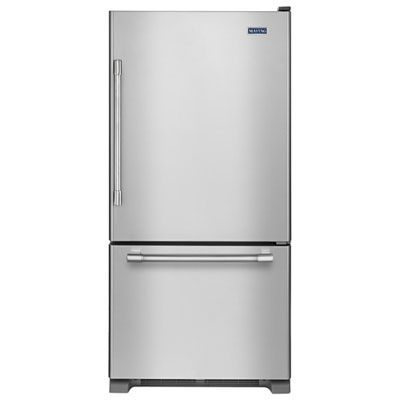

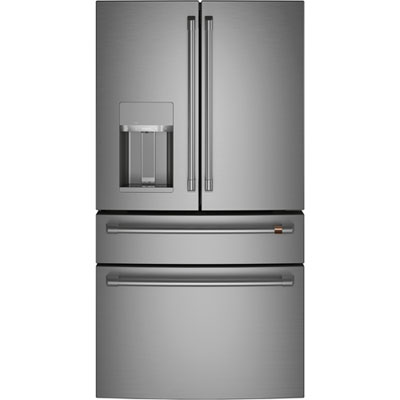
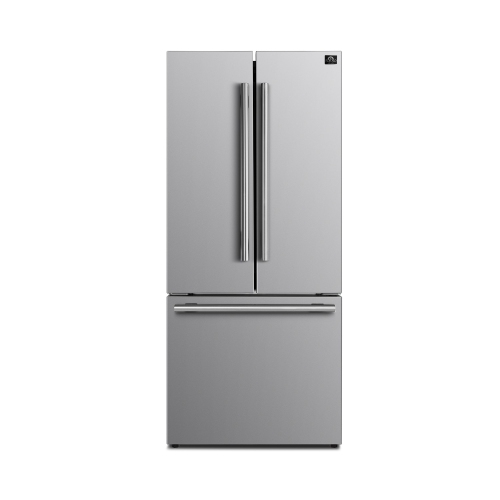
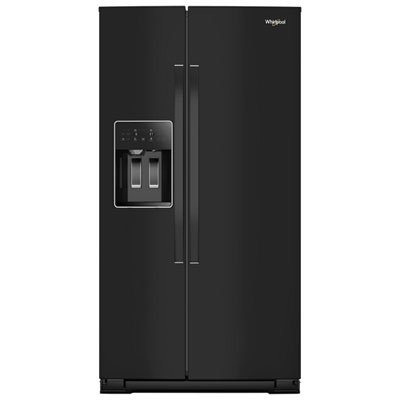
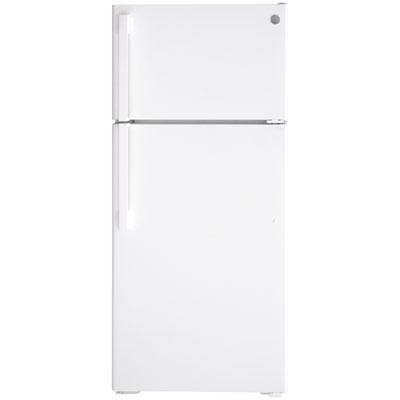
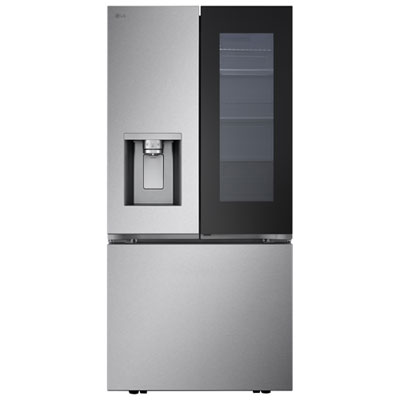
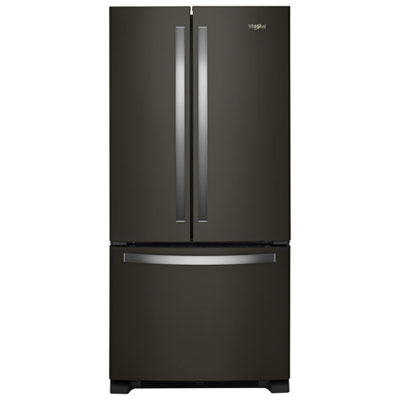
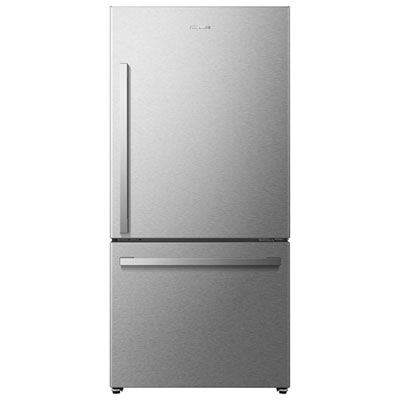

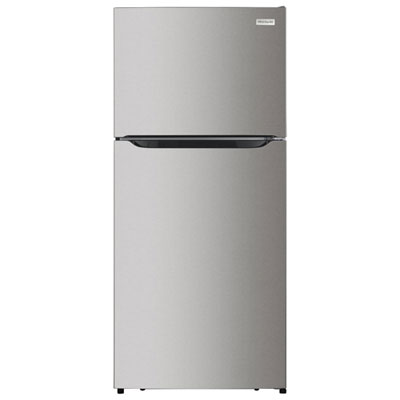
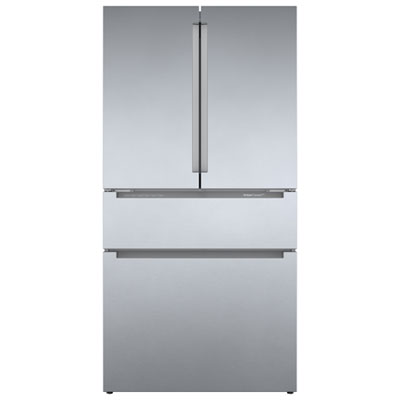
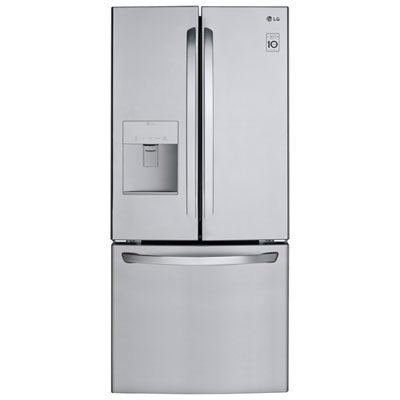
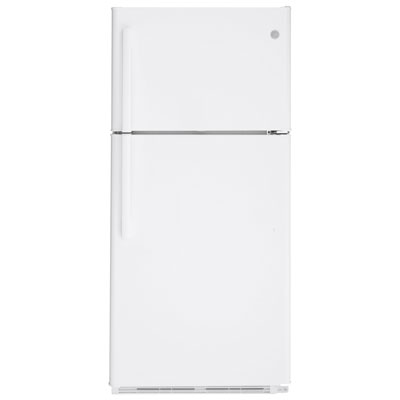
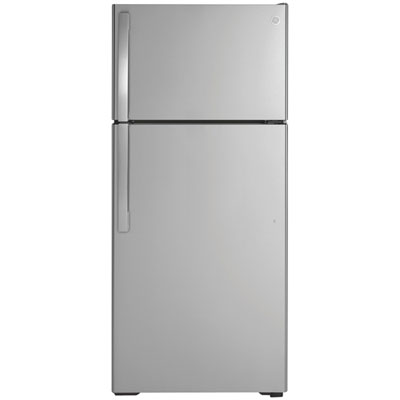
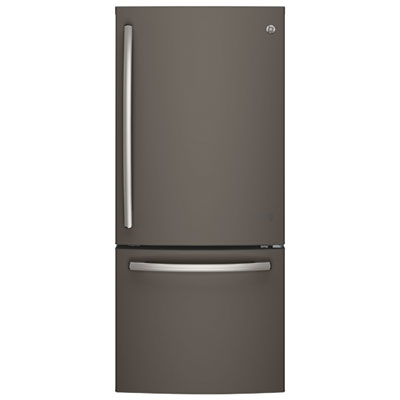
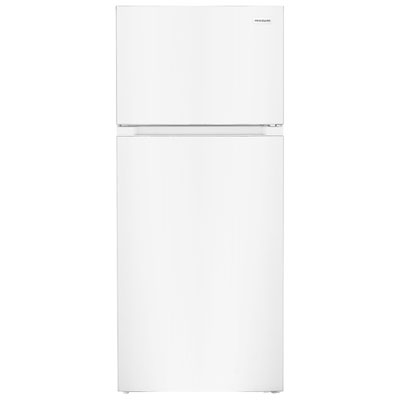
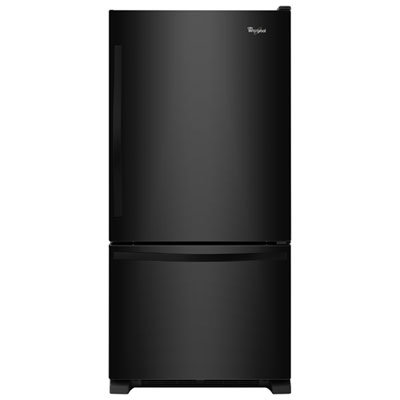
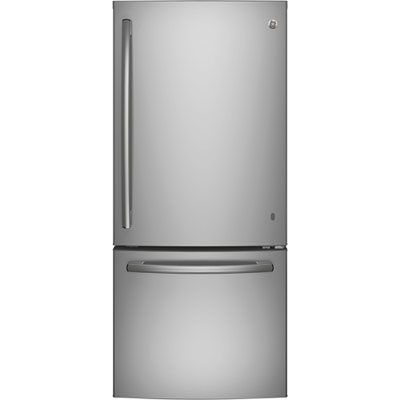
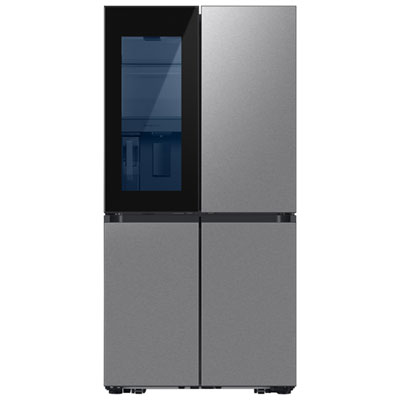
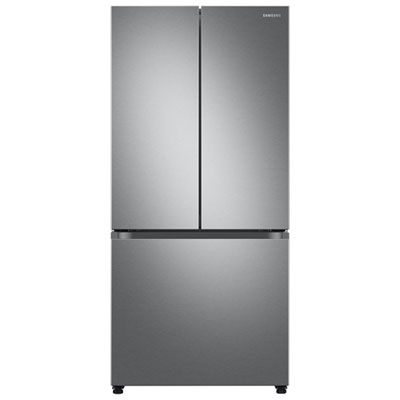
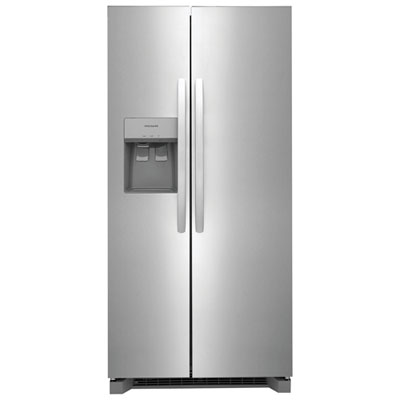
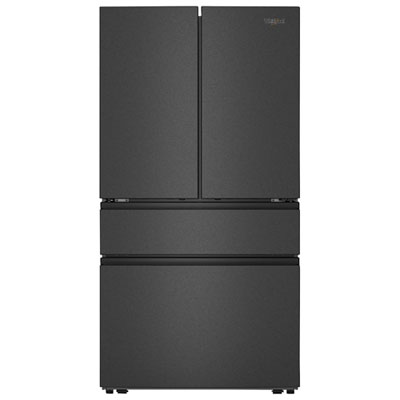
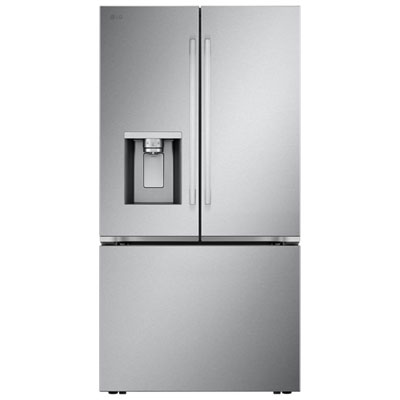
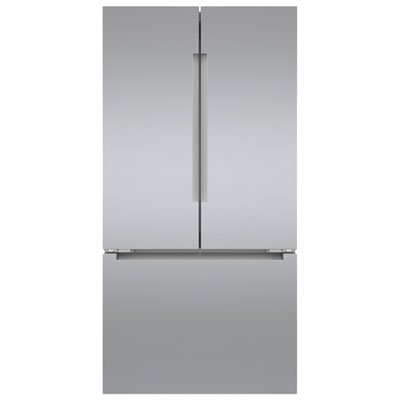
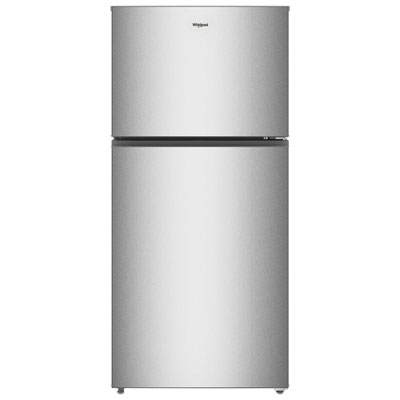

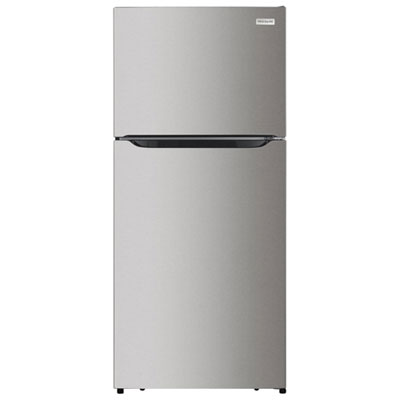
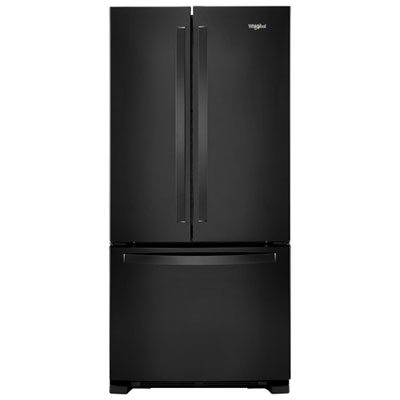
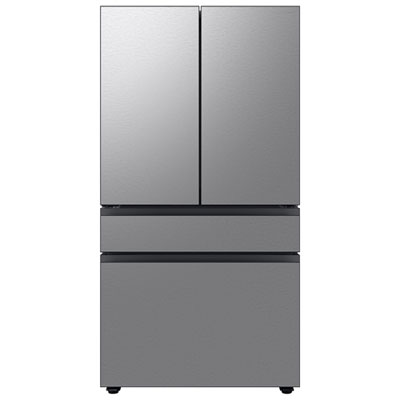
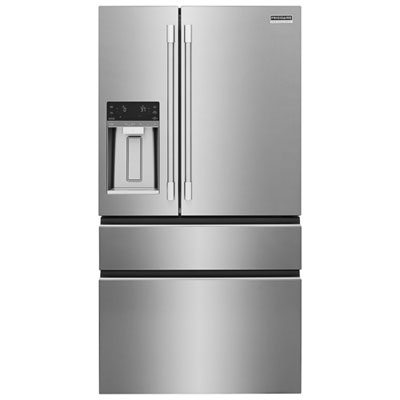
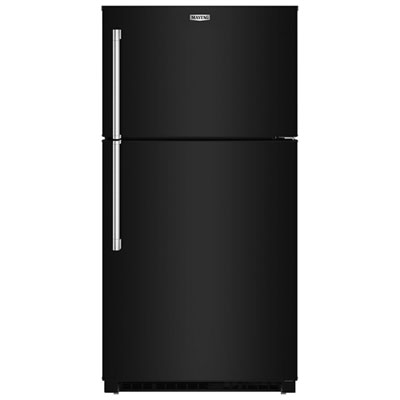
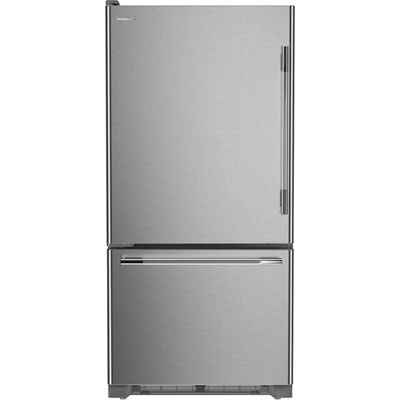
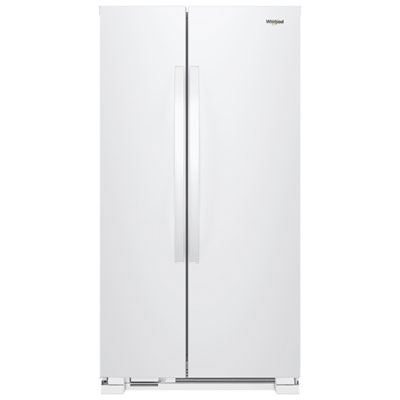
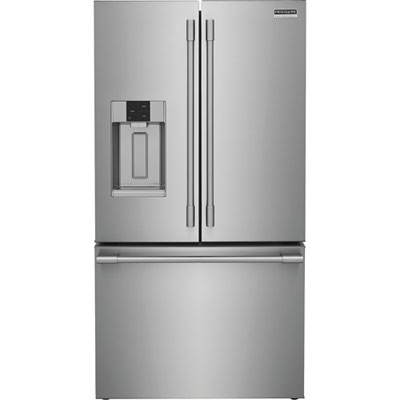
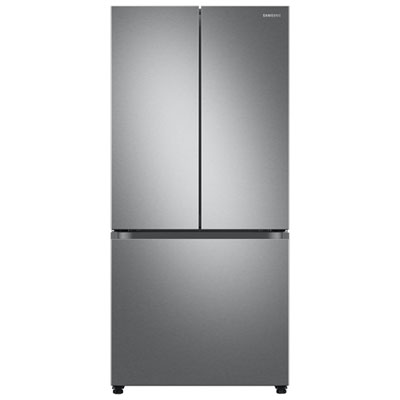
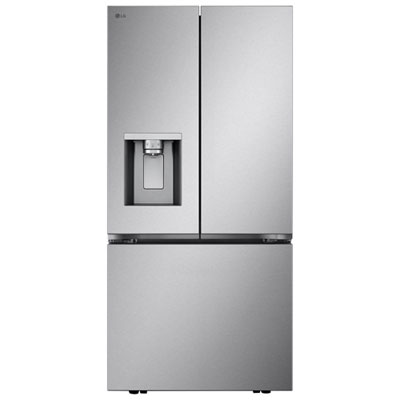
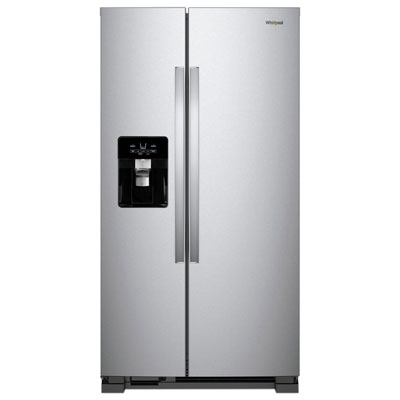
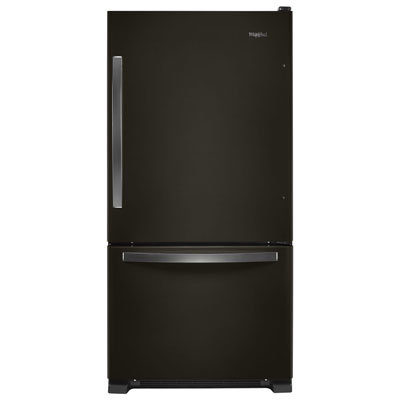
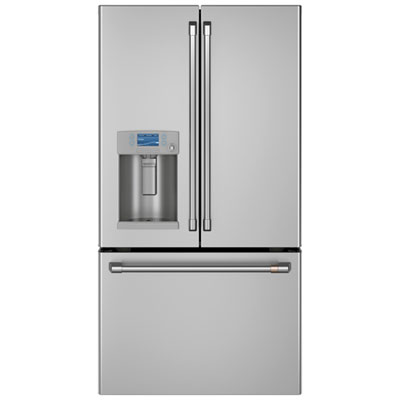

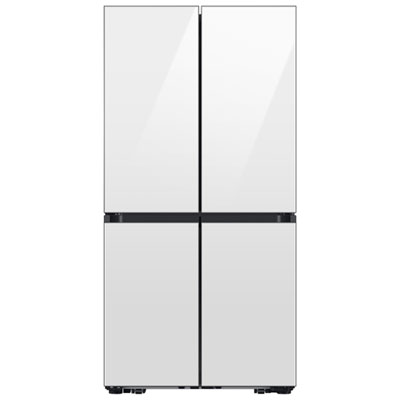
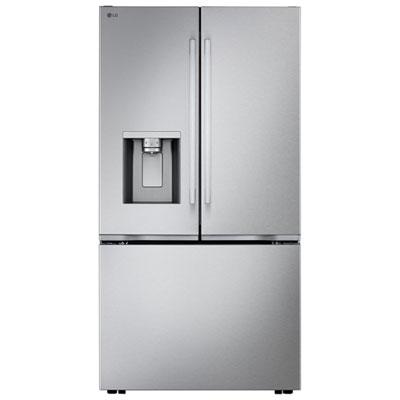
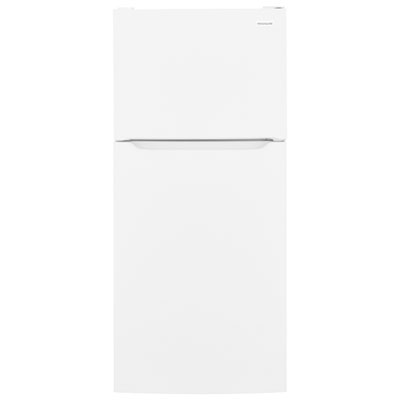
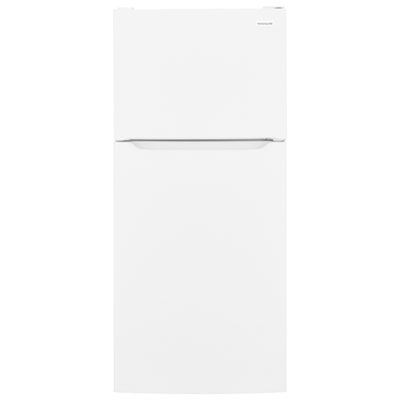
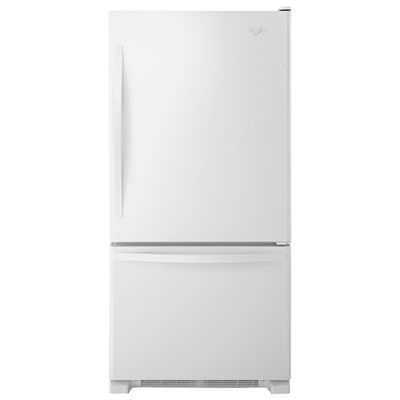
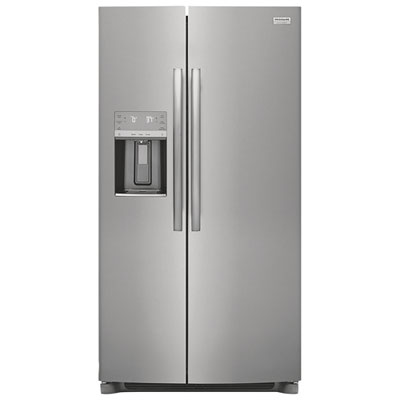
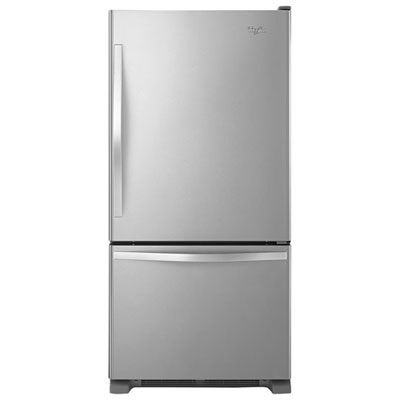
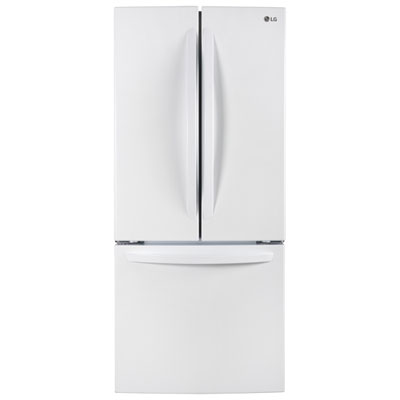
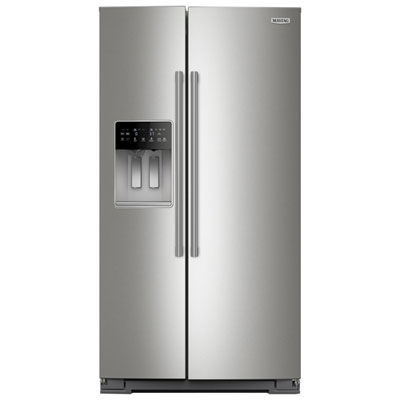
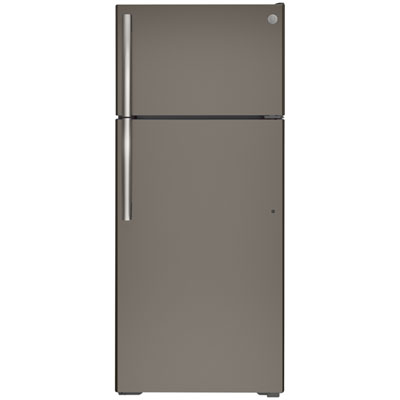
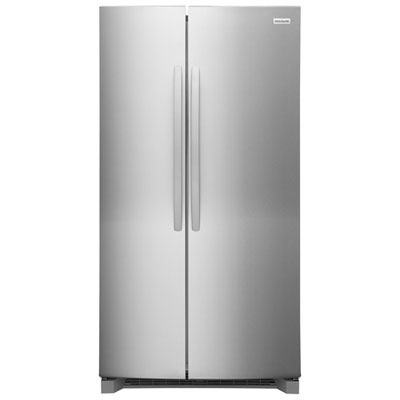
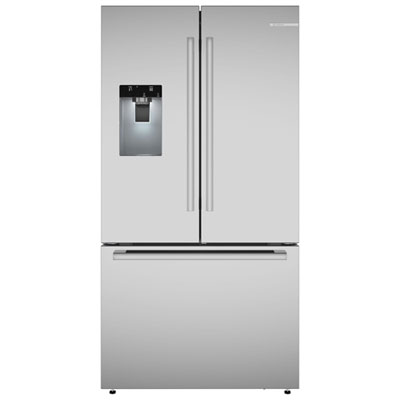
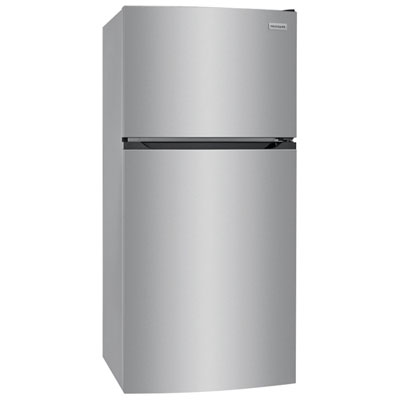
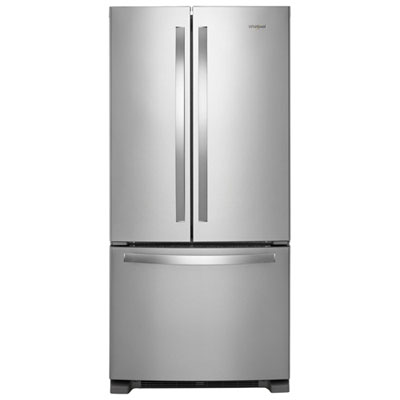
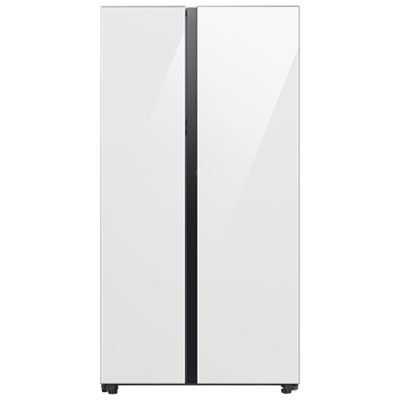
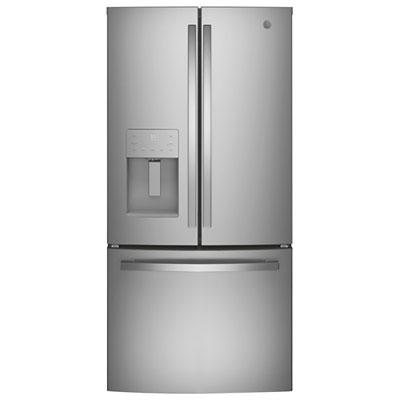
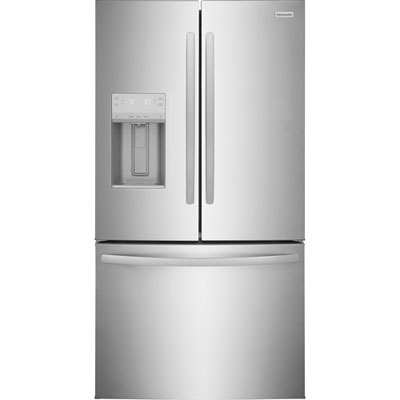
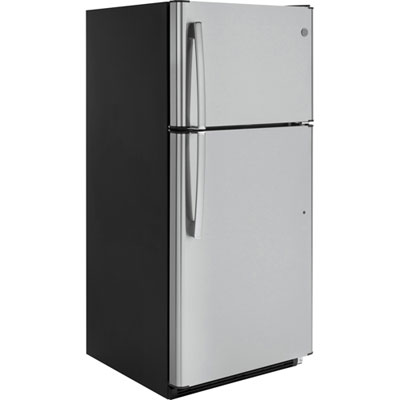
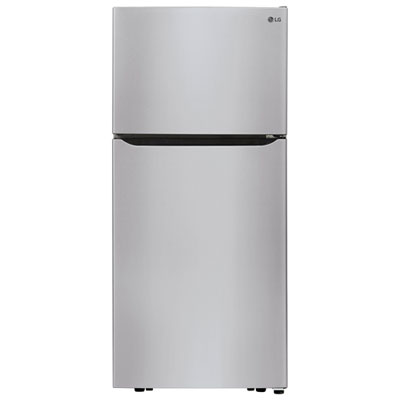
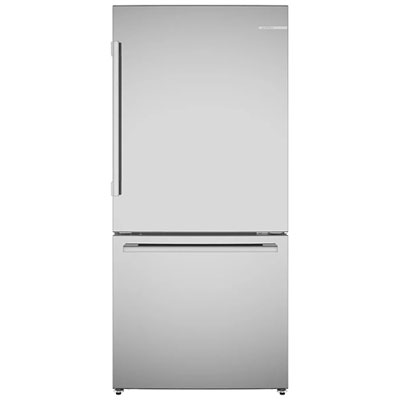
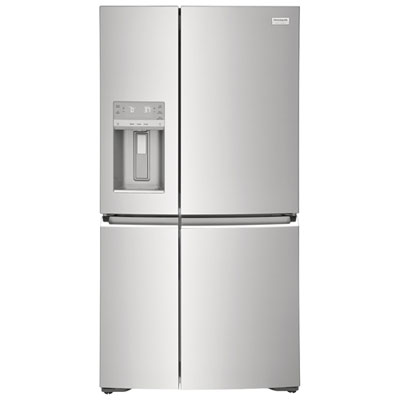
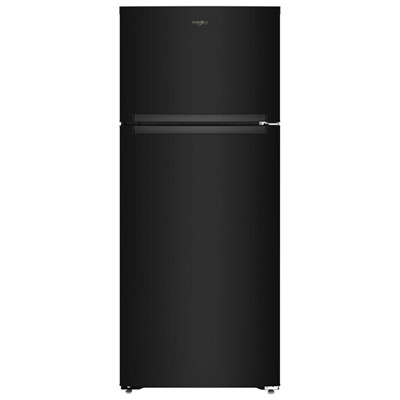

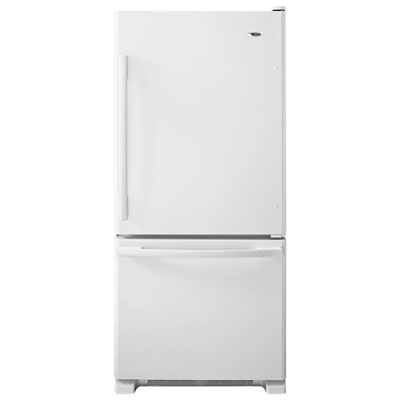
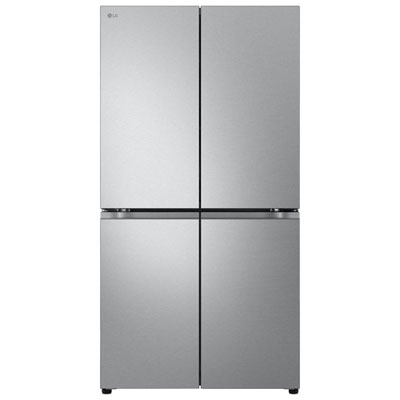

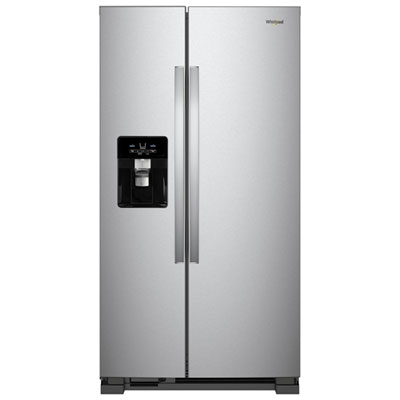
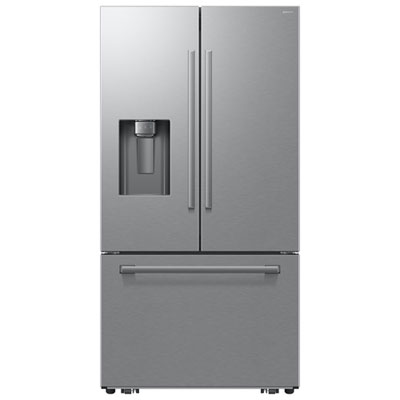
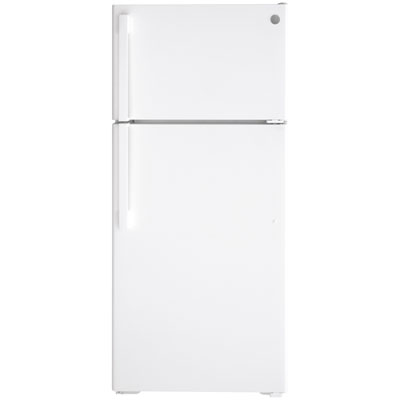
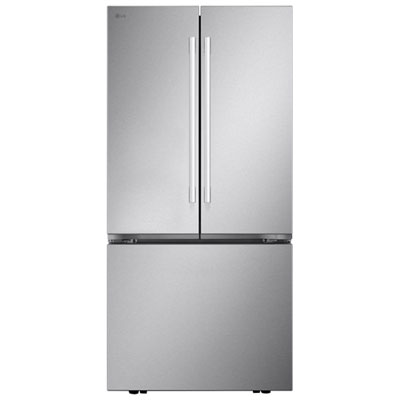
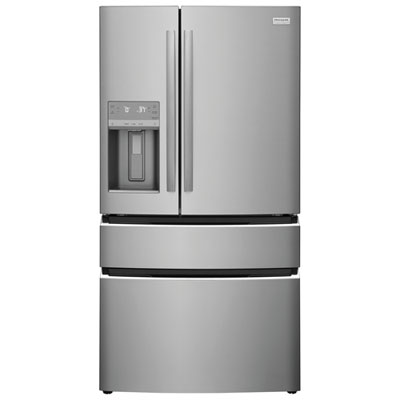
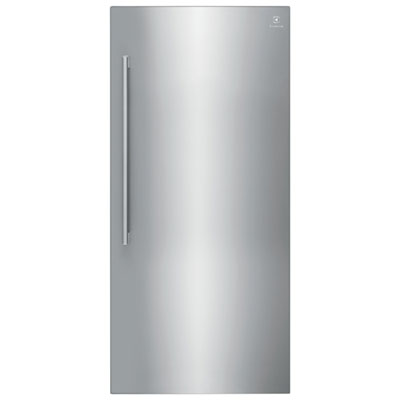
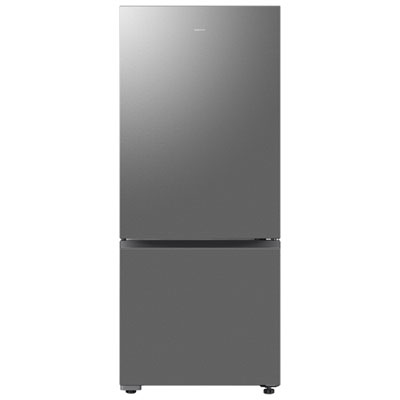
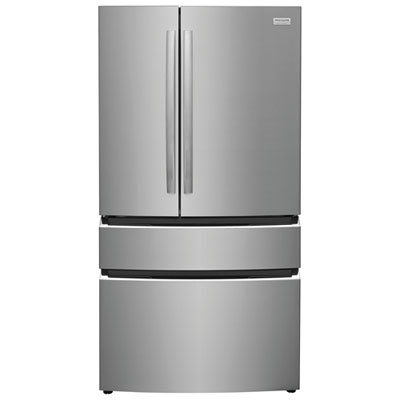
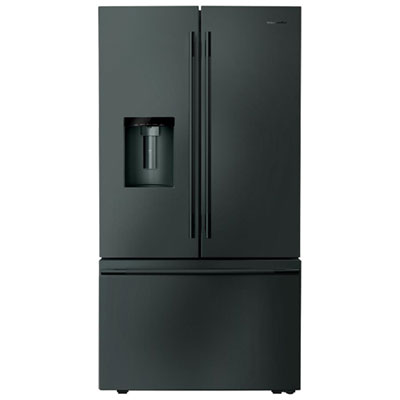
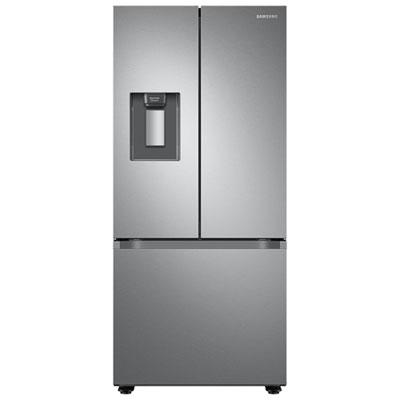
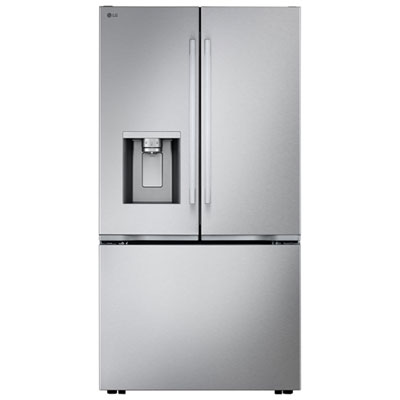
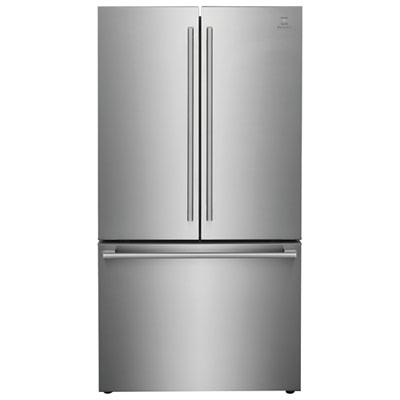
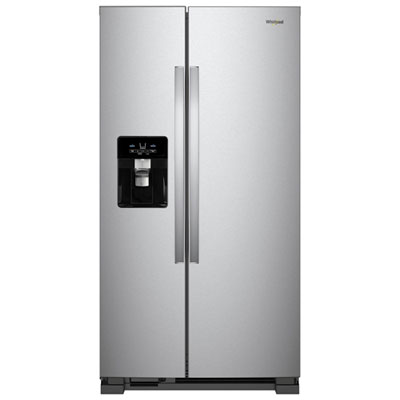
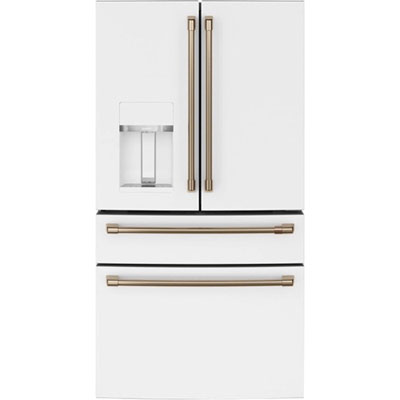
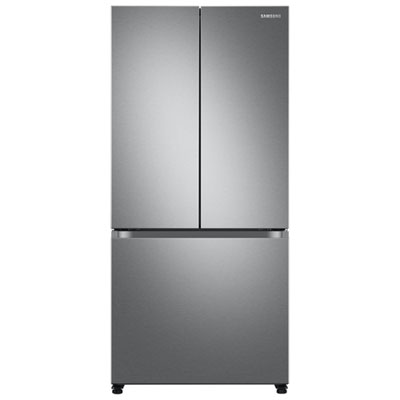
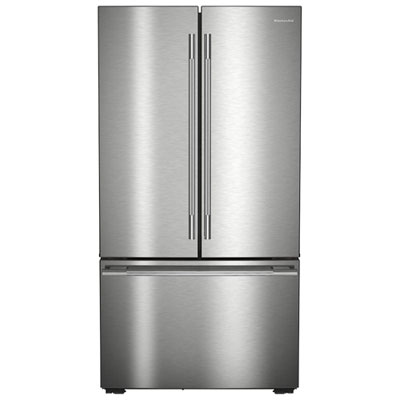
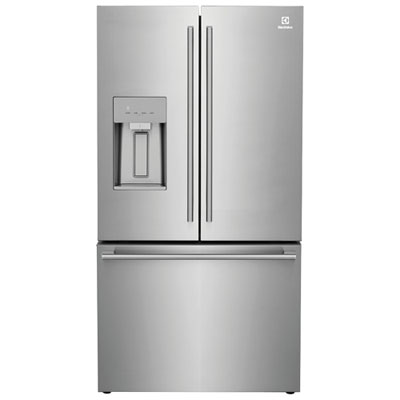
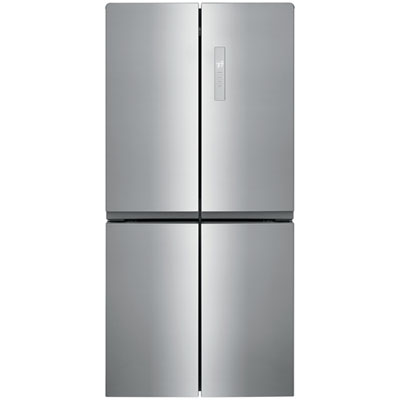
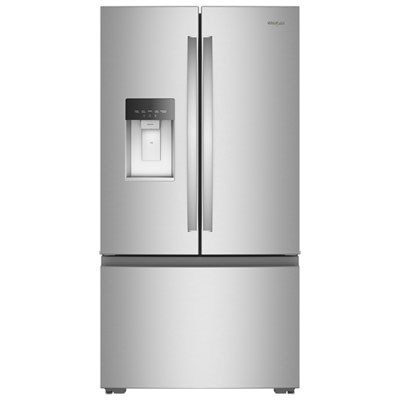
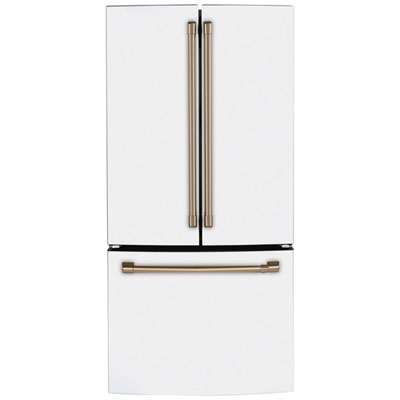
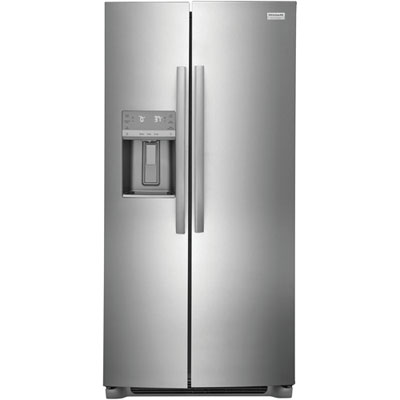
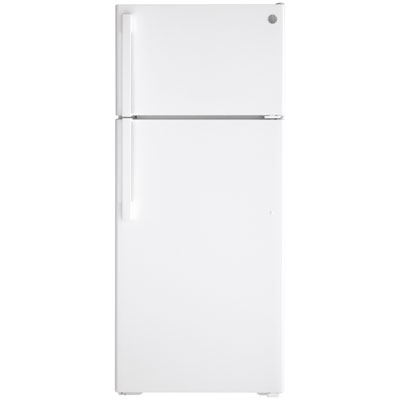
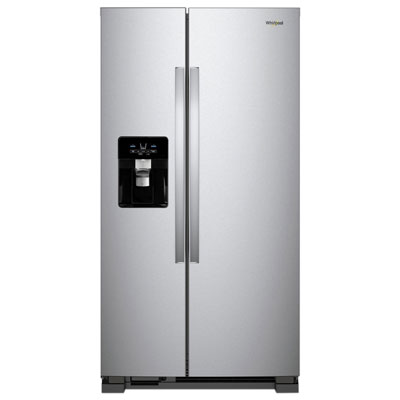
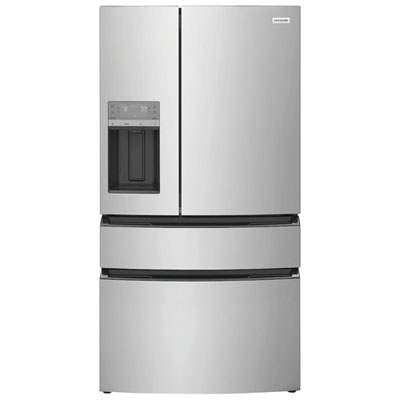
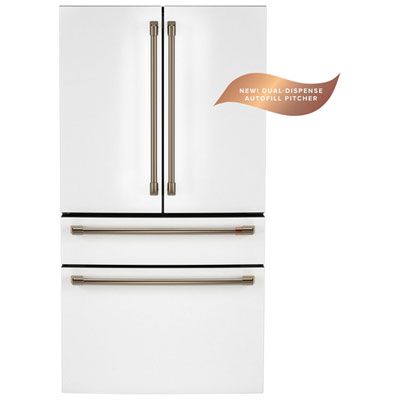
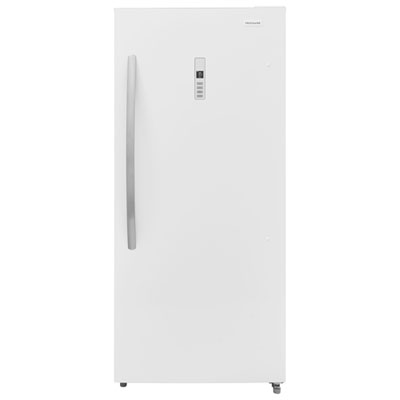
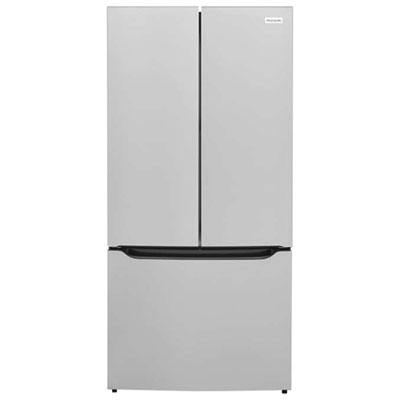
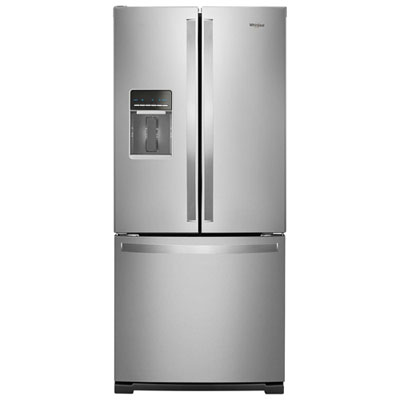
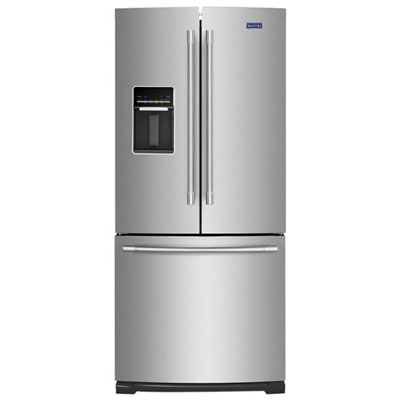
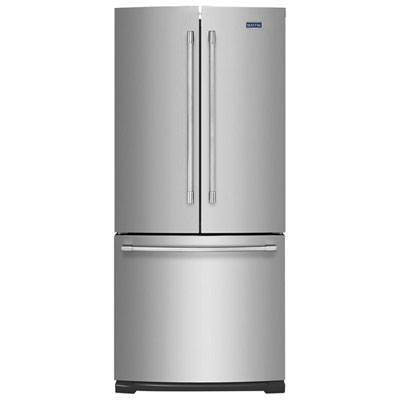
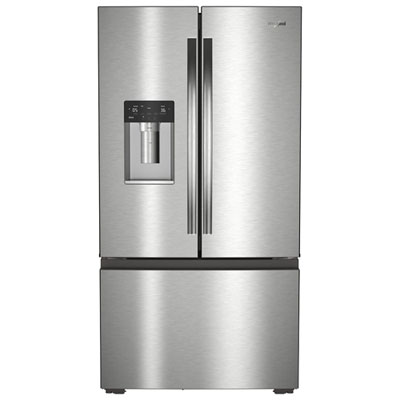
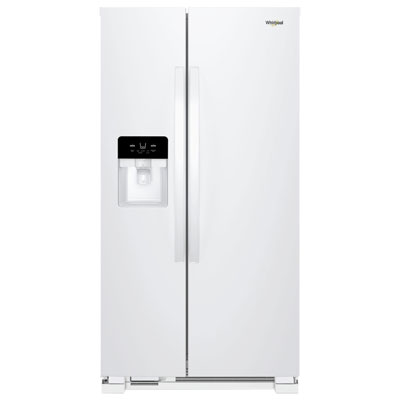
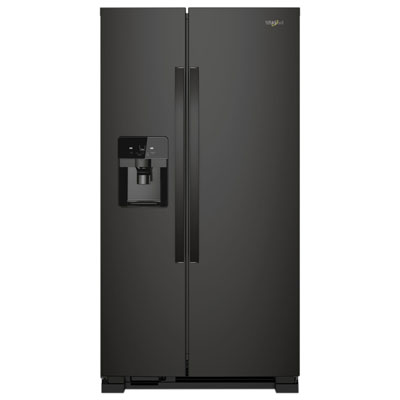
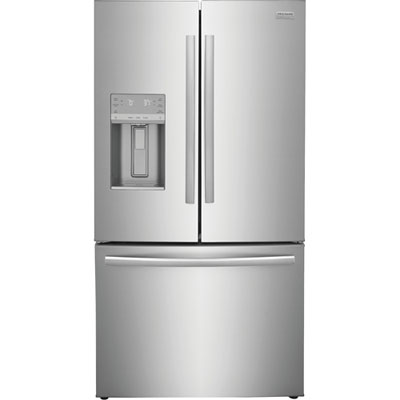
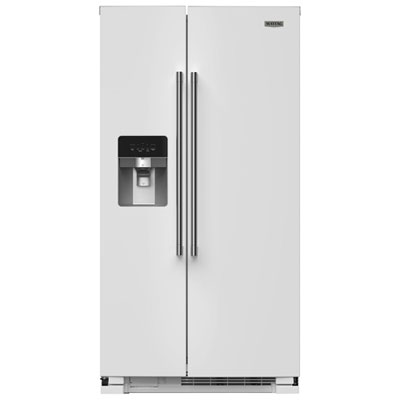
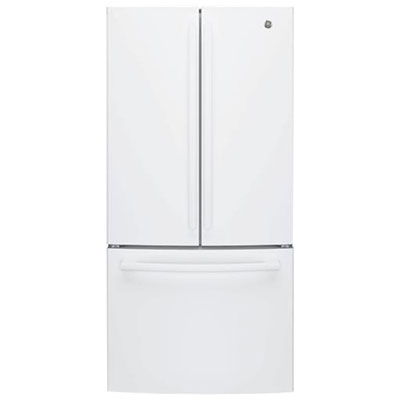
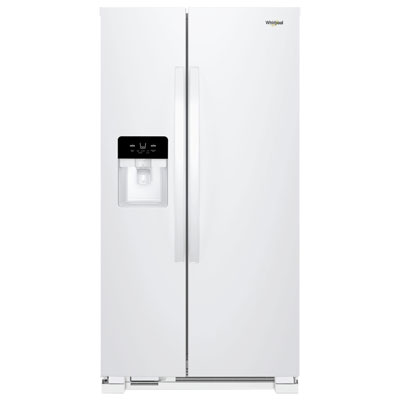
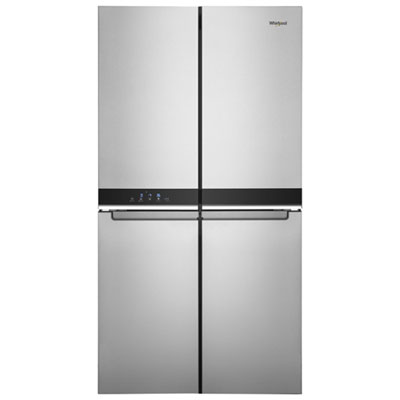
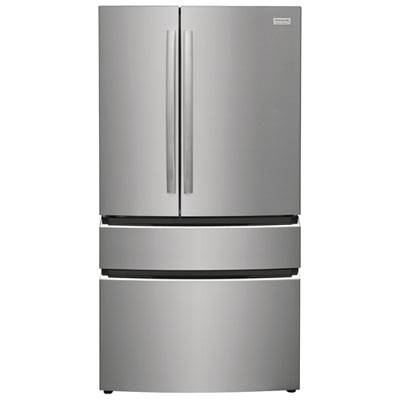
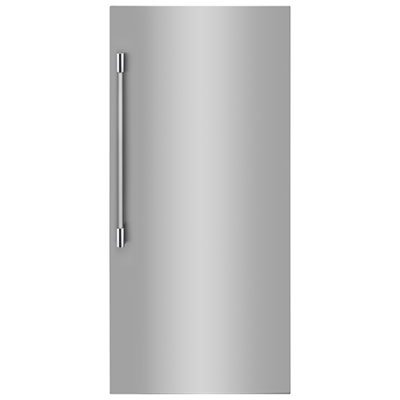
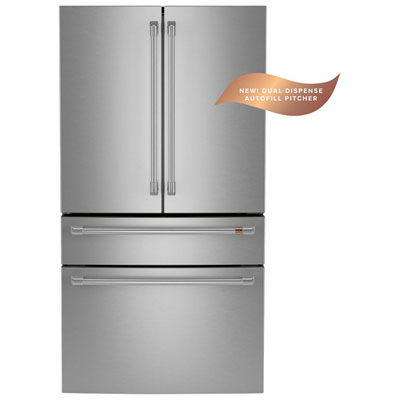
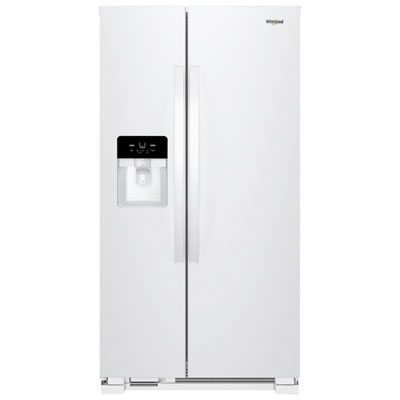
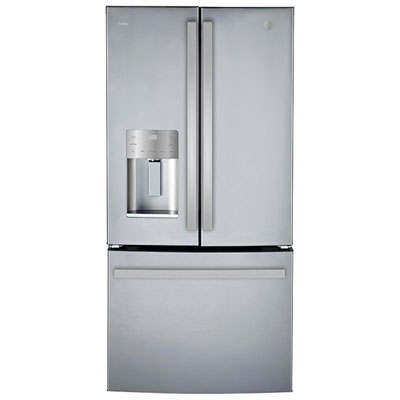
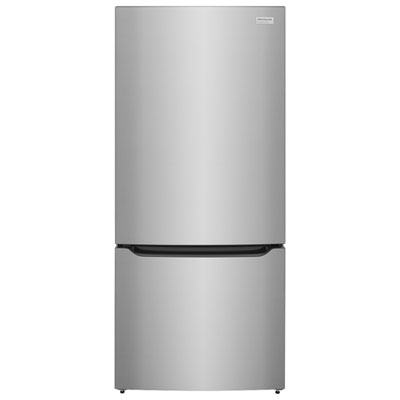
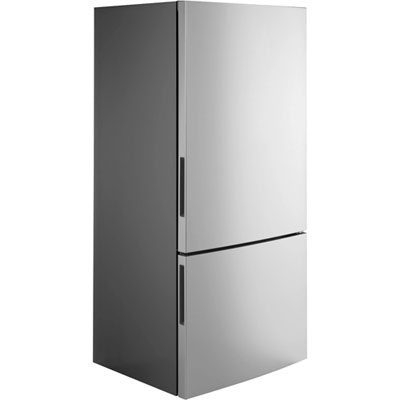
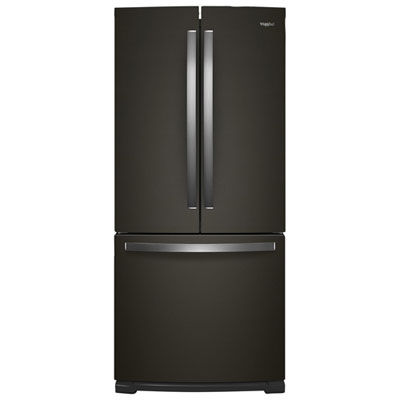
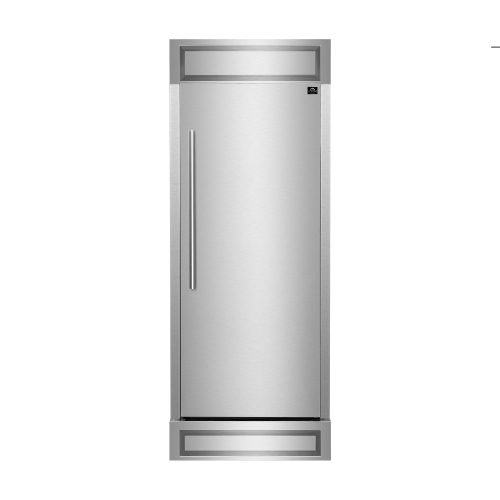
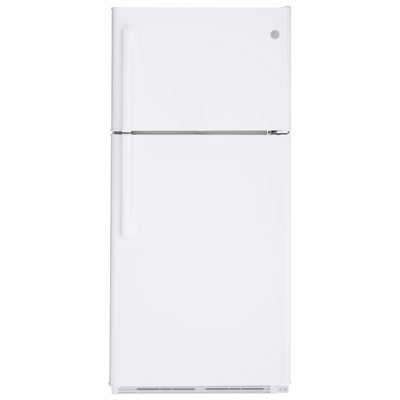
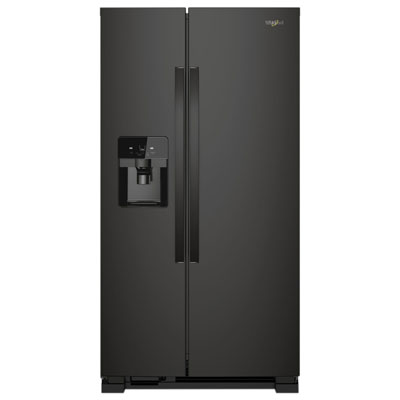
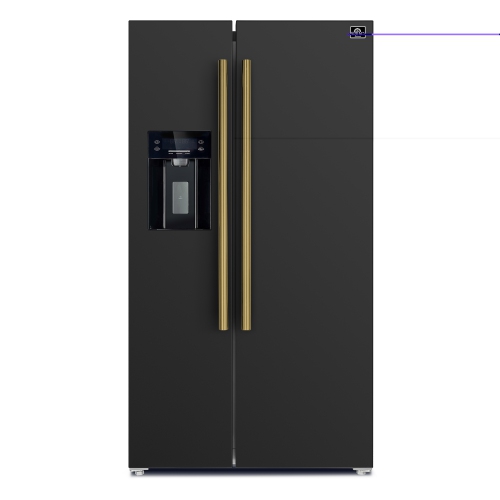
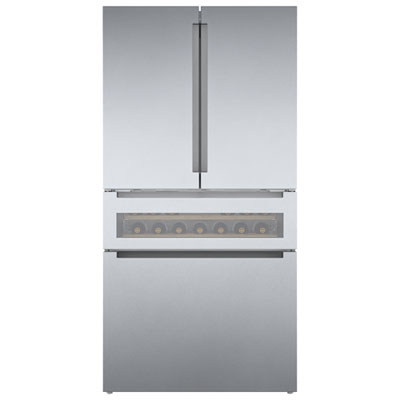
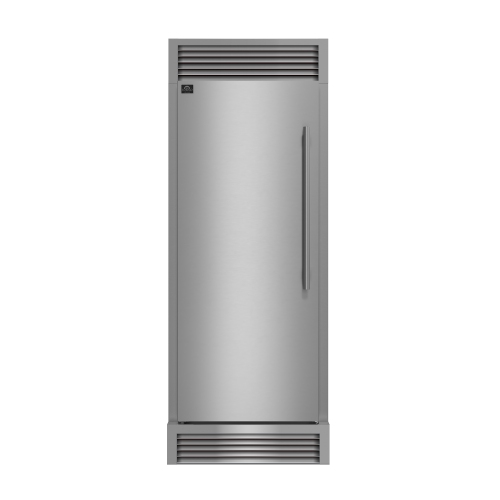
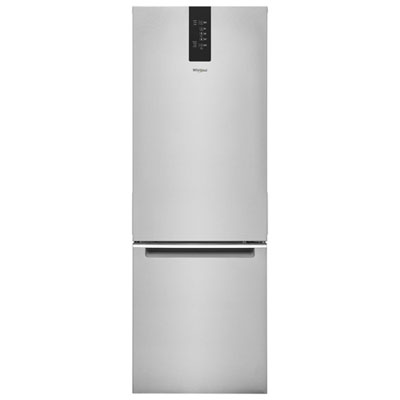
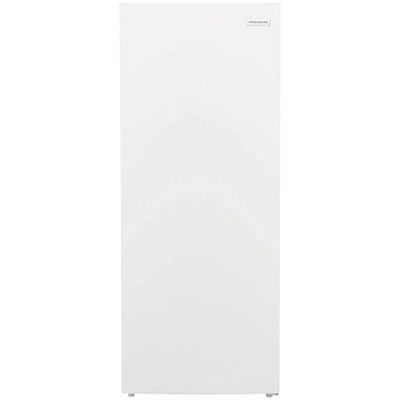
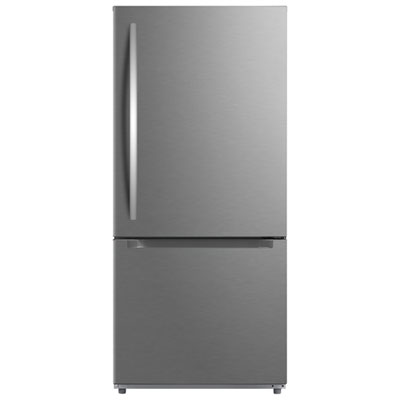
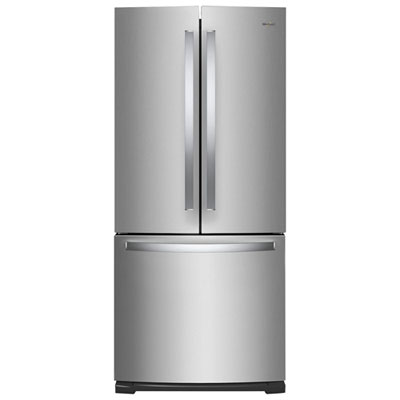
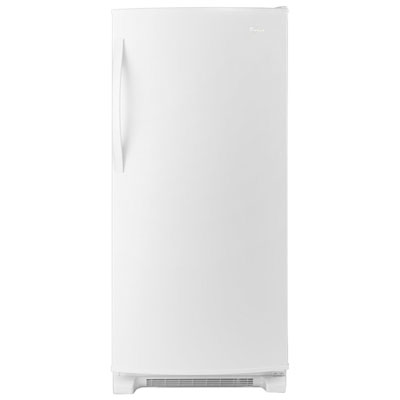
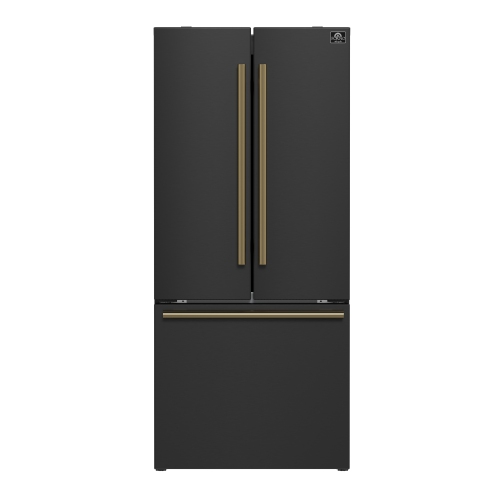
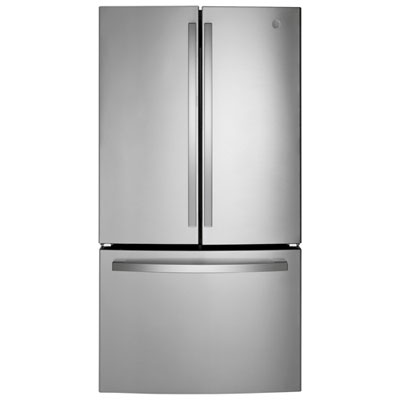
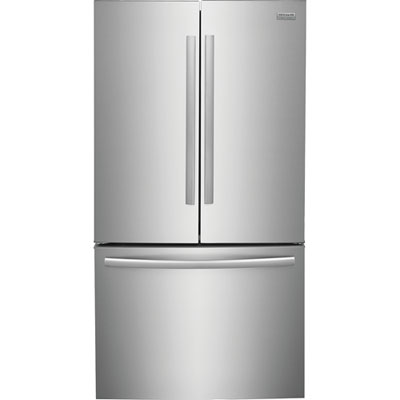
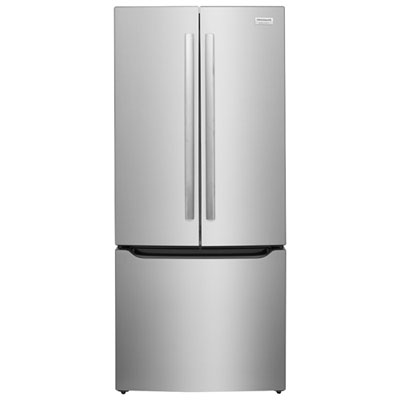
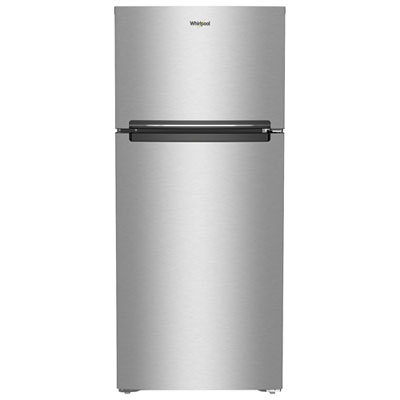
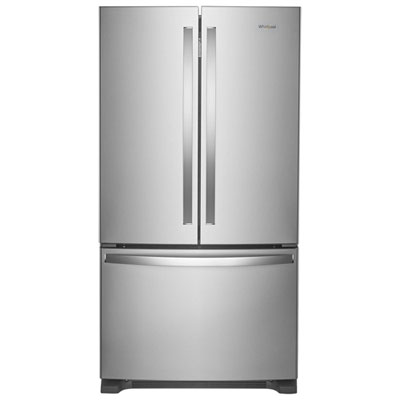
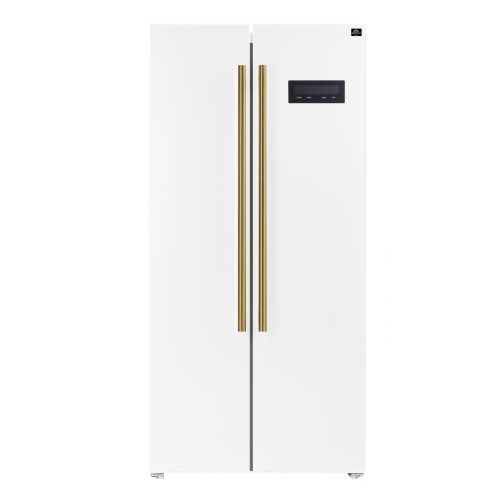
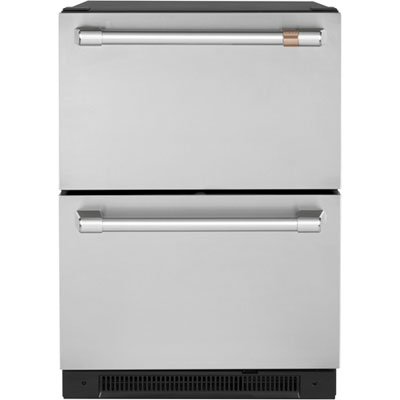
Extra refrigerator space for busy kitchens and growing families
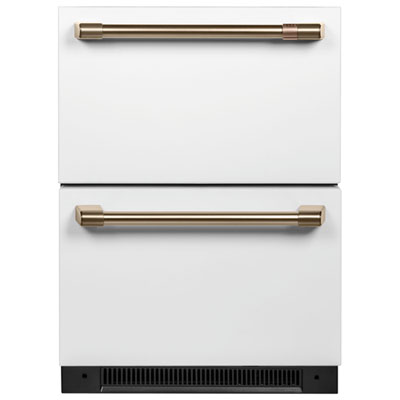
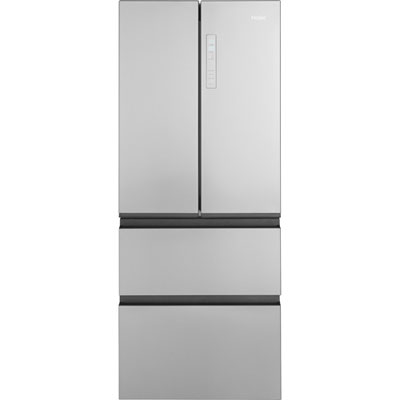
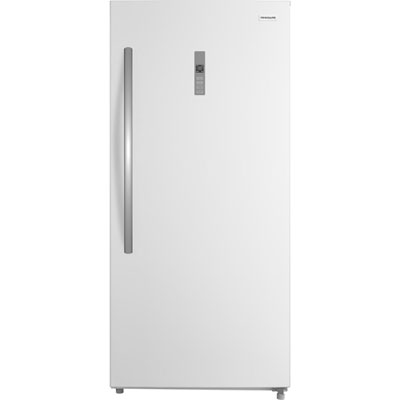
Huge refrigerators for home are designed for households that need more than a standard fridge can comfortably provide. Many full-size residential models offer approximately 30 to 32 cubic feet of storage, while large-capacity options often begin around 25 cubic feet and provide a noticeable increase over compact or apartment-sized appliances. This extra room is useful for families who buy groceries in larger quantities, households that prepare meals ahead of time, entertainers who like to keep drinks and platters chilled, and anyone who prefers fewer trips to the grocery store. A wide refrigerator can make a busy kitchen feel more organized by giving every category its own place: fresh produce in spacious crispers, dairy and condiments in adjustable door bins, prepared meals on broad shelves, and frozen food in deep drawers or generously sized compartments. It can also be a practical choice for a growing family moving into a new home, making it a thoughtful housewarming gift when the kitchen needs a major appliance rather than another decorative item. During the cooler months, a large refrigerator can hold ingredients for batch cooking, baking supplies, prepared casseroles, and family-sized leftovers, while its roomy freezer helps keep everyday staples close at hand. Capacity is only one part of the decision, however. Think about how your household actually shops and cooks: tall bottles may call for adjustable shelves, wide serving dishes benefit from full-width storage, and frequently used snacks are easier to reach when drawers and door bins are arranged at a comfortable height.
Before choosing a huge refrigerator, measure the space carefully from floor to ceiling and from wall to wall, then check the path the appliance will take through the doorway, hallway, elevator, or staircase. A typical large fridge may require an opening of about 36 inches, while built-in, commercial-style, or extra-wide configurations can need 48 to 60 inches of wall space. Remember to account for hinge movement, door swing, handles, ventilation requirements, and enough clearance to open drawers without striking an island or nearby cabinet. Depth also affects the way the refrigerator looks and functions. Standard-depth models generally extend beyond the counter line but can provide more interior volume, making them well suited to kitchens where maximum storage is the priority. Counter-depth models sit closer to surrounding cabinetry for a more integrated appearance and easier access to items near the front, although their capacity may be arranged through additional height or width. French door designs are popular for large kitchens because both refrigerator doors open from the centre, reducing the amount of clearance needed in front and allowing wide shelves for trays or serving dishes. Side-by-side layouts place fresh and frozen food at eye level in separate vertical compartments, which can help organize smaller packages and make frozen ingredients easy to find. Bottom-freezer styles keep commonly used fresh food within easy reach, while four-door and multi-compartment designs may provide extra flexibility for snacks, beverages, produce, or temperature-sensitive ingredients. Look for adjustable shelving, full-width crispers, gallon-sized door storage, soft-close drawers, interior lighting, water and ice features, and controls that are simple to read and operate. A fast-cooling setting can be useful after loading a large grocery haul, and dual cooling systems may help manage conditions separately in the refrigerator and freezer sections. If you are replacing an existing appliance, confirm the electrical requirements, water-line connection, filter access, and installation details before delivery.
The best huge refrigerator for home use should fit both the kitchen and the habits of the people who use it. A family with children may appreciate wide-open shelves, easy-access snack drawers, spill-resistant surfaces, and a freezer that keeps school lunches and frozen favourites visible instead of buried. Someone who hosts often may value generous door storage for beverages, a full-width shelf for party platters, and enough room to chill large bowls of salad, desserts, or prepared dishes before guests arrive. Home cooks can benefit from flexible shelving and deep crispers that accommodate leafy greens, large containers, and ingredients purchased for several meals at once. For households with an open-concept kitchen, finish and handle style can be just as important as capacity, since the refrigerator is often one of the first appliances seen from the living or dining area. Those looking for a more robust configuration with restaurant-inspired storage, distinctive proportions, or expanded cooling features can also explore Commercial Fridges for Home, provided the available space and installation requirements are suitable. Whichever layout you prefer, consider how often each compartment will be used, whether the doors can open fully, and whether shelves and drawers can be removed for cleaning. Large appliances are easier to live with when frequently reached items sit between waist and shoulder height, less-used ingredients occupy the upper or lower zones, and the freezer has enough separation to prevent small packages from disappearing. With accurate measurements, a realistic capacity assessment, and attention to layout, a huge refrigerator can become the practical centre of a busy home kitchen, keeping everyday groceries organized and making room for the meals, gatherings, and routines that matter most.
Before choosing a huge refrigerator, measure the space carefully from floor to ceiling and from wall to wall, then check the path the appliance will take through the doorway, hallway, elevator, or staircase. A typical large fridge may require an opening of about 36 inches, while built-in, commercial-style, or extra-wide configurations can need 48 to 60 inches of wall space. Remember to account for hinge movement, door swing, handles, ventilation requirements, and enough clearance to open drawers without striking an island or nearby cabinet. Depth also affects the way the refrigerator looks and functions. Standard-depth models generally extend beyond the counter line but can provide more interior volume, making them well suited to kitchens where maximum storage is the priority. Counter-depth models sit closer to surrounding cabinetry for a more integrated appearance and easier access to items near the front, although their capacity may be arranged through additional height or width. French door designs are popular for large kitchens because both refrigerator doors open from the centre, reducing the amount of clearance needed in front and allowing wide shelves for trays or serving dishes. Side-by-side layouts place fresh and frozen food at eye level in separate vertical compartments, which can help organize smaller packages and make frozen ingredients easy to find. Bottom-freezer styles keep commonly used fresh food within easy reach, while four-door and multi-compartment designs may provide extra flexibility for snacks, beverages, produce, or temperature-sensitive ingredients. Look for adjustable shelving, full-width crispers, gallon-sized door storage, soft-close drawers, interior lighting, water and ice features, and controls that are simple to read and operate. A fast-cooling setting can be useful after loading a large grocery haul, and dual cooling systems may help manage conditions separately in the refrigerator and freezer sections. If you are replacing an existing appliance, confirm the electrical requirements, water-line connection, filter access, and installation details before delivery.
The best huge refrigerator for home use should fit both the kitchen and the habits of the people who use it. A family with children may appreciate wide-open shelves, easy-access snack drawers, spill-resistant surfaces, and a freezer that keeps school lunches and frozen favourites visible instead of buried. Someone who hosts often may value generous door storage for beverages, a full-width shelf for party platters, and enough room to chill large bowls of salad, desserts, or prepared dishes before guests arrive. Home cooks can benefit from flexible shelving and deep crispers that accommodate leafy greens, large containers, and ingredients purchased for several meals at once. For households with an open-concept kitchen, finish and handle style can be just as important as capacity, since the refrigerator is often one of the first appliances seen from the living or dining area. Those looking for a more robust configuration with restaurant-inspired storage, distinctive proportions, or expanded cooling features can also explore Commercial Fridges for Home, provided the available space and installation requirements are suitable. Whichever layout you prefer, consider how often each compartment will be used, whether the doors can open fully, and whether shelves and drawers can be removed for cleaning. Large appliances are easier to live with when frequently reached items sit between waist and shoulder height, less-used ingredients occupy the upper or lower zones, and the freezer has enough separation to prevent small packages from disappearing. With accurate measurements, a realistic capacity assessment, and attention to layout, a huge refrigerator can become the practical centre of a busy home kitchen, keeping everyday groceries organized and making room for the meals, gatherings, and routines that matter most.
Top selling and popular products
-
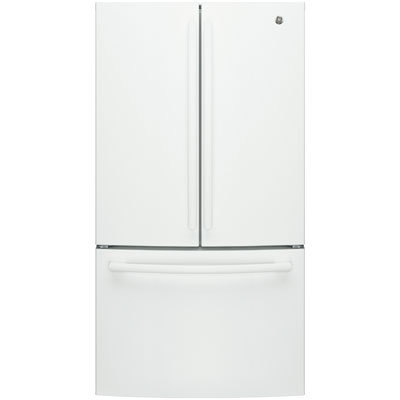 Your price for this item is $1899.99
 -
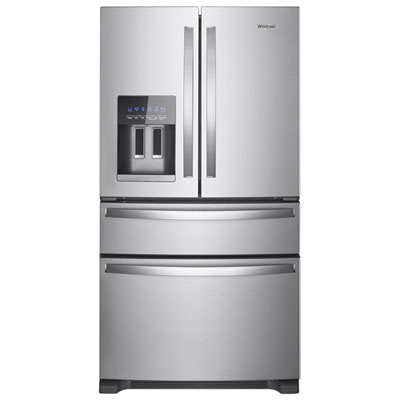 Your price for this item is $2999.99
 -
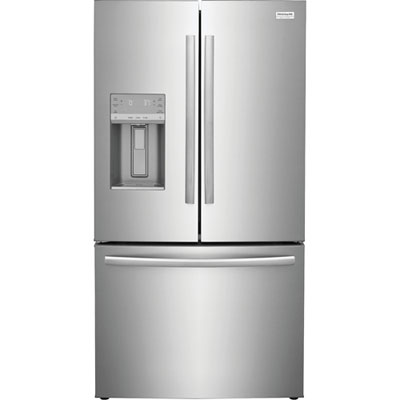 Your price for this item is $2499.99
 -
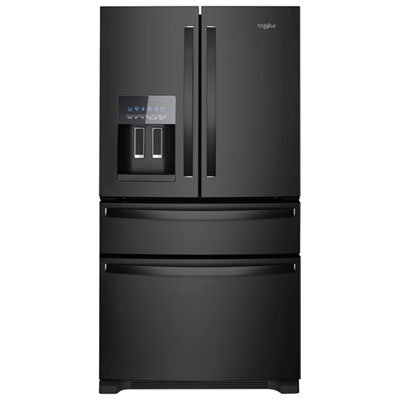 Your price for this item is $2949.99
 -
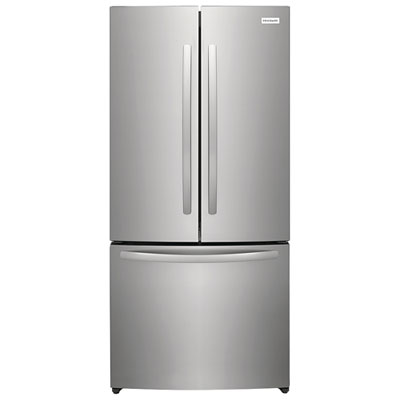 Your price for this item is $1599.99
 -
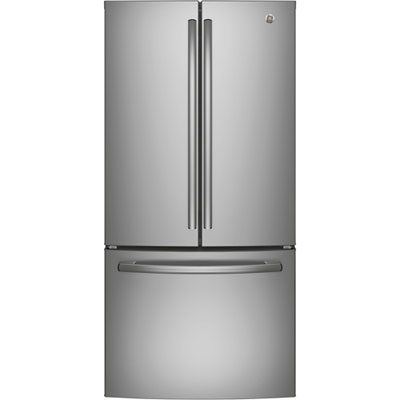 Your price for this item is $1699.99
 -
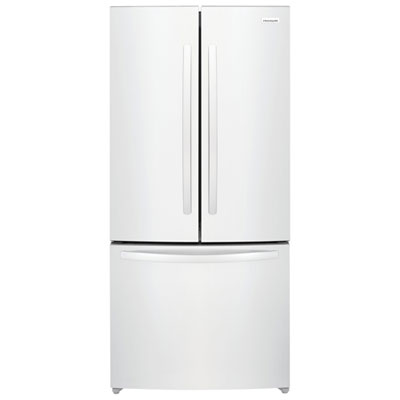 Your price for this item is $1599.99
 -
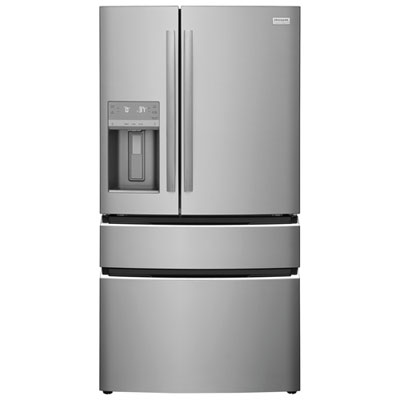 Your price for this item is $2799.99
Discover more categories related to Huge Refrigerators for Home
Top Collections:
Pokemon Centers, Kindle Devices, Best Budget Office Chairs, Canon G7X Cameras, Apple iPhones 16, Samsung Galaxy Phones, Refurbished Apple Laptops, Laptops for Students, iPhone 15 Apple, Budget Smartphones
Some products may be subject to Environmental Handling Fees
(EHF) depending on your province.
Learn more about EHFs.