Telephoto Lenses for Moon Photography
Telephoto lenses are ideal for photographing the moon because they have a long focal length, which allows you to capture more of the moon's surface in your image. They also have a relatively wide aperture, which allows more light into the camera than a standard lens. This makes it easier to take pictures in low-light conditions, such as when there are no clouds to block the moon. Here are some great telephoto lenses perfect for moon photography.
Sort

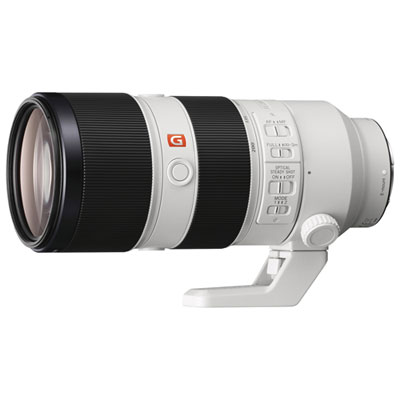
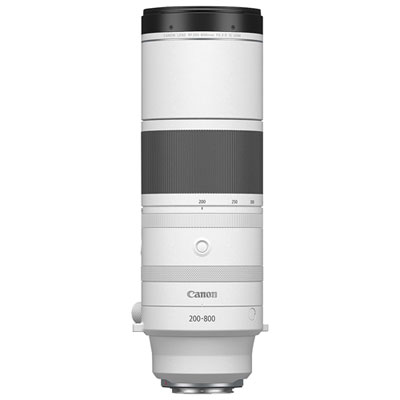
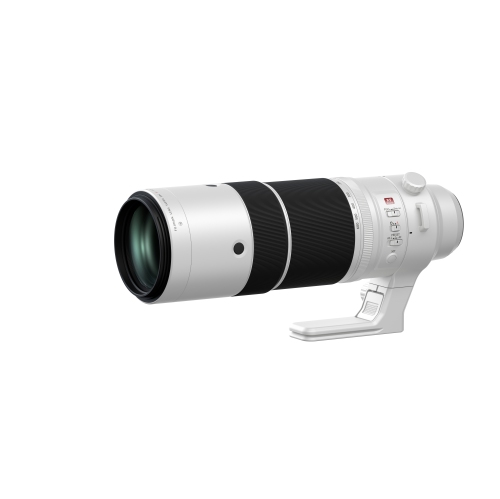
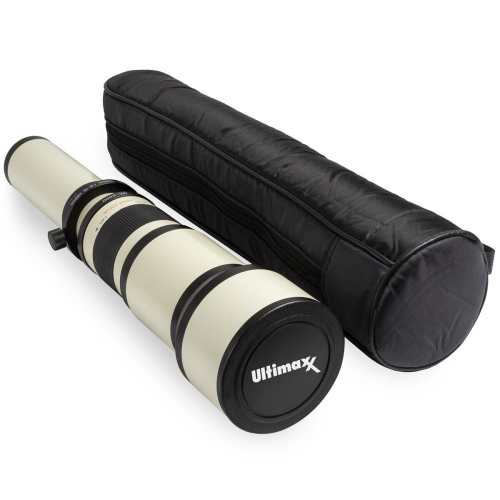
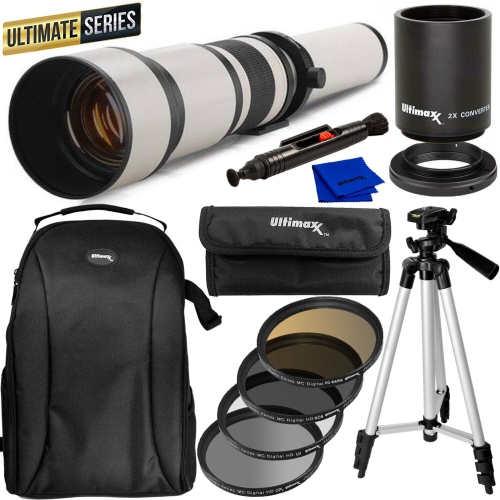
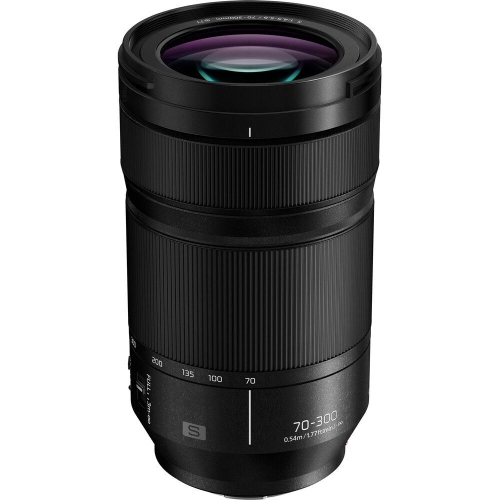
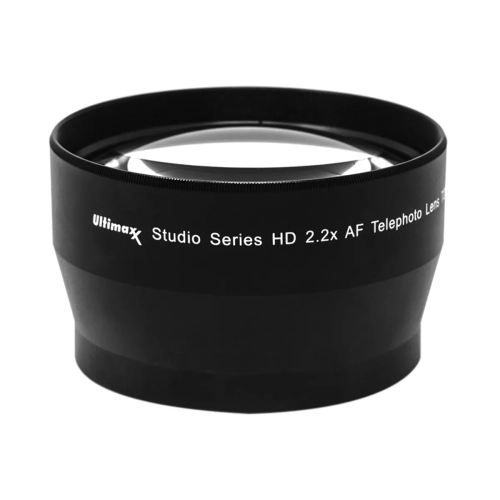
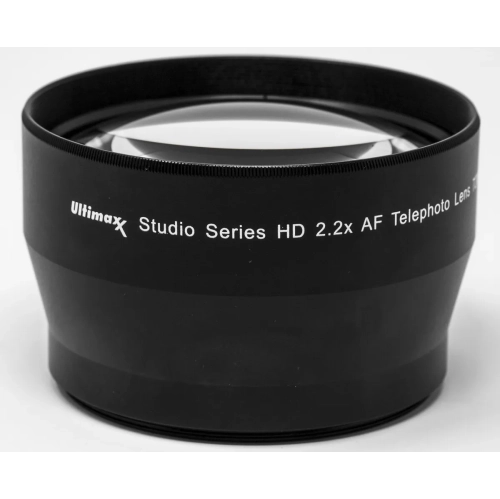
Lunar craters and textures in striking, sharp detail
Capturing the moon’s intricate details and luminous presence in the night sky is a pursuit that draws in photographers of all skill levels, from seasoned professionals to hobbyists eager to explore astrophotography for the first time. Telephoto lenses designed for moon photography are specialized tools that allow you to magnify distant subjects, filling your frame with the moon’s craters, maria, and subtle textures. When selecting a telephoto lens for this purpose, focal length is a primary consideration; lenses with a reach of at least 300mm are recommended to bring out the moon’s surface features, while those extending to 600mm or beyond can reveal even more striking detail. These lenses are often used in combination with a sturdy tripod and remote shutter release to ensure stability, as even the slightest vibration can blur the fine lines and shadows that make lunar photography so captivating. Many photographers also benefit from using manual focus and live view features, carefully adjusting focus on the moon’s edge or a prominent crater to achieve razor-sharp results.
Whether you’re hoping to immortalize a dramatic supermoon, capture the subtle shadows along the lunar terminator during a crescent phase, or simply enjoy the meditative process of photographing the moon as it rises over a summer lake or through crisp autumn air, a telephoto lens opens up creative possibilities. These lenses make thoughtful gifts for anyone passionate about astronomy, landscape photography, or night-time adventures—ideal for a family member who loves stargazing or a friend looking to expand their camera gear. As the seasons shift from the warm evenings of late summer into the cooler, clearer nights of fall, the atmospheric conditions often become more favourable for lunar photography, with less humidity and haze to obscure your view. Beyond lunar subjects, telephoto lenses can also be used for wildlife, sports, and distant landscapes, offering versatility for photographers who enjoy exploring a range of outdoor scenes. For those interested in broadening their night photography toolkit even further, consider exploring the selection of Telephoto Lenses for Night Photography, which are well-suited for capturing stars, cityscapes, and other low-light subjects alongside the moon.
In addition to focal length, other factors such as aperture, image stabilization, and compatibility with your camera body play important roles in lens selection. While the moon is a bright target, stopping down the aperture to f/8 or f/11 is often recommended to achieve the sharpest images, reducing chromatic aberrations and maximizing detail. Some photographers may opt for teleconverters to extend their lens’s reach, though it’s important to note that these can reduce both sharpness and available light. Using a low ISO setting, such as ISO 100 or 200, helps minimize noise and ensures crisp, clean images—especially important when you want to print or share your lunar shots. The best results are often achieved when the moon is high in the sky, minimizing atmospheric distortion, and during phases where shadows highlight the rugged lunar surface. Whether you’re planning a solo session under a clear sky or sharing the experience with friends and family, telephoto lenses for moon photography offer a rewarding way to connect with the beauty of the night sky, season after season.
Whether you’re hoping to immortalize a dramatic supermoon, capture the subtle shadows along the lunar terminator during a crescent phase, or simply enjoy the meditative process of photographing the moon as it rises over a summer lake or through crisp autumn air, a telephoto lens opens up creative possibilities. These lenses make thoughtful gifts for anyone passionate about astronomy, landscape photography, or night-time adventures—ideal for a family member who loves stargazing or a friend looking to expand their camera gear. As the seasons shift from the warm evenings of late summer into the cooler, clearer nights of fall, the atmospheric conditions often become more favourable for lunar photography, with less humidity and haze to obscure your view. Beyond lunar subjects, telephoto lenses can also be used for wildlife, sports, and distant landscapes, offering versatility for photographers who enjoy exploring a range of outdoor scenes. For those interested in broadening their night photography toolkit even further, consider exploring the selection of Telephoto Lenses for Night Photography, which are well-suited for capturing stars, cityscapes, and other low-light subjects alongside the moon.
In addition to focal length, other factors such as aperture, image stabilization, and compatibility with your camera body play important roles in lens selection. While the moon is a bright target, stopping down the aperture to f/8 or f/11 is often recommended to achieve the sharpest images, reducing chromatic aberrations and maximizing detail. Some photographers may opt for teleconverters to extend their lens’s reach, though it’s important to note that these can reduce both sharpness and available light. Using a low ISO setting, such as ISO 100 or 200, helps minimize noise and ensures crisp, clean images—especially important when you want to print or share your lunar shots. The best results are often achieved when the moon is high in the sky, minimizing atmospheric distortion, and during phases where shadows highlight the rugged lunar surface. Whether you’re planning a solo session under a clear sky or sharing the experience with friends and family, telephoto lenses for moon photography offer a rewarding way to connect with the beauty of the night sky, season after season.
Top selling and popular products
-
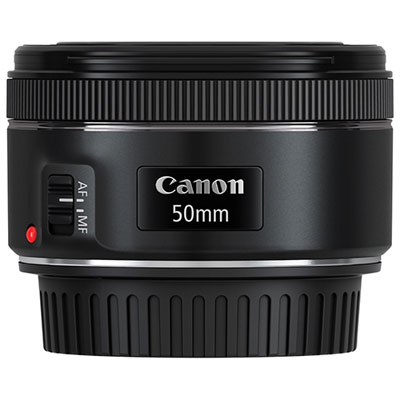 Your price for this item is $169.99
 -
 Your price for this item is $329.99
 -
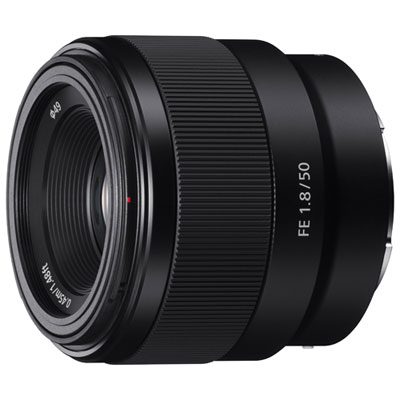 Your price for this item is $349.99
 -
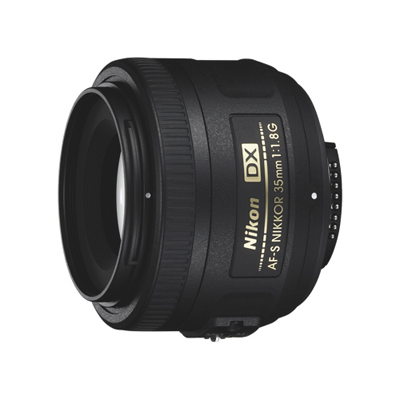 Your price for this item is $258.98
 -
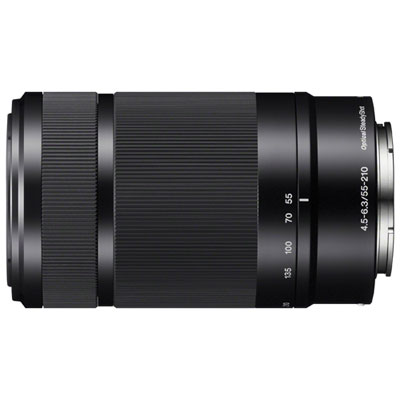 Your price for this item is $399.99
 -
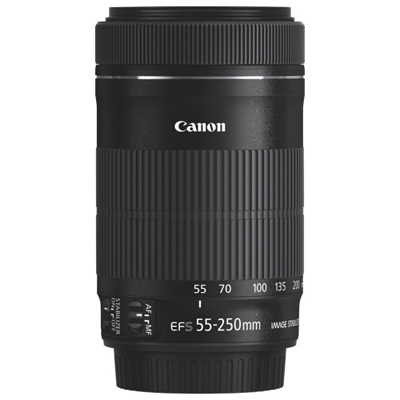 Your price for this item is $399.99
 -
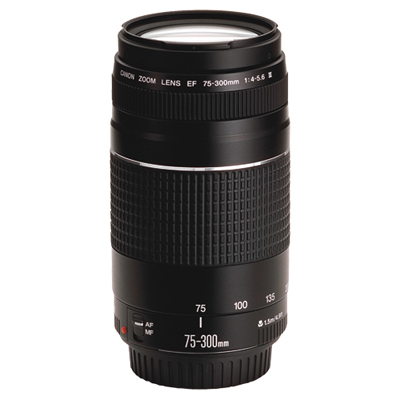 Your price for this item is $199.99
 -
 Your price for this item is $174.99
Discover more categories related to Telephoto Lenses for Moon Photography
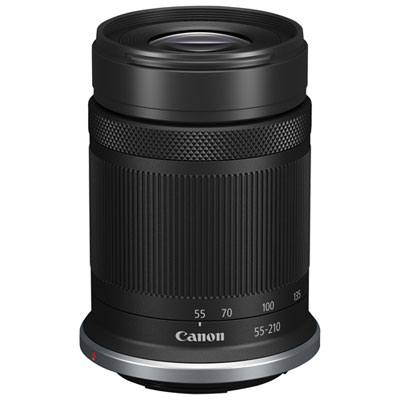
Top Collections:
Pokemon Centers, Kindle Devices, Best Cell Phones Under $500, Alarm Clock, Canon G7X Cameras, iPhone 15 Apple, Laptops for Students, Budget Smartphones, iPhone 14 256GB, Best Camera Tripods Under $100
Some products may be subject to Environmental Handling Fees
(EHF) depending on your province.
Learn more about EHFs.