Telephoto Lenses for Night Photography
Night photography is a challenging genre, but it can also be an exciting one. Night scenes often feature cityscapes, starry skies, or other subjects that are hard to capture during the day. A telephoto lens is a great choice for night photography because it allows you to take photos at a longer focal length, which helps you to avoid camera shakes and get better image quality. Here are some top-rated telephoto lenses for night photography.
Sort
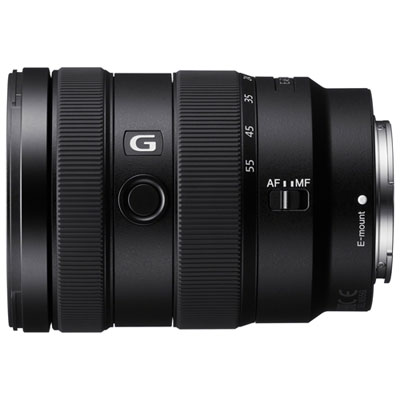
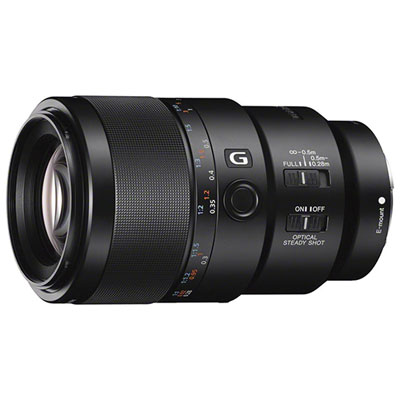
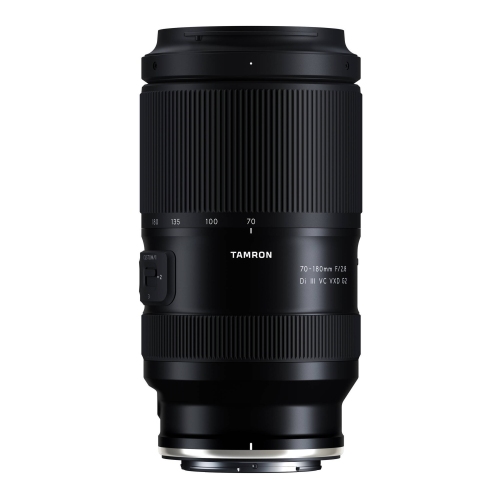
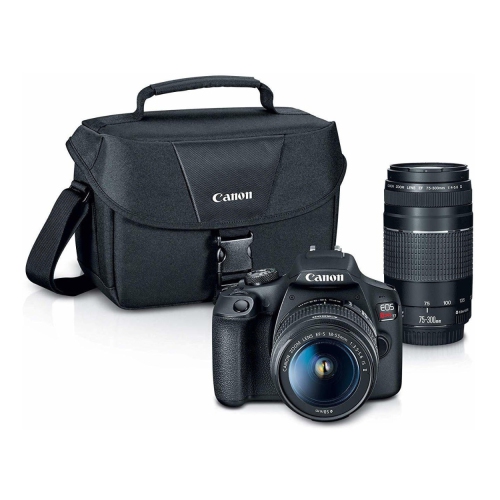
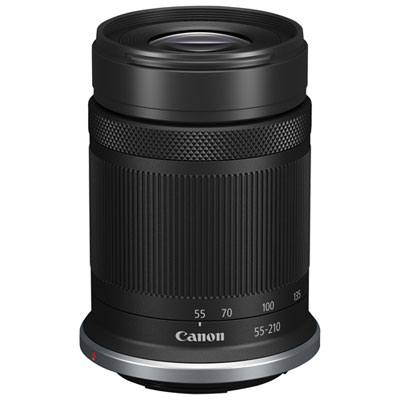

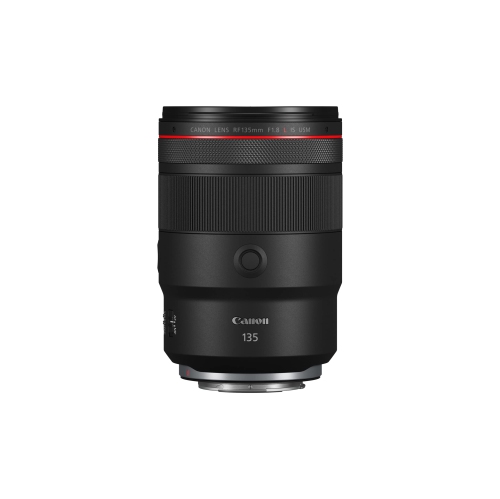
Longer reach brings distant night subjects into view
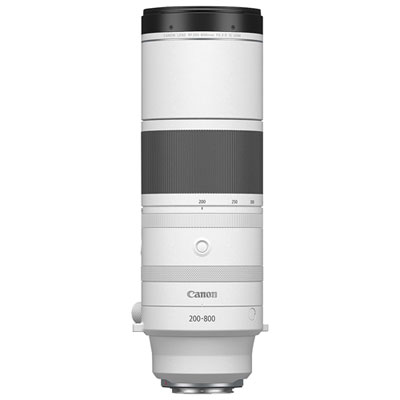
Telephoto lenses for night photography give you a closer view of subjects that are distant, elevated, or difficult to approach, from the detailed surface of the moon to illuminated buildings across a harbour. A longer focal length can compress the distance between a glowing skyline and the twilight sky, isolate a performer on an outdoor stage, or frame nocturnal wildlife without disturbing it. They can also bring small celestial subjects into a more prominent position within the image, although the best results depend on the lens, camera, support equipment, and conditions working together. When comparing options, start with focal length and maximum aperture. A shorter telephoto range can be practical for portraits, night events, and city scenes, while longer focal lengths provide more reach for lunar photography, distant landscapes, and subjects beyond the edge of a trail or observation area. A wider maximum aperture, such as f/2.8 or f/4, allows more light to reach the camera sensor and can make it easier to use faster shutter speeds or lower ISO settings. Lenses with smaller maximum apertures may still be useful, particularly for bright moonlight, illuminated urban scenes, or clear conditions, but they generally require more careful exposure planning and steadier support. Image stabilization can help reduce blur caused by handheld movement, but it does not freeze a moving subject and it cannot compensate for the apparent movement of stars during a long exposure. Check the lens mount and sensor compatibility before buying, and consider the camera body you plan to use, including whether it supports the lens’s autofocus, stabilization, and electronic communication features.
A sturdy tripod is one of the most valuable companions for a telephoto lens after dark. At high magnification, a small touch on the focus ring, a passing breeze, or the movement of a shutter mechanism can soften fine details, even when the image appears steady through the viewfinder. A remote release, camera app, two-second timer, or electronic shutter setting can help reduce vibration, while removing the tripod’s centre-column extension and placing its legs on firm ground can improve stability. Manual focus is often more dependable at night because autofocus systems may hunt against a dark sky or low-contrast scene. Use live view and magnify the display to focus on a bright star, distant light, or the edge of the moon, then check focus again after changing the composition. For stars and other celestial subjects, long focal lengths make the earth’s rotation more noticeable: exposures that seem brief at a wide angle can produce visible star movement at 300mm, 400mm, 500mm, or beyond. If sharp, pinpoint stars are the priority, use a short exposure and adjust aperture, ISO, and focus carefully. A star tracker can permit longer exposures by following the sky’s apparent motion, but it adds setup time and requires accurate alignment. For the moon, shutter speeds can be surprisingly quick because its surface is brightly lit, while a low-light cityscape, concert, or wildlife scene may call for a larger aperture, higher ISO, and thoughtful timing. A lens hood can help control stray light from nearby lamps, and a headlamp with a red-light mode can preserve night vision while you work around the camera.
These lenses can suit photographers who enjoy patient, deliberate shooting and want to explore subjects after sunset without relying only on wide-angle compositions. The long reach is useful for capturing the moon above a familiar landmark, separating a glowing tower from surrounding buildings, or photographing birds and other animals that become active during the cooler hours. They can also be a thoughtful gift for someone moving beyond a standard kit lens, especially when paired with a compatible camera body and an interest in astronomy, travel, architecture, outdoor events, or wildlife. Before selecting a lens as a gift, confirm the recipient’s camera system, sensor format, preferred focal length, and tolerance for carrying a larger setup. Weight matters more at the end of a long evening, and a lighter lens may be easier to use consistently than a larger model that stays at home. Zoom lenses offer flexibility when the subject’s distance changes or when there is limited room to step back, while prime lenses can provide a consistent focal length and, in some designs, a wider maximum aperture. Photographers who enjoy both daytime wildlife and evening subjects may also want to explore Telephoto Lenses for Nature Photography for additional focal-length options. During the warmer and cooler parts of the year alike, allow equipment to acclimatize when moving between indoor and outdoor temperatures, keep spare batteries warm, and protect the lens from dew with a lens warmer or simple moisture precautions. With a compatible camera, stable support, precise focus, and realistic expectations about available light, telephoto lenses for night photography can reveal details that are easy to miss with the unaided eye and add depth, scale, and atmosphere to scenes after dark.
A sturdy tripod is one of the most valuable companions for a telephoto lens after dark. At high magnification, a small touch on the focus ring, a passing breeze, or the movement of a shutter mechanism can soften fine details, even when the image appears steady through the viewfinder. A remote release, camera app, two-second timer, or electronic shutter setting can help reduce vibration, while removing the tripod’s centre-column extension and placing its legs on firm ground can improve stability. Manual focus is often more dependable at night because autofocus systems may hunt against a dark sky or low-contrast scene. Use live view and magnify the display to focus on a bright star, distant light, or the edge of the moon, then check focus again after changing the composition. For stars and other celestial subjects, long focal lengths make the earth’s rotation more noticeable: exposures that seem brief at a wide angle can produce visible star movement at 300mm, 400mm, 500mm, or beyond. If sharp, pinpoint stars are the priority, use a short exposure and adjust aperture, ISO, and focus carefully. A star tracker can permit longer exposures by following the sky’s apparent motion, but it adds setup time and requires accurate alignment. For the moon, shutter speeds can be surprisingly quick because its surface is brightly lit, while a low-light cityscape, concert, or wildlife scene may call for a larger aperture, higher ISO, and thoughtful timing. A lens hood can help control stray light from nearby lamps, and a headlamp with a red-light mode can preserve night vision while you work around the camera.
These lenses can suit photographers who enjoy patient, deliberate shooting and want to explore subjects after sunset without relying only on wide-angle compositions. The long reach is useful for capturing the moon above a familiar landmark, separating a glowing tower from surrounding buildings, or photographing birds and other animals that become active during the cooler hours. They can also be a thoughtful gift for someone moving beyond a standard kit lens, especially when paired with a compatible camera body and an interest in astronomy, travel, architecture, outdoor events, or wildlife. Before selecting a lens as a gift, confirm the recipient’s camera system, sensor format, preferred focal length, and tolerance for carrying a larger setup. Weight matters more at the end of a long evening, and a lighter lens may be easier to use consistently than a larger model that stays at home. Zoom lenses offer flexibility when the subject’s distance changes or when there is limited room to step back, while prime lenses can provide a consistent focal length and, in some designs, a wider maximum aperture. Photographers who enjoy both daytime wildlife and evening subjects may also want to explore Telephoto Lenses for Nature Photography for additional focal-length options. During the warmer and cooler parts of the year alike, allow equipment to acclimatize when moving between indoor and outdoor temperatures, keep spare batteries warm, and protect the lens from dew with a lens warmer or simple moisture precautions. With a compatible camera, stable support, precise focus, and realistic expectations about available light, telephoto lenses for night photography can reveal details that are easy to miss with the unaided eye and add depth, scale, and atmosphere to scenes after dark.
Top selling and popular products
-
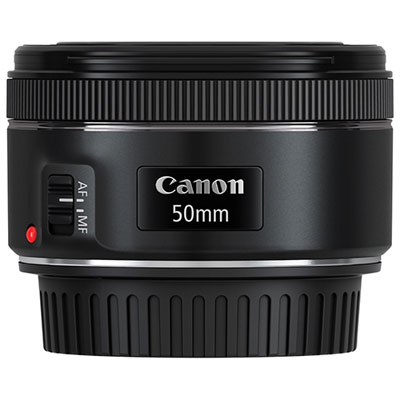 Your price for this item is $169.99
 -
 Your price for this item is $329.99
 -
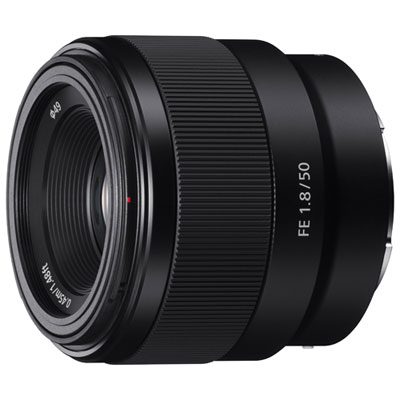 Your price for this item is $349.99
 -
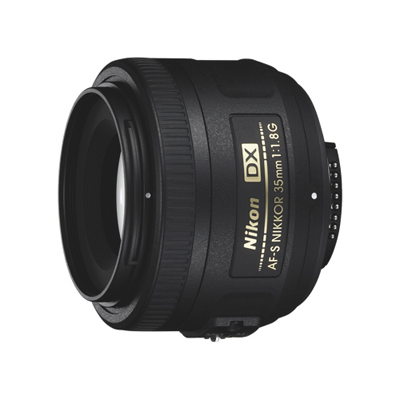 Your price for this item is $258.98
 -
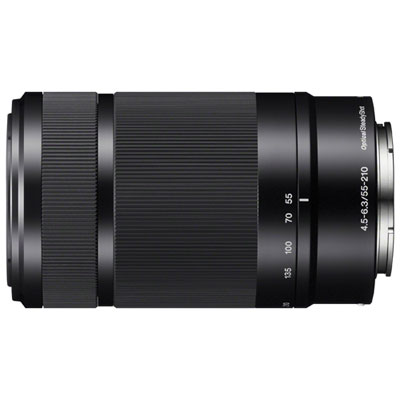 Your price for this item is $399.99
 -
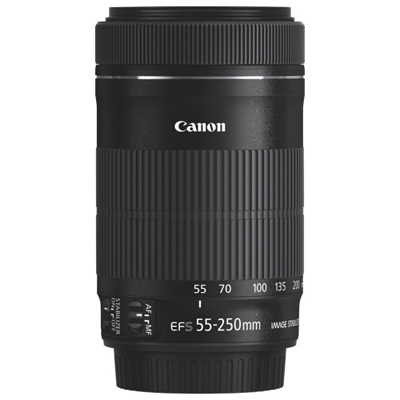 Your price for this item is $399.99
 -
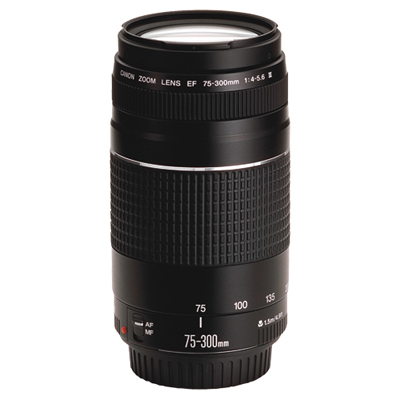 Your price for this item is $199.99
 -
 Your price for this item is $174.99
Discover more categories related to Telephoto Lenses for Night Photography

Top Collections:
Pokemon Centers, Kindle Devices, Best Cell Phones Under $500, Alarm Clock, Canon G7X Cameras, iPhone 15 Apple, Laptops for Students, Budget Smartphones, iPhone 14 256GB, Best Camera Tripods Under $100
Some products may be subject to Environmental Handling Fees
(EHF) depending on your province.
Learn more about EHFs.