30mm Lenses
Looking to enhance your photography skills? Look no further than our collection of 30mm lenses. With their versatile focal length, these lenses are perfect for capturing stunning images in a variety of settings. Whether you're a professional photographer or just starting out, our selection of 30mm lenses offers a range of options to suit your needs. From wide-angle shots to close-up details, these lenses will help you capture almost every moment with clarity and precision. Upgrade your photography gear today and take your creativity to new heights with our 30mm lenses.
Sort
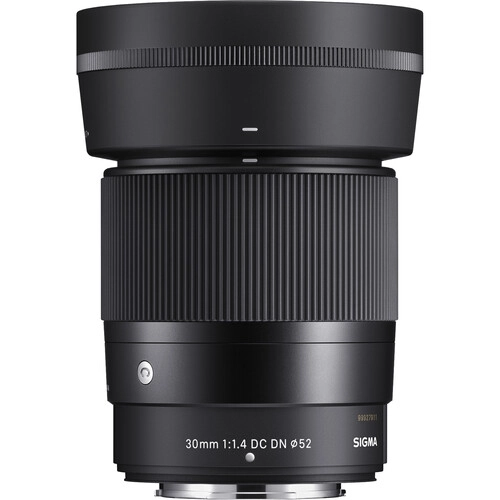
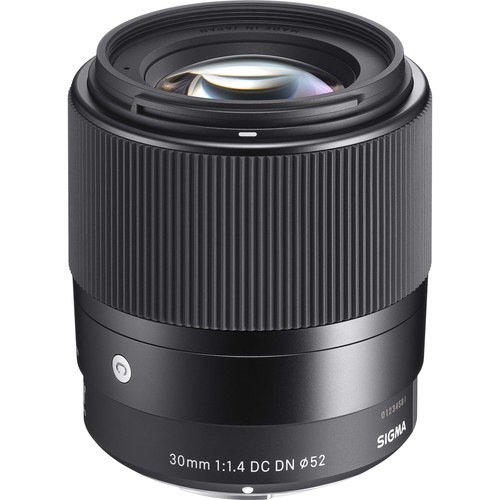
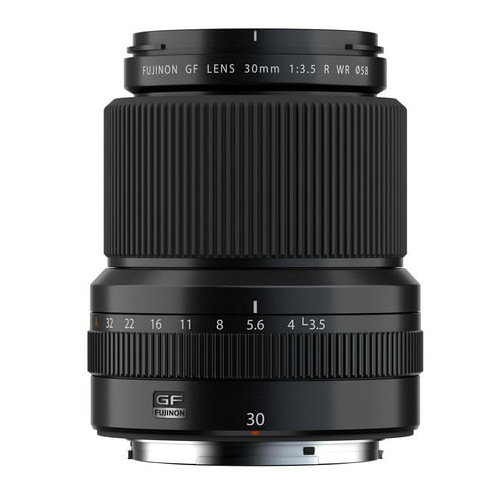
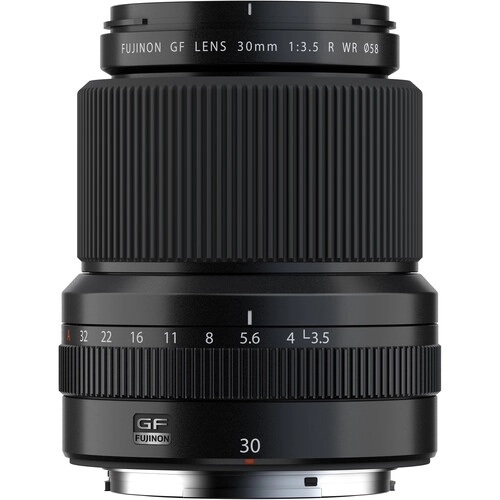
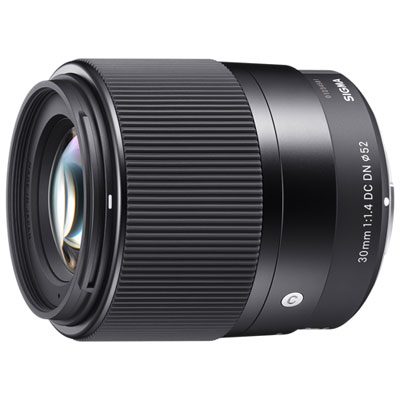
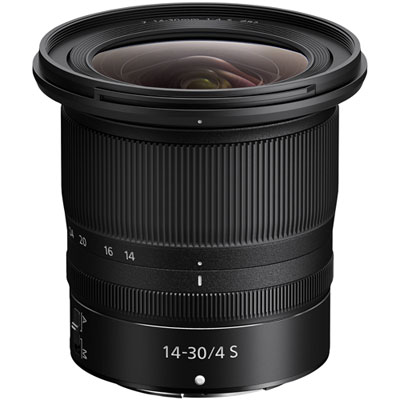
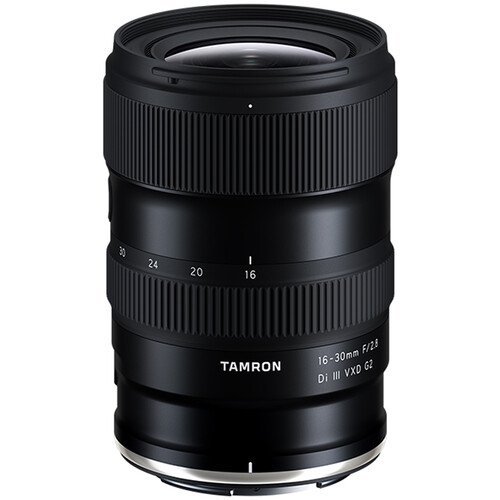
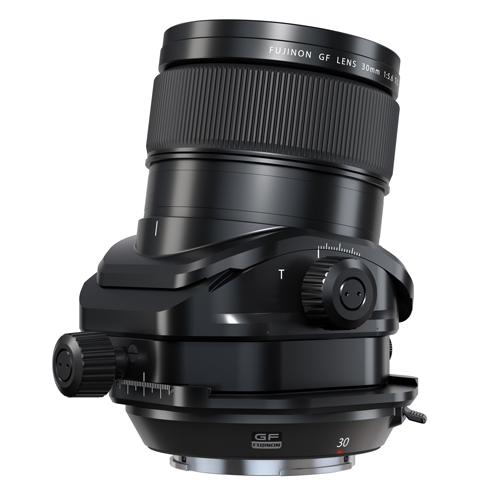
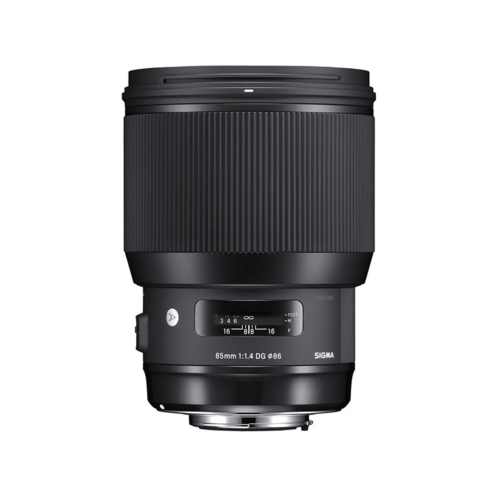
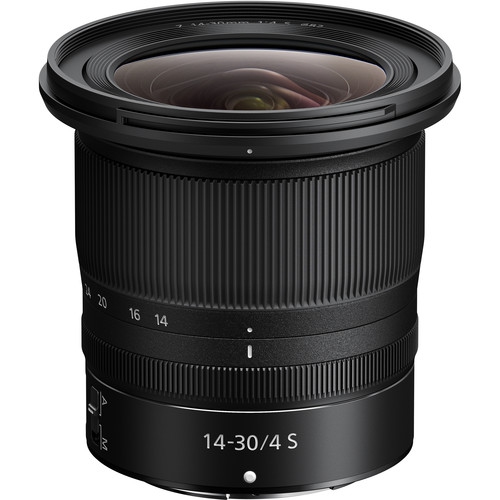
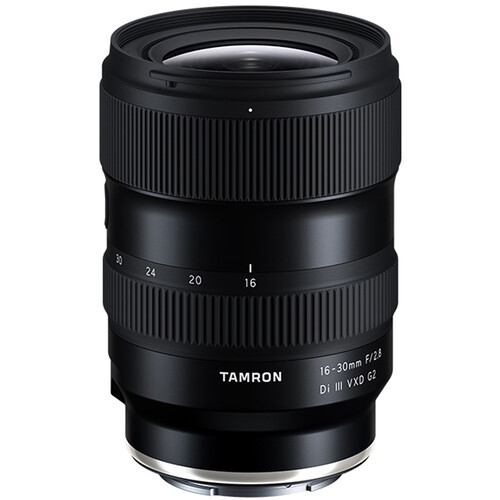
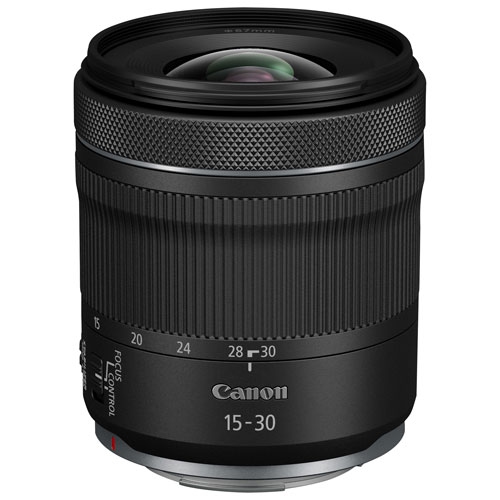
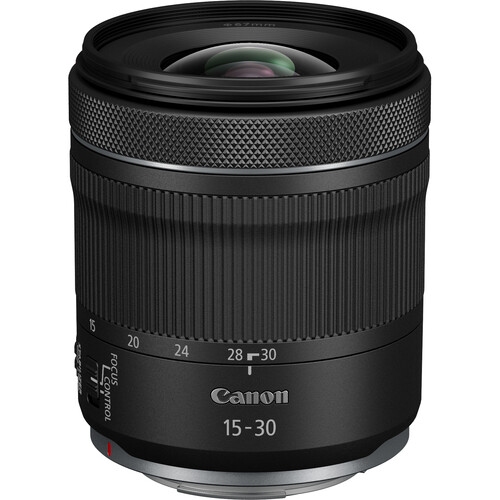
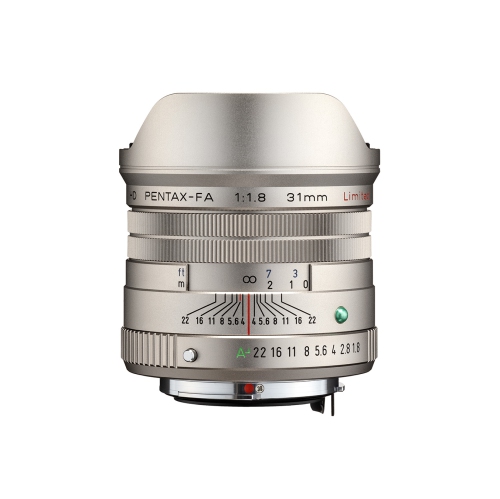
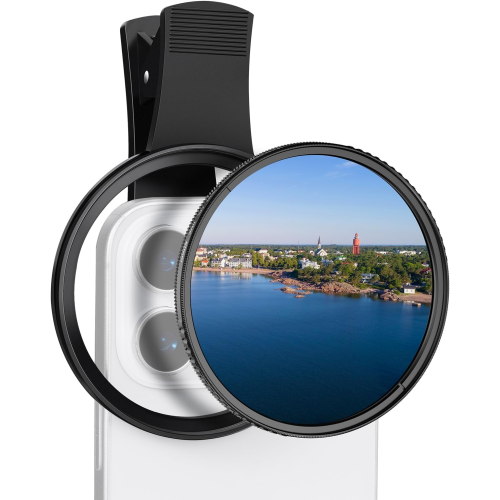
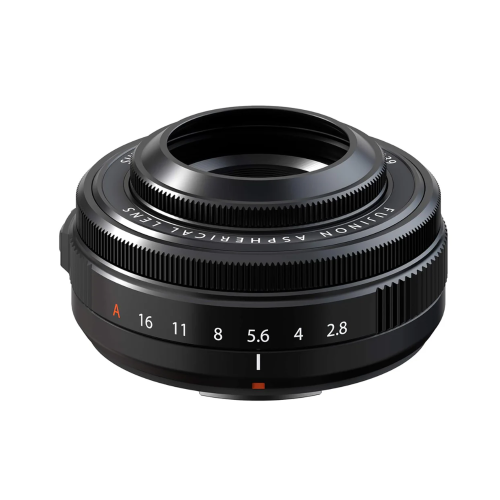
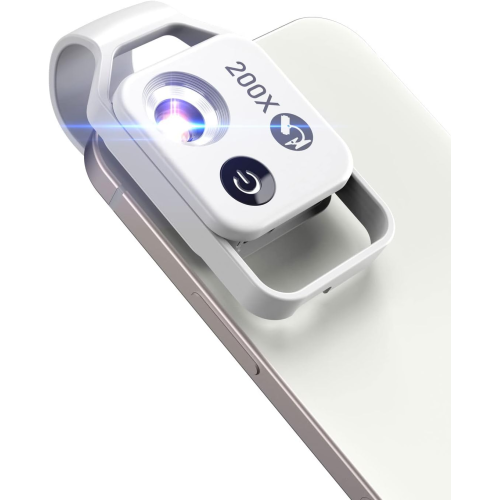
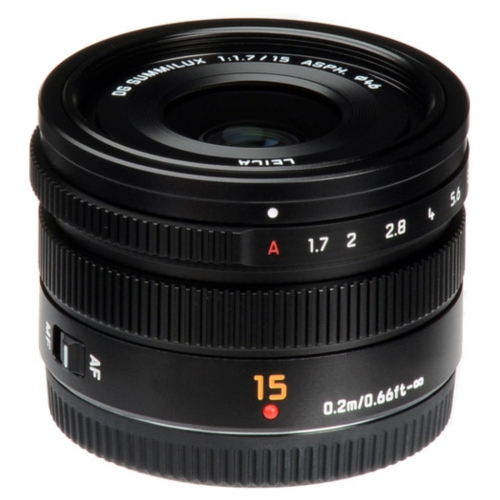
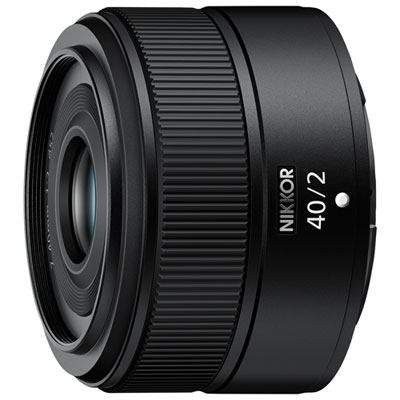
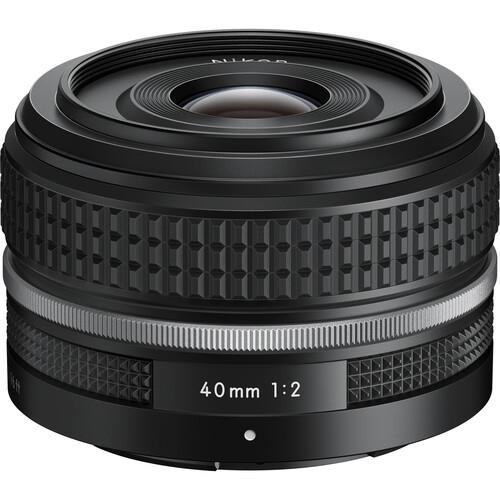
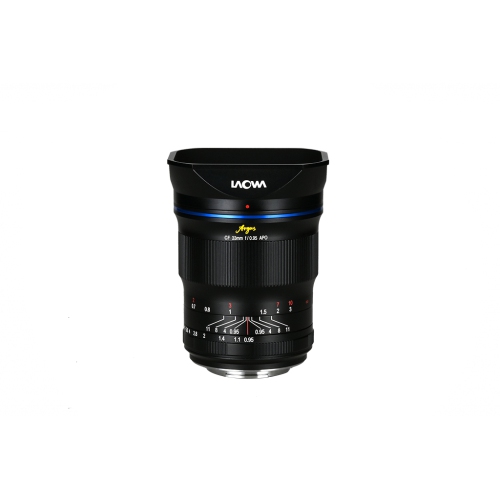
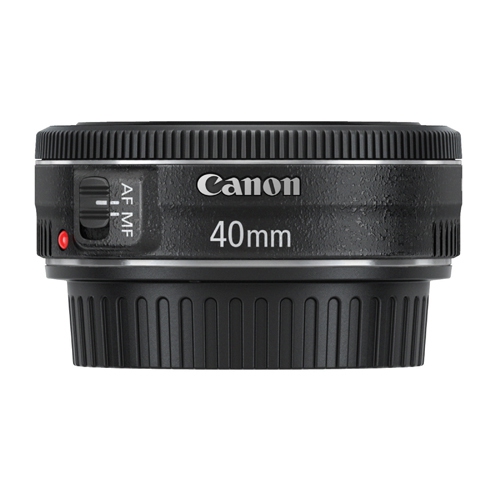
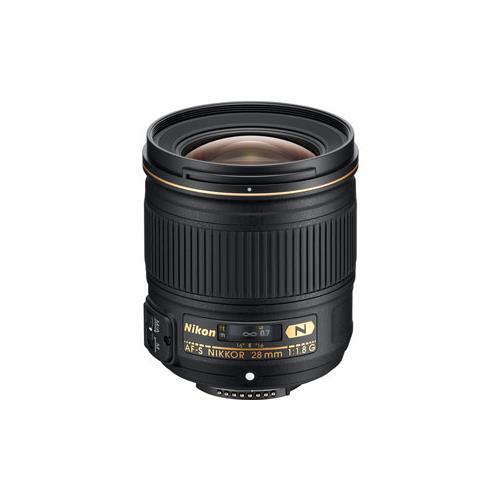
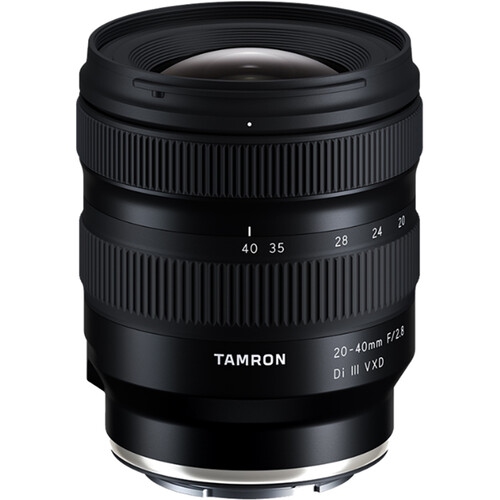
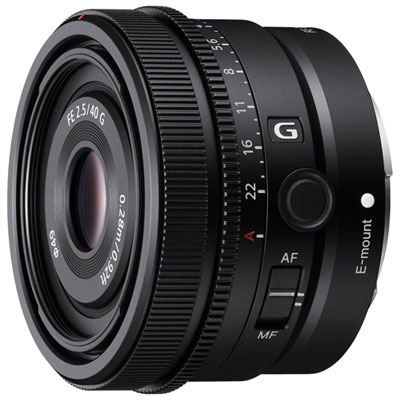
A versatile perspective for portraits, travel, and close-ups
30mm lenses are versatile camera lenses that sit between wide-angle and telephoto perspectives, making them useful for everyday photography, travel, street scenes, portraits, food, interiors, and video. On a full-frame camera, a 30mm focal length provides a moderately wide view that can include a person and their surroundings without making the scene feel dramatically stretched. On an APS-C camera, the crop factor makes the field of view appear closer to a standard lens, often around 45mm equivalent, which can feel natural for portraits, family snapshots, documentary-style photography, and general walkaround use. On a Micro Four Thirds camera, the effective field of view is narrower again, commonly comparable to 60mm on a full-frame system, which can be helpful for close portraits, detail shots, and isolating a subject from a busy background. Because the actual viewing angle depends on the camera’s sensor size, checking the lens mount and format compatibility is an essential first step. A lens designed for one mount may not attach to another without an adapter, and an adapter may affect autofocus, aperture control, or other electronic functions. It is also worth confirming whether the lens is intended for a full-frame or crop-sensor camera, especially when comparing compact mirrorless systems with larger interchangeable-lens cameras. A well-matched 30mm lens can become the lens that stays on the camera: wide enough for a narrow café table or a group gathered in a living room, yet focused enough to give a single subject visual priority.
The maximum aperture is one of the most important specifications to compare. A fast aperture such as f/1.4 allows more light to reach the sensor, which can make it easier to photograph indoors, at dusk, or in other dim conditions without pushing the ISO as high. It can also create a softer background, helping a face, object, or detail stand out from nearby distractions. The appearance of that background blur depends on the camera format, focusing distance, subject distance, and aperture setting, so a fast lens can offer creative flexibility even when it is stopped down for additional sharpness. Lenses with more modest maximum apertures may be better suited to bright outdoor scenes, travel photography, landscapes, or users who value a smaller and lighter setup. For close-up work, look beyond the focal length and check the minimum focusing distance and maximum magnification. Some 30mm lenses are designed for true macro photography, with 1:1 magnification that can fill the frame with flowers, insects, jewellery, small collectibles, food textures, or intricate craft work. A macro-focused lens can reveal details that are easy to miss with the naked eye, from the grain of a wooden object to the fine pattern on a leaf. Other 30mm options focus on general-purpose shooting and may not focus as closely, but can be more convenient for moving between portraits, street scenes, and casual video. Autofocus speed and accuracy are valuable for children, pets, events, and candid moments, while quiet focusing is especially helpful when recording video or photographing in a quiet setting. Manual focus controls, a focus limiter, weather sealing, optical stabilization, and the availability of a supplied hood can also influence how comfortable a lens is to use in different situations.
A 30mm lens can be a practical addition for photographers who want a more natural perspective than a wide zoom, as well as for anyone building a compact kit around a mirrorless camera. It suits a traveller documenting a quiet lane, a student learning to work with a fixed focal length, a parent capturing everyday moments at home, or a creator filming product demonstrations and talking-head footage from a moderate distance. Fixed focal length lenses encourage the photographer to move, change perspective, and pay attention to composition instead of relying entirely on zoom, which can make familiar subjects feel fresh. For portraits, stepping back slightly and using a wide aperture can produce a flattering view while retaining enough of the surrounding setting to show where the photograph was made. For street photography, the field of view is broad enough to include context without making the camera feel overly conspicuous. For food, tabletop scenes, and small objects, close-focusing ability and edge-to-edge sharpness may matter more than a very bright aperture. During the warmer seasons, a compact 30mm setup can be easy to carry on walks, day trips, and outdoor gatherings; during cooler months, a bright aperture can help preserve the atmosphere of indoor celebrations without relying heavily on flash. These lenses can also make thoughtful gifts for a photographer who has outgrown a basic kit lens, someone preparing for travel, or a beginner interested in portraits and close-up photography. Before purchasing, compare the camera mount, sensor coverage, aperture range, focusing distance, magnification, autofocus operation, filter size, physical dimensions, and included accessories. Photographers exploring a wider perspective may also wish to compare the available 20mm Lenses to see how a broader field of view changes the way subjects and surroundings fit within the frame.
The maximum aperture is one of the most important specifications to compare. A fast aperture such as f/1.4 allows more light to reach the sensor, which can make it easier to photograph indoors, at dusk, or in other dim conditions without pushing the ISO as high. It can also create a softer background, helping a face, object, or detail stand out from nearby distractions. The appearance of that background blur depends on the camera format, focusing distance, subject distance, and aperture setting, so a fast lens can offer creative flexibility even when it is stopped down for additional sharpness. Lenses with more modest maximum apertures may be better suited to bright outdoor scenes, travel photography, landscapes, or users who value a smaller and lighter setup. For close-up work, look beyond the focal length and check the minimum focusing distance and maximum magnification. Some 30mm lenses are designed for true macro photography, with 1:1 magnification that can fill the frame with flowers, insects, jewellery, small collectibles, food textures, or intricate craft work. A macro-focused lens can reveal details that are easy to miss with the naked eye, from the grain of a wooden object to the fine pattern on a leaf. Other 30mm options focus on general-purpose shooting and may not focus as closely, but can be more convenient for moving between portraits, street scenes, and casual video. Autofocus speed and accuracy are valuable for children, pets, events, and candid moments, while quiet focusing is especially helpful when recording video or photographing in a quiet setting. Manual focus controls, a focus limiter, weather sealing, optical stabilization, and the availability of a supplied hood can also influence how comfortable a lens is to use in different situations.
A 30mm lens can be a practical addition for photographers who want a more natural perspective than a wide zoom, as well as for anyone building a compact kit around a mirrorless camera. It suits a traveller documenting a quiet lane, a student learning to work with a fixed focal length, a parent capturing everyday moments at home, or a creator filming product demonstrations and talking-head footage from a moderate distance. Fixed focal length lenses encourage the photographer to move, change perspective, and pay attention to composition instead of relying entirely on zoom, which can make familiar subjects feel fresh. For portraits, stepping back slightly and using a wide aperture can produce a flattering view while retaining enough of the surrounding setting to show where the photograph was made. For street photography, the field of view is broad enough to include context without making the camera feel overly conspicuous. For food, tabletop scenes, and small objects, close-focusing ability and edge-to-edge sharpness may matter more than a very bright aperture. During the warmer seasons, a compact 30mm setup can be easy to carry on walks, day trips, and outdoor gatherings; during cooler months, a bright aperture can help preserve the atmosphere of indoor celebrations without relying heavily on flash. These lenses can also make thoughtful gifts for a photographer who has outgrown a basic kit lens, someone preparing for travel, or a beginner interested in portraits and close-up photography. Before purchasing, compare the camera mount, sensor coverage, aperture range, focusing distance, magnification, autofocus operation, filter size, physical dimensions, and included accessories. Photographers exploring a wider perspective may also wish to compare the available 20mm Lenses to see how a broader field of view changes the way subjects and surroundings fit within the frame.
Top selling and popular products
-
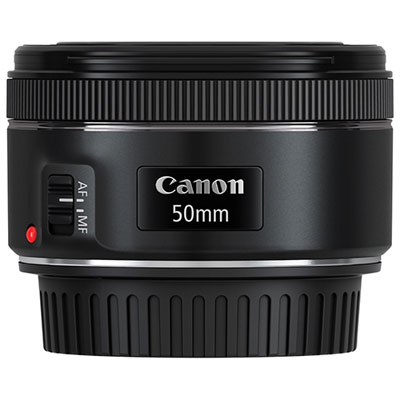 Your price for this item is $169.99
 -
 Your price for this item is $329.99
 -
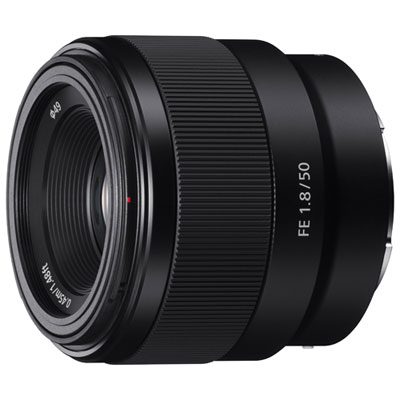 Your price for this item is $349.99
 -
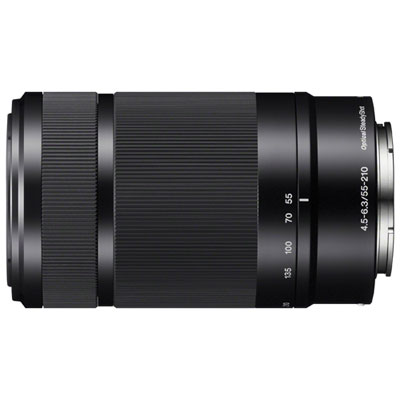 Your price for this item is $399.99
 -
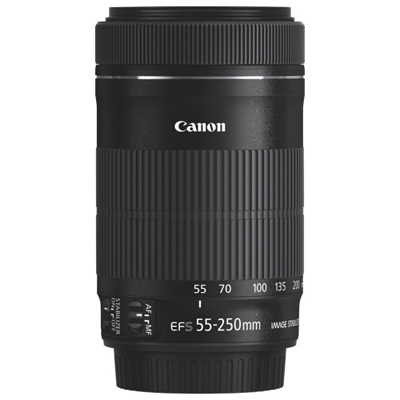 Your price for this item is $399.99
 -
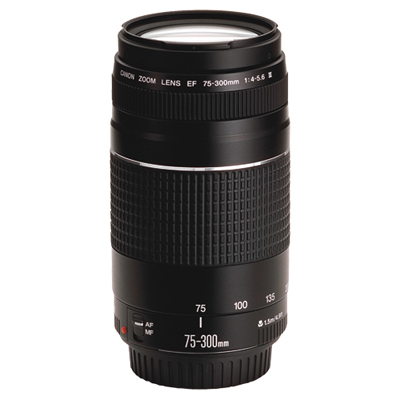 Your price for this item is $199.99
 -
 Your price for this item is $174.99
 -
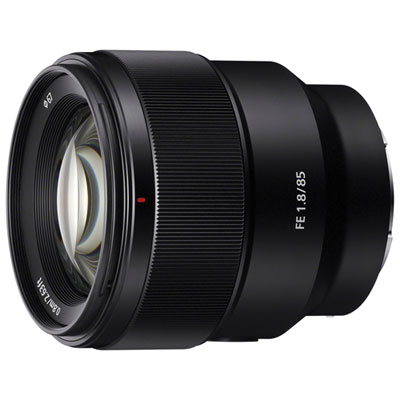 Your price for this item is $799.99
Discover more categories related to 30mm Lenses
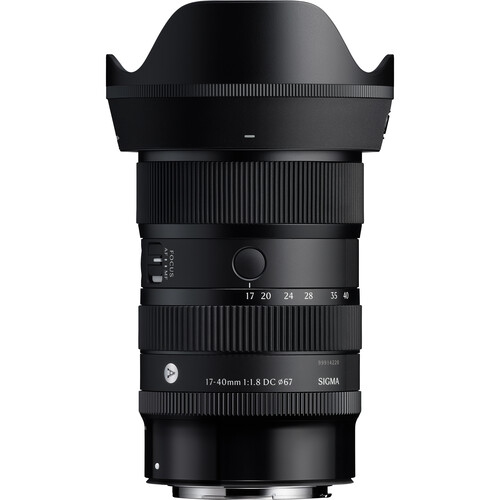
Top Collections:
Pokemon Centers, Best Cameras for Sports Photography, Kindle Devices, Samsung Galaxy Phones, Canon G7X Cameras, Pokémon 30th Celebration Cards, Refurbished Apple Laptops, iPhone 15 Apple, Laptops for Students, Budget Smartphones
Some products may be subject to Environmental Handling Fees
(EHF) depending on your province.
Learn more about EHFs.