E Mount Zoom Lenses
Upgrade your photography game with this wide selection of E-mount zoom lenses. Whether you're a professional photographer or an avid hobbyist, these versatile lenses are designed to enhance your creativity and capture stunning images. With their adjustable focal lengths and advanced optical technology, E-mount zoom lenses allow you to easily switch between different perspectives, from wide-angle shots to close-up details.
Sort
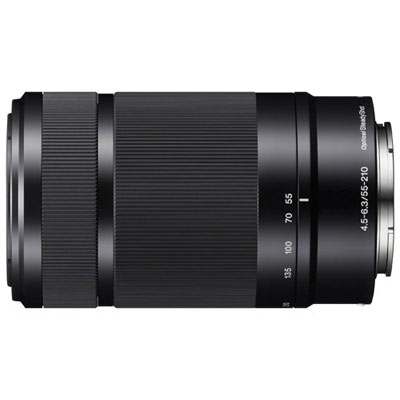
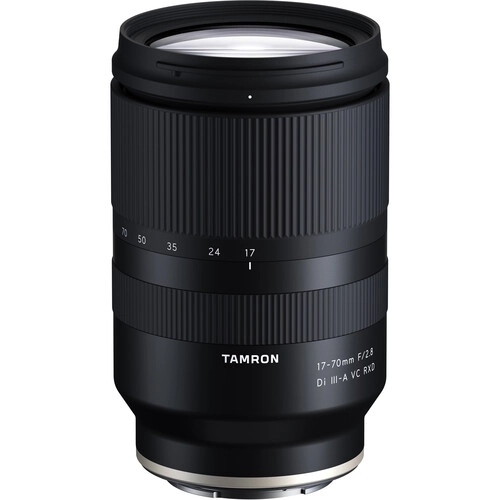
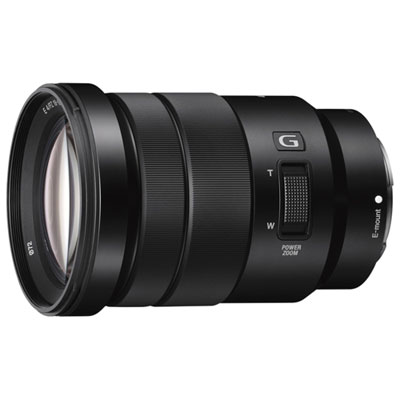
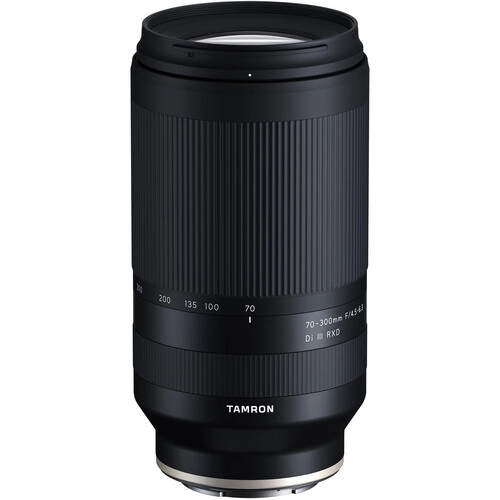
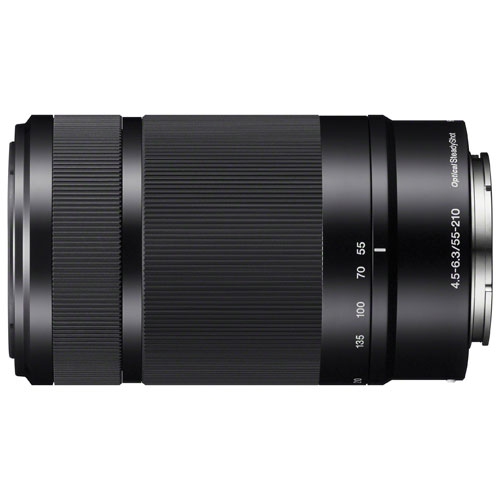
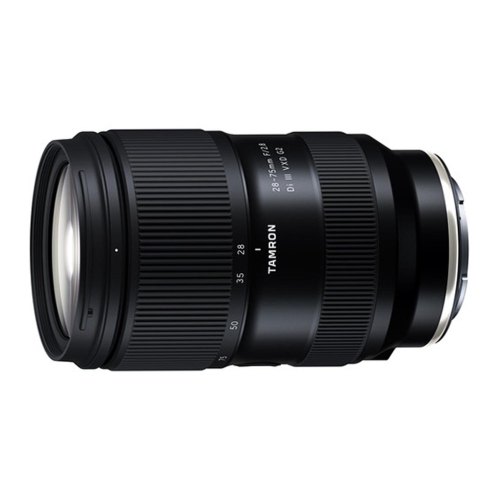
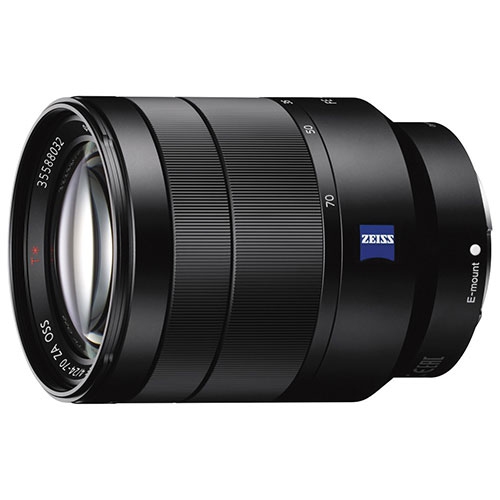
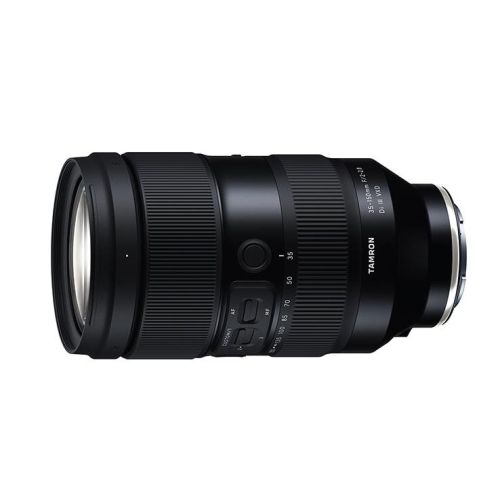
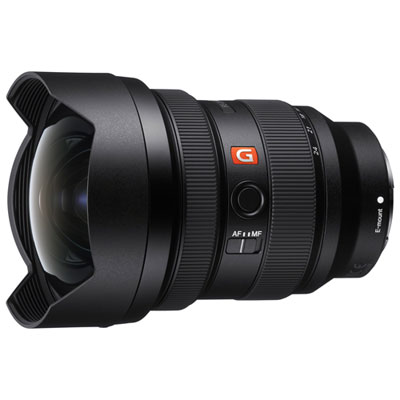
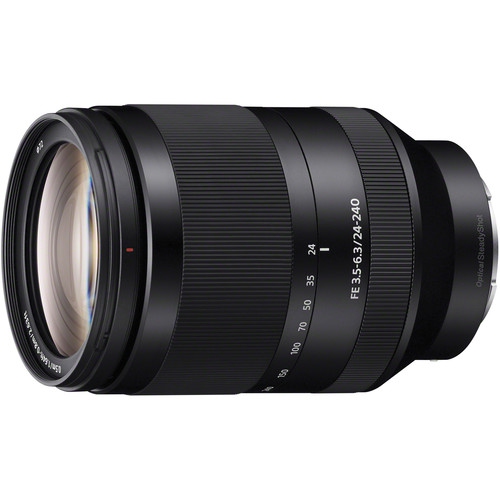
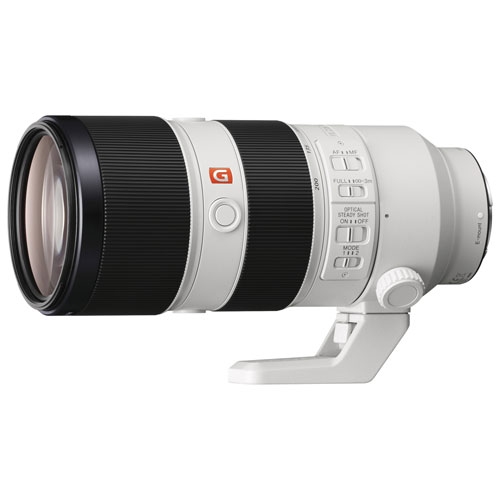
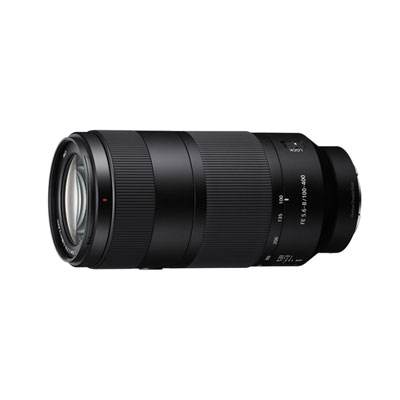
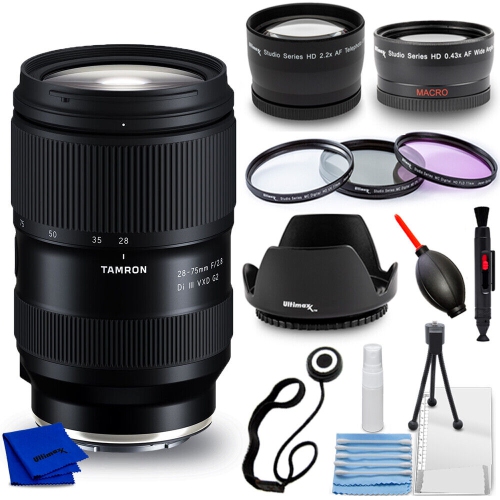
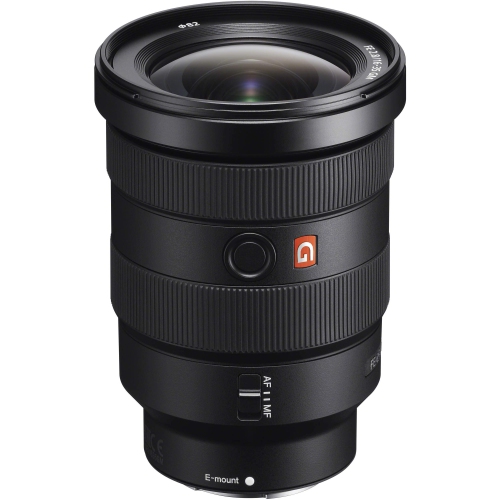

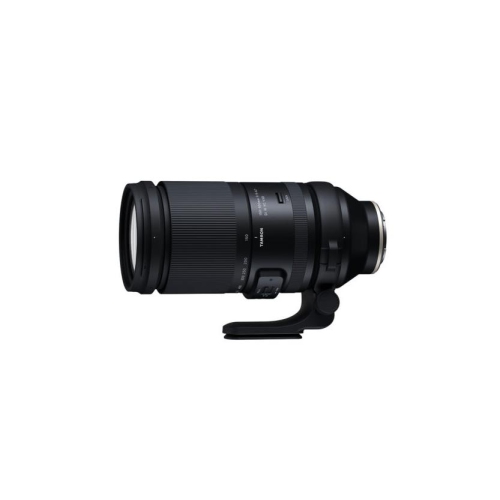
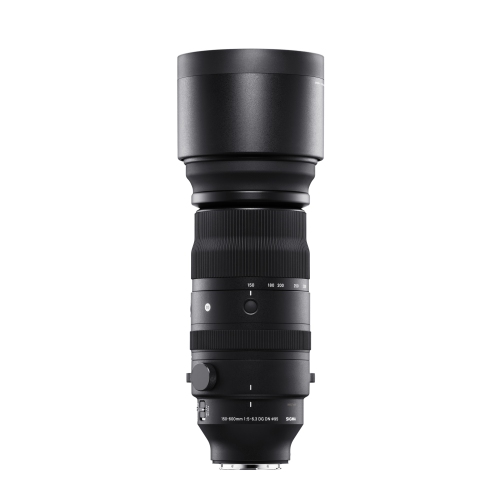
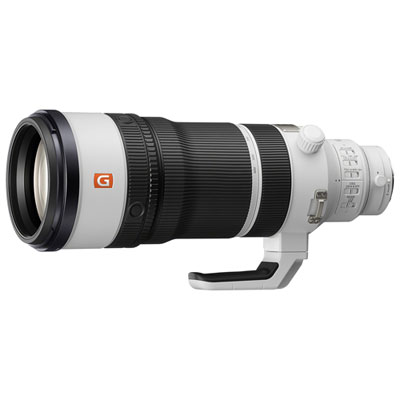
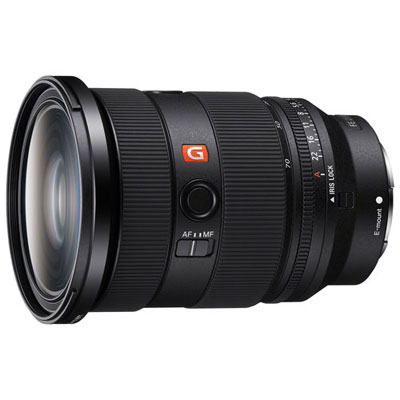
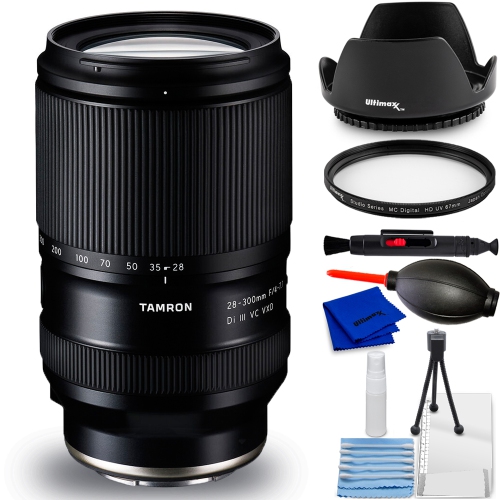
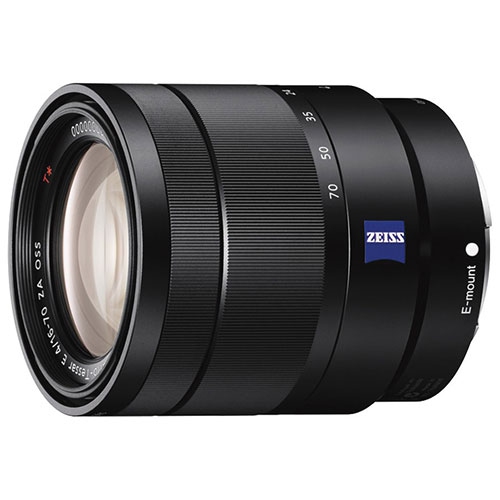
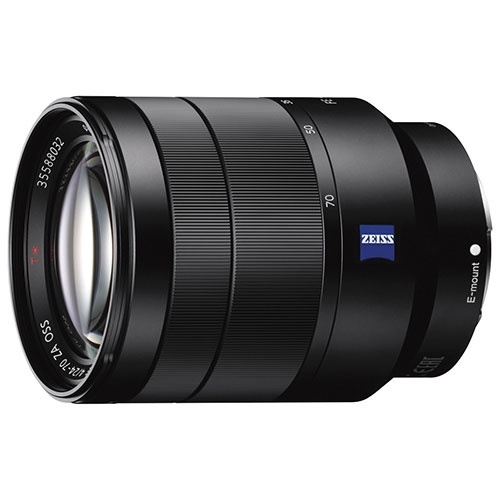
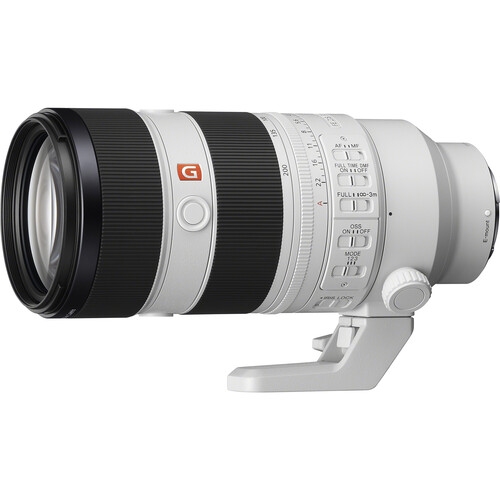
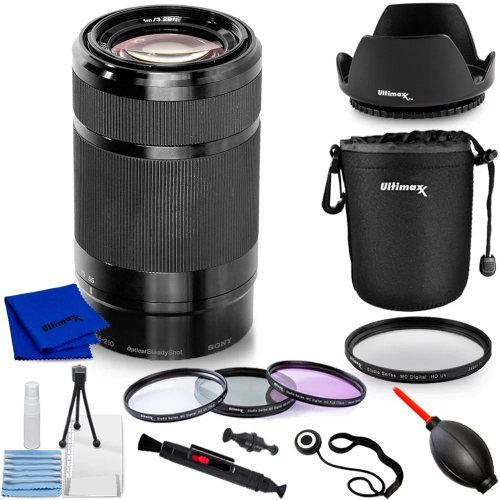
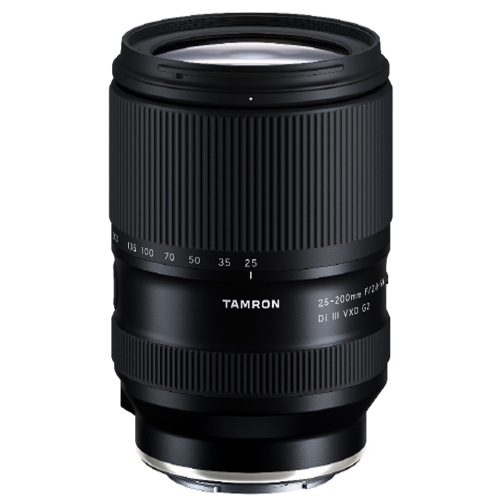
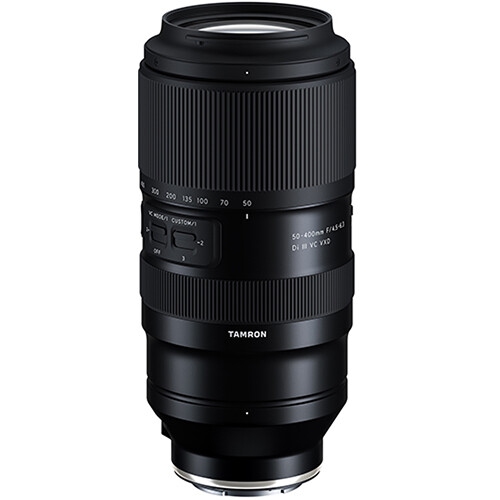
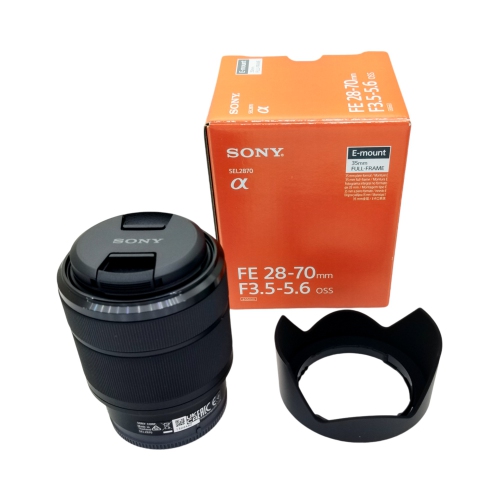
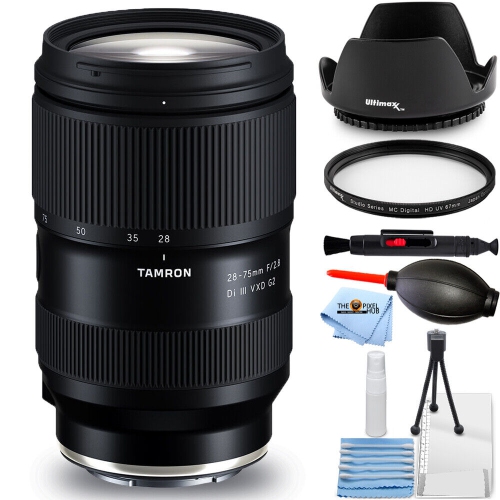
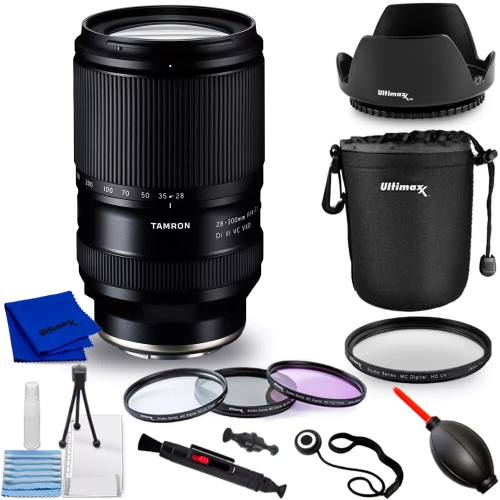
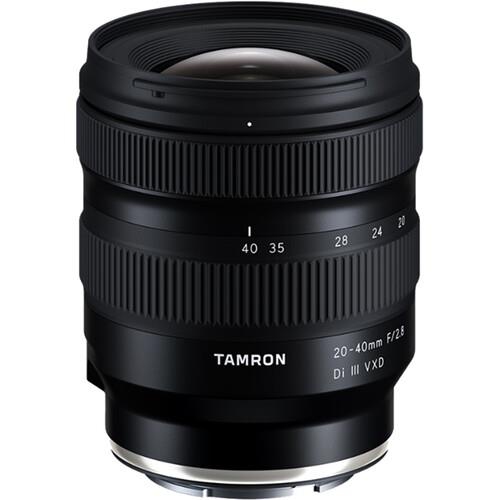
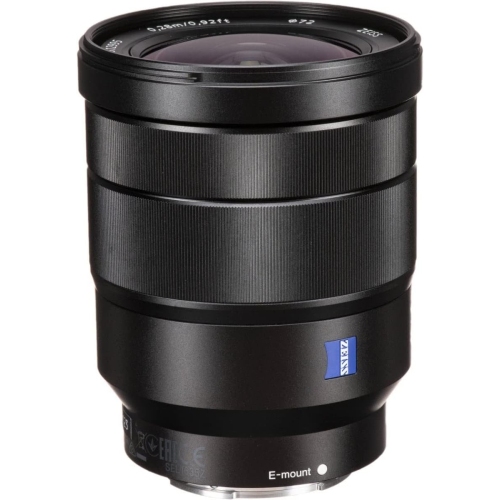
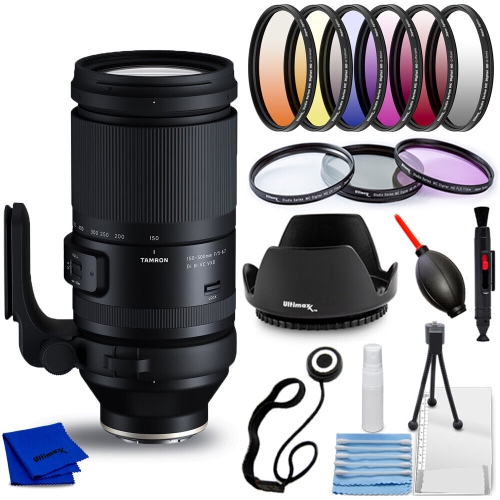

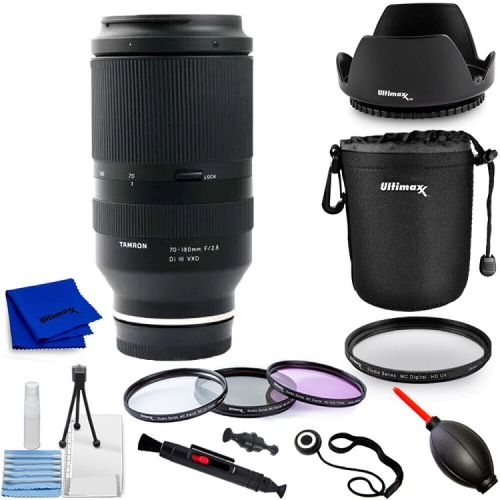
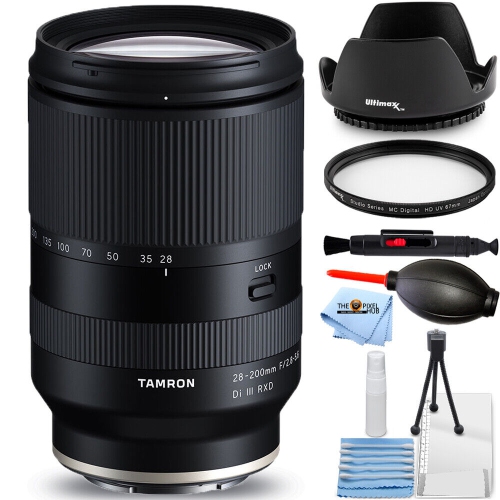
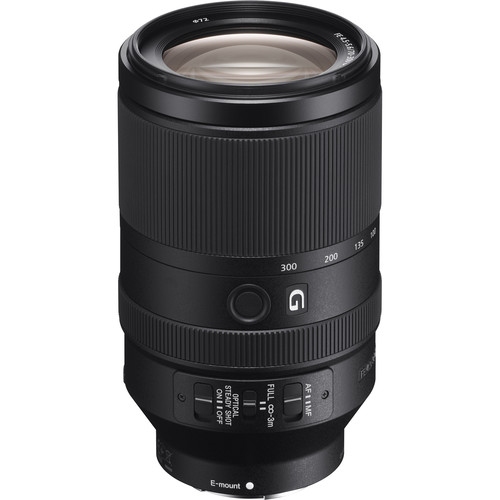
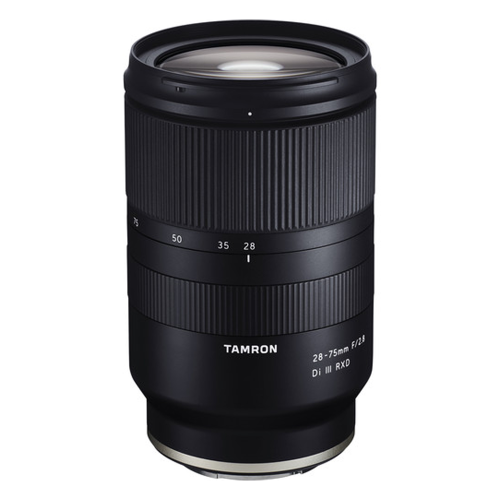
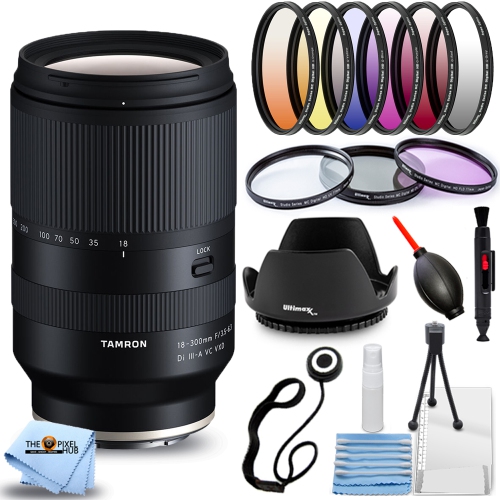
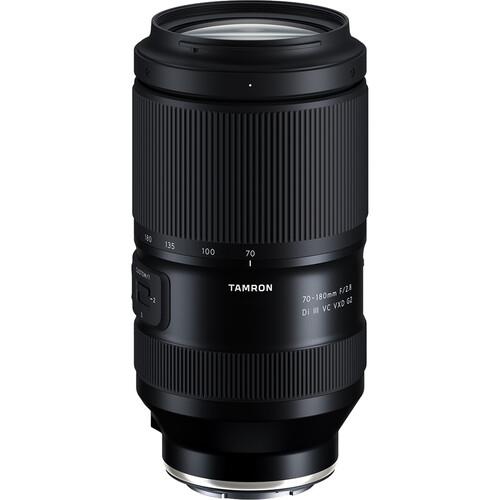
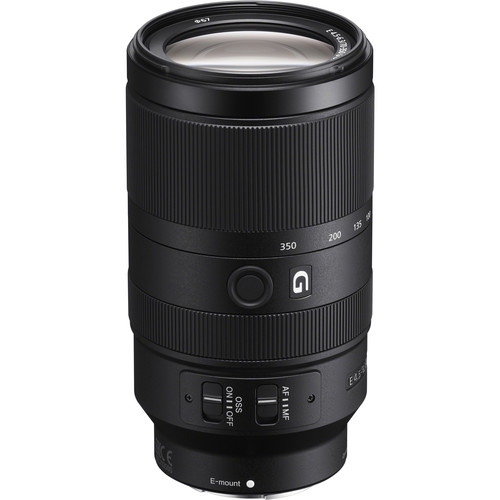
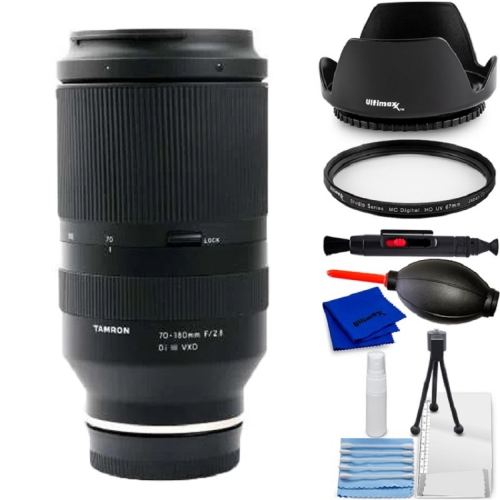
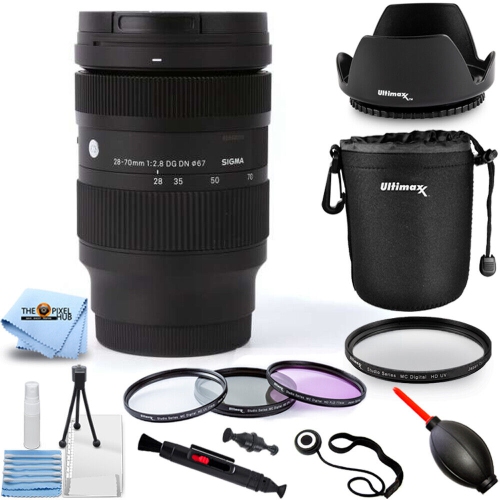
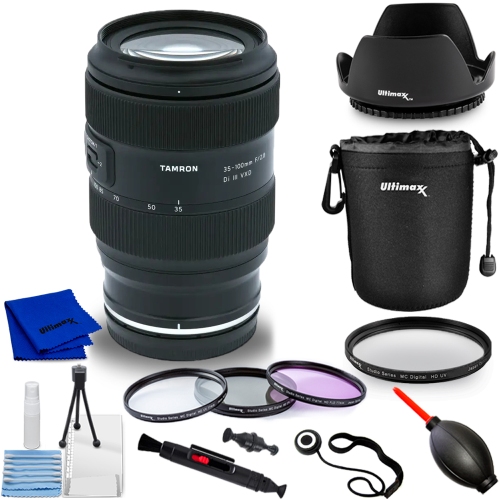
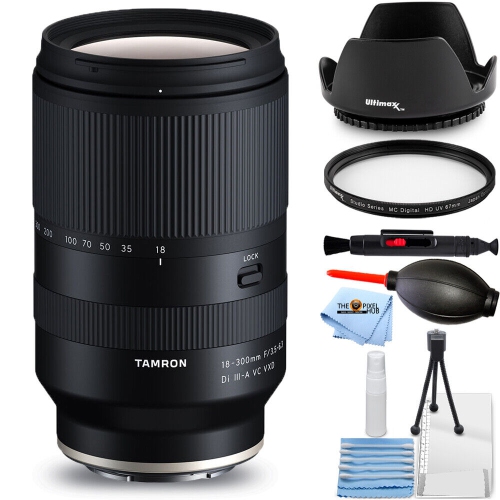
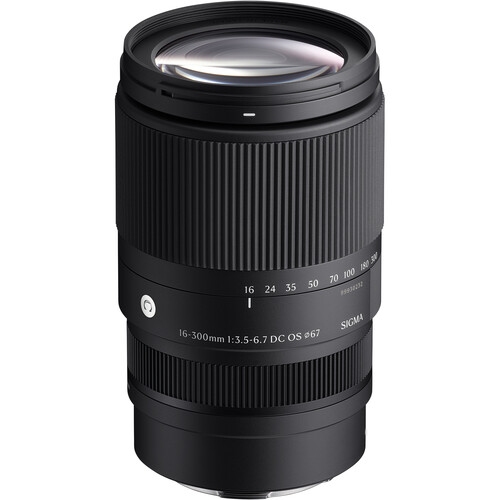
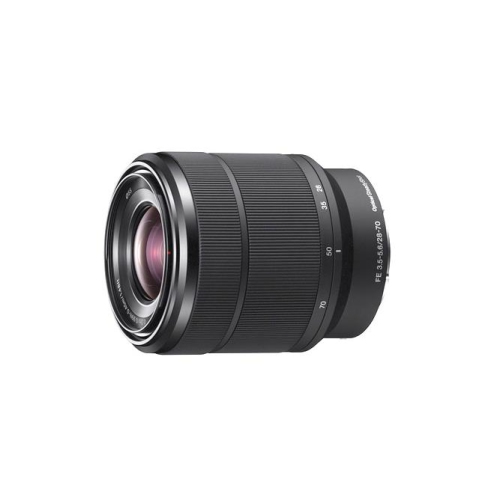
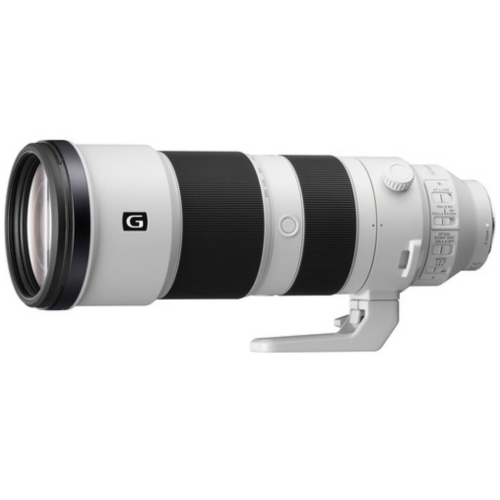
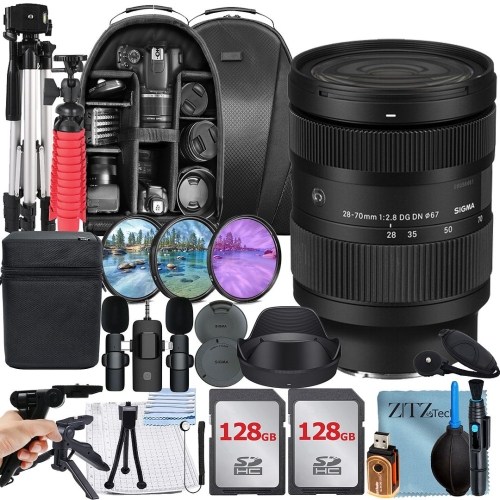
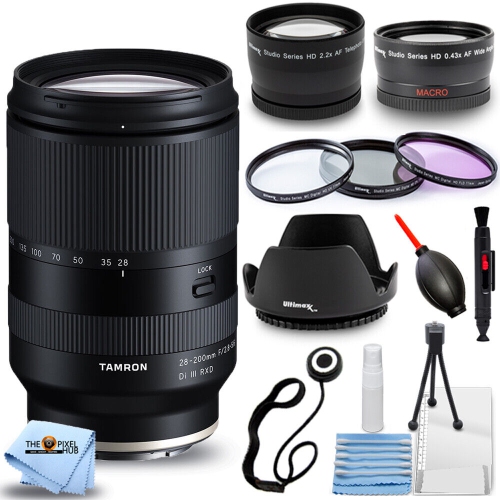
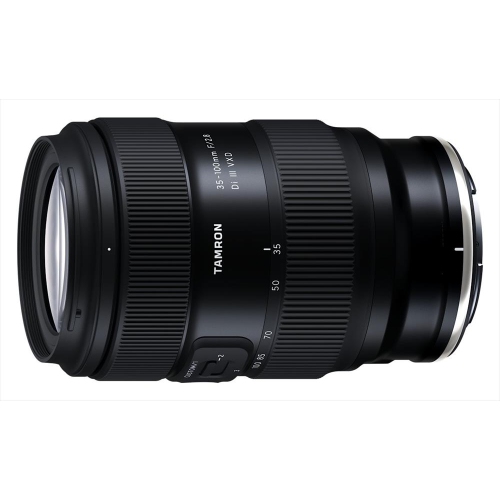
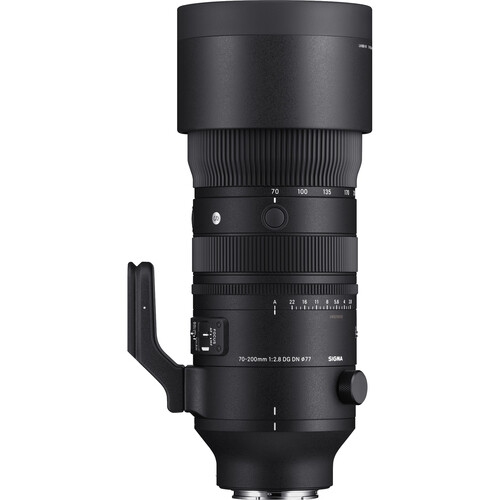
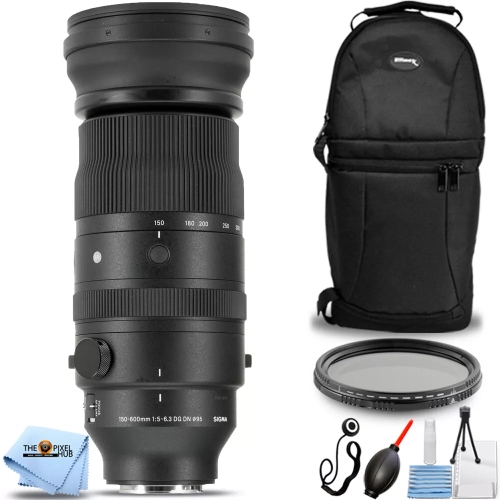
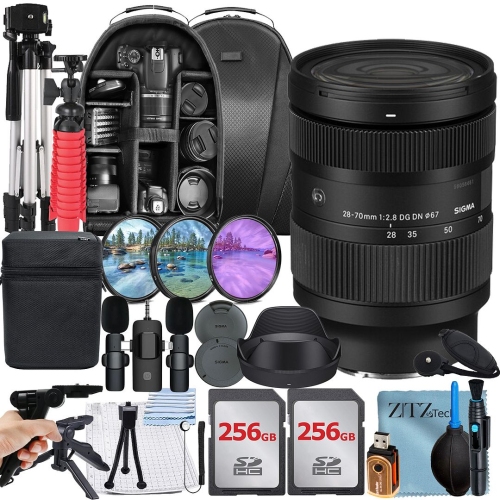
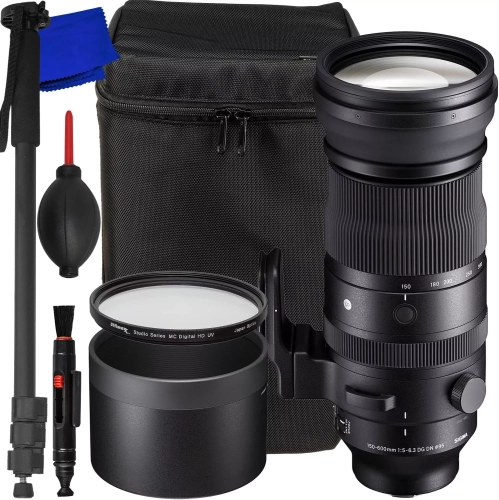
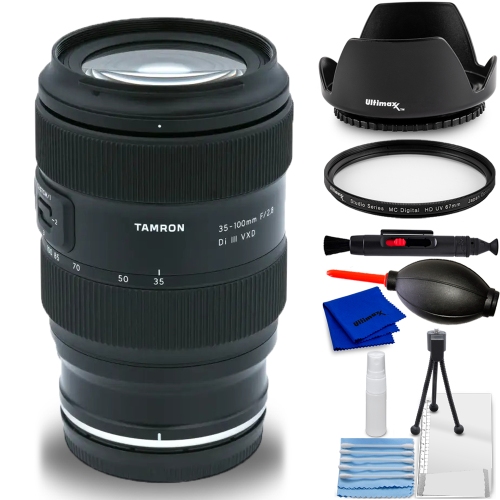
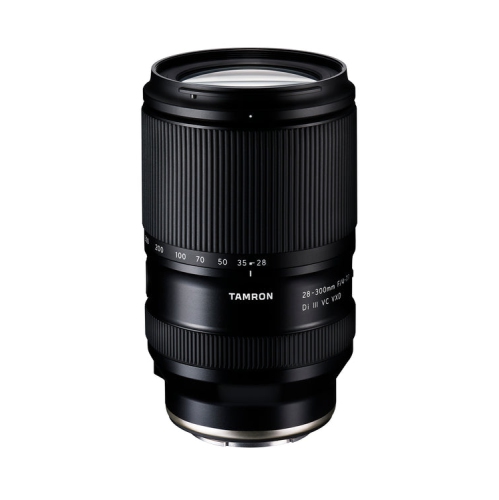
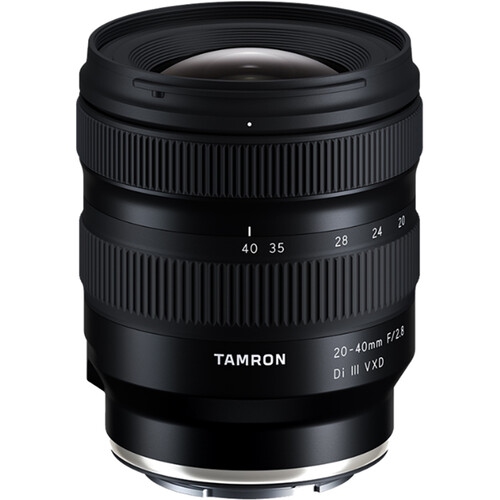
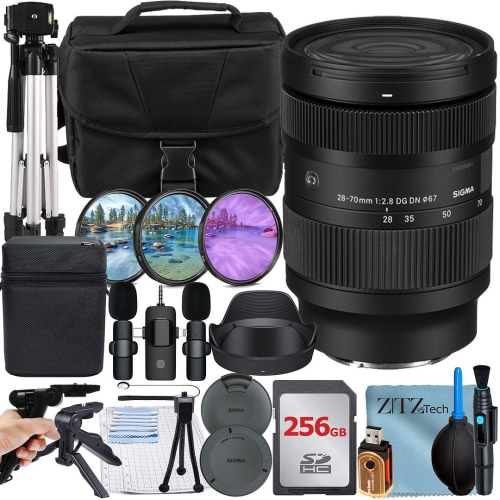
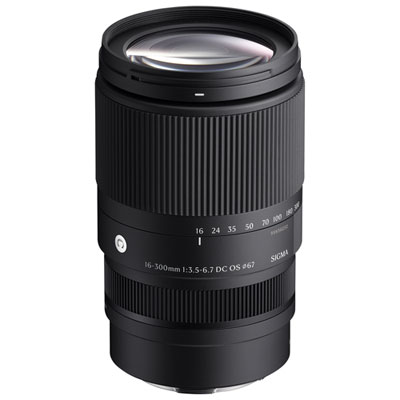
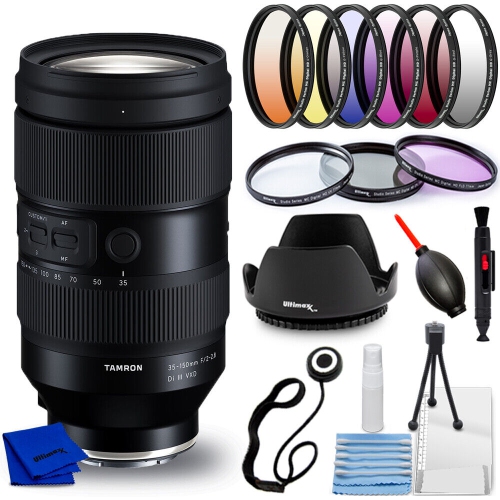
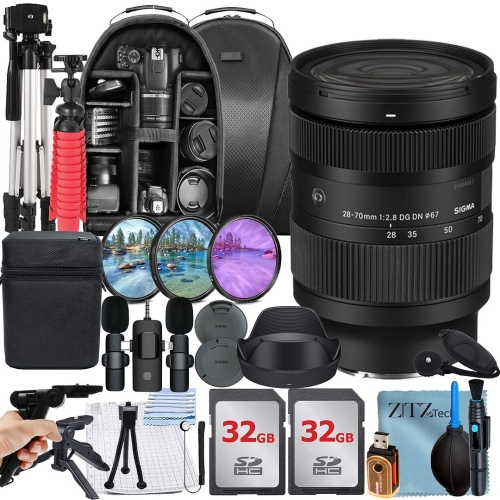
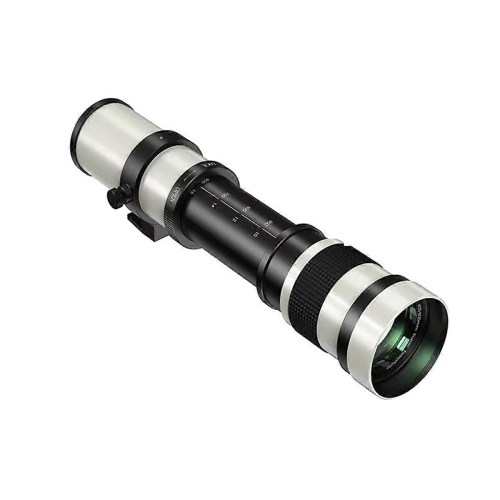
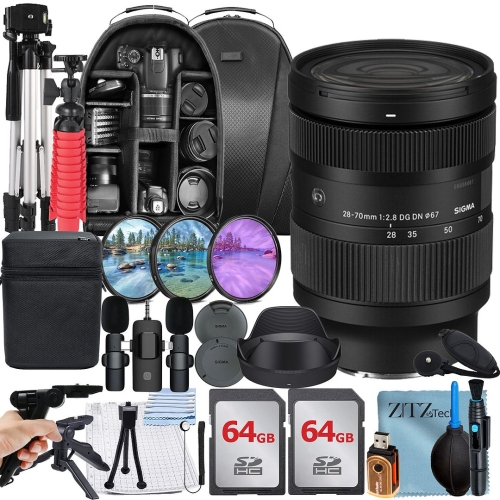
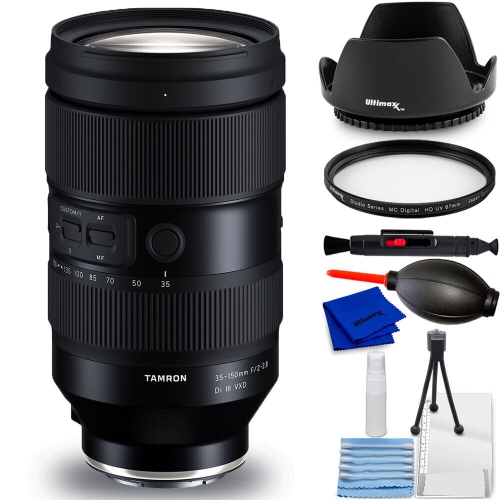
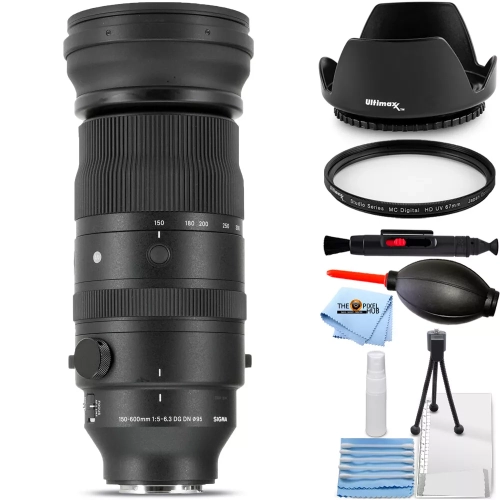
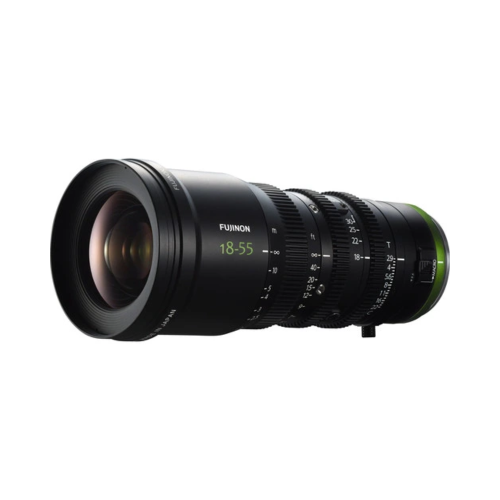
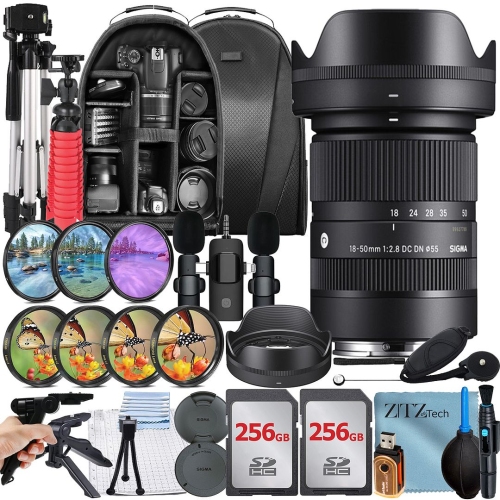
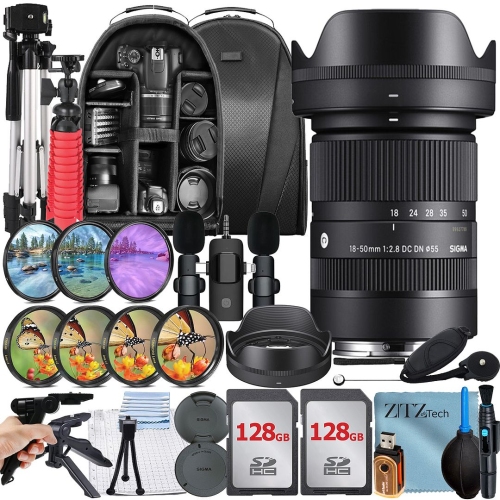
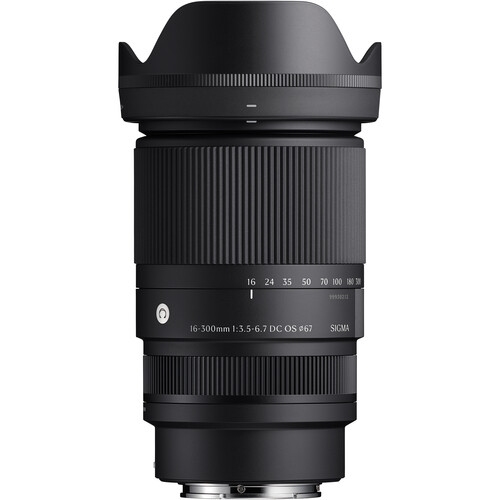
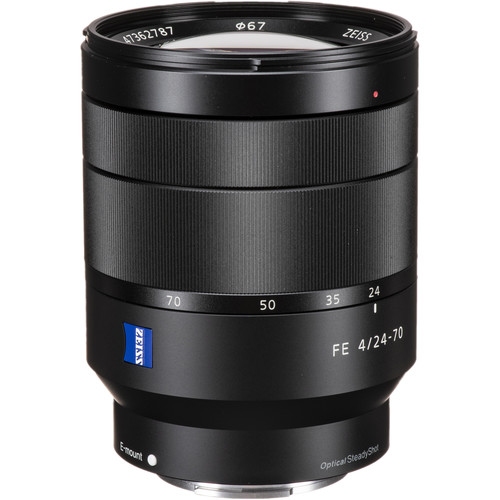
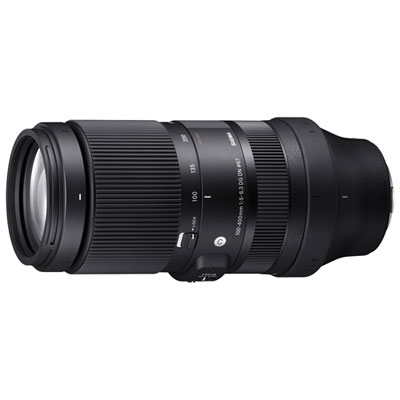
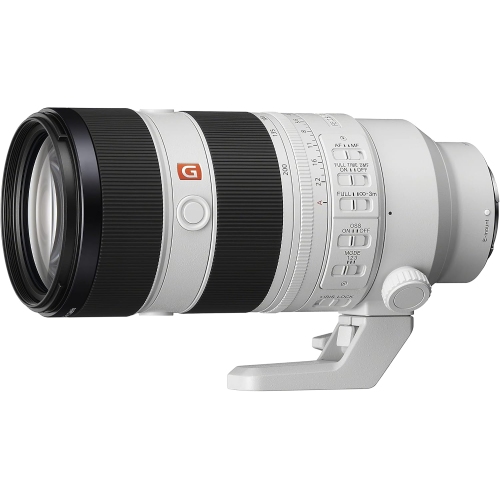
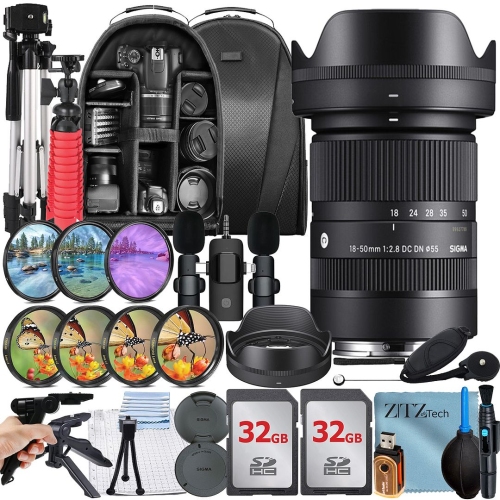
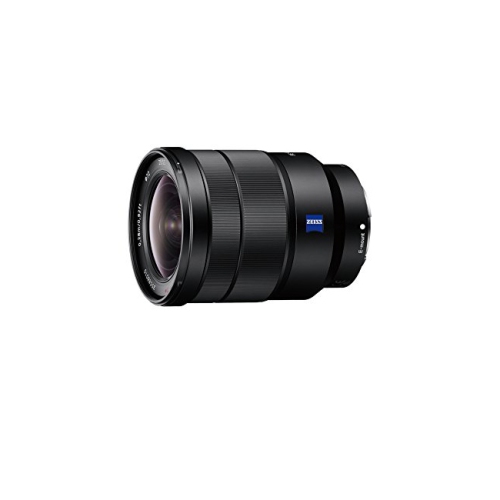
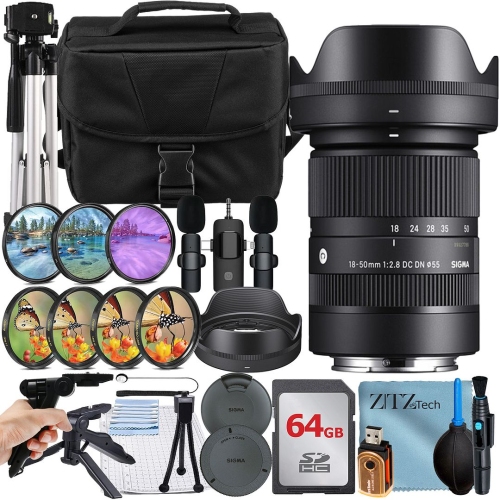
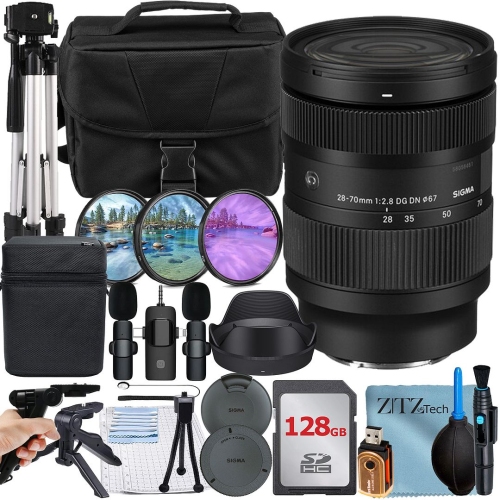
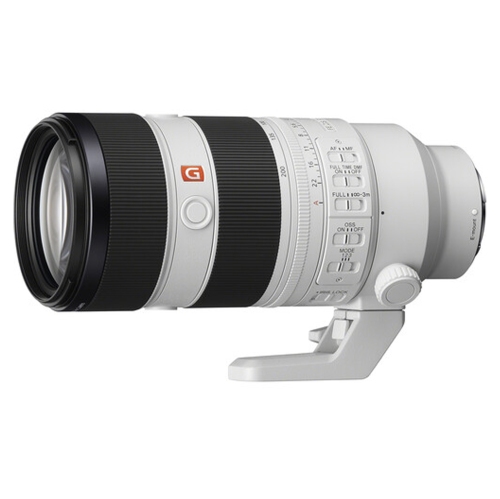
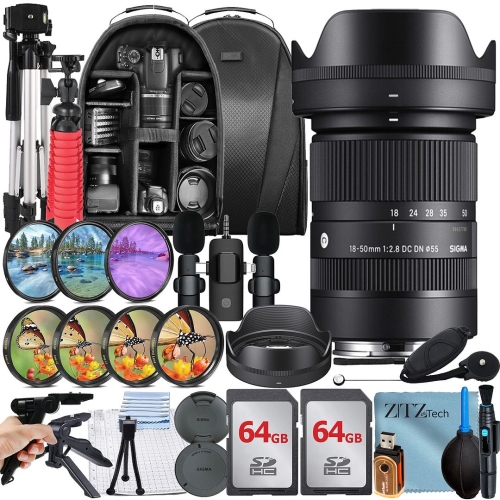
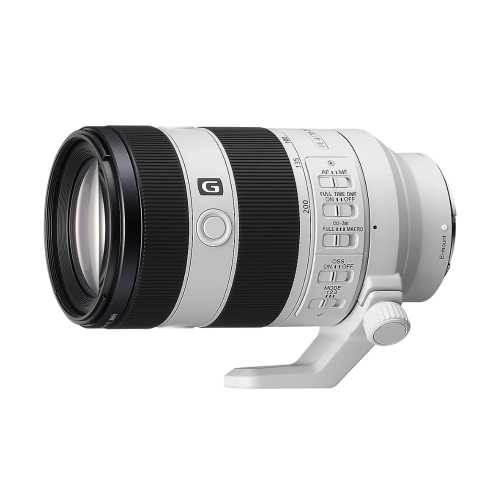
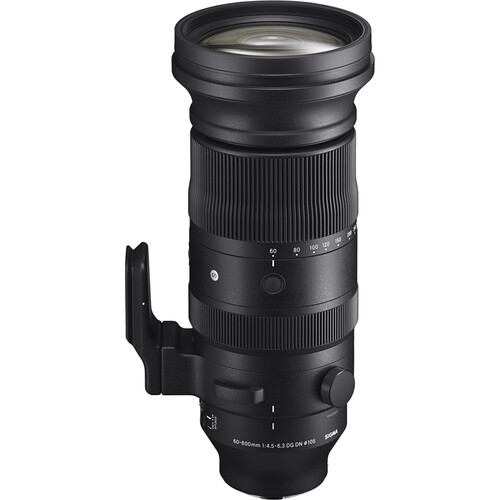
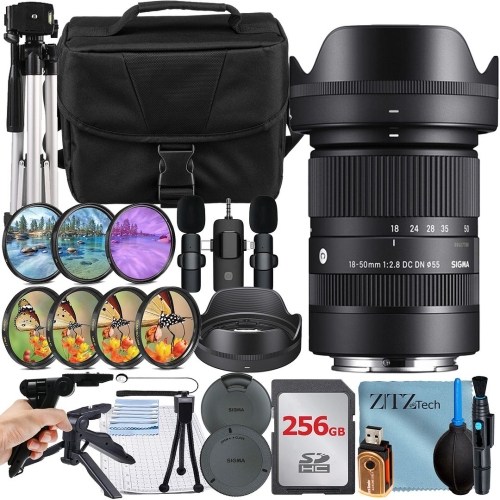
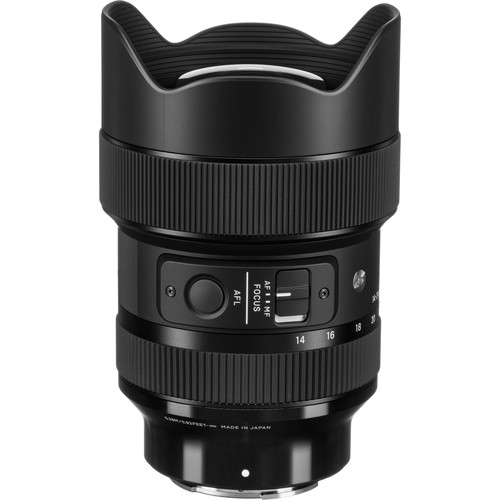
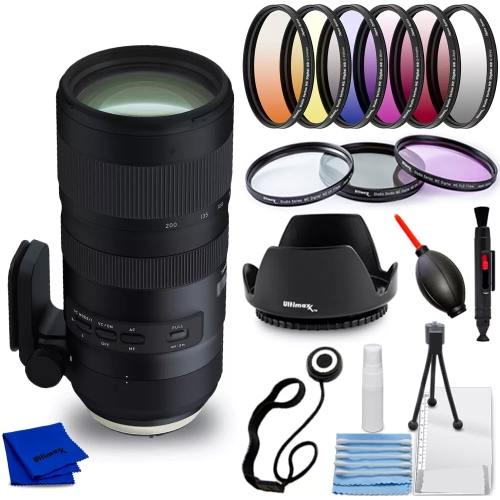
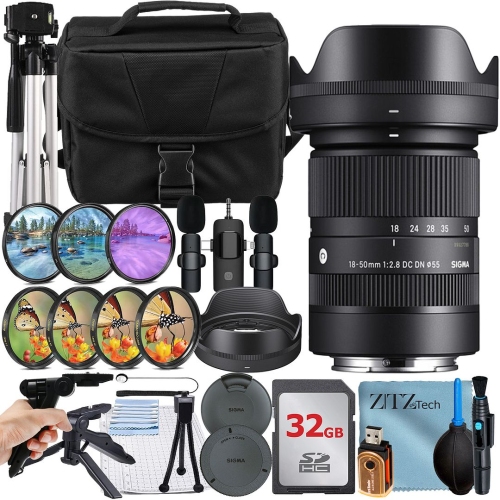
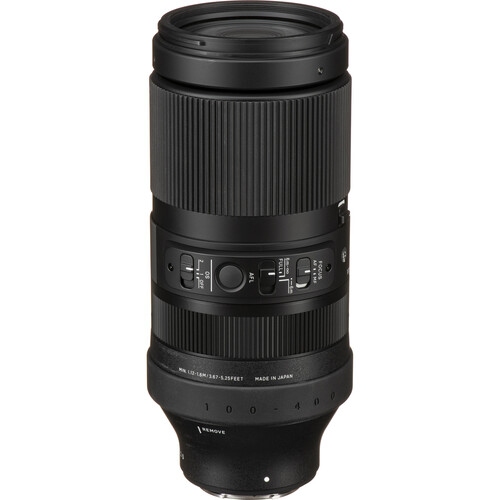
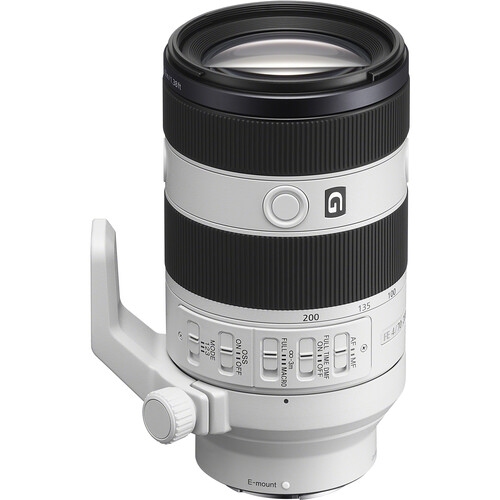
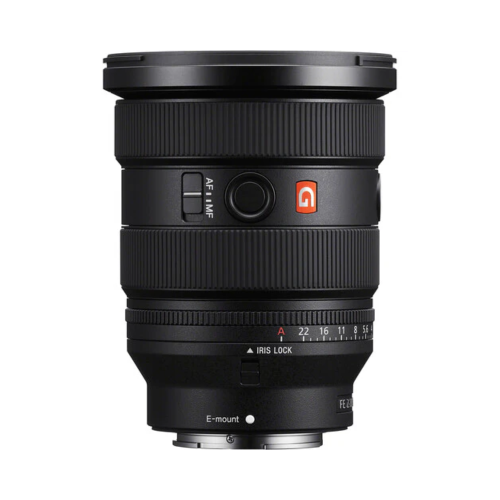
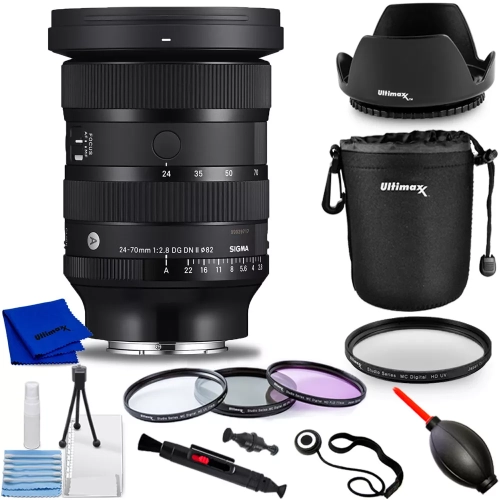
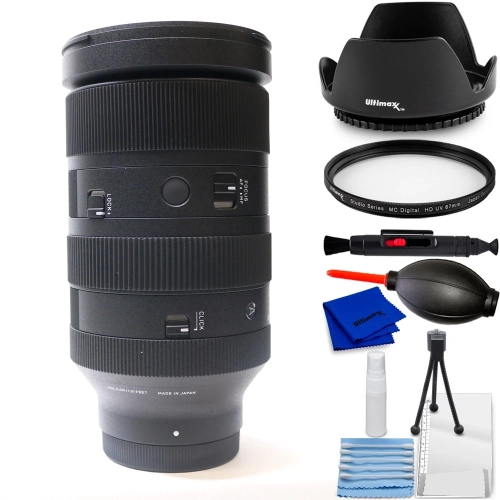
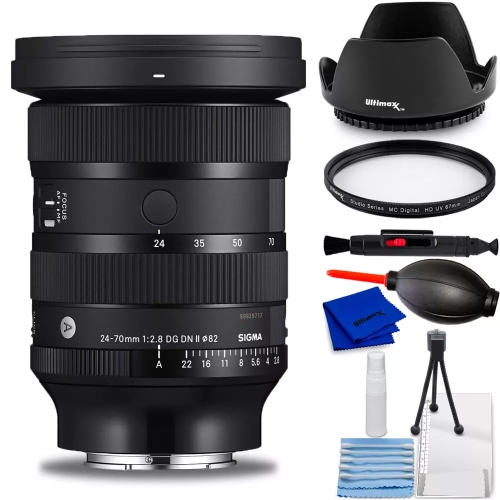
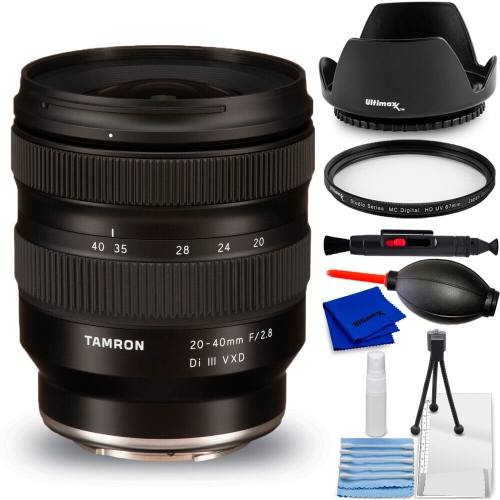
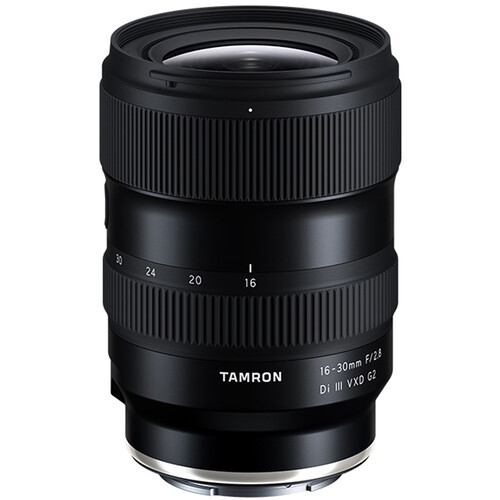
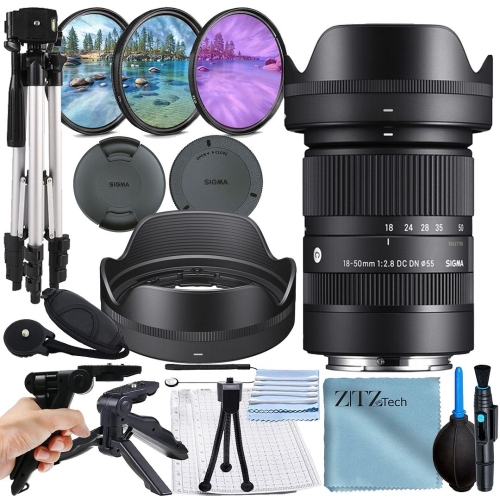
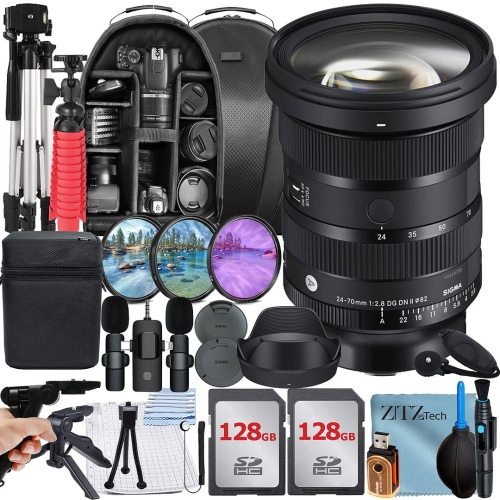
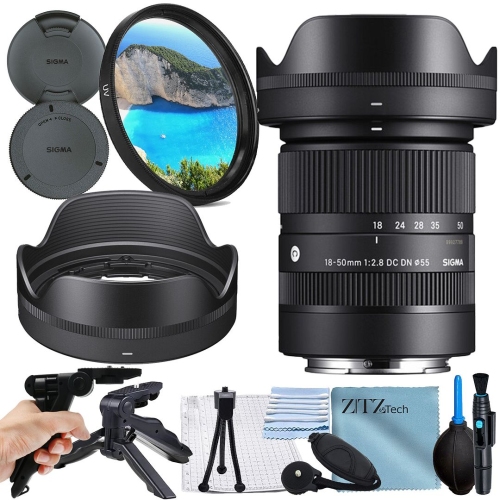
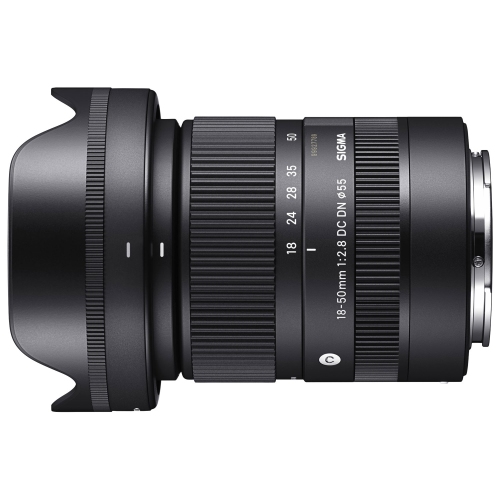
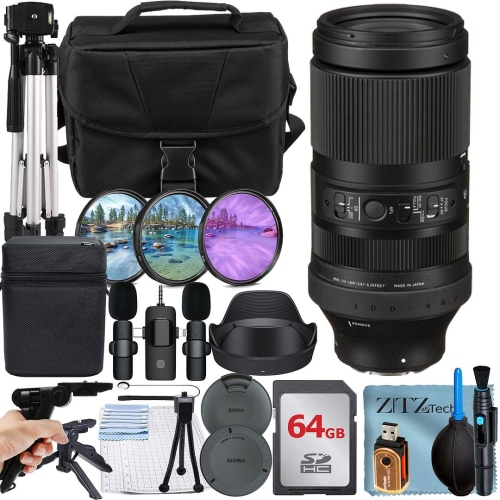
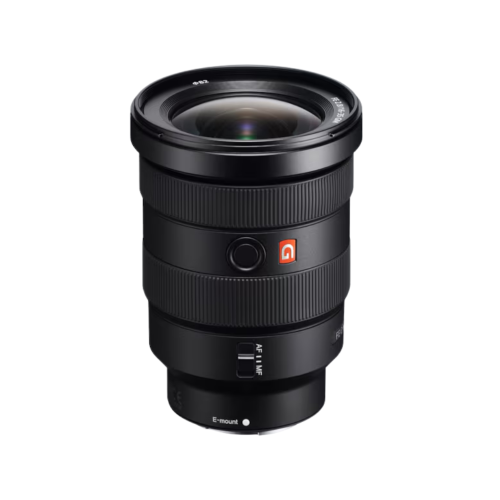
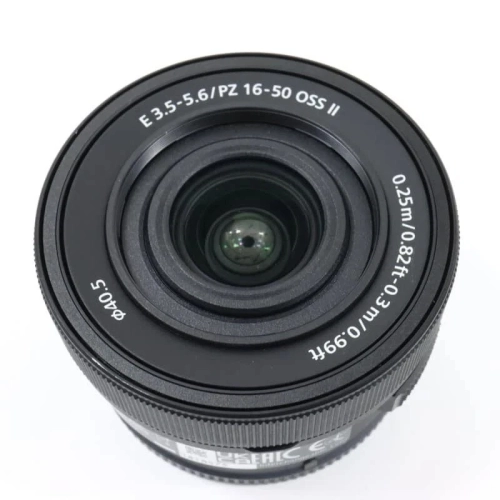
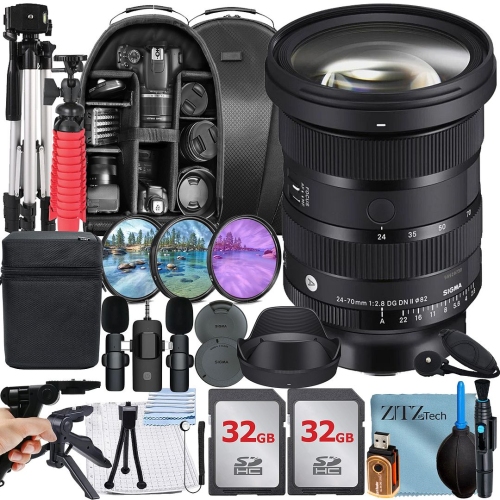
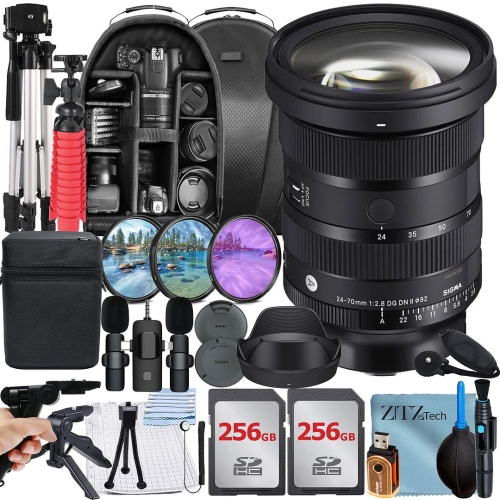
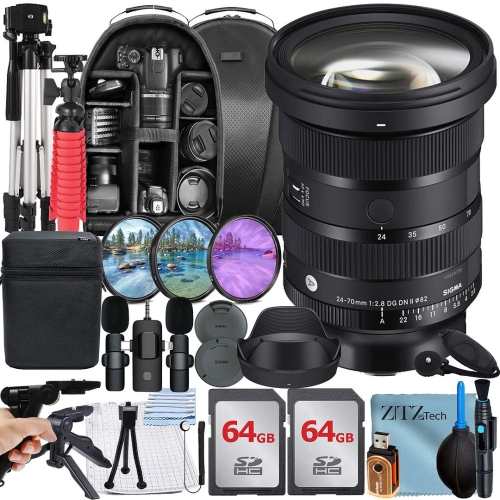
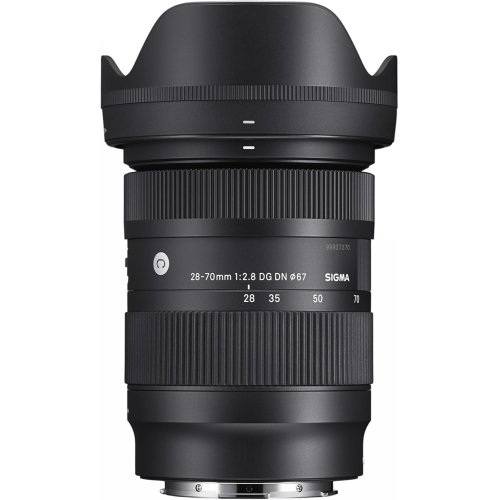
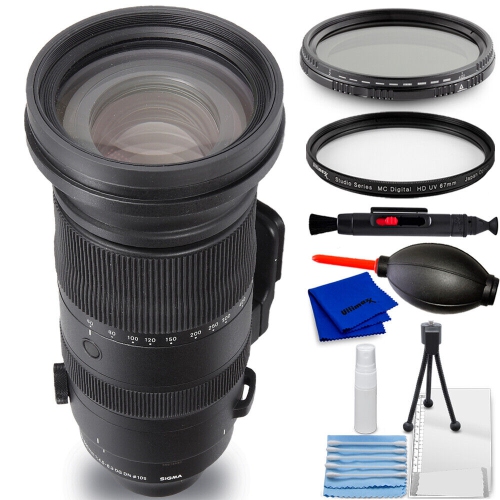
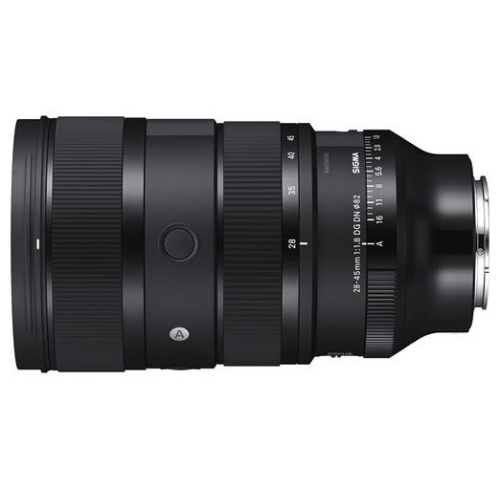
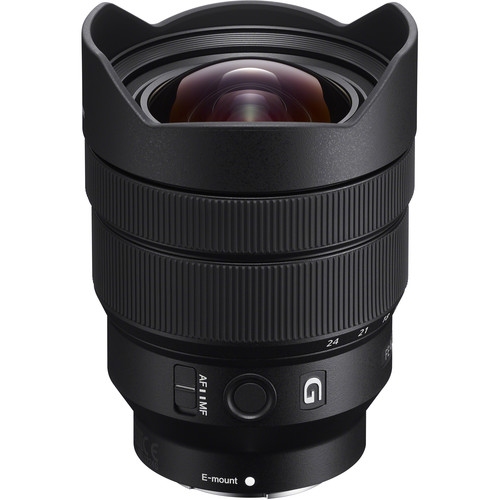
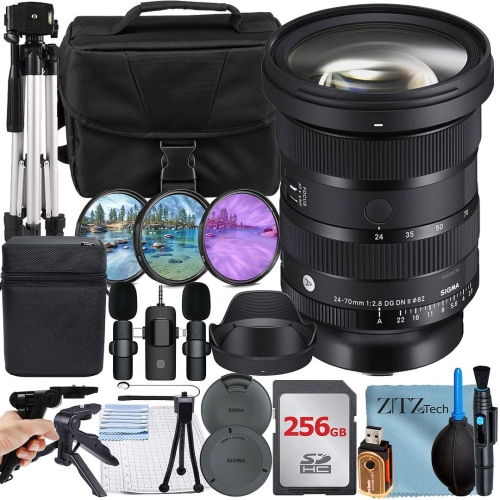
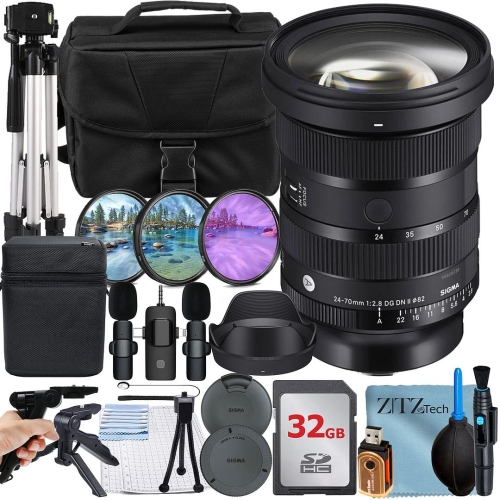
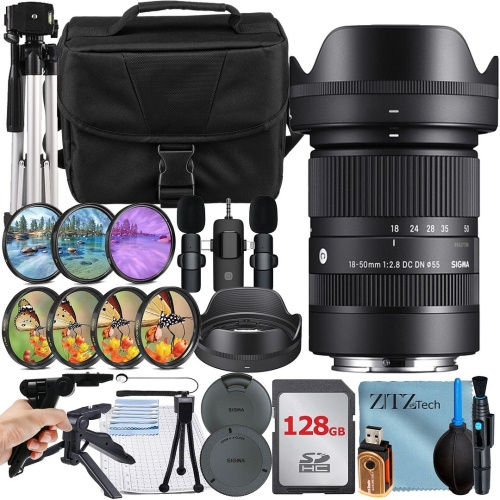
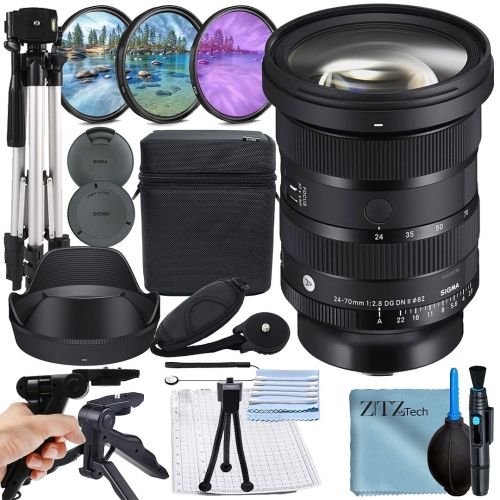

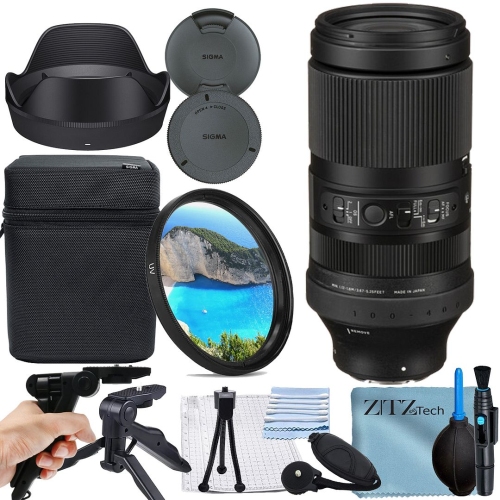
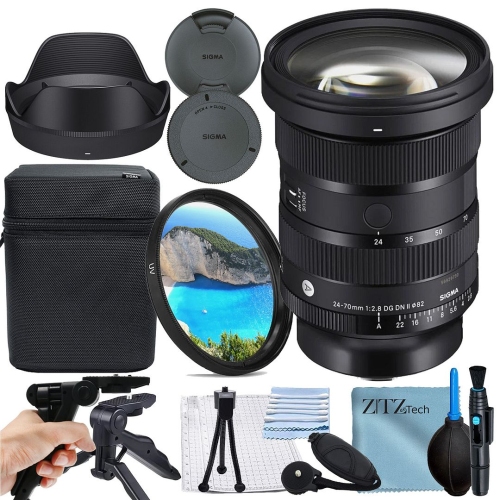
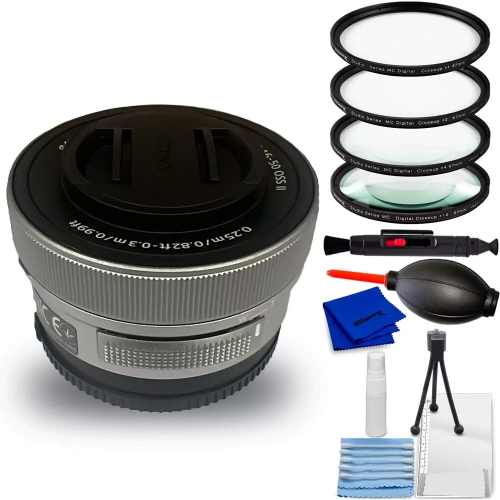
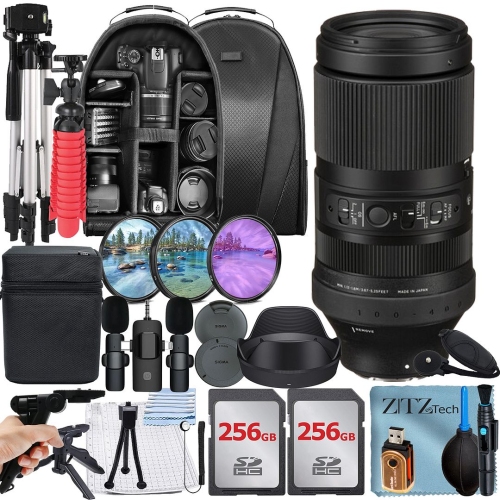
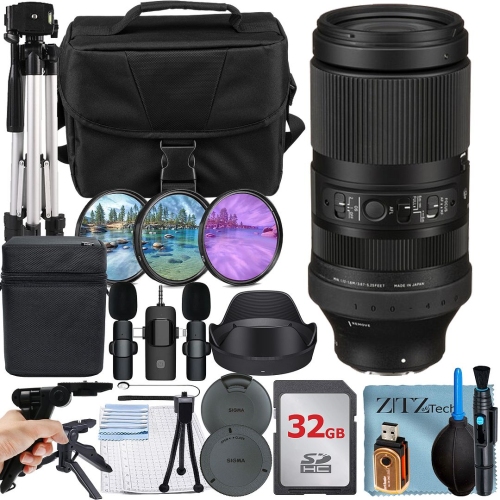
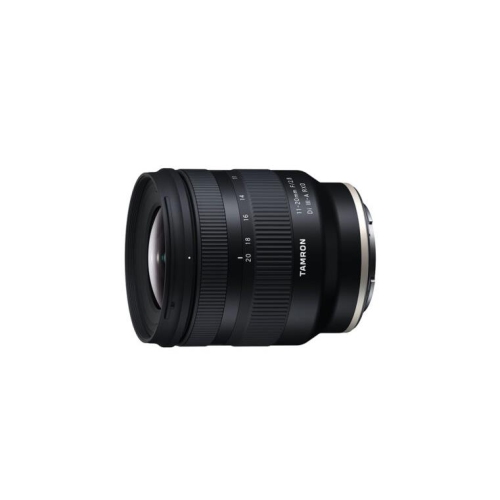
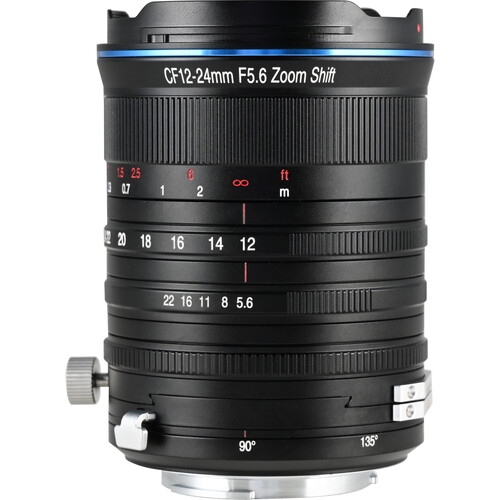
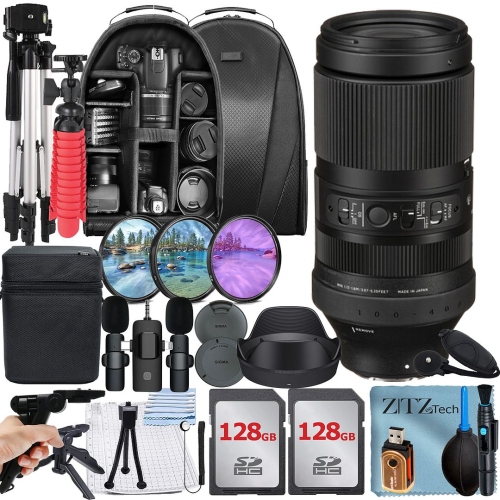
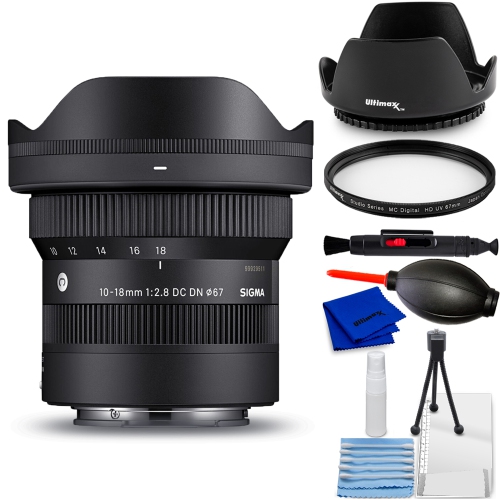
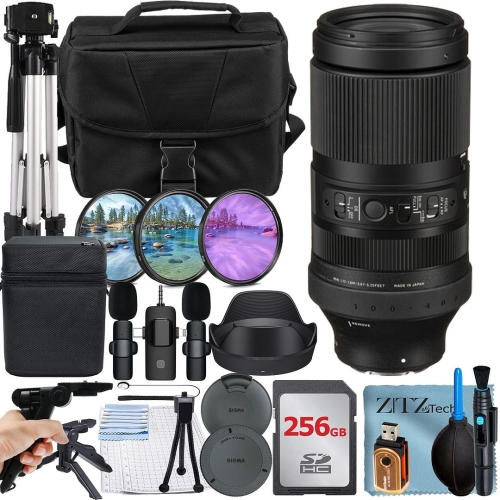
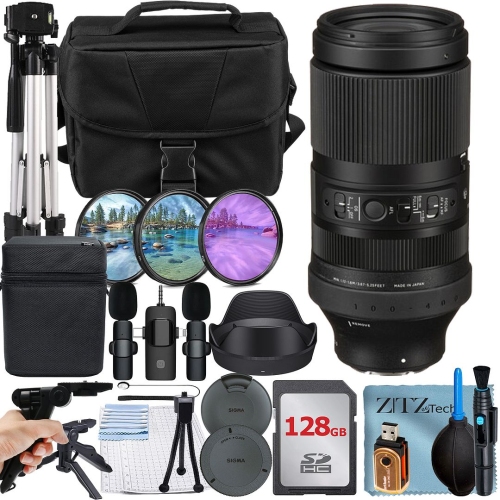
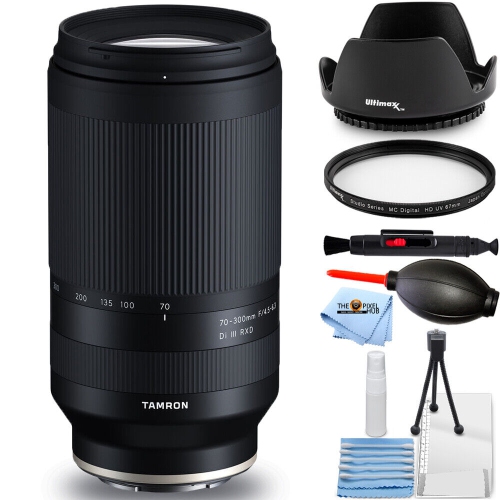
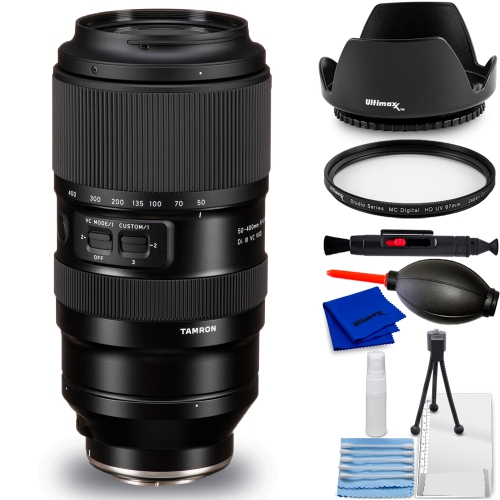
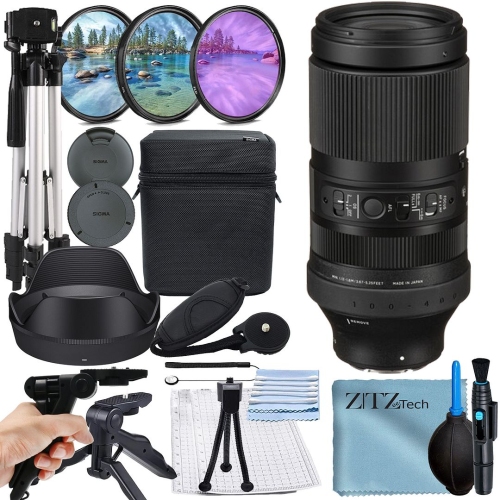
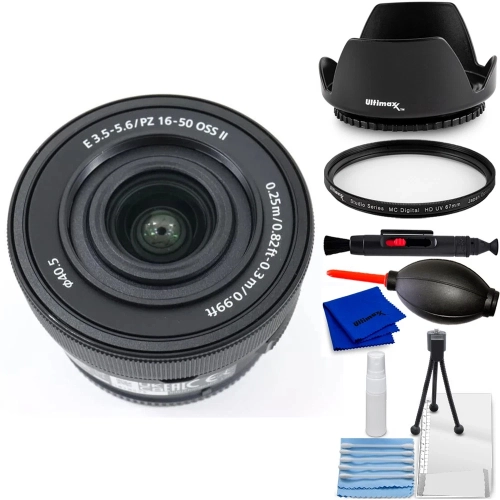
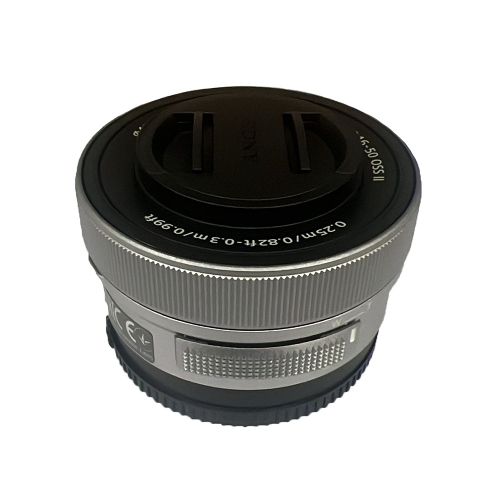
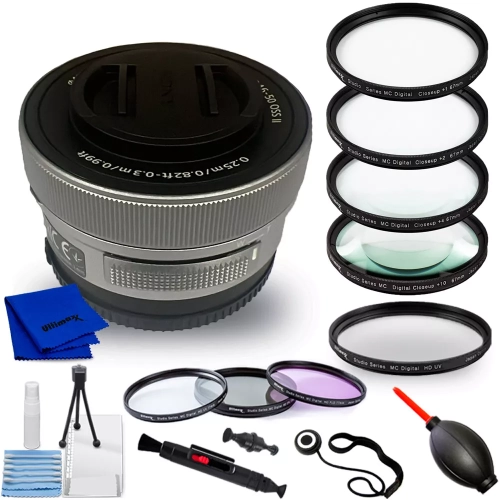
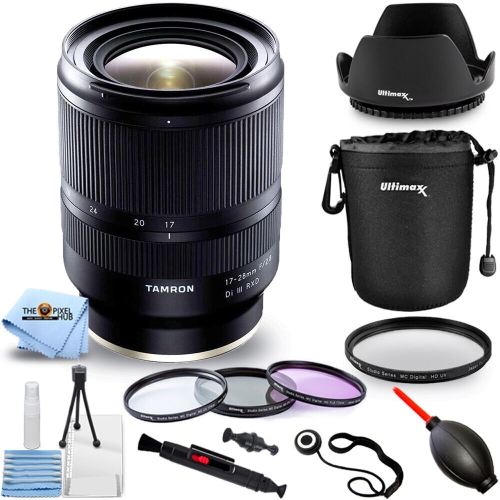
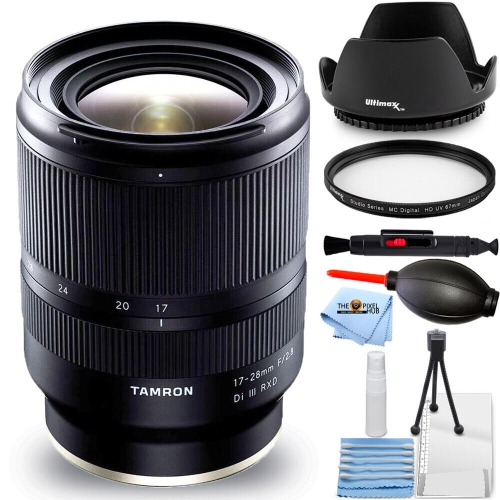
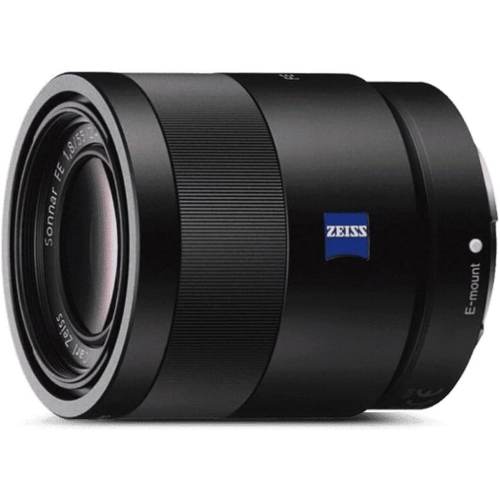
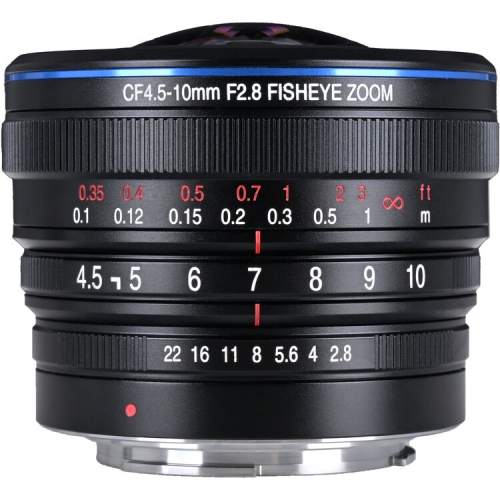

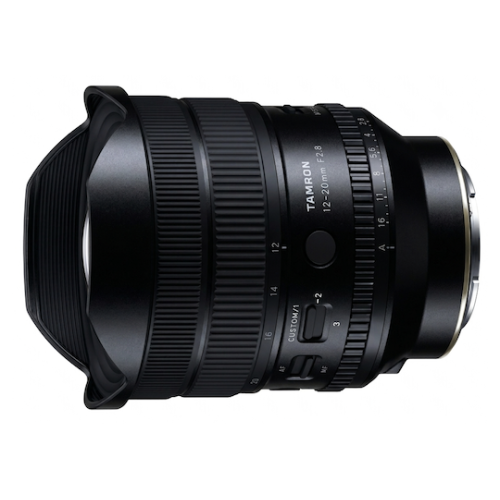
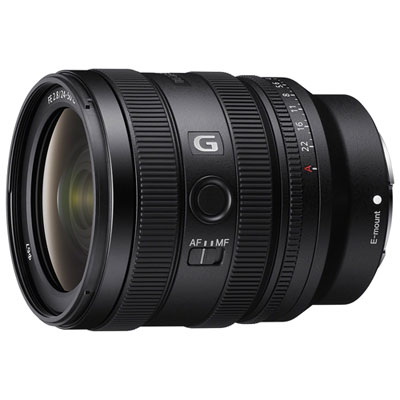
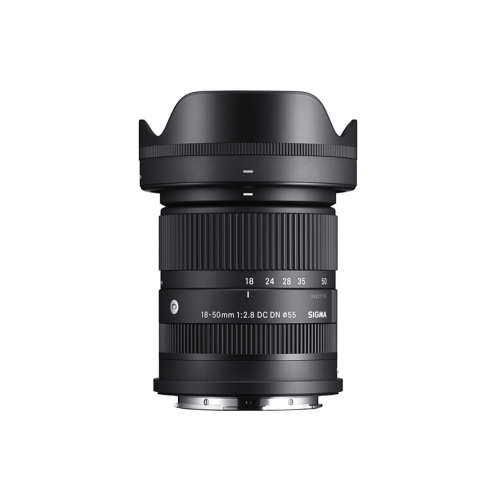
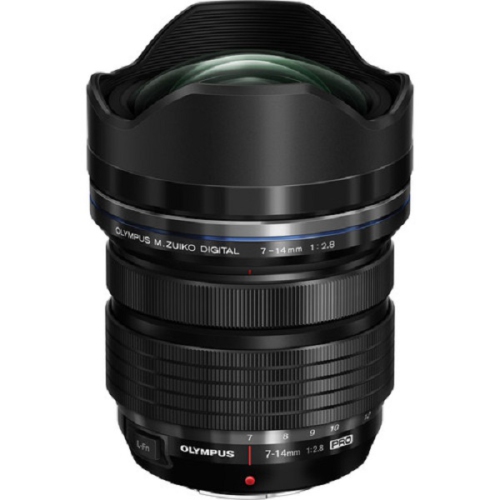
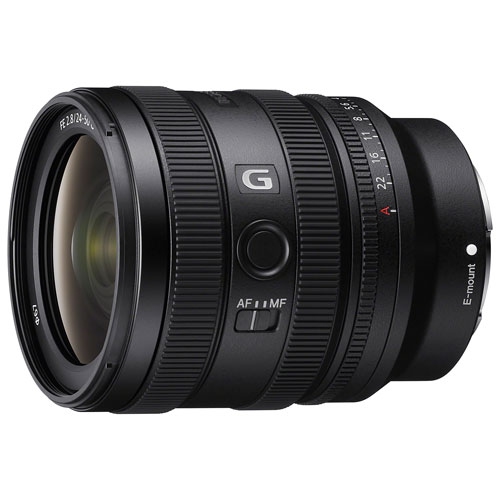
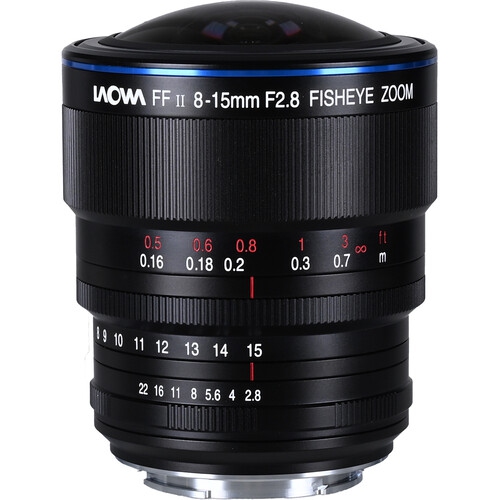
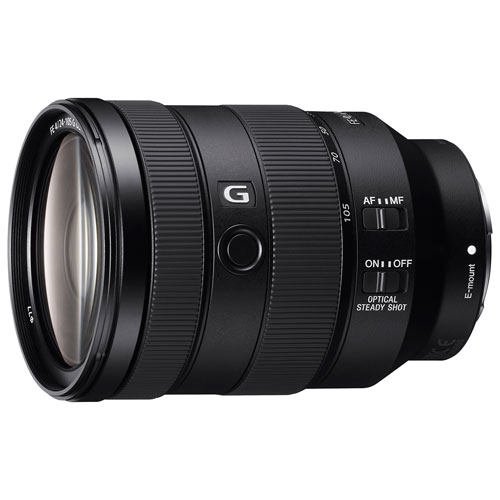
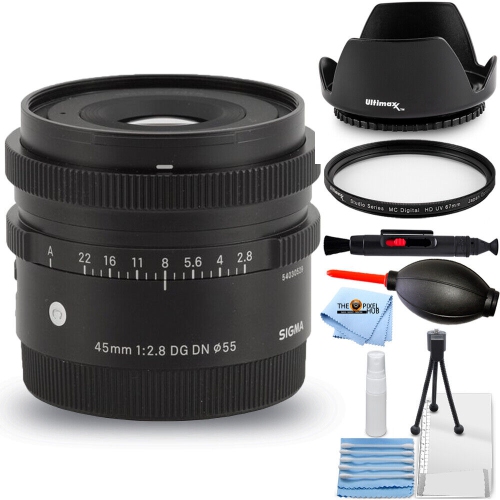
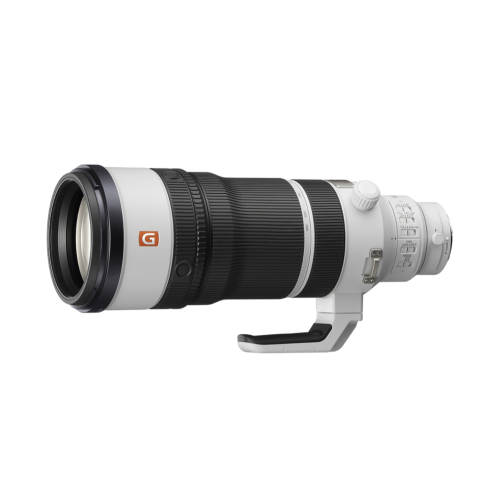
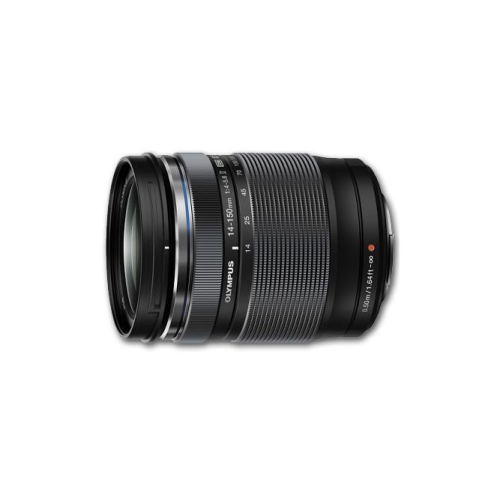

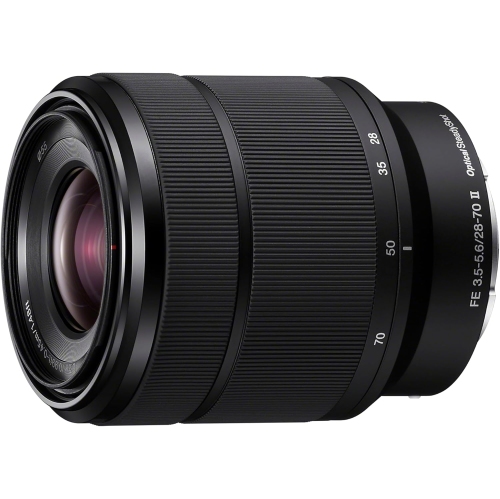
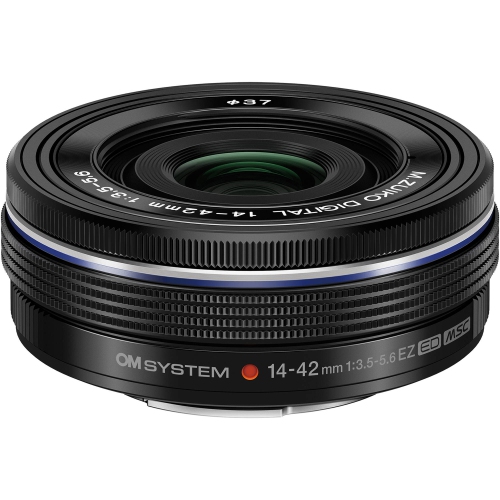
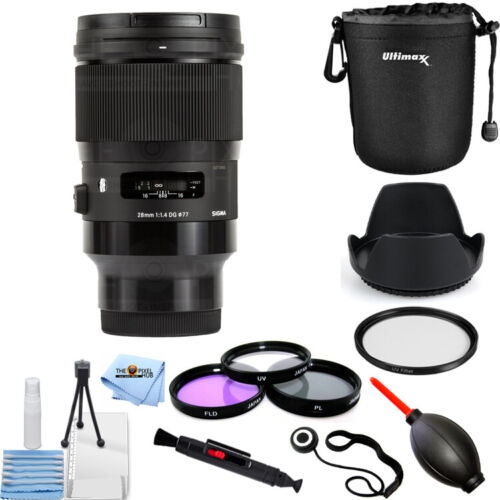
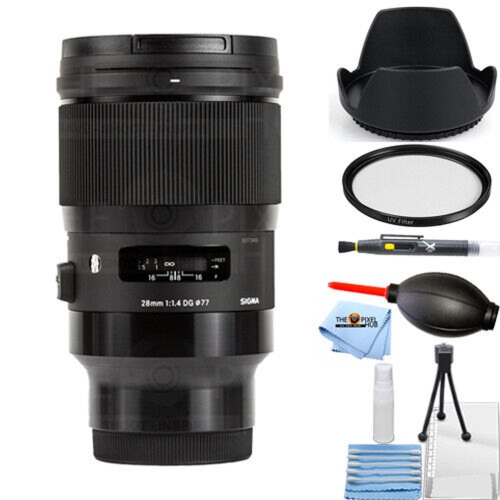
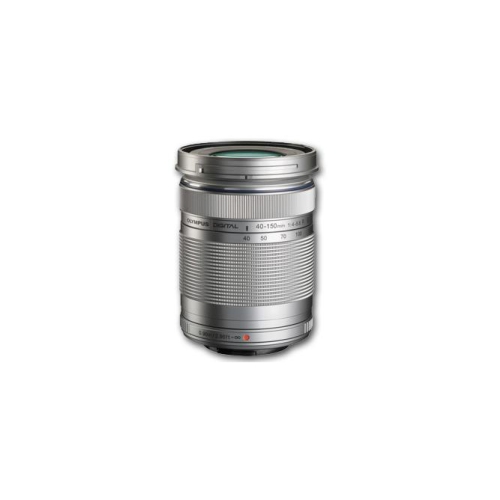
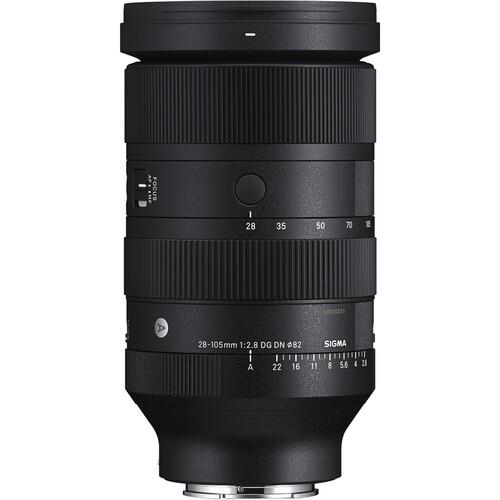
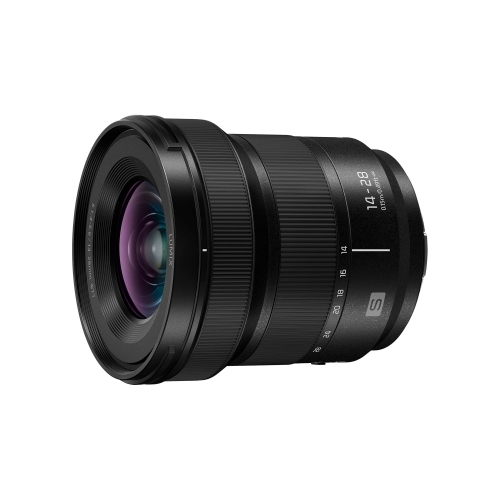
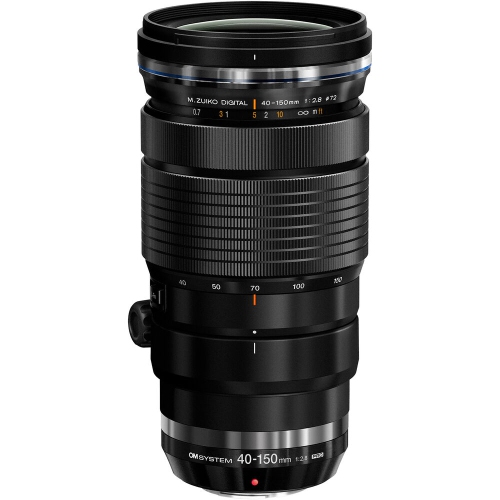
One lens for changing scenes, subjects, and perspectives
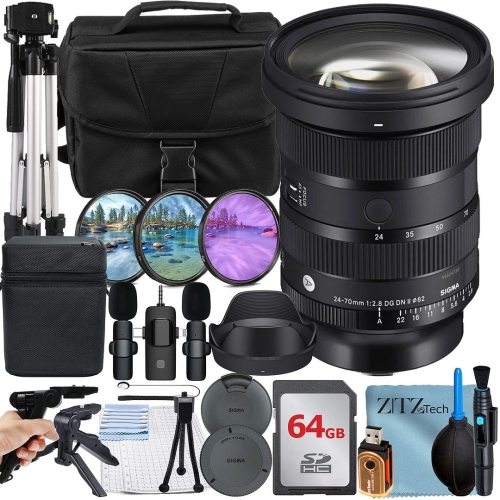
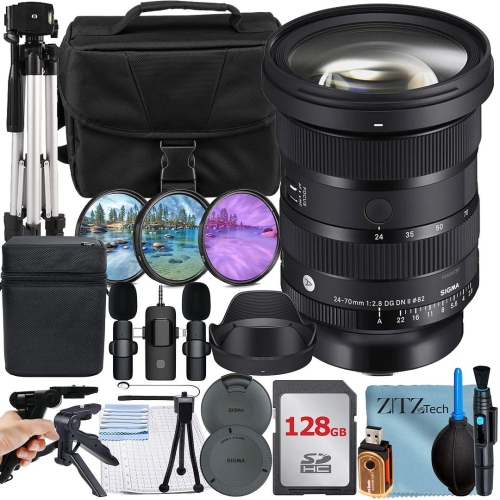
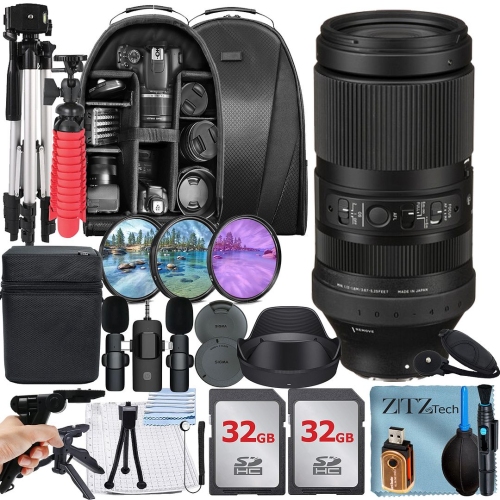
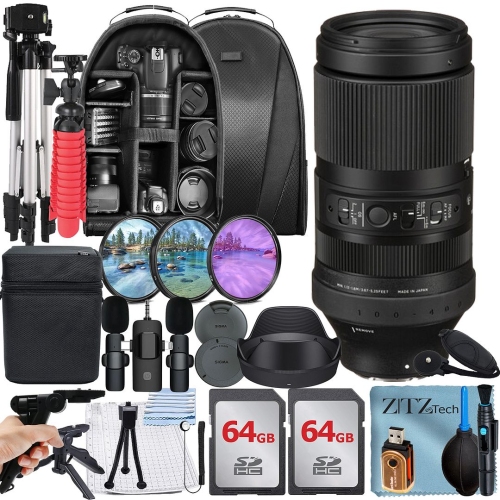
E-mount zoom lenses give photographers and videographers the flexibility to change perspectives without changing lenses, making them a practical choice for everyday photography, travel, family memories, events, and creative video. Instead of carrying several fixed focal length lenses, you can use one zoom to move from a broad scene to a tighter composition in moments. Wide-angle zooms are useful for architecture, interiors, landscapes, group photos, and handheld video where fitting more into the frame matters. Standard zooms cover the perspective people often use for street photography, portraits, food, gatherings, and casual snapshots, while telephoto zooms bring distant subjects closer for wildlife, sports, concerts, outdoor performances, and candid images. When browsing E-mount zoom lenses, start by confirming whether the lens is designed for a full-frame or APS-C camera. A full-frame lens can generally be used on either type of E-mount body, while an APS-C lens is intended for the smaller sensor format and may not cover a full-frame sensor. On an APS-C camera, the lens’s field of view appears narrower than its marked focal length, which can be helpful when extra reach is needed for birds, field sports, or distant details. A compact standard zoom can be an excellent all-purpose option for someone building a first interchangeable-lens camera kit, while a wide-to-telephoto travel zoom may appeal to a photographer who prefers to pack lightly and stay ready for changing scenes. For creators who spend time outdoors during warmer weather or explore cities during the cooler months, a versatile zoom can reduce the need to stop, unpack, and switch equipment whenever the subject changes.
Focal range is only one part of the decision. Maximum aperture affects how much light reaches the sensor, how easily the lens can be used indoors or at dusk, and how strongly the background can be softened behind a subject. A constant-aperture zoom keeps the same maximum aperture throughout its range, which can make exposure changes smoother during video and more predictable when moving from a wider view to a close-up. Lenses with wider apertures are often appealing for portraits, weddings, indoor gatherings, and low-light scenes, while lenses with smaller maximum apertures can offer a lighter design and useful reach for daytime activities. Optical image stabilization can help reduce the effect of camera shake when photographing still subjects at slower shutter speeds, and it may make handheld video look steadier, although it cannot freeze a moving person, animal, or athlete. Autofocus performance also deserves attention: quiet, responsive focusing is especially valuable for children, pets, wildlife, sports, and video recording, where a noisy or hesitant focus motor can interrupt the moment. For video, look for features such as smooth zoom control, reduced focus breathing, and a design that maintains a natural balance on the camera or a gimbal. A power zoom can be useful for controlled, gradual changes in framing, particularly for vlogging, interviews, presentations, and travel footage. Physical size and weight matter as well. A large telephoto zoom may deliver impressive reach but can feel tiring during a full day at a sporting field or nature reserve, whereas a smaller lens may be easier to carry and more likely to be ready when an unexpected scene appears. Filter size, minimum focusing distance, weather-resistant construction, included hood, and compatibility with the camera’s autofocus and stabilization systems are additional details worth checking before purchase. Photographers who already own a favourite lens should consider how the new zoom fills a gap rather than duplicating the same focal range.
E-mount zoom lenses can also make thoughtful gifts for a new camera owner, a student learning photography, a traveller documenting local streets and distant landscapes, or a family member who wants more flexibility for weekend activities. A standard zoom is often a sensible starting point because it handles a broad mix of subjects without making the kit feel complicated. Someone interested in portraits and indoor events may appreciate a brighter standard zoom, while an outdoor enthusiast may get more use from a telephoto range that reaches across a lake, field, trail, or grandstand. A wide-angle zoom can suit an architecture enthusiast, real-estate photographer, landscape creator, or vlogger working in a compact room. Before choosing a gift, check the camera model, sensor format, and existing lenses so the new addition fits both physically and practically. It is also helpful to think about how the recipient actually photographs: a person who hikes and travels by train may value a lightweight lens that slips into a small bag, while a dedicated sports or wildlife photographer may prioritize reach, autofocus tracking, stabilization, and robust handling over portability. Those comparing full-frame options can explore E Mount Full Frame Lenses for lenses designed around the larger sensor format. Whether used to frame a sweeping shoreline, isolate a player across a field, capture a child’s expression from a comfortable distance, or record a smooth walk-and-talk video, the right zoom lens can help a camera feel more adaptable and encourage more time spent creating.
Focal range is only one part of the decision. Maximum aperture affects how much light reaches the sensor, how easily the lens can be used indoors or at dusk, and how strongly the background can be softened behind a subject. A constant-aperture zoom keeps the same maximum aperture throughout its range, which can make exposure changes smoother during video and more predictable when moving from a wider view to a close-up. Lenses with wider apertures are often appealing for portraits, weddings, indoor gatherings, and low-light scenes, while lenses with smaller maximum apertures can offer a lighter design and useful reach for daytime activities. Optical image stabilization can help reduce the effect of camera shake when photographing still subjects at slower shutter speeds, and it may make handheld video look steadier, although it cannot freeze a moving person, animal, or athlete. Autofocus performance also deserves attention: quiet, responsive focusing is especially valuable for children, pets, wildlife, sports, and video recording, where a noisy or hesitant focus motor can interrupt the moment. For video, look for features such as smooth zoom control, reduced focus breathing, and a design that maintains a natural balance on the camera or a gimbal. A power zoom can be useful for controlled, gradual changes in framing, particularly for vlogging, interviews, presentations, and travel footage. Physical size and weight matter as well. A large telephoto zoom may deliver impressive reach but can feel tiring during a full day at a sporting field or nature reserve, whereas a smaller lens may be easier to carry and more likely to be ready when an unexpected scene appears. Filter size, minimum focusing distance, weather-resistant construction, included hood, and compatibility with the camera’s autofocus and stabilization systems are additional details worth checking before purchase. Photographers who already own a favourite lens should consider how the new zoom fills a gap rather than duplicating the same focal range.
E-mount zoom lenses can also make thoughtful gifts for a new camera owner, a student learning photography, a traveller documenting local streets and distant landscapes, or a family member who wants more flexibility for weekend activities. A standard zoom is often a sensible starting point because it handles a broad mix of subjects without making the kit feel complicated. Someone interested in portraits and indoor events may appreciate a brighter standard zoom, while an outdoor enthusiast may get more use from a telephoto range that reaches across a lake, field, trail, or grandstand. A wide-angle zoom can suit an architecture enthusiast, real-estate photographer, landscape creator, or vlogger working in a compact room. Before choosing a gift, check the camera model, sensor format, and existing lenses so the new addition fits both physically and practically. It is also helpful to think about how the recipient actually photographs: a person who hikes and travels by train may value a lightweight lens that slips into a small bag, while a dedicated sports or wildlife photographer may prioritize reach, autofocus tracking, stabilization, and robust handling over portability. Those comparing full-frame options can explore E Mount Full Frame Lenses for lenses designed around the larger sensor format. Whether used to frame a sweeping shoreline, isolate a player across a field, capture a child’s expression from a comfortable distance, or record a smooth walk-and-talk video, the right zoom lens can help a camera feel more adaptable and encourage more time spent creating.
Top selling and popular products
-
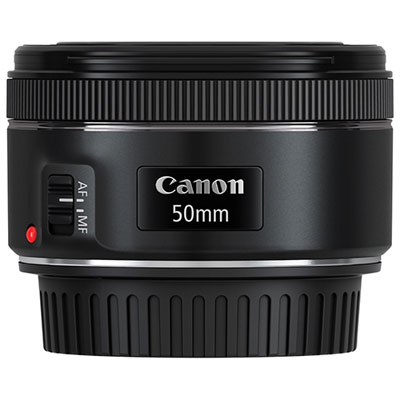 Your price for this item is $169.99
 -
 Your price for this item is $329.99
 -
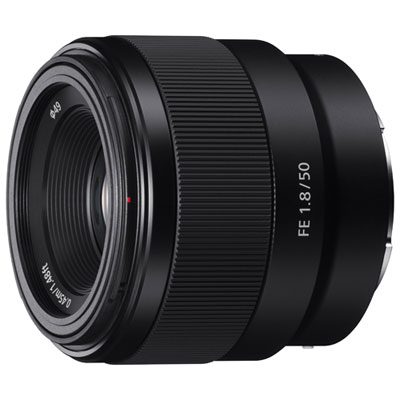 Your price for this item is $349.99
 -
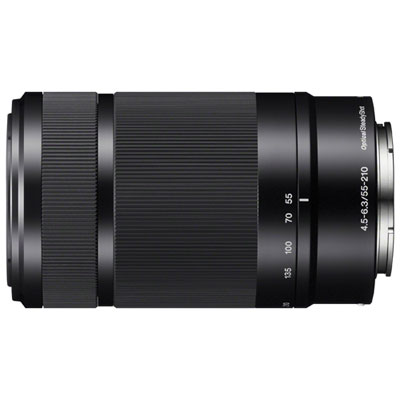 Your price for this item is $399.99
 -
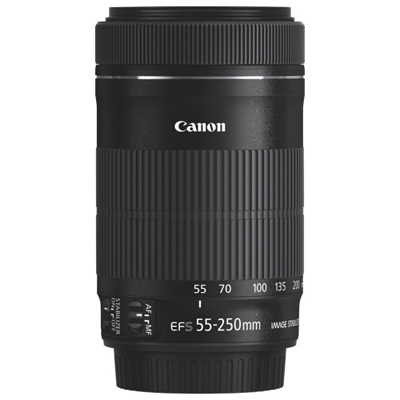 Your price for this item is $399.99
 -
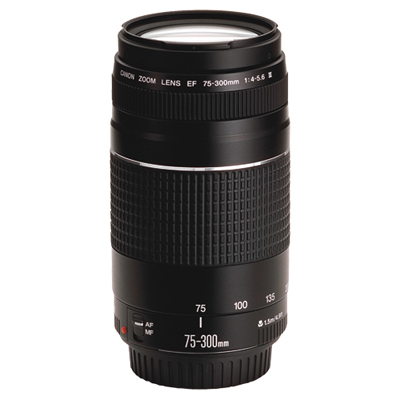 Your price for this item is $199.99
 -
 Your price for this item is $174.99
 -
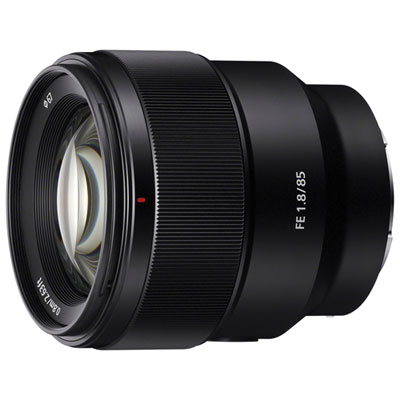 Your price for this item is $799.99
Discover more categories related to E Mount Zoom Lenses
Top Collections:
Pokemon Centers, Best Cameras for Sports Photography, Kindle Devices, Samsung Galaxy Phones, Canon G7X Cameras, Pokémon 30th Celebration Cards, Refurbished Apple Laptops, iPhone 15 Apple, Laptops for Students, Budget Smartphones
Some products may be subject to Environmental Handling Fees
(EHF) depending on your province.
Learn more about EHFs.