E Mount Full Frame Lenses
Looking to level up your photography game? Look no further than our extensive collection of E-mount full-frame lenses. Designed to fit perfectly on your compatible camera, these lenses offer exceptional image quality and versatility, allowing you to capture stunning shots in almost any situation. Whether you're a professional photographer or an aspiring enthusiast, our range of E-mount full-frame lenses will unlock endless creative possibilities, helping you take your photography skills to new heights. From wide-angle lenses for breathtaking landscapes to telephoto lenses for capturing distant subjects with precision, we have the perfect lens to suit your unique vision. Explore our selection today and discover the world of possibilities that await you.


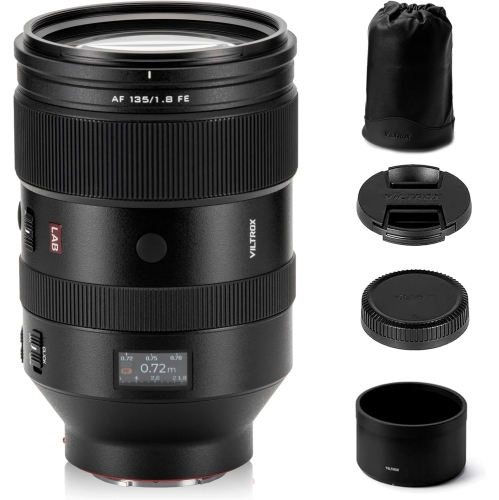
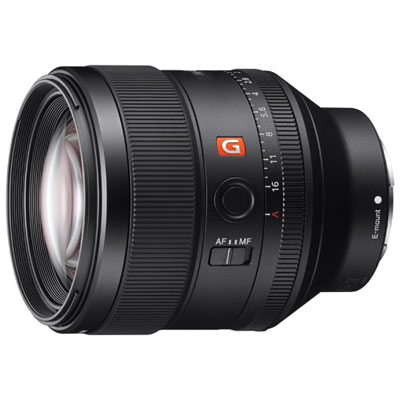
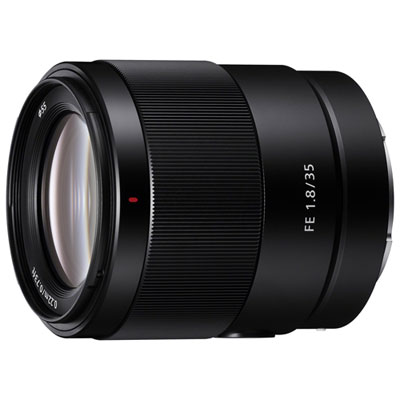
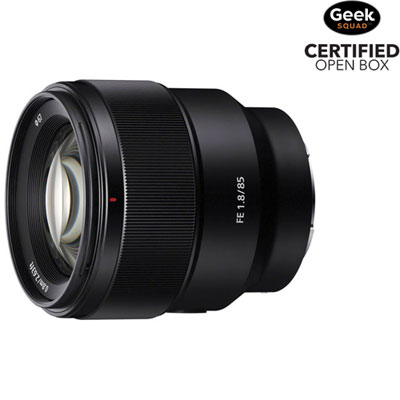
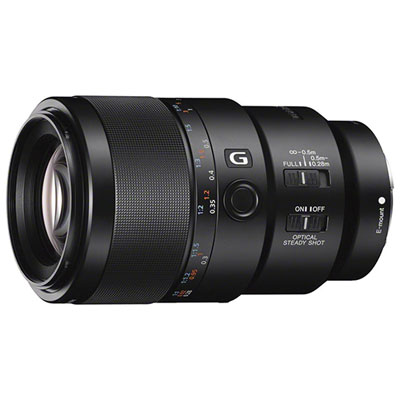
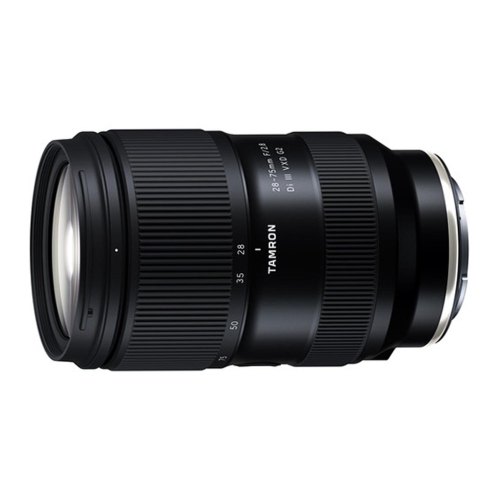
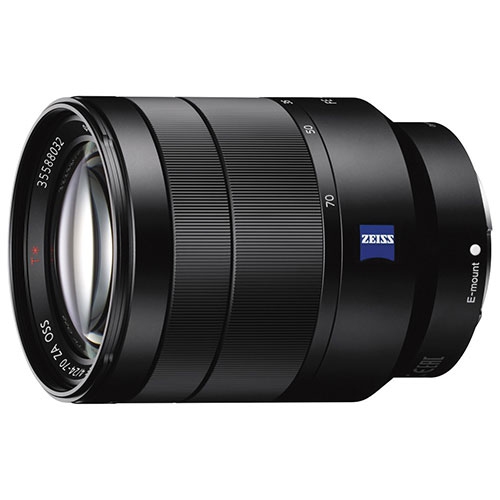
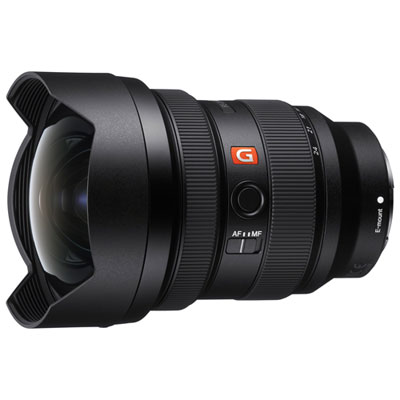
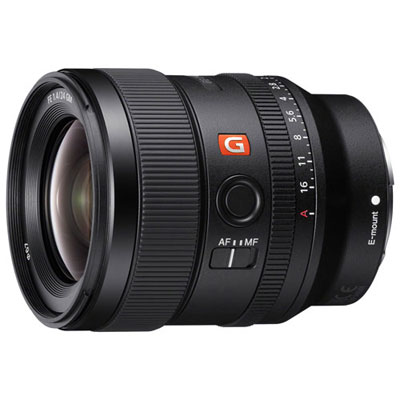

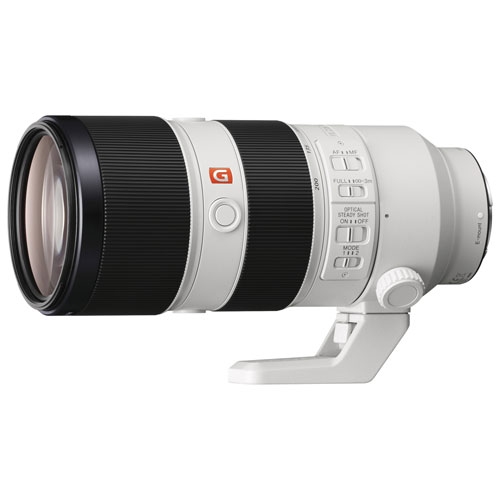
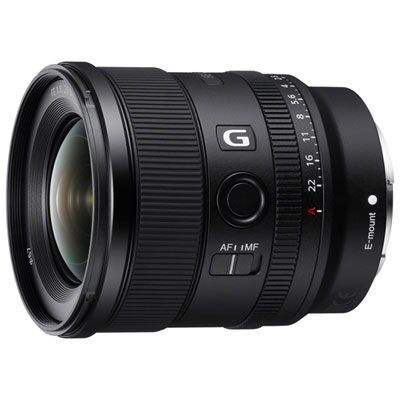
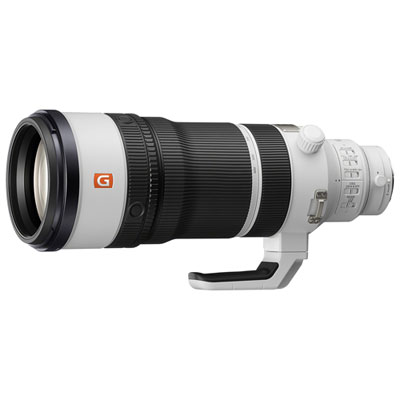
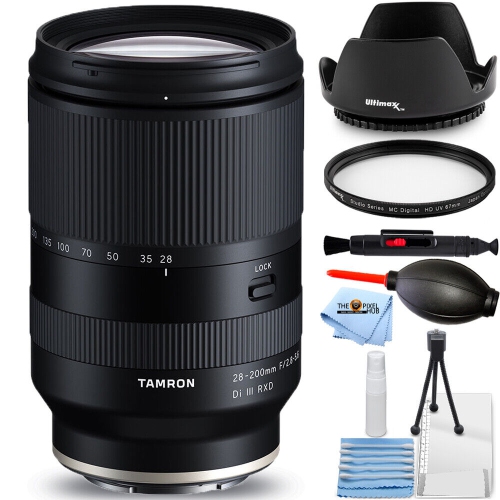
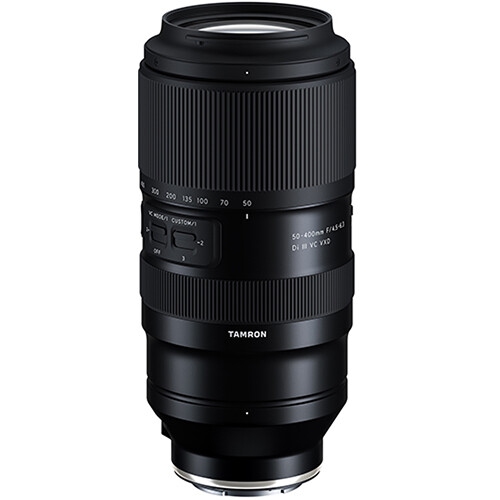

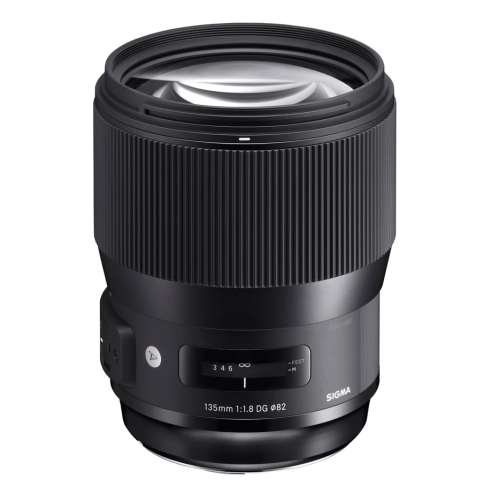
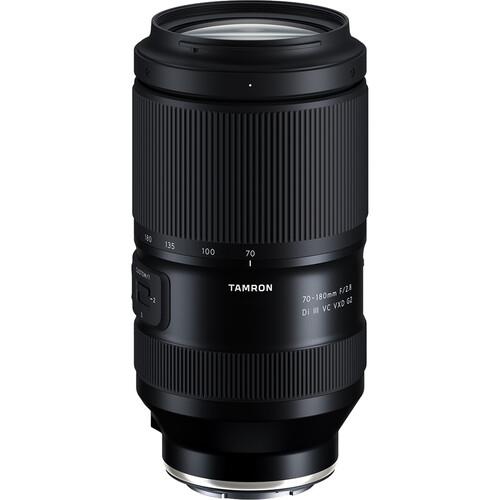
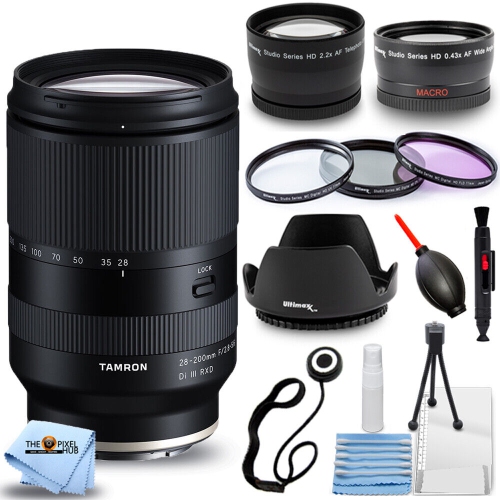
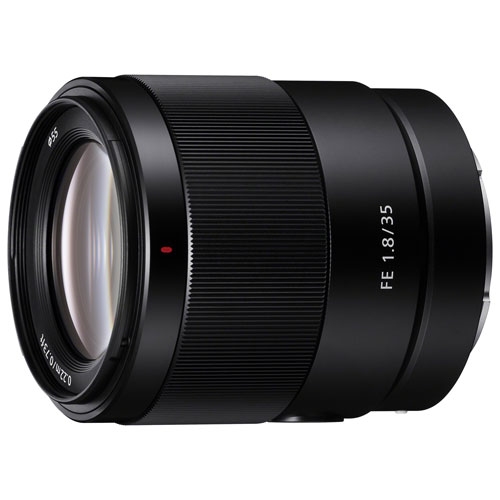
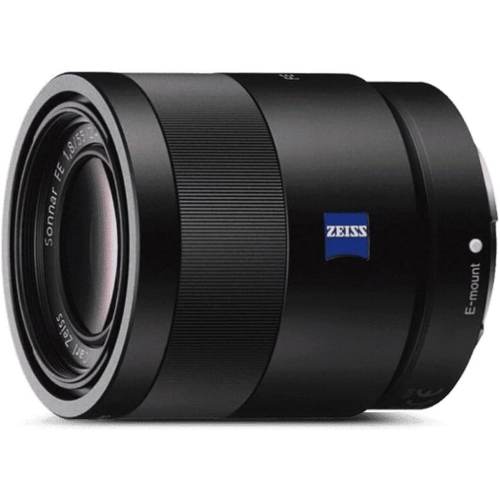
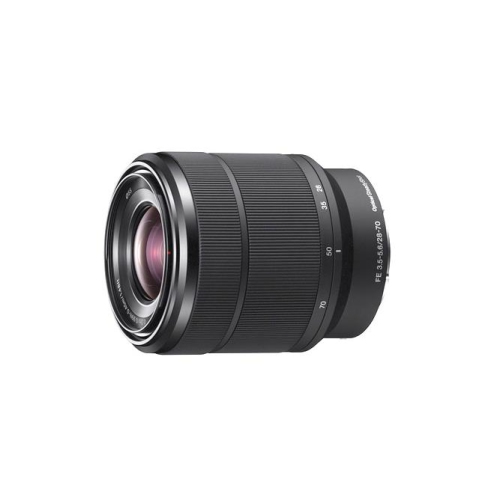
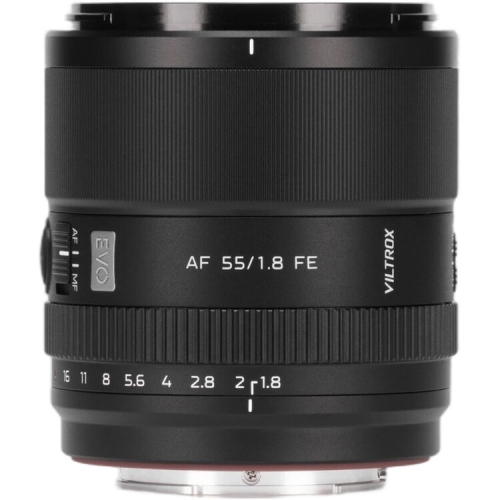
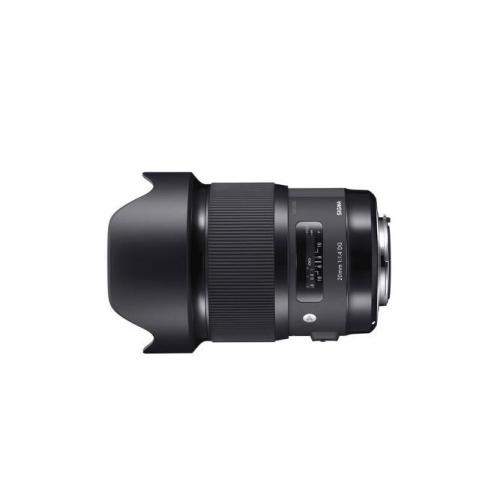
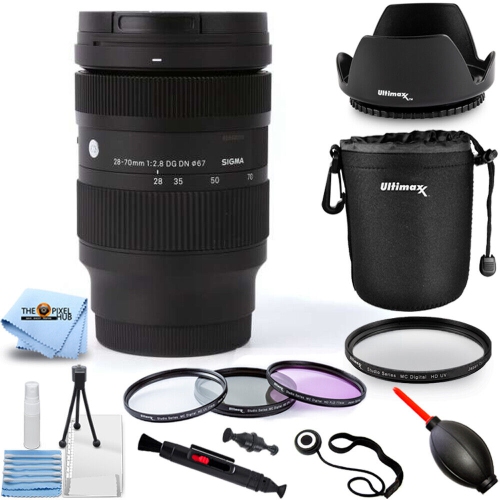
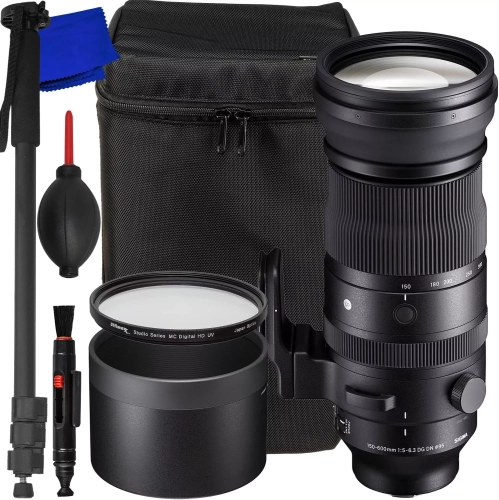
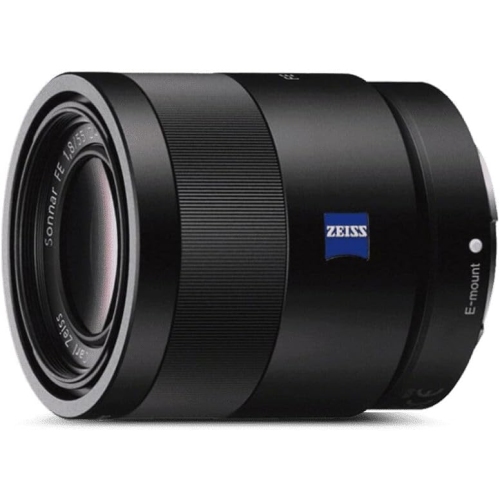
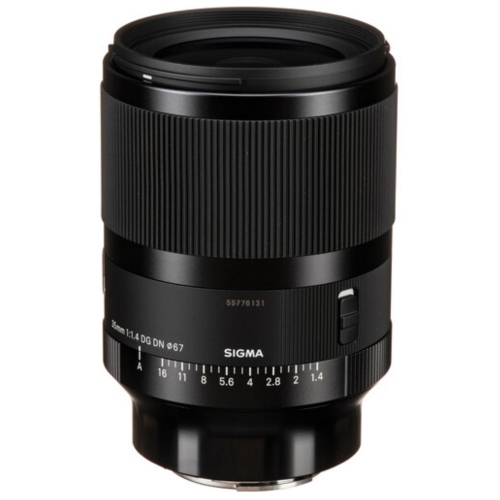
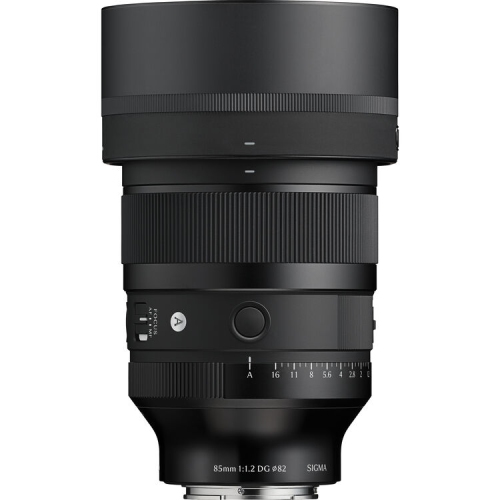
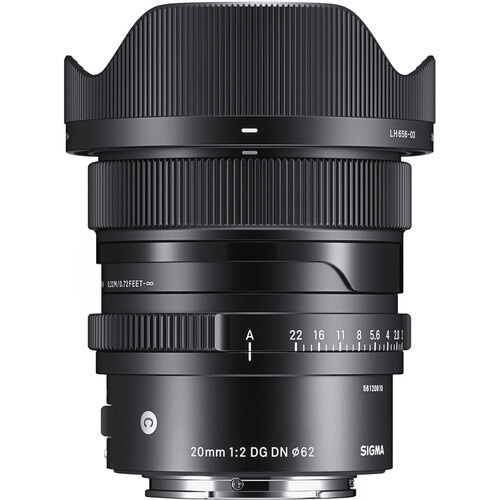
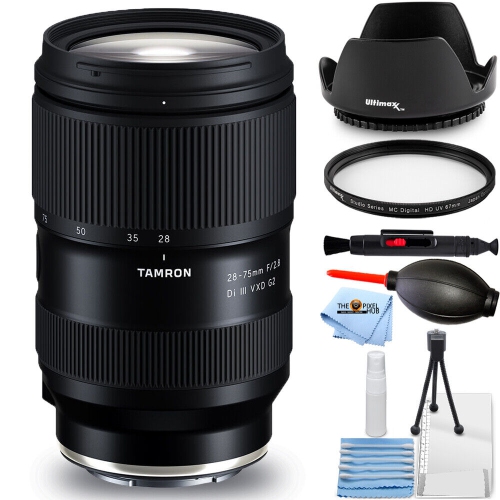
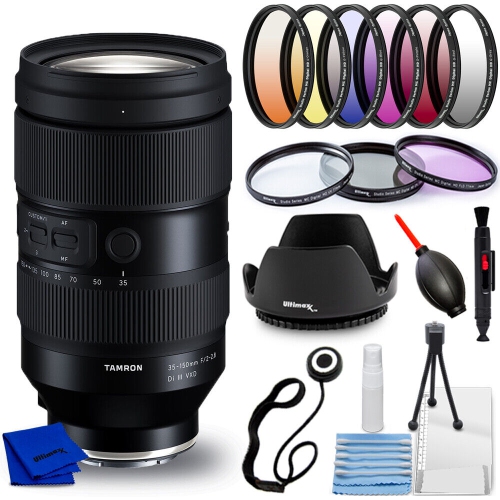
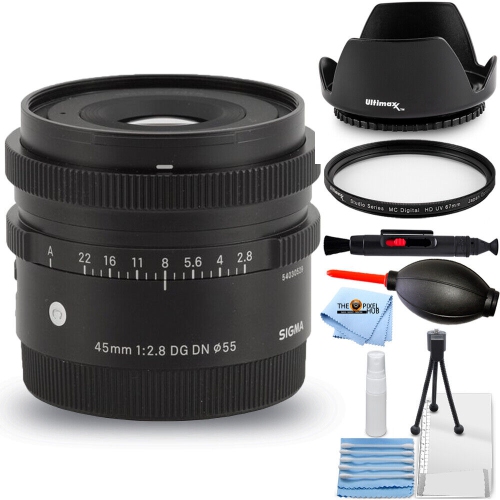
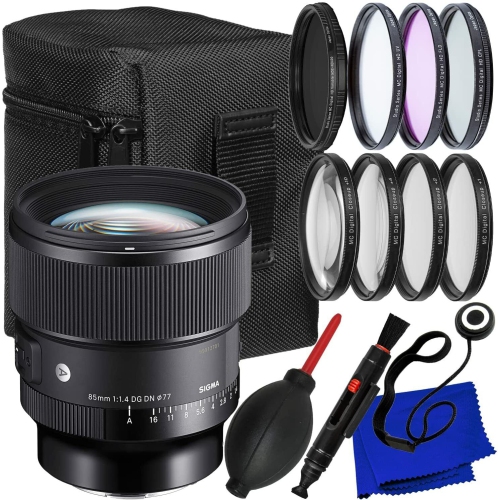
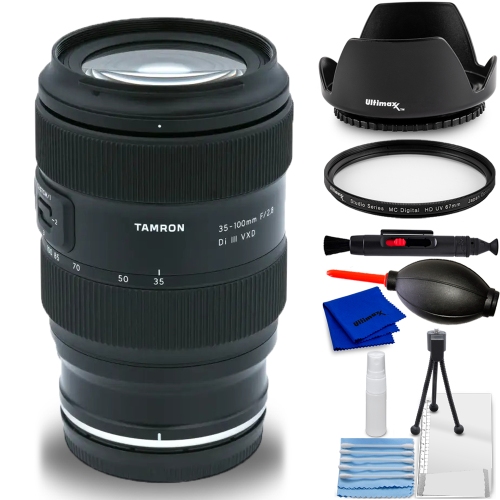
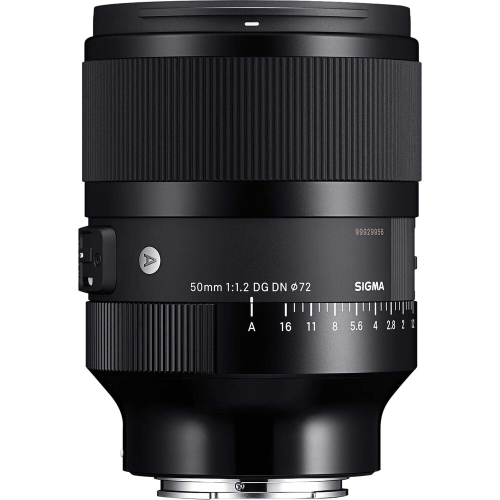
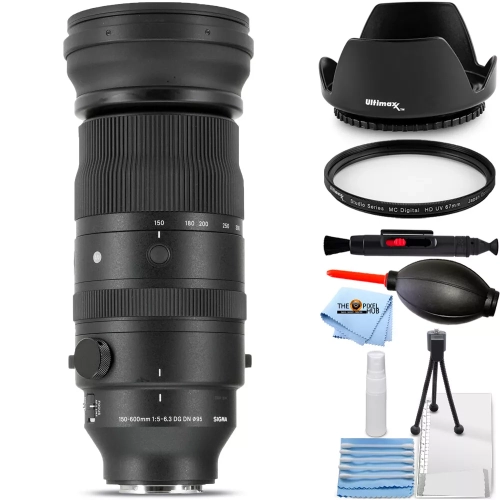
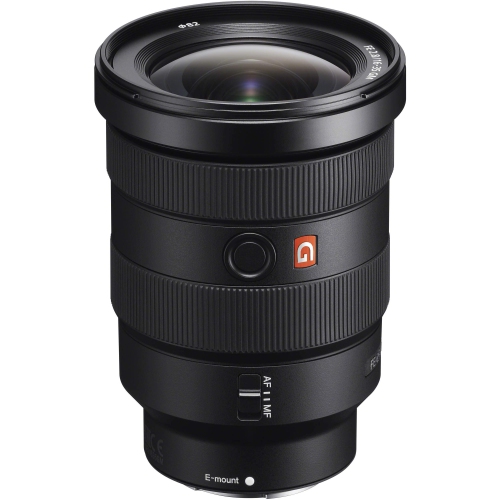
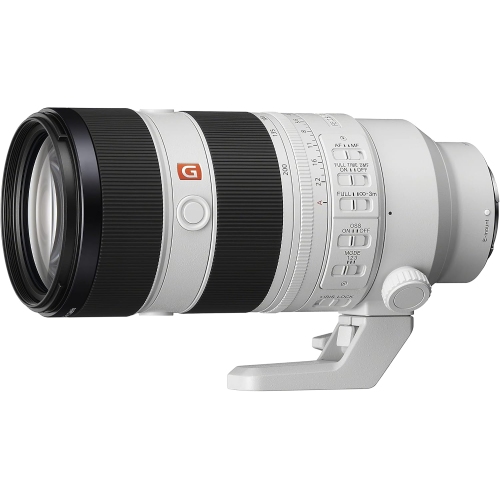
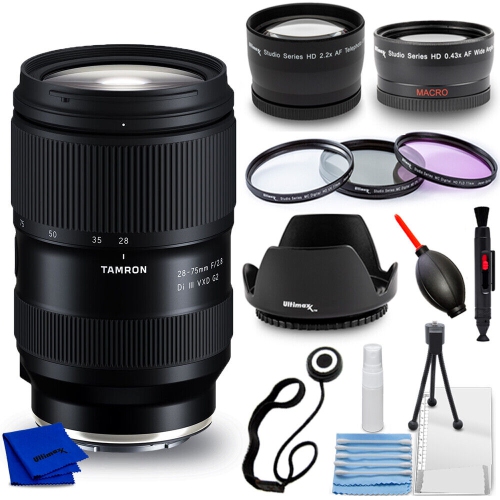
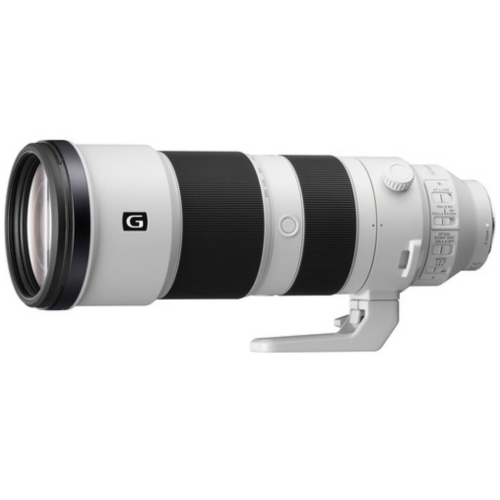
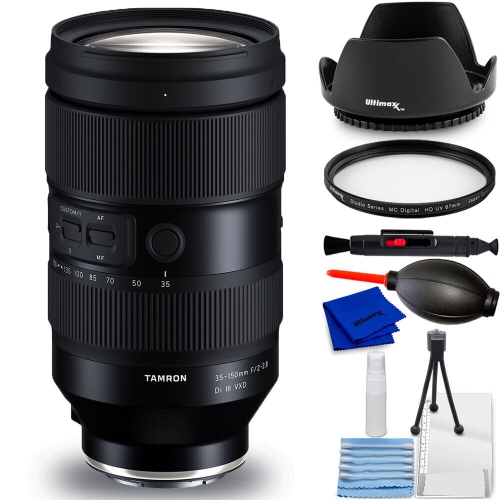
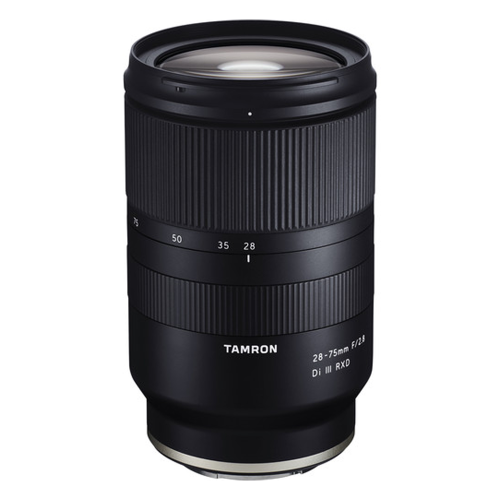
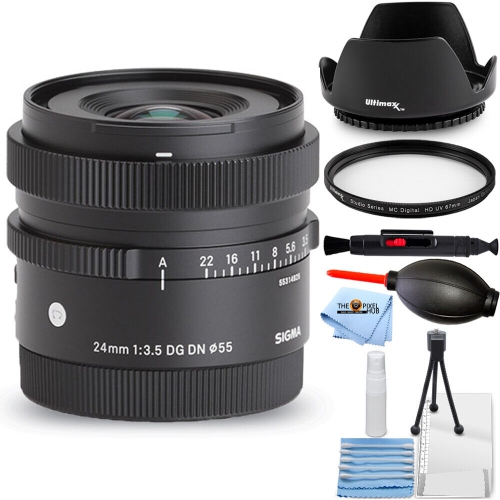
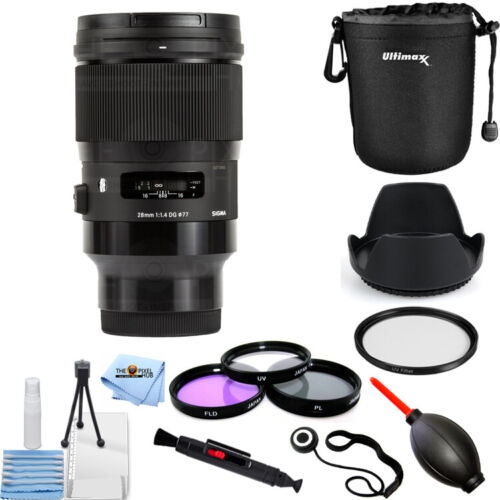

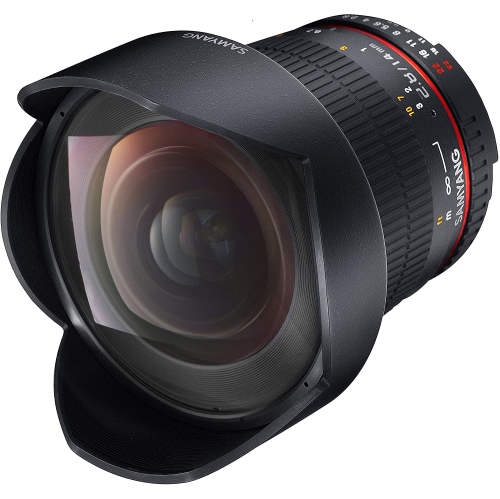
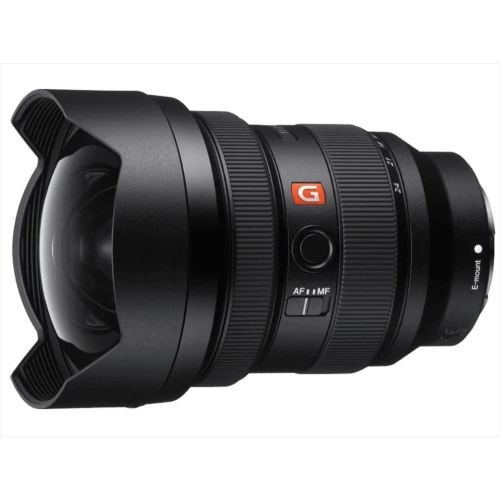
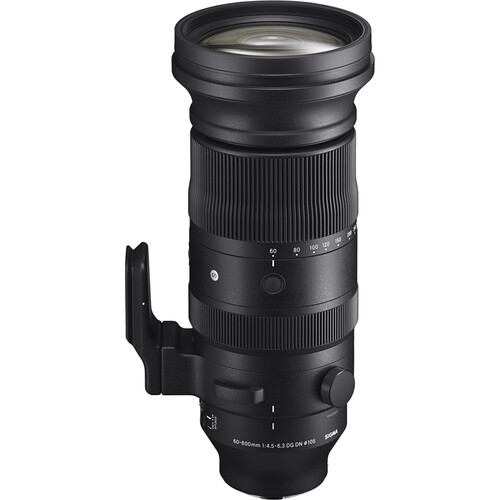
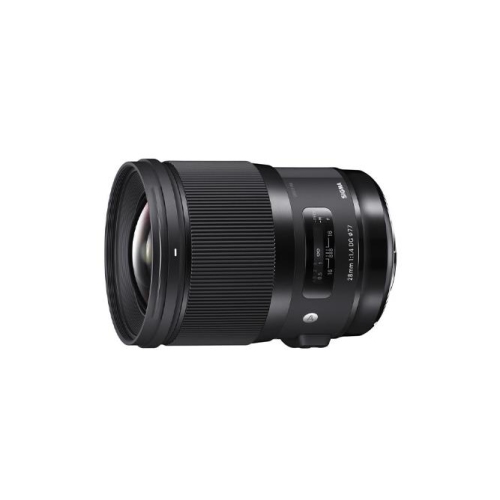
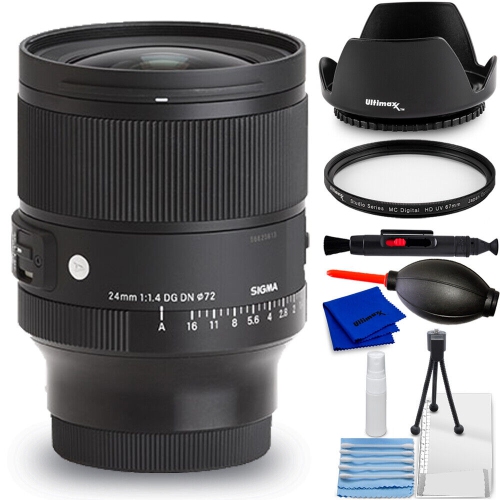
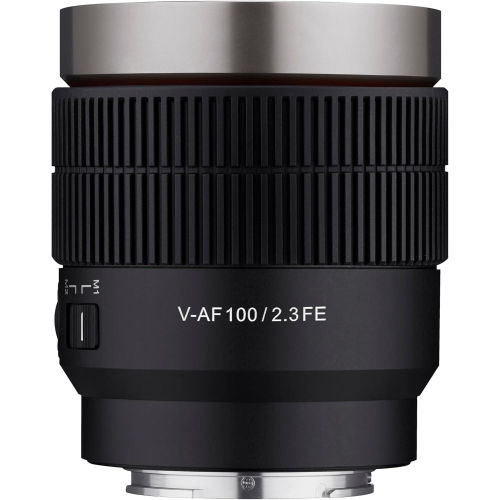
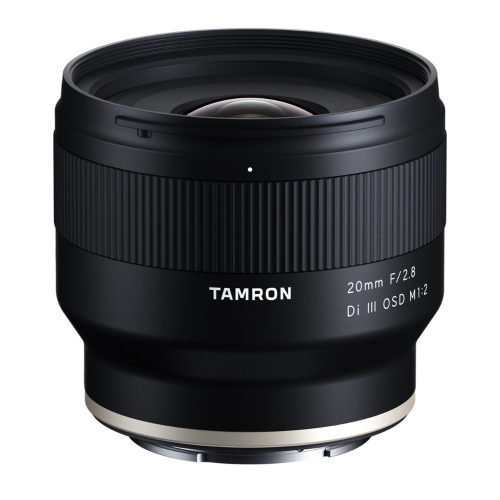
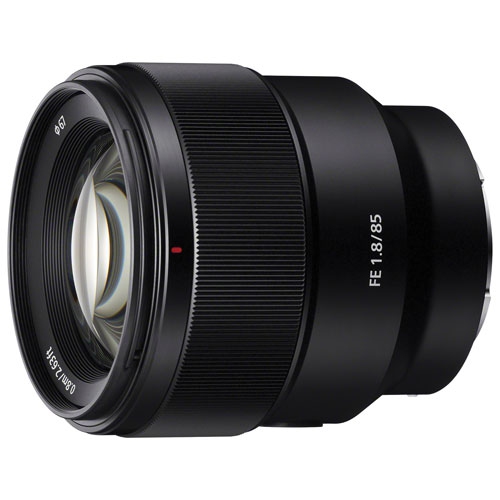
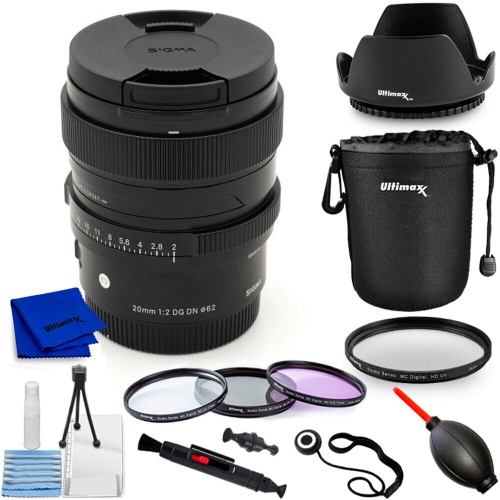
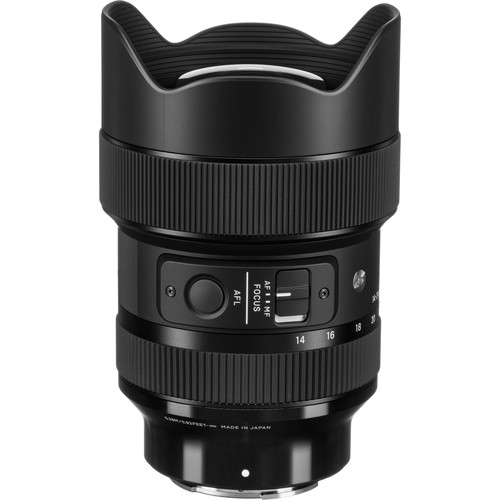
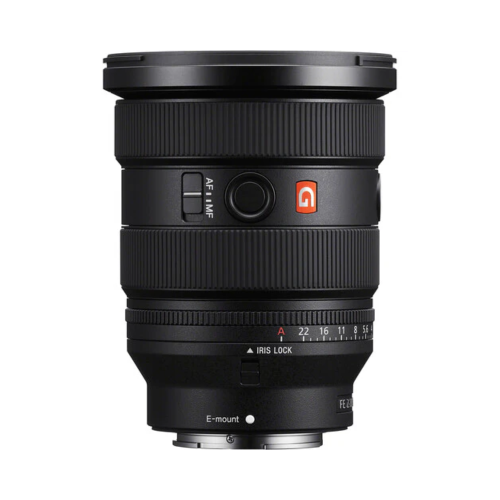

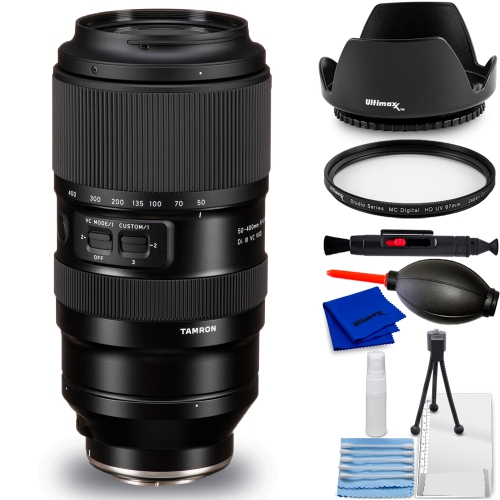
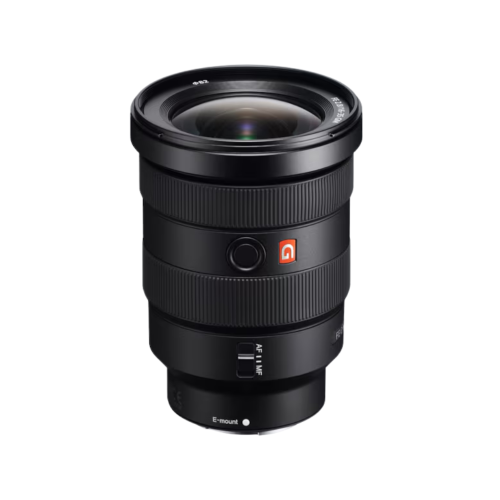
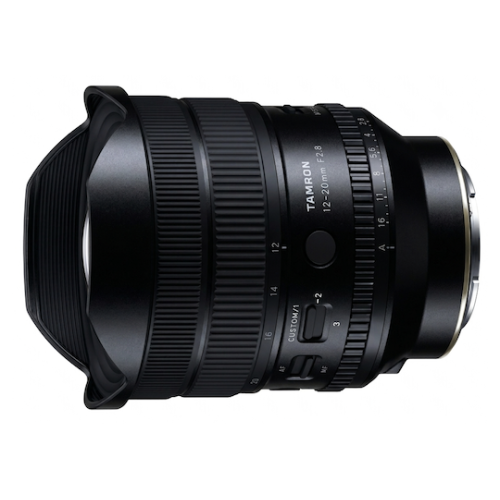
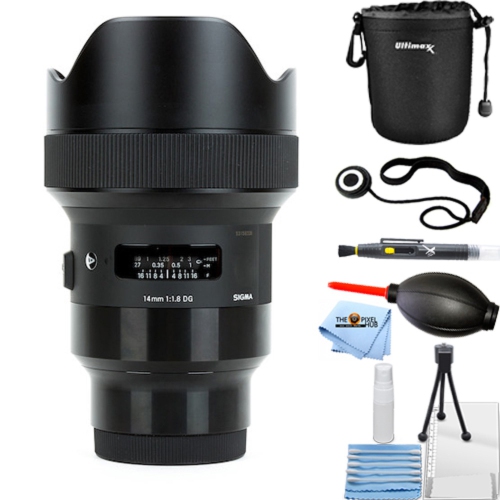
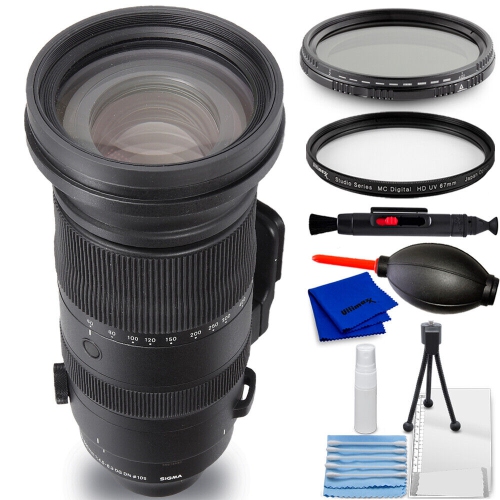
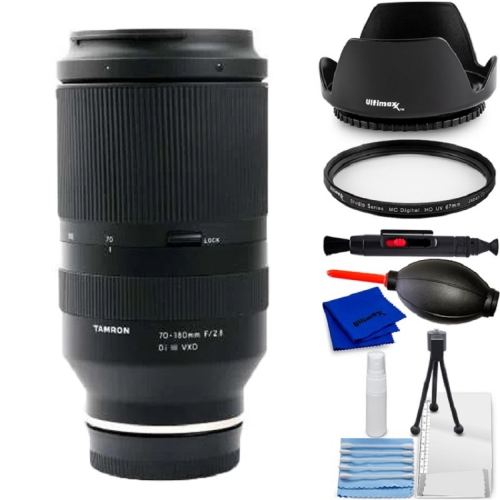
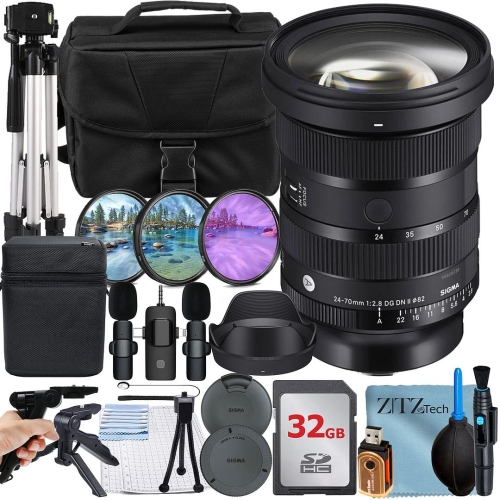
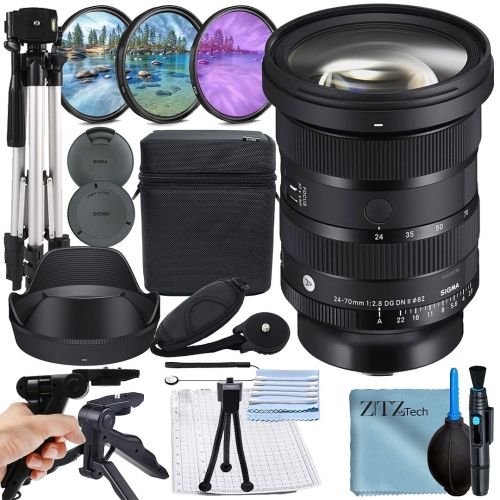
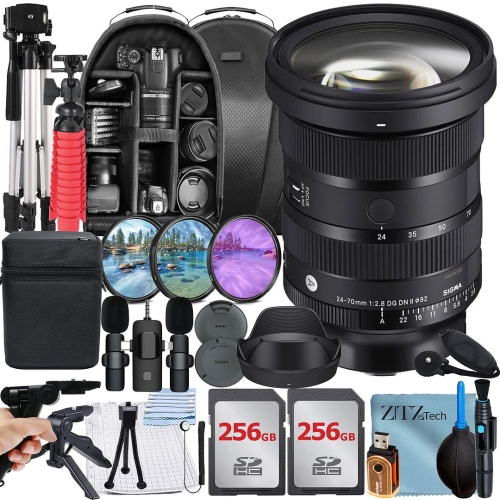
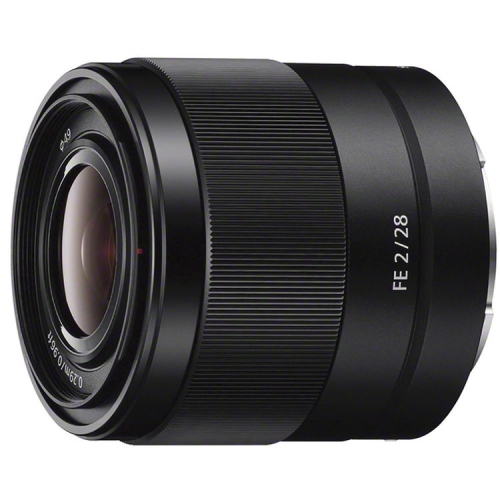
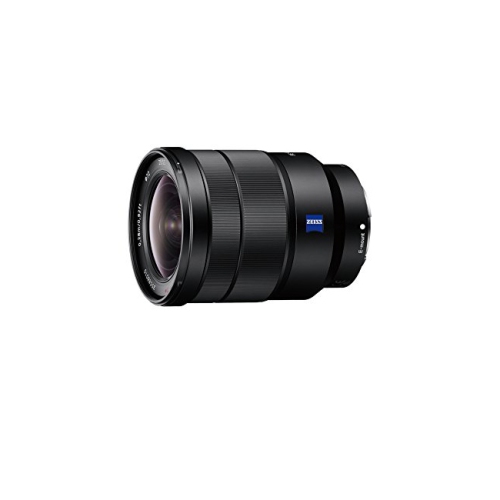
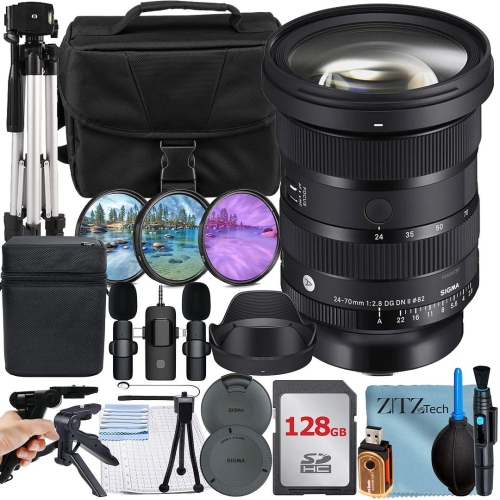
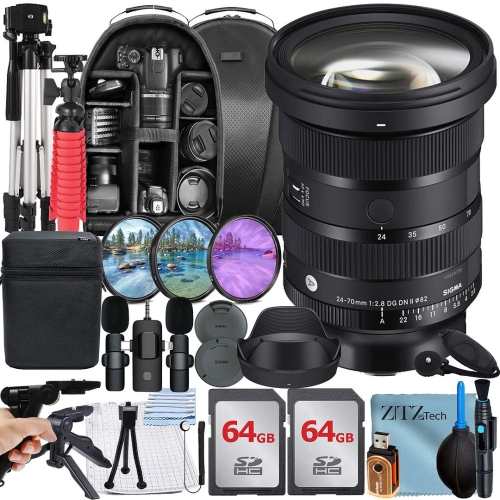
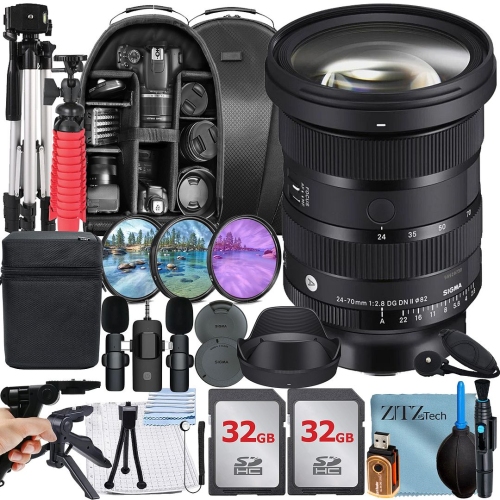

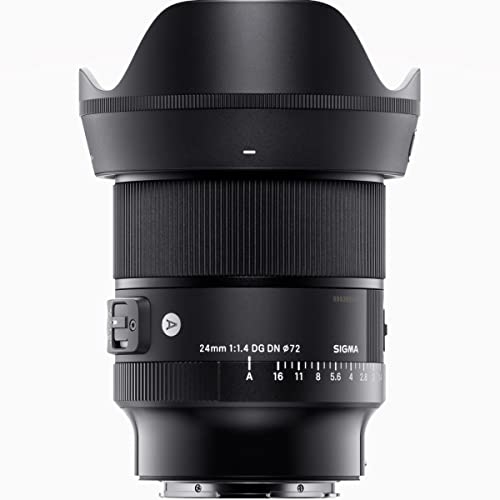
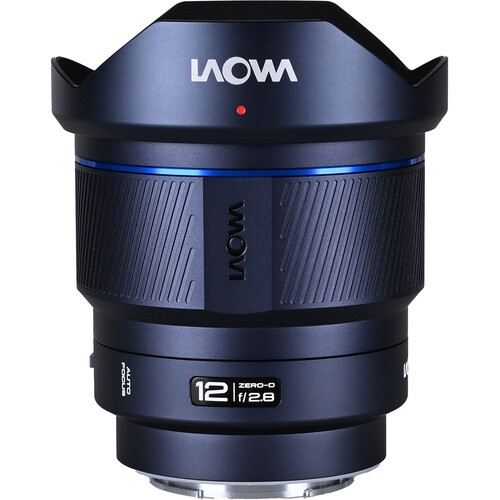
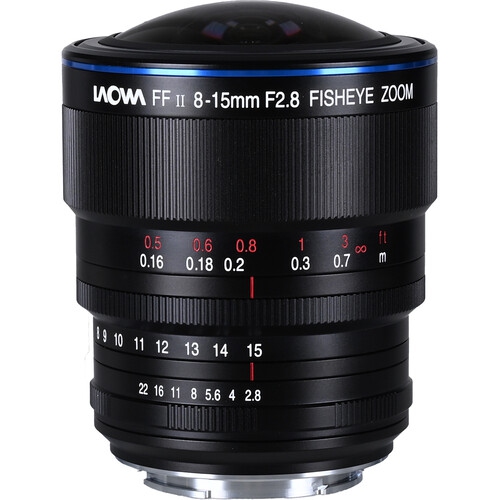
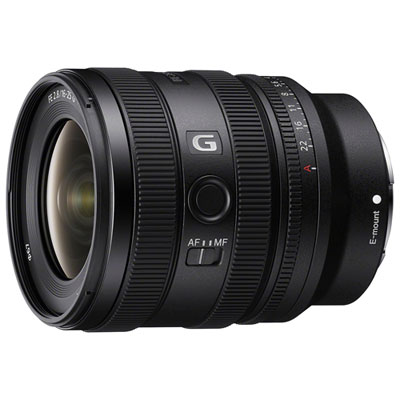
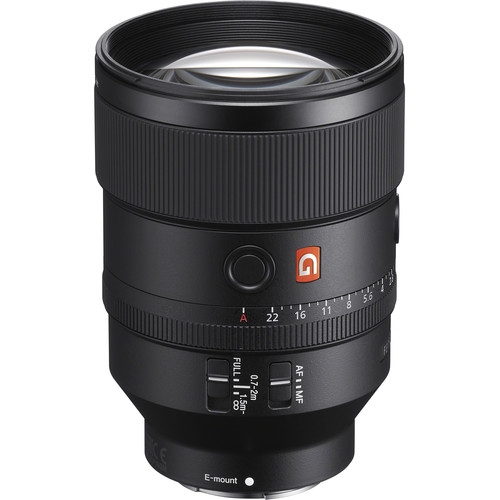
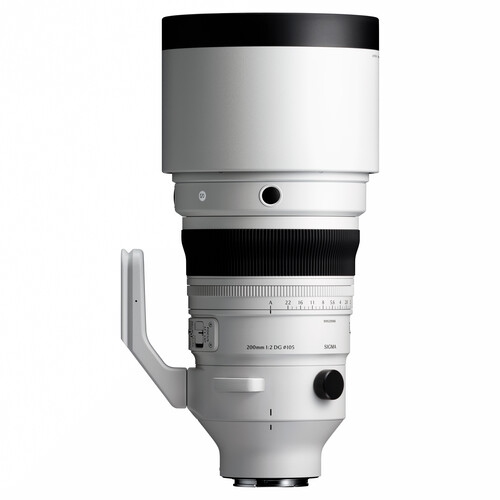
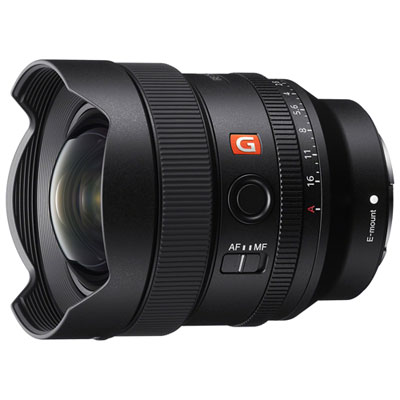
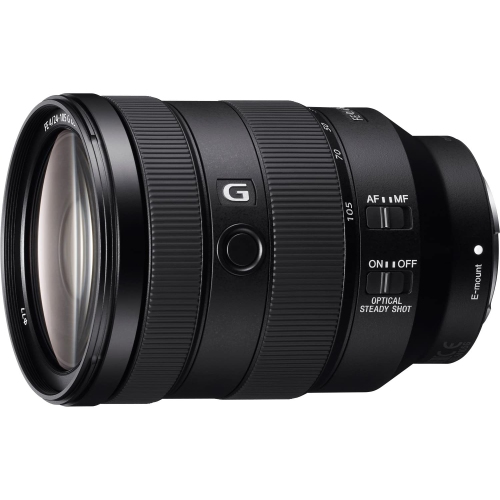
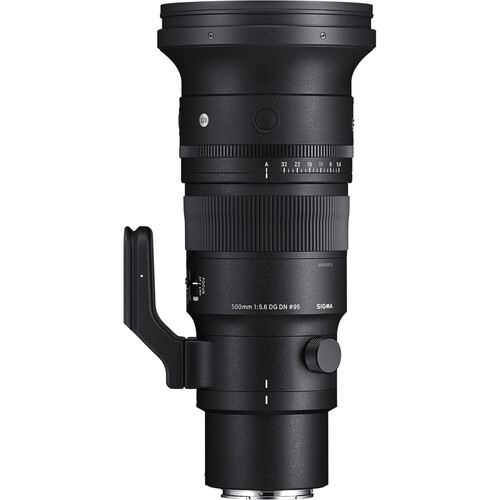
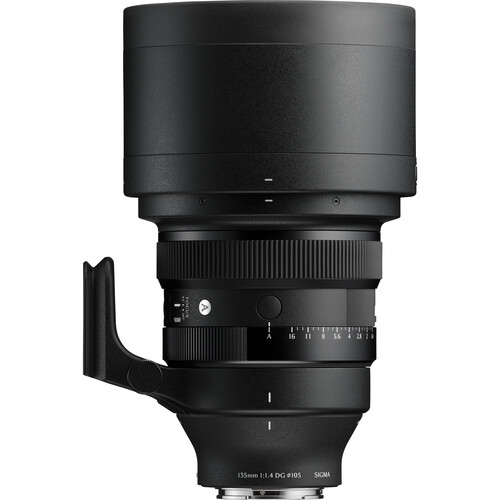
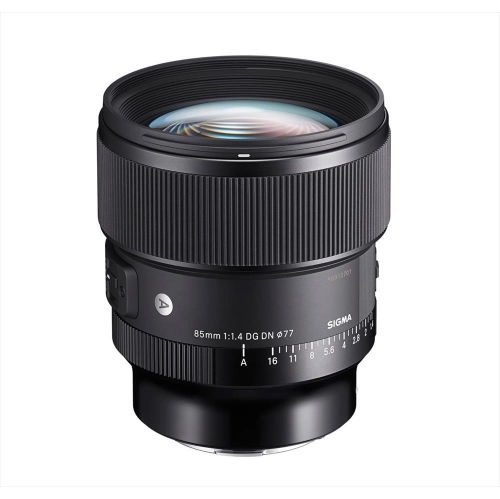
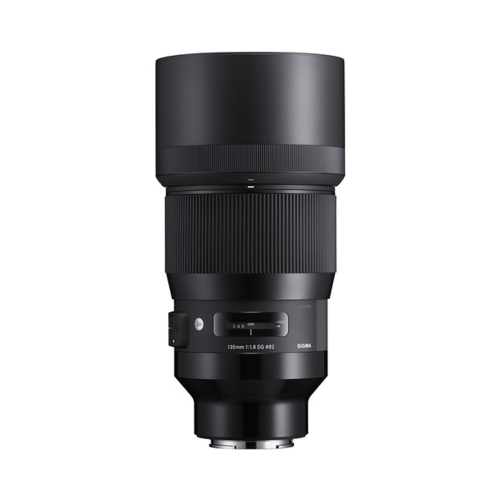
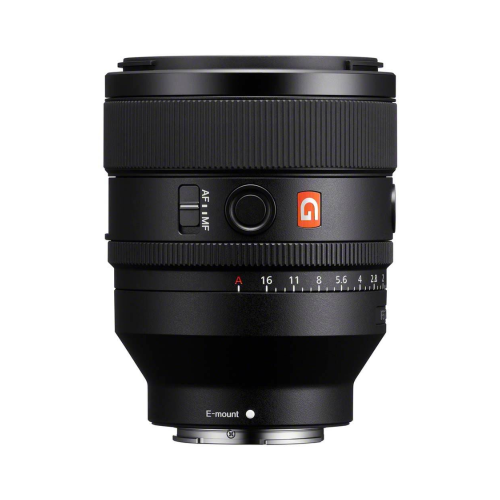
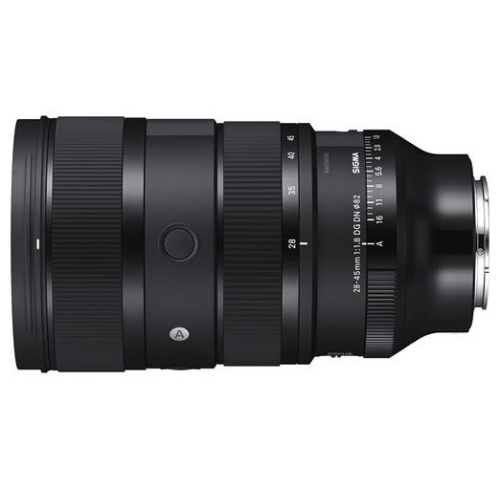
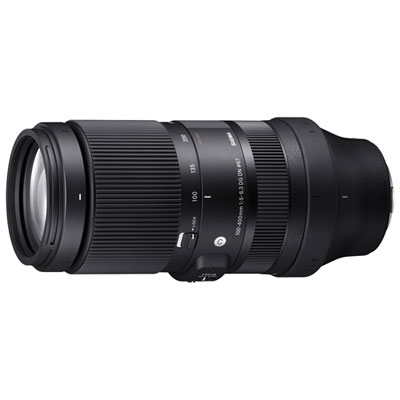
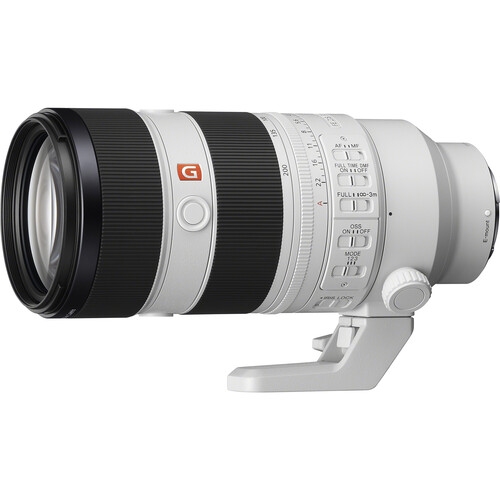
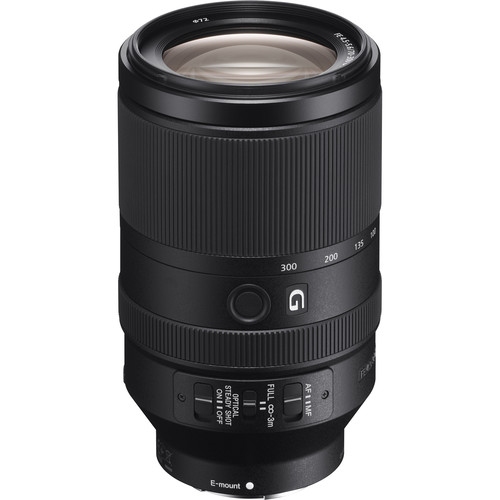
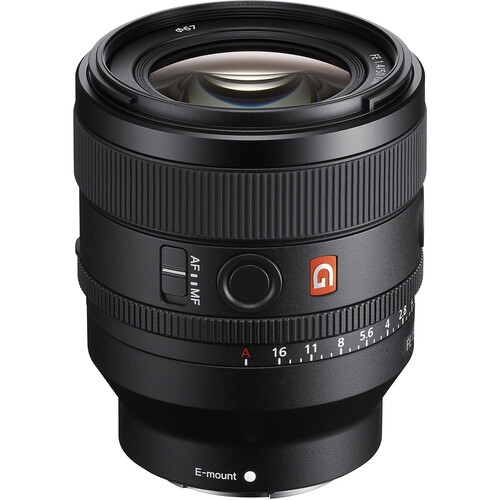
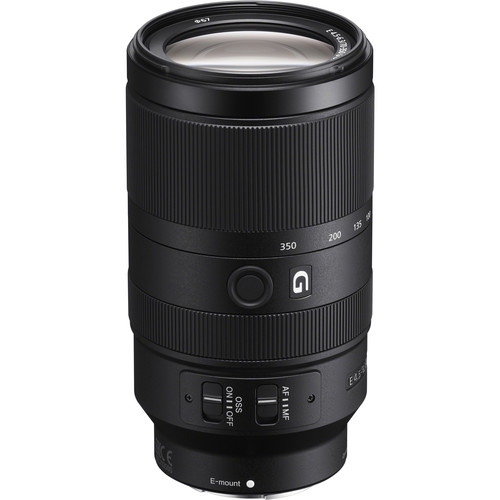
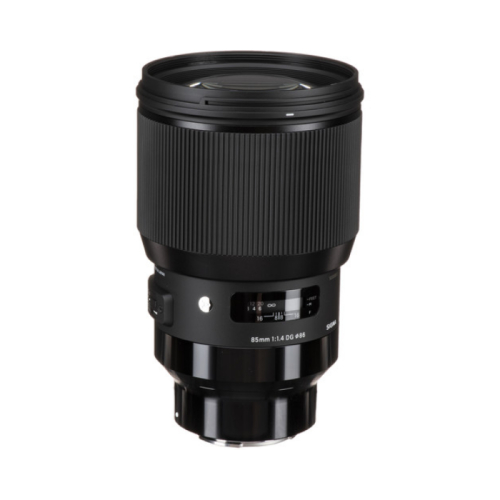
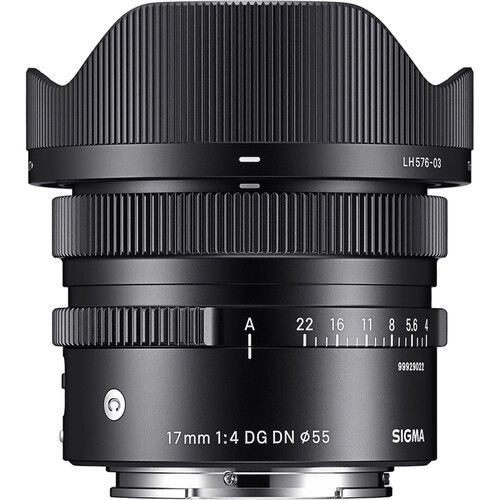
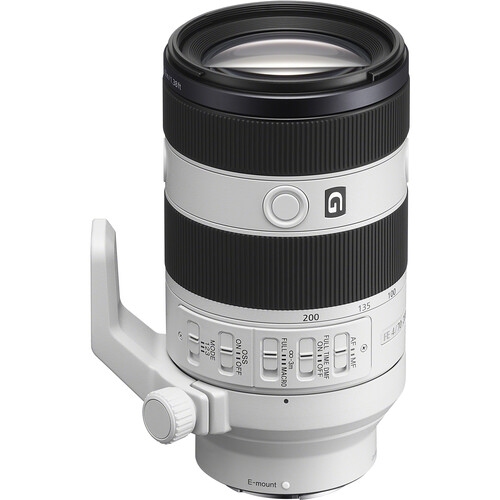
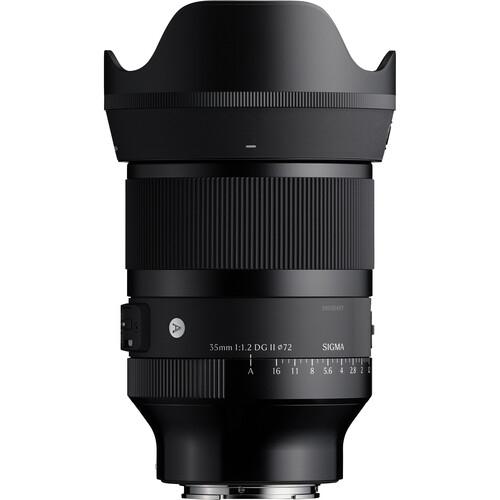
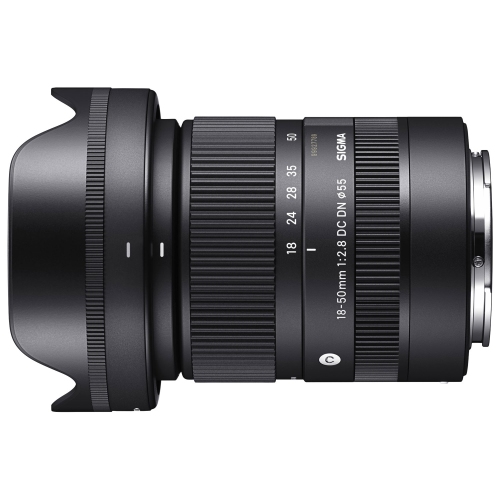
Understand focal length, aperture, and camera compatibility
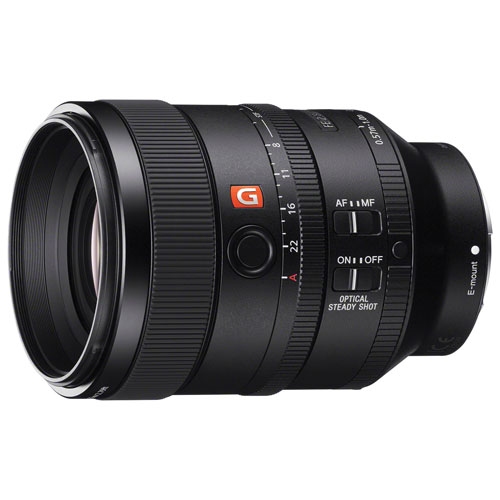
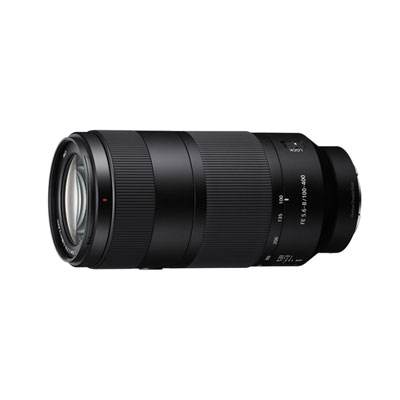
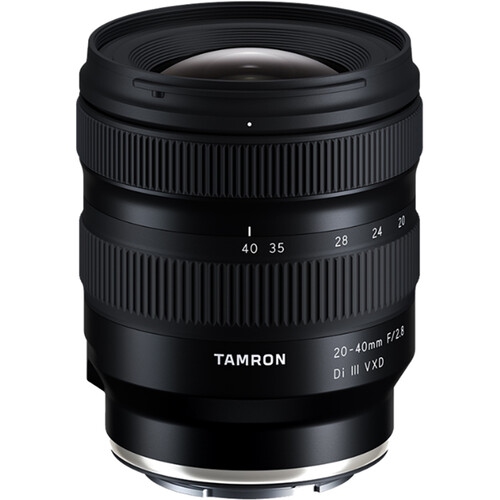
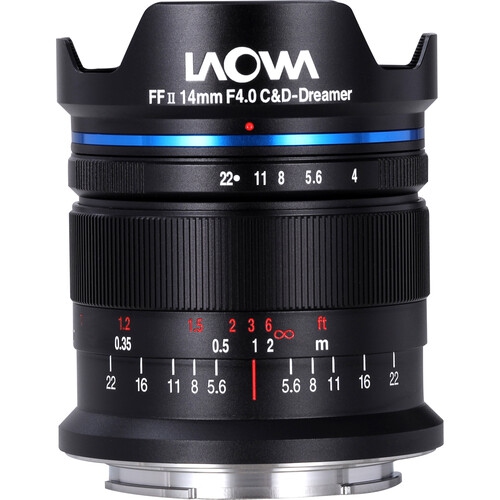
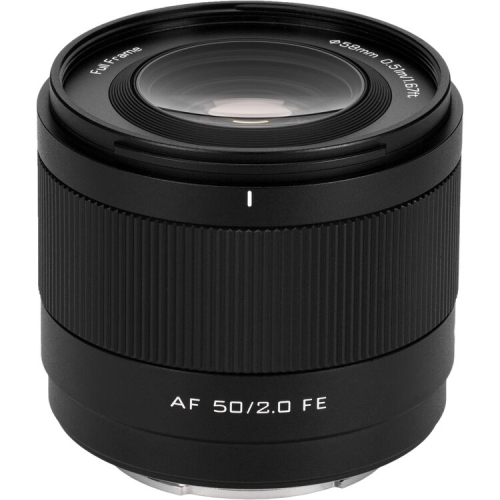
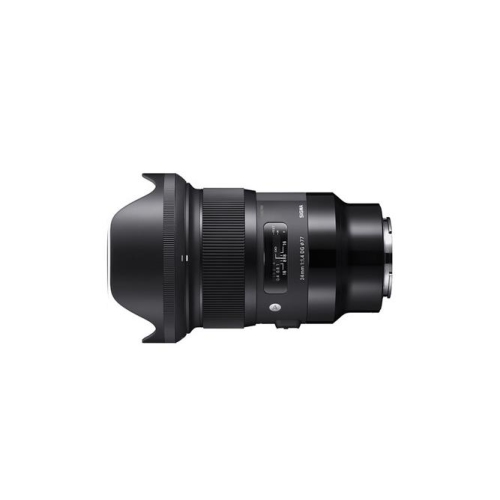
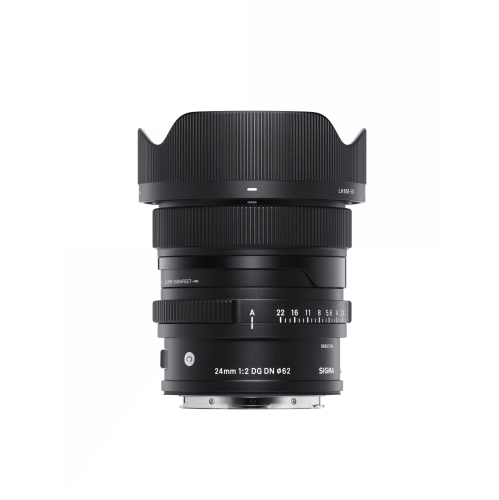
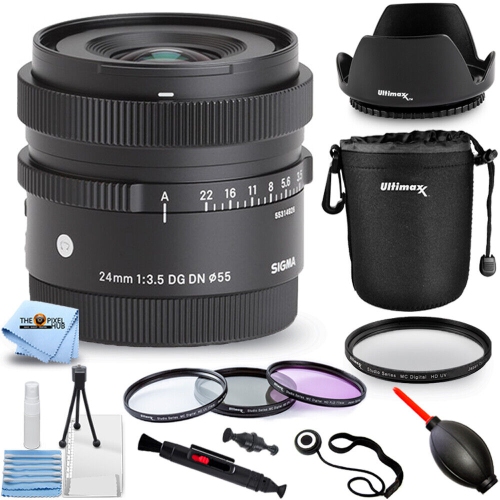
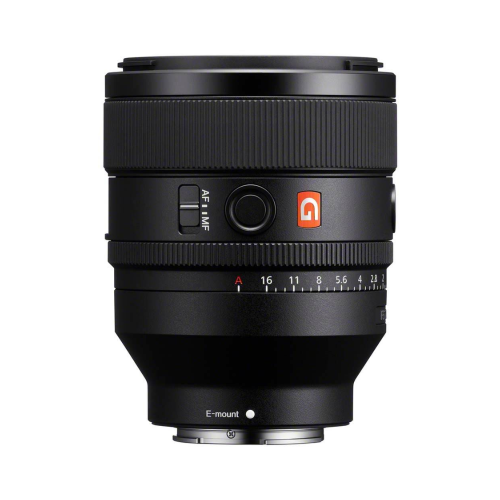
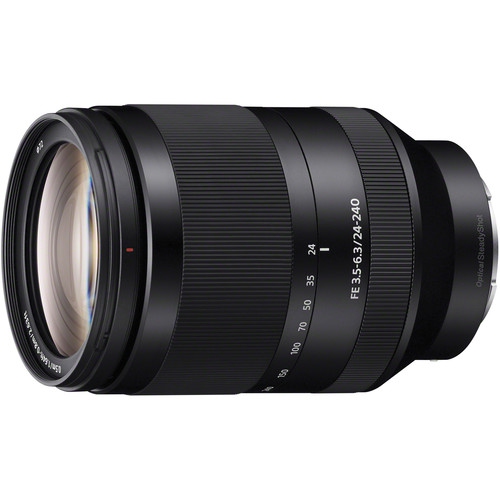
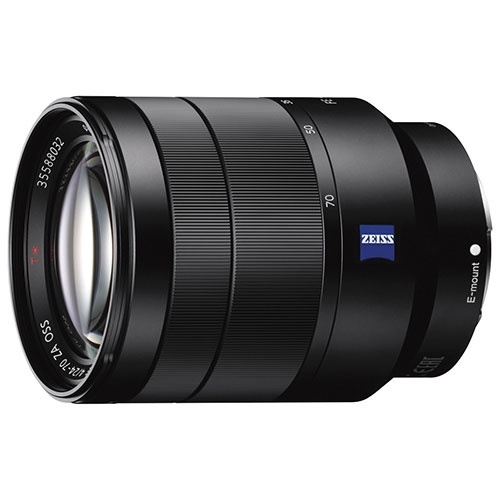
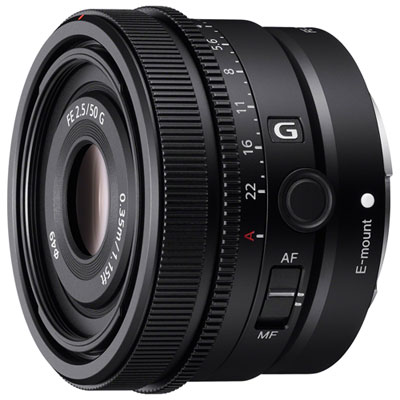
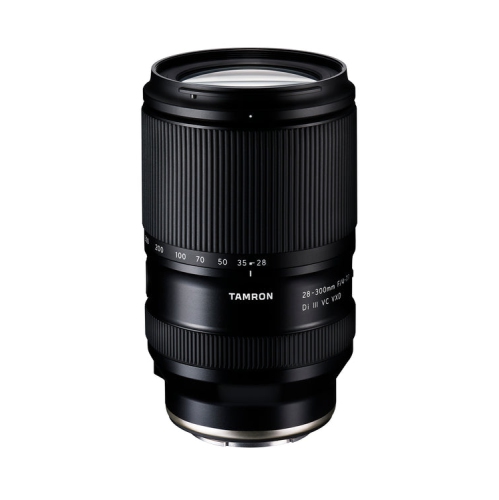
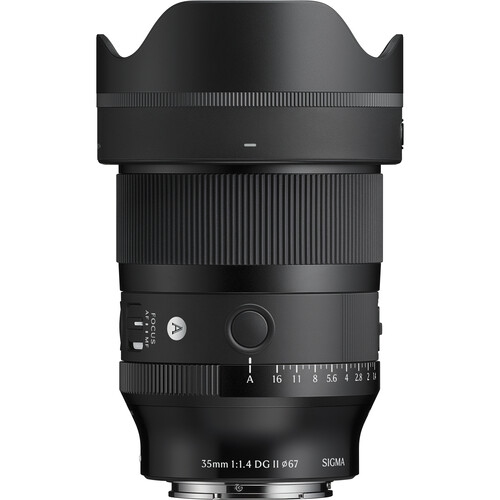
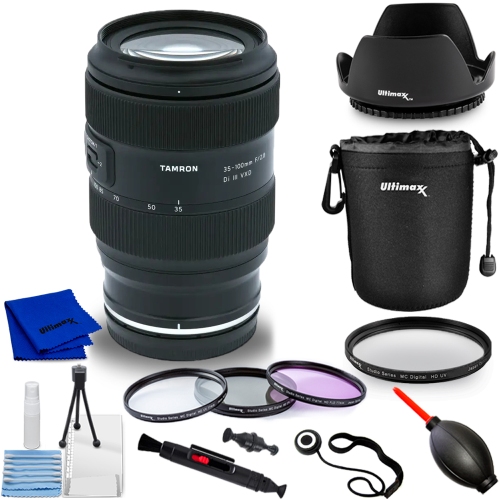
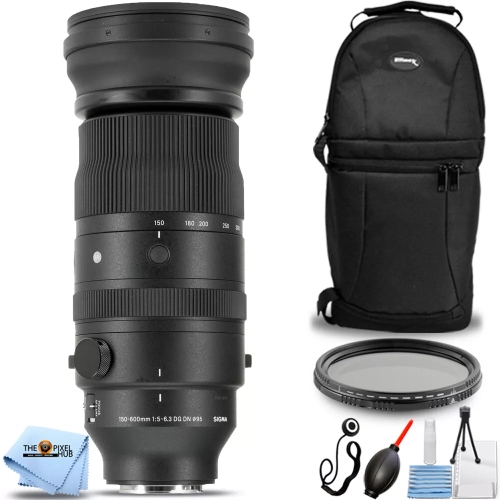
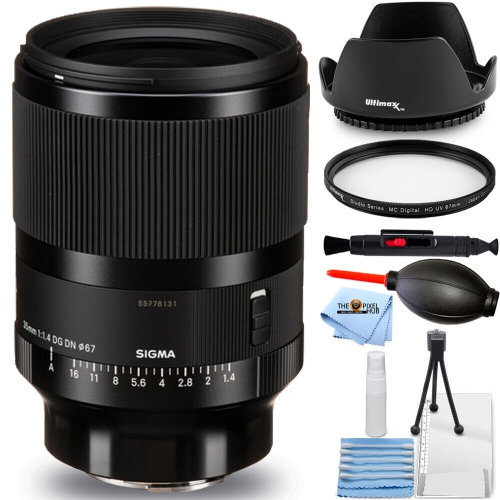
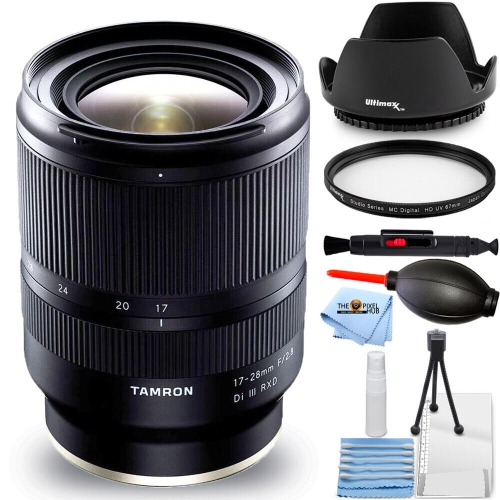
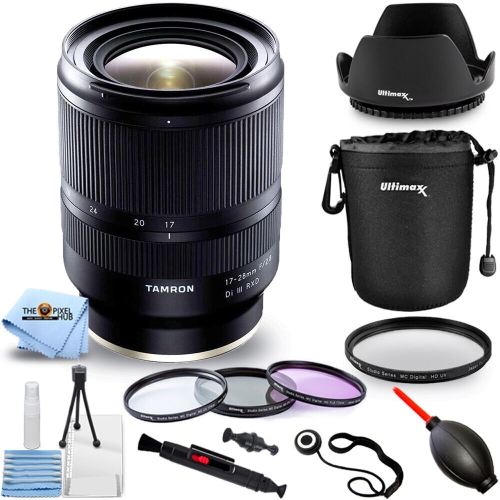
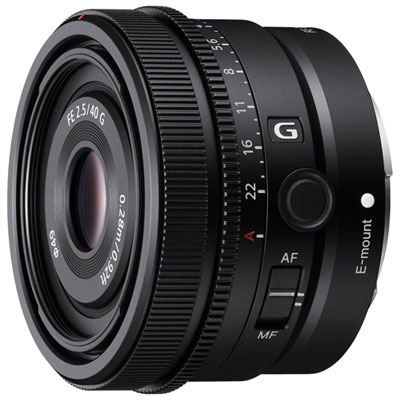
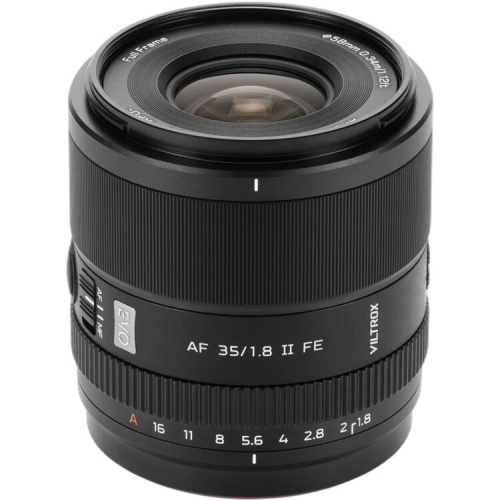
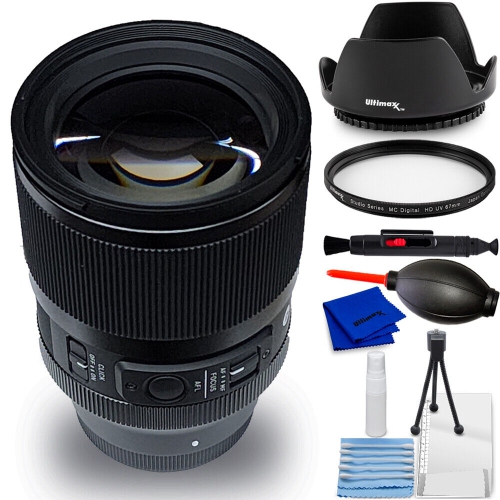
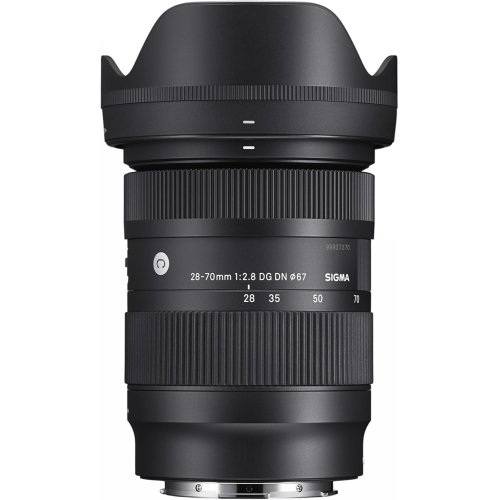
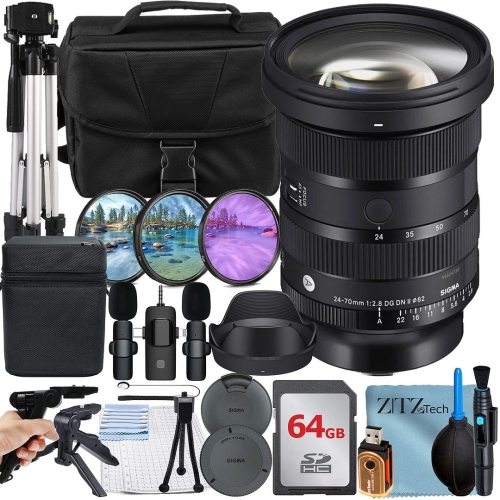
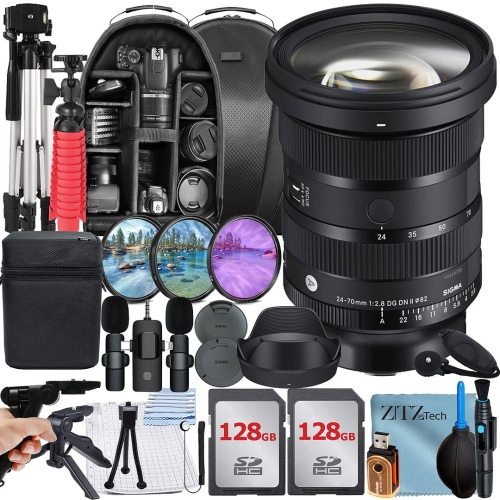
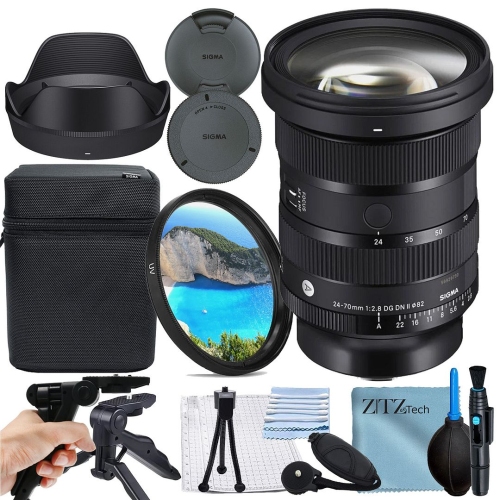
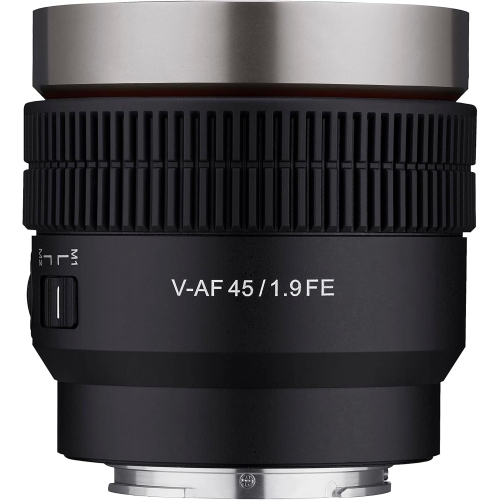
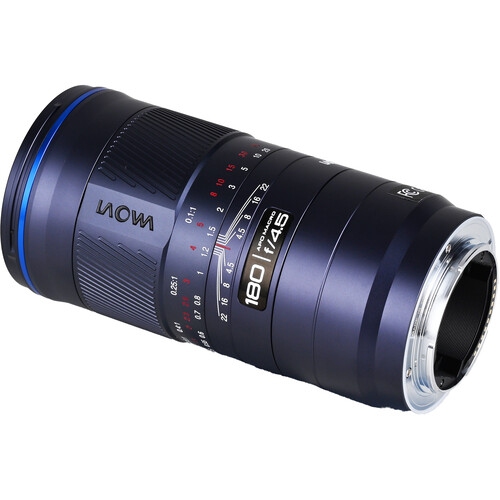
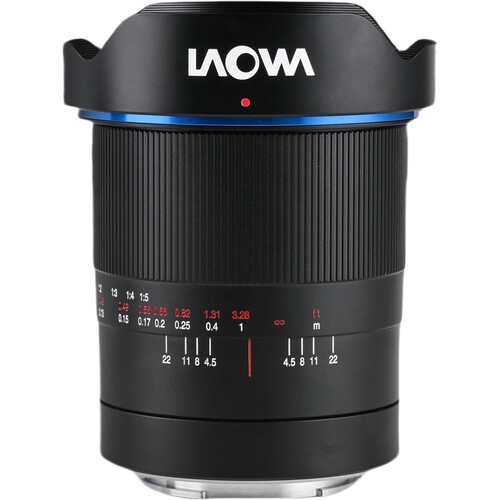
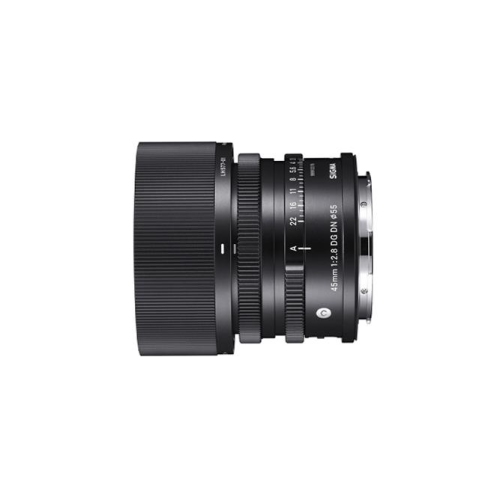
Aperture is another important consideration when shopping for E Mount full frame lenses. A wider maximum aperture, represented by a smaller f-number, allows more light to reach the sensor and can make it easier to photograph indoors, at dusk, or in other dim conditions. Wide apertures can also produce a shallow depth of field, keeping a person, flower, or detail sharply defined against a softly blurred background. A narrower aperture can be helpful for landscapes, architecture, and group photographs where more of the scene needs to remain in focus. Image stabilization, whether built into the lens or supported by the camera body, can help reduce the effect of hand movement during slower shutter speeds, particularly for still subjects and handheld travel photography. Autofocus performance matters for moving people, pets, sports, and candid moments, while manual focus control remains valuable for video, macro-style compositions, night photography, and carefully planned scenes. Also review the minimum focusing distance if you enjoy photographing food, crafts, flowers, or small objects, and check the filter size if you already own filters or plan to use a polarizer or neutral-density filter. Physical details deserve attention as well: a lighter lens may be more comfortable for a full day of sightseeing, while a larger lens may offer greater reach or a wider aperture at the cost of extra weight in a camera bag. Weather-resistant construction can be useful for outdoor work when conditions shift, but it does not replace sensible protection from heavy rain, dust, or moisture. These lenses can be meaningful gifts for a photography enthusiast, a traveller preparing for a new adventure, a family member building a portrait kit, or someone learning to create videos and visual stories. A versatile standard lens can support everyday practice, while a portrait, wide-angle, or telephoto lens can open up a new style of shooting and encourage the recipient to explore familiar places with fresh attention. Those who prefer one lens for changing subjects may also want to browse E Mount Zoom Lenses for additional focal-length flexibility. Before adding a lens to your kit, confirm the mount, sensor coverage, autofocus support, stabilization features, aperture range, and intended camera body, then consider how its size and focal length will fit your usual subjects. A well-matched lens should feel natural in hand and give you the freedom to respond quickly, whether you are photographing bright scenes as the weather warms or capturing indoor gatherings and outdoor colour during the cooler months.
Top selling and popular products
-
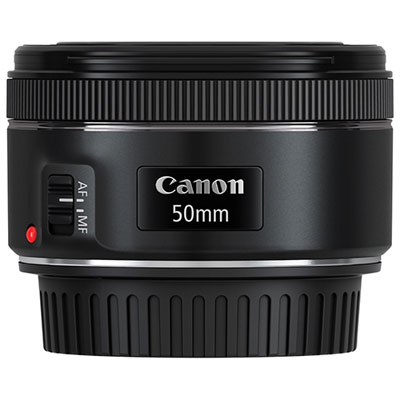 Your price for this item is $169.99
 -
 Your price for this item is $329.99
 -
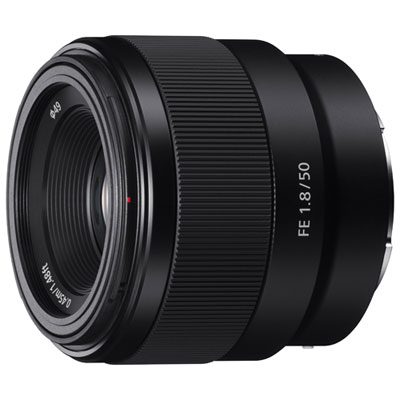 Your price for this item is $349.99
 -
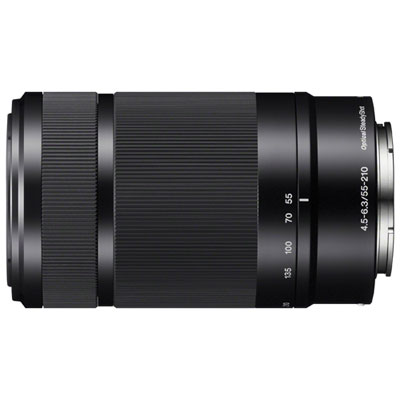 Your price for this item is $399.99
 -
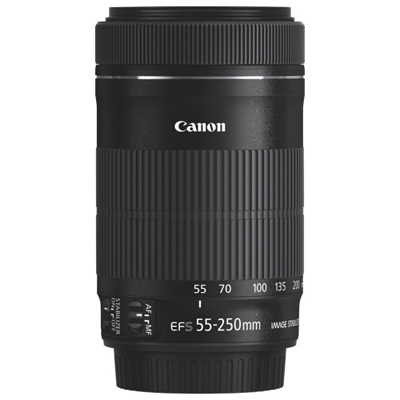 Your price for this item is $399.99
 -
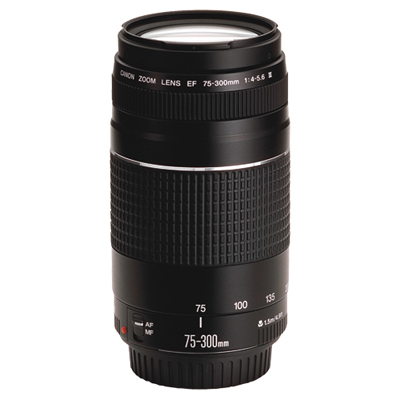 Your price for this item is $199.99
 -
 Your price for this item is $174.99
 -
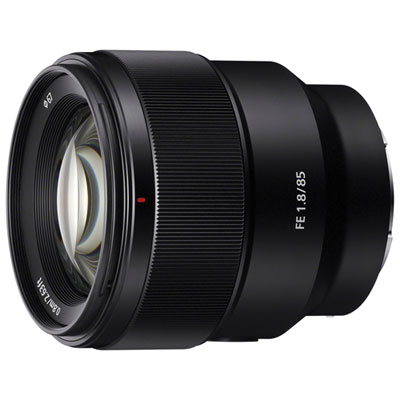 Your price for this item is $799.99