E Mount Lenses
Looking to level up your photography game? Look no further than our extensive collection of e-mount lenses. Designed to fit Sony mirrorless cameras, these lenses offer incredible versatility and exceptional image quality. Whether you're a seasoned pro or just starting out, our range of e-mount lenses has something for everyone. With a range of focal lengths, apertures, and features, you'll be sure to find the perfect lens for your needs.
Sort
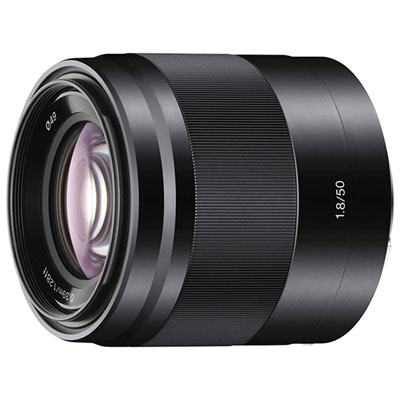
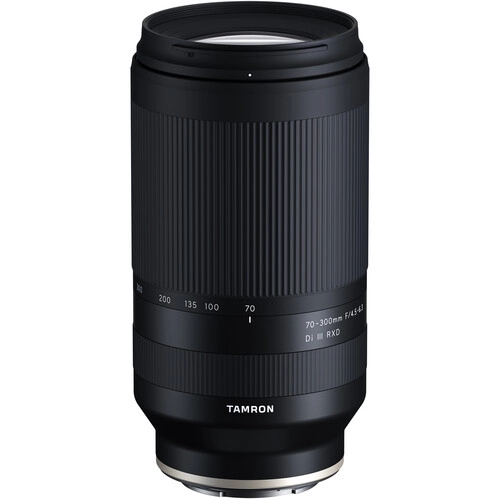
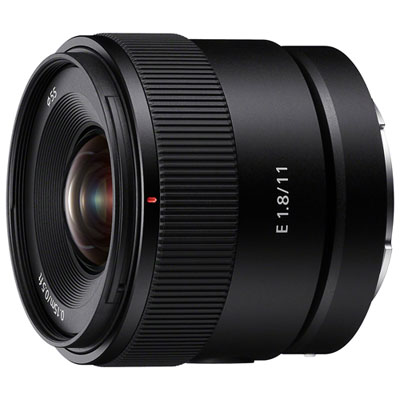
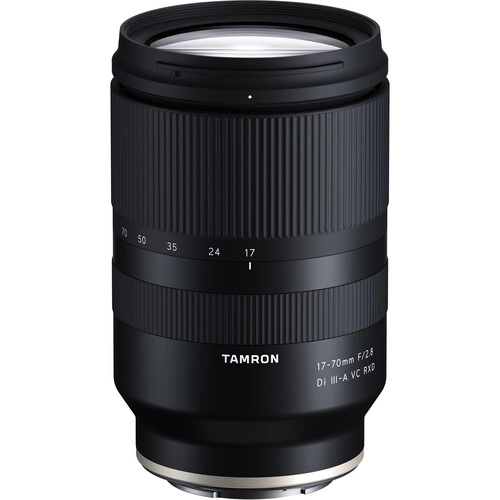
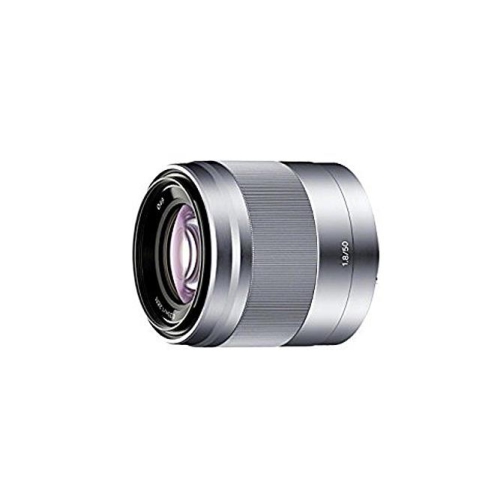
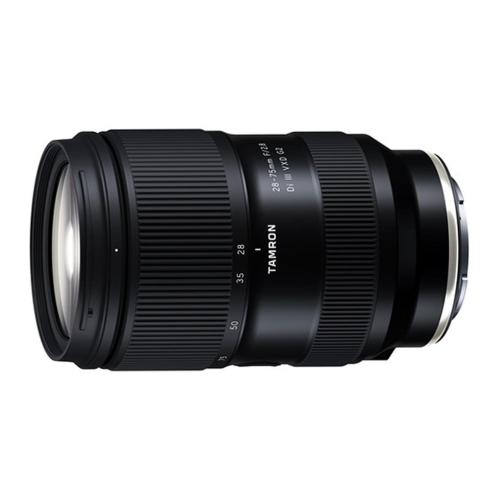
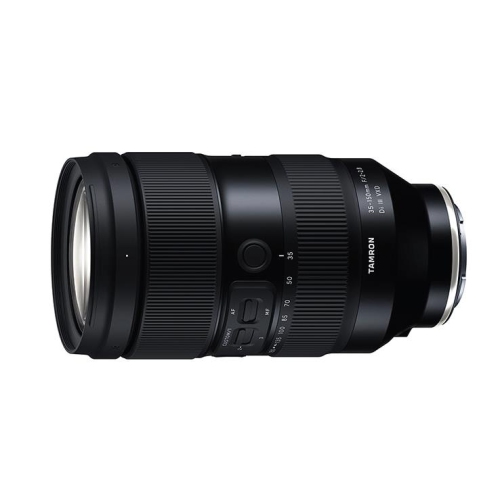
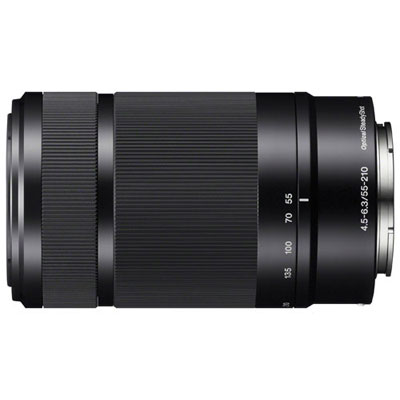


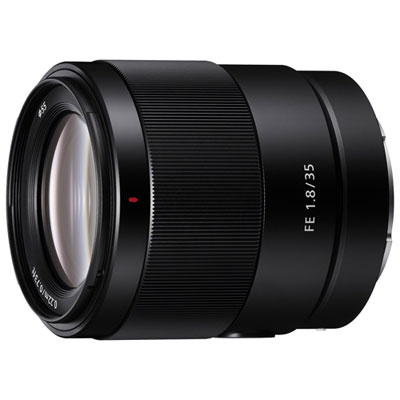
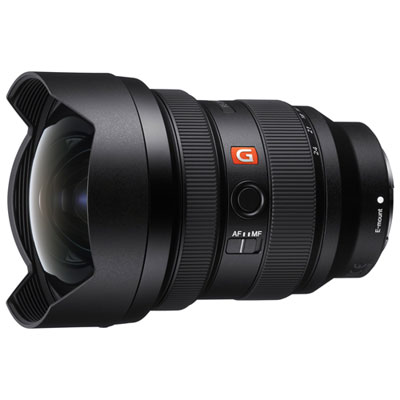
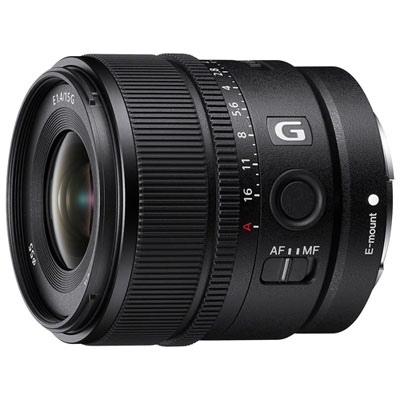
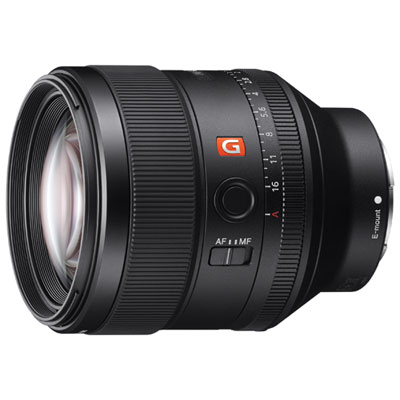
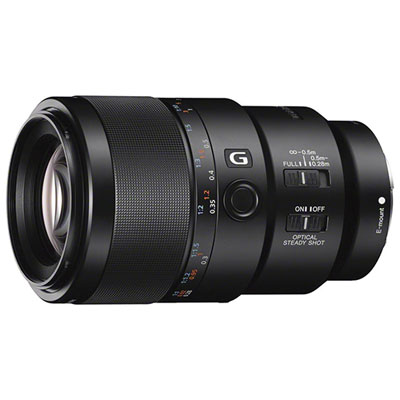
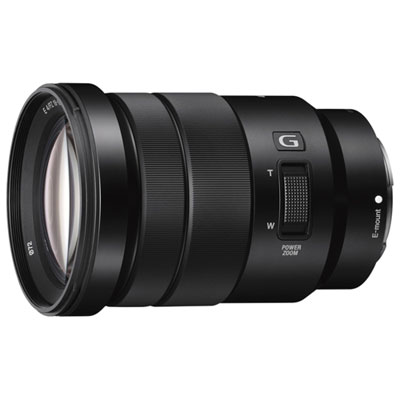

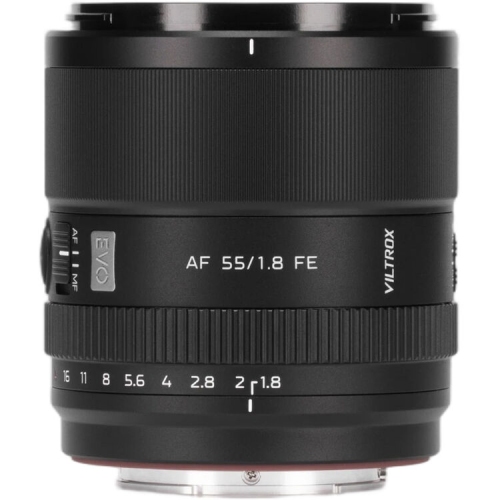
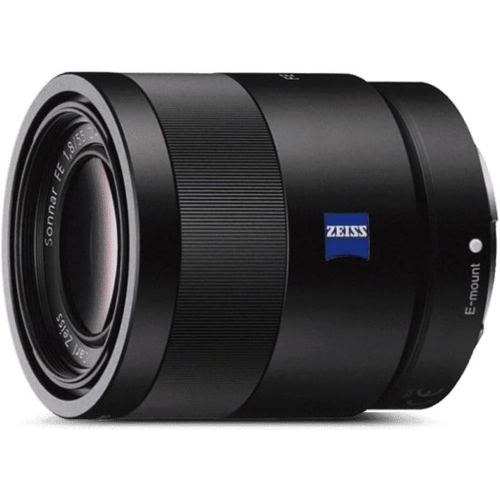
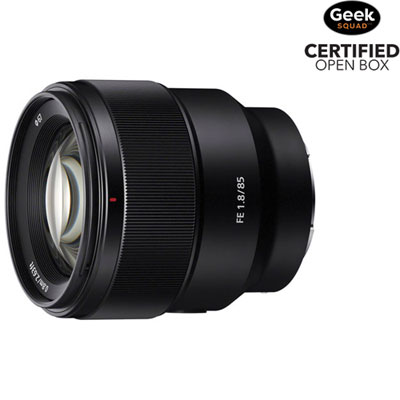
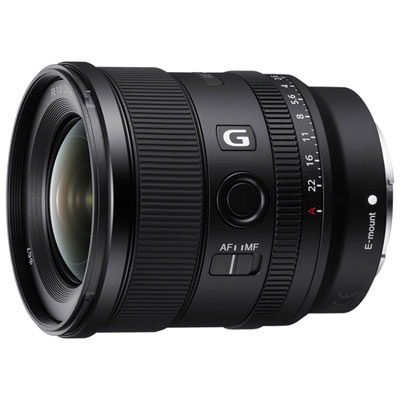
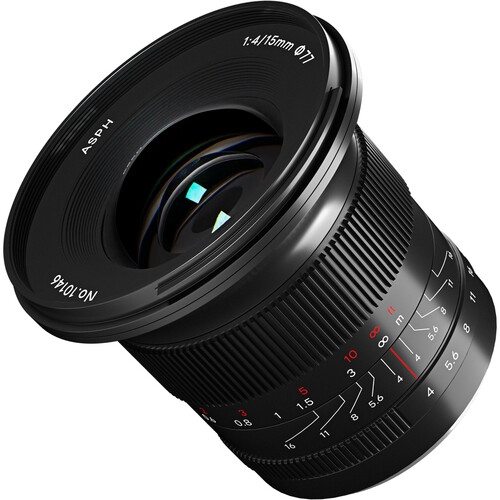
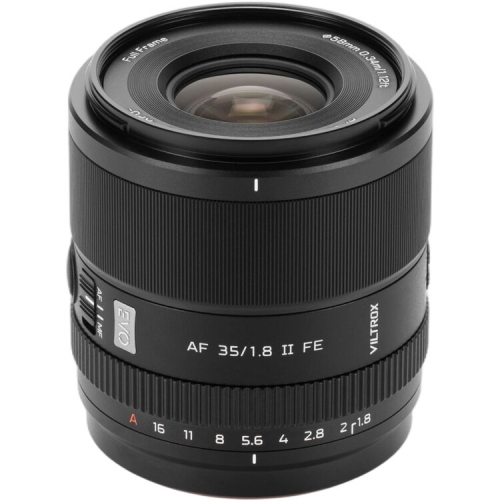
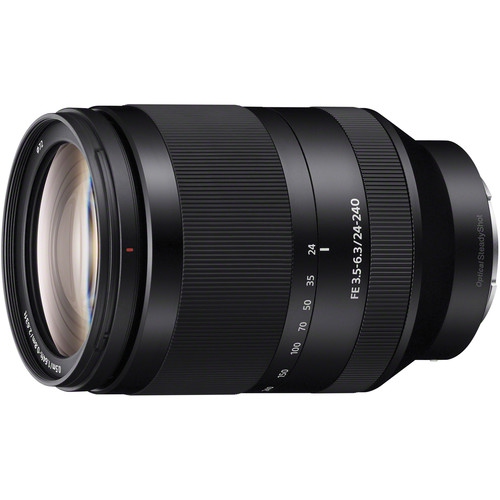
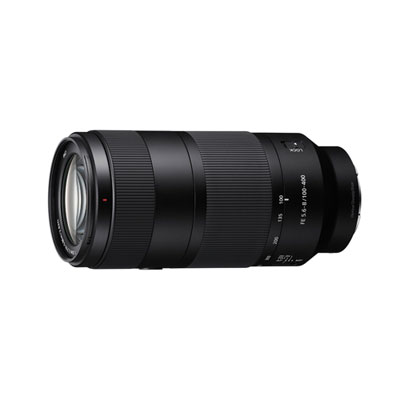
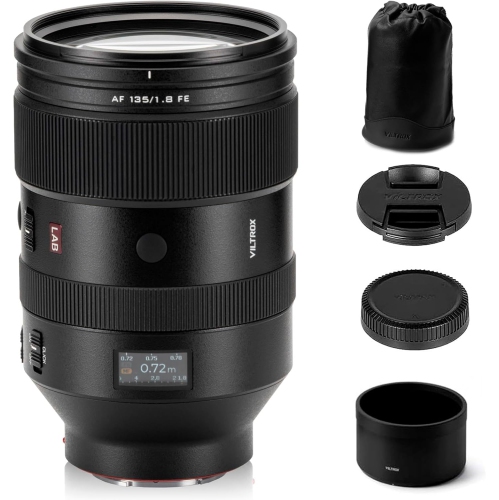
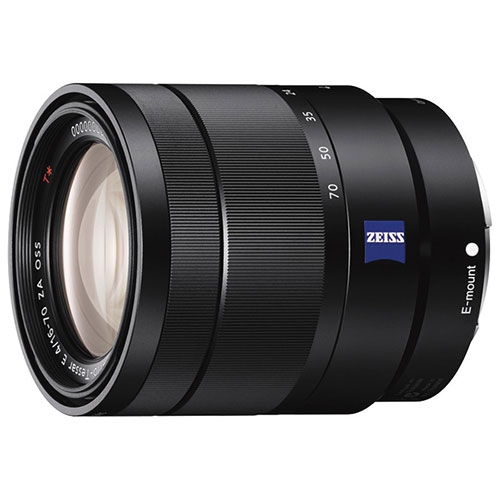
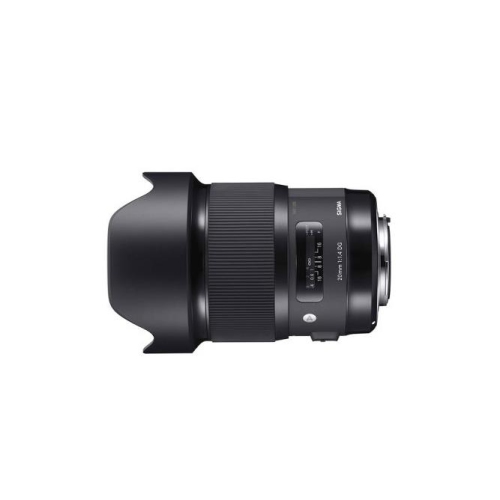
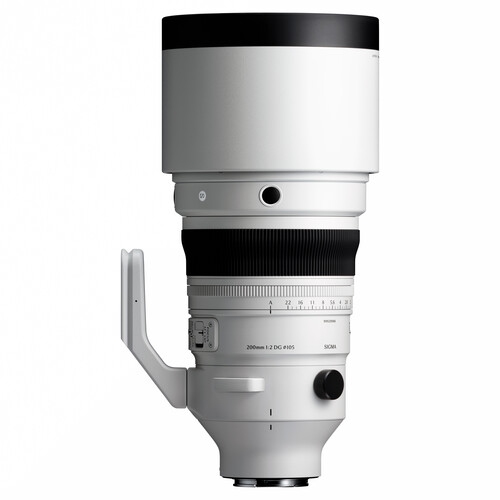
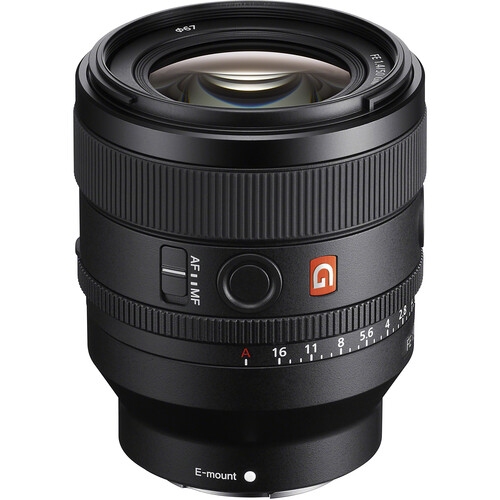
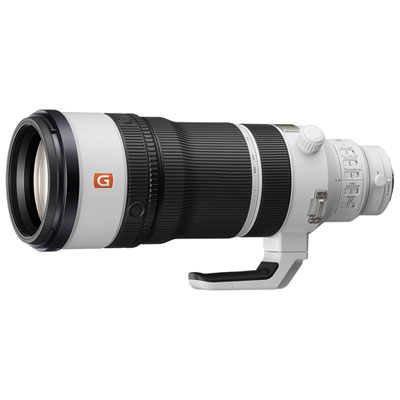

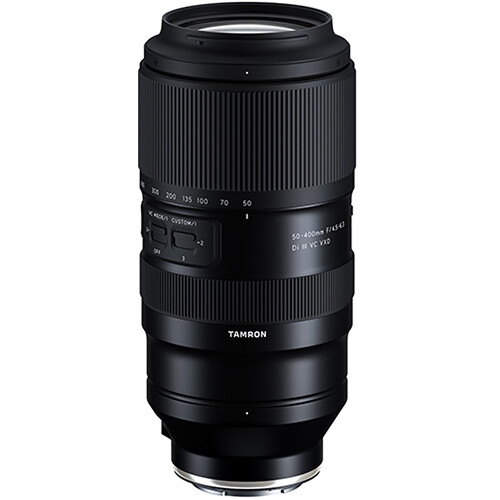
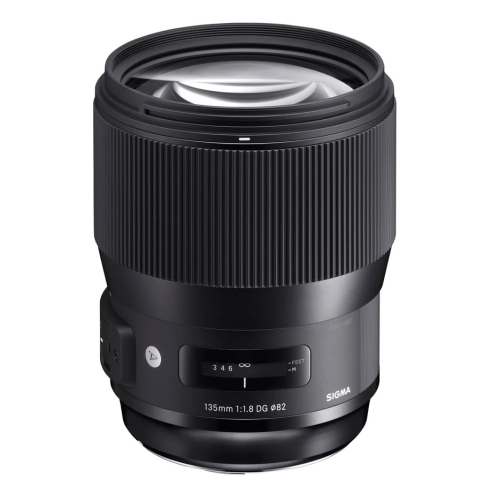
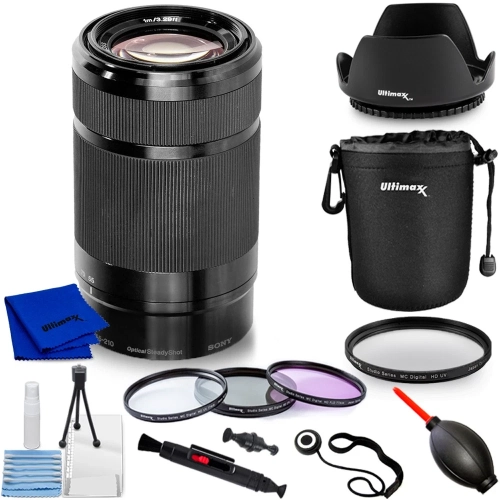
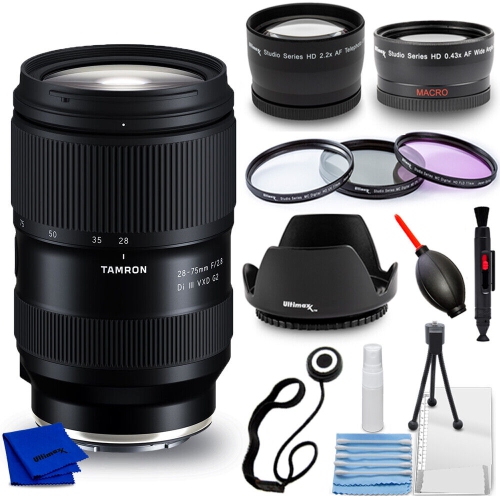
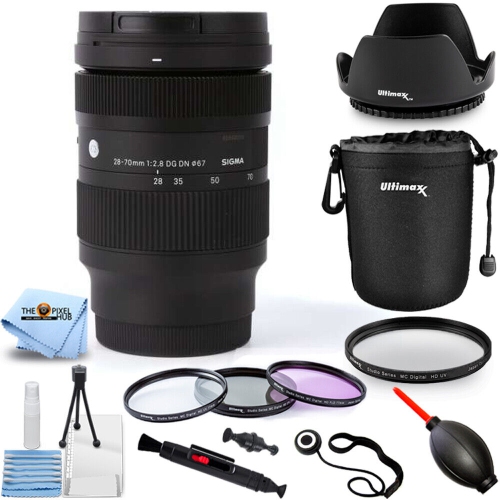
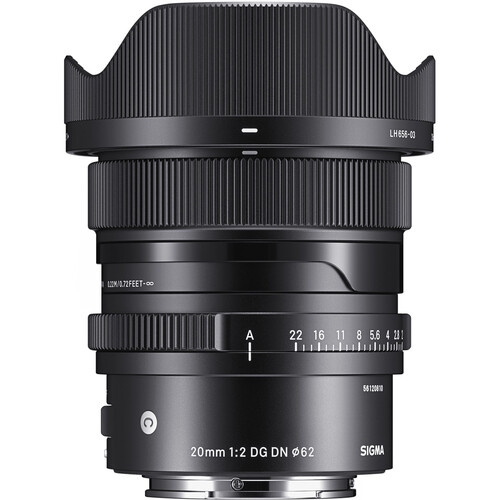
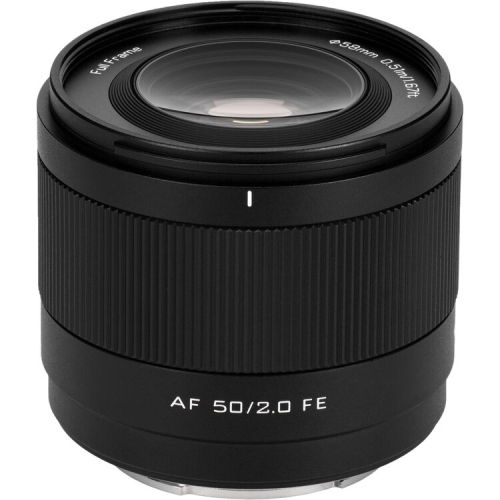


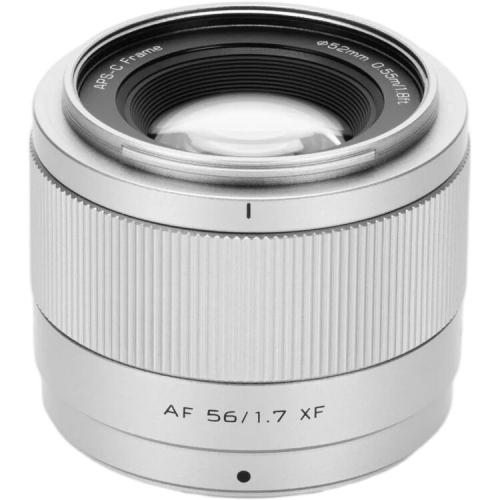
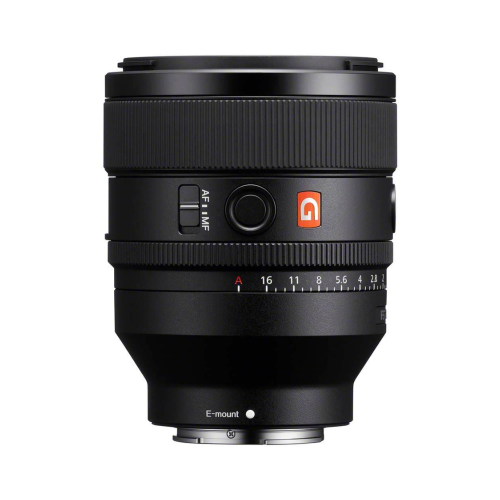
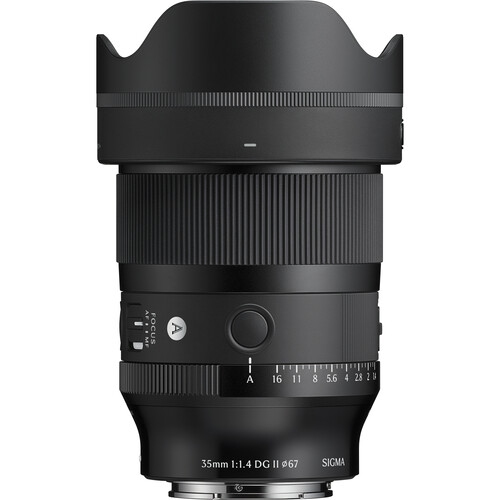
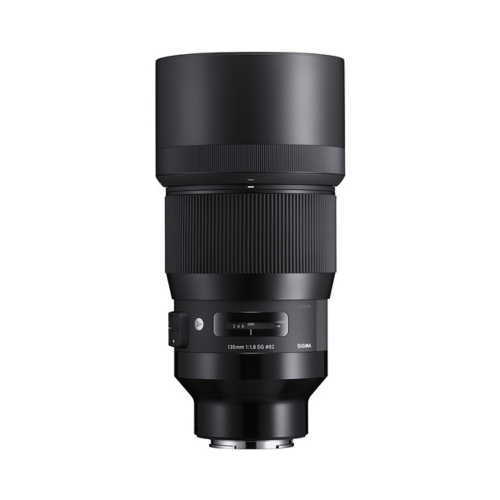
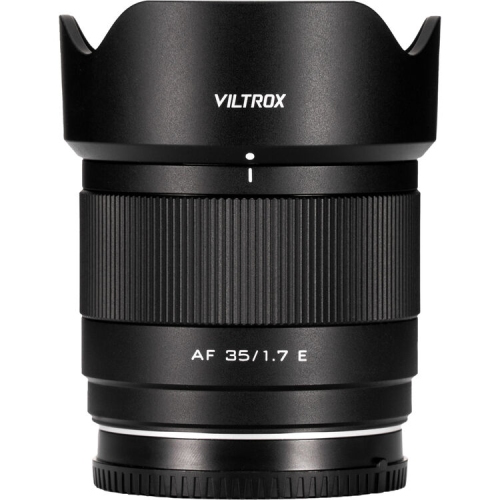
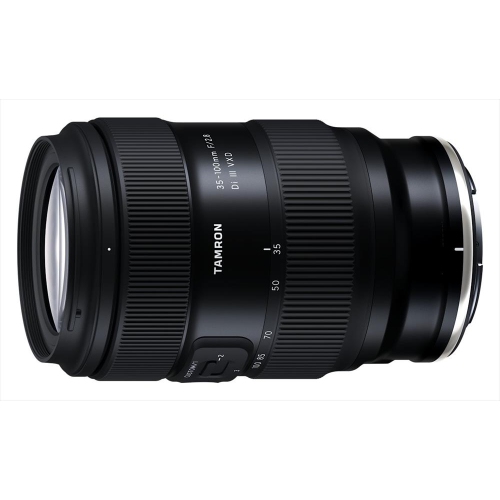
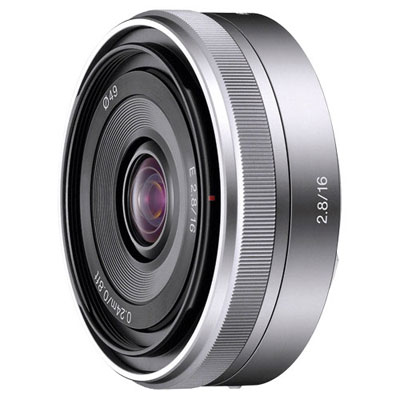
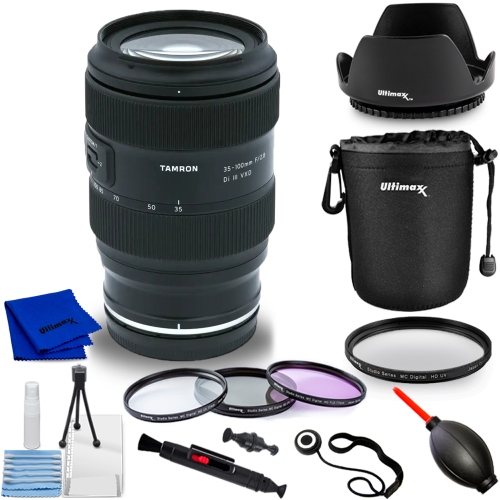
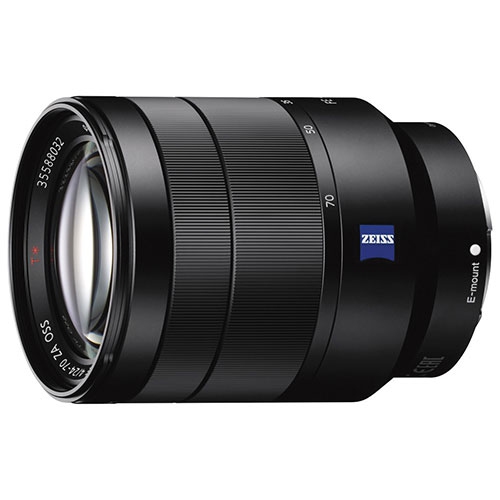
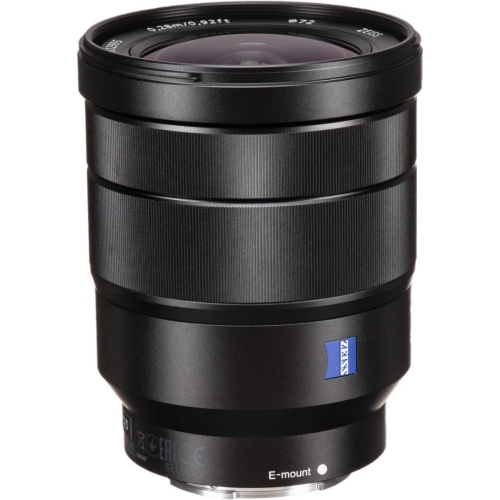
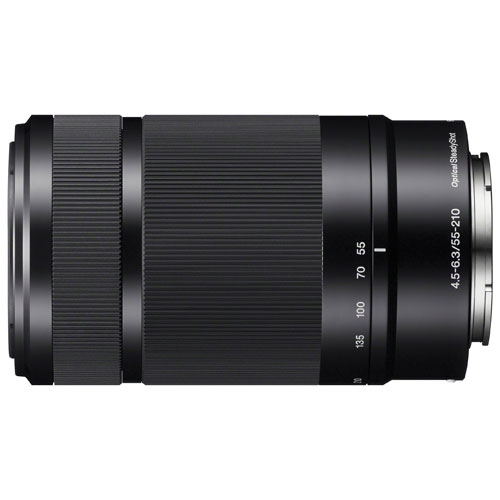
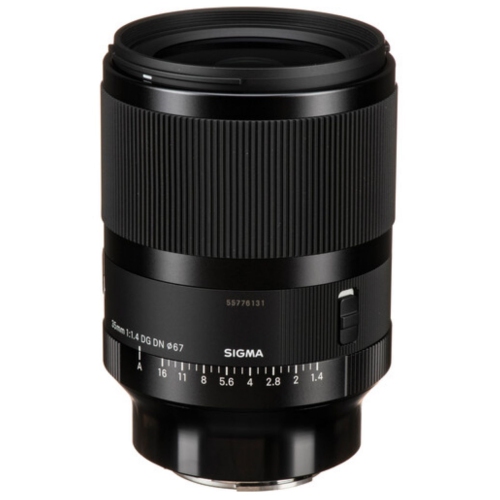
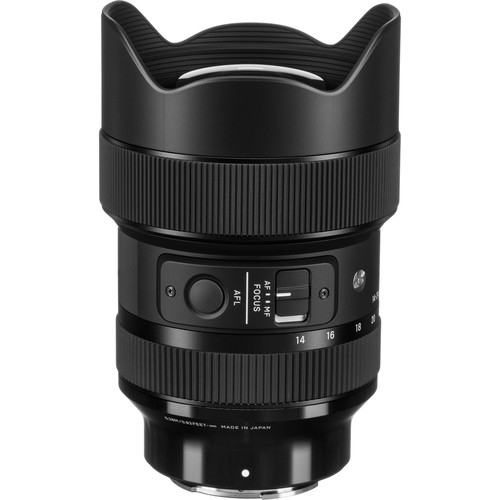
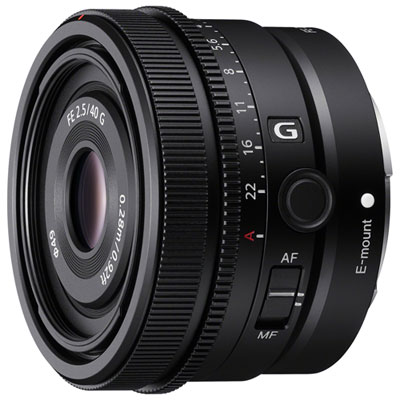
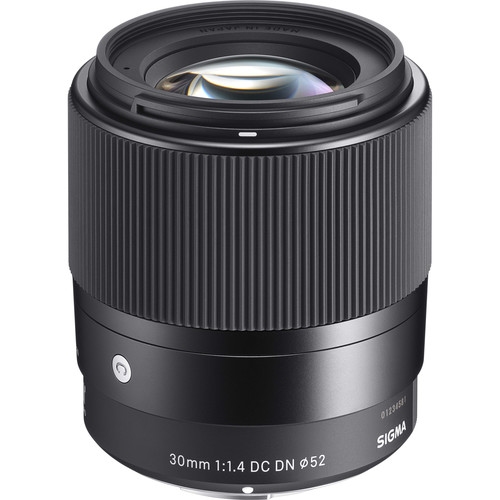
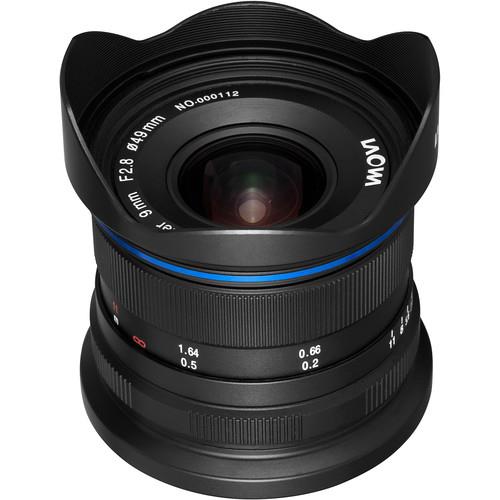
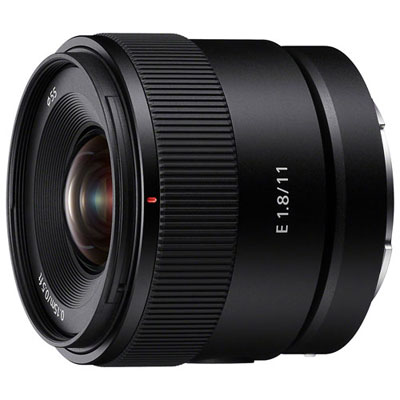
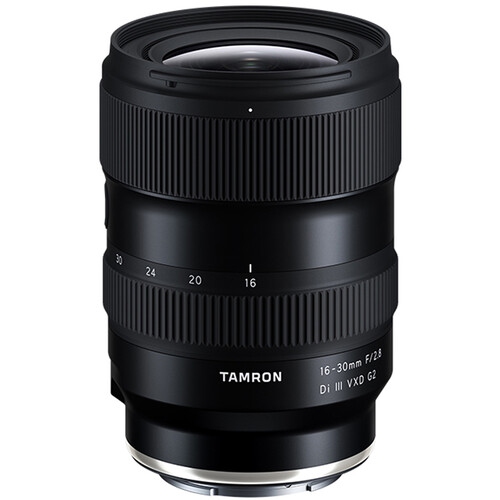
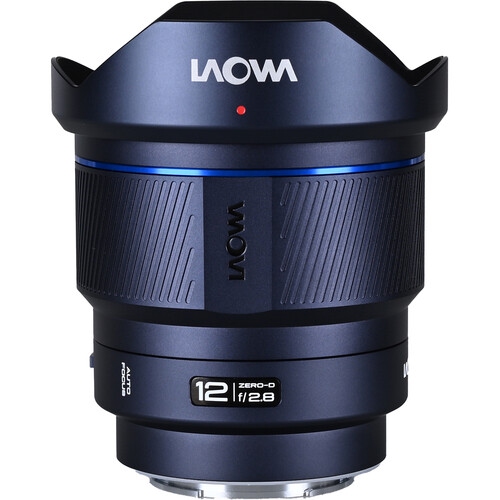
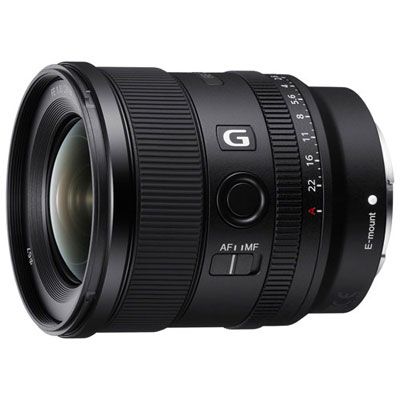
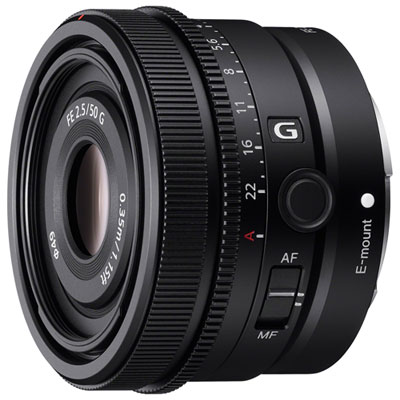
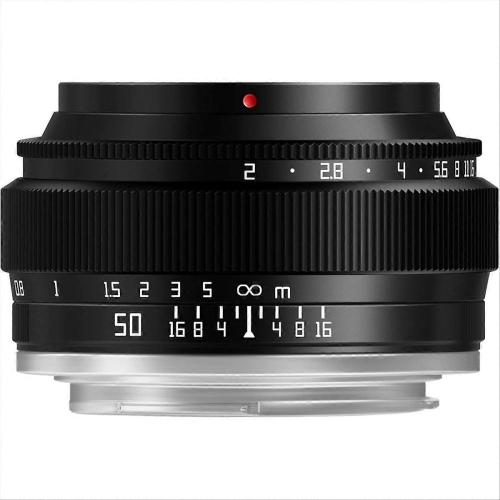
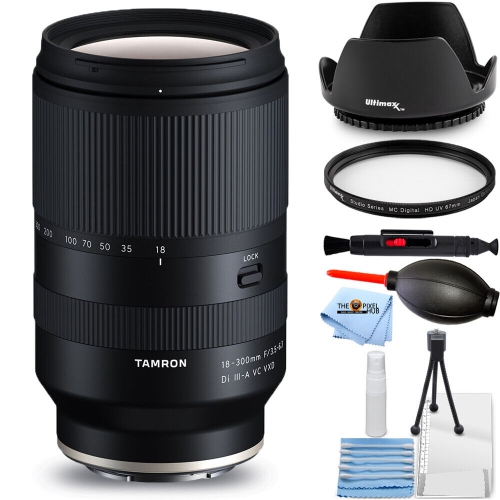
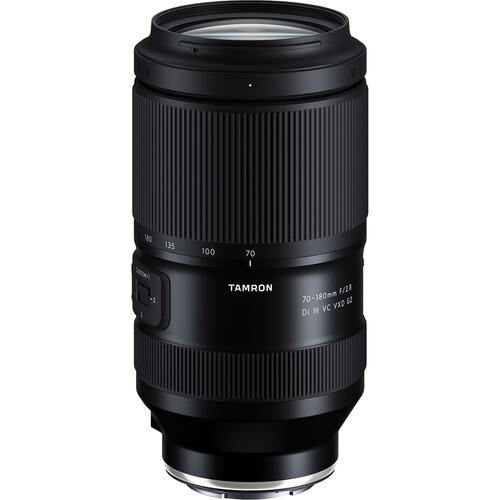
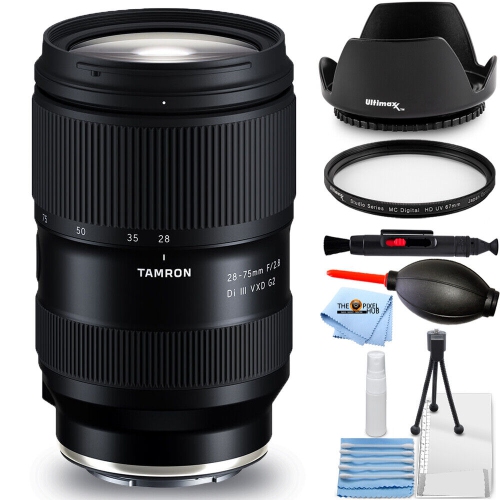
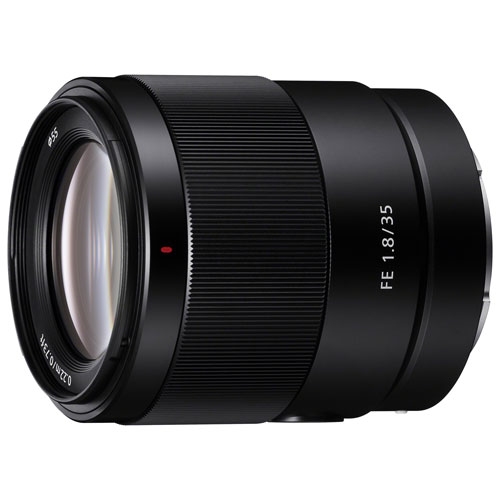
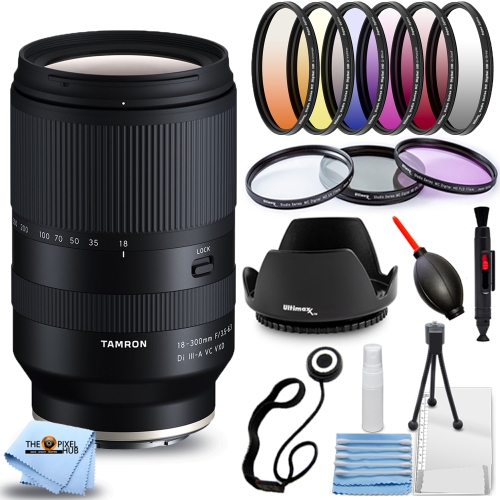
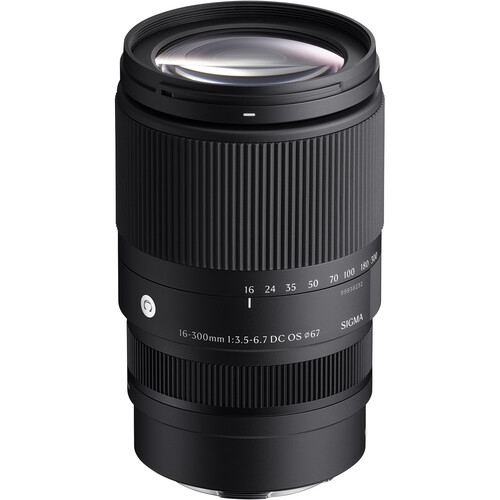

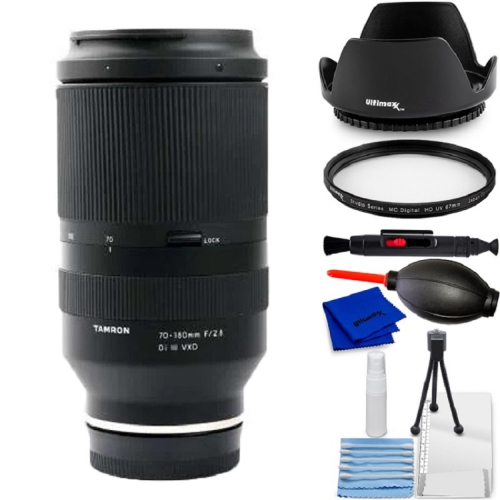
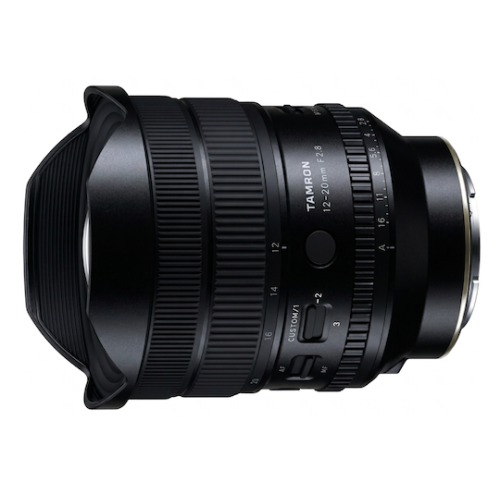
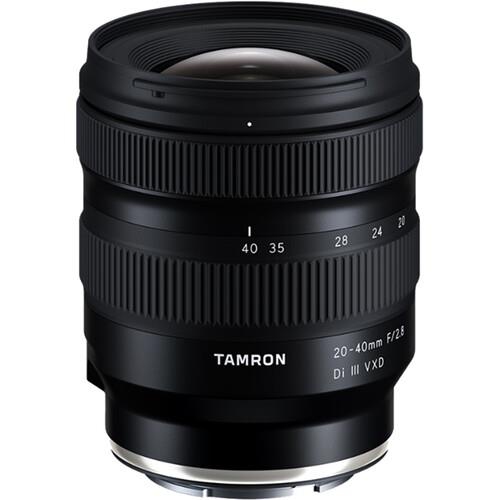
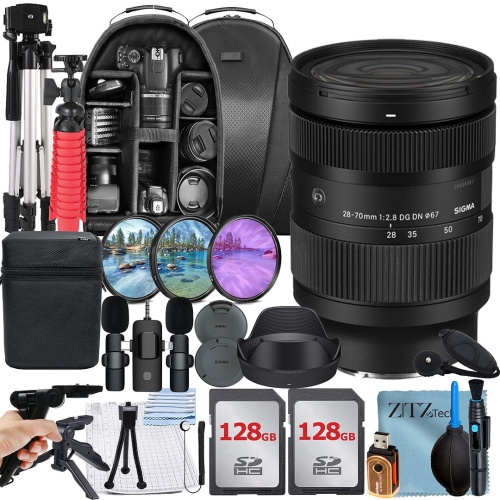
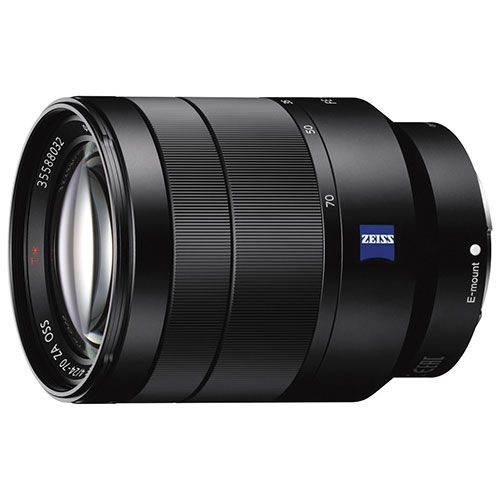
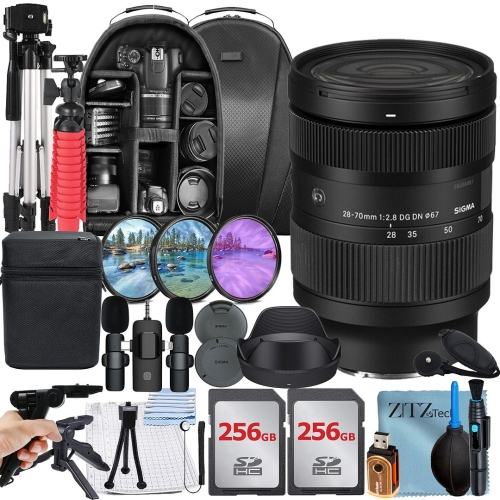
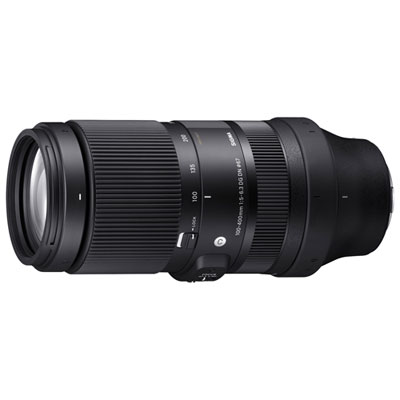
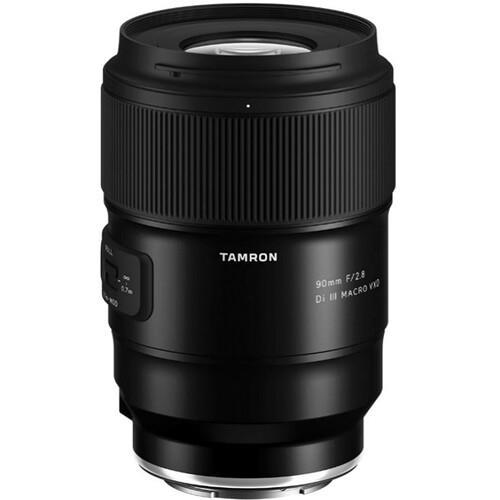
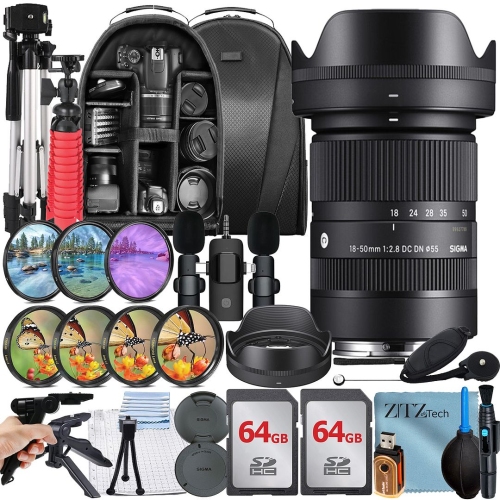
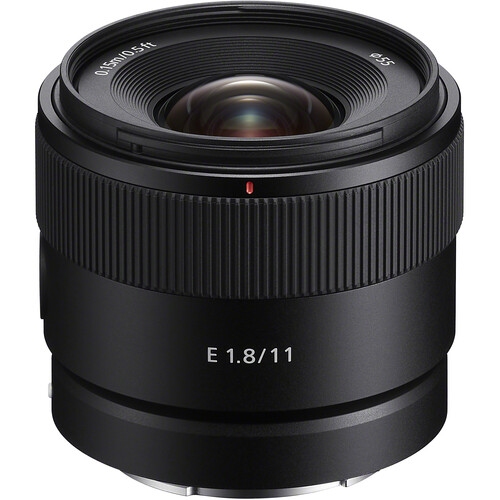
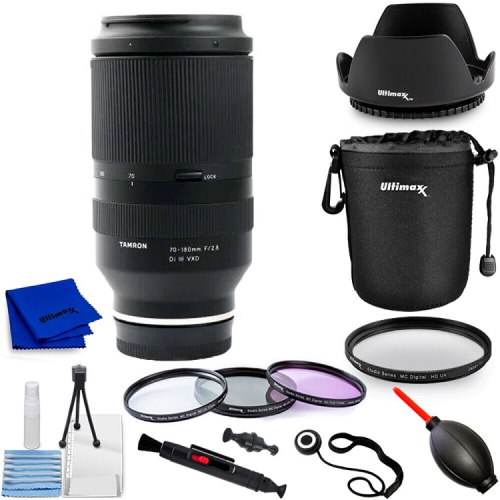
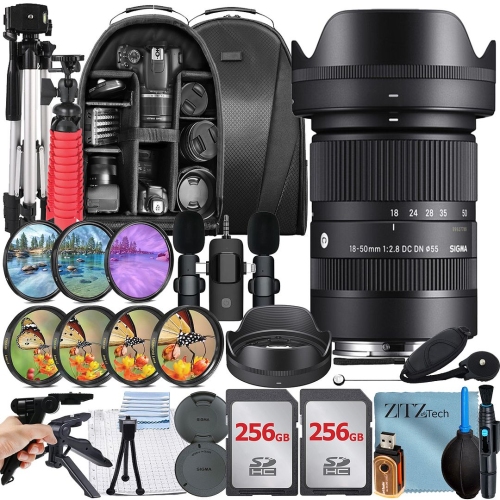
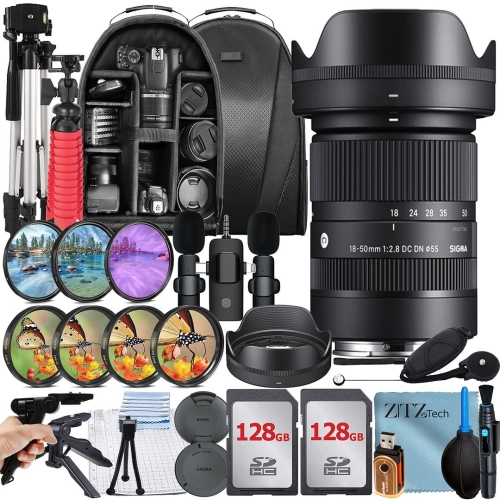
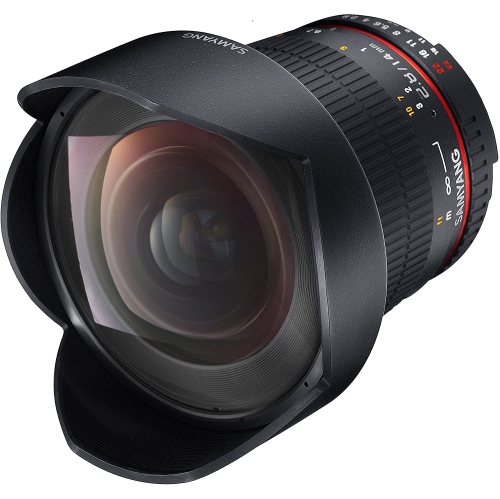
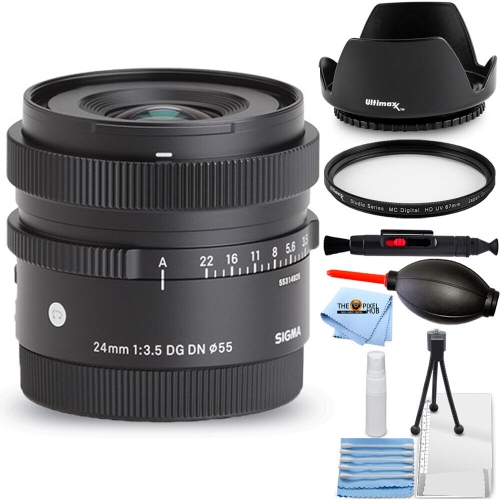
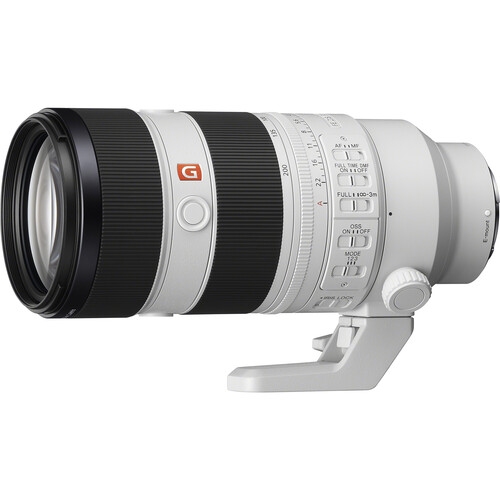
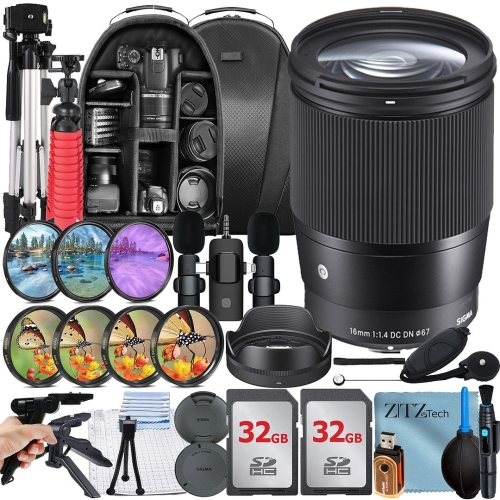
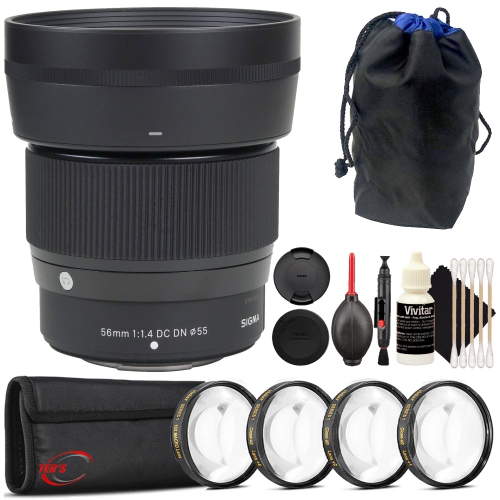
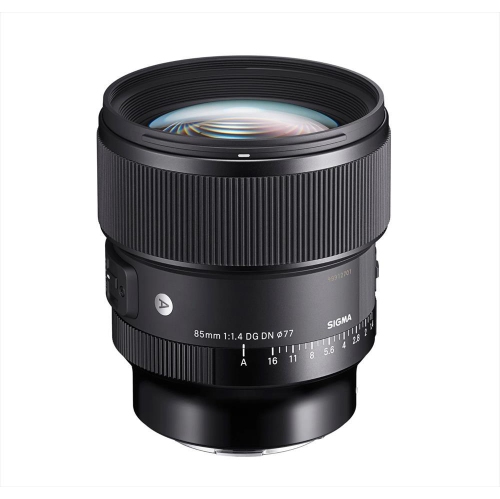
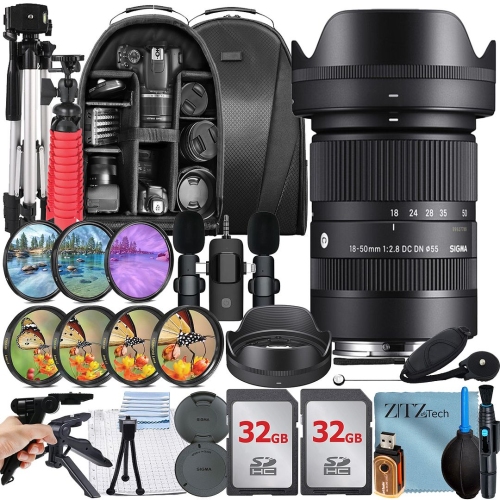
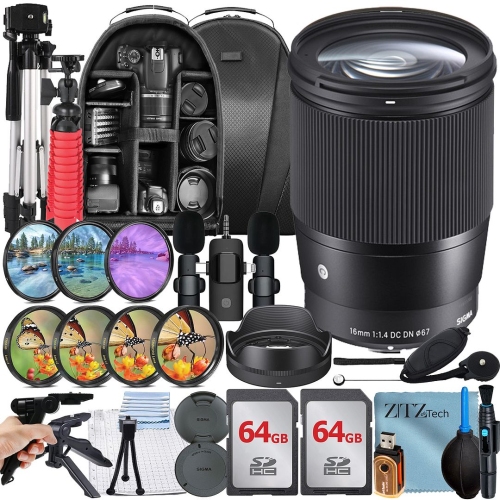
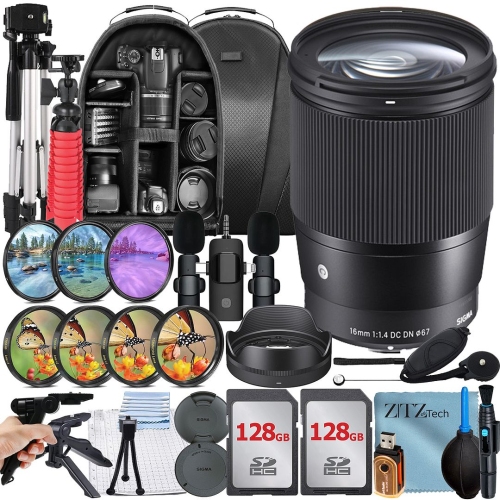
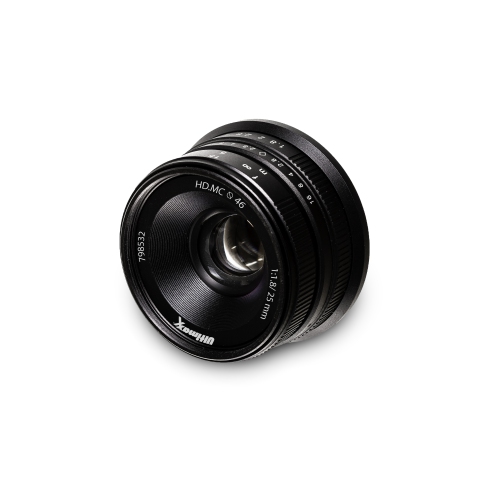
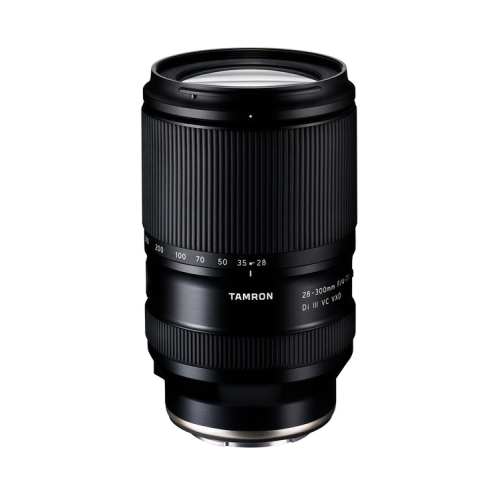
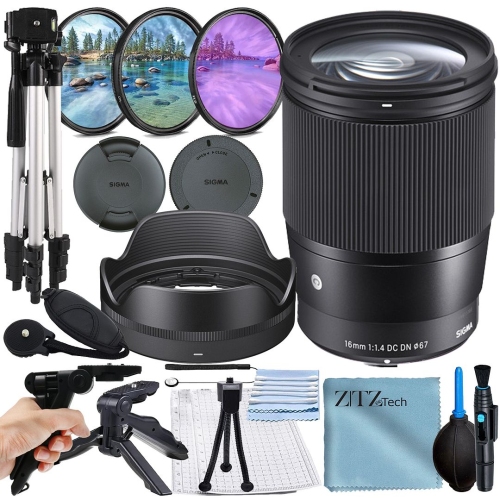
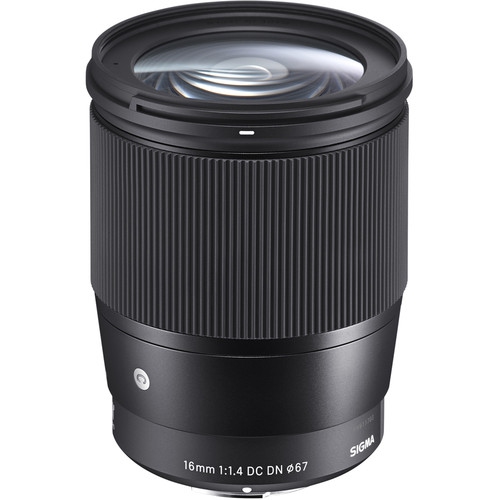
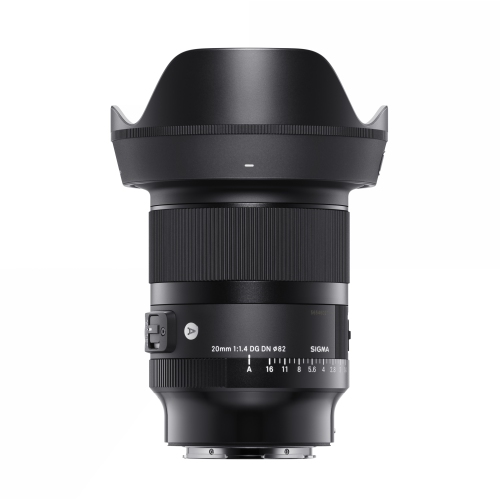
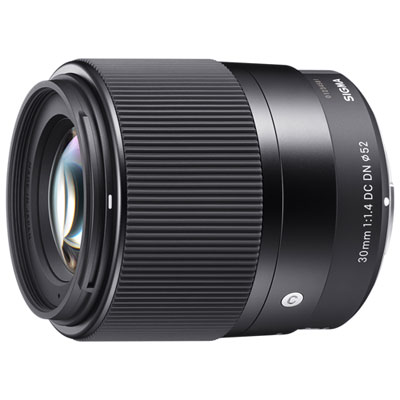
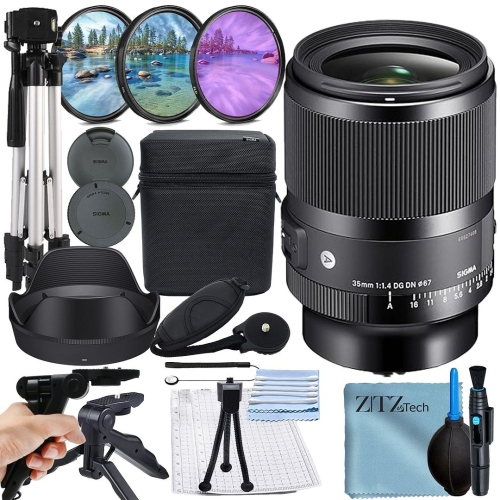
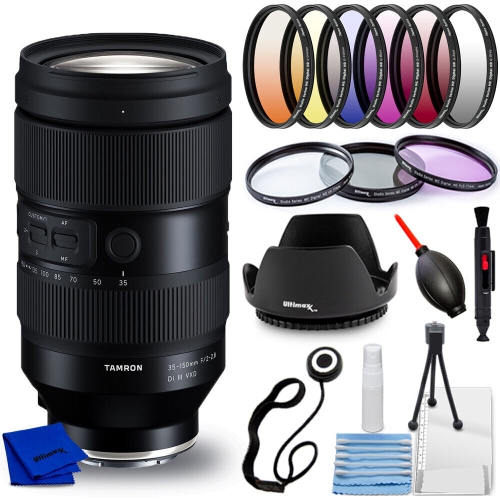

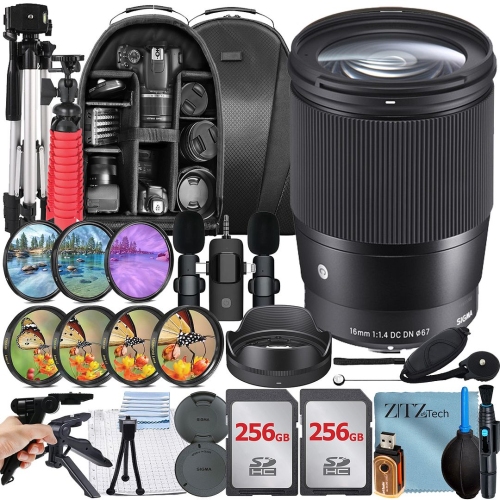
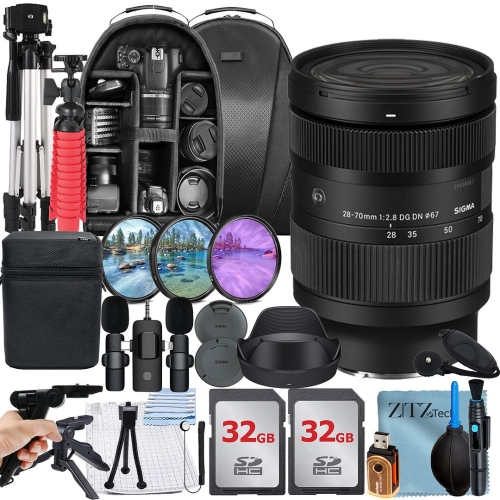

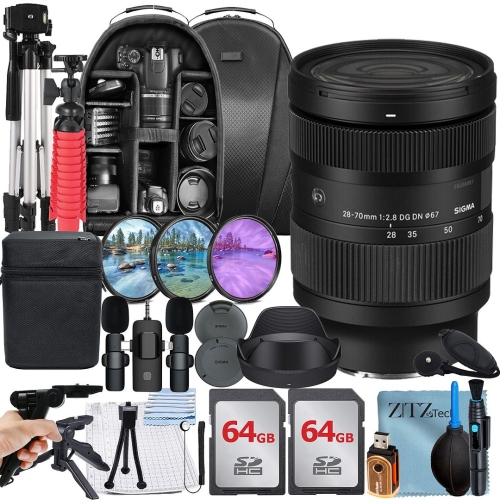
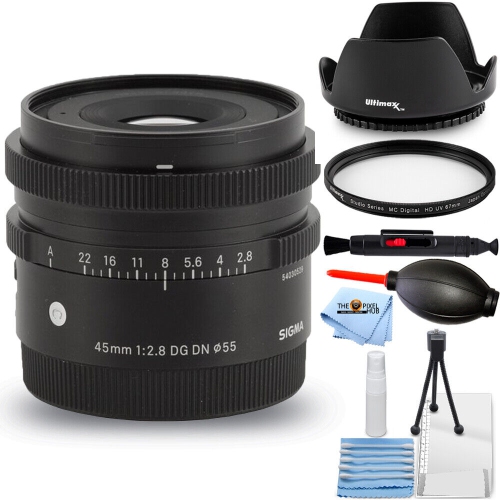
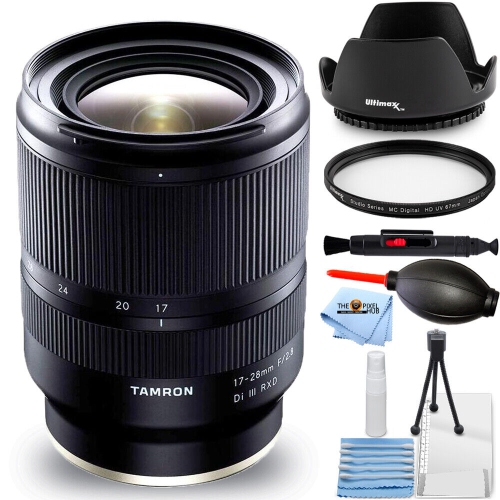
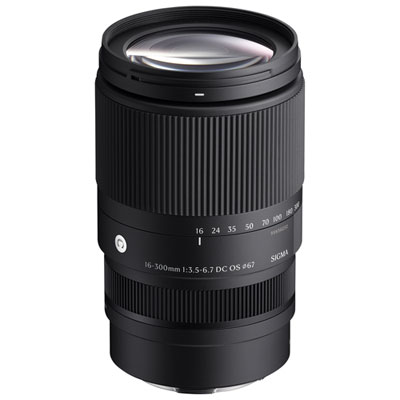
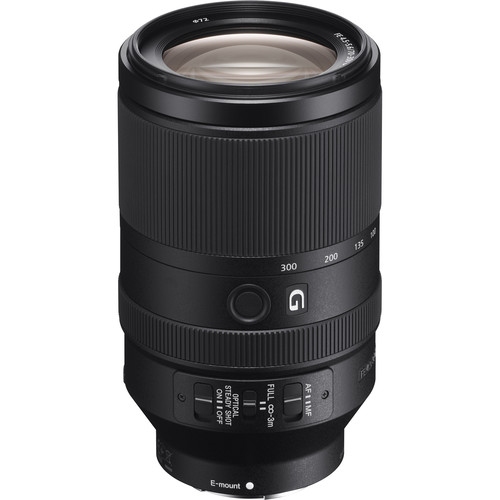
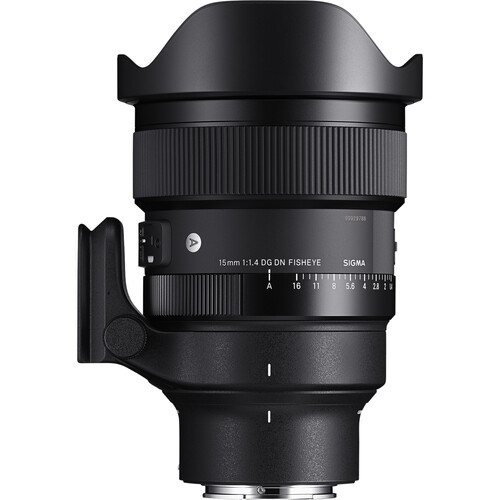
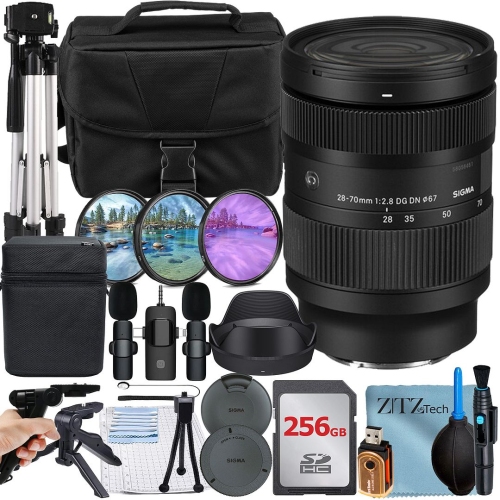
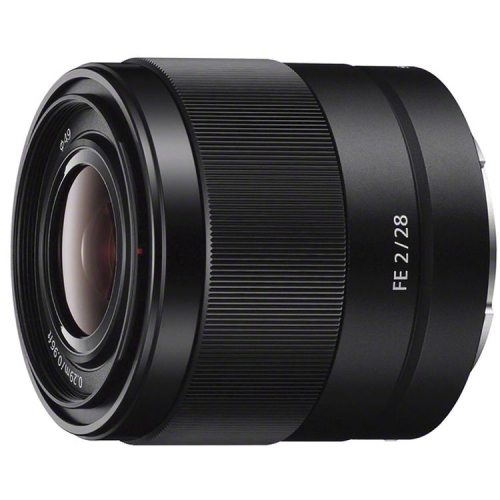
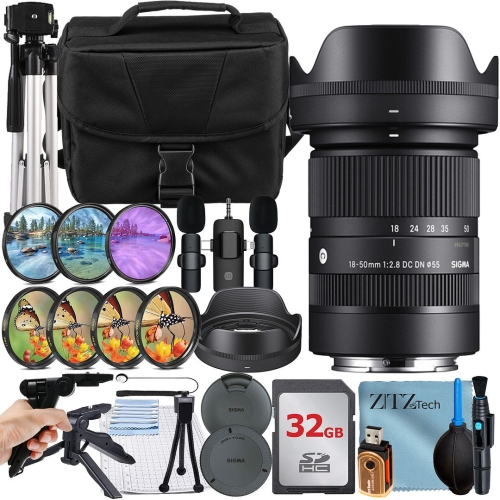
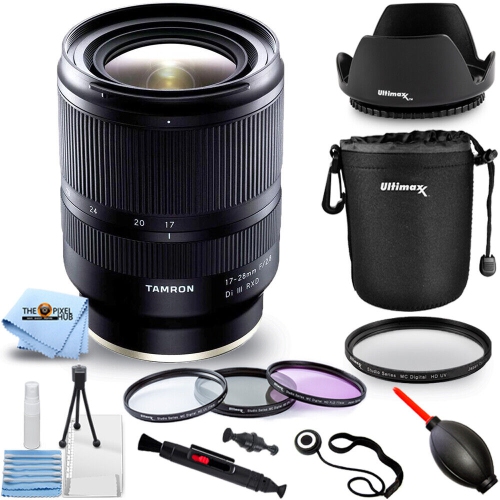
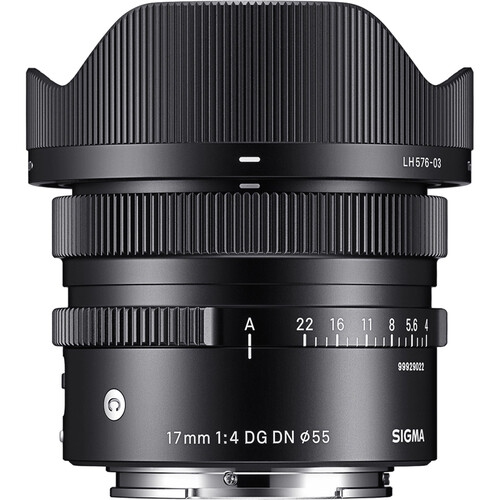
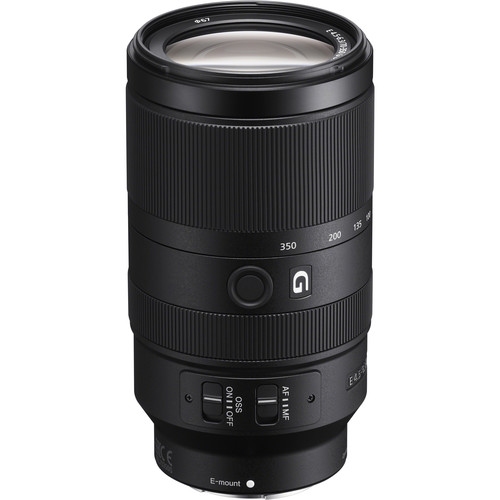
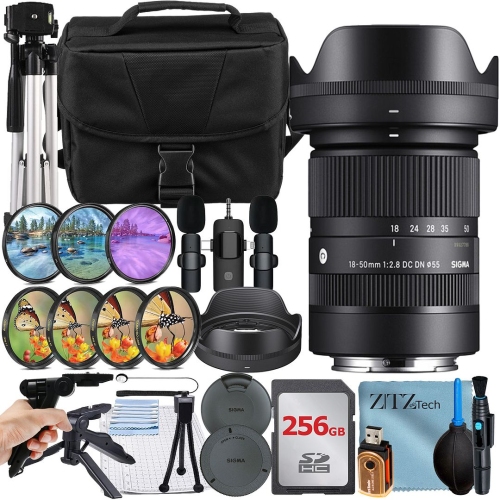
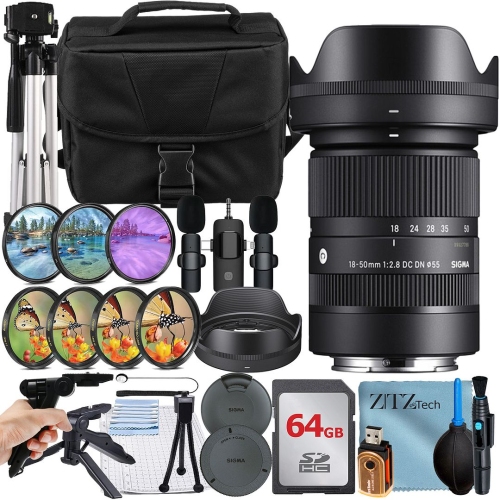
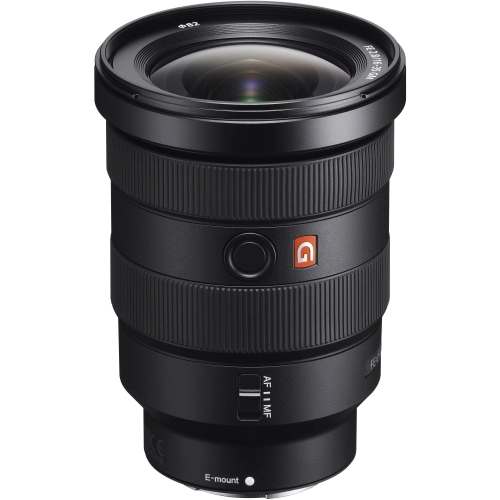
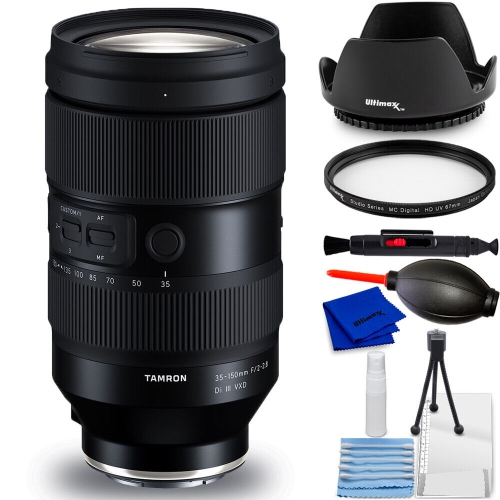
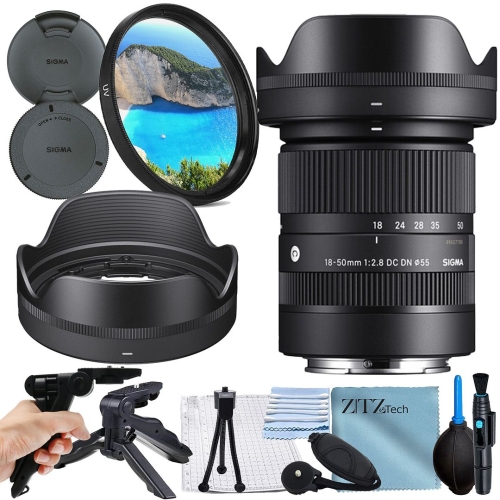
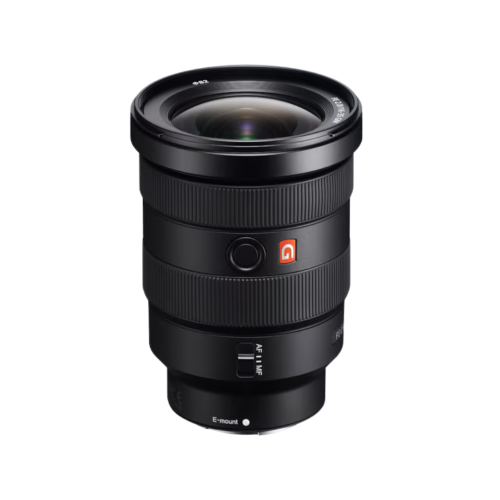
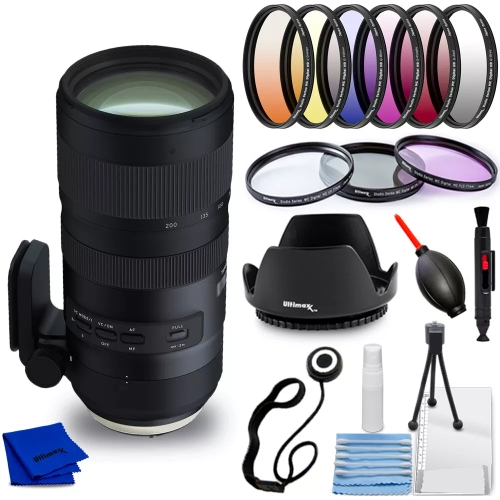
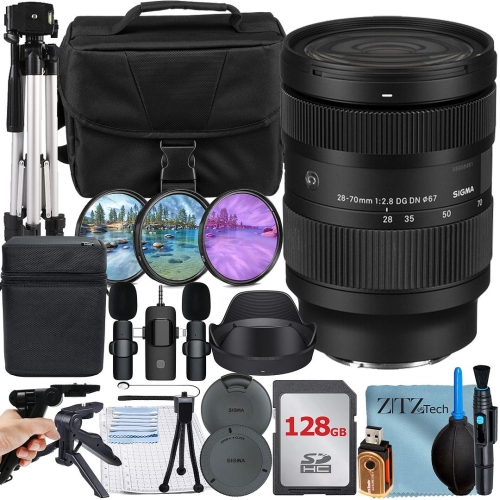
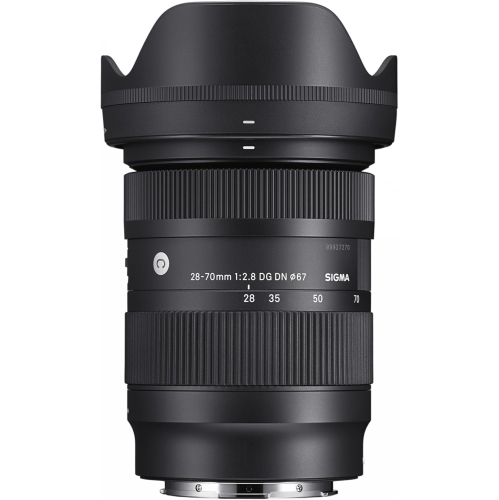
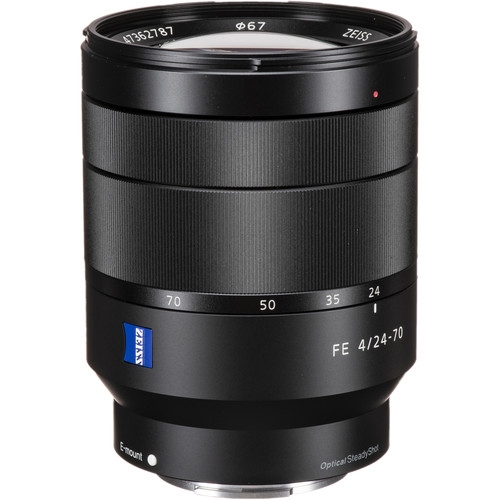
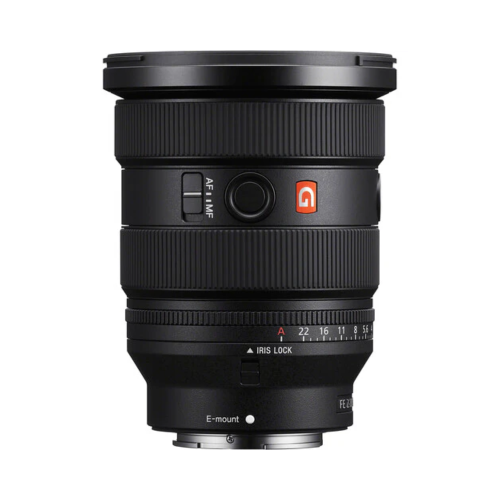
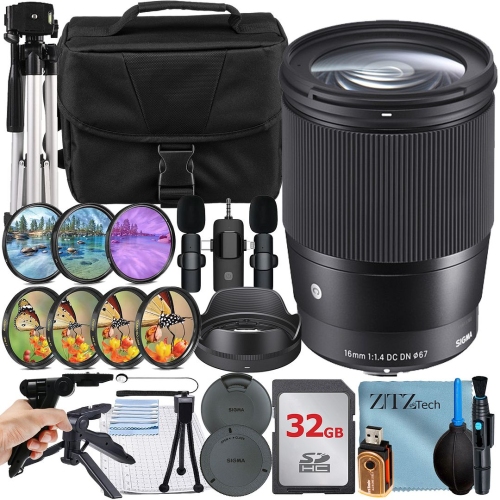
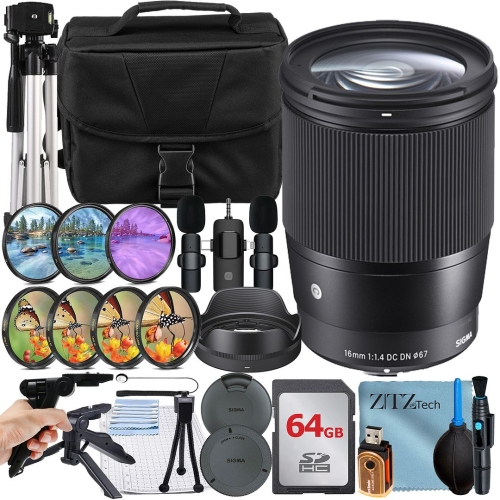
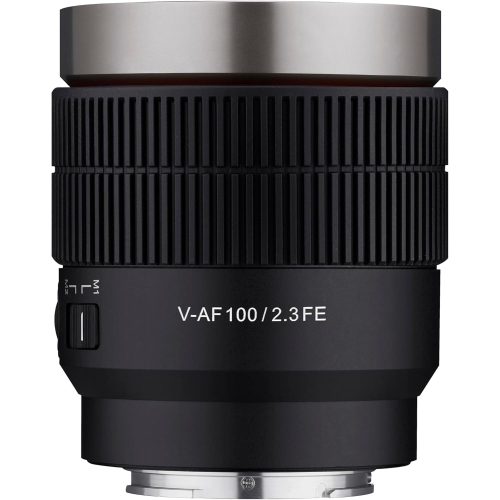
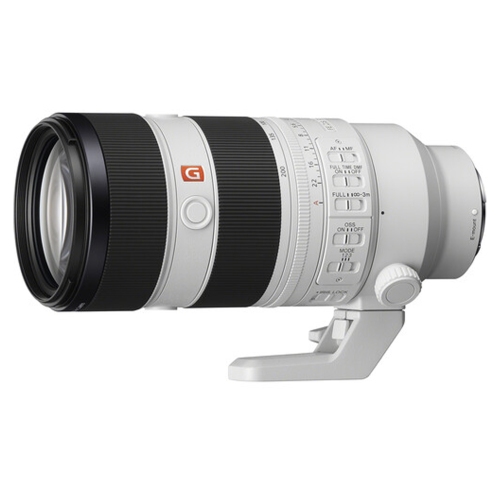
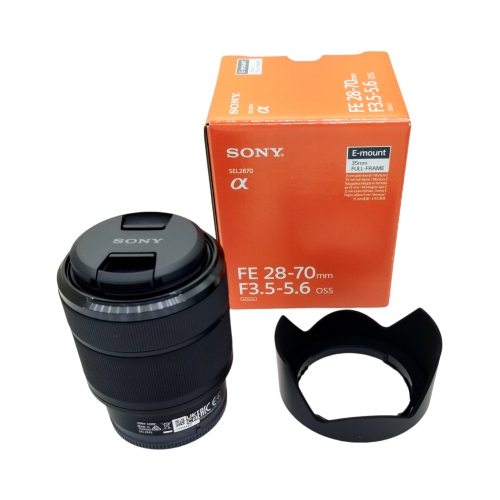
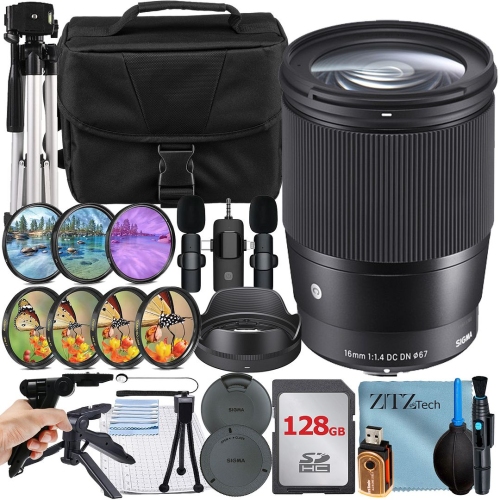
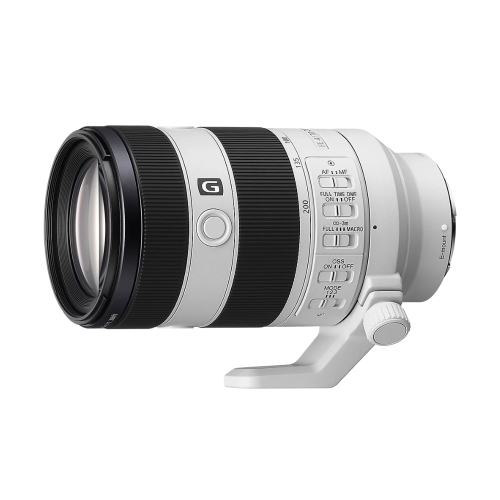
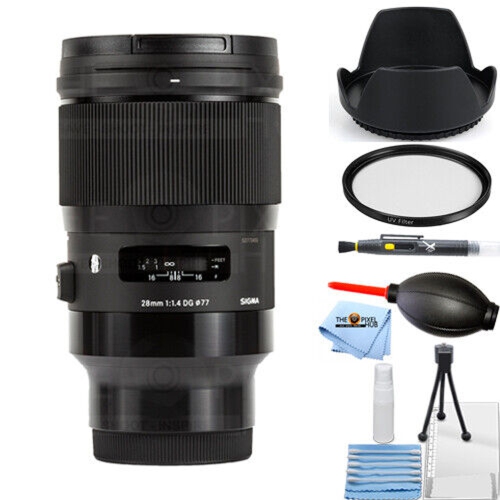
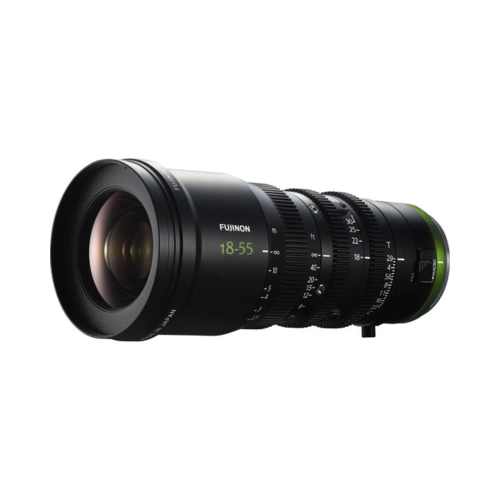
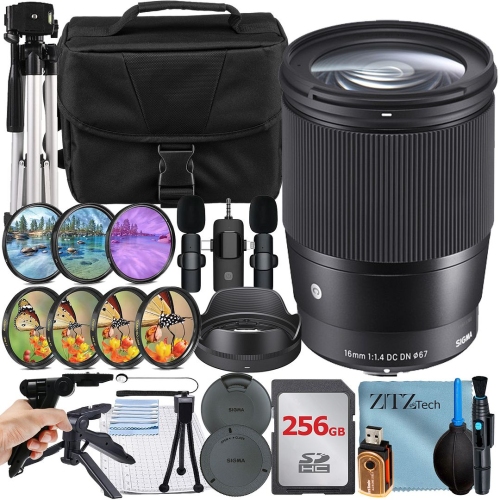
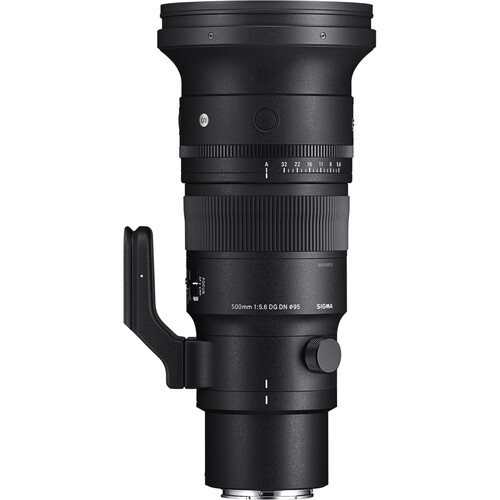
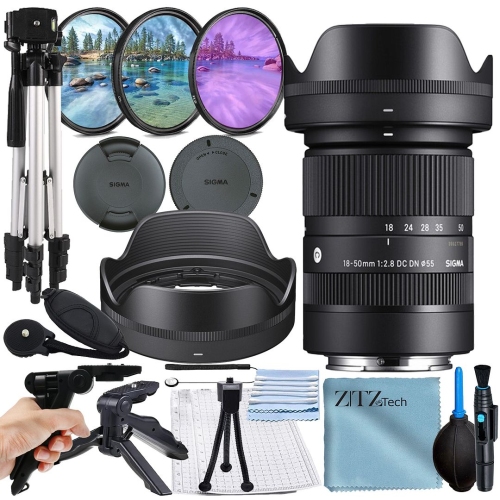
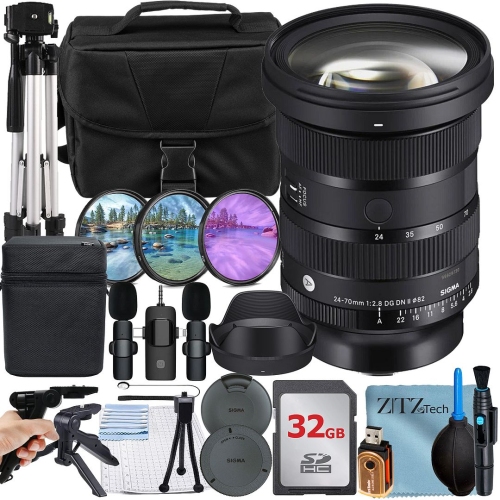
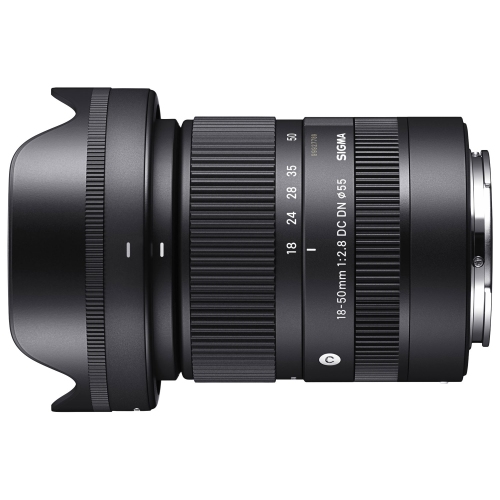
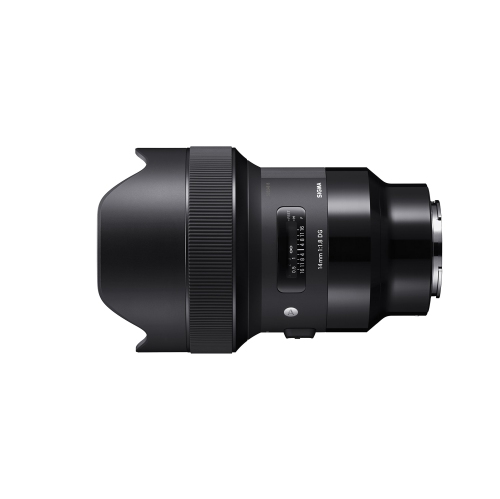
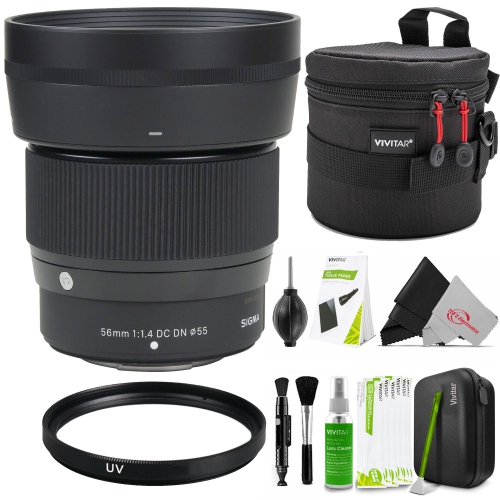
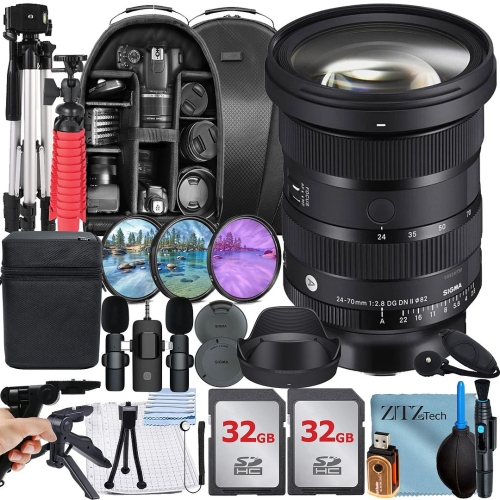
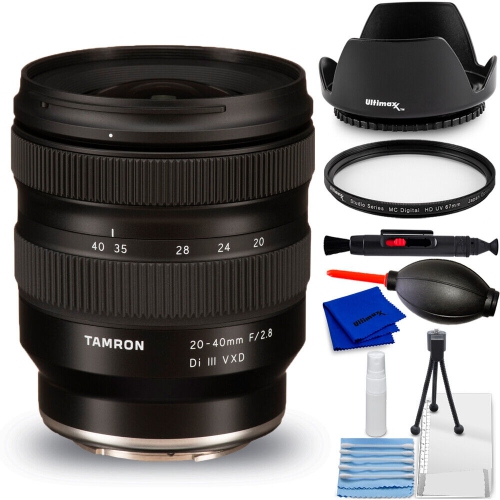
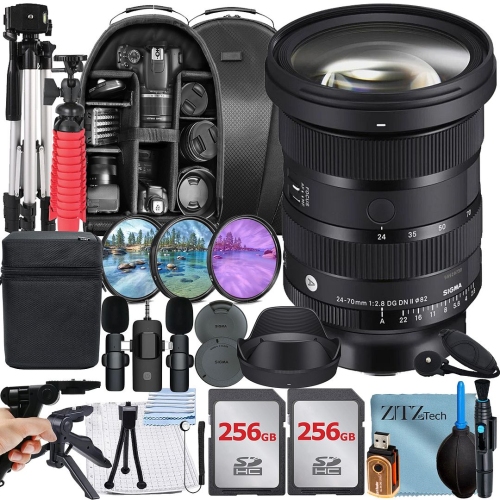
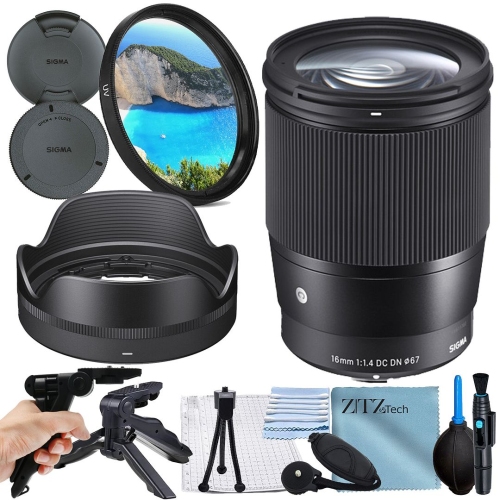
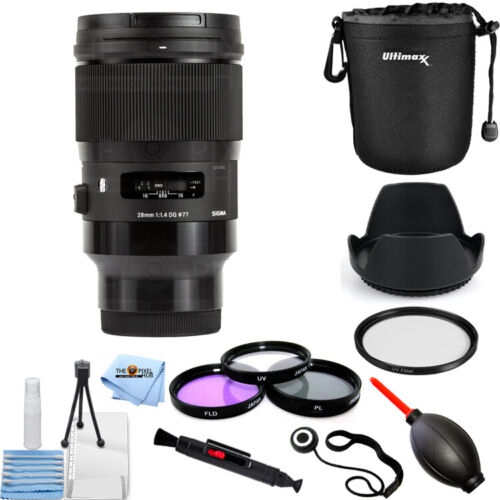
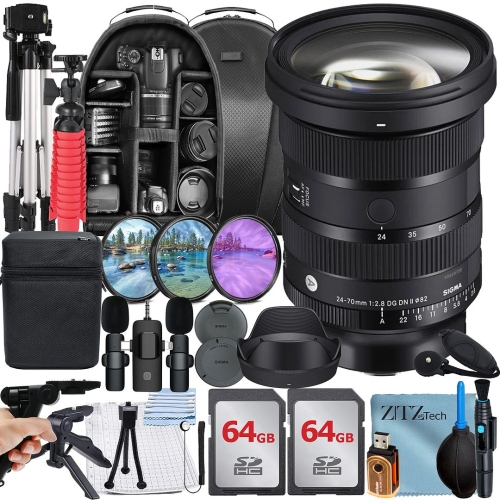
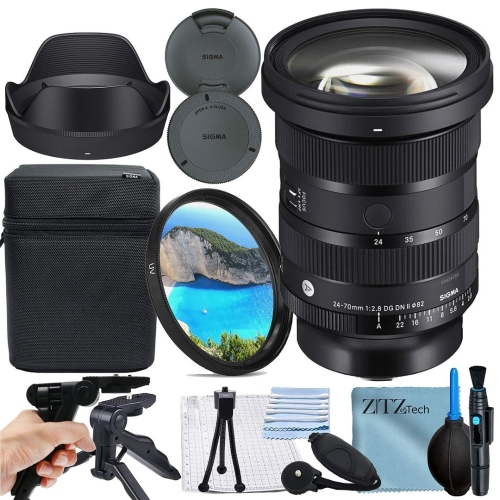
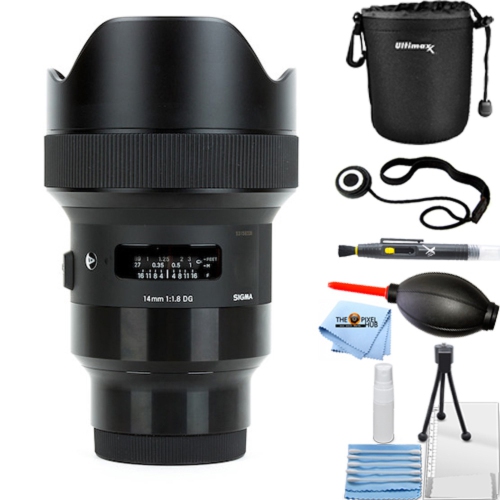
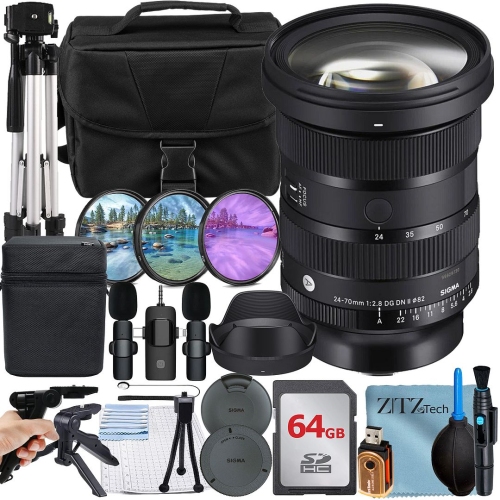
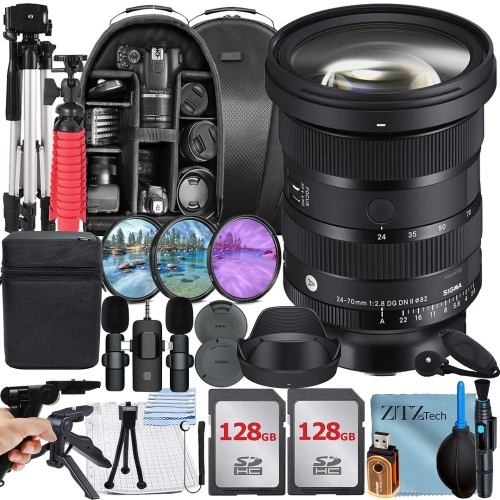
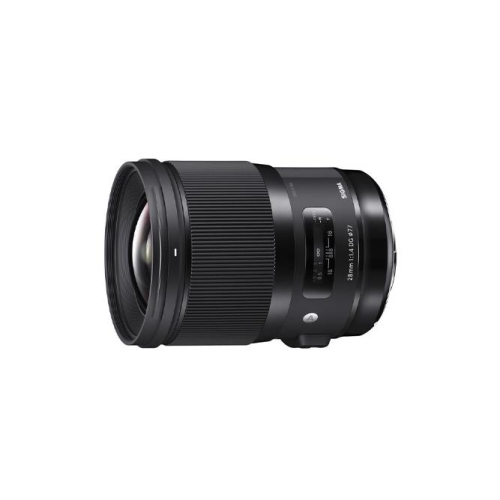
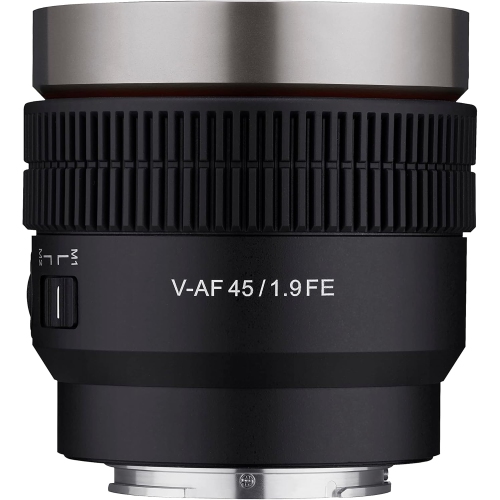
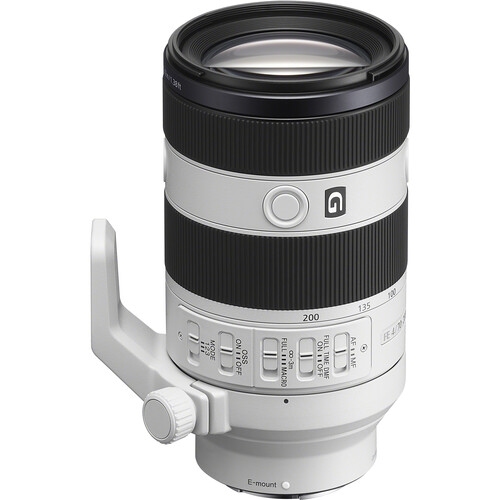
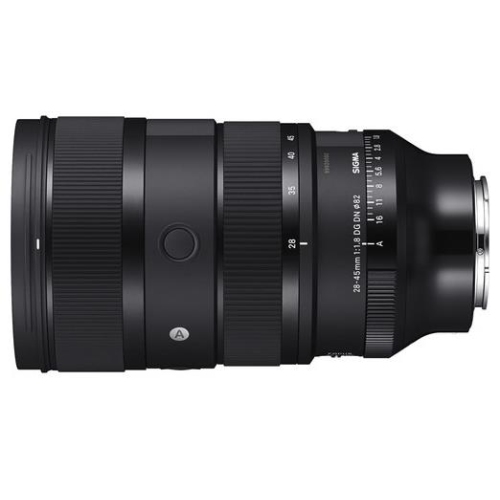
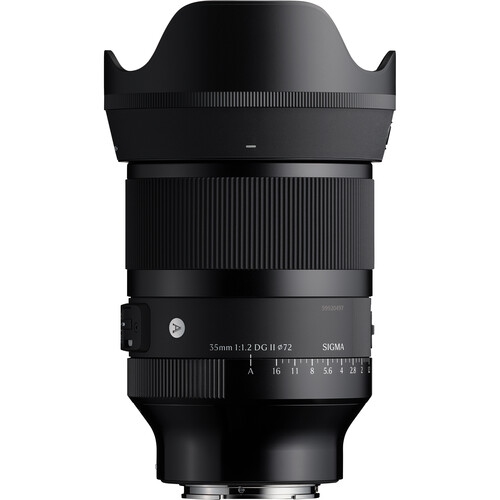

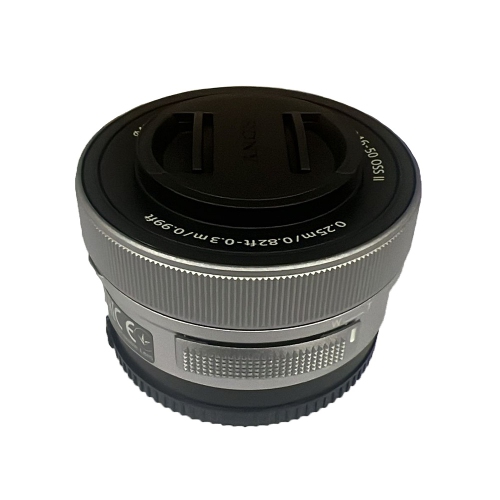

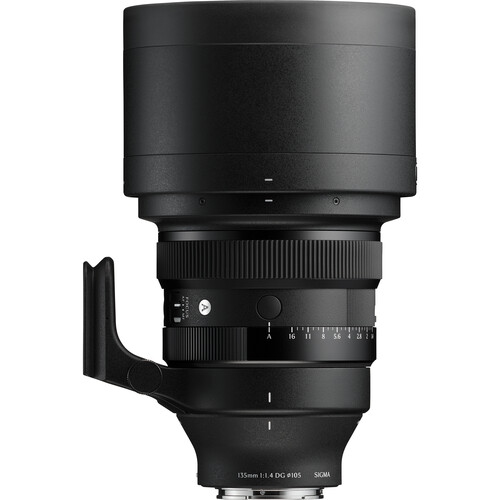
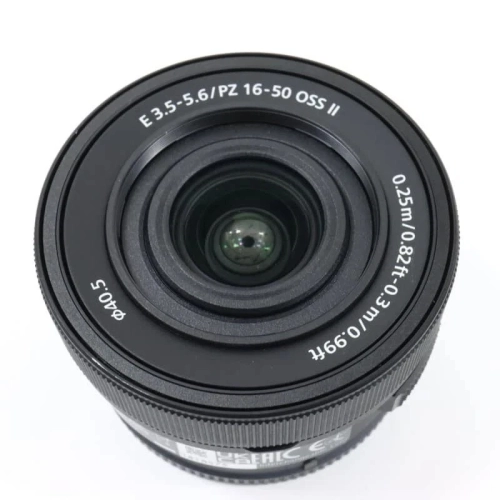
Why lens compatibility goes beyond the mount
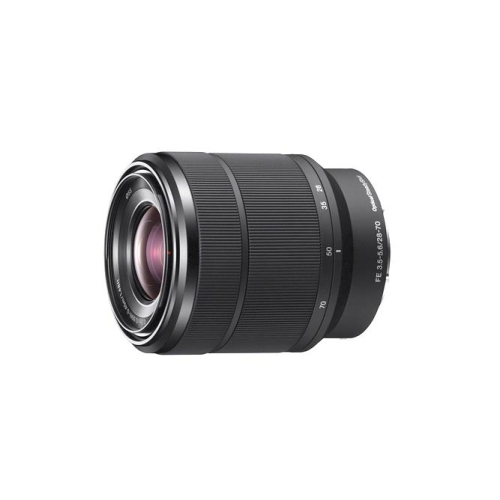
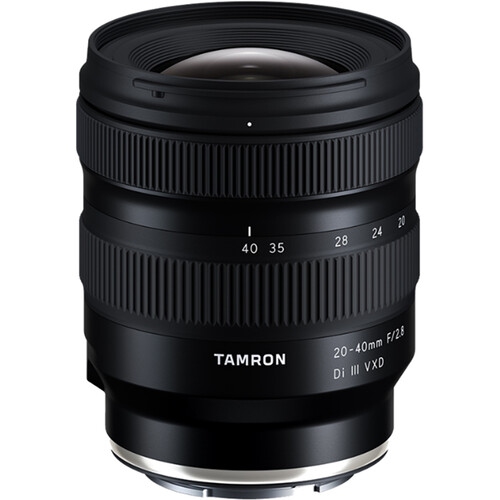
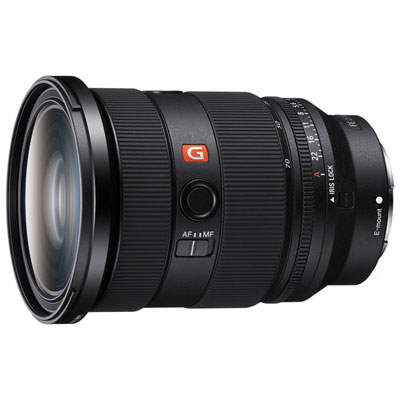
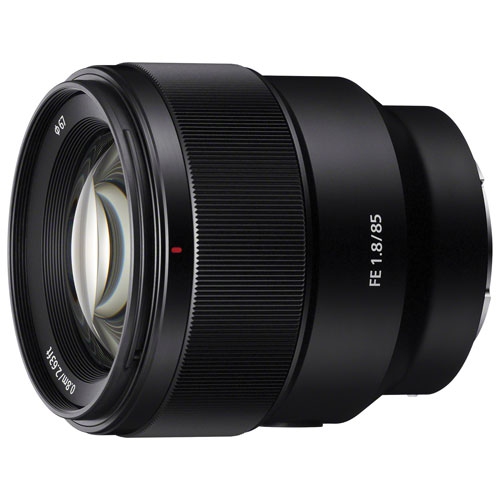
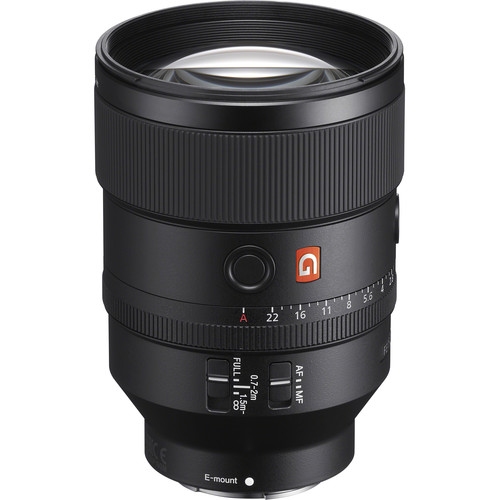
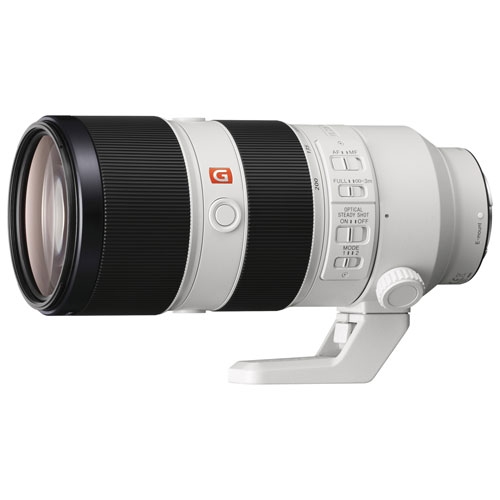
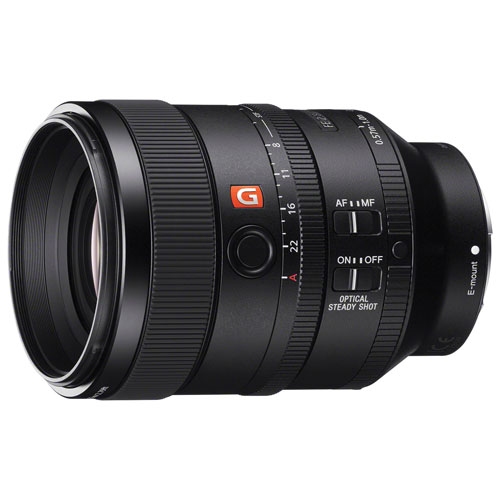
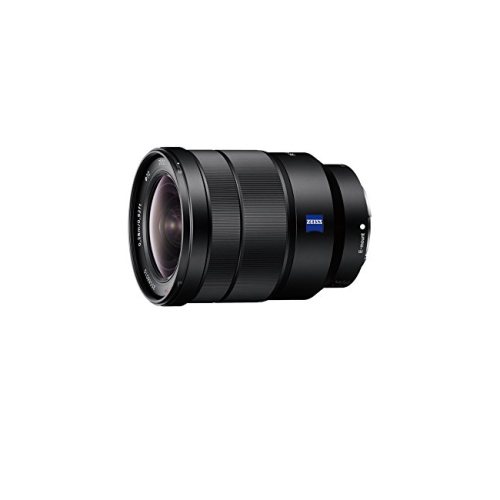
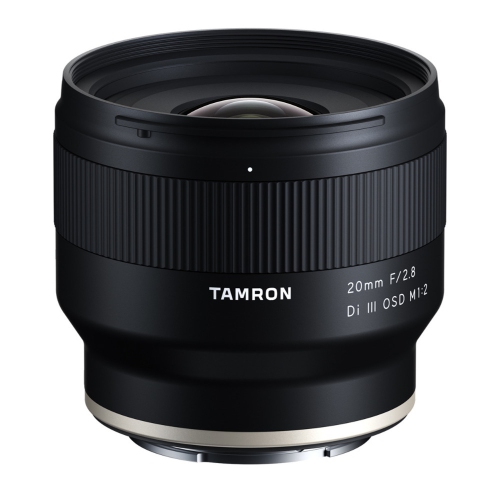
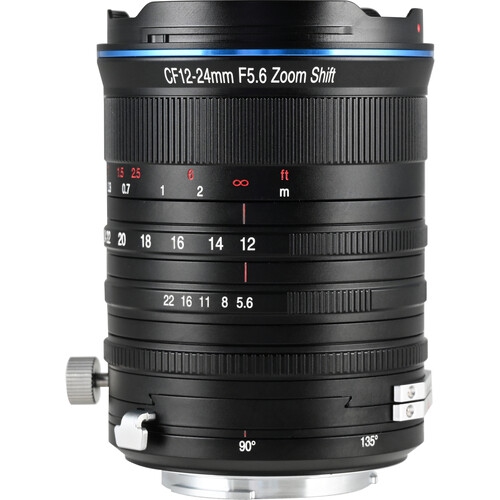
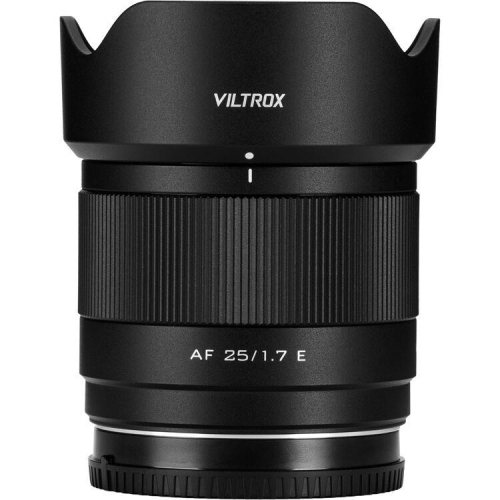
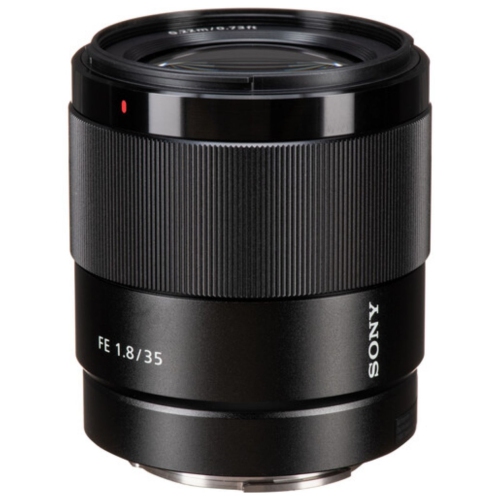
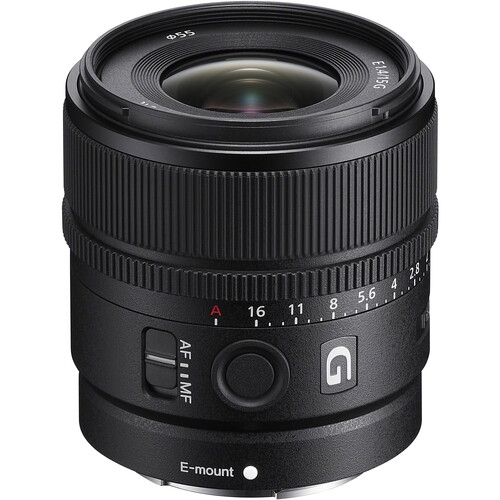
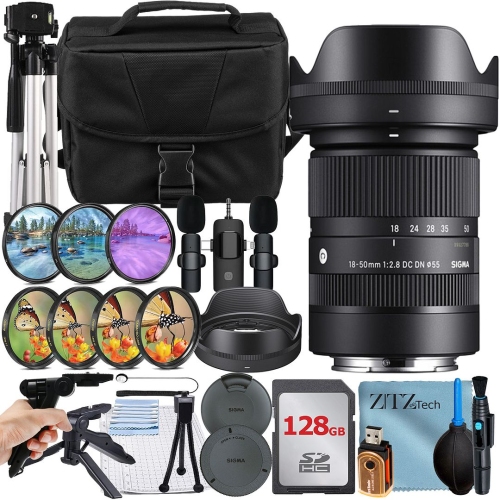
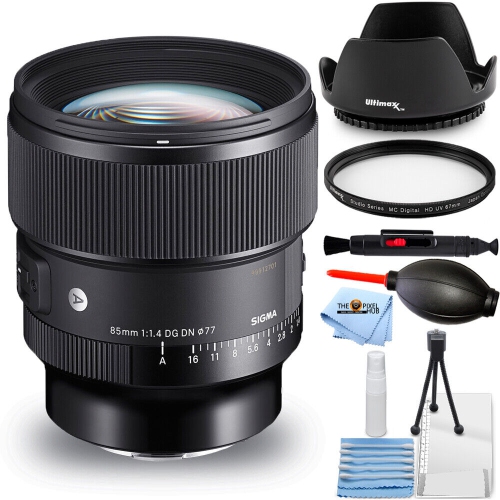
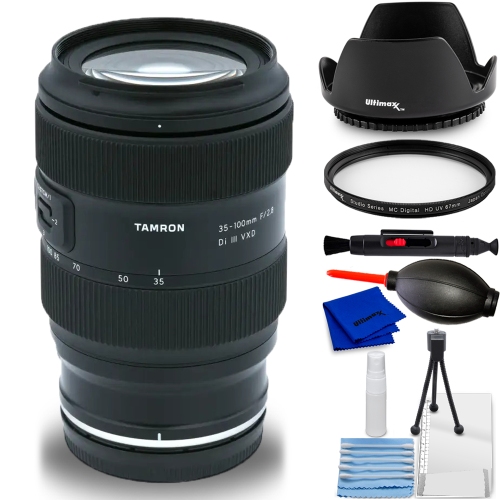
E-mount lenses are interchangeable camera lenses designed for mirrorless camera bodies with an E-mount connection. They cover a wide range of photographic needs, from everyday snapshots and detailed close-ups to portraits, architecture, sports, and video. The mount describes the physical connection between the lens and camera, but sensor coverage is a separate consideration: E-mount lenses may be designed for either APS-C or full-frame sensors. Full-frame lenses, often identified by an FE designation, project an image circle large enough to cover a full-frame sensor and can also be used on compatible APS-C bodies. APS-C lenses use a smaller image circle; on a full-frame camera, they generally require a crop setting to avoid dark edges, which reduces the image area and the number of pixels used. This distinction matters when matching a lens to a camera or choosing one that could remain useful after a future camera upgrade. Focal length also looks different across sensor sizes. A 35 mm lens on an APS-C body gives an angle of view similar to approximately 52.5 mm on full frame, although its actual focal length does not change. That makes sensor format just as relevant as the number printed on the lens barrel when imagining how much of a scene will fit in the frame. The E-mount system’s short distance between the mount and sensor gives lens designers flexibility, including opportunities for compact designs, though large-aperture and long telephoto lenses can still be substantial. Native electronic lenses may communicate with the camera to control aperture, operate autofocus, and pass along lens information, while some manual lenses offer fewer electronic functions. Compatibility therefore includes more than simply attaching the lens: focus controls, stabilization, camera firmware, and supported shooting functions can all affect everyday use. For someone choosing a gift for a photographer, the exact camera model and the types of subjects they enjoy photographing are useful starting points, especially if their camera bag already includes several focal lengths.
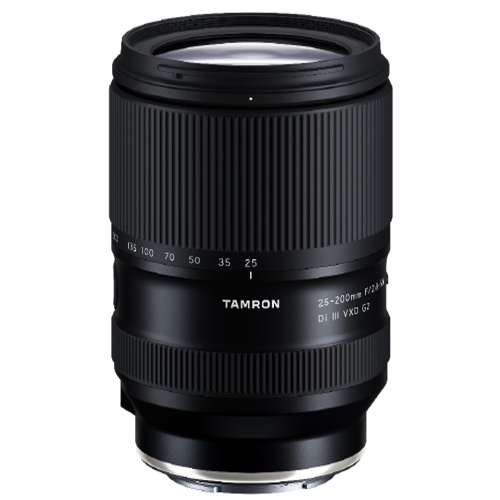
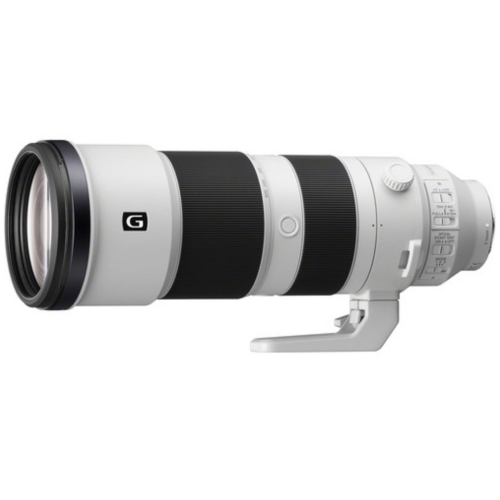
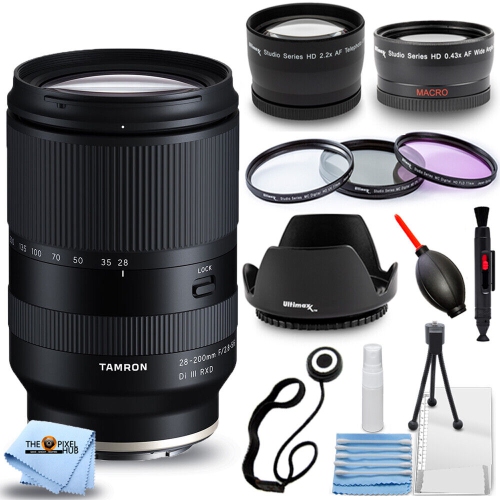
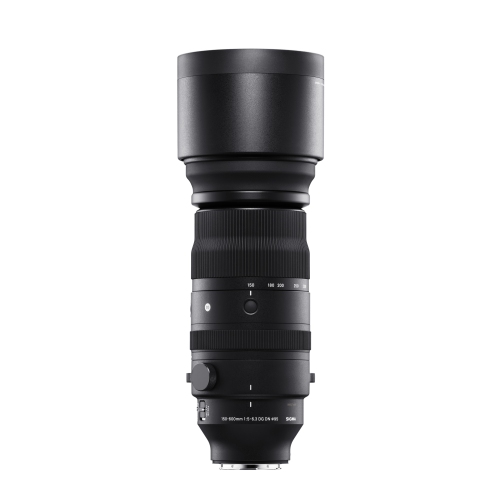
The variety of E-mount lenses reflects how differently people use their cameras. Wide-angle lenses take in more of a scene, making them useful for interiors, expansive views, and photographs where the surroundings help tell the story. A room photographed from a doorway, for instance, calls for a different angle of view than a head-and-shoulders portrait. Standard focal lengths offer a versatile perspective for family photographs, street scenes, food, and travel, while short telephoto lenses allow comfortable working distances for portraits and tighter compositions. Longer telephoto lenses bring distant subjects into the frame for wildlife, field sports, and performances, although their narrower angle of view makes careful framing more important. Prime lenses have a fixed focal length and often appeal to photographers who value a wide maximum aperture, a straightforward shooting experience, or a smaller kit. Zoom lenses cover a range of focal lengths without a lens change, which is convenient when moving between a group photograph and a closer view of one person. E Mount Zoom Lenses suit photographers who want flexible framing from one lens, whether for everyday outings or more specialized shooting. Aperture adds another layer to these choices. A lower maximum f-number indicates a wider opening, which can admit more light and help create a shallow depth of field. That can be useful for separating a face from a busy background or keeping shutter speeds faster indoors, but background blur also depends on focal length, subject distance, and the distance behind the subject. A constant-aperture zoom maintains its maximum aperture throughout its zoom range; a variable-aperture design typically has a smaller maximum opening at the longer end. Close-up work brings different priorities. Minimum focusing distance indicates how close a lens can focus, while maximum magnification describes how large a subject can appear on the sensor. A true 1:1 macro lens can reproduce a small subject at life size on the sensor, making it well suited to jewellery, textures, and intricate hobby projects.
Construction, handling, and care influence how an E-mount lens feels long after its first outing. Lens barrels may use metal, engineered plastics, or a combination of materials, with optical glass elements and coatings that help manage reflections and image aberrations. A metal exterior can feel reassuringly solid, but material alone does not determine optical quality or durability; assembly, moving parts, and careful handling matter too. Weight and balance are especially noticeable during long handheld sessions. A compact lens can make a small camera comfortable to carry all day, while a larger telephoto may benefit from a lens collar or other suitable support when mounted on a tripod. Focus-ring placement, zoom-ring resistance, customizable buttons, and aperture controls can also make a difference when adjusting settings without looking away from a subject. For video, quiet focusing helps reduce the chance of motor noise reaching an on-camera microphone, and smooth autofocus transitions can make shifts between subjects less distracting. Focus breathing, where framing changes slightly as focus moves, is another consideration for footage with deliberate focus changes. Optical stabilization can help reduce blur from camera movement with compatible equipment, but it does not freeze a moving person or animal; shutter speed still matters. Filter thread size determines which screw-in filters fit, and stepping rings may allow filters to be shared between lenses where the combination does not obstruct the image. A compatible hood helps block stray light and offers some protection from incidental contact. Routine care is simple but worthwhile: keep front and rear caps fitted during transport, use a padded compartment, and remove loose dust with a suitable blower before wiping the glass with clean lens tissue or a microfibre cloth. Lens-safe cleaning fluid should be used sparingly according to its directions, rather than substituting household cleaners. Keeping the mount and electronic contacts clean, avoiding force when attaching accessories, and supporting heavier lenses during handling help protect both the lens and the camera. These practical details make it easier to build a dependable kit around the subjects, working distances, and shooting habits that matter most.
Top selling and popular products
-
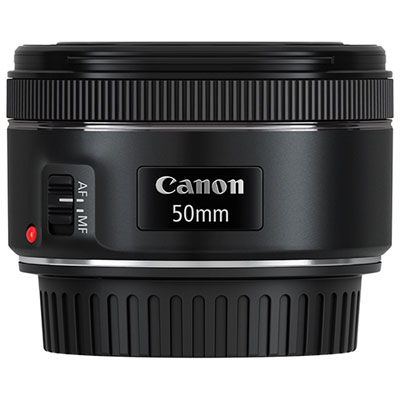 Your price for this item is $169.99
-
 Your price for this item is $329.99
-
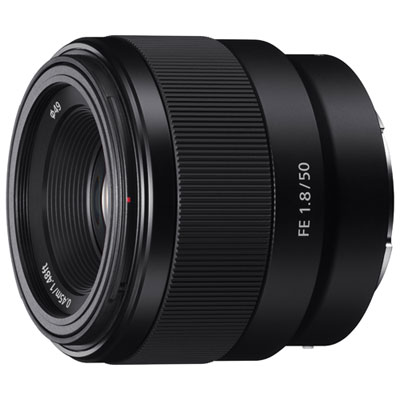 Your price for this item is $349.99
-
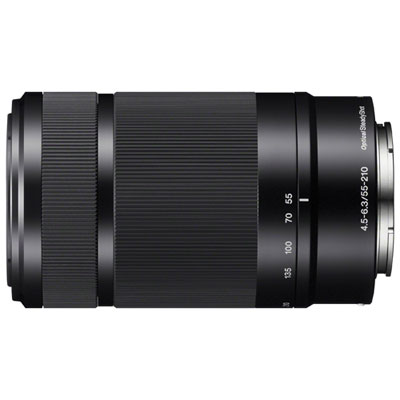 Your price for this item is $399.99
-
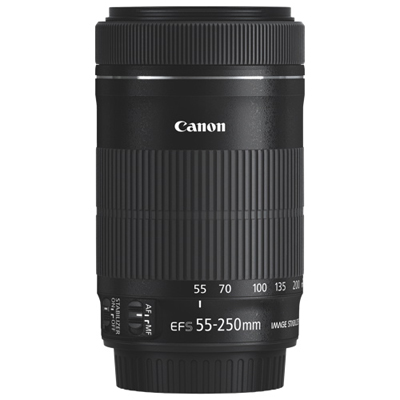 Your price for this item is $399.99
-
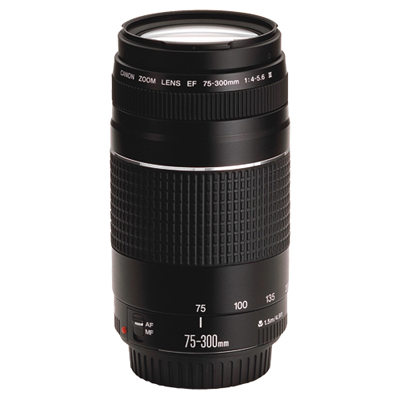 Your price for this item is $199.99
-
 Your price for this item is $174.99
-
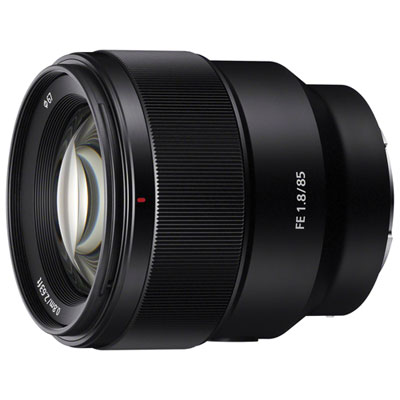 Your price for this item is $799.99
Discover more categories related to E Mount Lenses
Top Collections:
Pokemon Centers, Best Cameras for Sports Photography, Kindle Devices, Samsung Galaxy Phones, Canon G7X Cameras, Pokémon 30th Celebration Cards, Refurbished Apple Laptops, iPhone 15 Apple, Laptops for Students, Budget Smartphones
Some products may be subject to Environmental Handling Fees
(EHF) depending on your province.
Learn more about EHFs.