G Lenses
Looking to take your photography skills to the next level? Look no further than our collection of G lenses. These quality lenses are designed to deliver stunning image quality and exceptional performance, allowing you to capture every detail with precision and clarity. Whether you're a professional photographer or an avid hobbyist, our range of G lenses offers a variety of focal lengths and features to suit your specific needs. From wide-angle lenses for breathtaking landscapes to telephoto lenses for capturing distant subjects, we have the perfect G lens for every shooting situation.
Sort
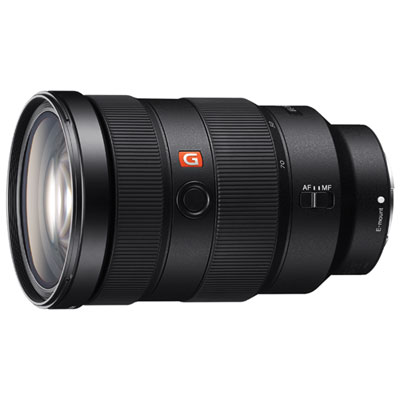
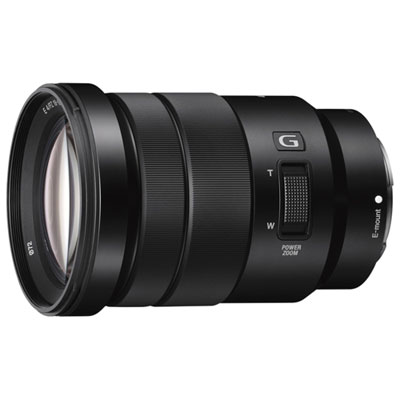
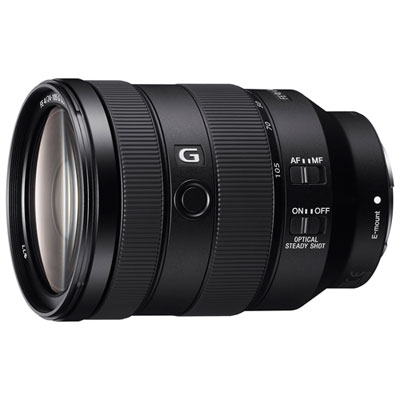
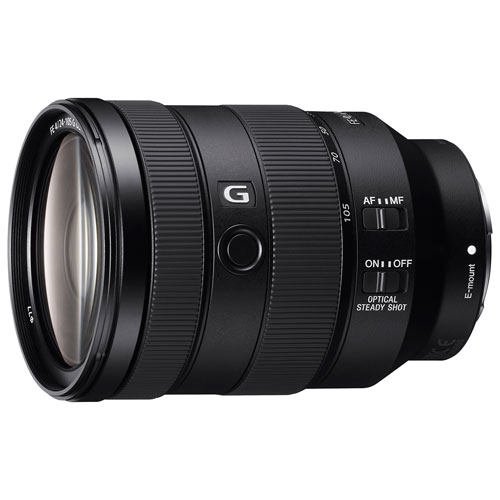
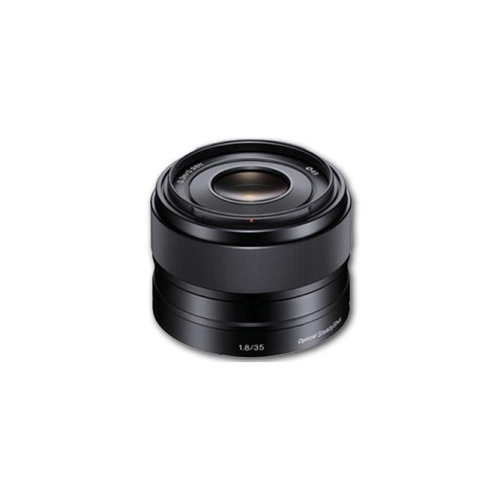
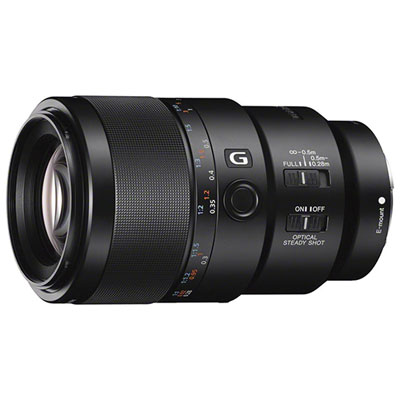
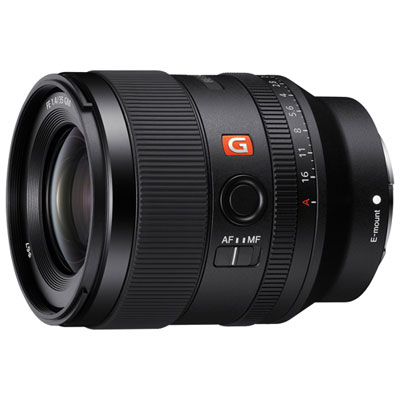
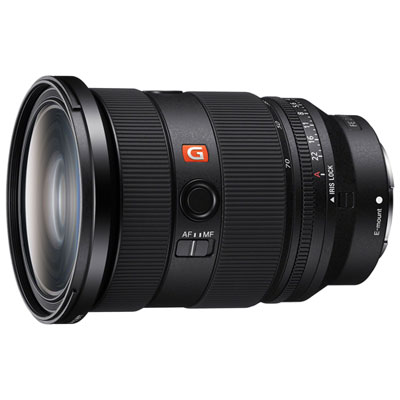

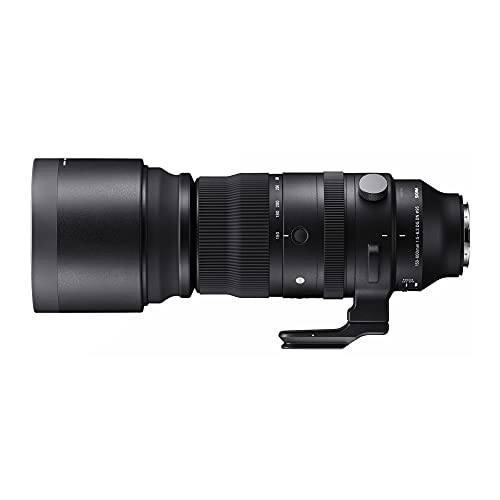


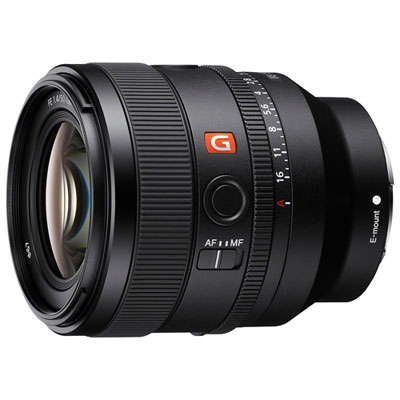
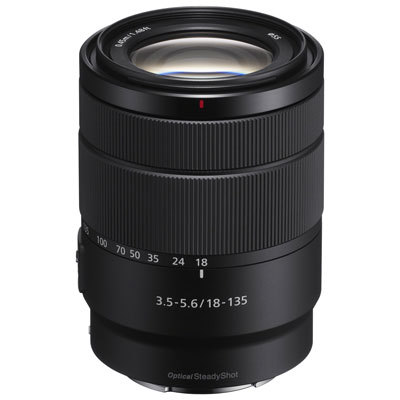
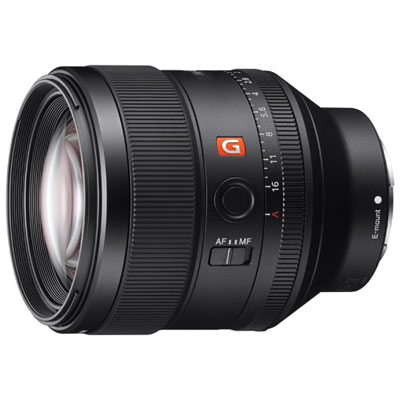
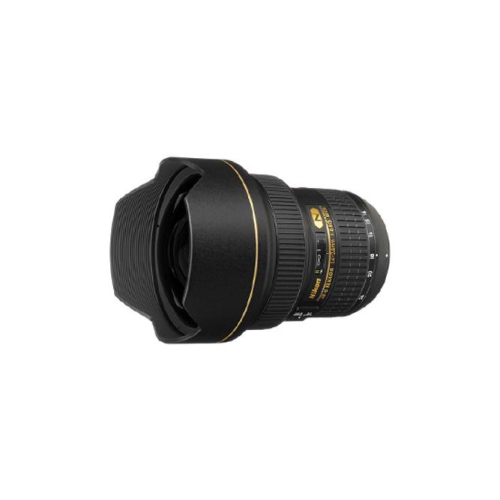
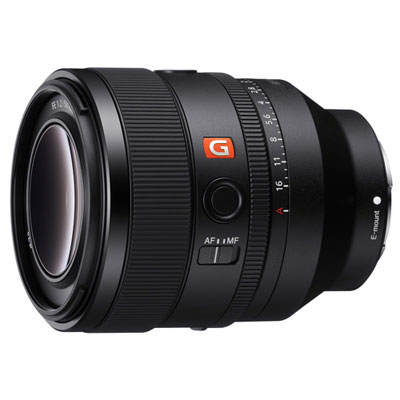
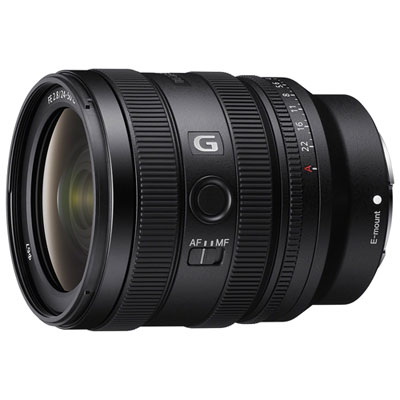

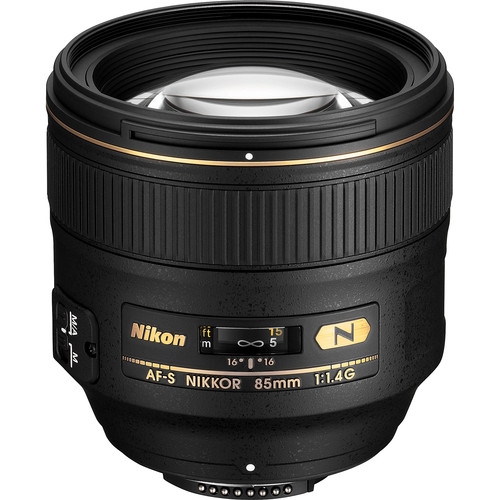
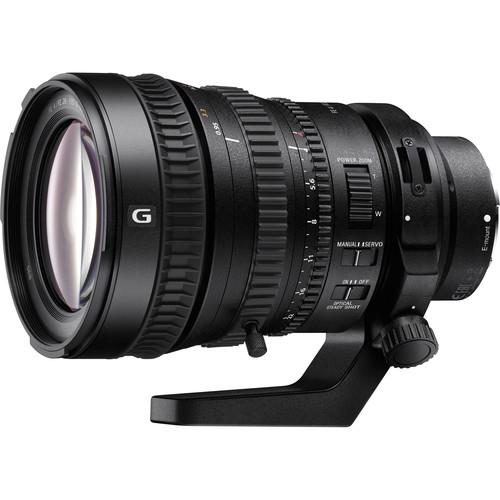
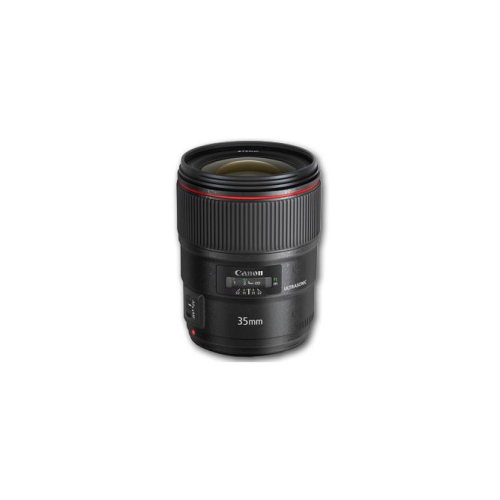
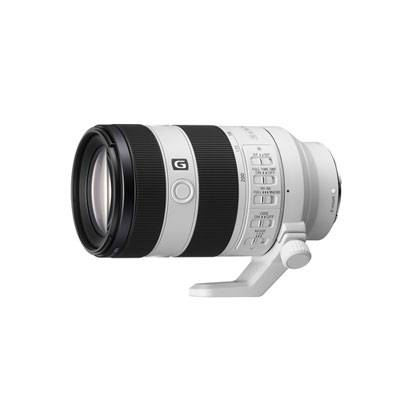
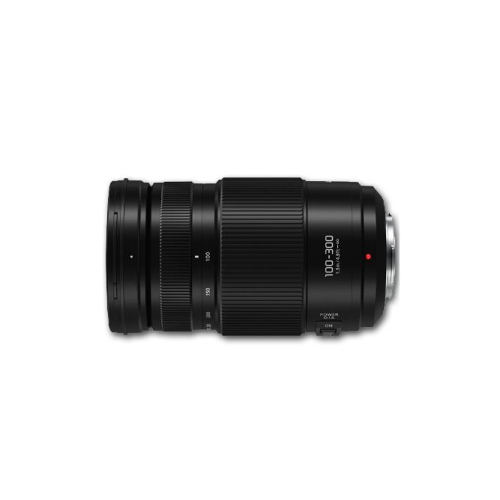
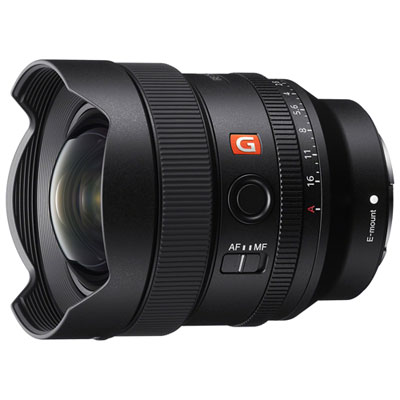
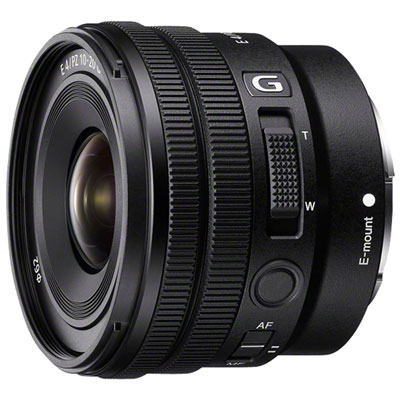
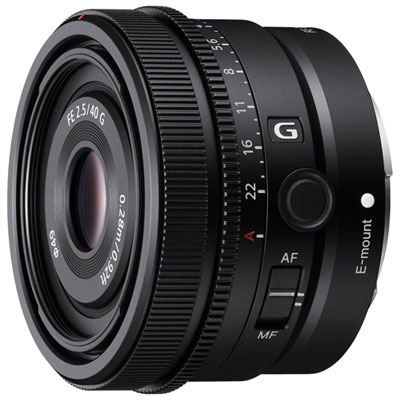
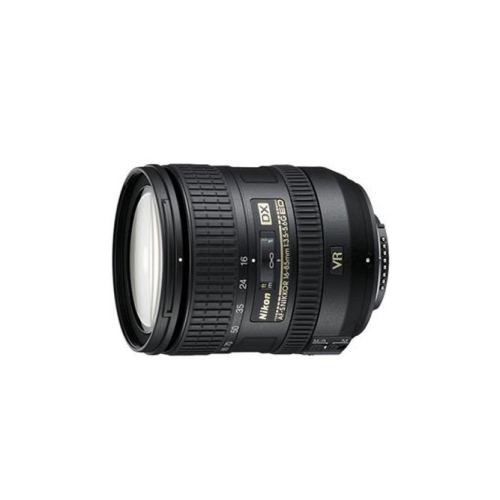
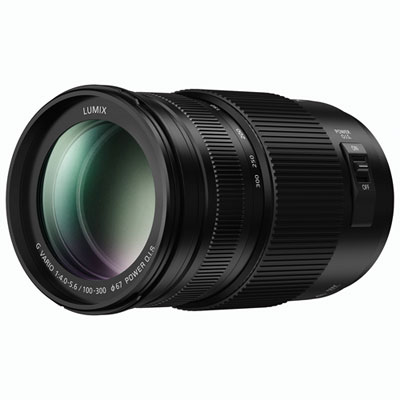
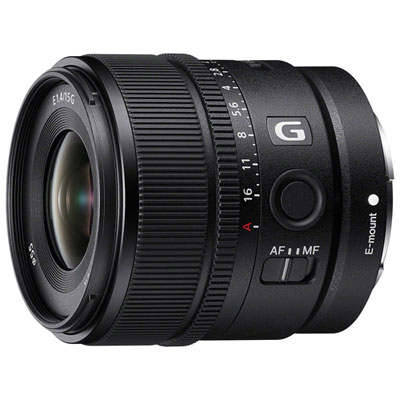
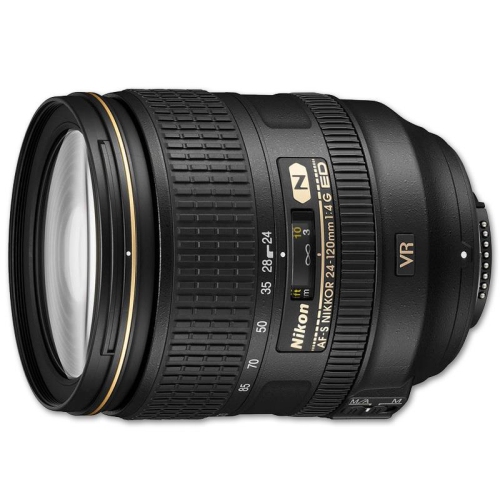
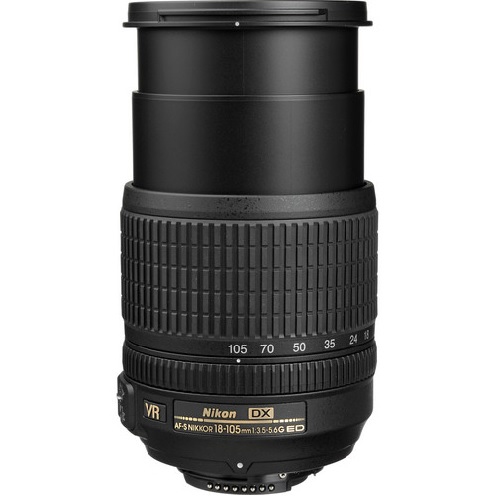
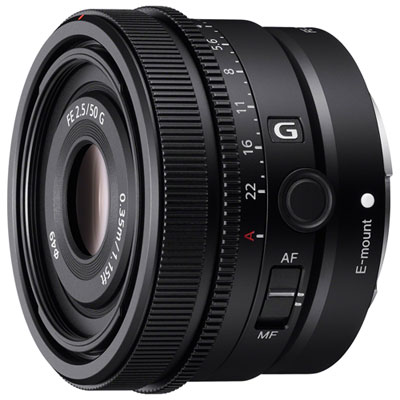
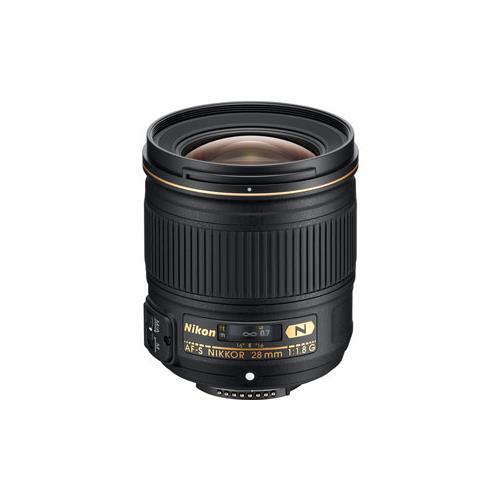
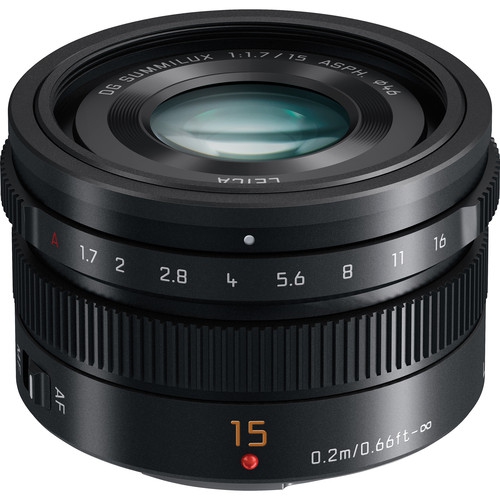
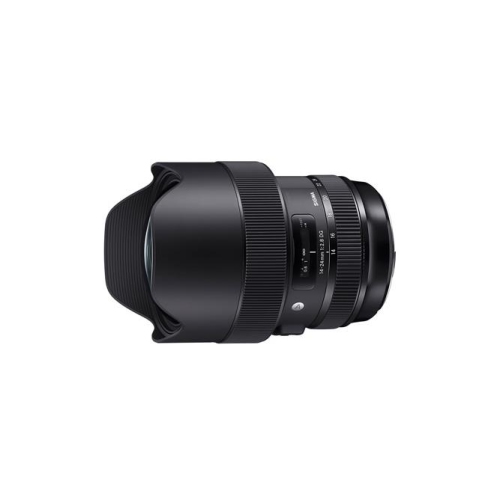
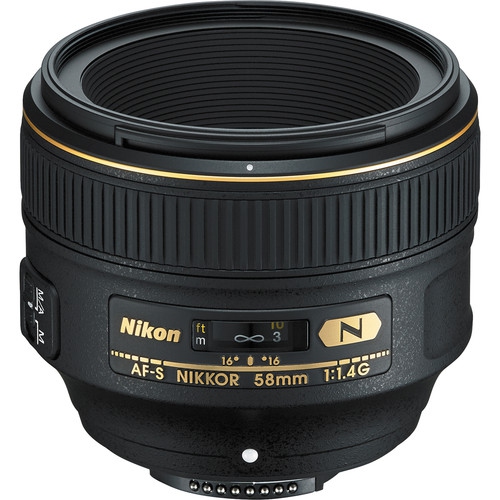
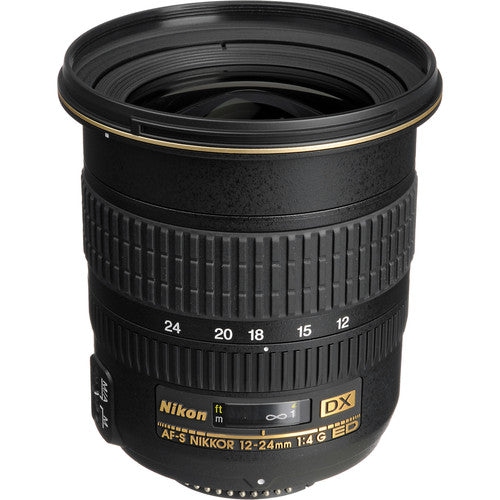
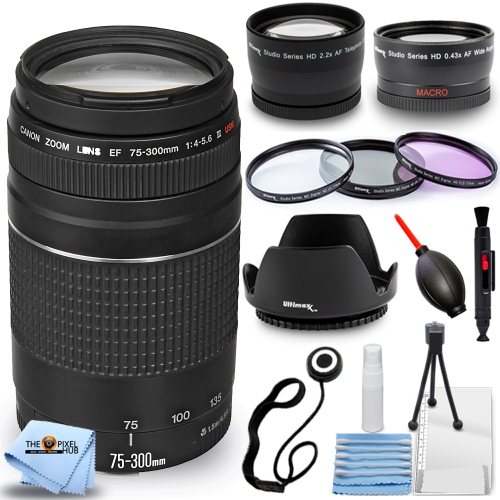
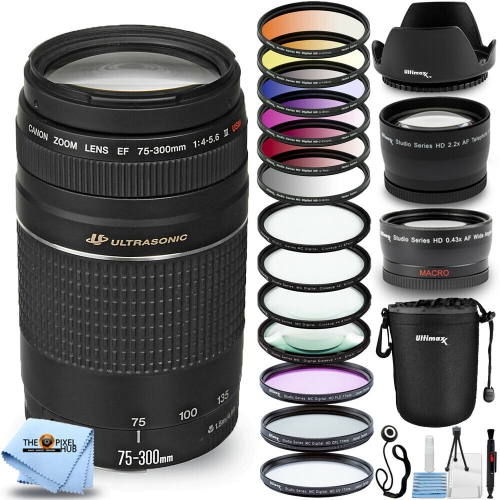

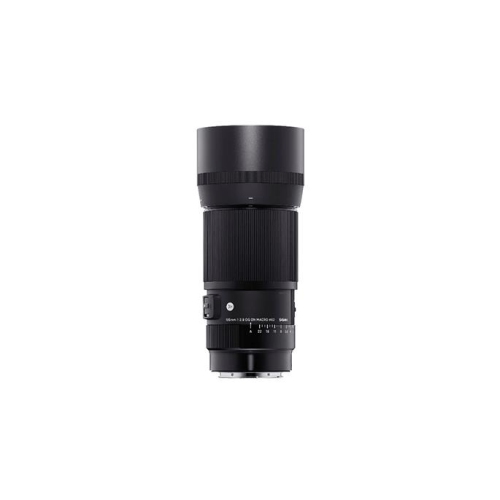
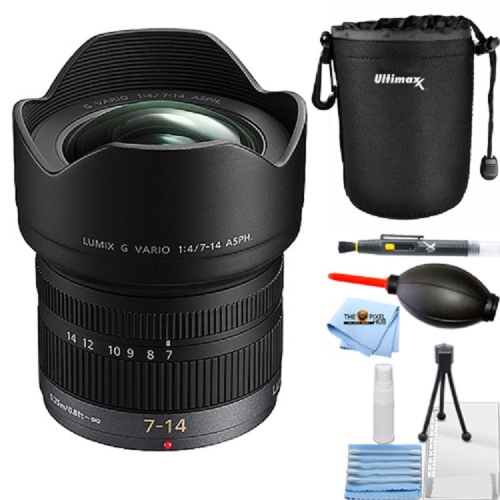
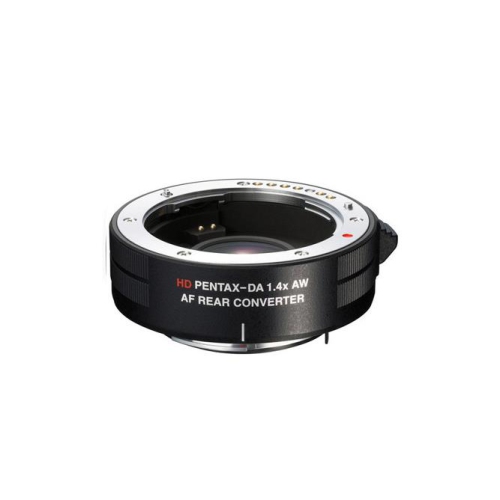

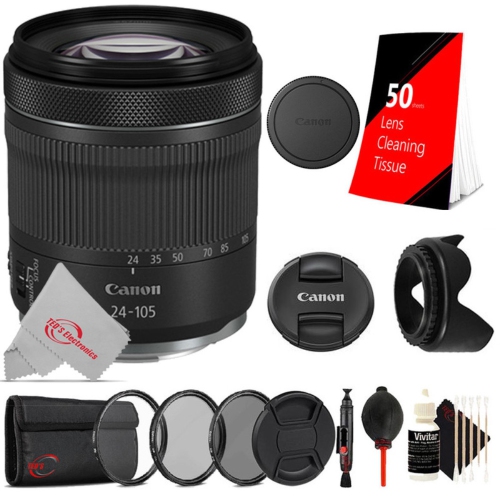
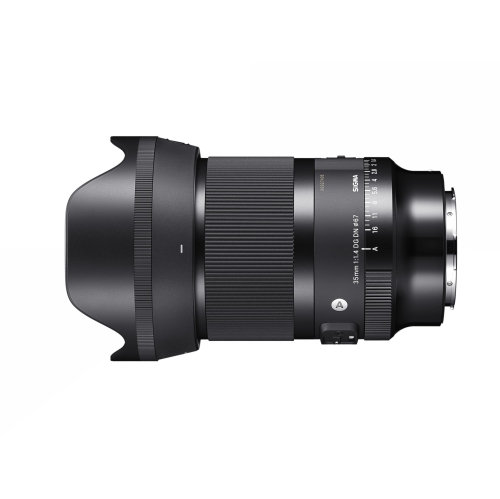
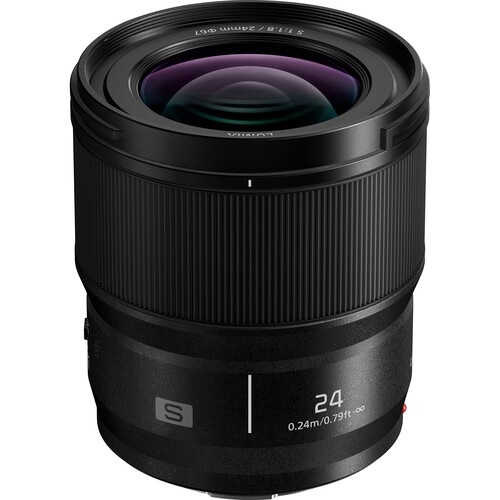
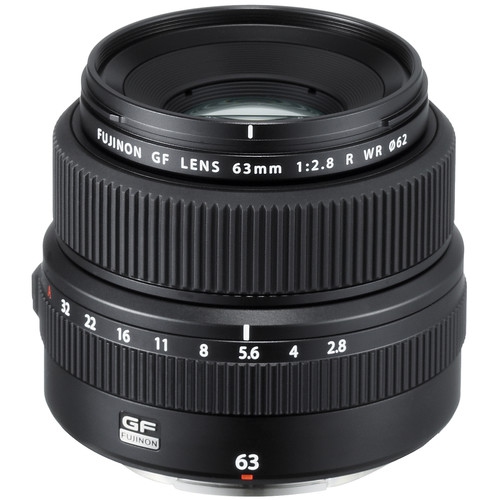
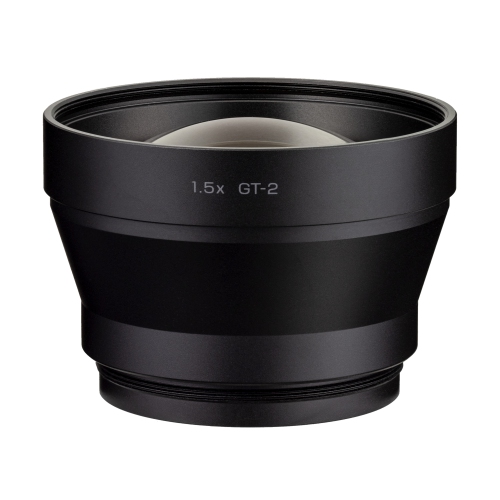
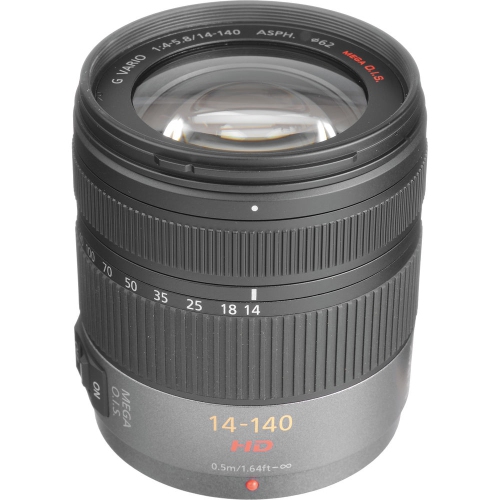
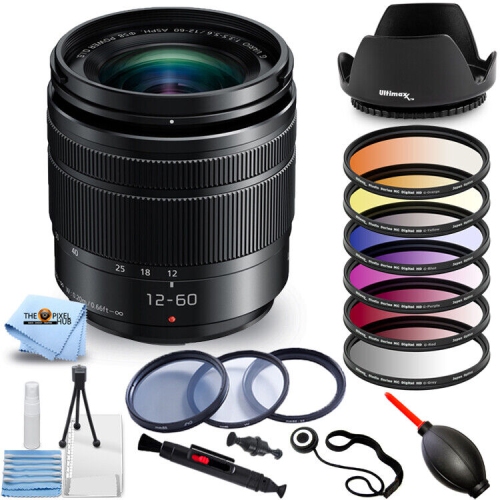
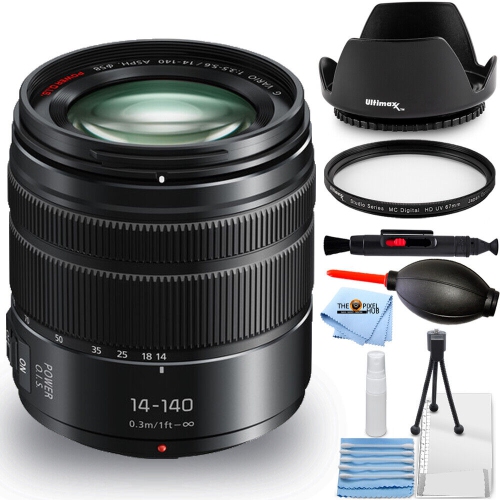
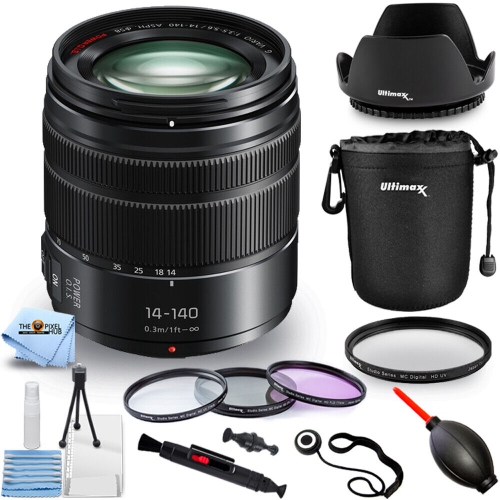
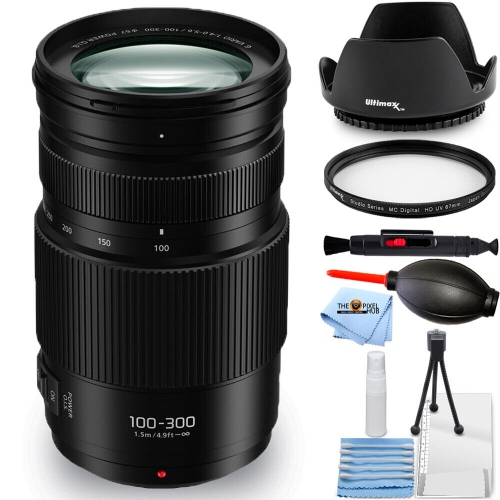
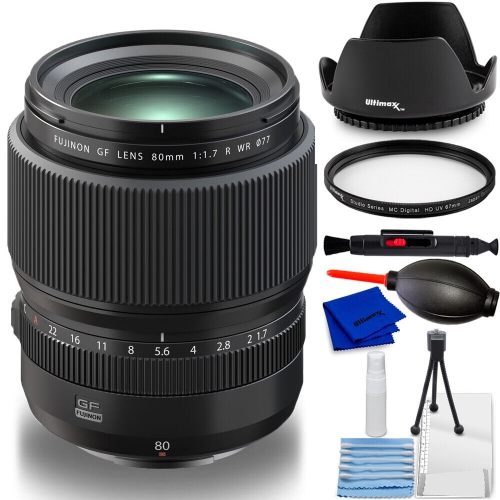
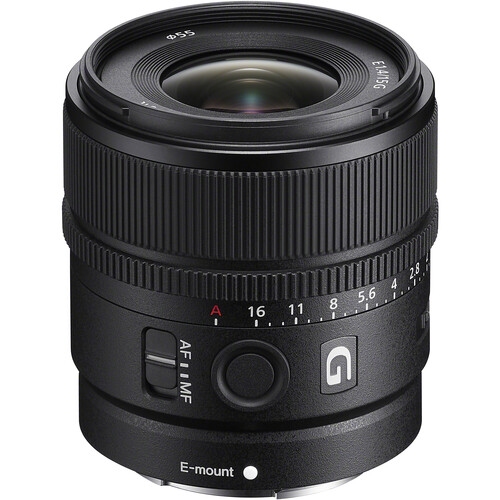
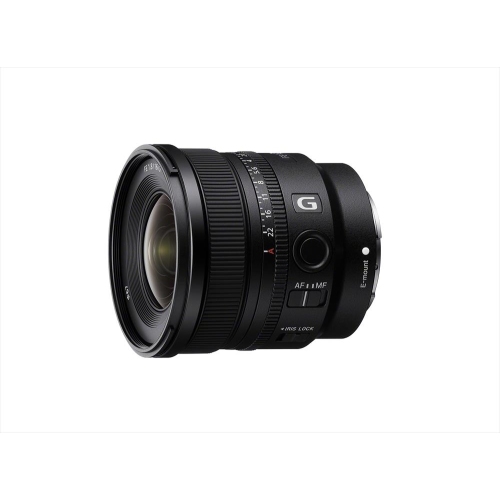
Optical performance and versatile handling for every shooting style
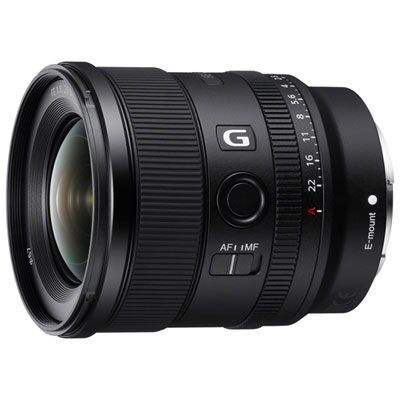
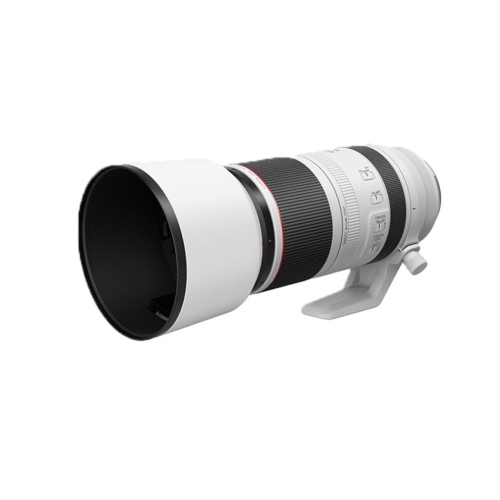
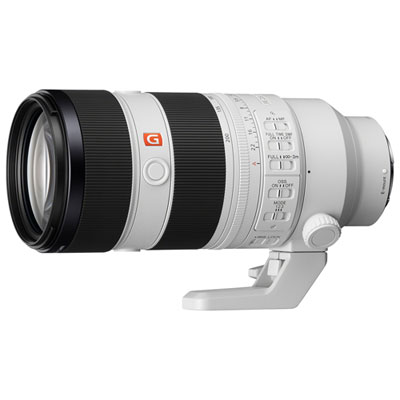
G lenses are interchangeable camera lenses designed for photographers and videographers who want a noticeable step up in optical performance, handling, and construction without necessarily moving to the most advanced professional tier. In many camera systems, the G designation identifies lenses made to deliver high sharpness across the frame, attractive background blur, dependable autofocus, and a refined shooting experience. They can be a strong choice for enthusiasts building a versatile kit, working photographers adding a dependable lens to their bag, or anyone upgrading from a basic kit lens. A G lens may be a wide-angle prime for landscapes and architecture, a standard zoom for travel and everyday photography, a telephoto zoom for wildlife and field sports, or a fast portrait lens that separates a subject from a softly rendered background. The right option depends less on the label alone and more on the camera body, sensor size, preferred subjects, and the way you like to work. Check the lens mount carefully before buying, since a lens must be designed for the same camera system or supported through a compatible adapter. Full-frame and APS-C cameras can have different coverage requirements, and using a full-frame lens on a smaller sensor may change the effective field of view. It is also worth considering size and weight: a bright telephoto can produce beautiful detail from a distance, but a lighter zoom may be the lens that actually comes along on a long walk, a family outing, or a weekend trip. Photographers comparing different manufacturers can also browse Sigma Lenses to explore additional options by mount, focal length, and intended use.
Optical design is one of the main reasons photographers choose G lenses. Carefully arranged lens elements and specialized glass can help preserve fine detail, reduce colour fringing, and control distortion, flare, and ghosting in difficult light. That matters when photographing a bright window, a sunset, reflective water, or a city street filled with signs and headlights. A wide maximum aperture, such as f/1.4, f/1.8, or f/2.8, allows more light to reach the sensor and can make it easier to photograph indoors, at dusk, or during the cooler months when daylight fades earlier. It can also create shallow depth of field, drawing attention to a person’s expression while turning the background into a smooth wash of colour. A constant aperture on a zoom lens is particularly useful for video and changing compositions because exposure remains more consistent as you move from a wider view to a tighter one. Not every photographer needs the widest possible aperture, however. A moderate aperture can provide a useful balance of brightness, sharpness, size, and price, especially for travel, landscapes, food photography, and family images where more of the scene should remain in focus. Autofocus performance is another important consideration. Modern focus motors can track moving subjects quietly and smoothly, which is helpful when photographing children, pets, performers, or athletes and when recording video where distracting mechanical noise can spoil a soundtrack. Look for a responsive focus ring, useful focus controls, and compatibility with the autofocus features on your camera body. Weather-resistant construction, secure controls, and a comfortable grip can also make a difference when shooting outdoors as the weather warms, during a breezy shoreline walk, or on a cool autumn afternoon.
G lenses can suit a broad range of people because they offer room to grow as skills develop. Someone learning portrait photography may appreciate the way a bright prime lens reveals the character in a face and adds gentle separation from a backyard, studio, or café setting. A traveller may prefer a compact zoom that moves easily from sweeping architecture to close details without changing lenses in a crowded street. Landscape photographers often value a wide view, edge-to-edge clarity, and careful control of flare, while wildlife and sports photographers may prioritize reach, quick autofocus, stabilization, and a manageable balance for handheld shooting. Videographers can benefit from quiet focusing, smooth transitions, and a consistent aperture, particularly when moving between an establishing shot and a close-up. These lenses can also make thoughtful gifts for a photography student, a new camera owner, or a family member who has started documenting milestones, recipes, live performances, or weekend adventures. Before choosing one as a gift, confirm the recipient’s camera model and lens mount, as well as whether they already own a similar focal length. Think about the scenes they enjoy most: a person who photographs gatherings may get more use from a versatile standard zoom, while someone who loves birds, distant landscapes, or outdoor sports may prefer a longer telephoto option. Accessories such as a protective filter, lens hood, carrying pouch, or sturdy camera bag may help keep a new lens ready for regular use, but compatibility and practical handling should come first. With the appropriate focal length, aperture, autofocus behaviour, and physical design, a G lens can become the lens that stays mounted on the camera—ready for quiet portraits at home, crisp details on a day trip, glowing evening streets, and memorable moments throughout the changing seasons.
Optical design is one of the main reasons photographers choose G lenses. Carefully arranged lens elements and specialized glass can help preserve fine detail, reduce colour fringing, and control distortion, flare, and ghosting in difficult light. That matters when photographing a bright window, a sunset, reflective water, or a city street filled with signs and headlights. A wide maximum aperture, such as f/1.4, f/1.8, or f/2.8, allows more light to reach the sensor and can make it easier to photograph indoors, at dusk, or during the cooler months when daylight fades earlier. It can also create shallow depth of field, drawing attention to a person’s expression while turning the background into a smooth wash of colour. A constant aperture on a zoom lens is particularly useful for video and changing compositions because exposure remains more consistent as you move from a wider view to a tighter one. Not every photographer needs the widest possible aperture, however. A moderate aperture can provide a useful balance of brightness, sharpness, size, and price, especially for travel, landscapes, food photography, and family images where more of the scene should remain in focus. Autofocus performance is another important consideration. Modern focus motors can track moving subjects quietly and smoothly, which is helpful when photographing children, pets, performers, or athletes and when recording video where distracting mechanical noise can spoil a soundtrack. Look for a responsive focus ring, useful focus controls, and compatibility with the autofocus features on your camera body. Weather-resistant construction, secure controls, and a comfortable grip can also make a difference when shooting outdoors as the weather warms, during a breezy shoreline walk, or on a cool autumn afternoon.
G lenses can suit a broad range of people because they offer room to grow as skills develop. Someone learning portrait photography may appreciate the way a bright prime lens reveals the character in a face and adds gentle separation from a backyard, studio, or café setting. A traveller may prefer a compact zoom that moves easily from sweeping architecture to close details without changing lenses in a crowded street. Landscape photographers often value a wide view, edge-to-edge clarity, and careful control of flare, while wildlife and sports photographers may prioritize reach, quick autofocus, stabilization, and a manageable balance for handheld shooting. Videographers can benefit from quiet focusing, smooth transitions, and a consistent aperture, particularly when moving between an establishing shot and a close-up. These lenses can also make thoughtful gifts for a photography student, a new camera owner, or a family member who has started documenting milestones, recipes, live performances, or weekend adventures. Before choosing one as a gift, confirm the recipient’s camera model and lens mount, as well as whether they already own a similar focal length. Think about the scenes they enjoy most: a person who photographs gatherings may get more use from a versatile standard zoom, while someone who loves birds, distant landscapes, or outdoor sports may prefer a longer telephoto option. Accessories such as a protective filter, lens hood, carrying pouch, or sturdy camera bag may help keep a new lens ready for regular use, but compatibility and practical handling should come first. With the appropriate focal length, aperture, autofocus behaviour, and physical design, a G lens can become the lens that stays mounted on the camera—ready for quiet portraits at home, crisp details on a day trip, glowing evening streets, and memorable moments throughout the changing seasons.
Top selling and popular products
-
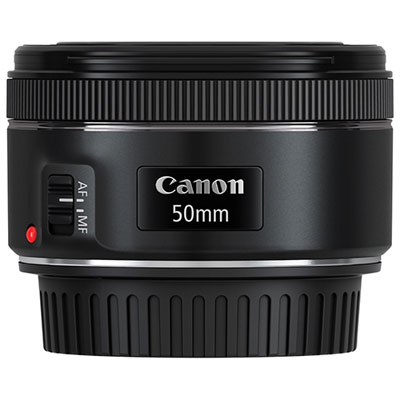 Your price for this item is $169.99
 -
 Your price for this item is $329.99
 -
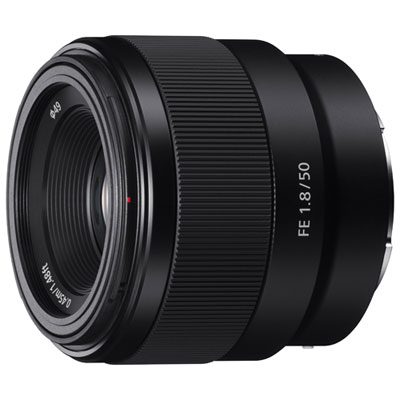 Your price for this item is $349.99
 -
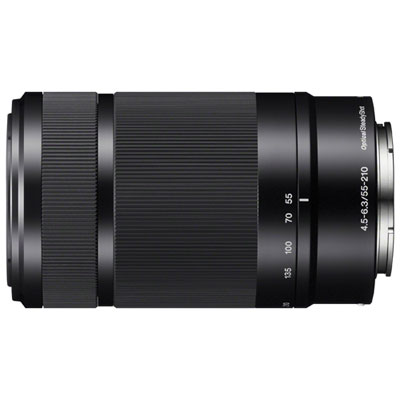 Your price for this item is $399.99
 -
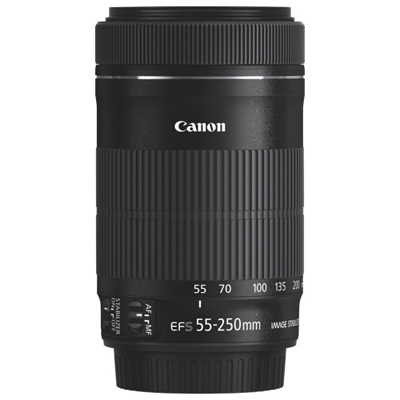 Your price for this item is $399.99
 -
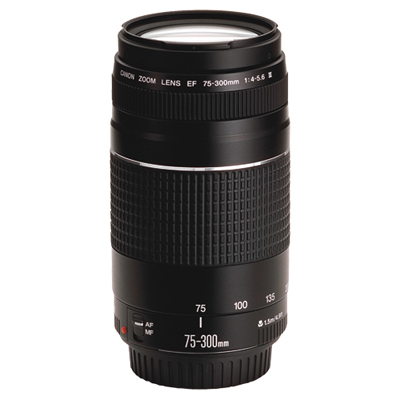 Your price for this item is $199.99
 -
 Your price for this item is $174.99
 -
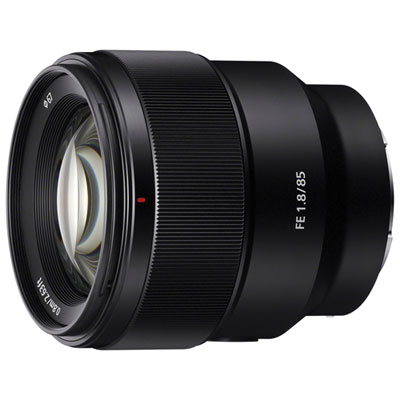 Your price for this item is $749.99
Discover more categories related to G Lenses
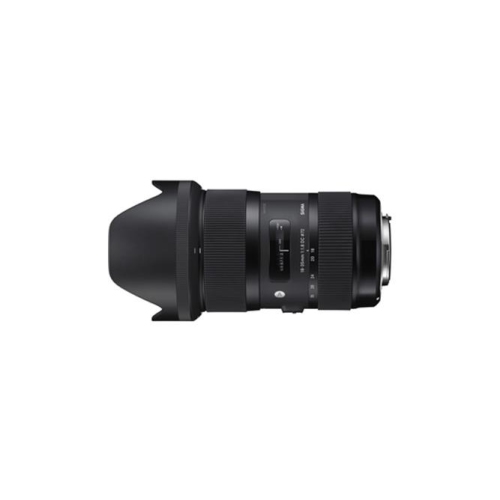
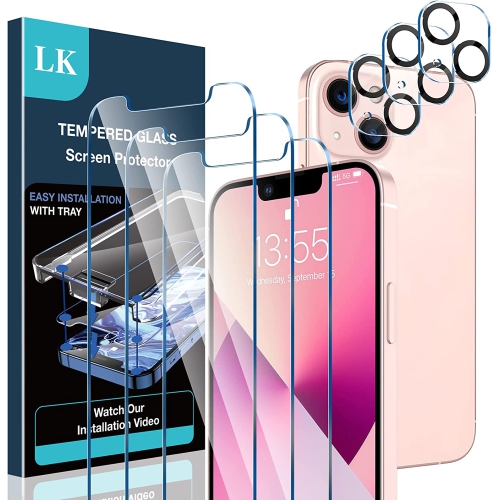
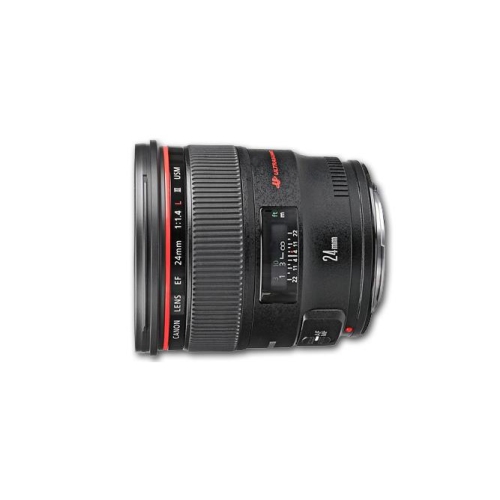
Top Collections:
Pokemon Centers, Kindle Devices, Best Budget Office Chairs, Apple iPhones 16, Best Laptops for Writers, iPhone 15 Apple, Canon G7X Cameras, Refurbished Apple Laptops, Alarm Clock, Motorola Razr Phones
Some products may be subject to Environmental Handling Fees
(EHF) depending on your province.
Learn more about EHFs.