Mirrorless Telephoto Lenses
Mirrorless Telephoto lenses are a type of camera lens designed for use with mirrorless cameras. These lenses have a longer focal length than standard lenses, allowing for greater magnification of distant subjects. Here are some great options available.
Sort
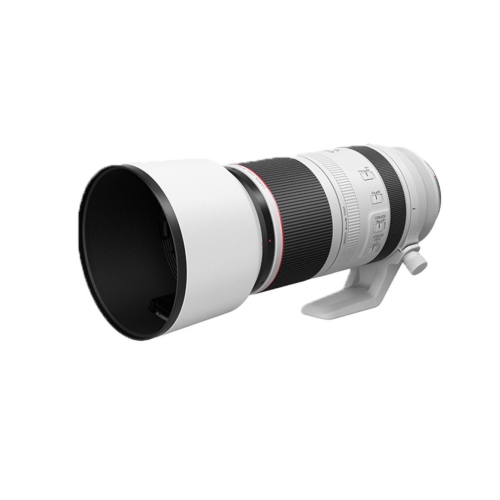
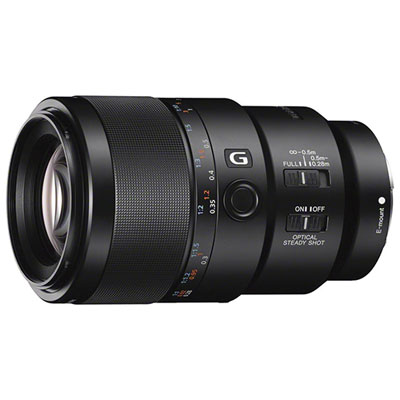
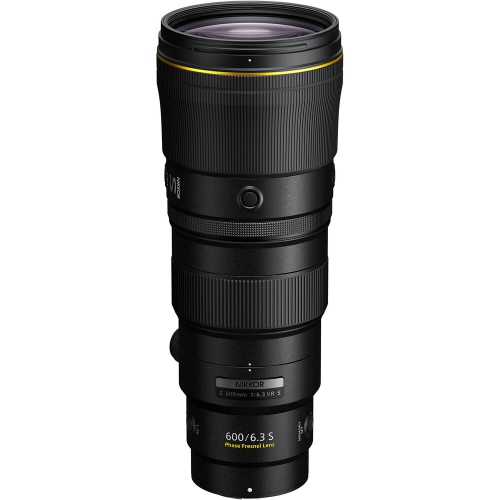
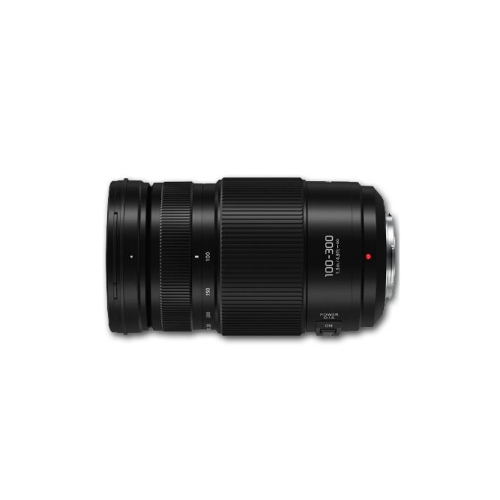
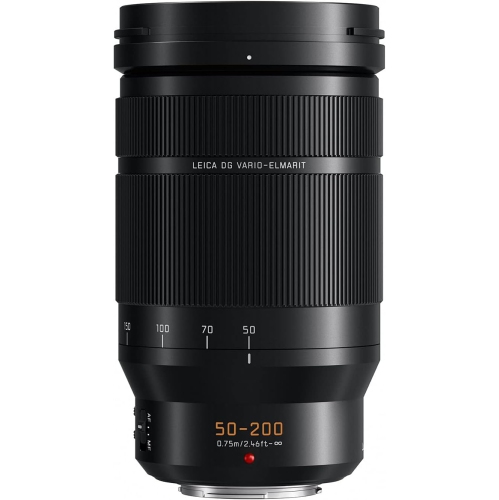
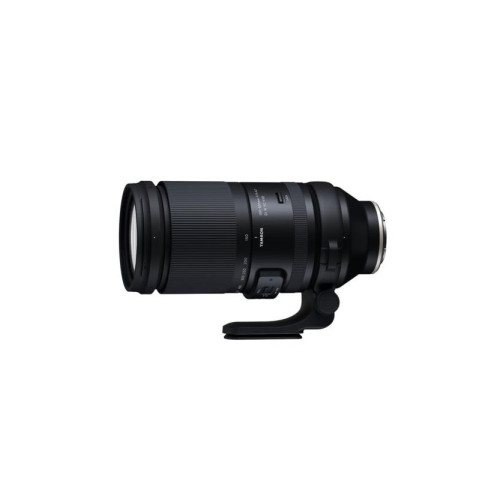
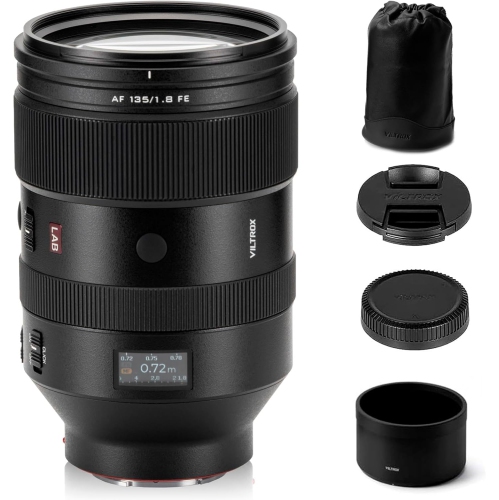
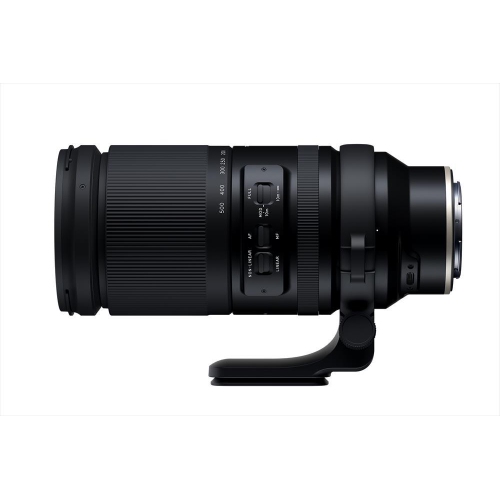
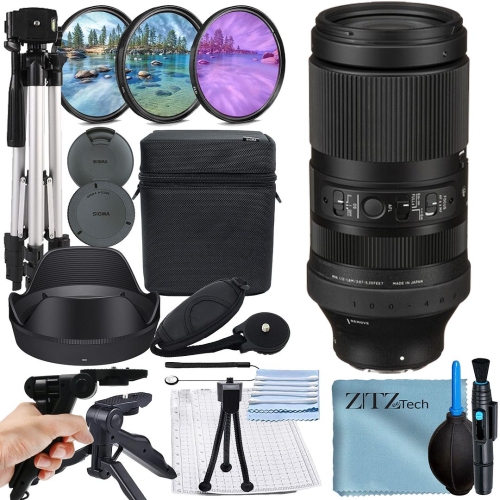
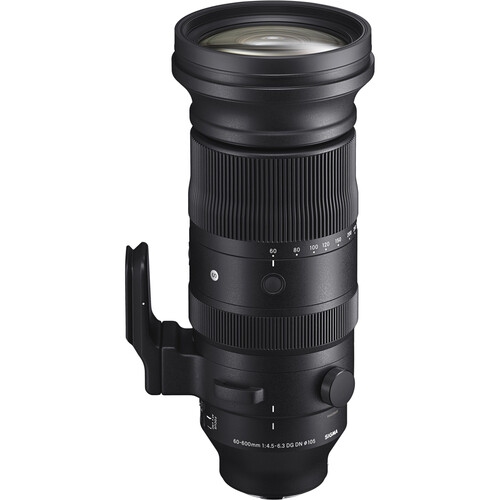
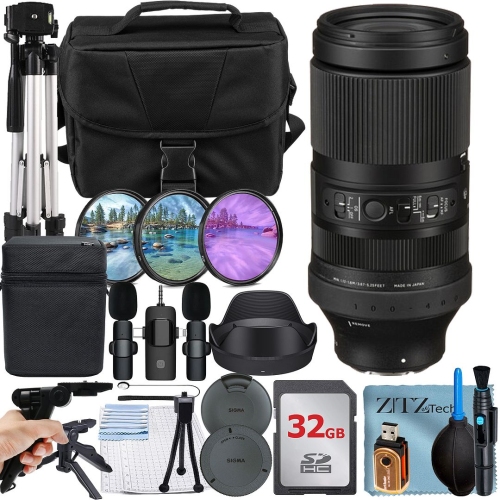
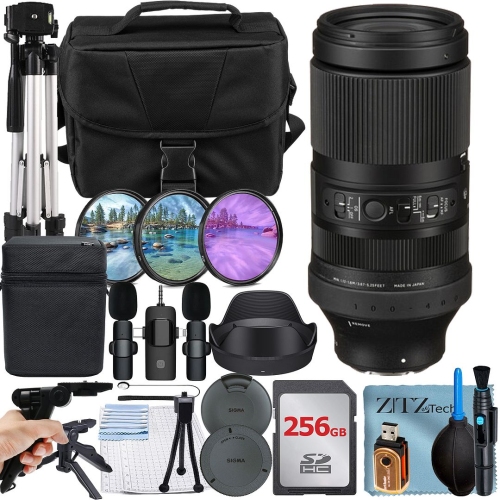
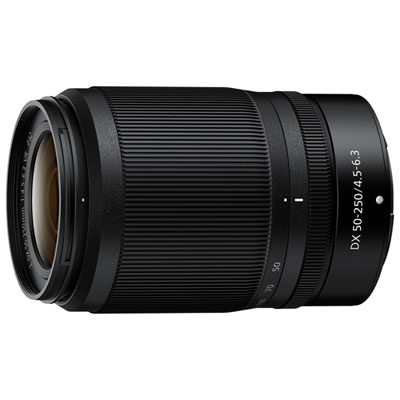

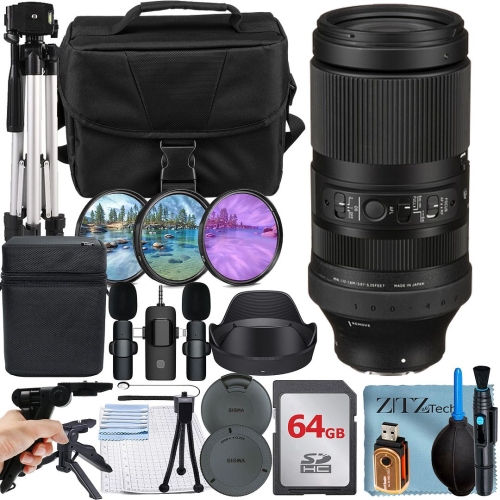
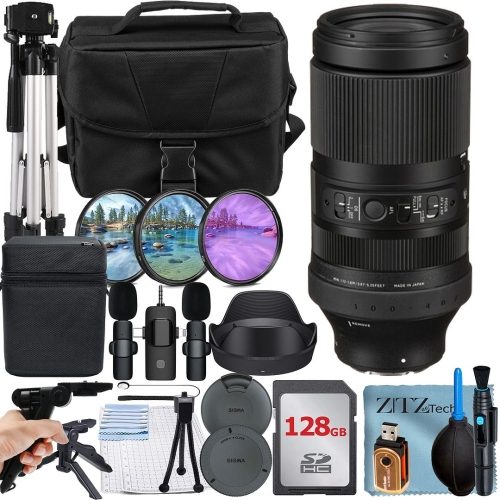
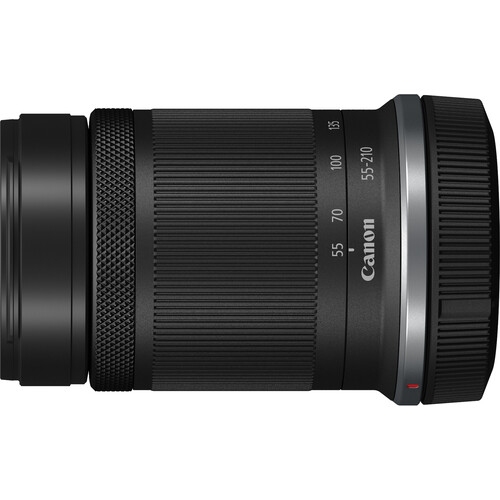
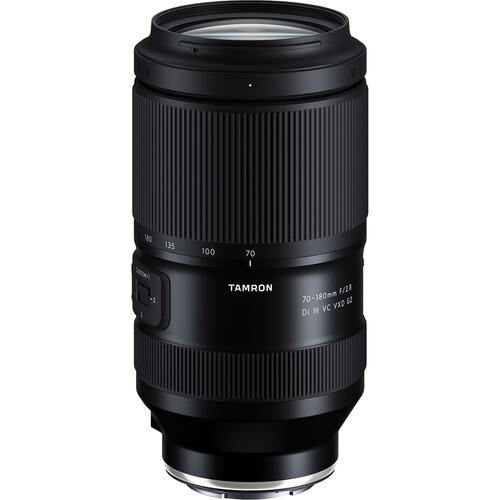
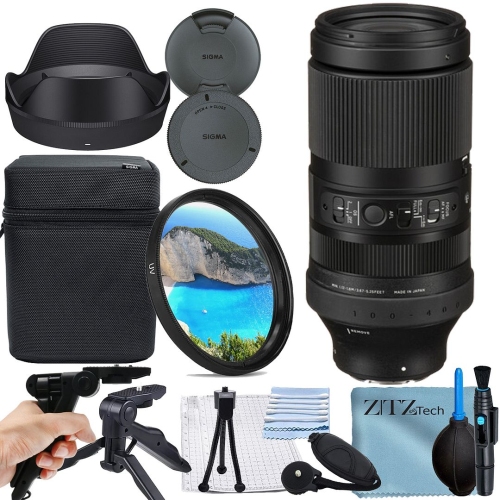
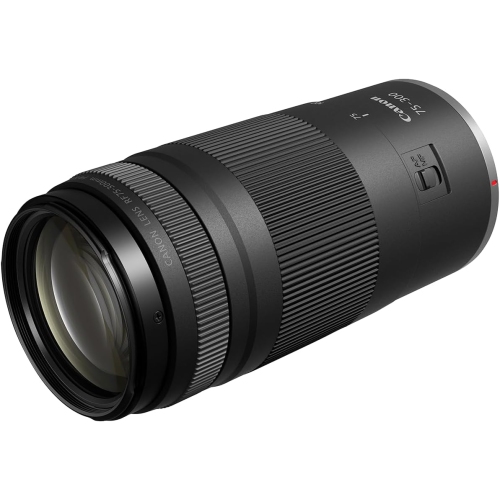
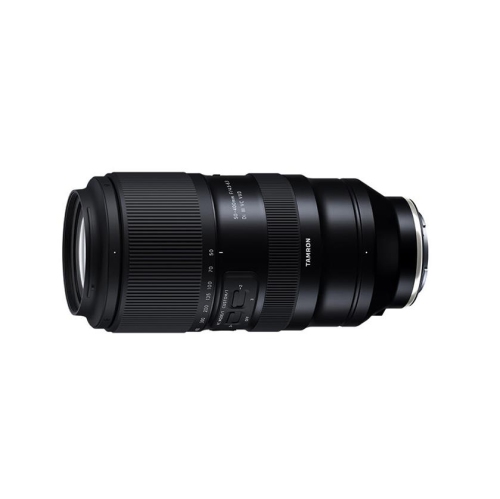
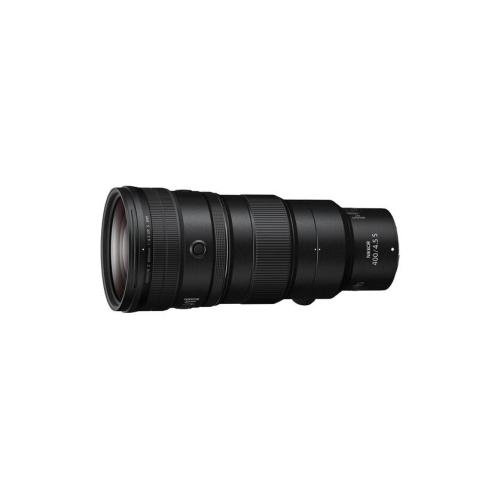


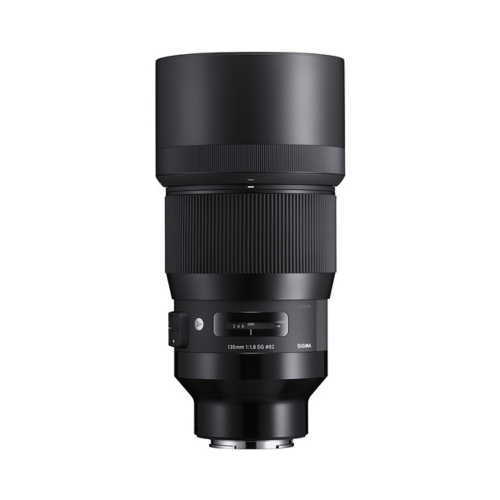
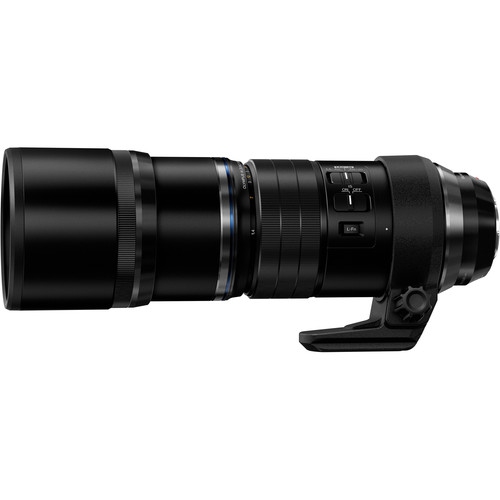
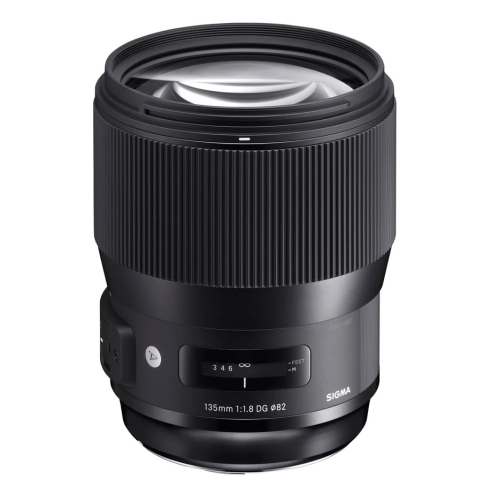

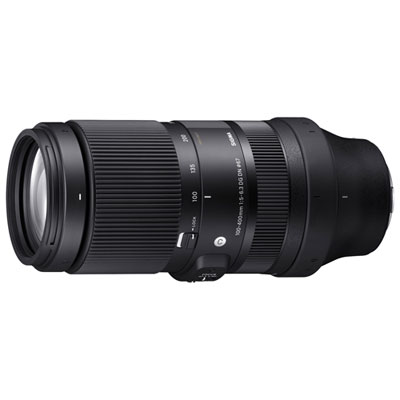
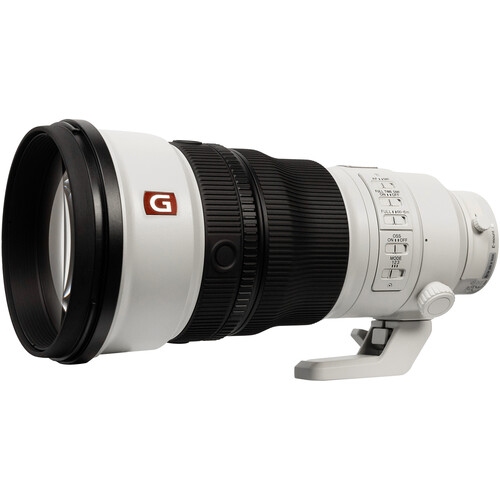
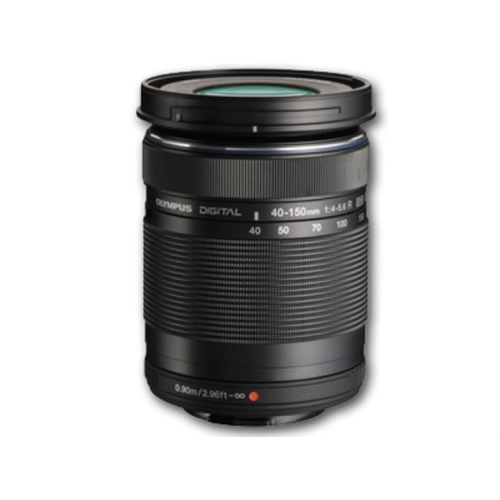

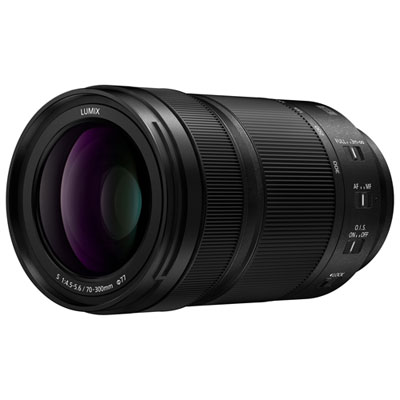
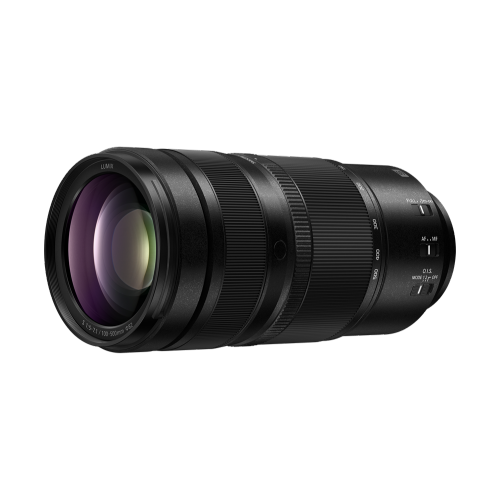
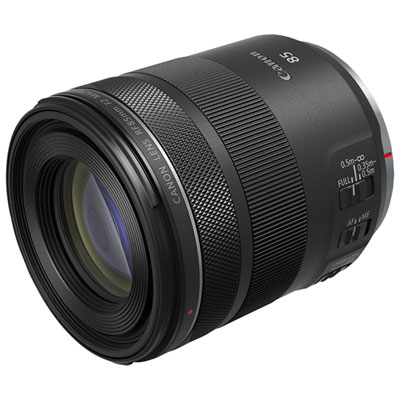
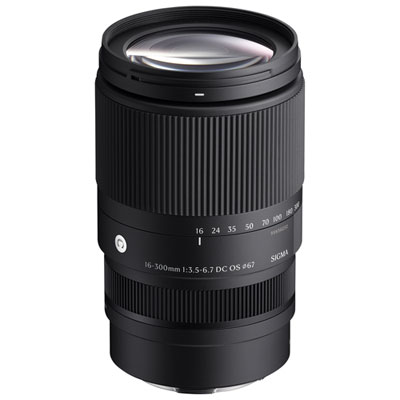
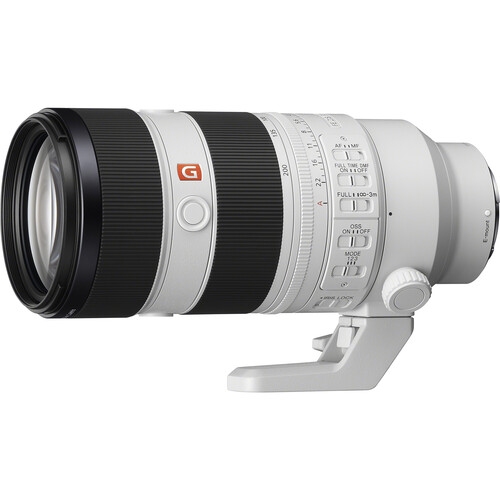


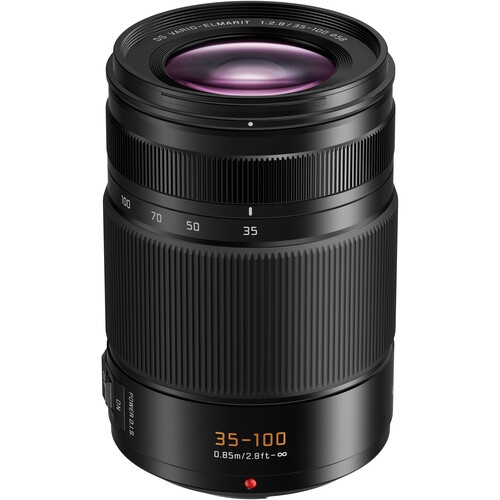

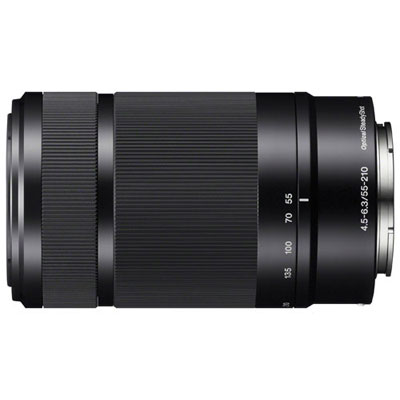

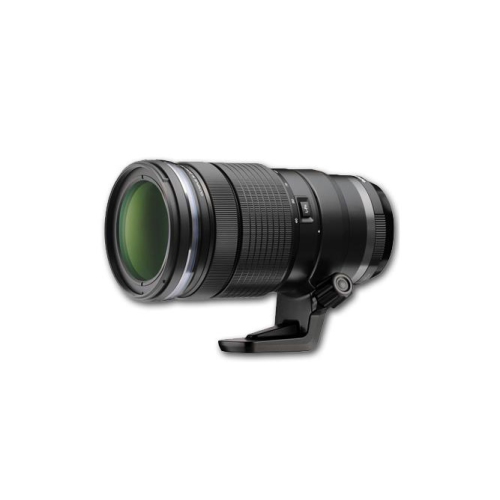
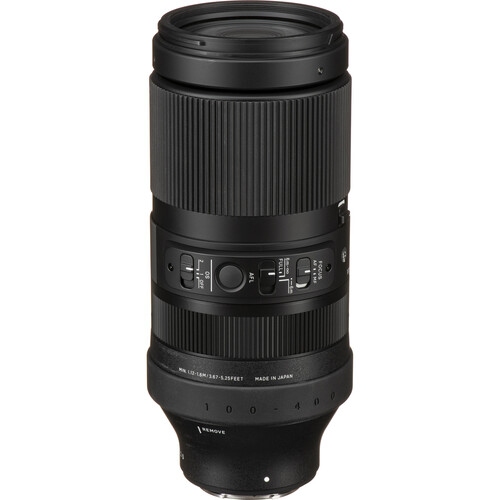
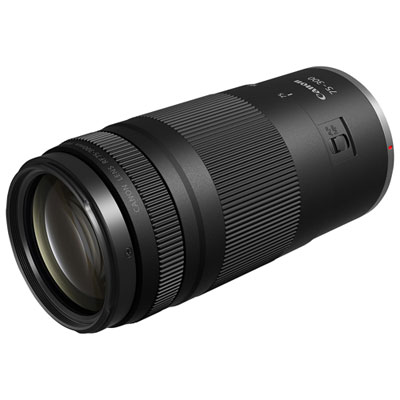
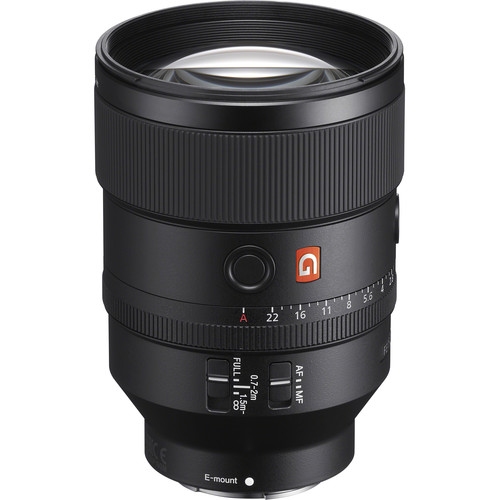


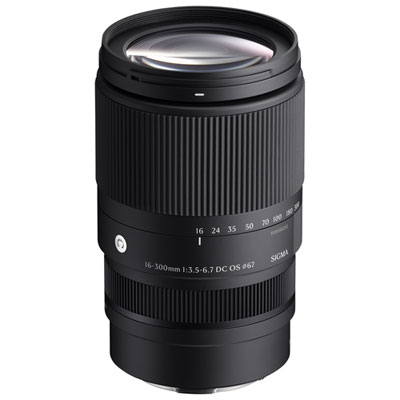
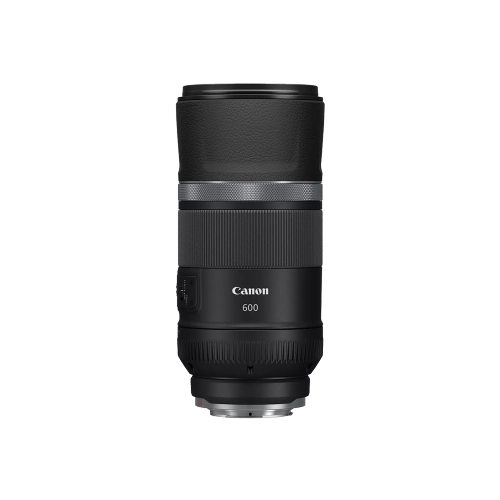
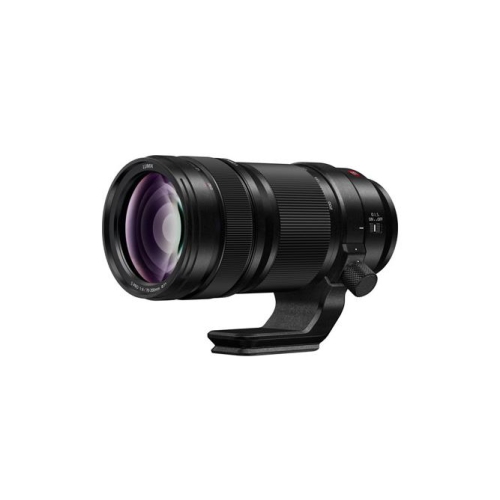
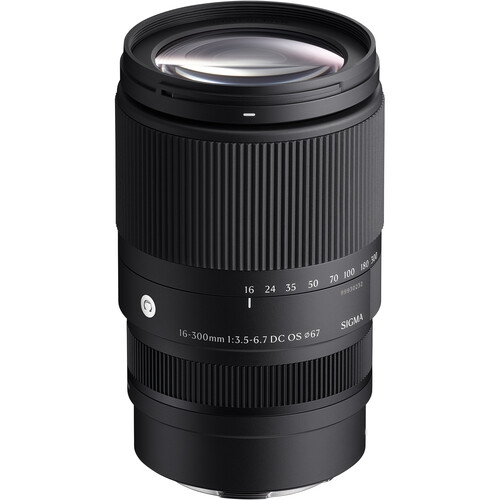
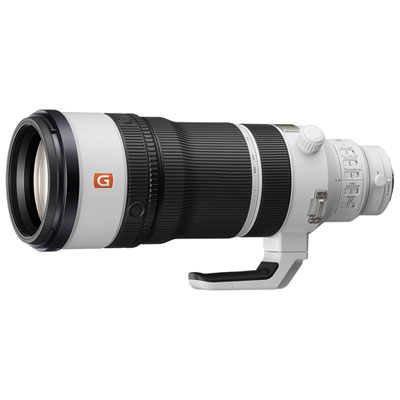
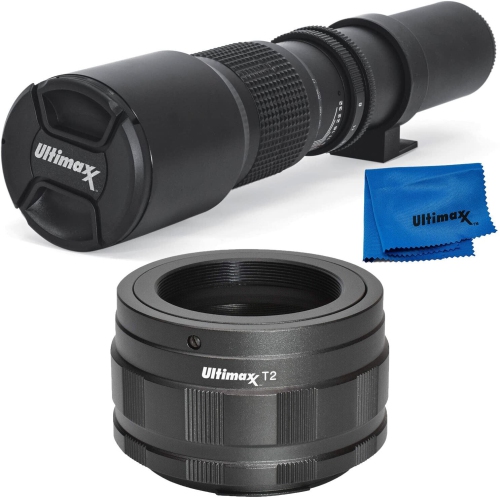
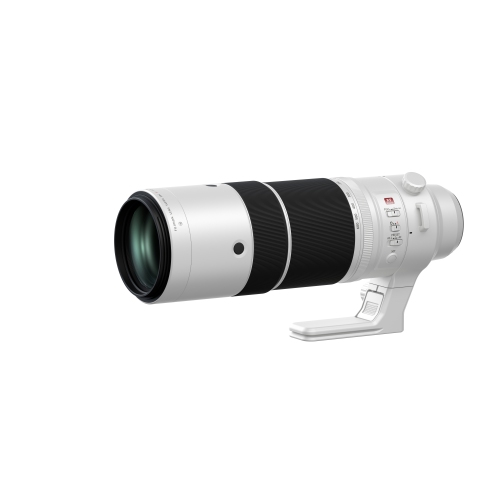
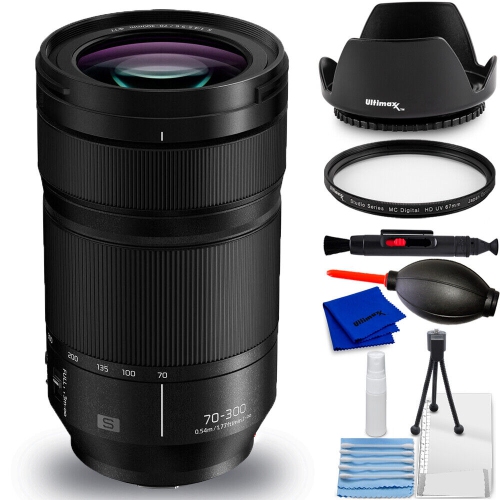
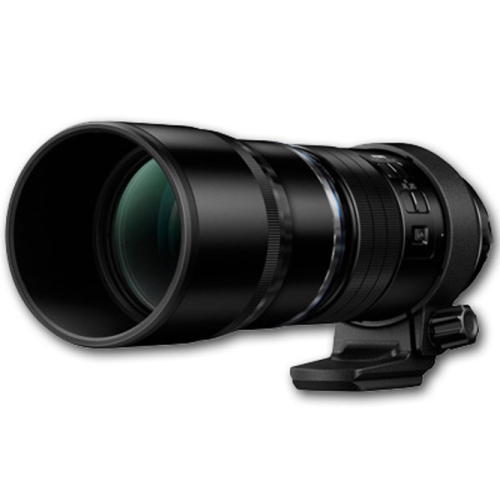
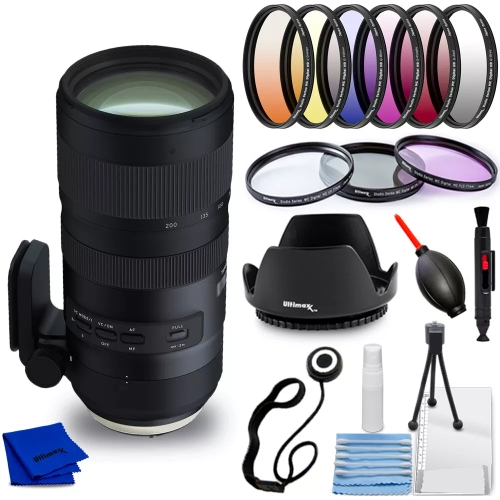

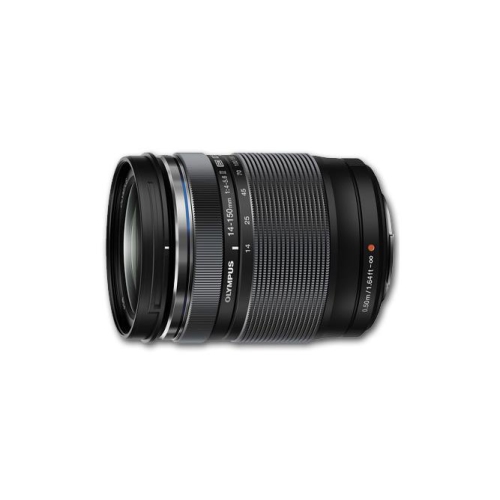
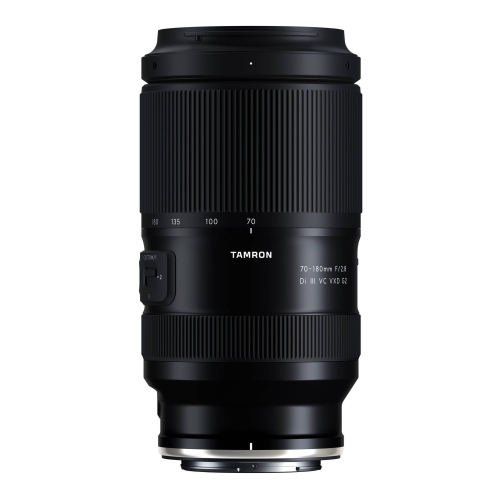


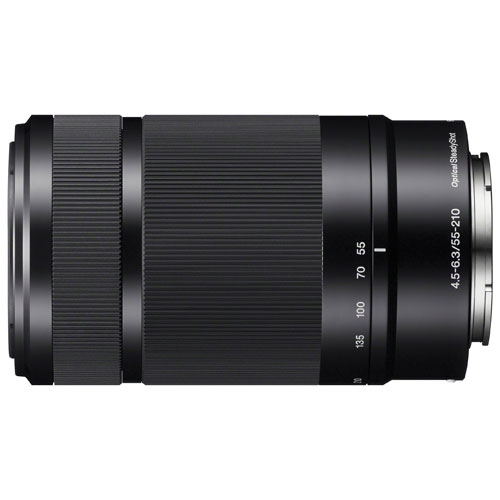
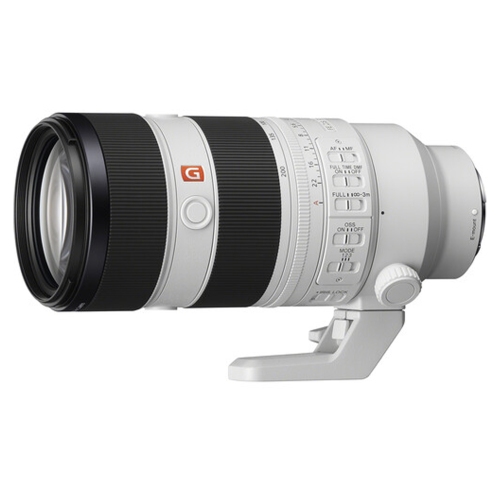
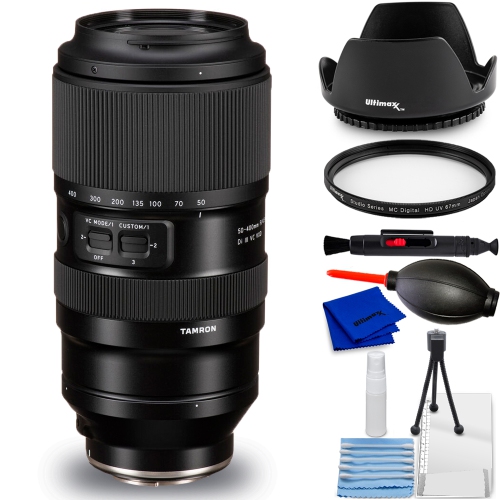
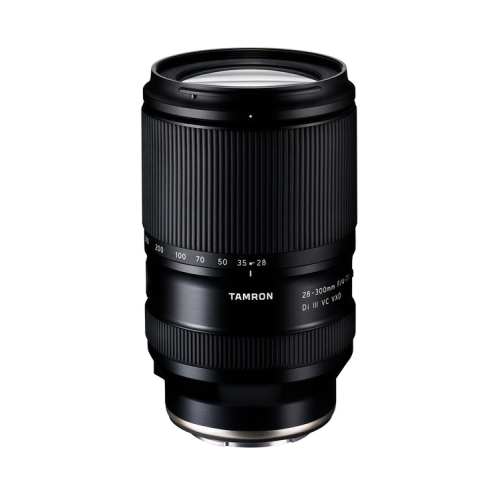
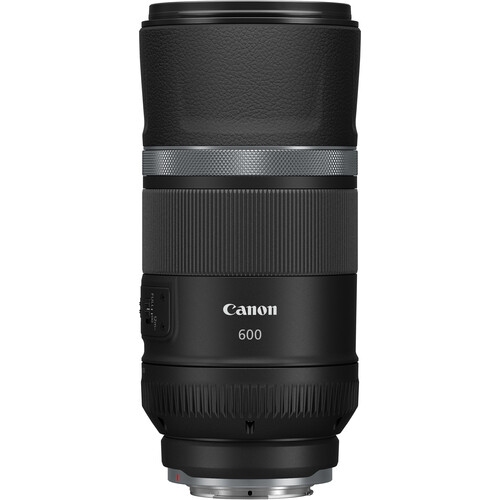

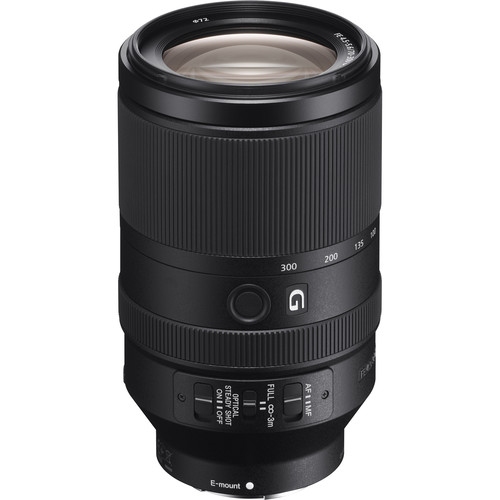

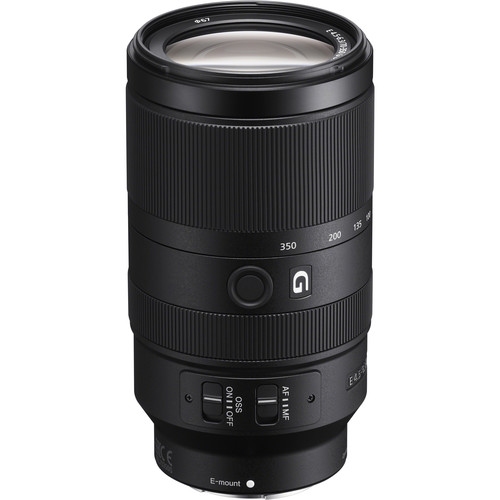
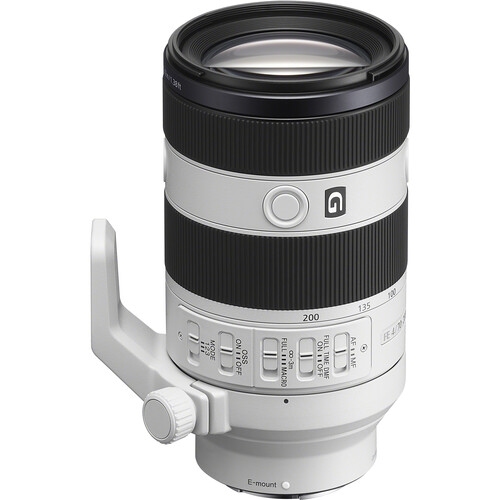
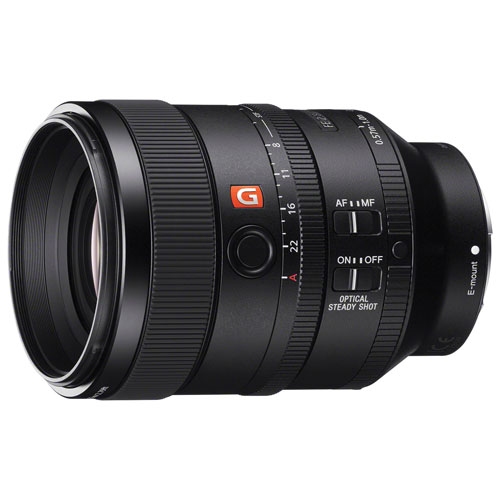
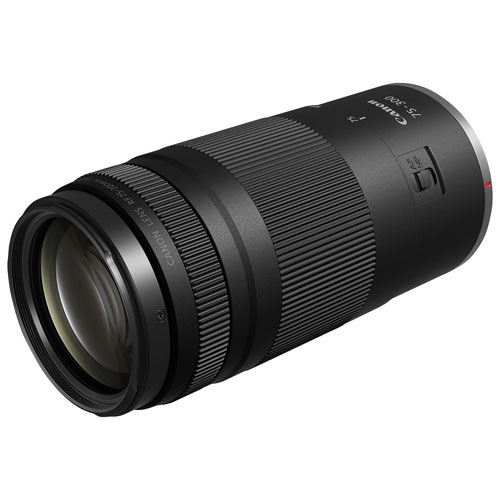
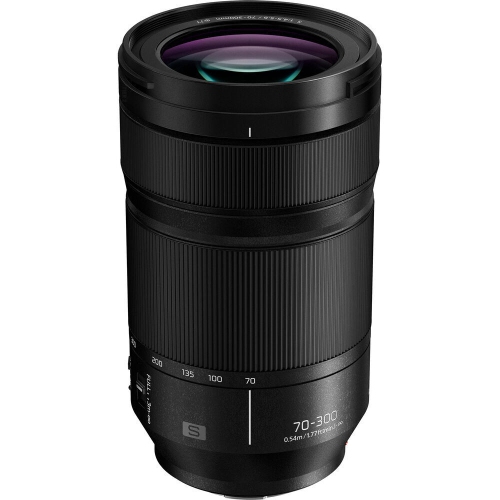
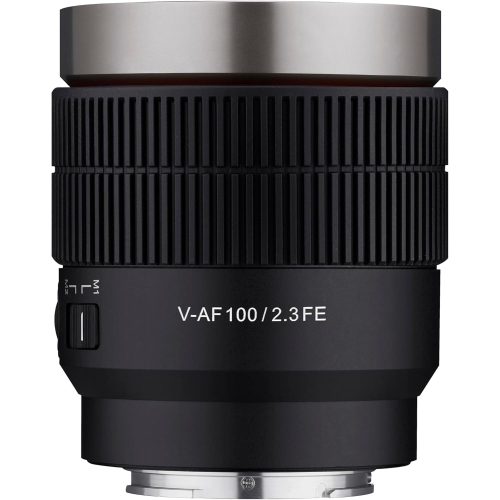
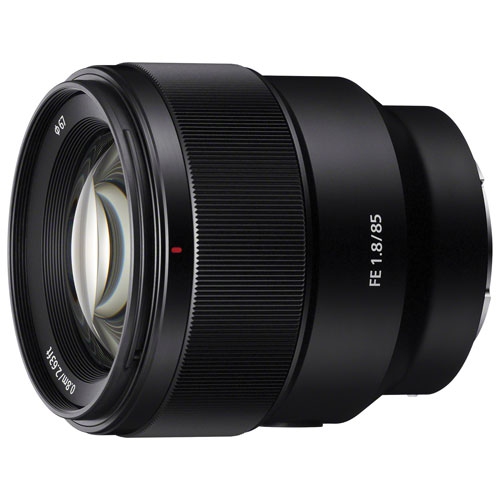
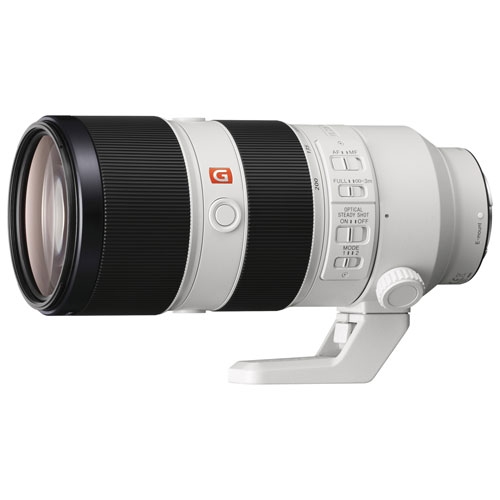
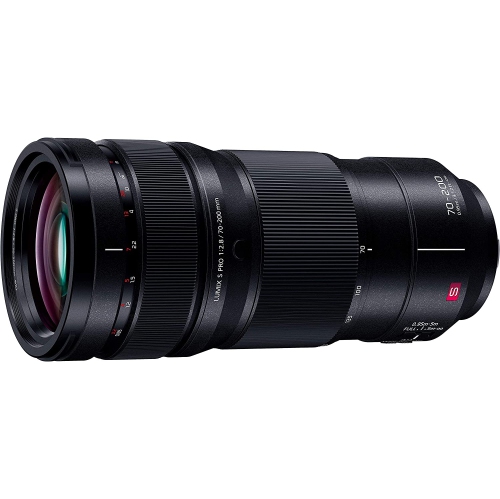
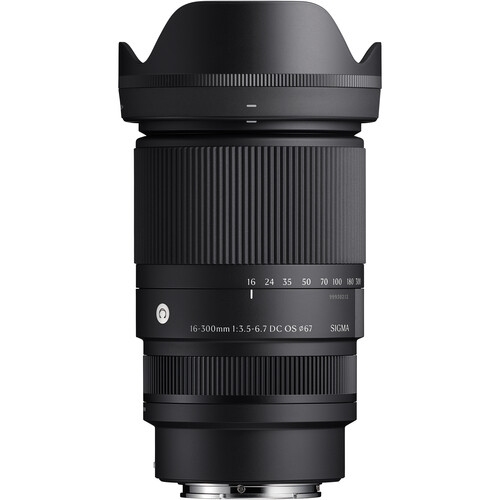
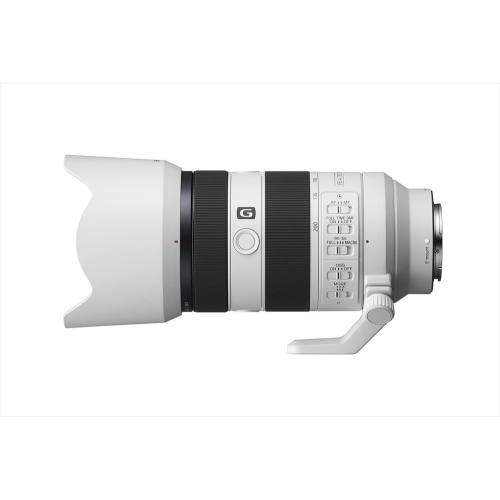
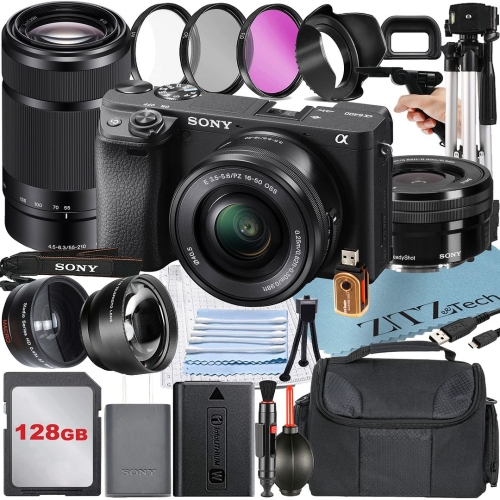

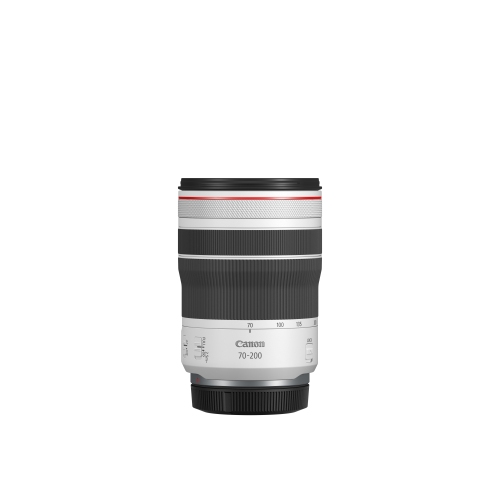
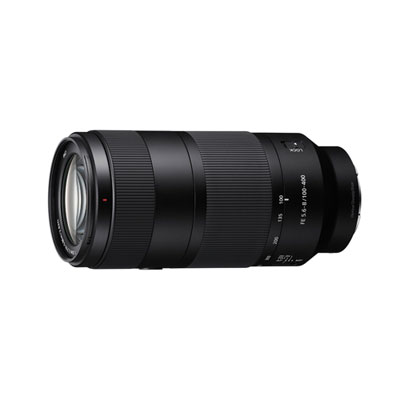
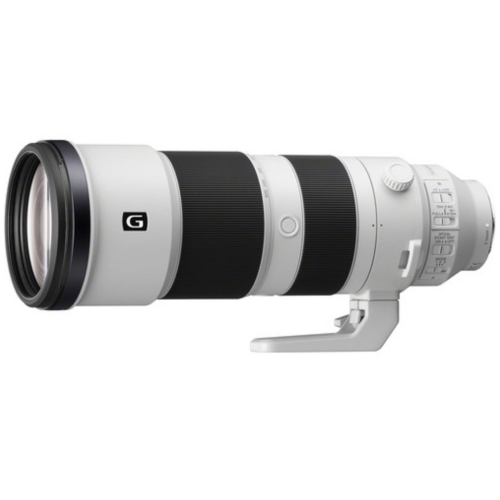
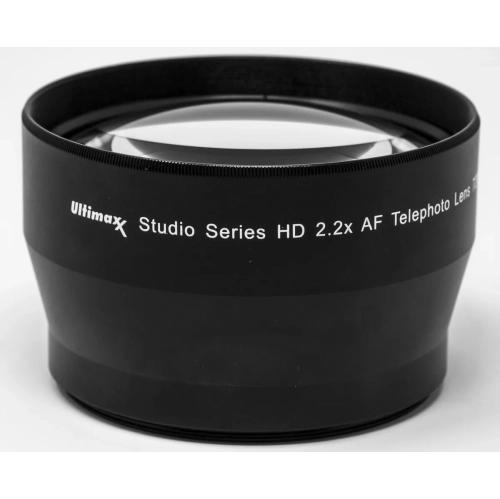
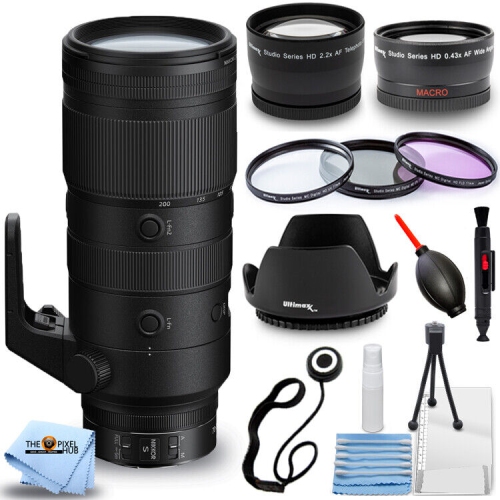
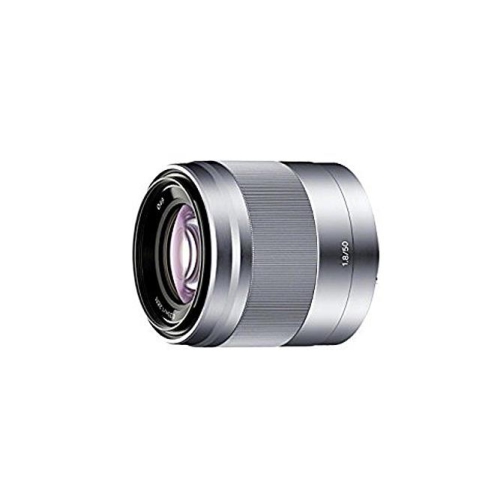
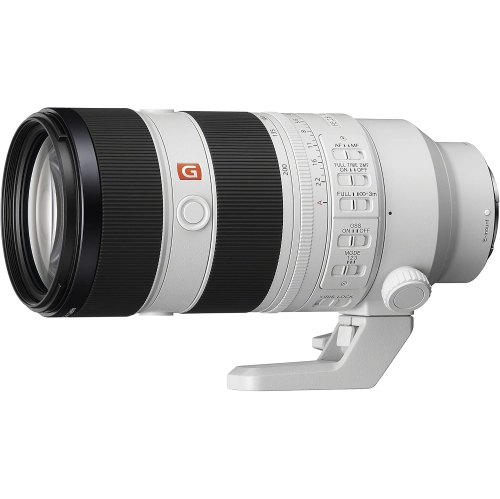
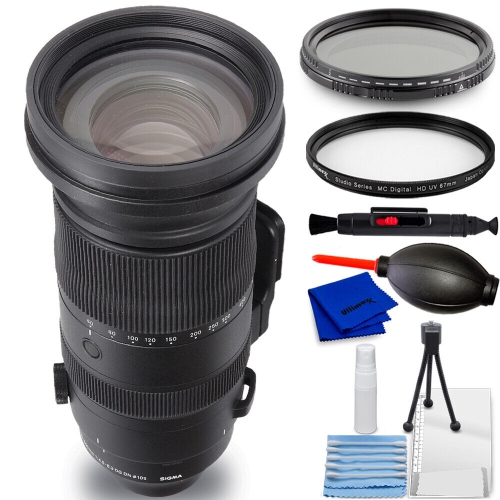
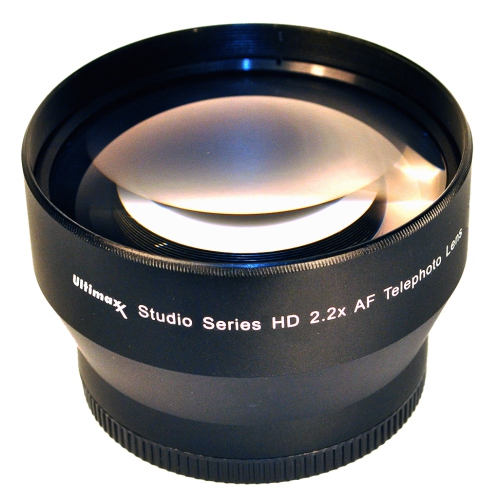
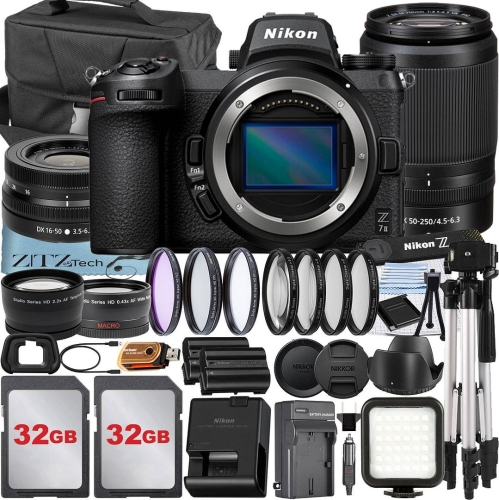
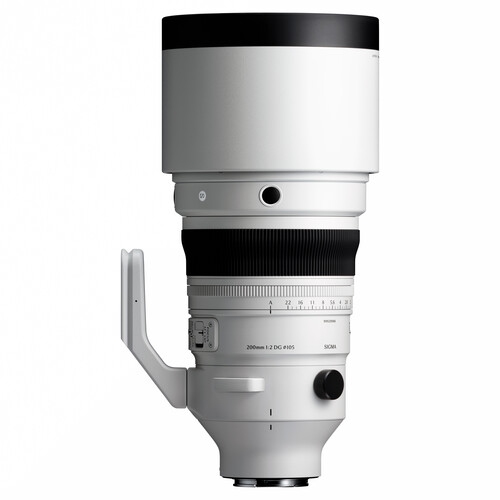
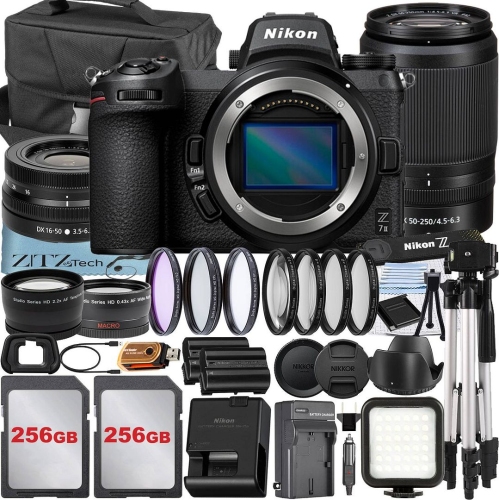
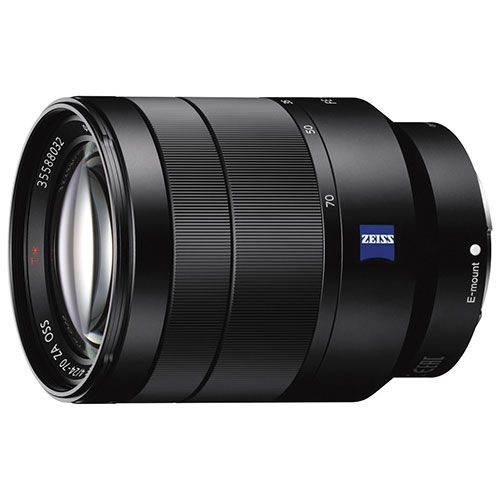
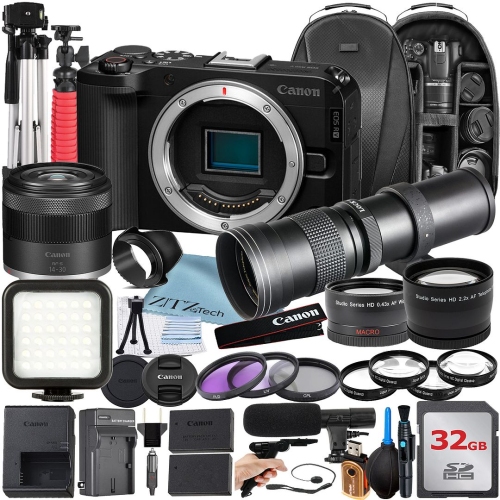
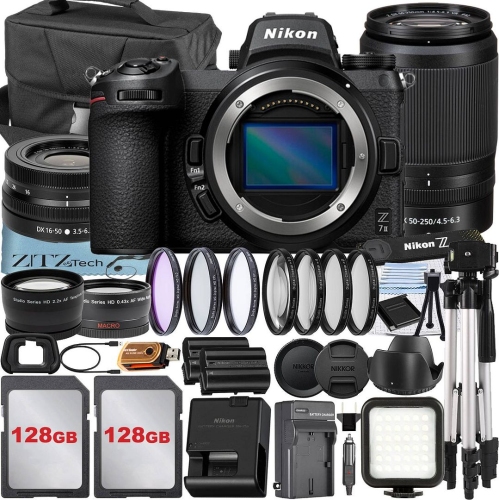
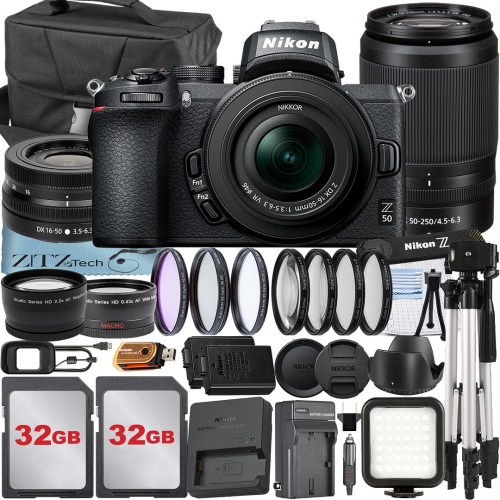

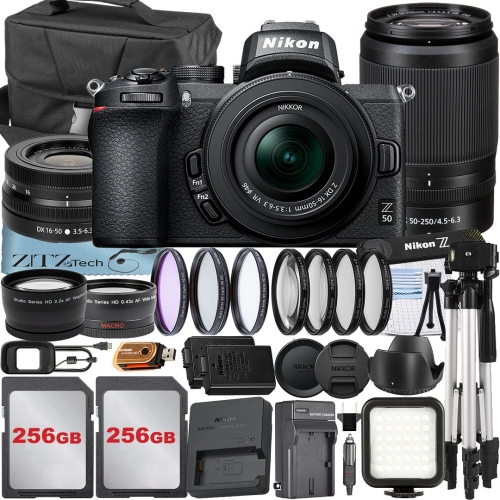

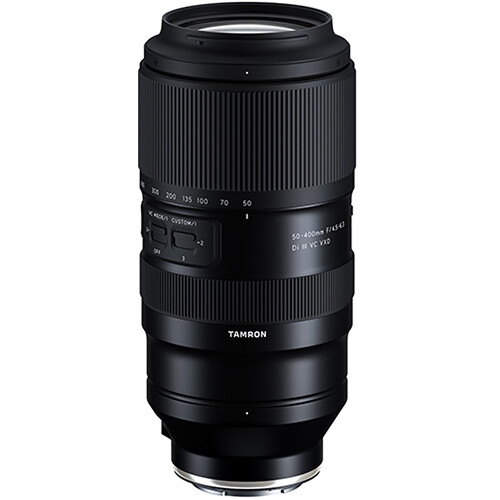
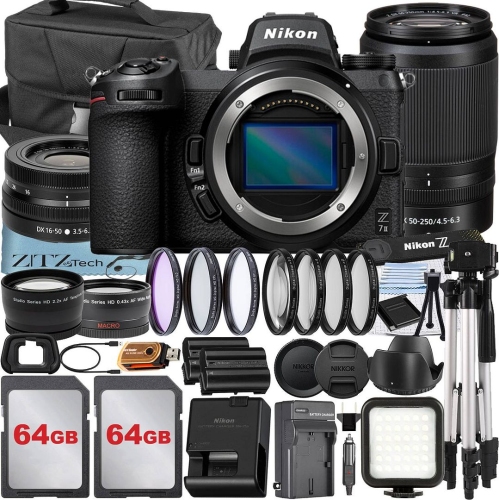
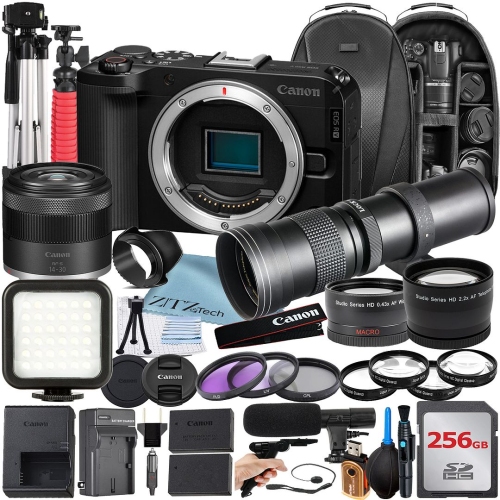
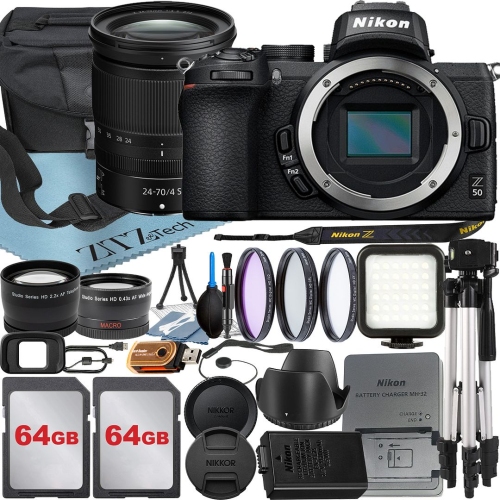
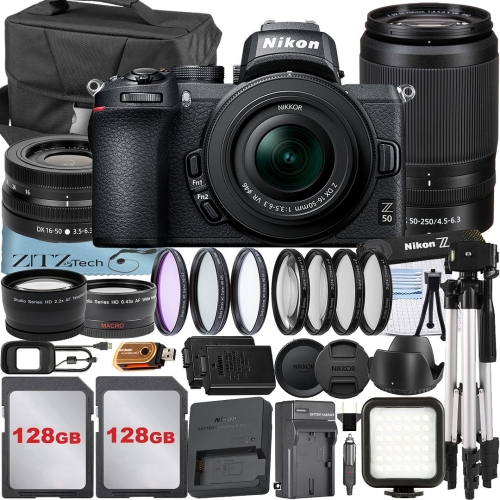


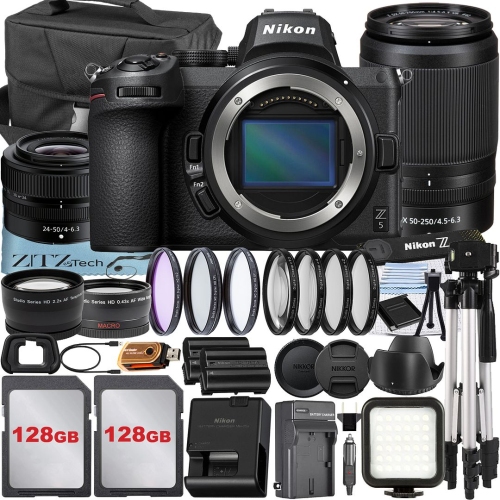
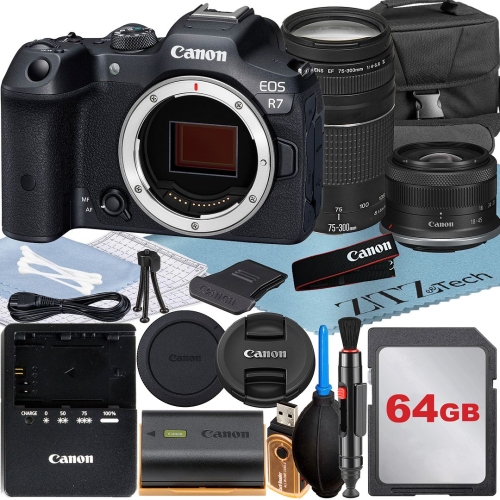
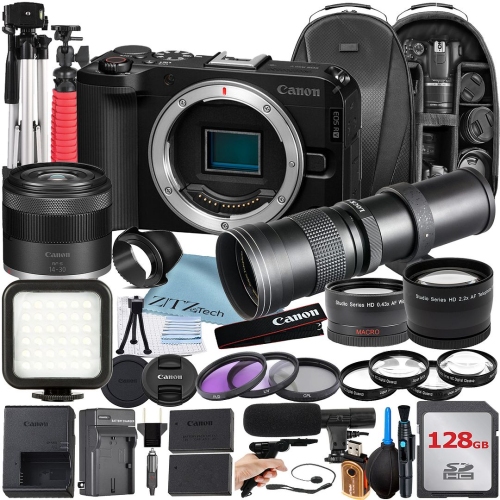
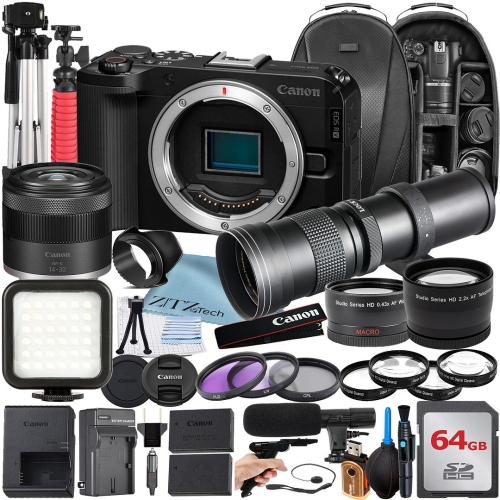
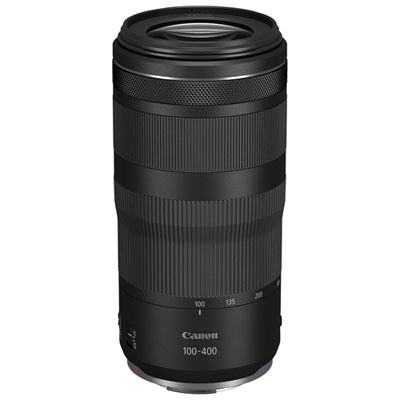
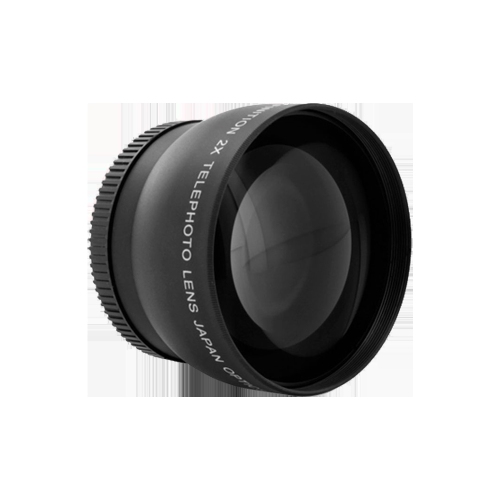
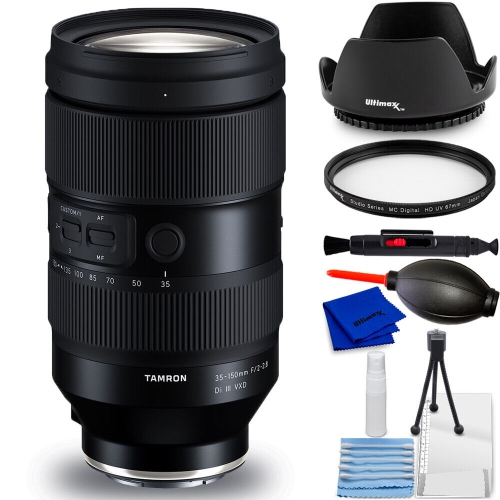
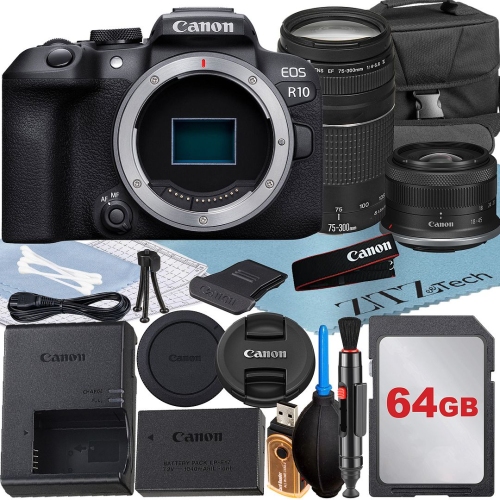
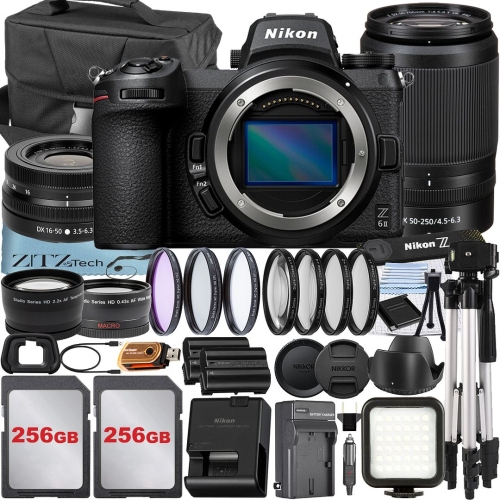
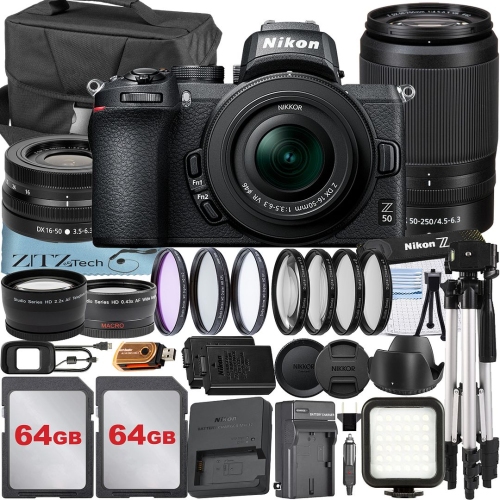
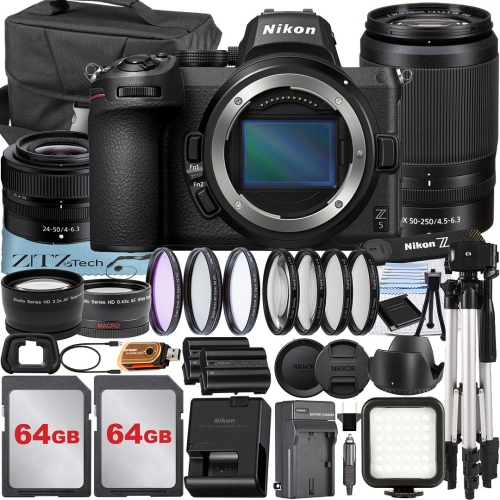
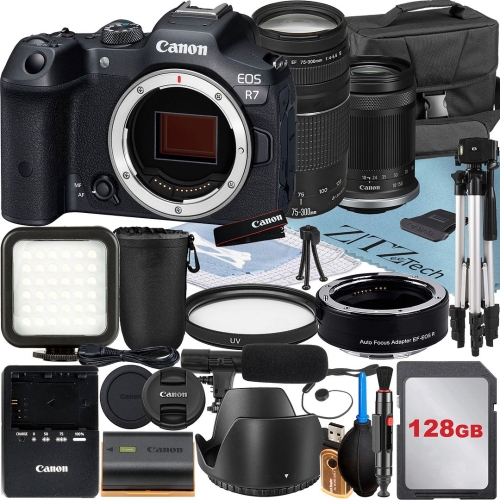
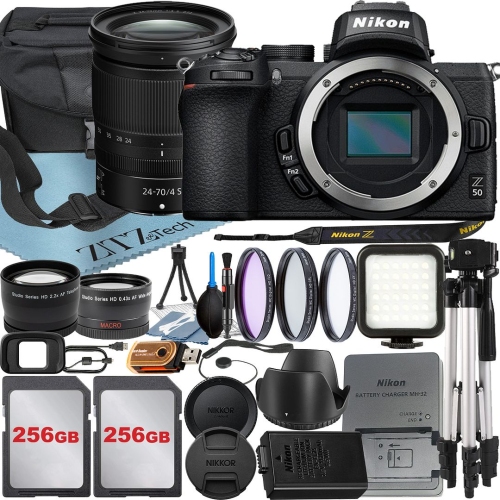
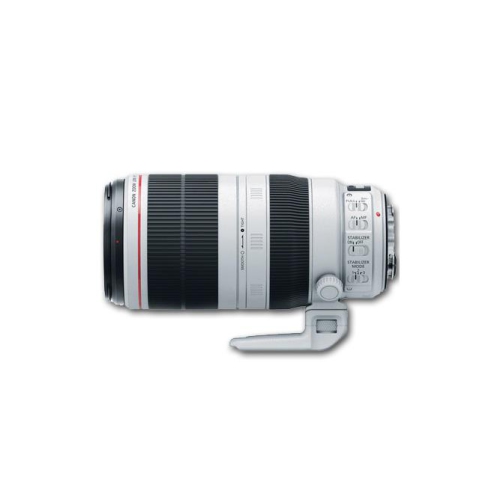
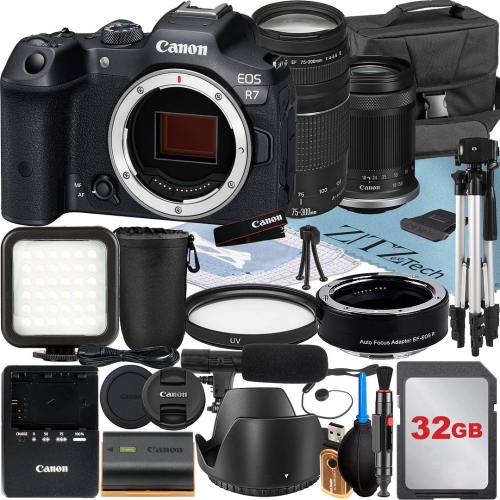
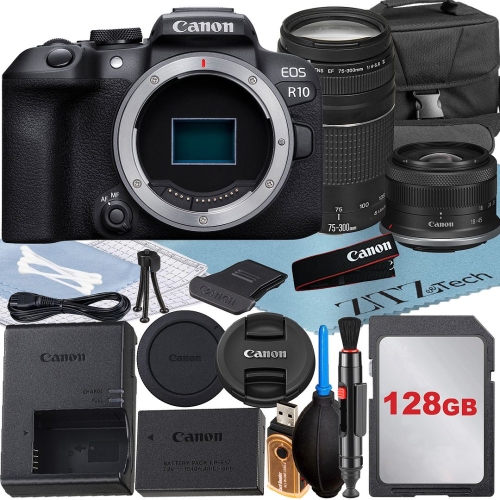
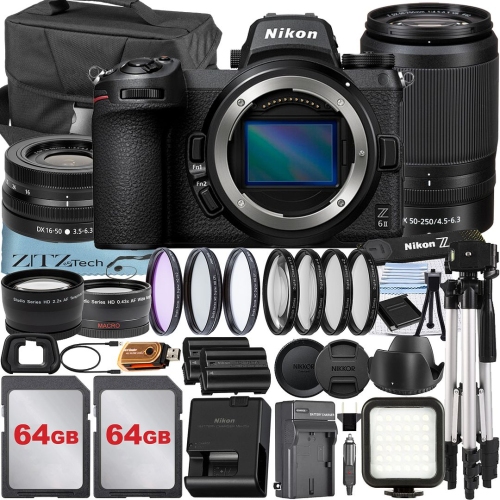
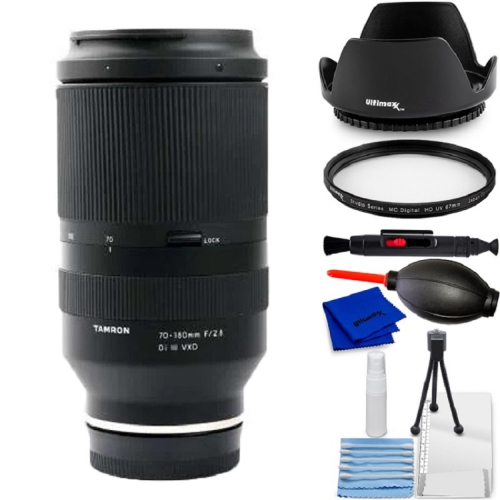
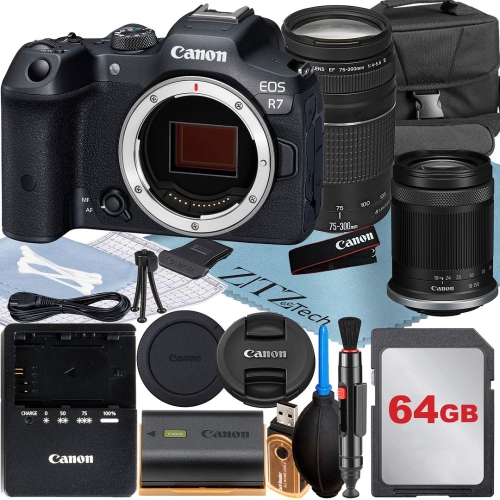
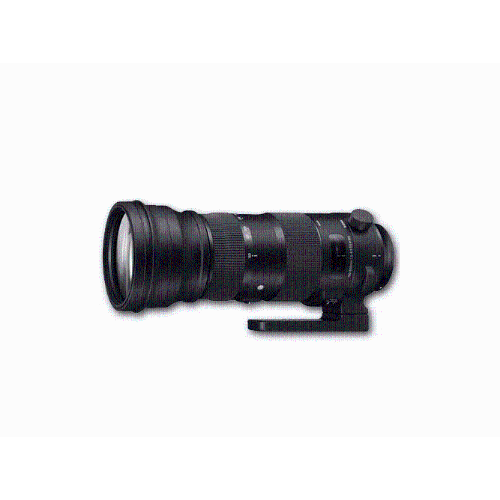
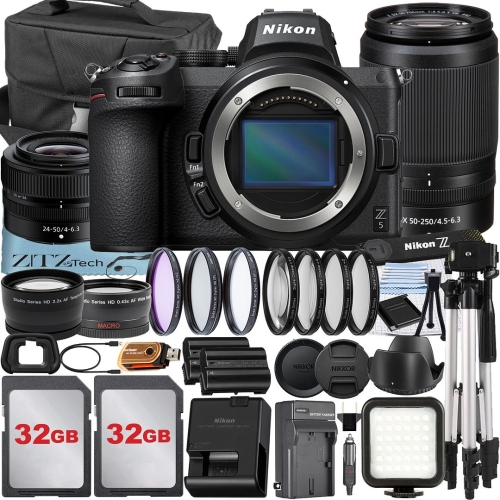
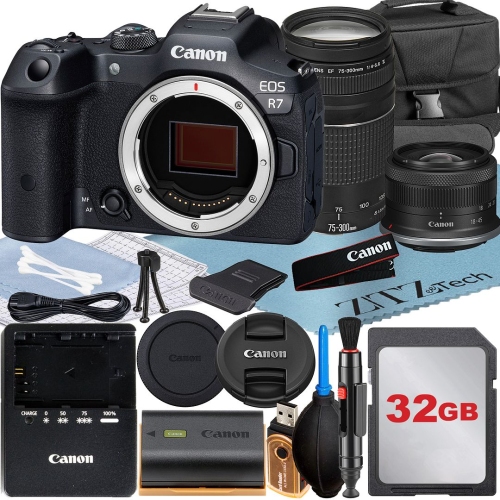
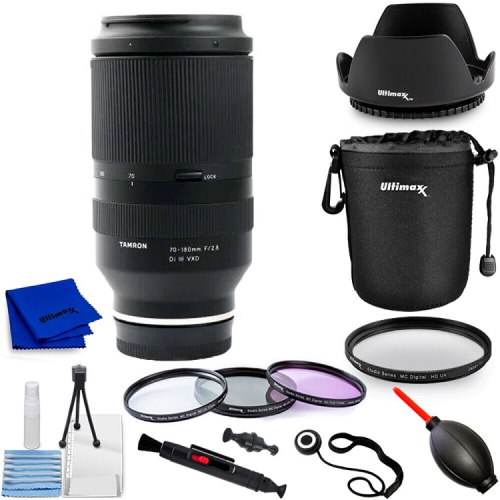
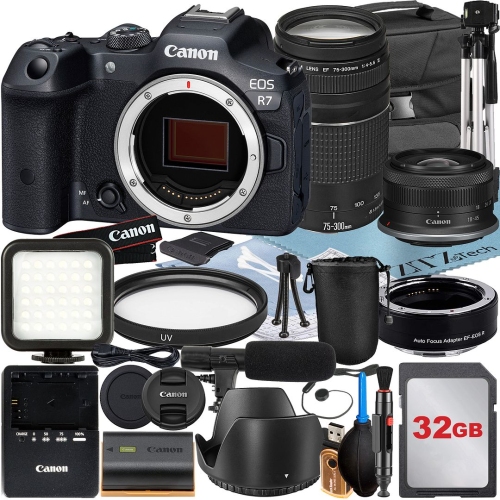
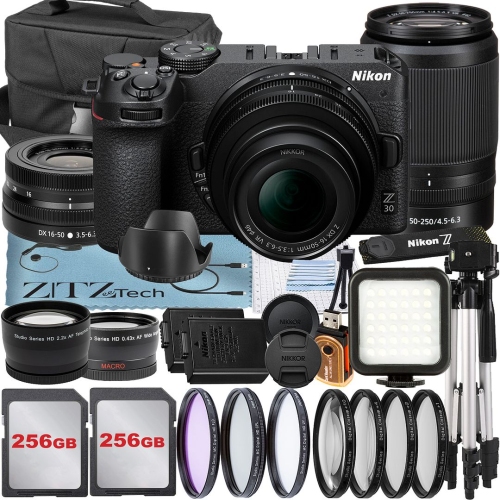
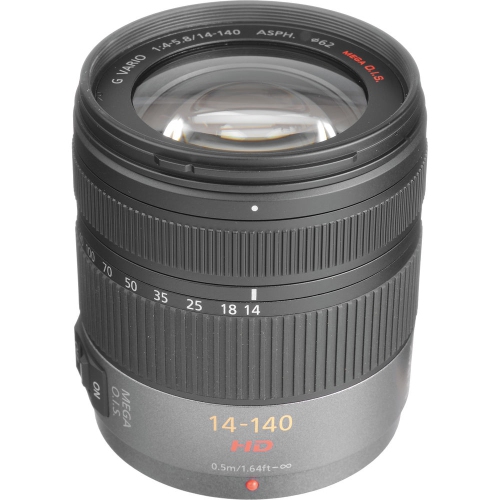
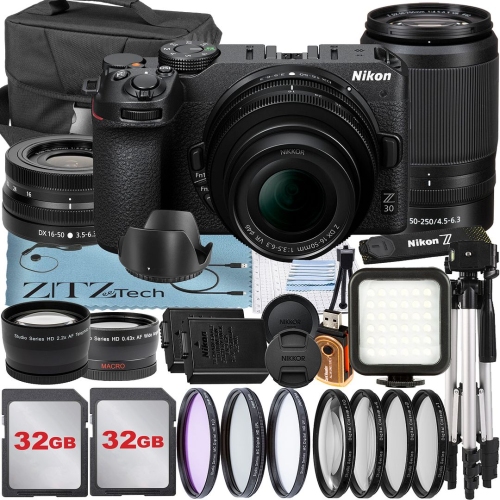
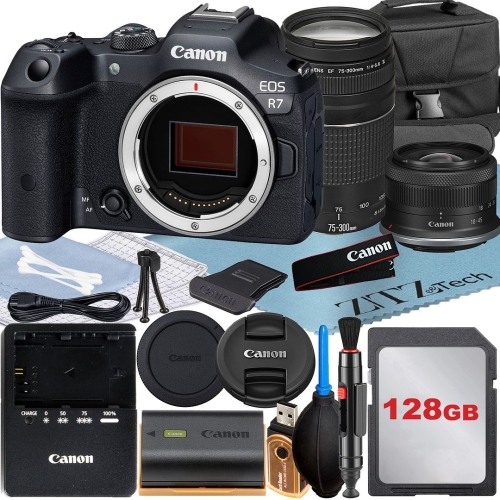

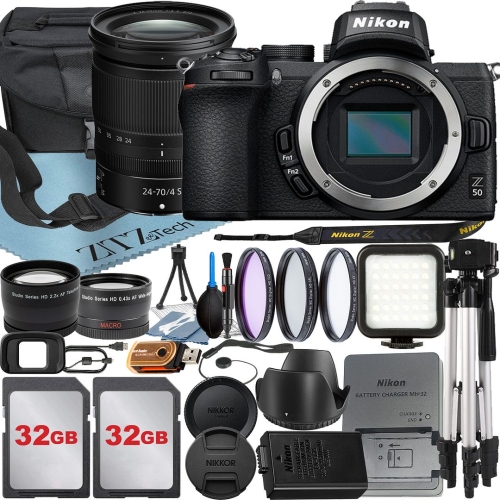
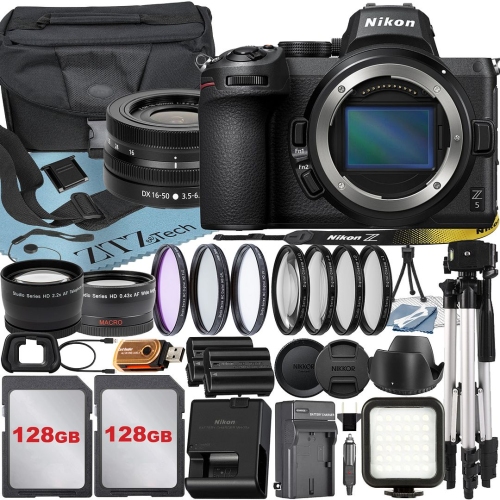
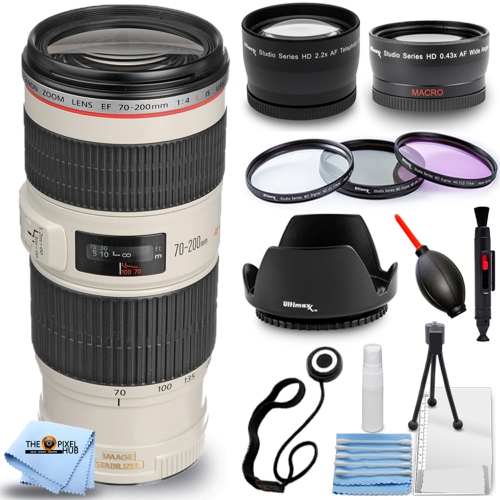
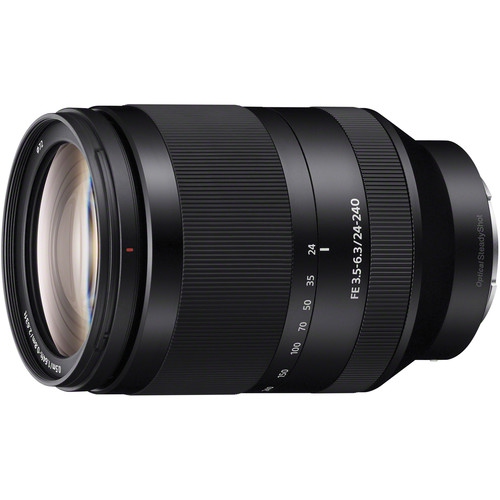
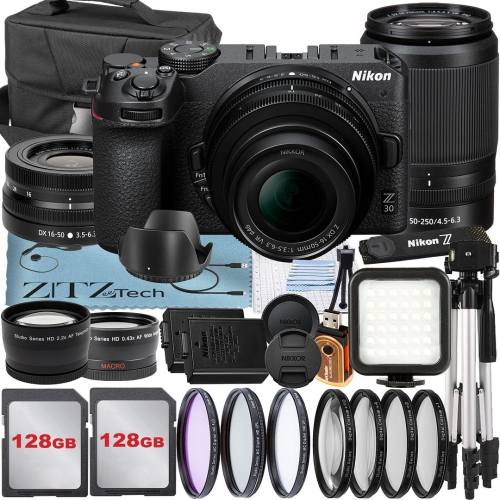
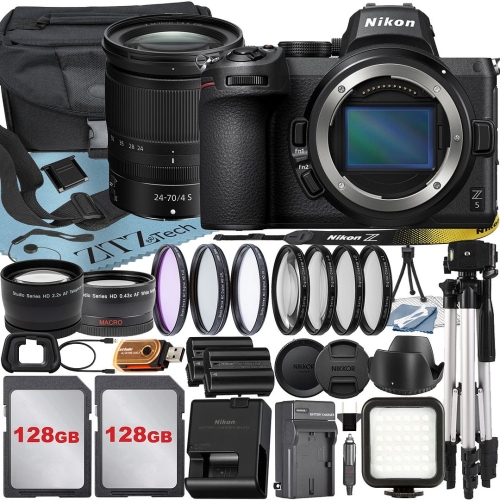
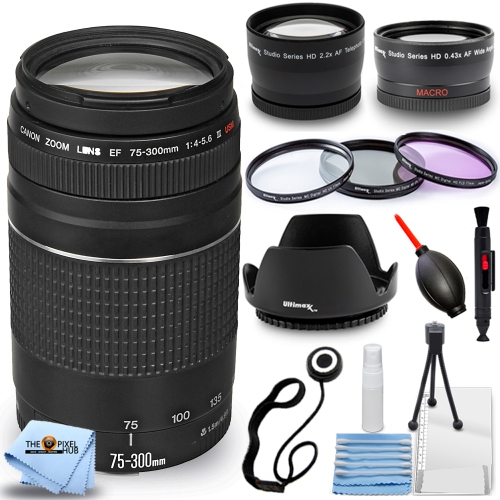
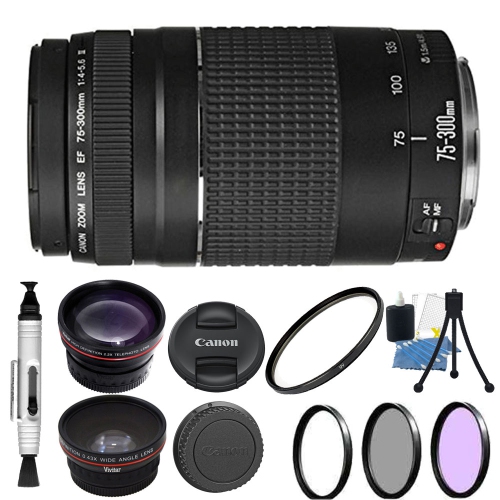
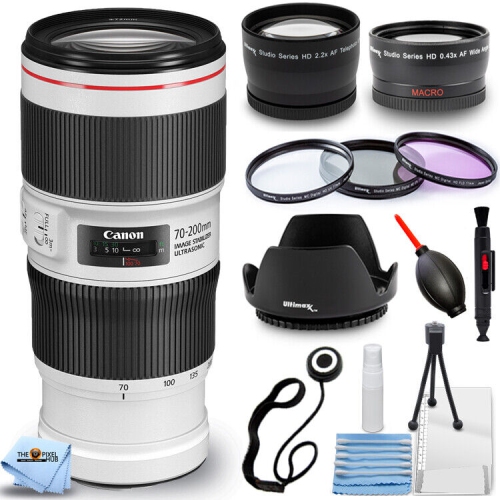
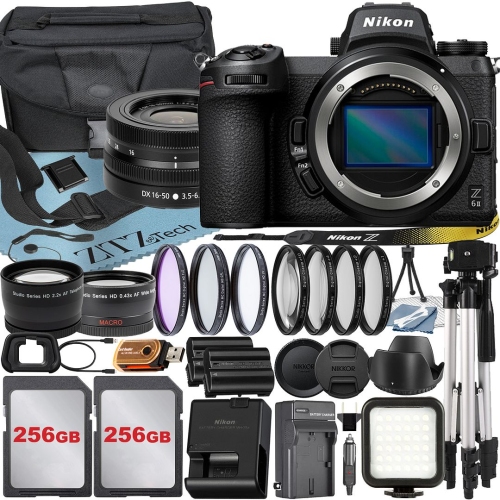

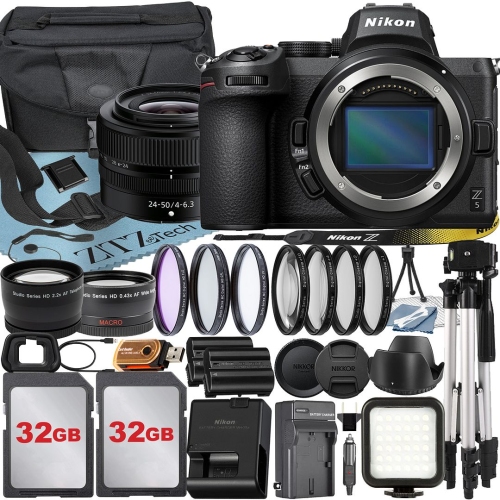
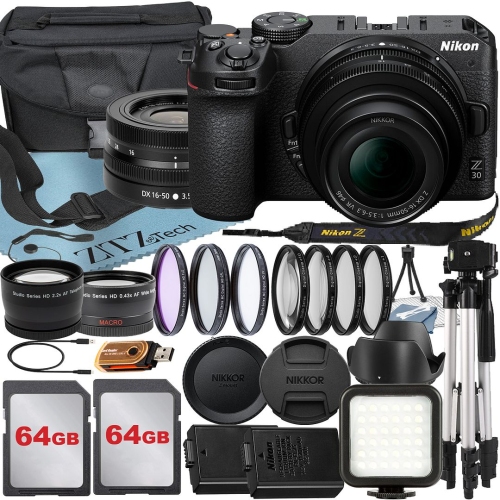
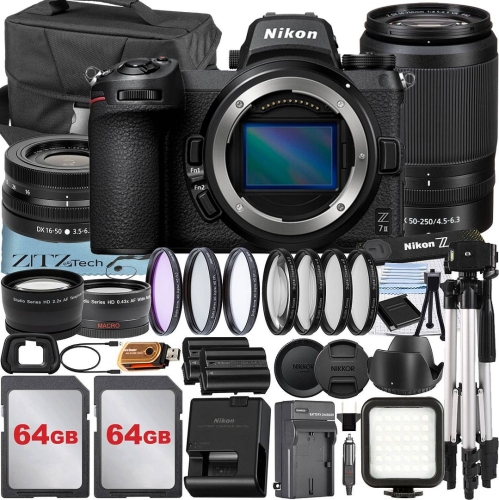
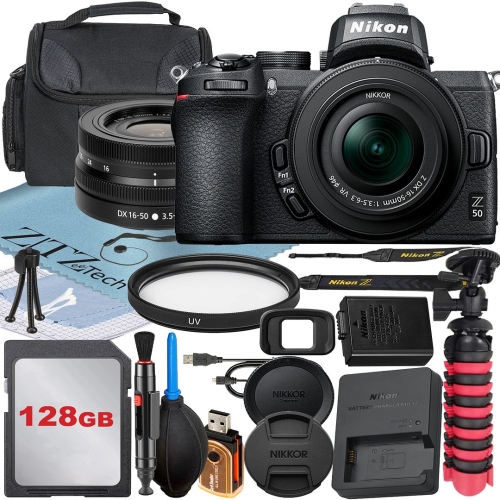
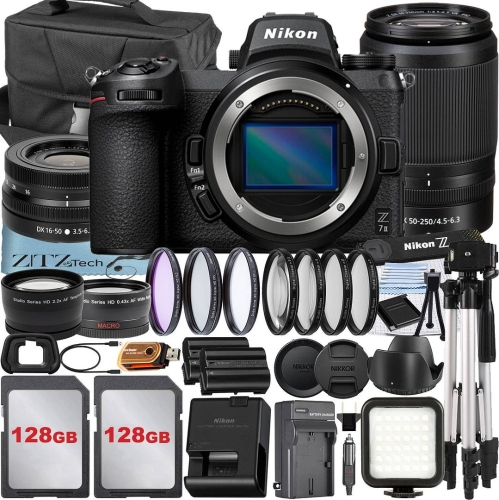

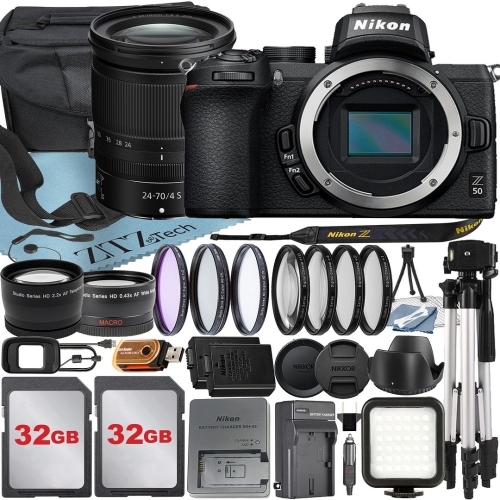
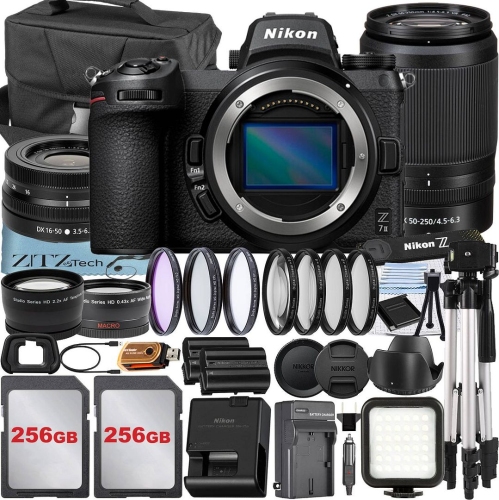
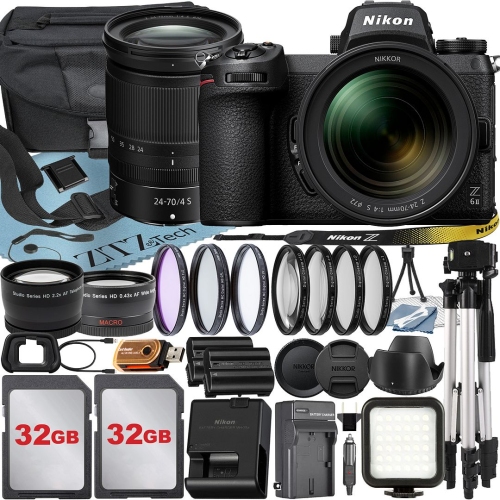
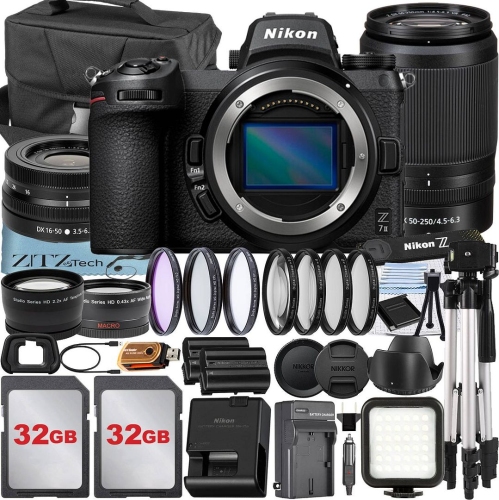
How longer reach supports distant, moving, and candid subjects
Mirrorless telephoto lenses bring distant subjects closer without requiring you to step into their space, making them a natural choice for wildlife, sports, travel, portraits, concerts, and outdoor family photography. On a quiet trail, a telephoto lens can fill the frame with the alert expression of a perched bird while leaving enough distance for the animal to remain undisturbed. At a sports field, it can isolate a player from a busy background and capture the moment a ball leaves a racket or a runner crosses the finish line. For portrait sessions, longer focal lengths can create flattering proportions and soft background separation, helping a subject stand out against city lights, autumn trees, or an open landscape. Mirrorless telephoto lenses are available as zooms and primes, with each type suited to different shooting styles. A telephoto zoom provides flexibility when subjects move unpredictably or when you cannot change your position, while a prime lens may appeal to photographers who prioritize a particular focal length, bright aperture, or highly controlled composition. Common choices range from moderate telephoto lenses for portraits and travel to longer super-telephoto options for birds, field sports, and distant wildlife. When comparing options, begin with camera compatibility. The lens mount must match your mirrorless camera system, and it is important to check whether the lens is designed for a full-frame, APS-C, or Micro Four Thirds sensor. A full-frame lens can often be used on a compatible crop-sensor camera, although the effective field of view changes; a lens designed specifically for a smaller sensor may not provide full coverage on a full-frame body. Camera and lens combinations can also differ in autofocus features, image stabilization, electronic communication, and available shooting modes, so confirming mount and sensor compatibility before purchasing helps ensure a smooth setup.
Reach is only part of the decision. A lens with a longer maximum focal length can frame small or distant subjects more tightly, but it may also be larger, heavier, and more demanding to hold steady. Optical or in-lens image stabilization can be especially helpful when photographing in dim conditions, working from a viewing platform, or using slower shutter speeds for still subjects. Stabilization does not freeze a moving bird or athlete, so autofocus performance and shutter speed remain important for action photography. Look for responsive focusing, subject detection support where available, and a focus limiter that can help the lens lock on more quickly within a selected distance range. A wide maximum aperture can admit more light and create a shallower depth of field, while a smaller or variable aperture can help keep the design more compact and easier to carry. Zoom lenses with a constant aperture maintain consistent exposure while you change focal length, which can be useful when recording video or working through changing compositions. Internal zooming and focusing can also make handling more balanced and reduce changes to the lens length, while an extending barrel may offer a lighter or more portable design. Build quality matters for photographers who spend time outdoors, especially during cooler months when conditions can change quickly. Weather-resistant construction, a secure hood, a comfortable focus ring, and clearly placed controls can make a noticeable difference during a long day outside. Before choosing, consider the complete kit rather than the lens alone: a compatible camera body, spare batteries, a supportive strap or backpack, and enough room for the lens can all affect how enjoyable it is to use. Photographers seeking broader framing options may also want to explore Mirrorless Camera Zoom Lenses for additional focal-length flexibility.
Mirrorless telephoto lenses can be a thoughtful gift for someone who already enjoys photography and wants to explore new subjects, particularly when the recipient has mentioned wildlife, sports, aircraft, live performances, or outdoor portraits. The best gift choice depends on the camera system they already use, since a beautifully matched lens is far more useful than one with impressive specifications that cannot connect to their camera. If you are buying for another photographer, checking the camera model or mount discreetly can prevent an awkward mismatch. It is also worth considering how the person actually photographs. A traveller who walks through parks and historic areas may appreciate a compact telephoto zoom that can be carried comfortably for hours. A bird photographer may value maximum reach, fast and accurate autofocus, and stabilization for tracking quick movement. Someone photographing children’s sports may prefer a zoom with a practical range that moves easily from a single player to a wider view of the action. For portraits, a moderate telephoto lens can provide working distance and pleasing background blur without the size of a super-telephoto design. Video creators may look for quiet focusing, smooth zoom control, reduced focus breathing, and a consistent balance on a tripod or gimbal. When photographing with a longer lens, simple technique can make a striking difference: use a shutter speed suited to the subject’s movement, brace the lens or use a monopod when appropriate, and leave enough space around a moving subject for a more natural composition. At a lakeside lookout, the extra reach can reveal ripples around a distant loon; in a gymnasium, it can preserve the intensity of a game from the sidelines; during a family gathering, it can capture candid expressions without interrupting the moment. Choosing a mirrorless telephoto lens is ultimately about matching focal length, handling, compatibility, and subject matter to the way the lens will be used. A well-matched option can turn a distant scene into a detailed image and encourage photographers to notice moments that might otherwise pass unnoticed.
Top selling and popular products
-
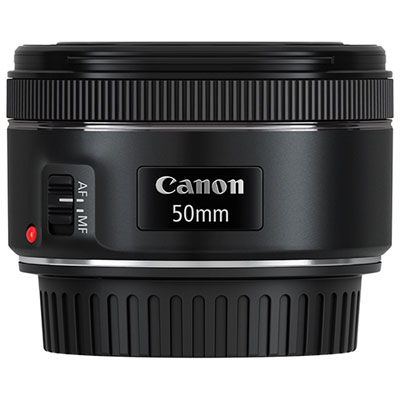 Your price for this item is $169.99
-
 Your price for this item is $329.99
-
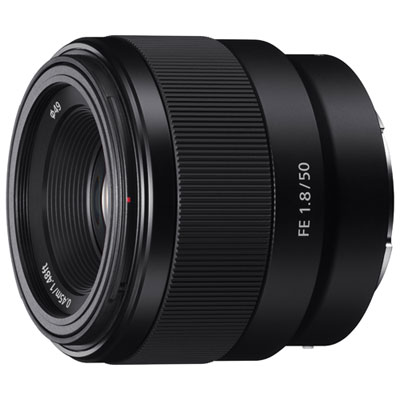 Your price for this item is $349.99
-
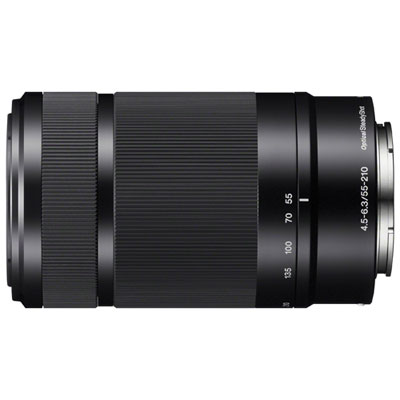 Your price for this item is $399.99
-
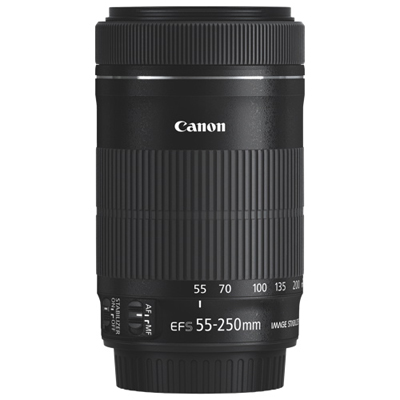 Your price for this item is $399.99
-
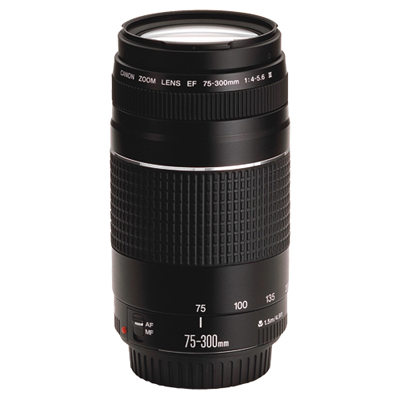 Your price for this item is $199.99
-
 Your price for this item is $174.99
-
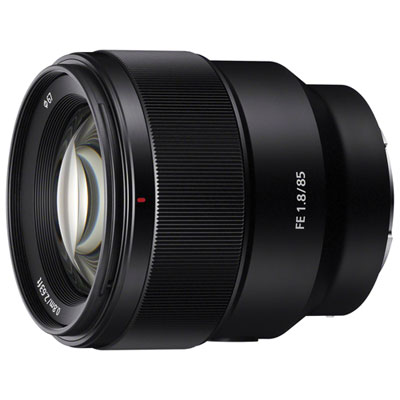 Your price for this item is $799.99
Discover more categories related to Mirrorless Telephoto Lenses

Top Collections:
Pokemon Centers, Best Cameras for Sports Photography, Kindle Devices, Samsung Galaxy Phones, Canon G7X Cameras, Pokémon 30th Celebration Cards, Refurbished Apple Laptops, iPhone 15 Apple, Laptops for Students, Budget Smartphones
Some products may be subject to Environmental Handling Fees
(EHF) depending on your province.
Learn more about EHFs.