Prime Lenses for Sony
Capture stunning images with a selection of prime lenses available for Sony cameras. Designed to deliver exceptional clarity and sharpness, these lenses are perfect for photographers and videographers looking to take their creativity to the next level. Whether you're capturing portraits, landscapes, or low-light scenes, our range of prime lenses ensures that every shot is filled with detail and precision. Shop from our collection today and find the perfect lens to enhance your Sony camera's capabilities.
Sort
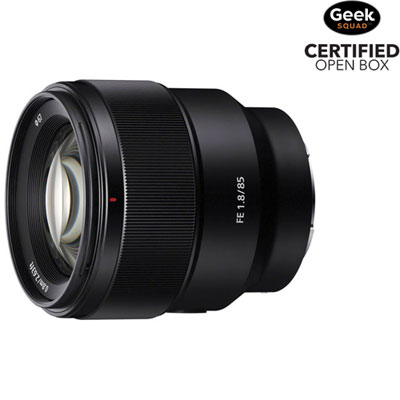
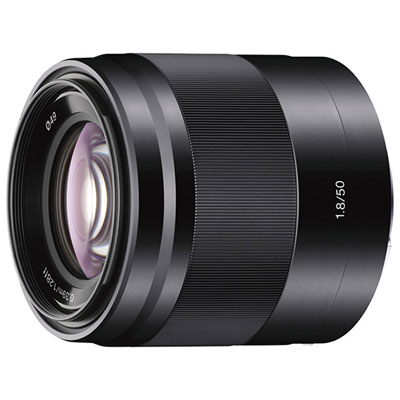
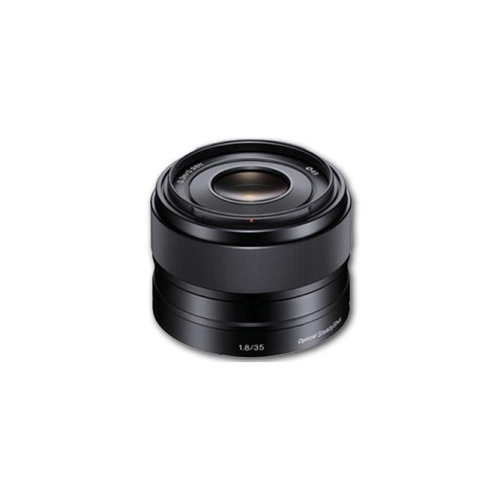
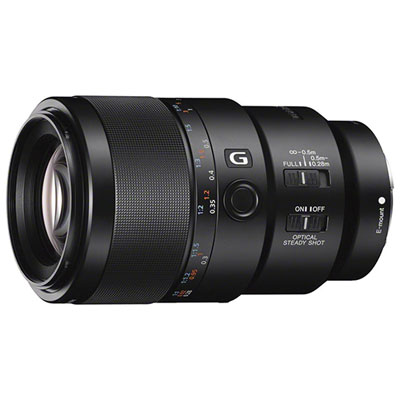
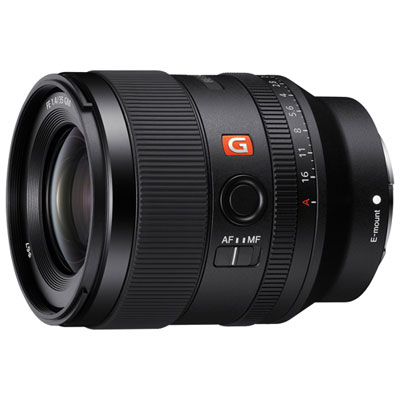
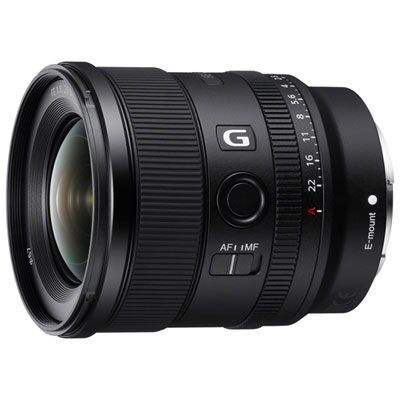
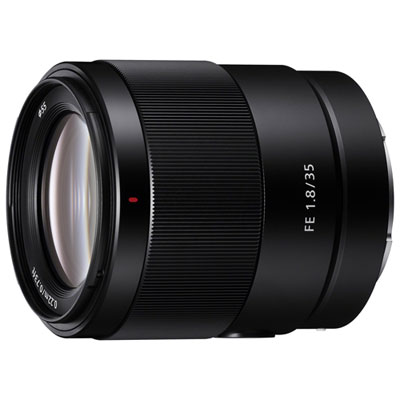
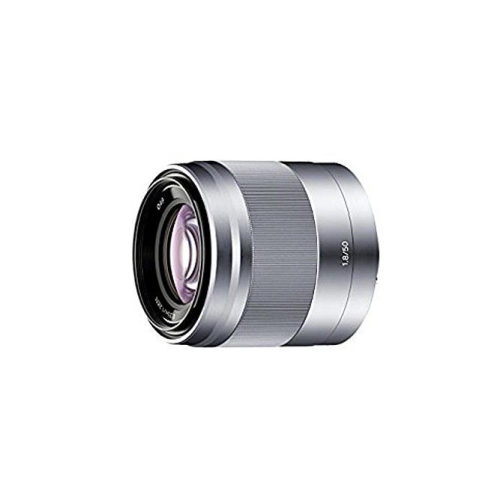

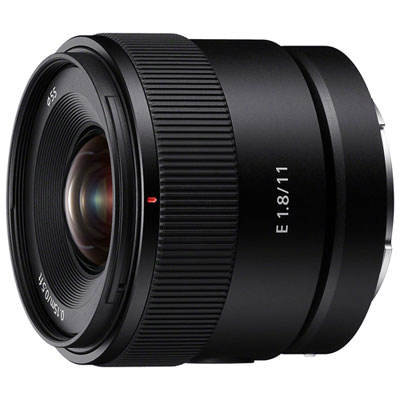
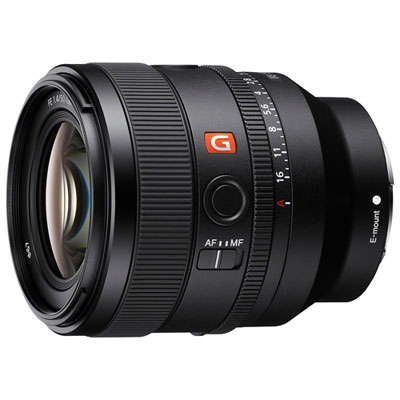
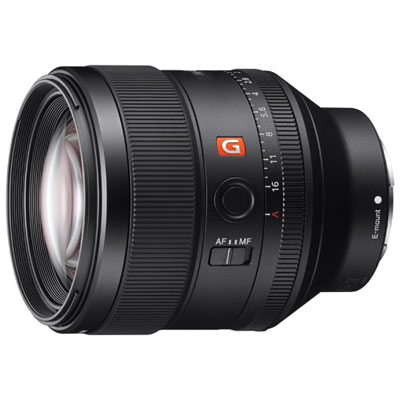
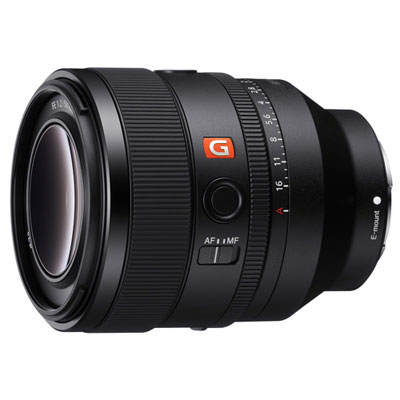

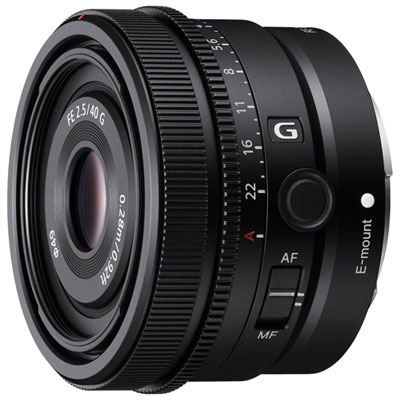
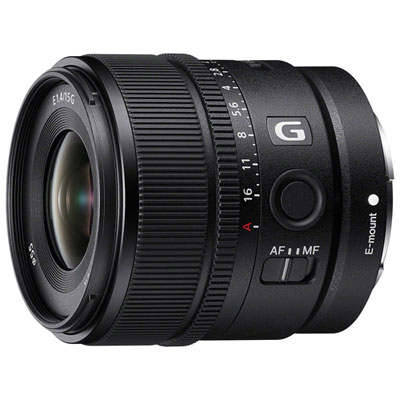
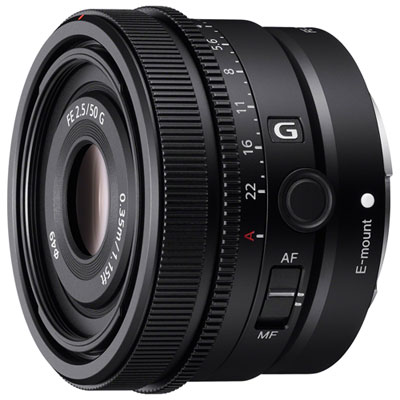
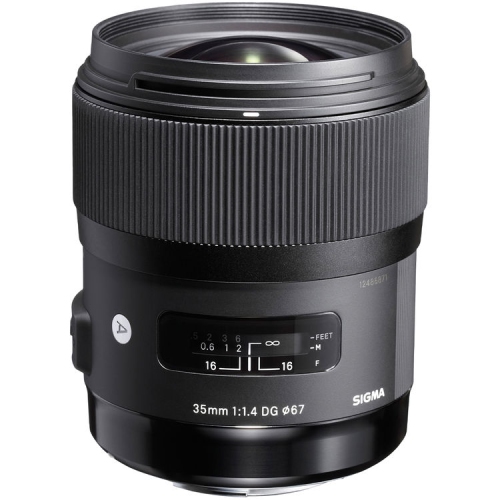
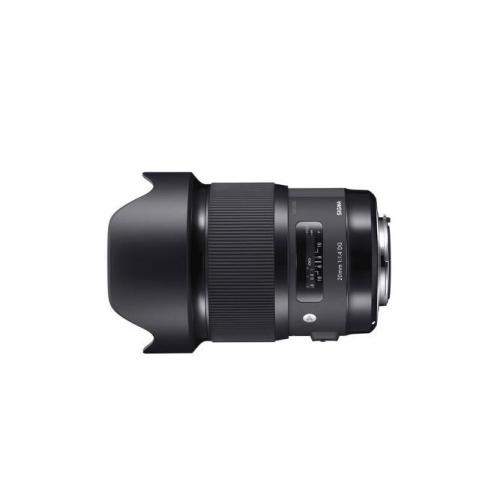
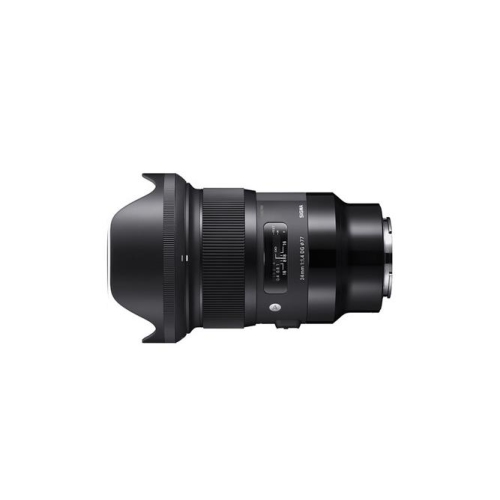
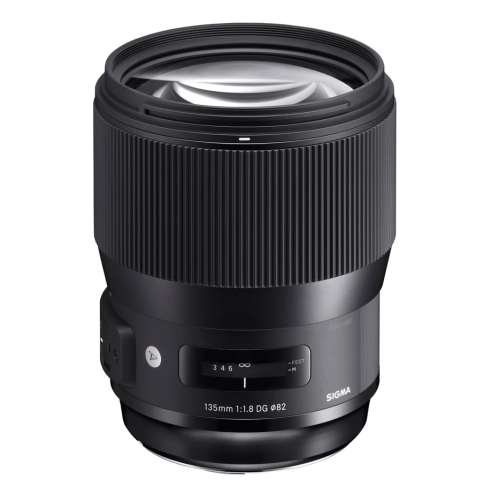
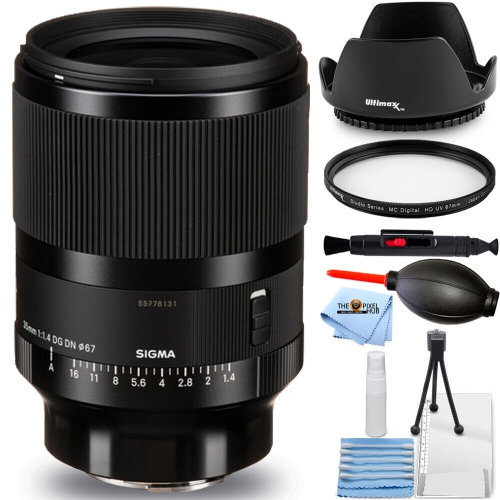
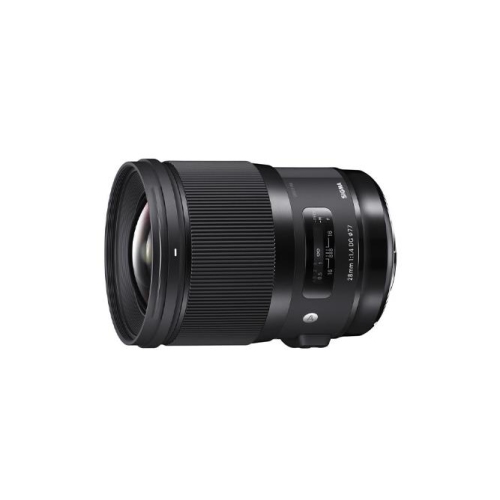
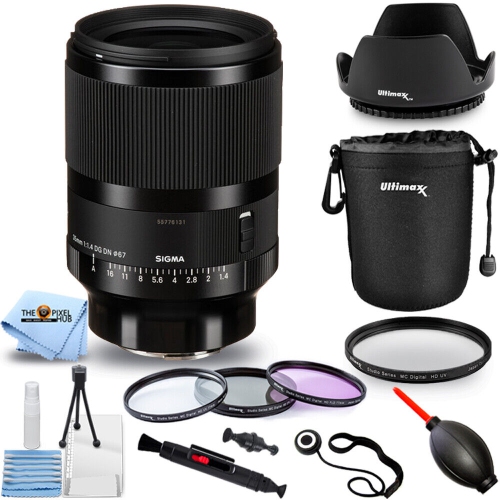
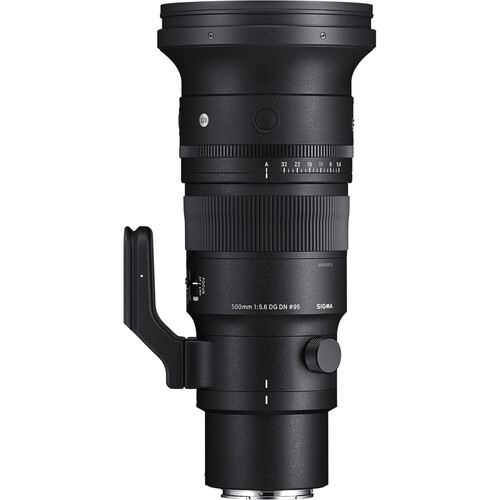
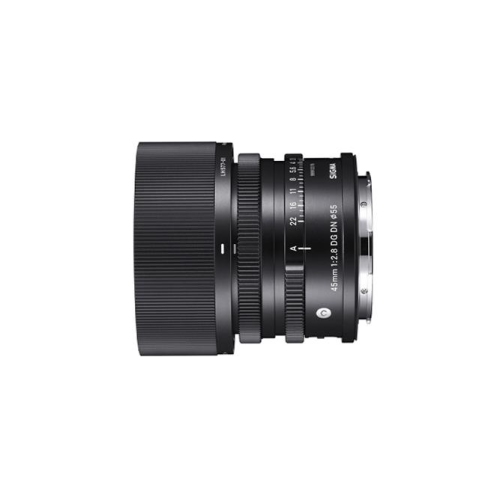
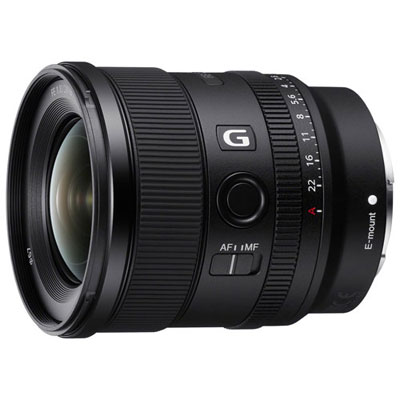
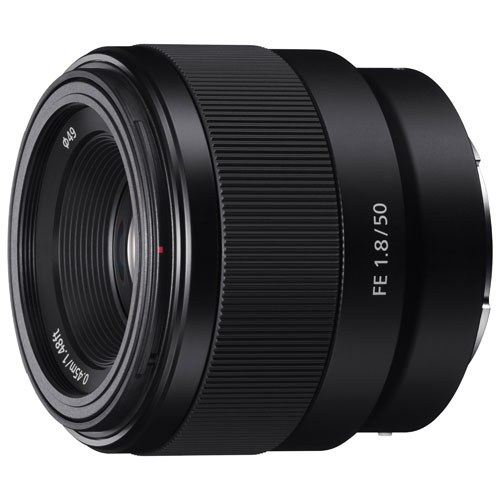
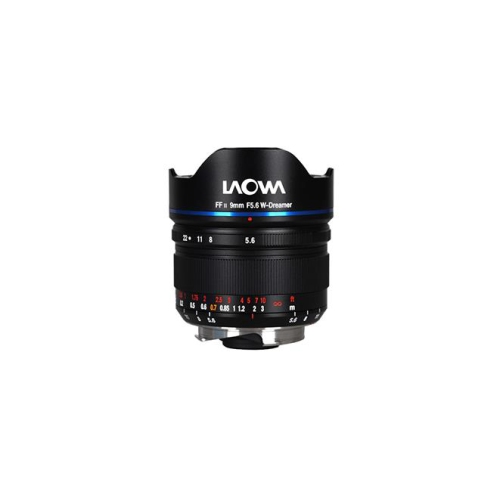
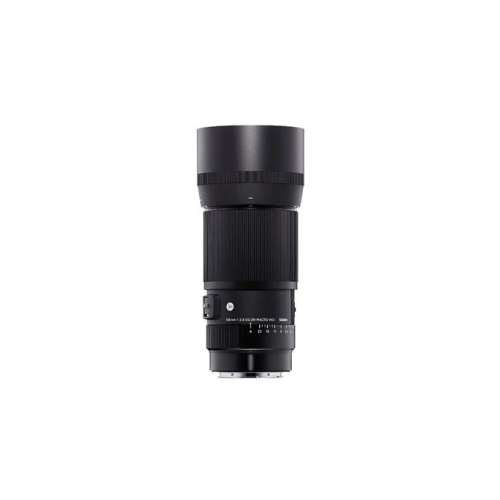
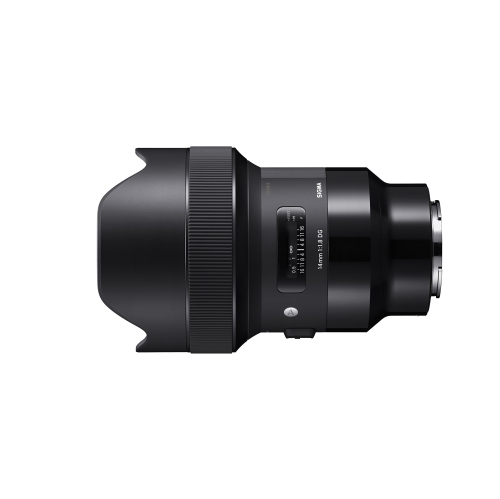
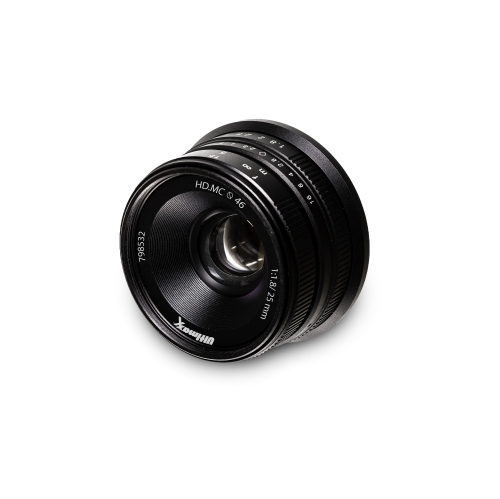
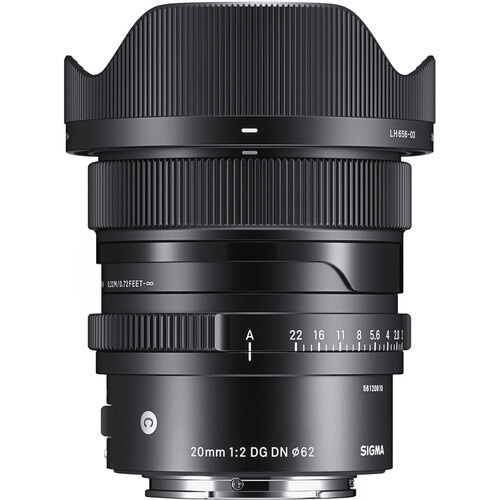
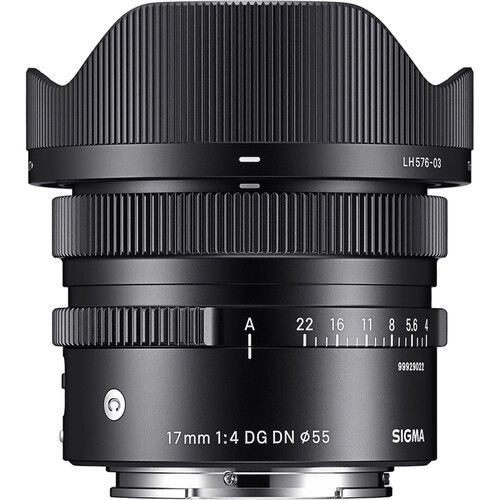
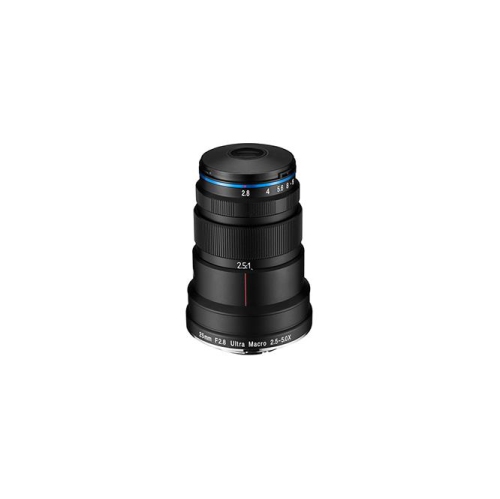
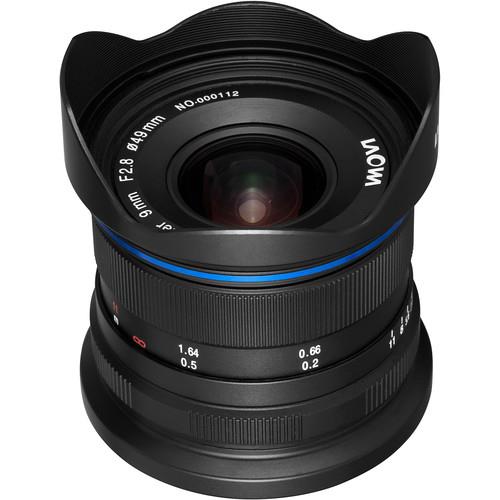
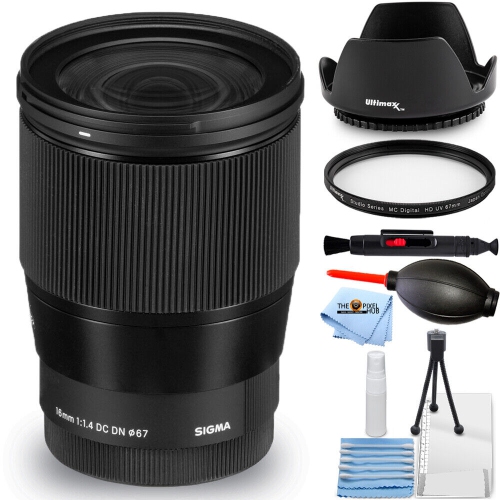
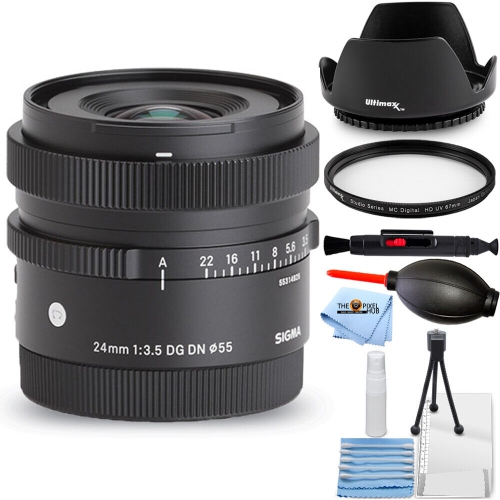
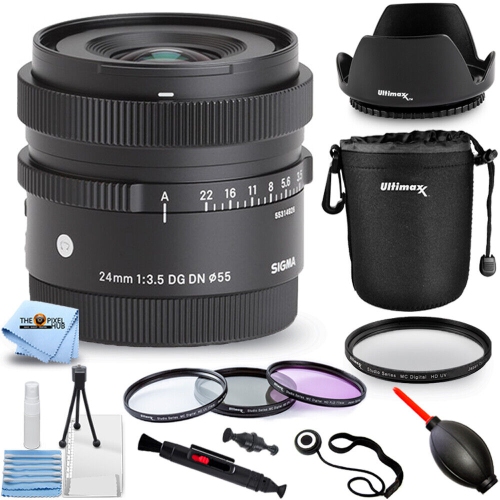
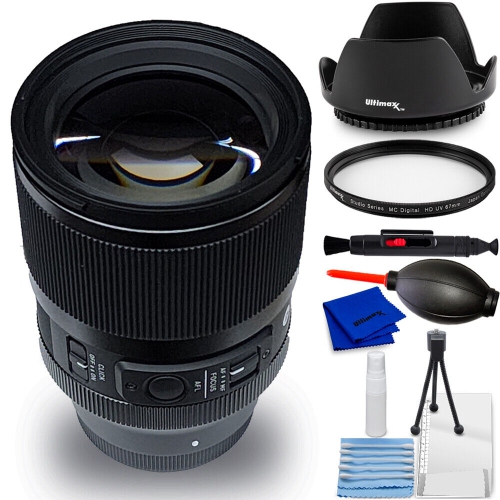
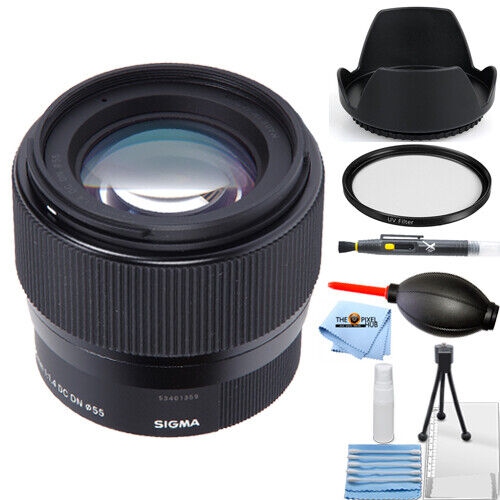
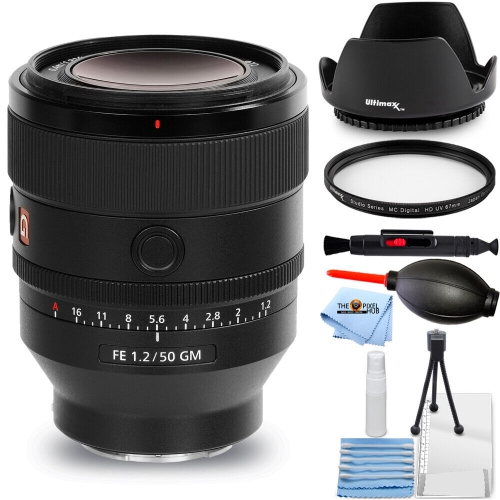
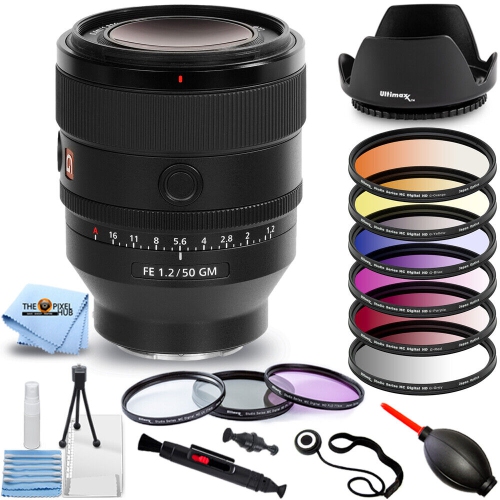
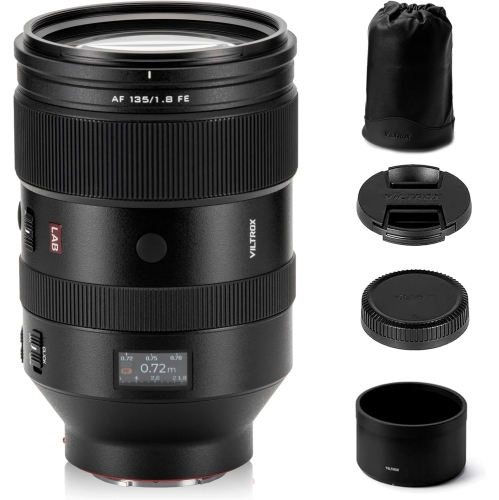
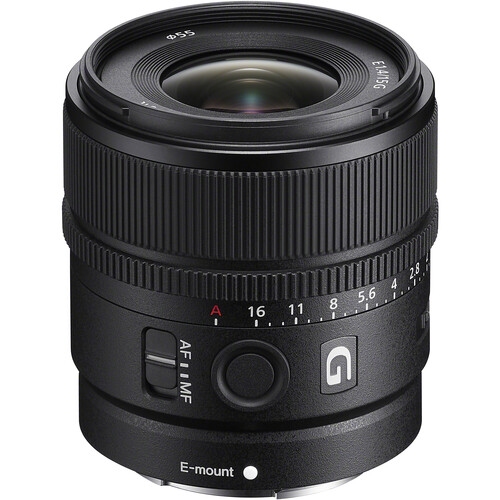
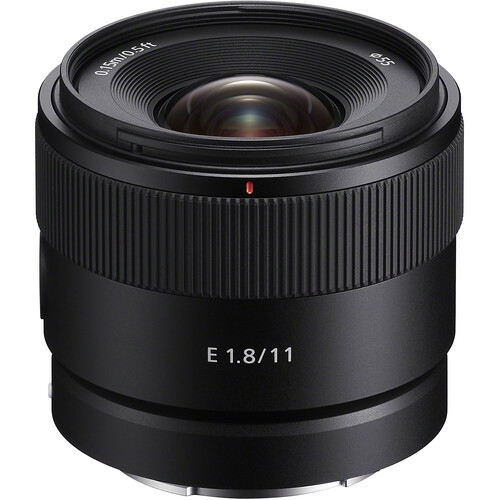
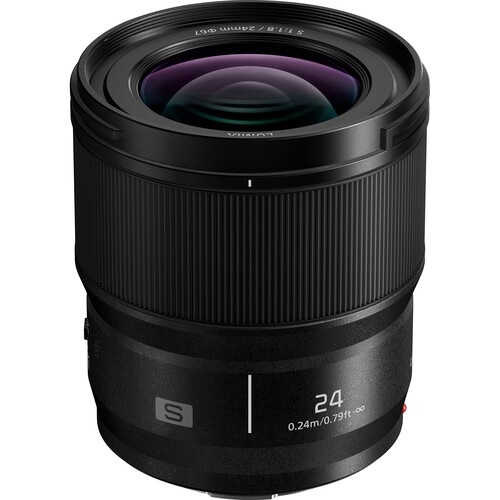
Wide apertures for dim light and softer backgrounds
Prime lenses use a fixed focal length rather than a zoom range, offering a consistent angle of view for portraits, street photography, landscapes, video, and everyday moments. Many have wide maximum apertures that let more light reach the camera sensor, making them useful for indoor gatherings, softly lit cafés, and evening walks. A wider aperture can help maintain a faster shutter speed in dim light, reducing blur from a moving subject, although results also depend on the camera settings and available light. It can also create shallow depth of field, keeping a face or small detail sharp while softening the background. That separation is especially appealing in a portrait taken against distant streetlights or a close view of a handmade ornament. Not every prime lens is small or exceptionally bright: some favour portability, while others use larger optical designs to support wide apertures, close focusing, or demanding image-quality requirements. Focal length shapes how each lens fits into daily photography. Wide-angle primes can include a person and their surroundings in a tight room, while standard focal lengths suit casual portraits, tabletop scenes, and walks through the neighbourhood. Short telephoto primes offer a narrower view and more working distance, making them well suited to headshots, performances, and details that benefit from a less intrusive camera position. Moving closer or farther away changes both the framing and perspective, so a fixed focal length encourages deliberate positioning rather than simply replacing a zoom ring with a few steps. For someone photographing family life, a compact standard prime can make a camera easier to carry throughout the day. For a portrait enthusiast, a longer lens with a wide aperture can provide more control over background separation. Students, hobbyists, and experienced photographers alike may appreciate the straightforward handling and distinct purpose a prime lens brings to a camera bag.
Compatibility begins with the camera mount and sensor format, not just the focal length printed on the barrel. E-mount mirrorless lenses and older A-mount lenses are not directly interchangeable, and an adapter can introduce limitations in autofocus, handling, or other functions. Within the E-mount system, full-frame lenses project an image circle large enough to cover a full-frame sensor, while APS-C lenses are designed around a smaller sensor. A compatible full-frame lens can also be used on an APS-C body, where the smaller sensor captures a narrower portion of the image. With a 1.5× crop factor, a 35mm lens gives an angle of view similar to a 52.5mm lens on full frame; its actual focal length and stated aperture do not change. An APS-C lens mounted on a compatible full-frame camera generally requires a crop mode or produces dark edges outside its intended coverage, with crop mode reducing the resolution used for the image. The Full Frame Lenses for Sony collection is relevant to photographers considering lenses with full-frame coverage, including those planning a future move from an APS-C body. Physical fit matters alongside electronic compatibility. A substantial wide-aperture lens may feel balanced on a larger camera but front-heavy on a compact body, particularly during a long outing or handheld video session. Filter thread diameter determines which screw-in filters fit, and lens hoods need to match the lens design to avoid obstructing the image. Minimum focusing distance is another practical distinction: a lens suitable for a half-length portrait may not focus close enough for a detailed photograph of jewellery or a small craft project. A true macro prime offers greater magnification for those subjects. For video, autofocus noise, focus breathing, and the feel of the manual-focus ring can be just as important as still-image sharpness. Focus breathing changes framing as focus shifts, which can become noticeable when attention moves between two people in the same shot.
Construction and handling help determine how comfortably a prime lens fits its intended use over time. Lens barrels may use metal, engineered plastics, or a combination of materials; weight alone is not a reliable measure of durability or optical quality. Optical coatings help control reflections, flare, and ghosting, while a correctly fitted hood can reduce stray light and offer some protection against incidental contact. Dust- and moisture-resistant construction can be useful for outdoor photography during the cooler months, but resistance varies by lens and does not make a camera setup waterproof. Protection also depends on the camera body, mount connection, and shooting conditions. After moving from cold outdoor air into a warm room, allowing equipment to warm gradually inside a closed bag can help limit condensation on cold surfaces. Routine care is simple but worthwhile: keep front and rear caps on during transport, use a padded compartment that prevents the lens from knocking against other equipment, and remove loose dust with a hand blower before gently cleaning glass with suitable lens-cleaning materials. A clean mount and careful lens changes help keep debris away from the camera sensor. In use, the widest aperture is one creative option rather than the best setting for every scene. A close portrait at a very wide aperture may leave one eye sharp and the other soft, while a smaller aperture can provide enough depth of field for a couple or a row of family members. Stabilization can help reduce blur from camera movement, but it cannot freeze a child running across a room; shutter speed remains important for moving subjects. These distinctions make prime lenses thoughtful gifts for photographers whose camera system and interests are known. A lightweight lens may suit a frequent traveller or someone documenting daily life, while a close-focusing design may appeal to a food photographer, collector, or craft enthusiast. Matching mount, sensor coverage, focal length, and handling to the recipient’s existing setup helps make the lens a useful addition rather than a duplicate with little practical purpose.
Compatibility begins with the camera mount and sensor format, not just the focal length printed on the barrel. E-mount mirrorless lenses and older A-mount lenses are not directly interchangeable, and an adapter can introduce limitations in autofocus, handling, or other functions. Within the E-mount system, full-frame lenses project an image circle large enough to cover a full-frame sensor, while APS-C lenses are designed around a smaller sensor. A compatible full-frame lens can also be used on an APS-C body, where the smaller sensor captures a narrower portion of the image. With a 1.5× crop factor, a 35mm lens gives an angle of view similar to a 52.5mm lens on full frame; its actual focal length and stated aperture do not change. An APS-C lens mounted on a compatible full-frame camera generally requires a crop mode or produces dark edges outside its intended coverage, with crop mode reducing the resolution used for the image. The Full Frame Lenses for Sony collection is relevant to photographers considering lenses with full-frame coverage, including those planning a future move from an APS-C body. Physical fit matters alongside electronic compatibility. A substantial wide-aperture lens may feel balanced on a larger camera but front-heavy on a compact body, particularly during a long outing or handheld video session. Filter thread diameter determines which screw-in filters fit, and lens hoods need to match the lens design to avoid obstructing the image. Minimum focusing distance is another practical distinction: a lens suitable for a half-length portrait may not focus close enough for a detailed photograph of jewellery or a small craft project. A true macro prime offers greater magnification for those subjects. For video, autofocus noise, focus breathing, and the feel of the manual-focus ring can be just as important as still-image sharpness. Focus breathing changes framing as focus shifts, which can become noticeable when attention moves between two people in the same shot.
Construction and handling help determine how comfortably a prime lens fits its intended use over time. Lens barrels may use metal, engineered plastics, or a combination of materials; weight alone is not a reliable measure of durability or optical quality. Optical coatings help control reflections, flare, and ghosting, while a correctly fitted hood can reduce stray light and offer some protection against incidental contact. Dust- and moisture-resistant construction can be useful for outdoor photography during the cooler months, but resistance varies by lens and does not make a camera setup waterproof. Protection also depends on the camera body, mount connection, and shooting conditions. After moving from cold outdoor air into a warm room, allowing equipment to warm gradually inside a closed bag can help limit condensation on cold surfaces. Routine care is simple but worthwhile: keep front and rear caps on during transport, use a padded compartment that prevents the lens from knocking against other equipment, and remove loose dust with a hand blower before gently cleaning glass with suitable lens-cleaning materials. A clean mount and careful lens changes help keep debris away from the camera sensor. In use, the widest aperture is one creative option rather than the best setting for every scene. A close portrait at a very wide aperture may leave one eye sharp and the other soft, while a smaller aperture can provide enough depth of field for a couple or a row of family members. Stabilization can help reduce blur from camera movement, but it cannot freeze a child running across a room; shutter speed remains important for moving subjects. These distinctions make prime lenses thoughtful gifts for photographers whose camera system and interests are known. A lightweight lens may suit a frequent traveller or someone documenting daily life, while a close-focusing design may appeal to a food photographer, collector, or craft enthusiast. Matching mount, sensor coverage, focal length, and handling to the recipient’s existing setup helps make the lens a useful addition rather than a duplicate with little practical purpose.
Top selling and popular products
-
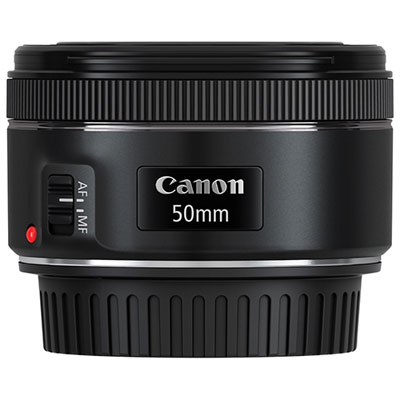 Your price for this item is $169.99
 -
 Your price for this item is $329.99
 -
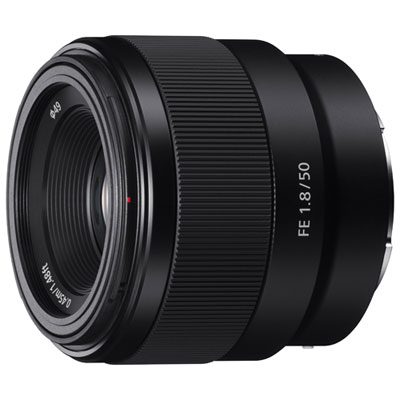 Your price for this item is $349.99
 -
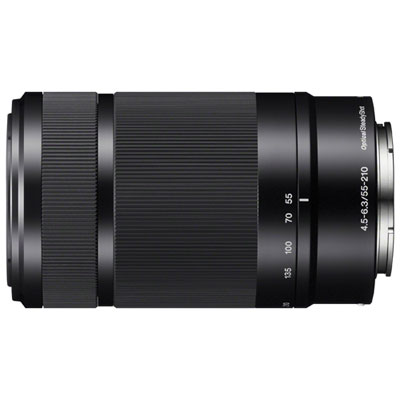 Your price for this item is $399.99
 -
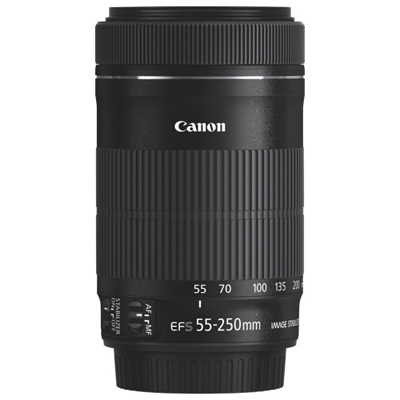 Your price for this item is $399.99
 -
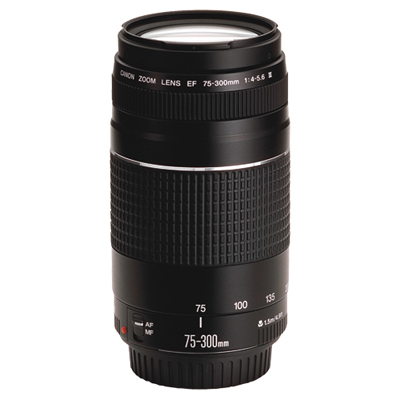 Your price for this item is $199.99
 -
 Your price for this item is $174.99
 -
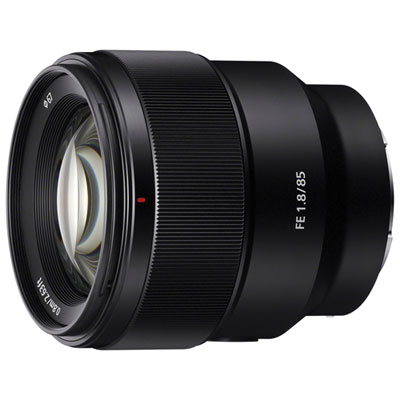 Your price for this item is $749.99
Discover more categories related to Prime Lenses for Sony
Top Collections:
Pokemon Centers, Kindle Devices, Best Budget Office Chairs, Apple iPhones 16, Best Laptops for Writers, iPhone 15 Apple, Canon G7X Cameras, Refurbished Apple Laptops, Alarm Clock, Motorola Razr Phones
Some products may be subject to Environmental Handling Fees
(EHF) depending on your province.
Learn more about EHFs.