Sony E Mount Telephoto Zoom Lenses
Capture distant moments in stunning detail with Sony E Mount Telephoto Zoom Lenses. Designed for versatility and performance, these lenses are ideal for sports, wildlife, events, and more, bringing faraway subjects closer with impressive clarity. Find the perfect Sony E Mount Telephoto Zoom Lens to elevate your photography and unlock new creative possibilities with your compatible camera. Explore a wide selection to suit every shooting style and level of expertise.
Sort
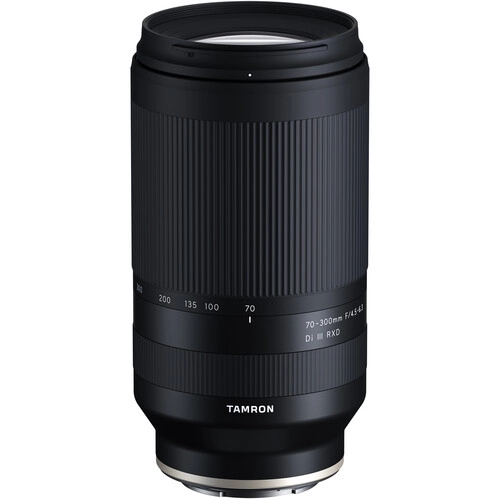
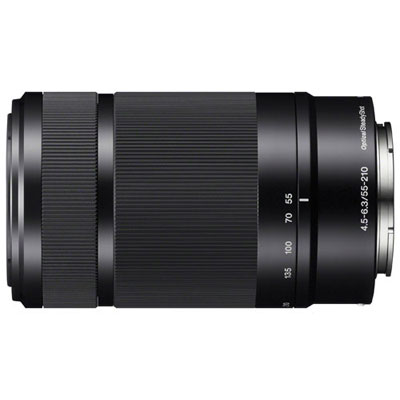
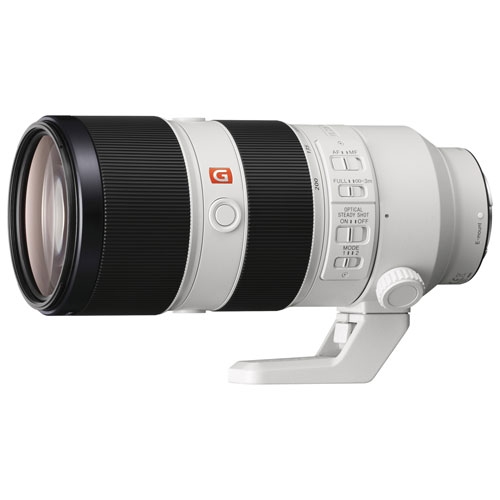

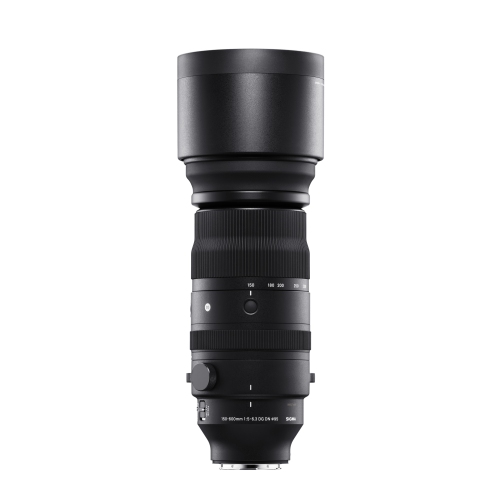
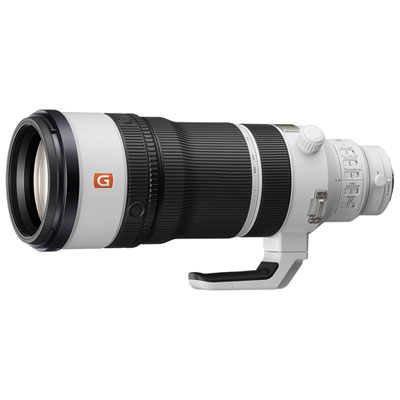
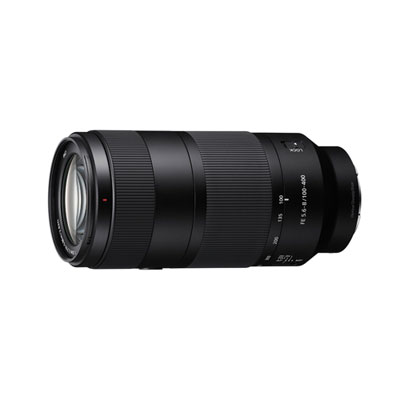
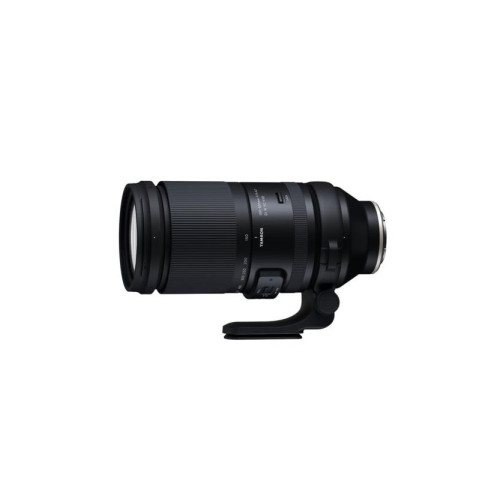
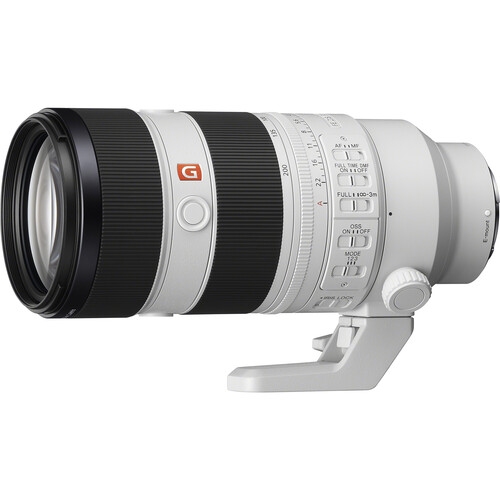
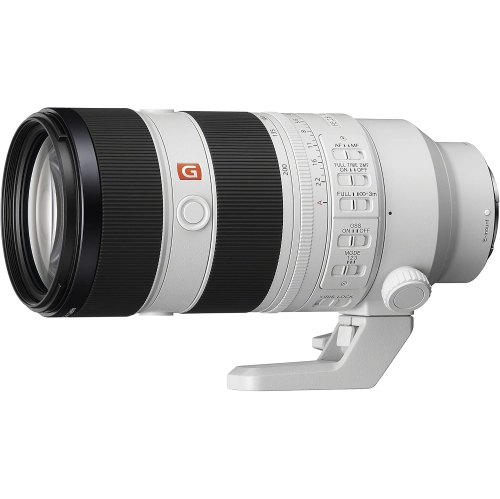
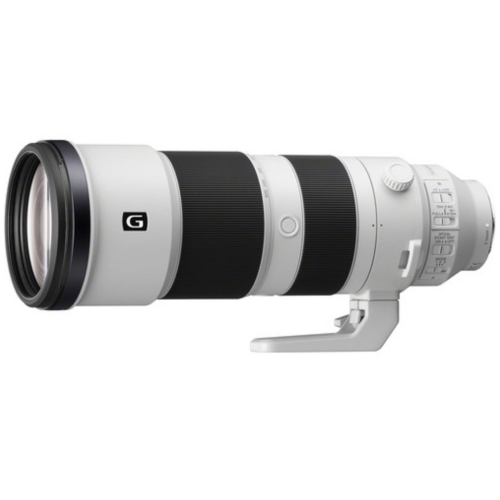
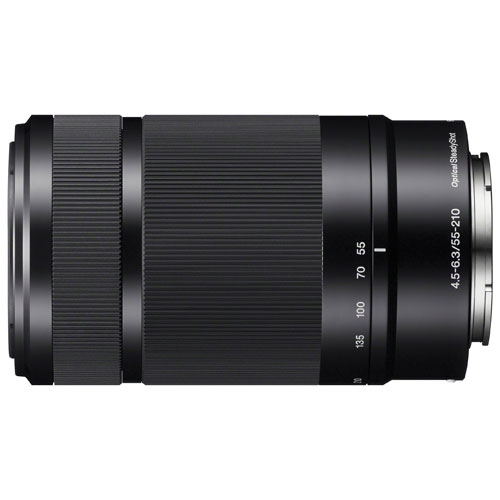
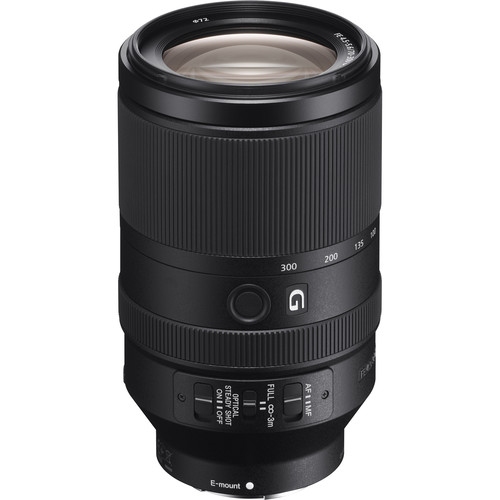
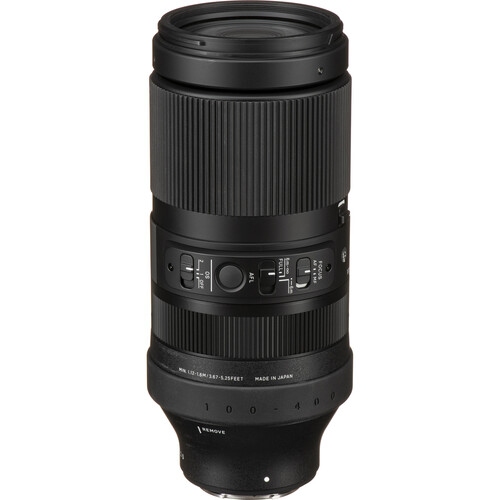
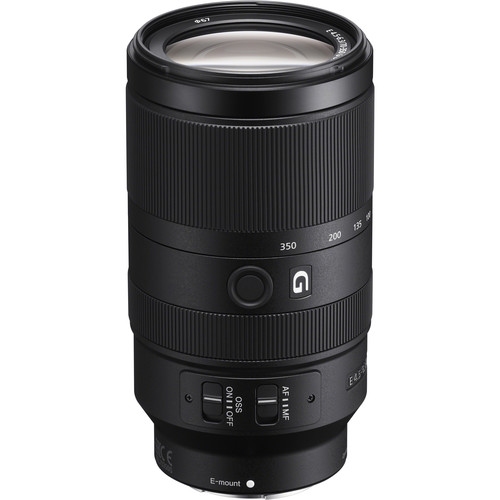
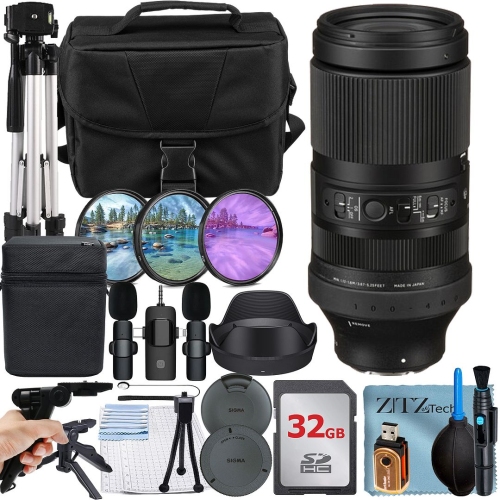
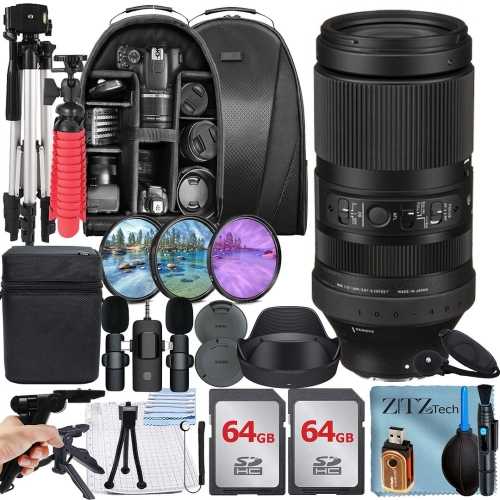
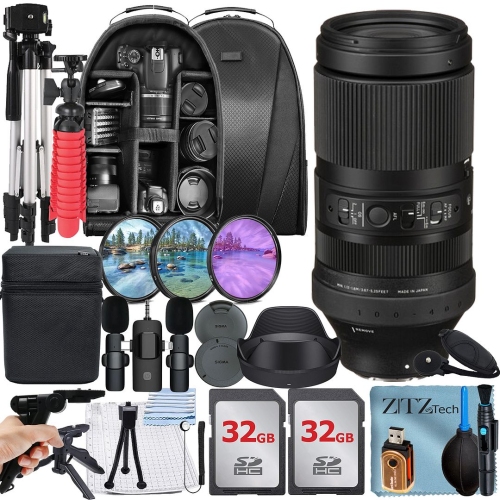
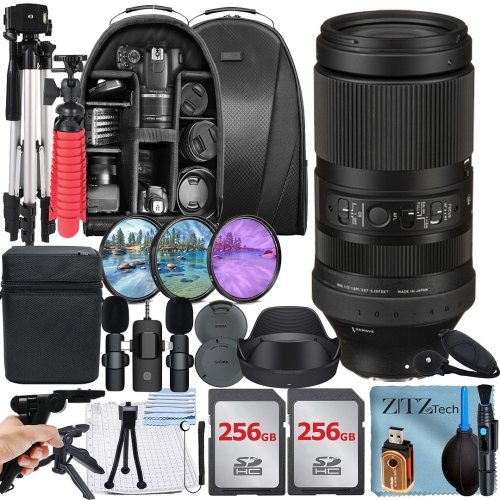
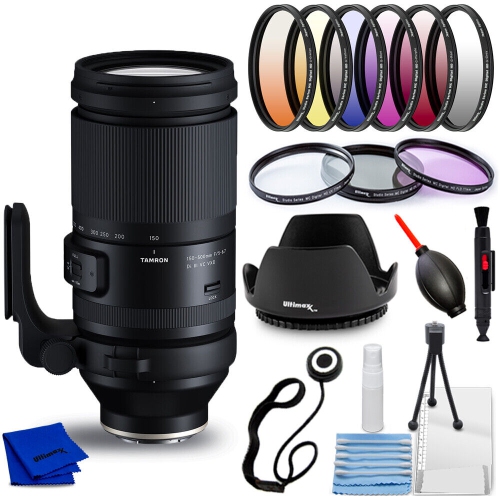
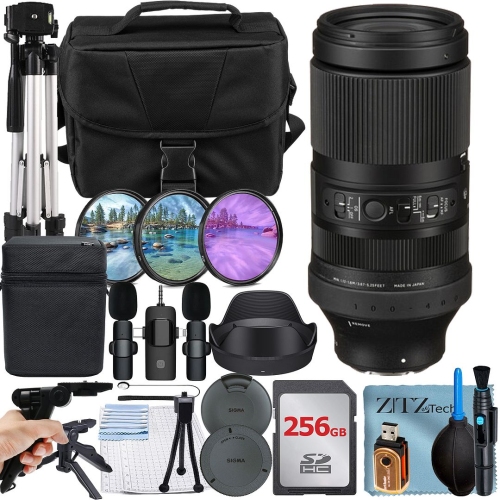
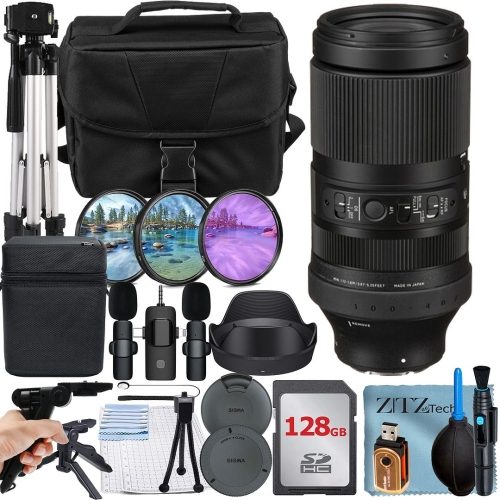
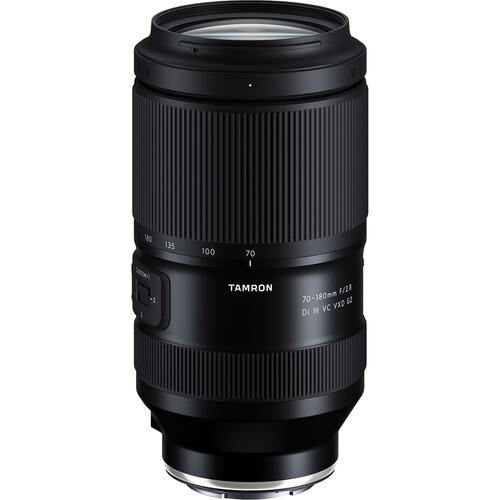
Flexible framing for subjects that won’t stay still
E-mount telephoto zoom lenses bring distant subjects into a tighter frame while allowing the composition to change without changing lenses. Their adjustable focal lengths suit subjects that rarely stay in one place: a bird moving between branches, a player crossing the field, or a performer stepping across a stage. They also have a place in portrait photography, where a longer focal length allows a comfortable working distance and a tightly framed image without placing the camera close to someone’s face. The compressed appearance often associated with telephoto photographs comes from shooting farther away, making background elements appear larger relative to the subject. Within the broader category of Telephoto Lenses for Sony, zoom designs offer flexibility when moving closer is impractical or would disturb the scene. Camera compatibility is fundamental to that flexibility. E-mount telephoto zooms are designed for compatible mirrorless camera bodies, with lens coverage intended for either APS-C or full-frame sensors. A full-frame E-mount lens can generally be used on an APS-C E-mount body, while an APS-C lens on a full-frame body typically requires a cropped capture area to avoid dark corners. On an APS-C body with a 1.5× crop factor, a 200mm focal length provides an angle of view similar to 300mm on full frame; the lens’s actual focal length does not change. That distinction matters when comparing framing for a distant animal with framing for a portrait across a small room. A shorter telephoto range can feel manageable for family activities, travel details, and candid photographs, while a longer range is useful when the subject must remain far away. Greater maximum focal length can also mean a larger lens, so the relationship between reach, carrying weight, and the camera body’s grip has a direct effect on everyday handling.
Aperture, autofocus, and stabilization shape how an E-mount telephoto zoom performs beyond its focal-length range. A wider maximum aperture allows more light to reach the sensor, supporting faster shutter speeds or lower ISO settings under the same lighting. This can be useful for indoor sports, stage performances, and portraits with softly blurred backgrounds. A constant-aperture zoom maintains its maximum aperture setting throughout the zoom range, whereas a variable-aperture design has a smaller maximum opening toward the longer end. Variable-aperture lenses can offer a practical balance of size and reach, particularly for photographers who value a lighter carrying setup. Background blur also depends on focal length, subject distance, and the space behind the subject, not aperture alone. A portrait made with a distant background can look quite different from one taken against a wall just behind the person. For moving subjects, autofocus performance depends on both the camera and lens, including their support for subject tracking and continuous shooting. Responsive focusing helps follow an athlete approaching the camera, while a focus-range limiter, where fitted, can reduce unnecessary searching across distances outside the intended shooting area. Optical stabilization can help reduce blur caused by camera movement, especially when framing at longer focal lengths, but it does not freeze a running player or a bird’s wings; those subjects still require a sufficiently fast shutter speed. Its interaction with in-body stabilization varies by camera and lens combination. Handling details matter during longer sessions as well. An internal zoom maintains the lens’s external length while framing changes, whereas an extending barrel changes the lens’s length and may shift its balance. Accessible focus controls, a comfortable zoom ring, and a compatible tripod collar can make sustained use more comfortable. For video, smooth zoom operation, quiet focusing, and limited focus breathing can help keep attention on the subject rather than on changes introduced by the lens.
Construction and care influence how comfortably a telephoto zoom fits into a photography routine. Lens barrels may combine metal components with engineered plastics, balancing structural support against the weight carried in a shoulder bag or backpack. Optical glass, specialized elements, and surface coatings are used to manage issues such as colour fringing, reflections, and reduced contrast, although results vary across lens designs and shooting conditions. Protective seals on some lenses help limit dust entry, but they do not make a lens maintenance-free. A fitted hood can reduce stray light reaching the front element and provide a small physical buffer against accidental contact. Front and rear caps, a padded compartment, and enough space to prevent pressure on an extending barrel help protect a lens in transit. Loose dust is best removed with a suitable blower before fingerprints are gently cleaned with lens-safe materials; abrasive wiping can damage coatings. Longer, heavier lenses also benefit from support that matches their size. Where a tripod collar is provided, mounting through the collar rather than the camera can give the combination better balance, while a monopod can ease the load during a long sporting event. Filter diameter, tripod-foot compatibility, and any teleconverter support are worth confirming for the exact lens, since these accessories are not universal. For a gift, the recipient’s camera mount, sensor format, and typical subjects are more useful starting points than maximum focal length alone. Someone photographing family activities may appreciate manageable weight and flexible framing, while a dedicated bird photographer may place greater value on distant-subject coverage and stable support. A portrait photographer may favour a wider aperture, and someone filming performances may care more about focus transitions and balanced handling. These differences explain why telephoto zooms vary so widely in size and design: the most useful combination is one that matches the camera, the subject, and the way the photographer prefers to work.
Top selling and popular products
-
 Your price for this item is $169.99
-
 Your price for this item is $329.99
-
 Your price for this item is $349.99
-
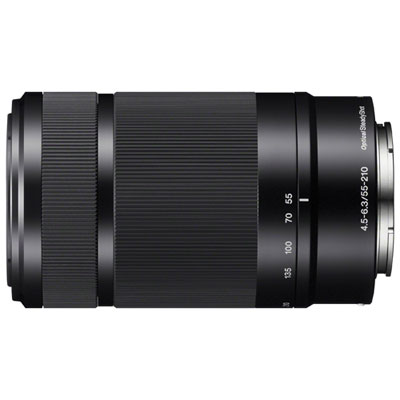 Your price for this item is $399.99
-
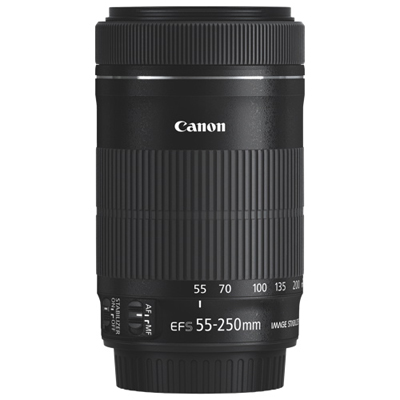 Your price for this item is $399.99
-
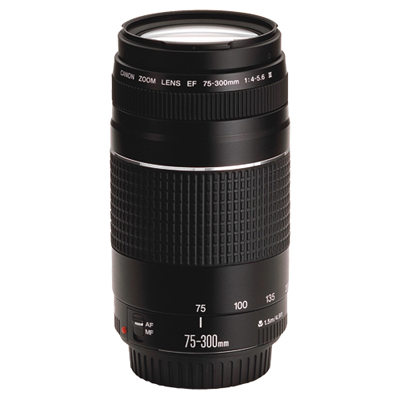 Your price for this item is $199.99
-
 Your price for this item is $174.99
-
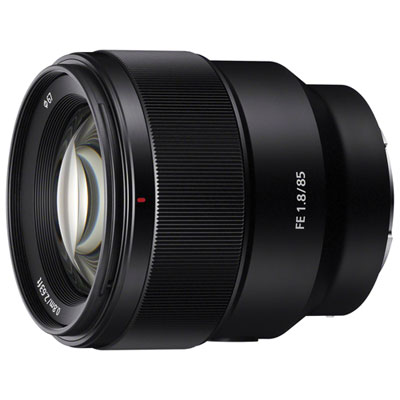 Your price for this item is $799.99
Discover more categories related to Sony E Mount Telephoto Zoom Lenses
Top Collections:
Pokemon Centers, Best Cameras for Sports Photography, Kindle Devices, Samsung Galaxy Phones, Canon G7X Cameras, Pokémon 30th Celebration Cards, Refurbished Apple Laptops, iPhone 15 Apple, Laptops for Students, Budget Smartphones
Some products may be subject to Environmental Handling Fees
(EHF) depending on your province.
Learn more about EHFs.