Telephoto Lenses for Sony
Capture stunning details and bring your photography game to the next level with our wide selection of telephoto lenses for Sony cameras. Whether you're a professional photographer or an avid hobbyist, these powerful lenses will expand your creative possibilities and help you capture breathtaking shots from a distance. From wildlife and sports photography to portrait and landscape shots, our telephoto lenses offer exceptional zoom capabilities, impressive image quality, and advanced features to ensure you never miss a moment. Explore our range of telephoto lenses for Sony cameras and take your photography skills to new heights.
Sort
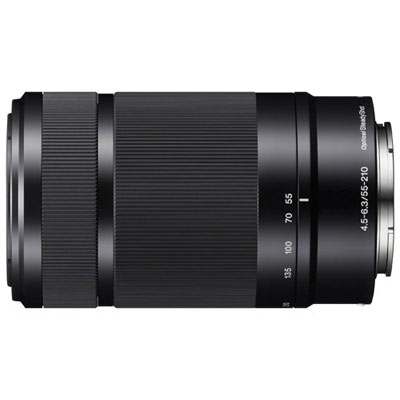
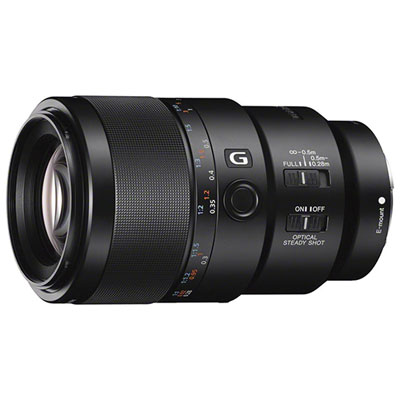
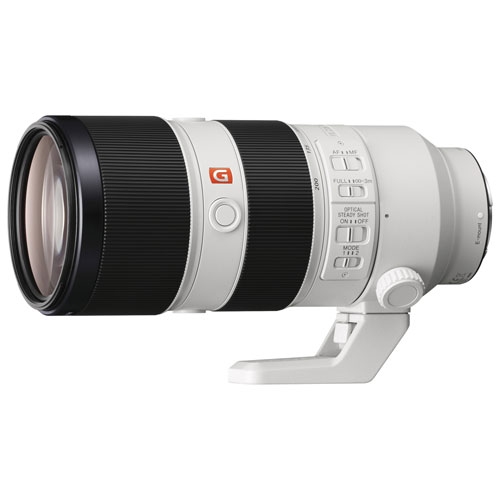
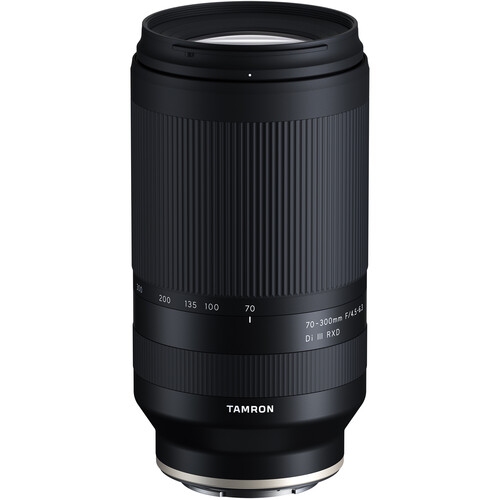
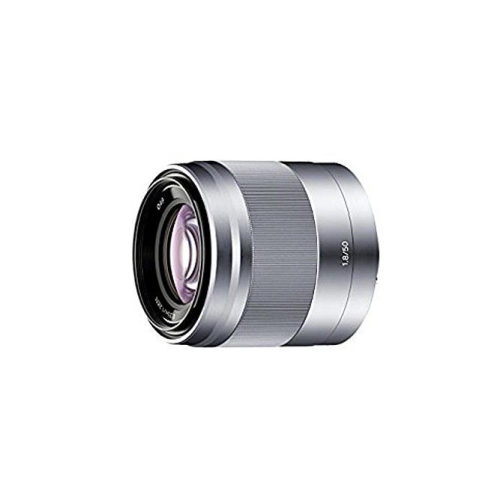
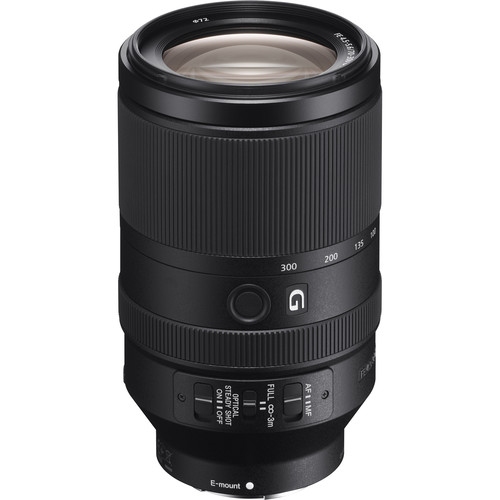
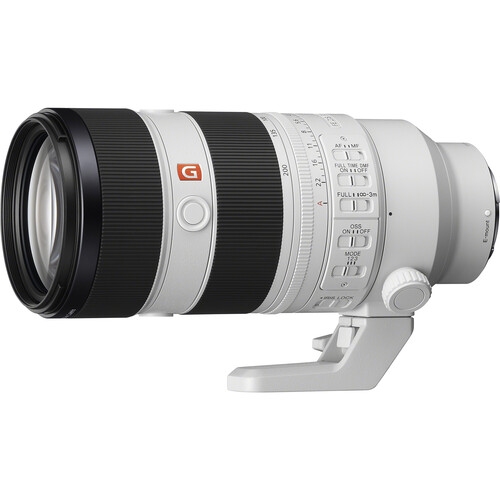
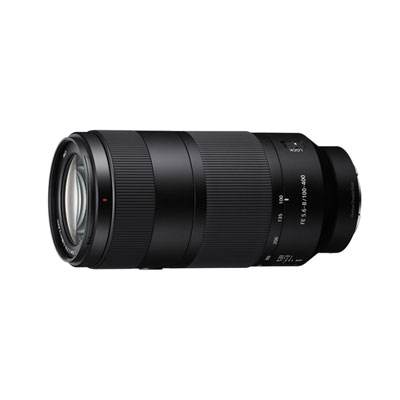

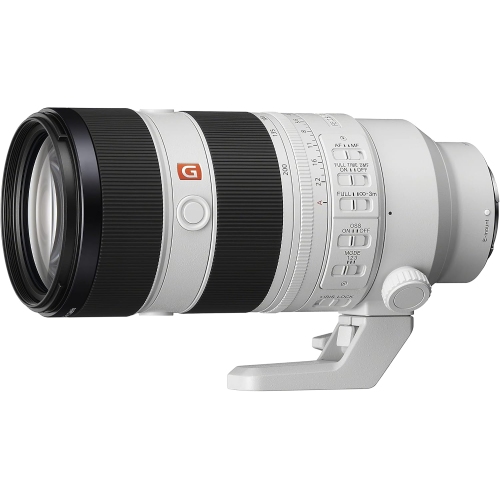
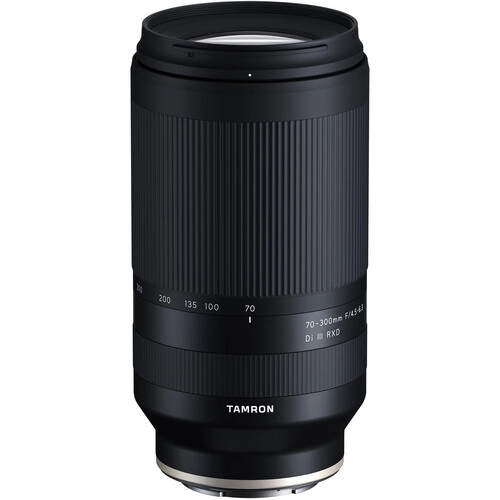
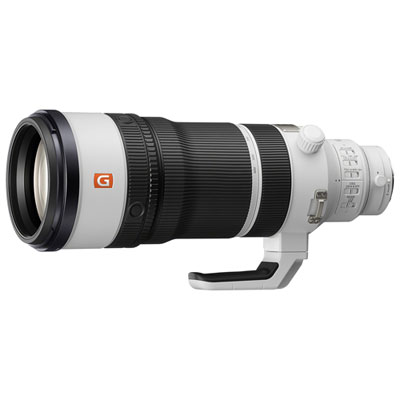
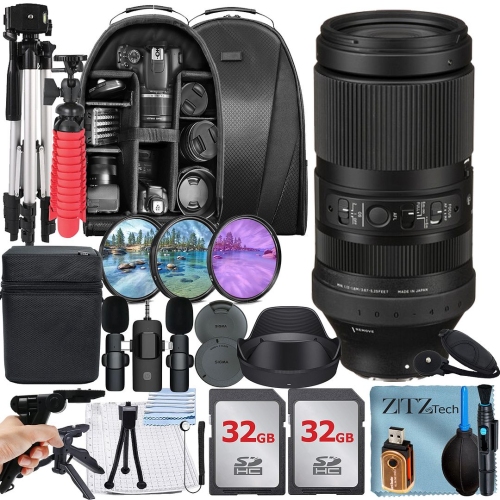
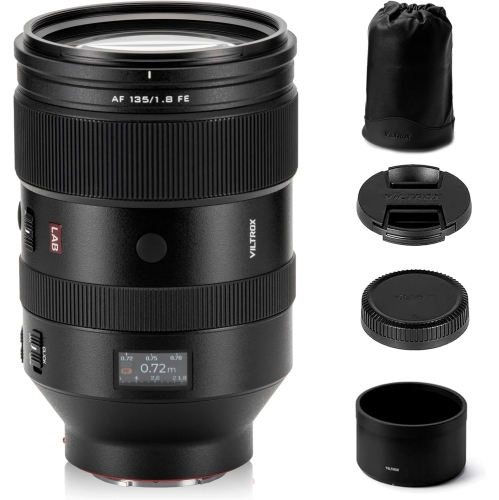
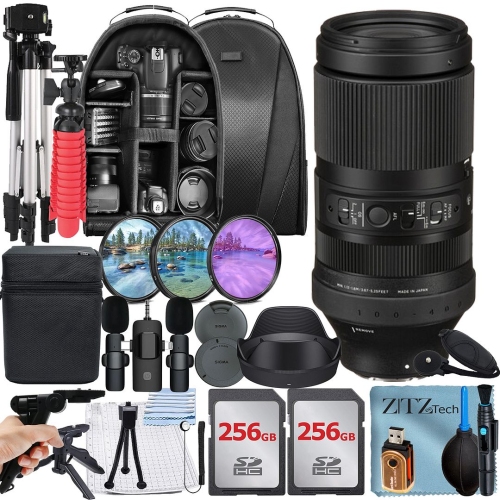
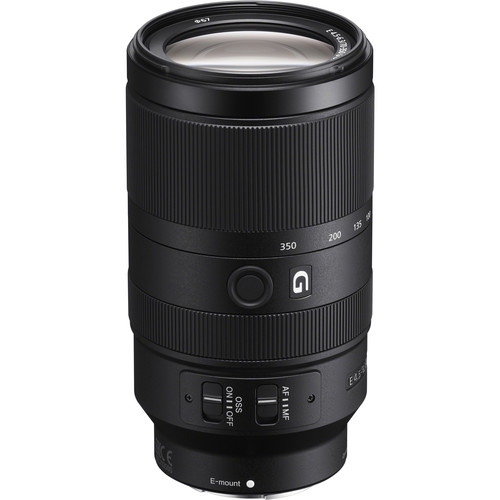
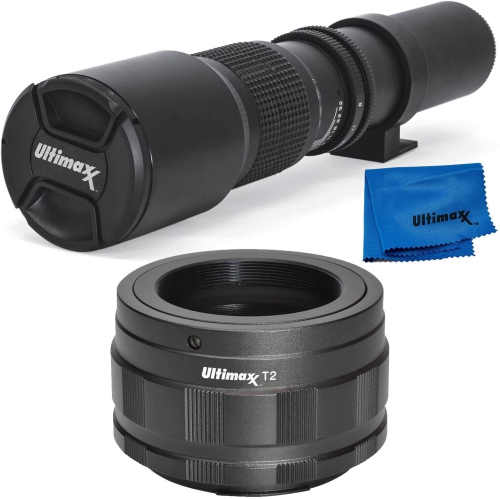
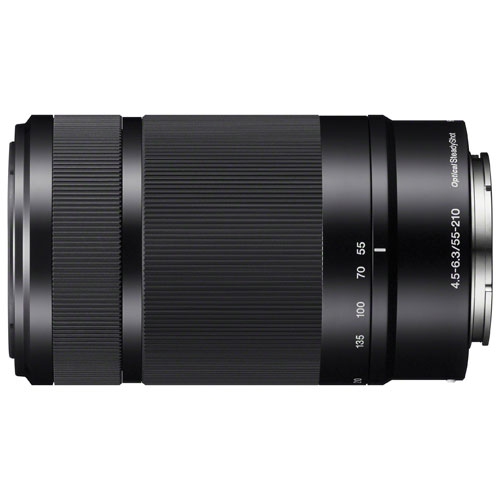
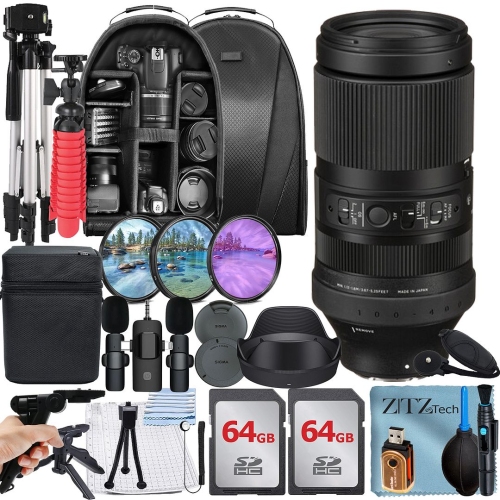
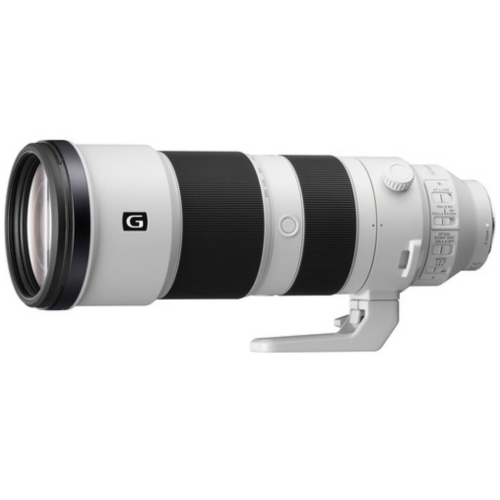
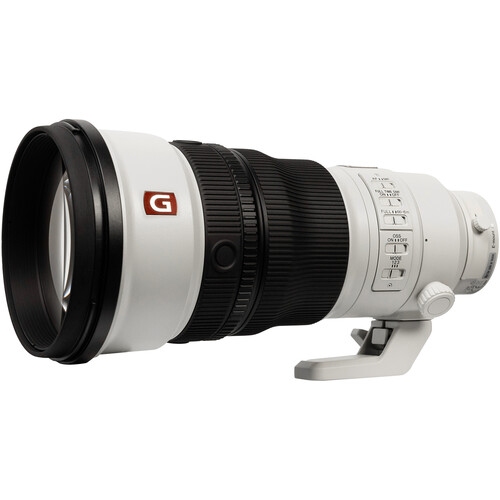
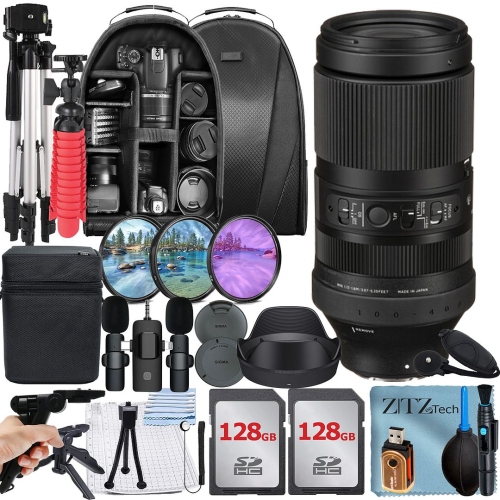
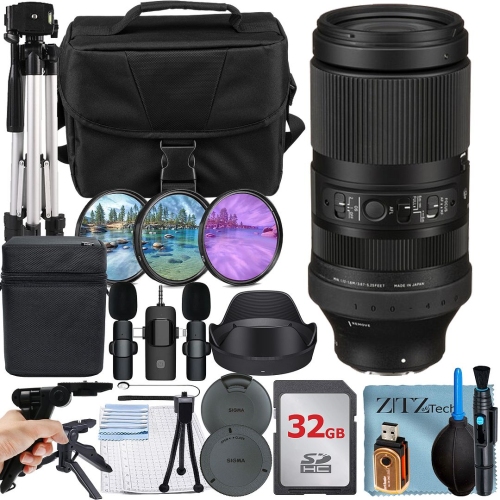
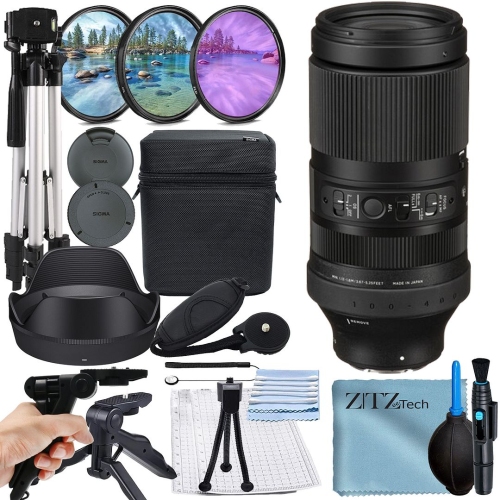
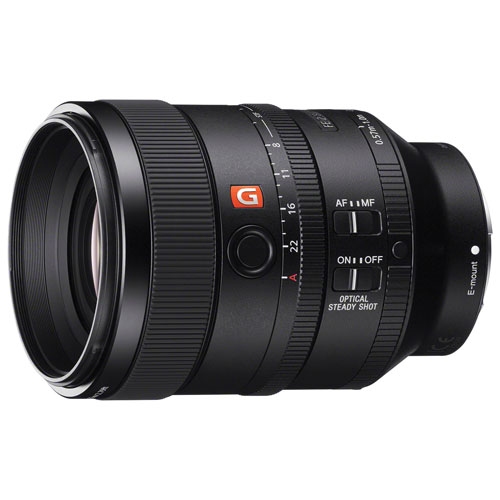
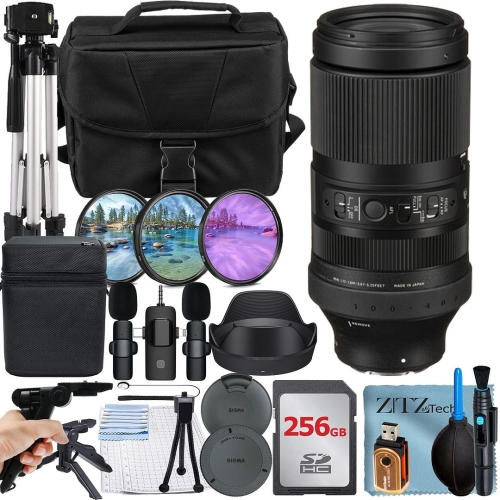
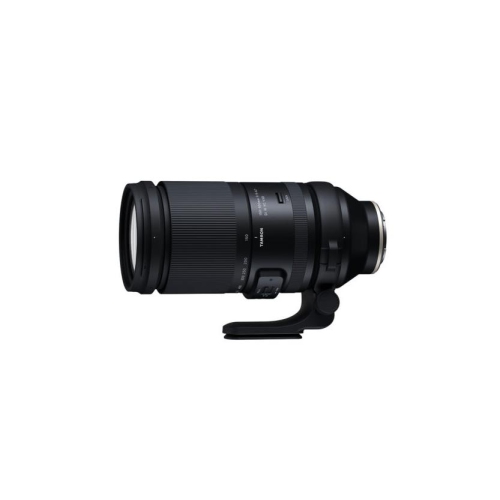
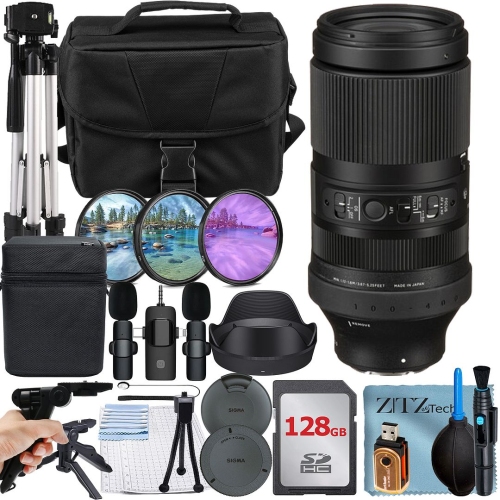
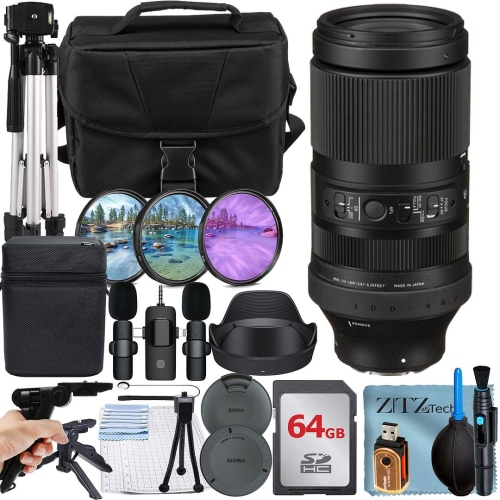
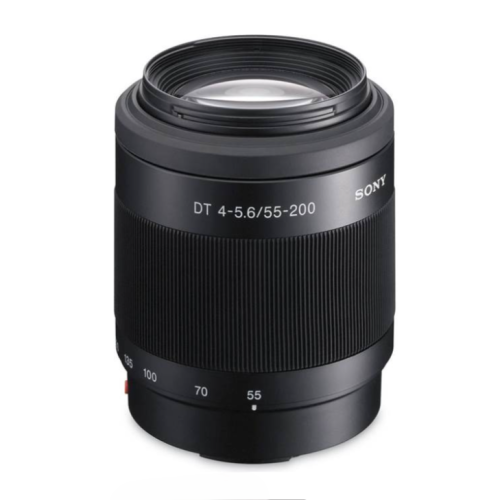
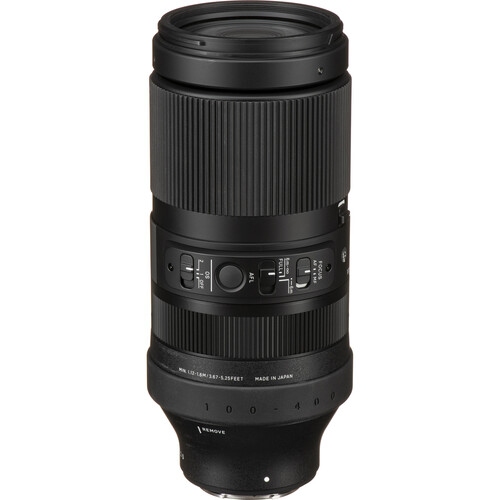
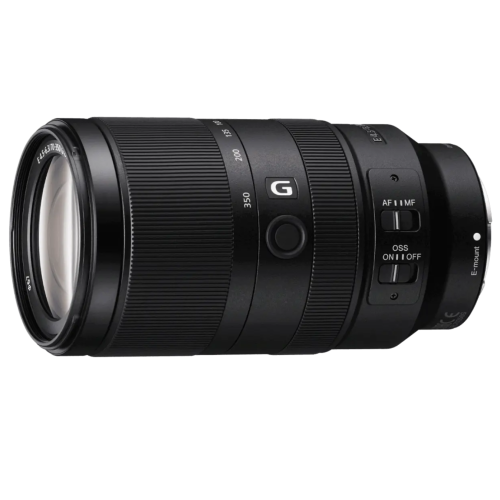
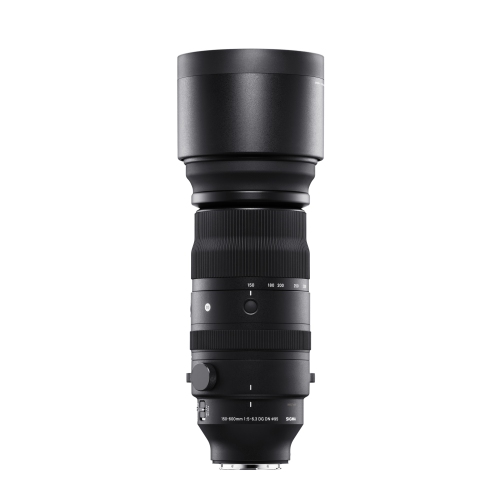
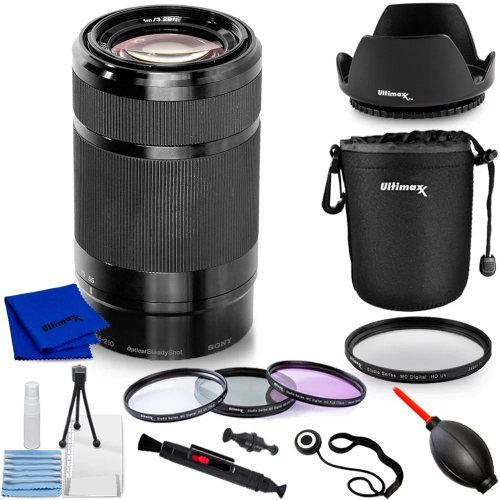
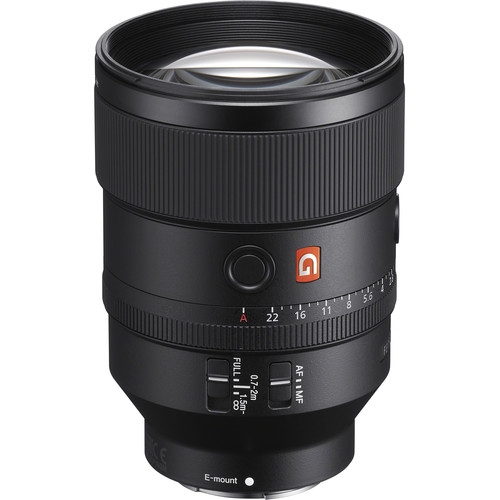
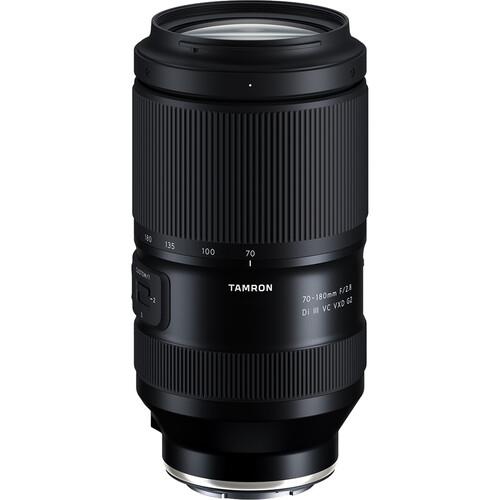
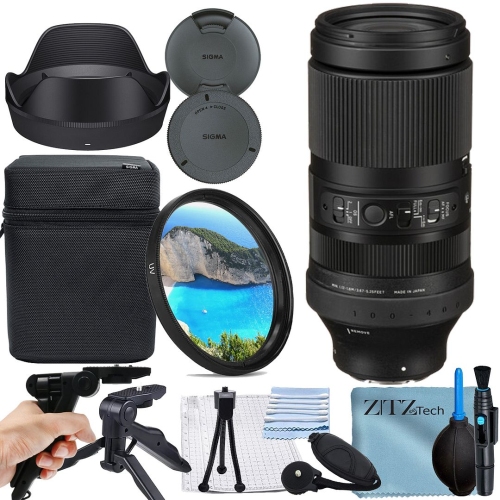
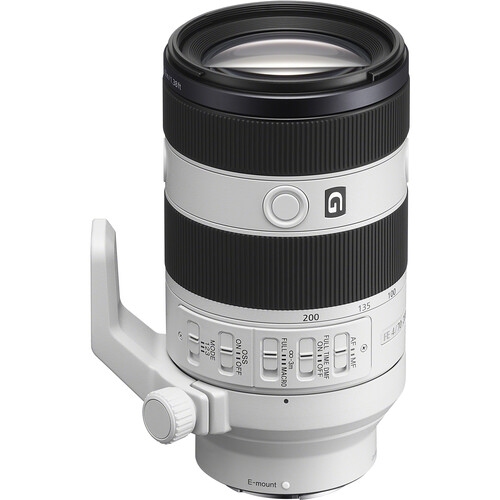
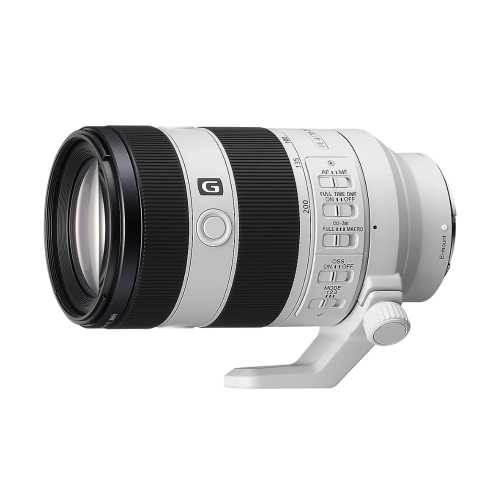
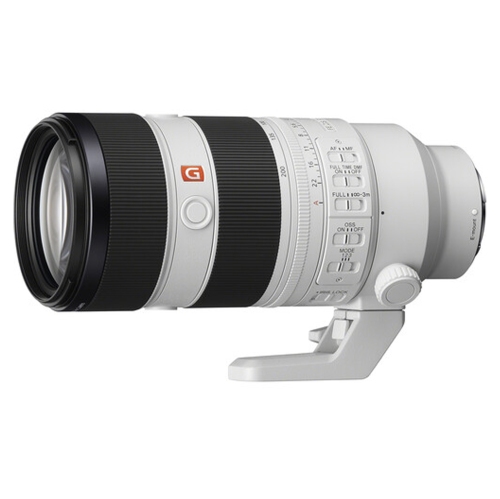
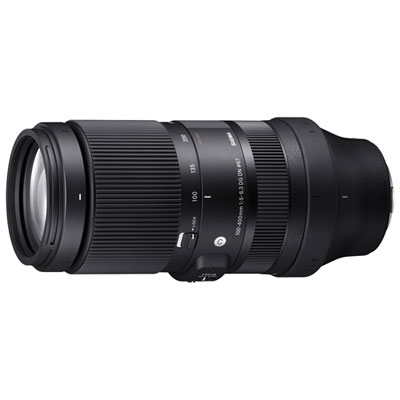
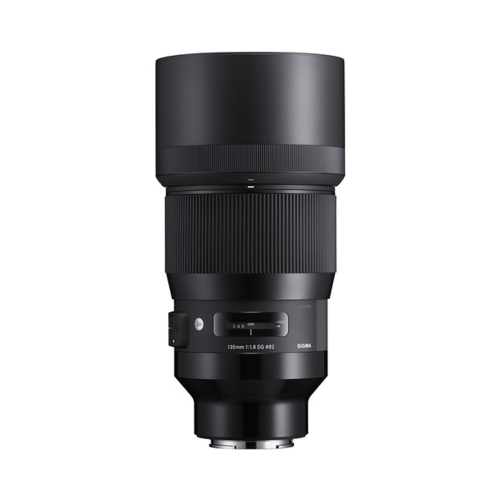
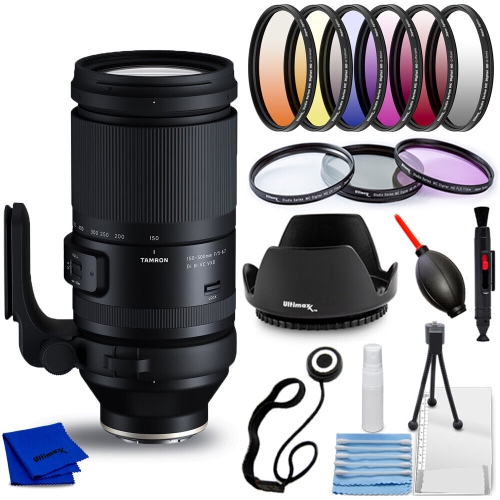
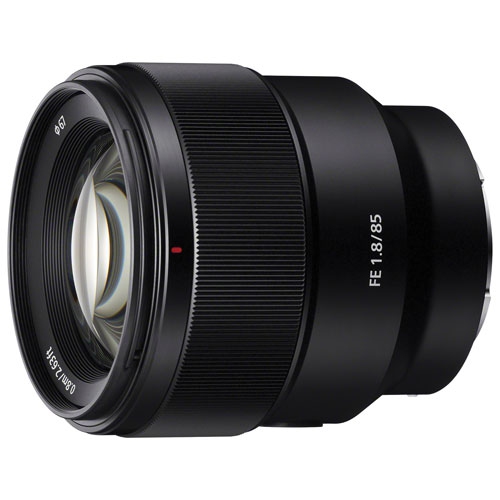
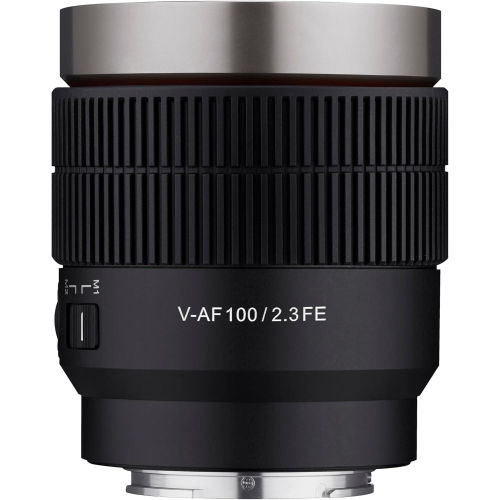
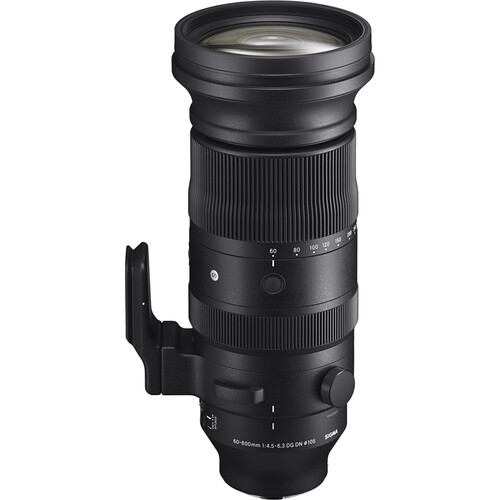
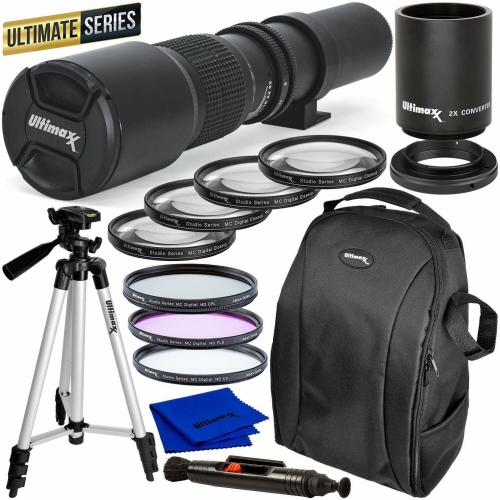
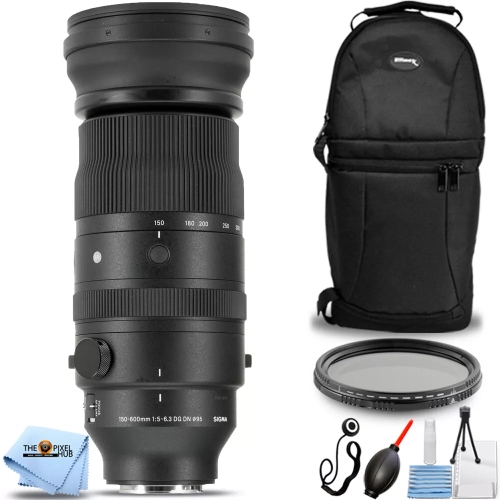
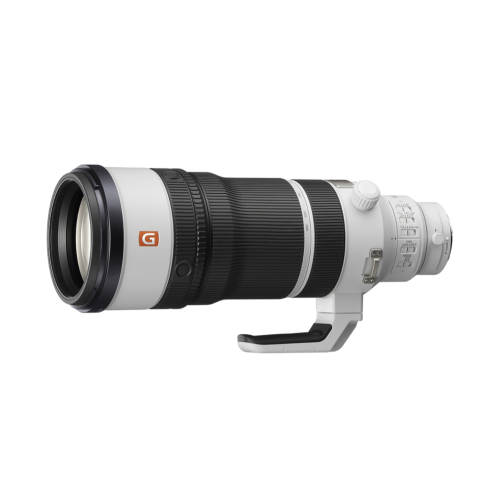
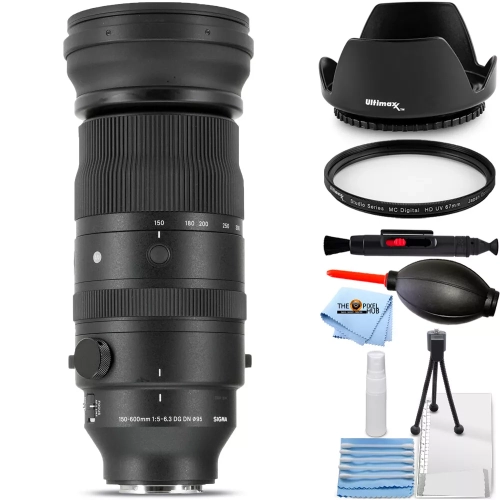
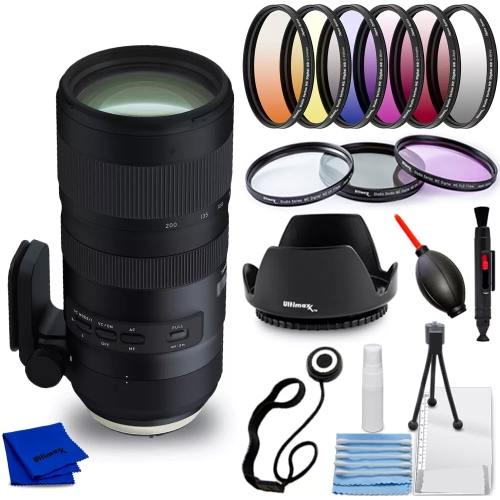
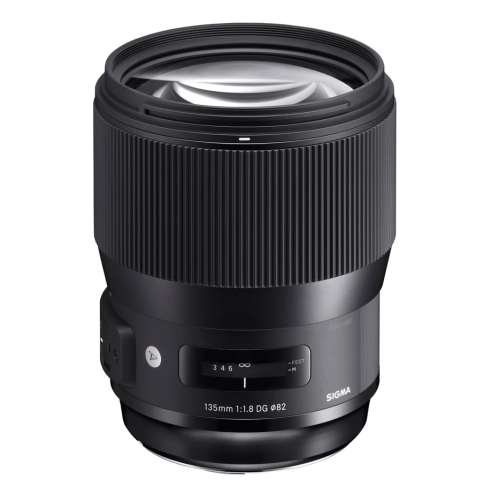
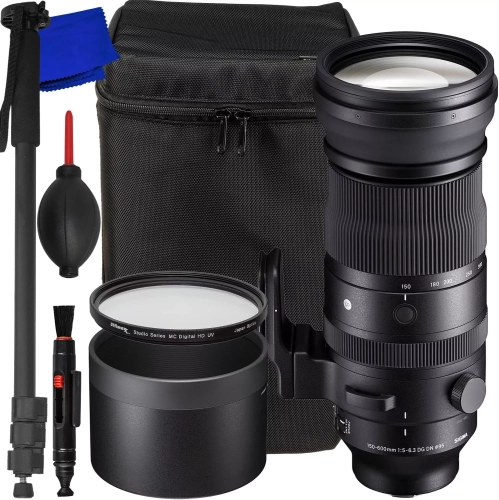
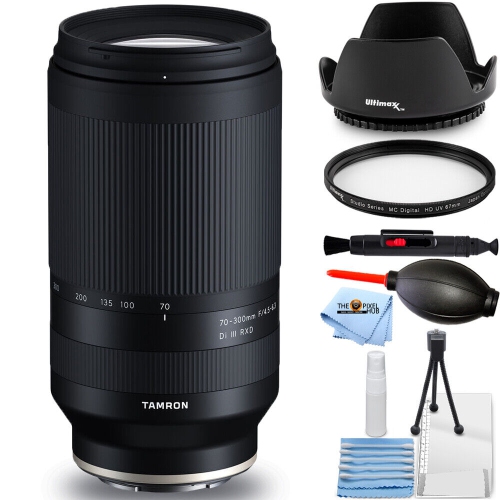
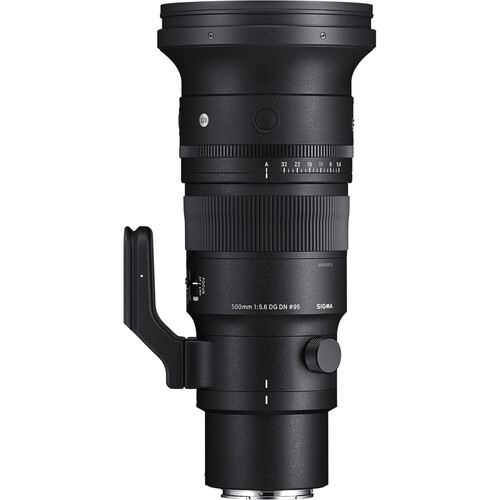
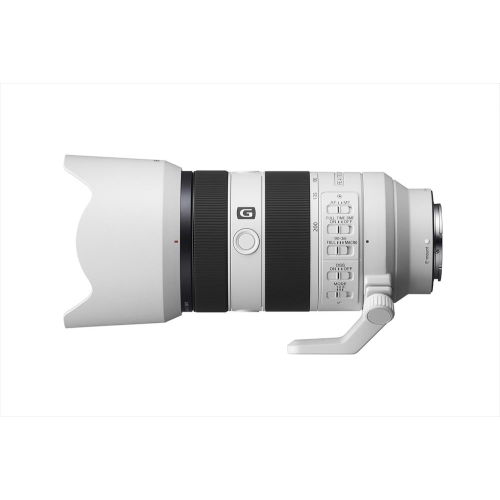
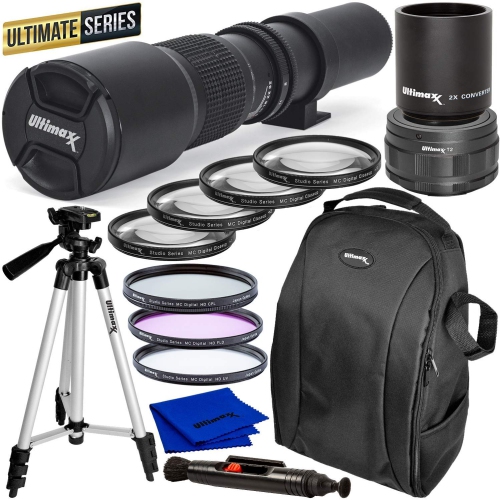
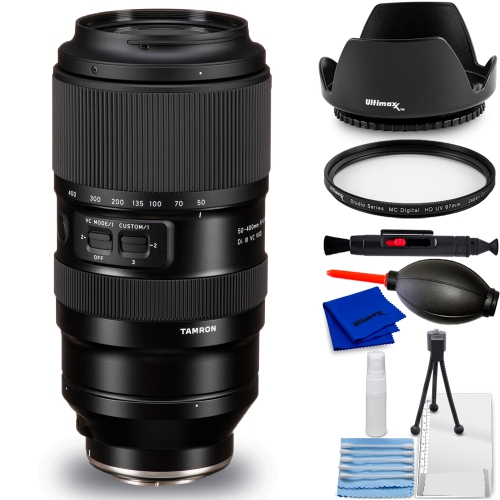
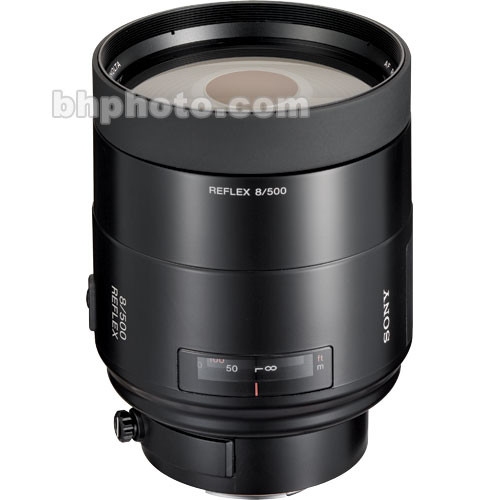
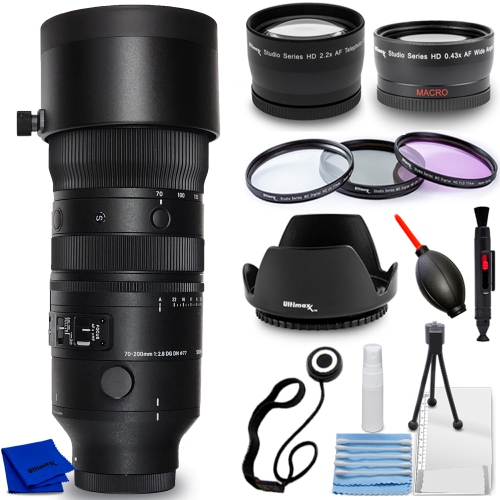
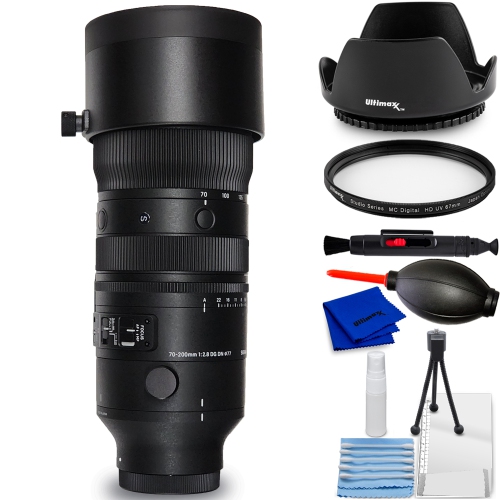
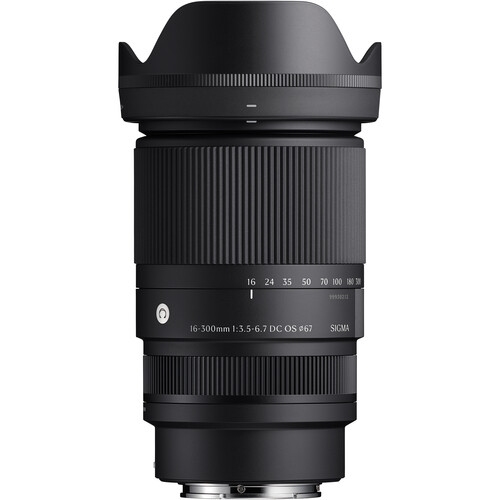
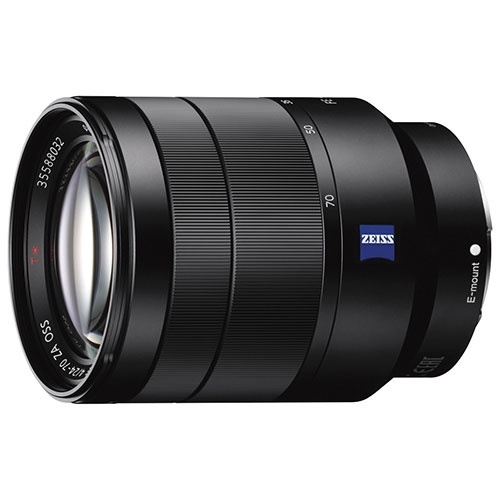
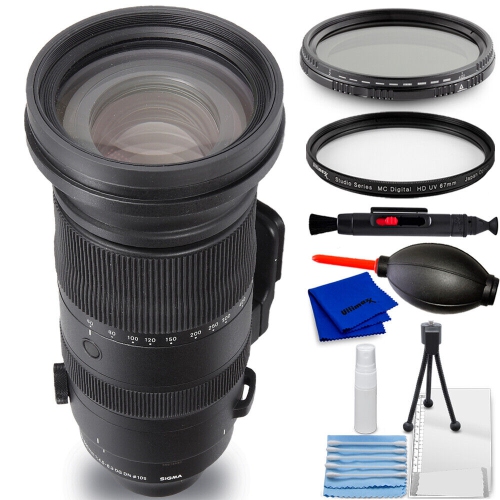
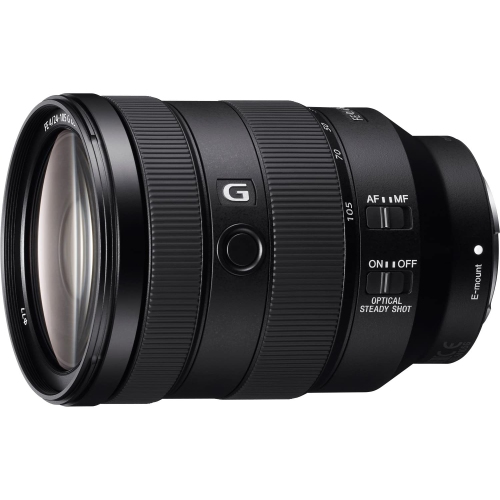
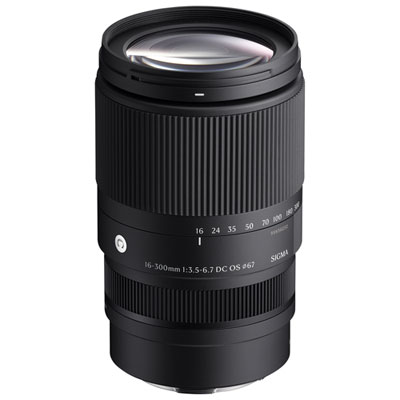
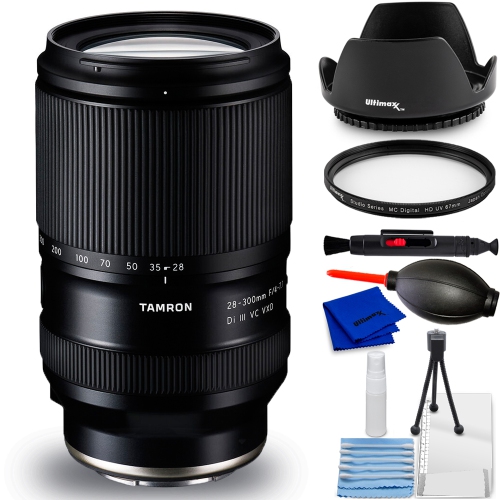
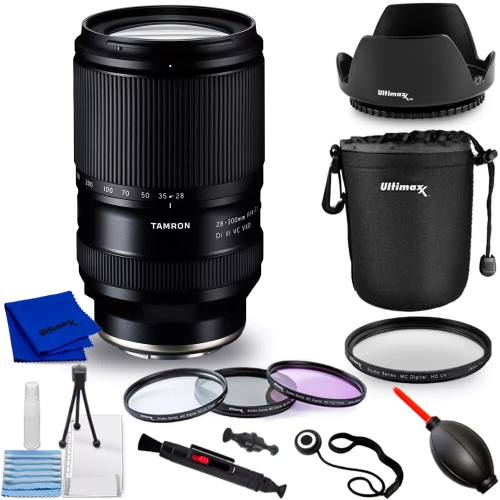
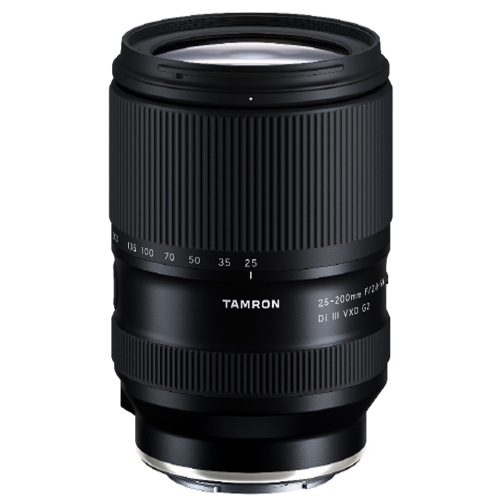
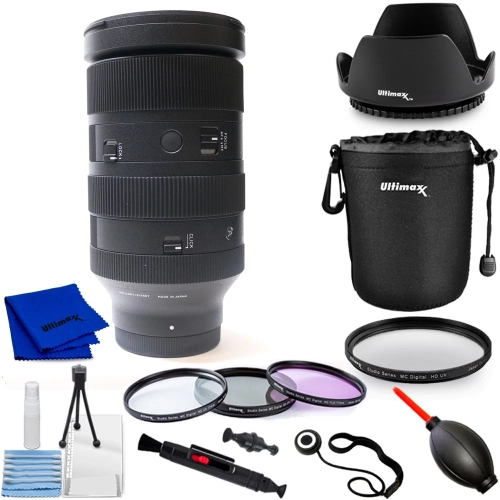
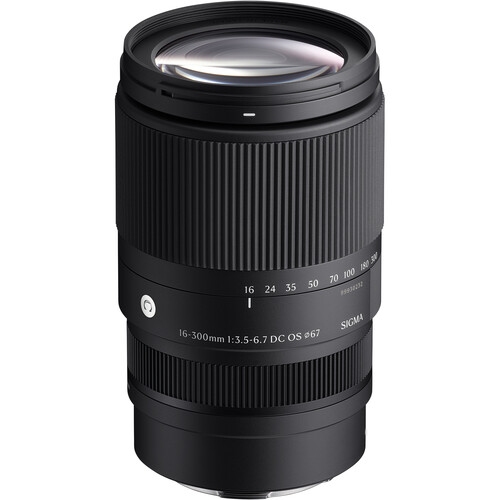
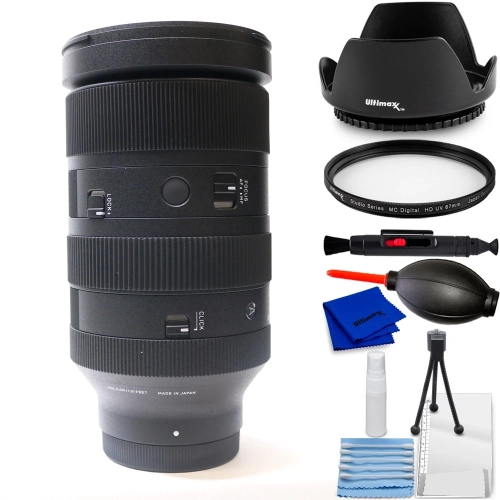
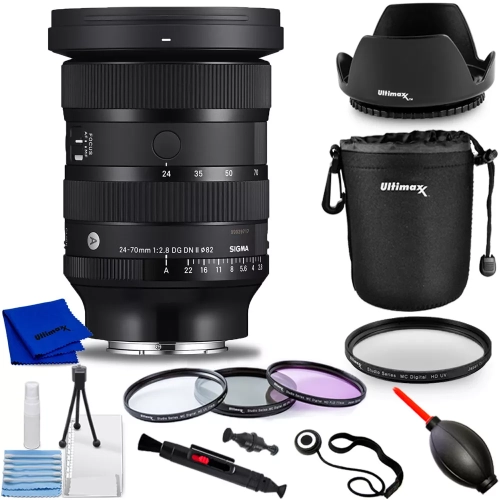
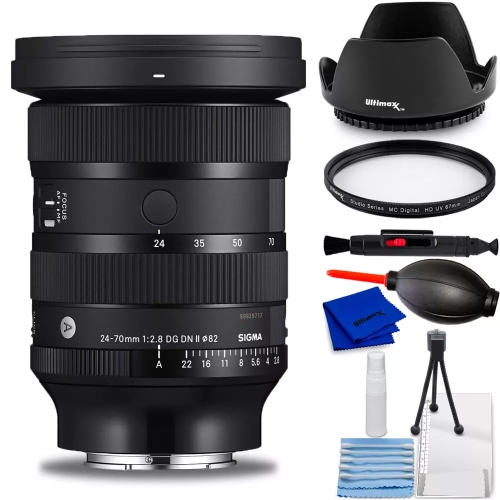
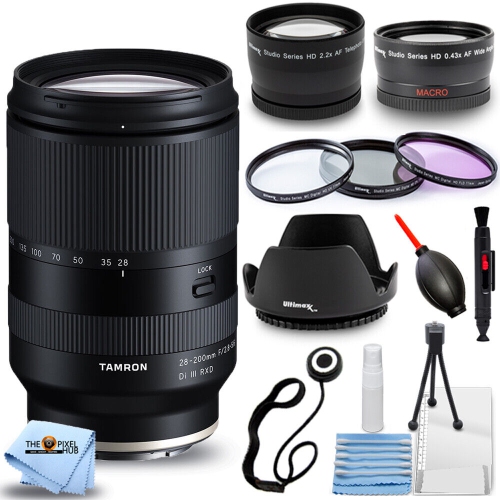
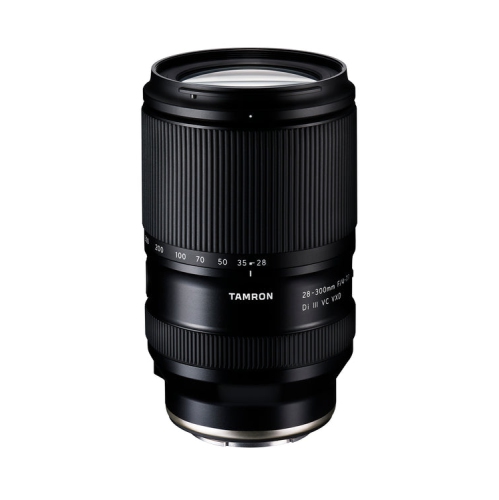
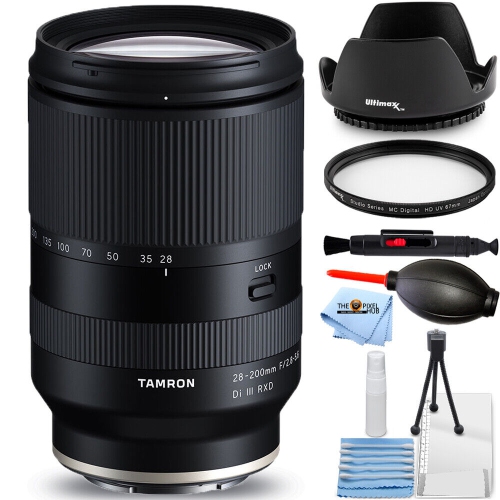
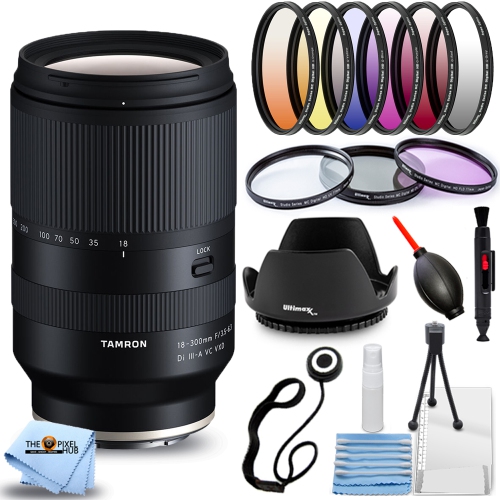
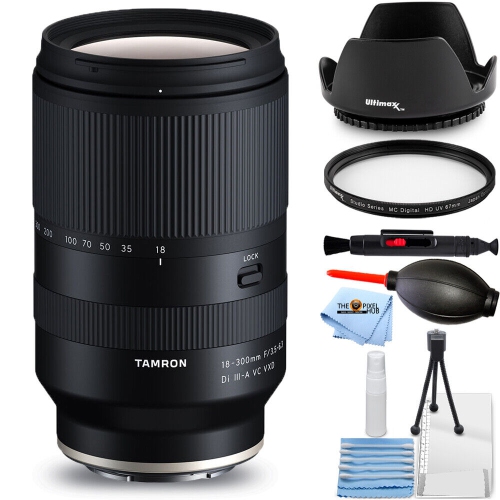
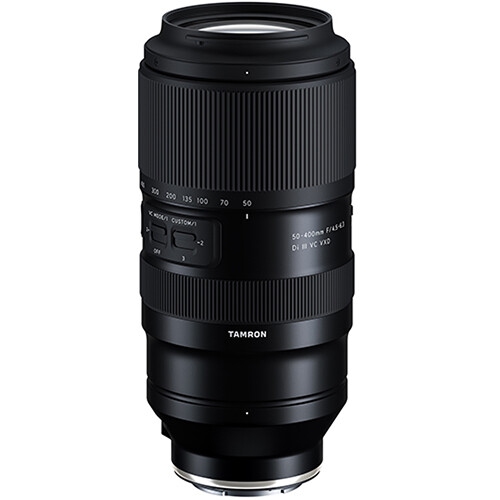
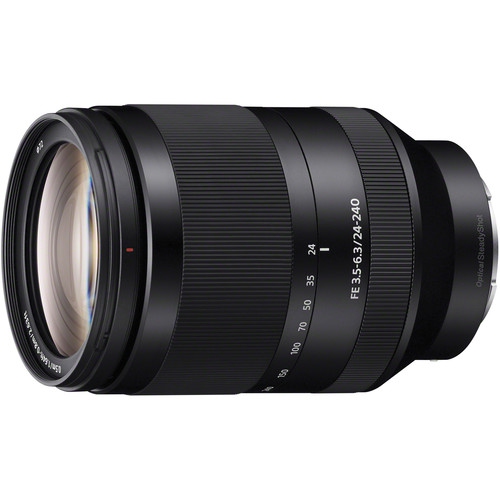
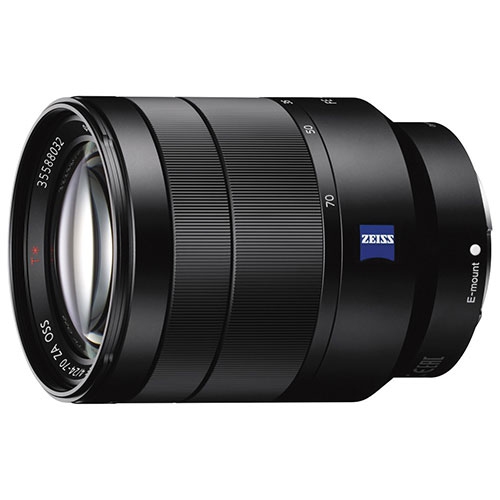
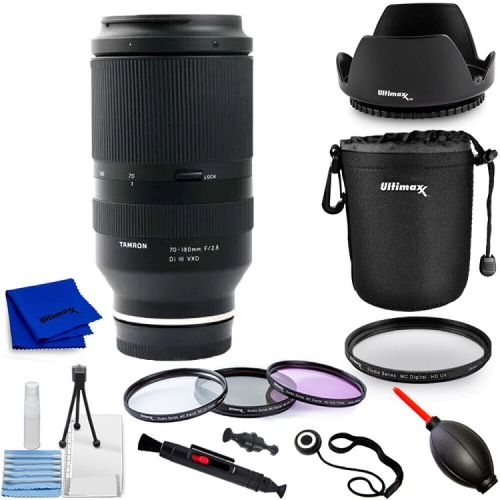
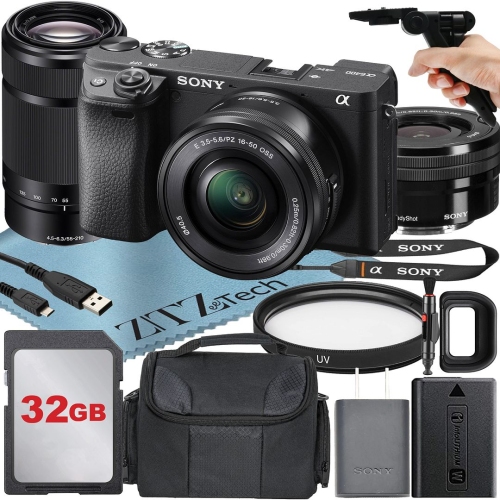
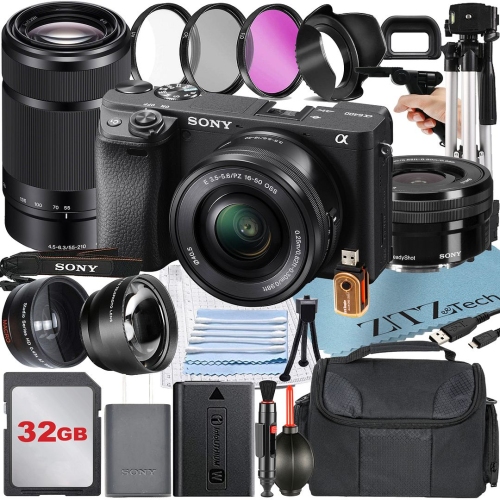
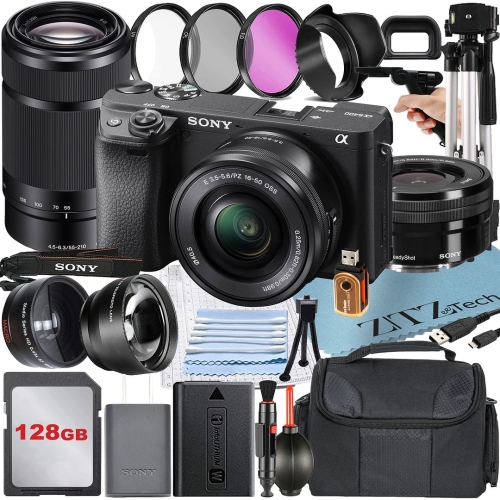
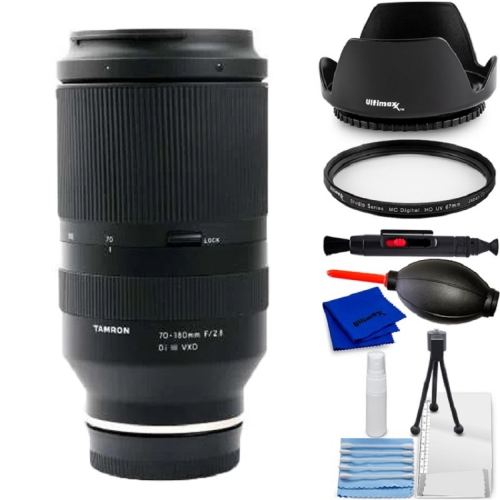
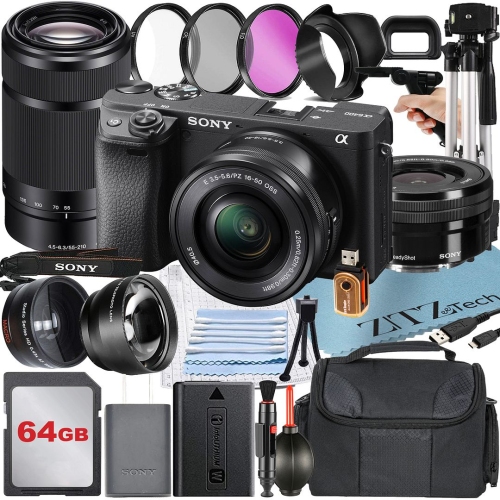
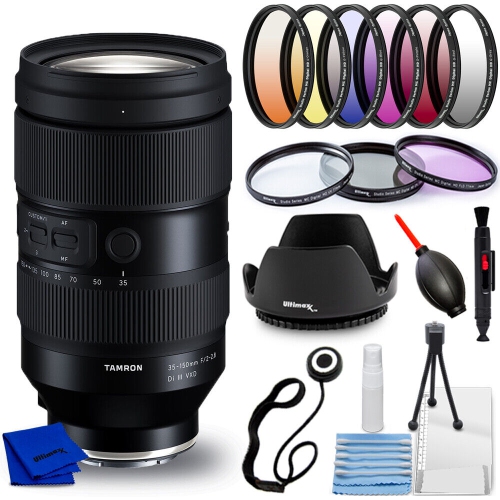
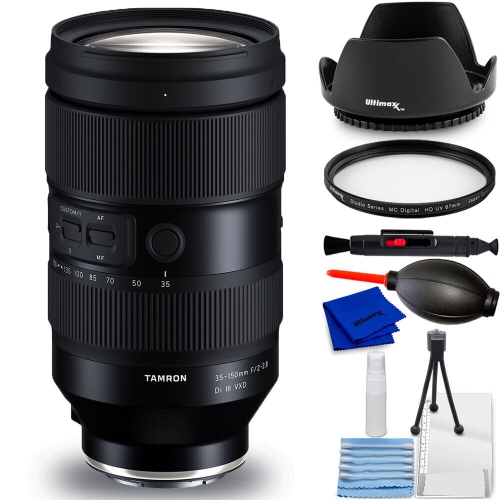
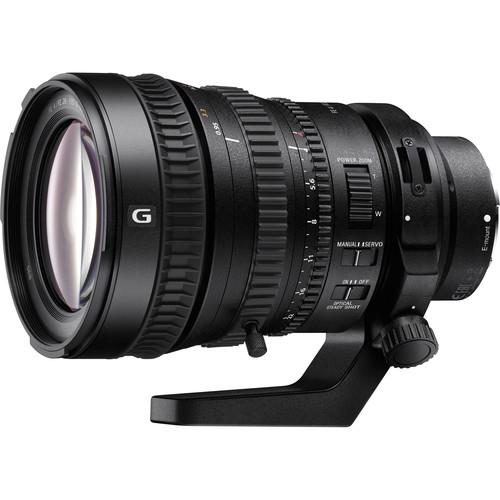
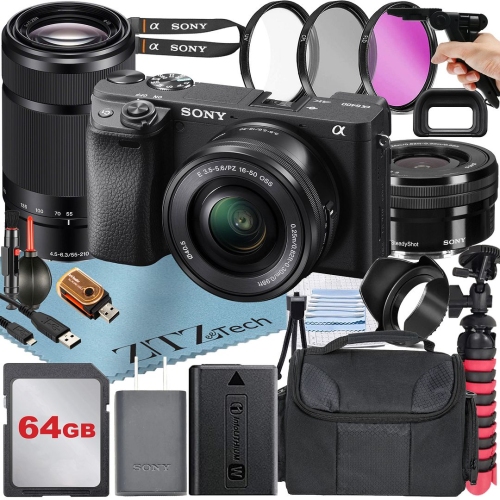
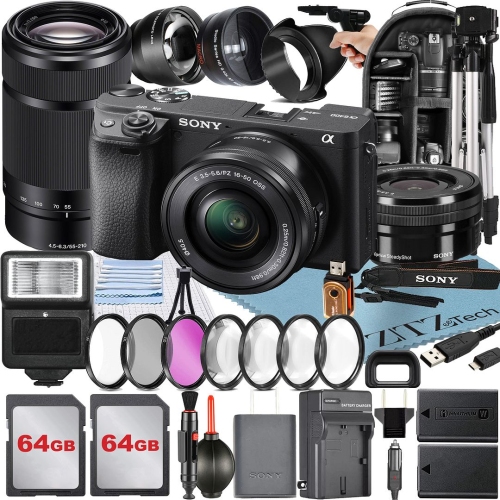
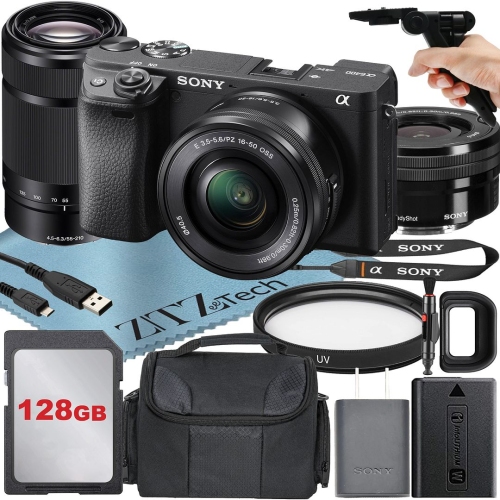
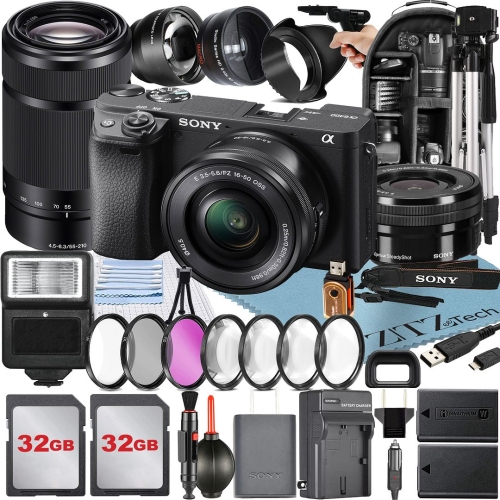
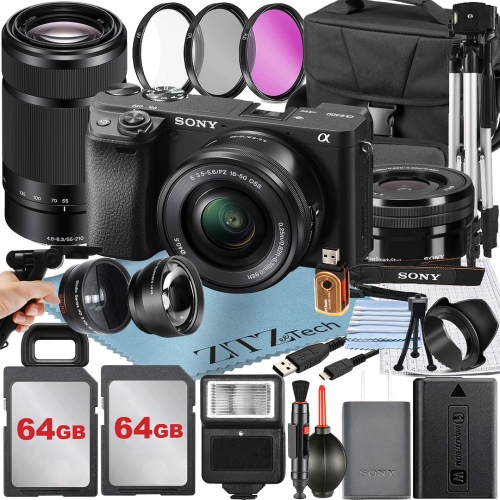
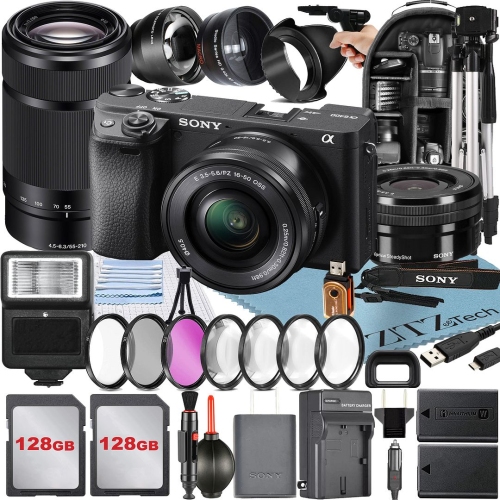
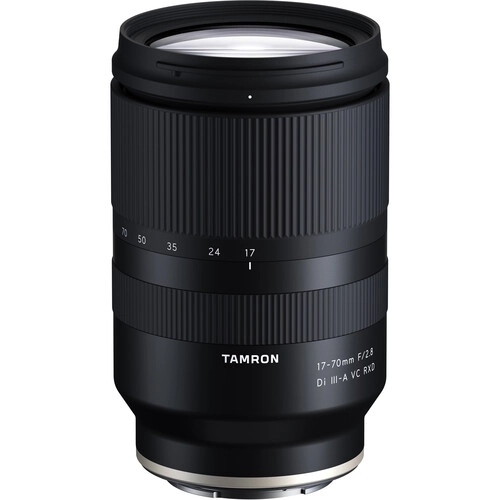
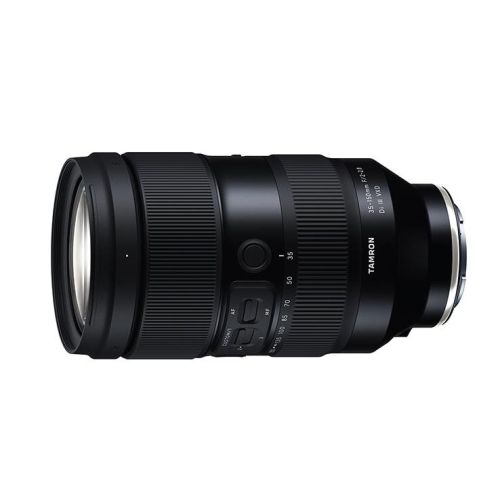
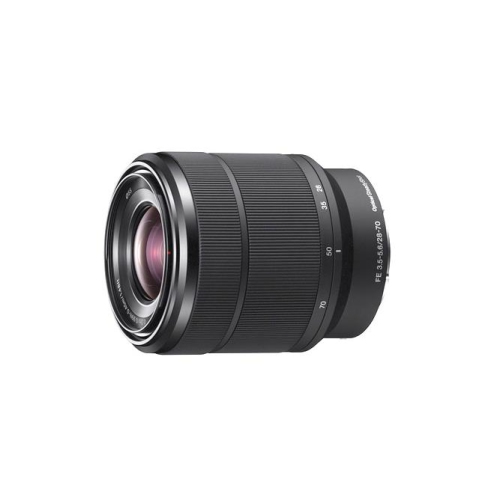
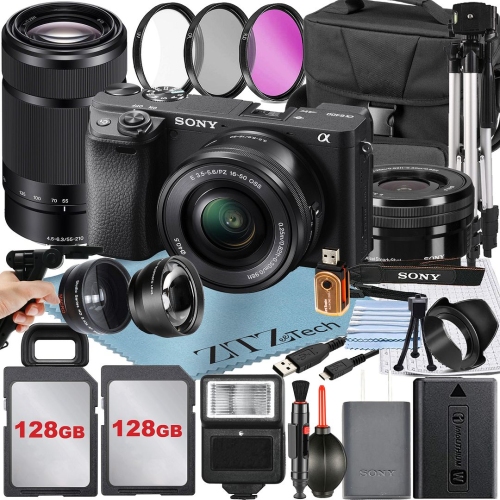
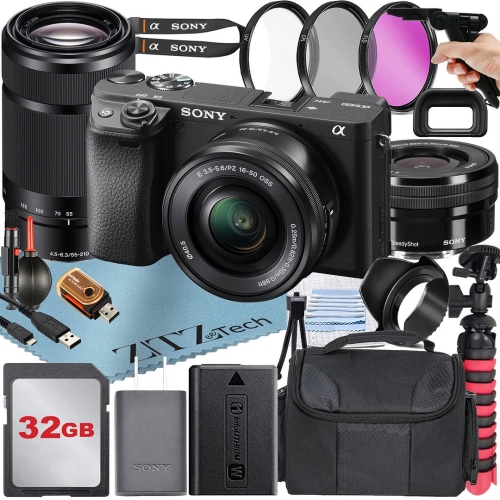
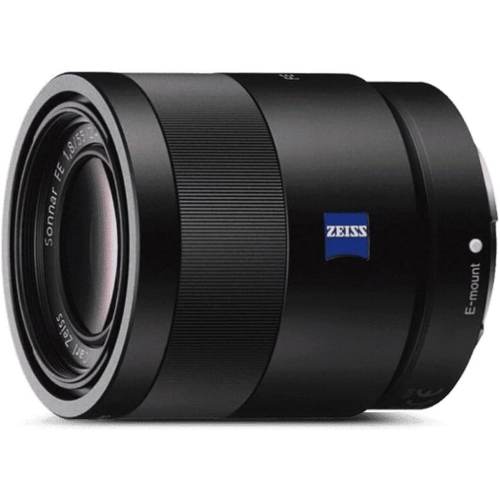
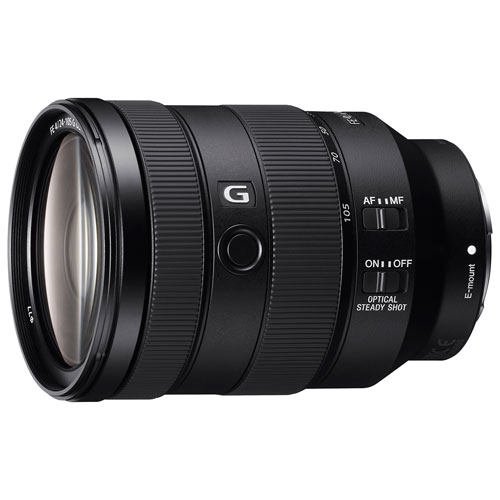

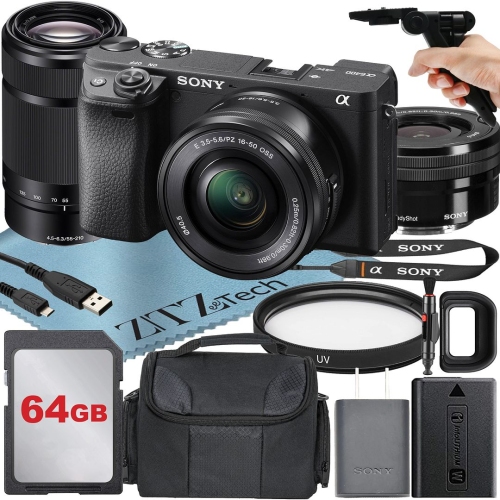
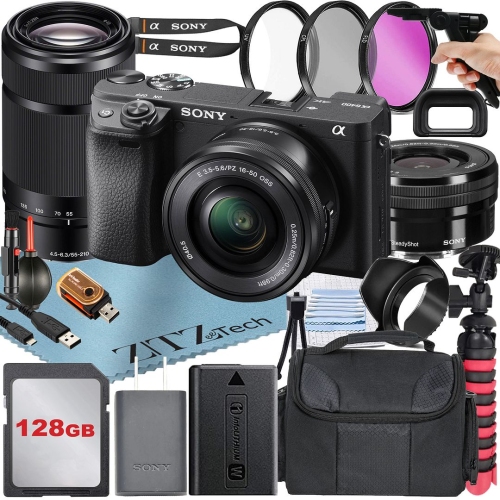
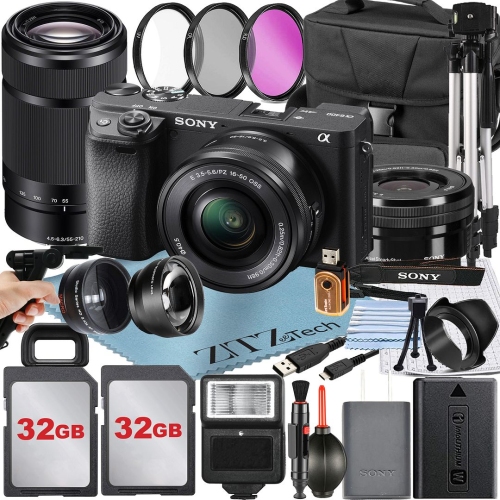
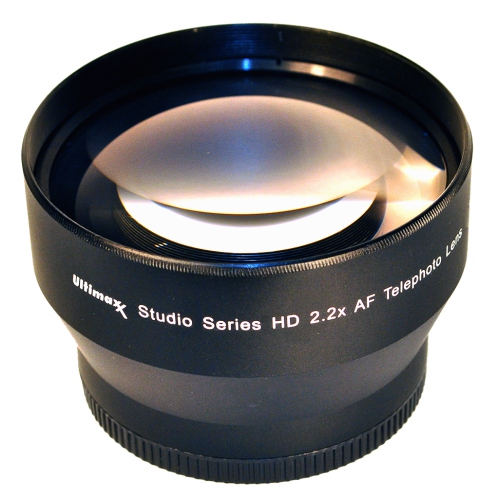

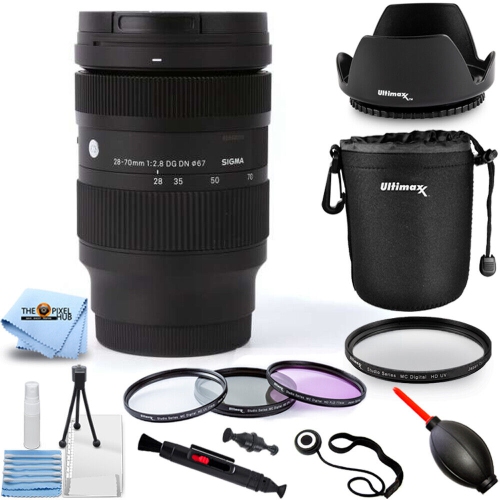
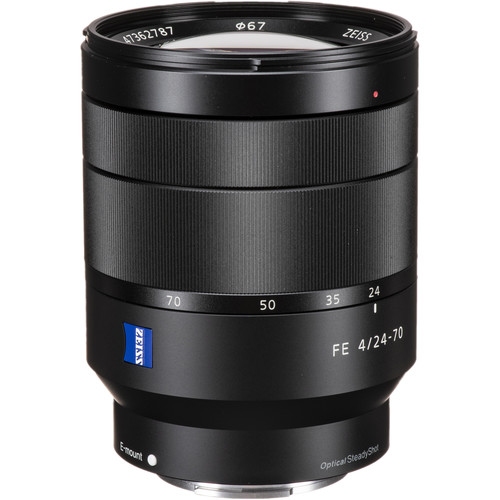
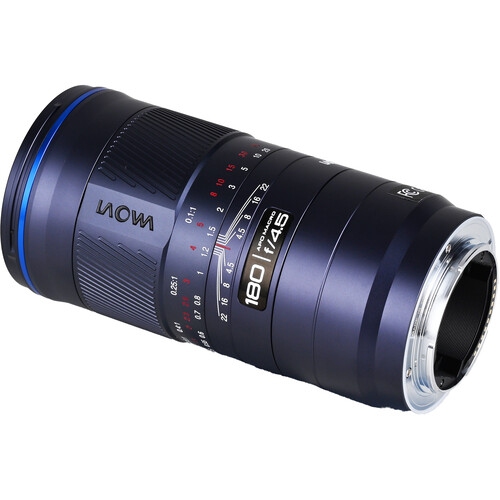
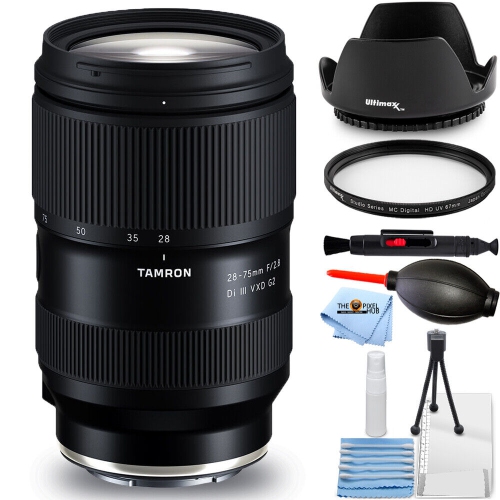
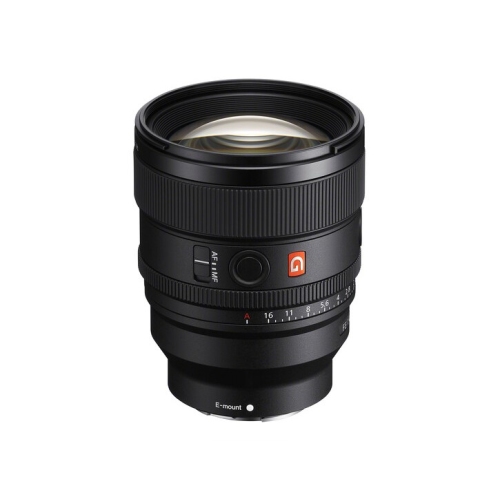
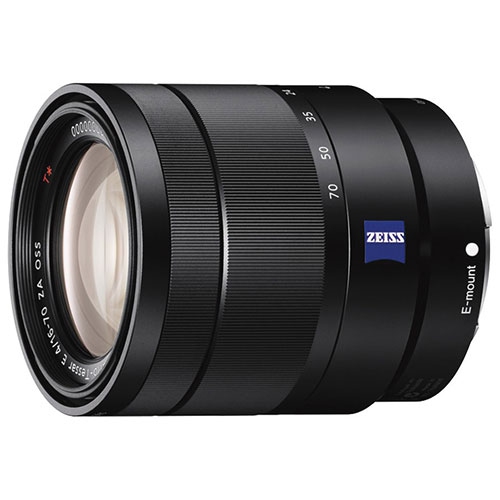
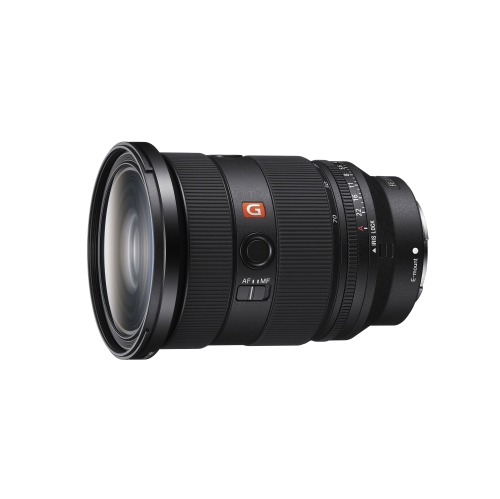
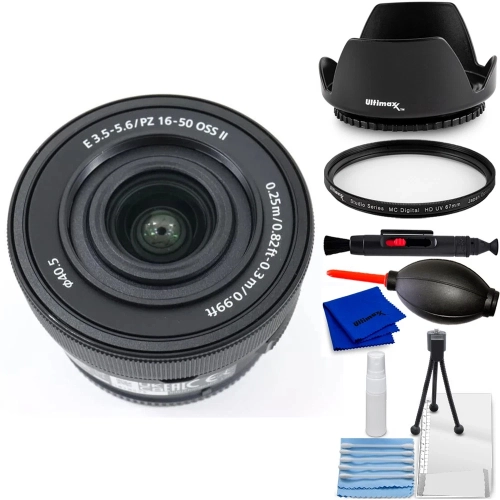
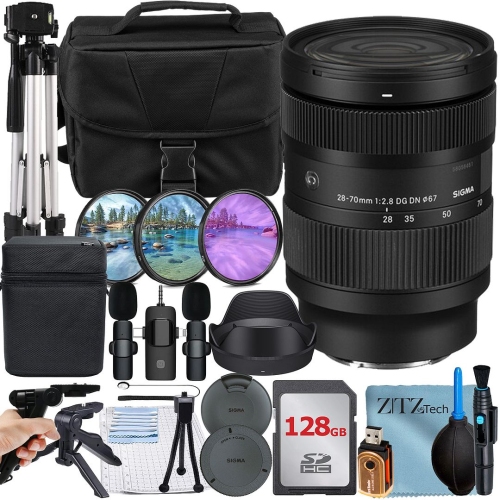
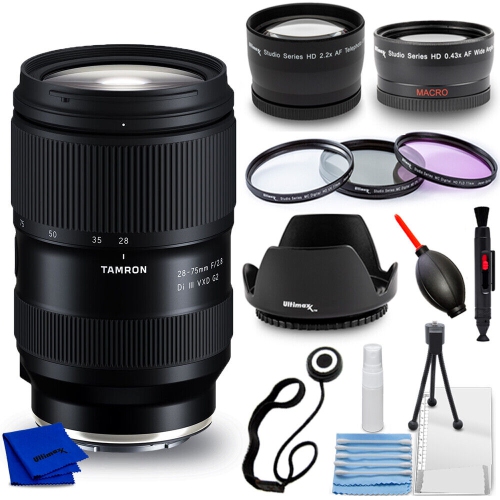
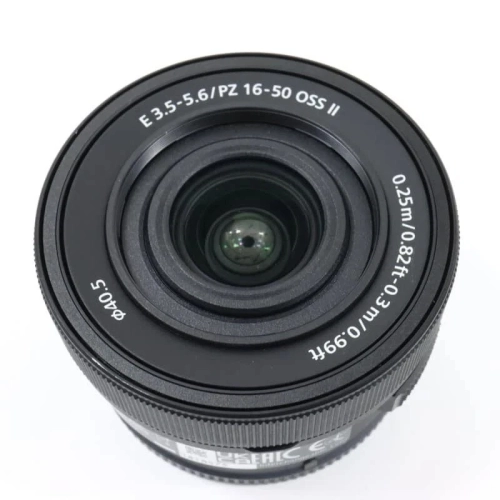

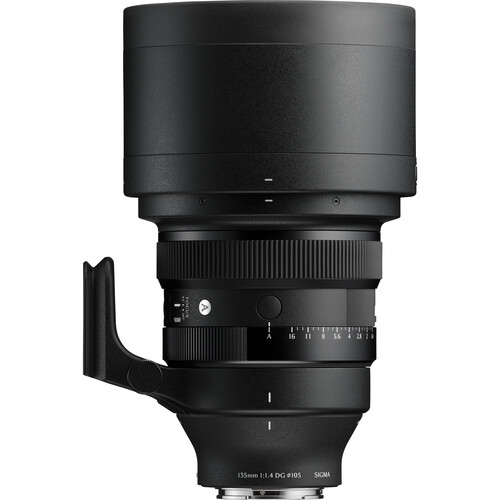
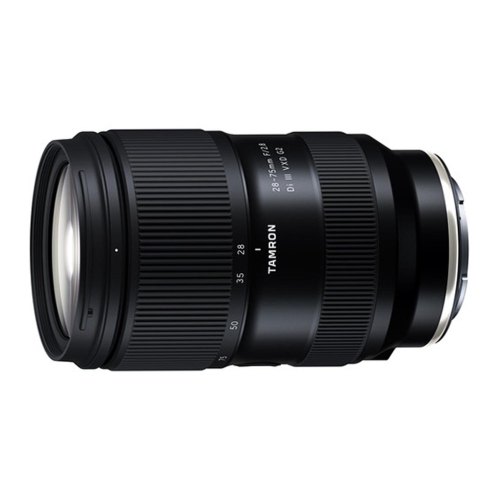
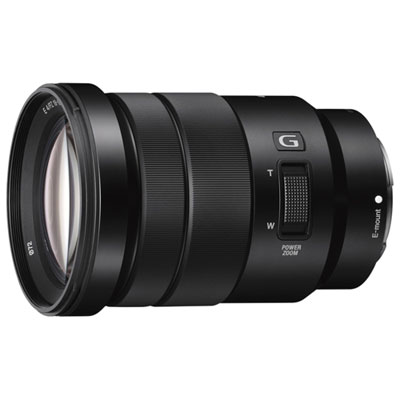
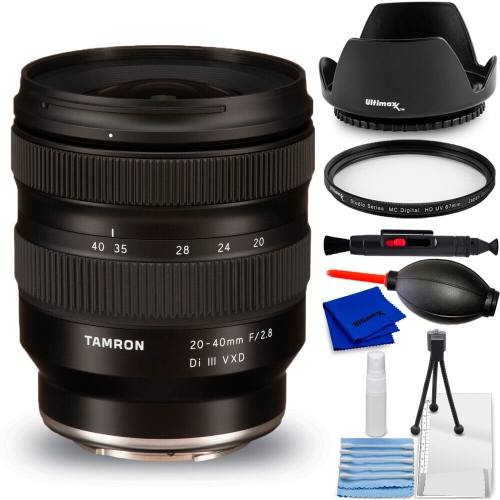
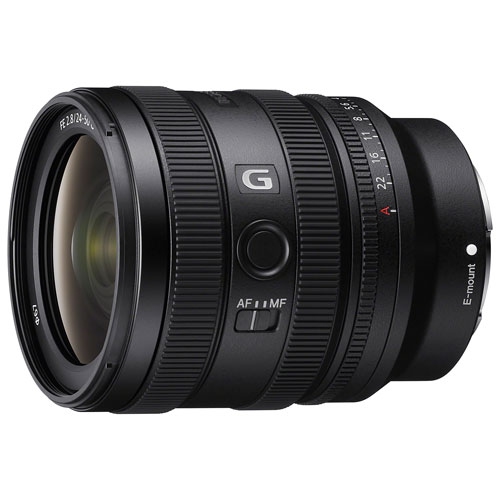
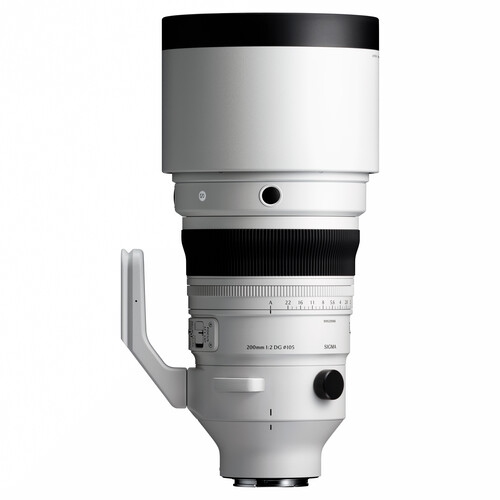
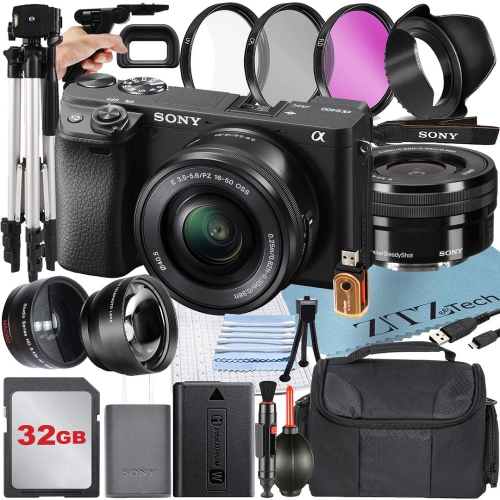
Closer views of portraits, wildlife and fast-moving action
Telephoto lenses for Sony cameras bring distant subjects closer while preserving the perspective and detail that make a photograph feel immediate. Designed for Sony E-mount mirrorless cameras, these lenses cover a broad range of focal lengths, from versatile mid-telephoto options for portraits and events to super-telephoto zooms for wildlife, aviation and field sports. A shorter telephoto lens can be a particularly useful everyday addition to a camera bag: it helps create flattering portraits with softly separated backgrounds, brings performers closer during a concert or school production, and lets photographers frame candid moments without standing directly beside their subjects. Longer lenses provide the reach needed to photograph birds in a backyard, deer at the edge of a woodland trail or athletes moving across a large playing field. Zoom lenses offer flexibility when the subject changes distance quickly, while prime lenses use a fixed focal length and are often chosen for their bright maximum aperture, crisp rendering and dependable performance in low light. When browsing telephoto lenses for Sony, begin by confirming that the lens uses the E-mount connection and is compatible with the camera body’s sensor format. Full-frame Sony cameras can use both full-frame and APS-C lenses, although an APS-C lens may not cover the entire full-frame sensor; APS-C cameras can use compatible full-frame lenses, with the camera’s crop factor making the lens appear to provide additional effective reach. Checking compatibility before purchase helps avoid surprises and makes it easier to choose a lens that suits the camera already in hand.
The right telephoto lens depends on the way it will be used, the distance from the subject and the conditions in which photographs are likely to be made. For portraits, weddings and indoor events, a mid-telephoto lens with a wide maximum aperture can help isolate a person from a busy background and gather more light as the room becomes dim. Fast autofocus is valuable when expressions and gestures change quickly, while optical image stabilization can make handheld shooting more comfortable at slower shutter speeds. For sports, action and children at play, a telephoto zoom gives the photographer room to adjust composition without moving closer to the action. Look for responsive autofocus, smooth focusing behaviour and a focal-length range that can follow a subject as it approaches or moves away. Wildlife photography often calls for more reach, since getting physically closer may disturb an animal or simply be impractical. A super-telephoto zoom can make it easier to move between a distant bird in flight and a larger animal across an open landscape, while a fixed super-telephoto prime can be appealing to photographers who prioritize a bright aperture, maximum sharpness and consistent handling. Aperture, weight and size deserve careful consideration: a brighter lens can be helpful at dawn, during the cooler months when daylight fades earlier, or in shaded woodland, but it may also be larger and heavier. A compact lens may be more comfortable for long walks, travel and handheld shooting. Weather-resistant construction, a secure tripod collar, a programmable focus button and a focus limiter can also make a meaningful difference for photographers who spend extended periods outdoors. Those interested in balancing long-reach lenses with a broader field of view can explore Wide Angle Lenses for Sony for landscapes, architecture, interiors and group scenes.
Telephoto lenses can be rewarding gifts for photography enthusiasts because they open up subjects that a standard kit lens may leave small in the frame. They suit a birdwatcher documenting backyard visitors, a parent photographing a child’s weekend sport, a traveller capturing details across a harbour or a portrait photographer looking for a more flattering working distance. They can also encourage a different style of observation: a walk through a park becomes an opportunity to notice a hawk on a high branch, patterns in distant architecture or the changing light on a shoreline. Before choosing a gift, consider the recipient’s Sony camera body, whether it uses a full-frame or APS-C sensor, and how comfortable they are carrying heavier equipment. A beginner may appreciate a versatile zoom that offers a gentle introduction to telephoto photography, while an experienced photographer may value a faster prime lens or a longer zoom designed for wildlife and action. Stabilization is helpful for handheld shooting, but it does not freeze a moving subject; sports and wildlife photographers will still need a fast shutter speed, and a bright aperture can help achieve it when light is limited. A tripod or monopod may be useful with a large lens, especially for long sessions, though many modern telephoto lenses are designed to be used handheld for short periods. Consider filter size, minimum focus distance, focusing speed, included accessories and the balance of the lens on the camera. The best choice is one that matches the photographer’s subjects, shooting habits and willingness to carry it, whether that means making portraits in soft evening light, following fast action across a field or quietly waiting for wildlife to emerge.
The right telephoto lens depends on the way it will be used, the distance from the subject and the conditions in which photographs are likely to be made. For portraits, weddings and indoor events, a mid-telephoto lens with a wide maximum aperture can help isolate a person from a busy background and gather more light as the room becomes dim. Fast autofocus is valuable when expressions and gestures change quickly, while optical image stabilization can make handheld shooting more comfortable at slower shutter speeds. For sports, action and children at play, a telephoto zoom gives the photographer room to adjust composition without moving closer to the action. Look for responsive autofocus, smooth focusing behaviour and a focal-length range that can follow a subject as it approaches or moves away. Wildlife photography often calls for more reach, since getting physically closer may disturb an animal or simply be impractical. A super-telephoto zoom can make it easier to move between a distant bird in flight and a larger animal across an open landscape, while a fixed super-telephoto prime can be appealing to photographers who prioritize a bright aperture, maximum sharpness and consistent handling. Aperture, weight and size deserve careful consideration: a brighter lens can be helpful at dawn, during the cooler months when daylight fades earlier, or in shaded woodland, but it may also be larger and heavier. A compact lens may be more comfortable for long walks, travel and handheld shooting. Weather-resistant construction, a secure tripod collar, a programmable focus button and a focus limiter can also make a meaningful difference for photographers who spend extended periods outdoors. Those interested in balancing long-reach lenses with a broader field of view can explore Wide Angle Lenses for Sony for landscapes, architecture, interiors and group scenes.
Telephoto lenses can be rewarding gifts for photography enthusiasts because they open up subjects that a standard kit lens may leave small in the frame. They suit a birdwatcher documenting backyard visitors, a parent photographing a child’s weekend sport, a traveller capturing details across a harbour or a portrait photographer looking for a more flattering working distance. They can also encourage a different style of observation: a walk through a park becomes an opportunity to notice a hawk on a high branch, patterns in distant architecture or the changing light on a shoreline. Before choosing a gift, consider the recipient’s Sony camera body, whether it uses a full-frame or APS-C sensor, and how comfortable they are carrying heavier equipment. A beginner may appreciate a versatile zoom that offers a gentle introduction to telephoto photography, while an experienced photographer may value a faster prime lens or a longer zoom designed for wildlife and action. Stabilization is helpful for handheld shooting, but it does not freeze a moving subject; sports and wildlife photographers will still need a fast shutter speed, and a bright aperture can help achieve it when light is limited. A tripod or monopod may be useful with a large lens, especially for long sessions, though many modern telephoto lenses are designed to be used handheld for short periods. Consider filter size, minimum focus distance, focusing speed, included accessories and the balance of the lens on the camera. The best choice is one that matches the photographer’s subjects, shooting habits and willingness to carry it, whether that means making portraits in soft evening light, following fast action across a field or quietly waiting for wildlife to emerge.
Top selling and popular products
-
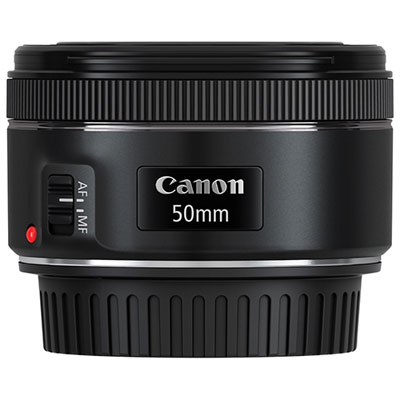 Your price for this item is $169.99
 -
 Your price for this item is $329.99
 -
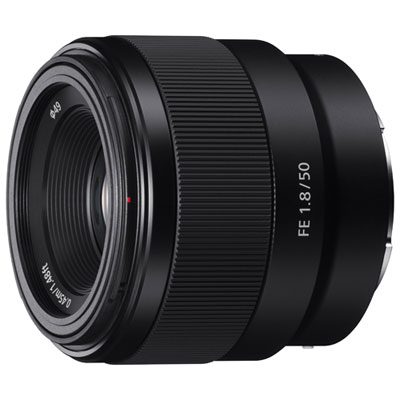 Your price for this item is $349.99
 -
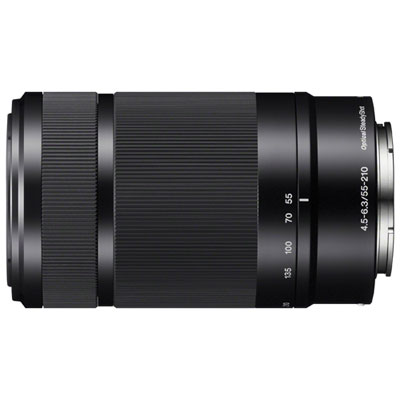 Your price for this item is $399.99
 -
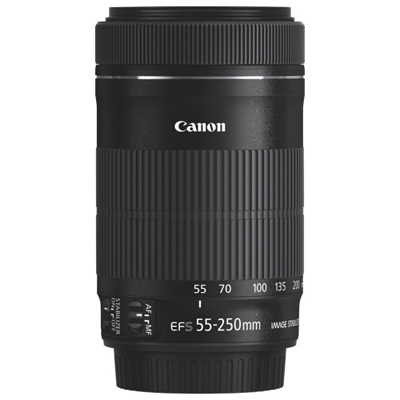 Your price for this item is $399.99
 -
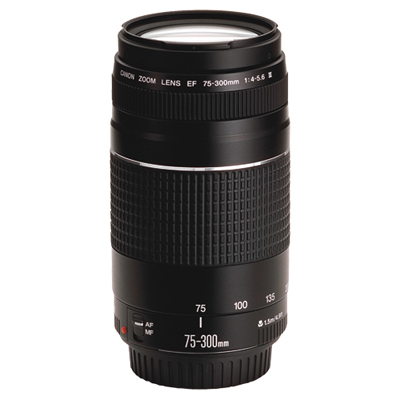 Your price for this item is $199.99
 -
 Your price for this item is $174.99
 -
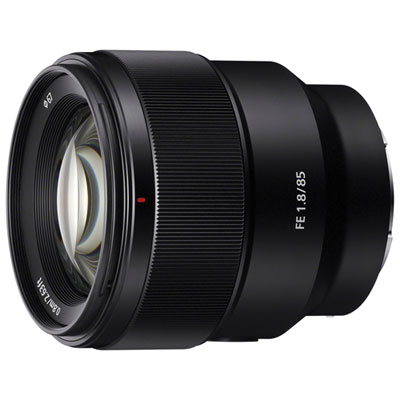 Your price for this item is $799.99
Discover more categories related to Telephoto Lenses for Sony
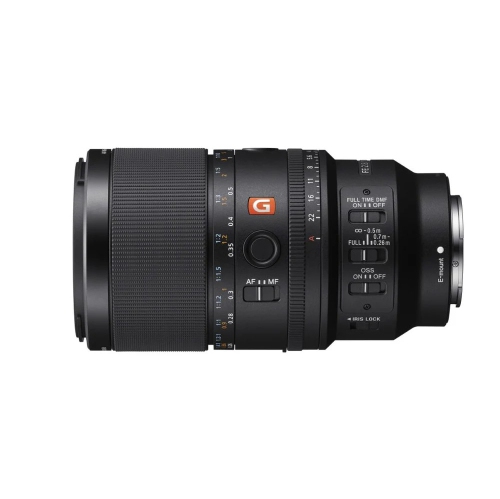
Top Collections:
Pokemon Centers, Best Cameras for Sports Photography, Kindle Devices, Samsung Galaxy Phones, Canon G7X Cameras, Pokémon 30th Celebration Cards, Refurbished Apple Laptops, iPhone 15 Apple, Laptops for Students, Budget Smartphones
Some products may be subject to Environmental Handling Fees
(EHF) depending on your province.
Learn more about EHFs.