Camera Lenses for Portraits
Capture stunning portraits with our wide selection of camera lenses designed specifically for portrait photography. Whether you're a professional photographer or an enthusiast looking to upgrade your gear, our range of lenses offers exceptional clarity, sharpness, and depth of field control to bring out the best in your subjects. From versatile prime lenses to zoom lenses with impressive focal lengths, we have the perfect lens to help you achieve breathtaking portraits with every click. Here are some great options available.
Sort
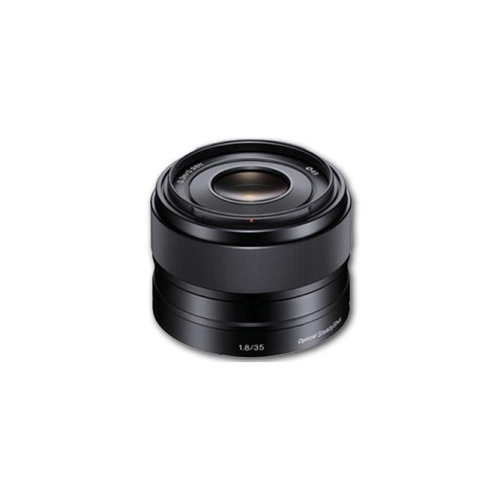
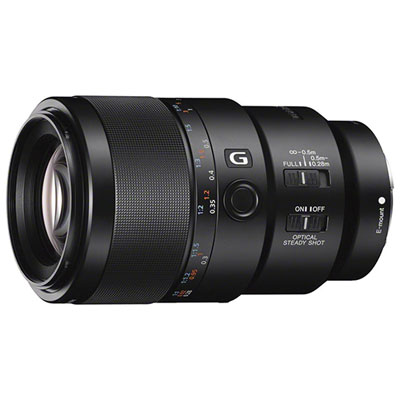
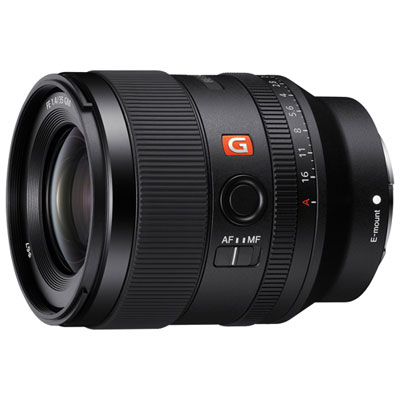
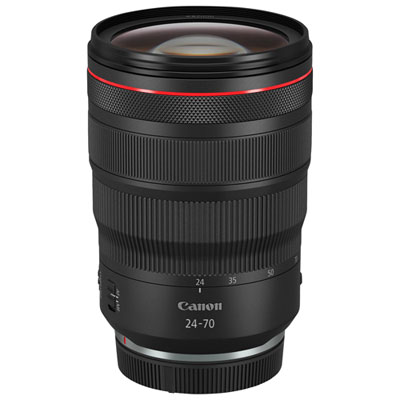

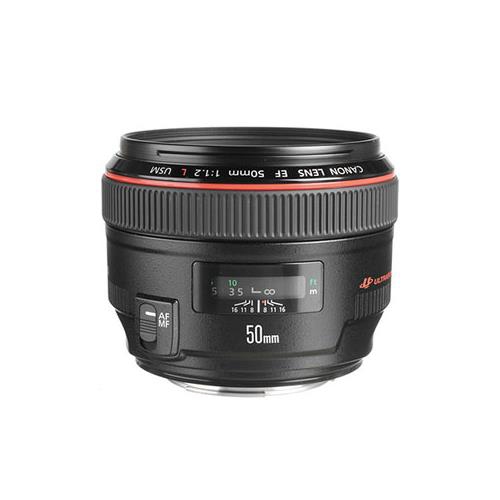
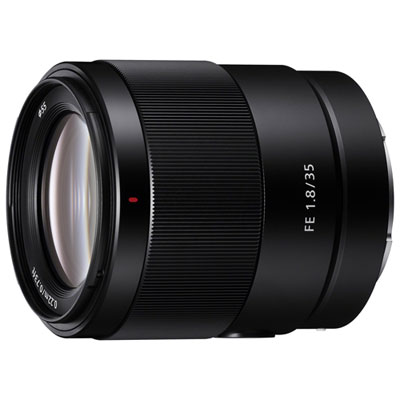
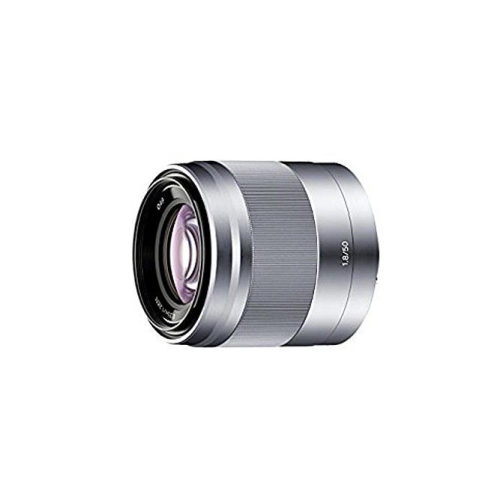

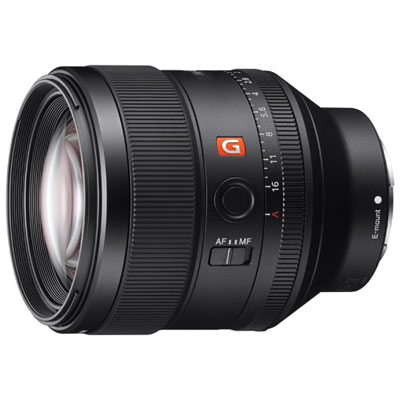
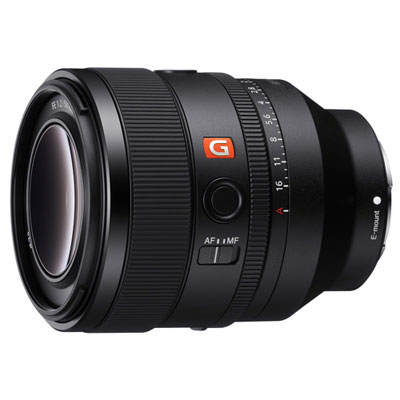


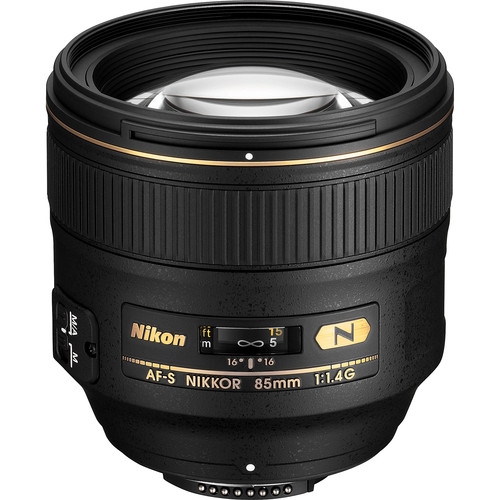
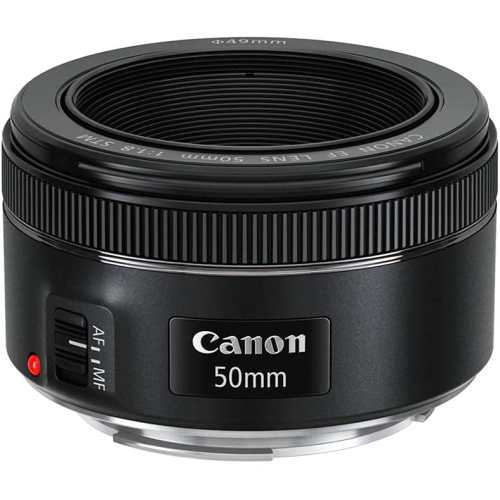
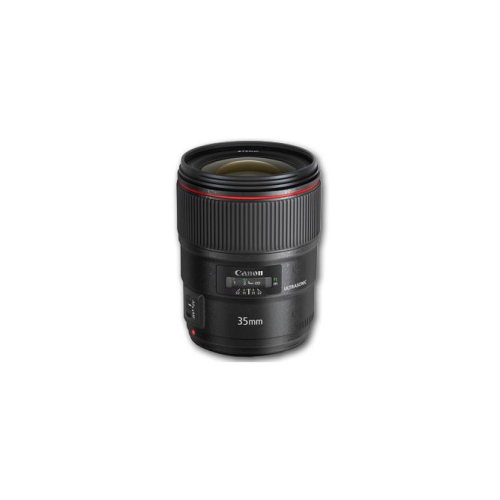
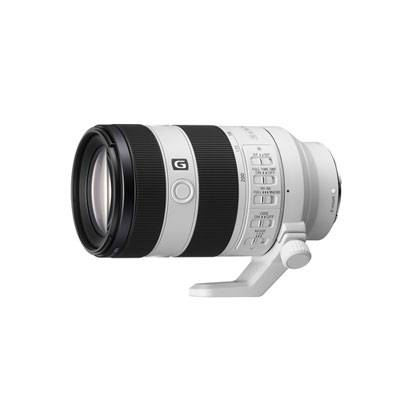
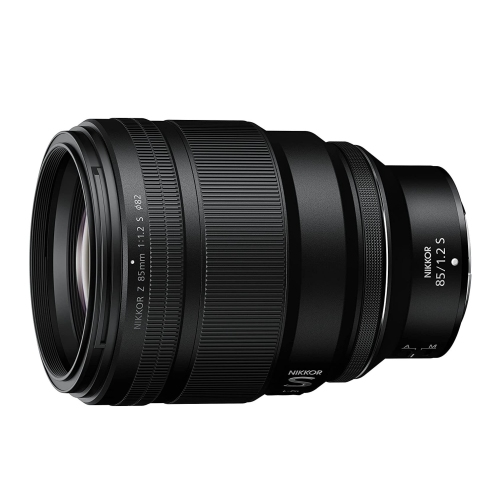
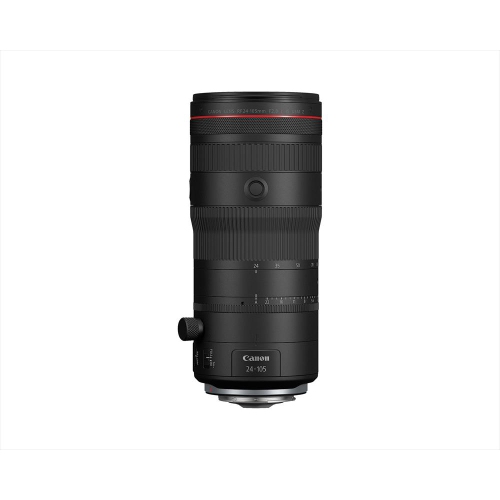
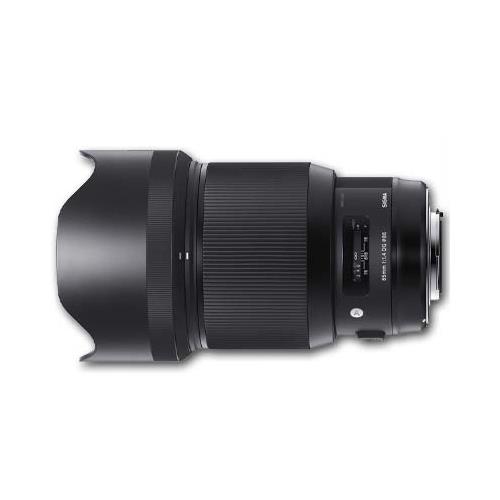
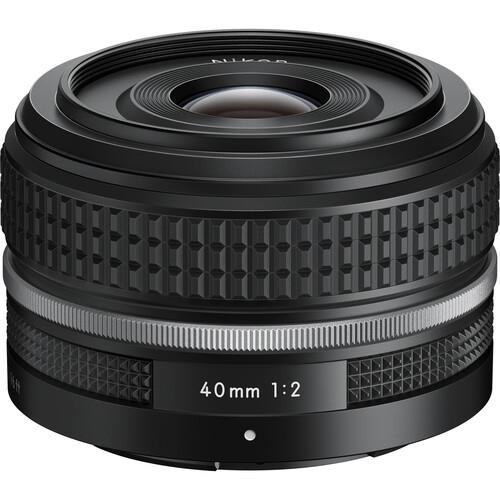
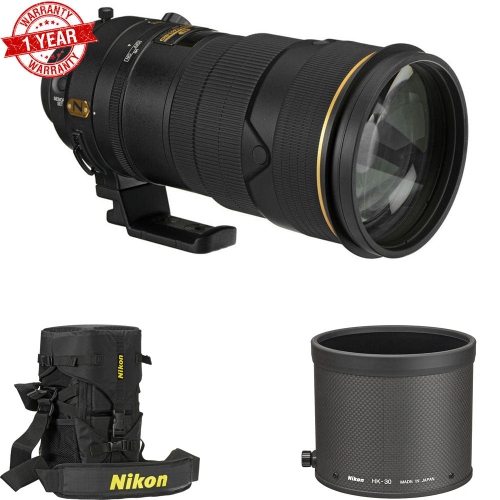
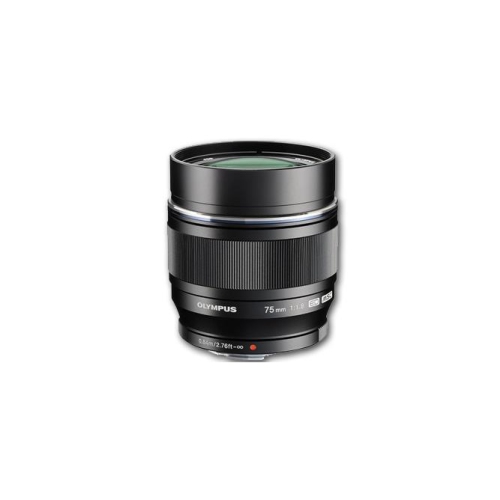
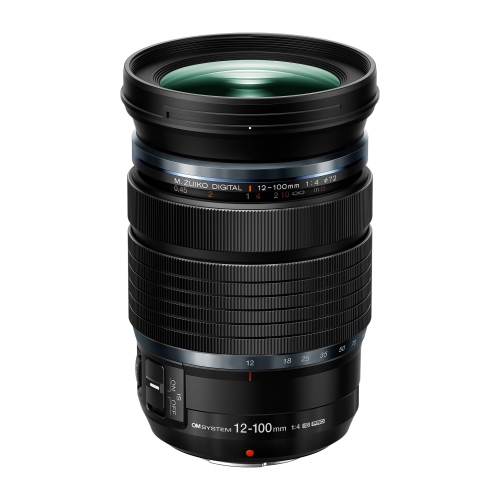
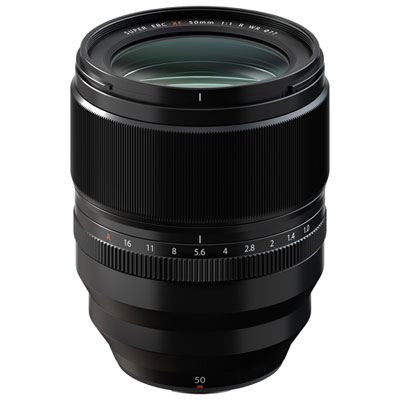
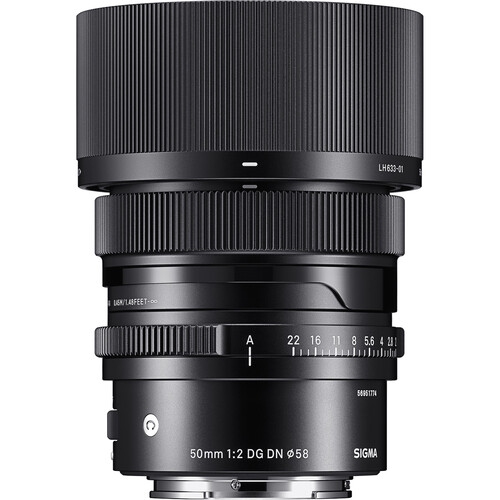
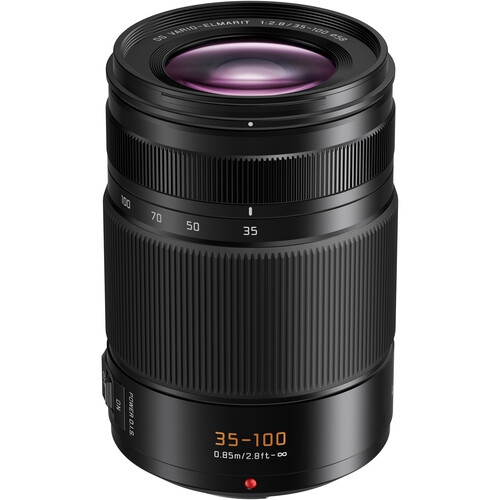
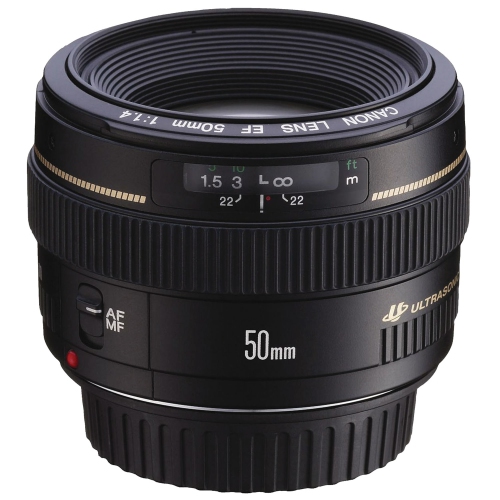
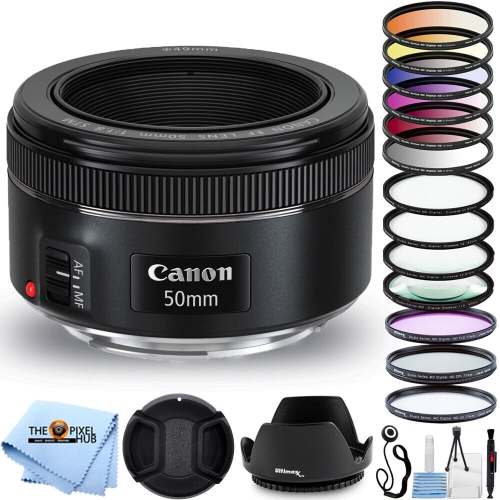
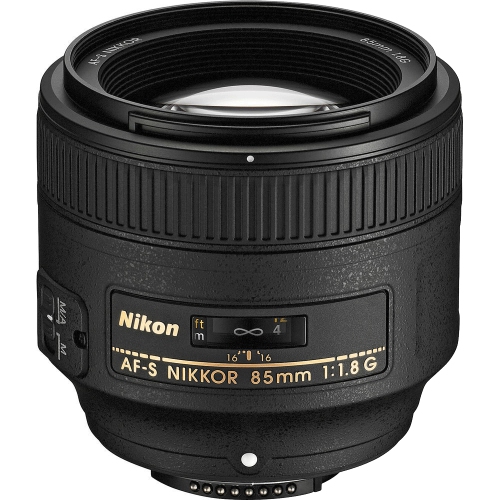
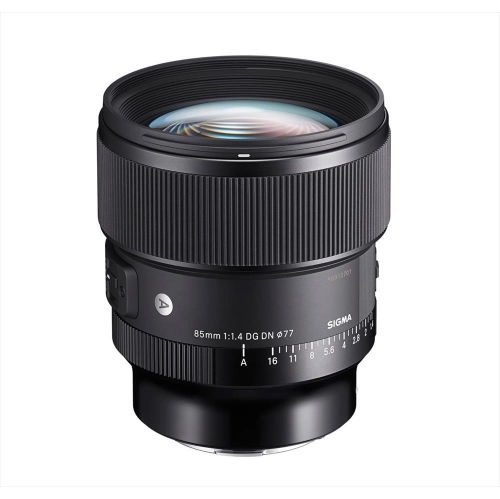
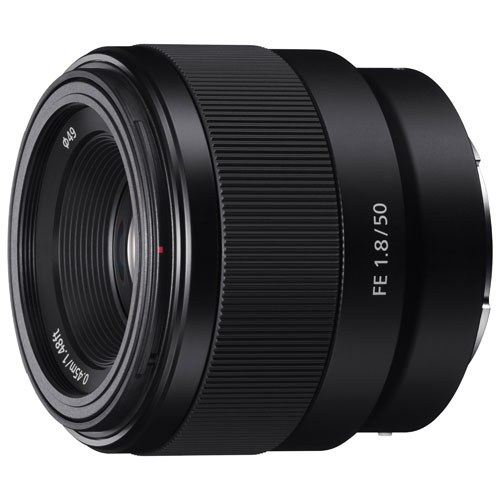
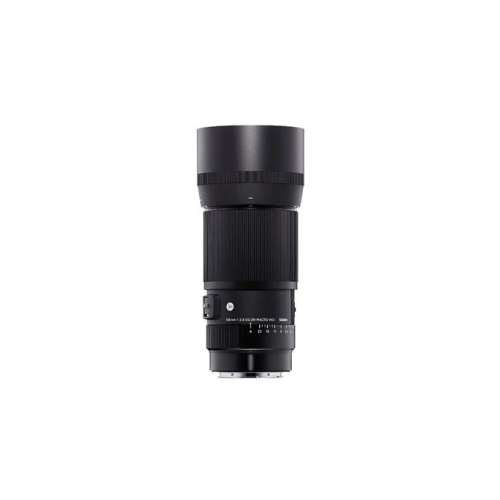
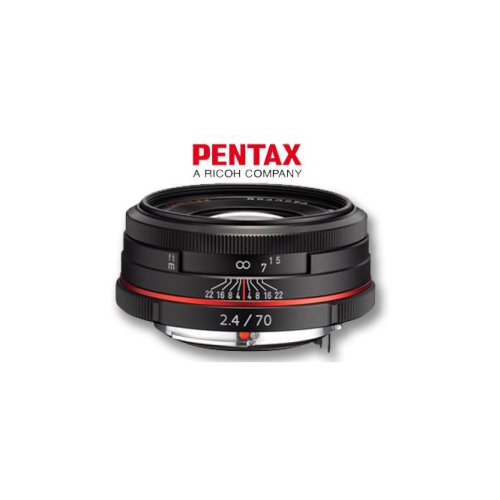
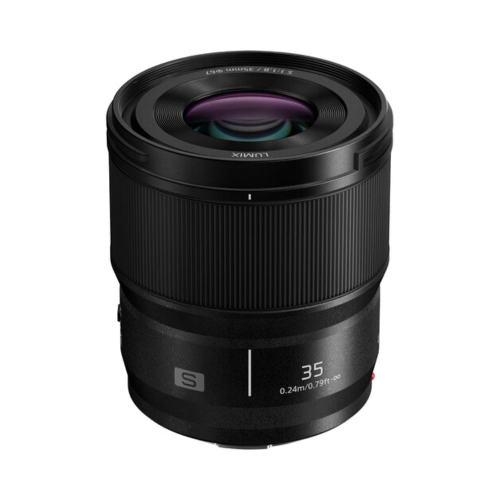
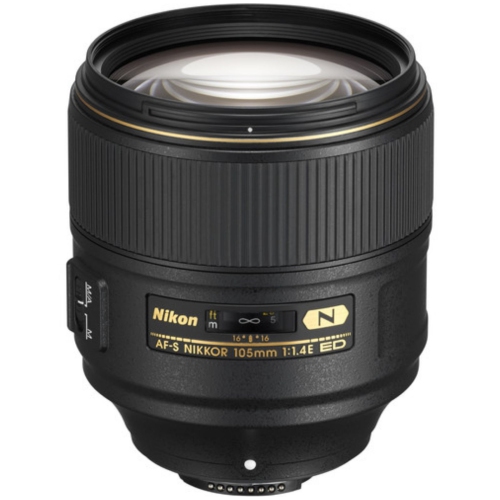
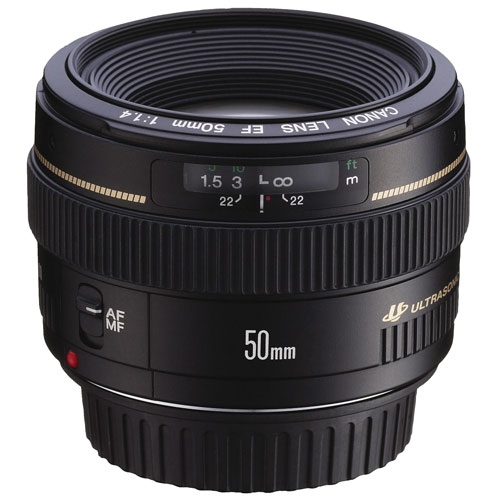
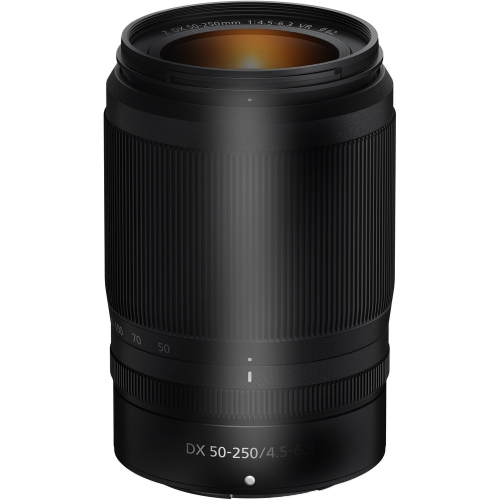
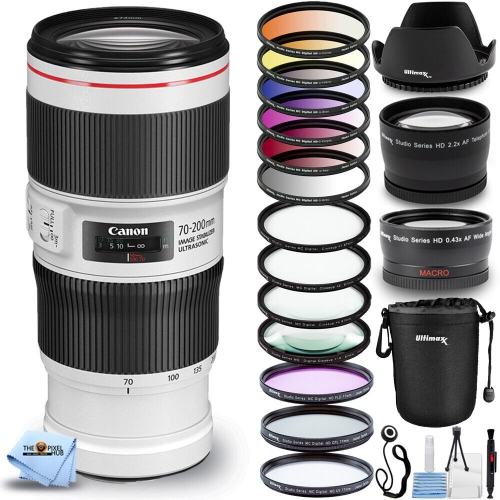
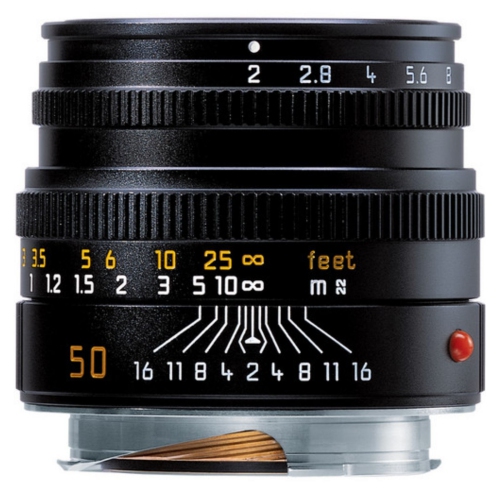
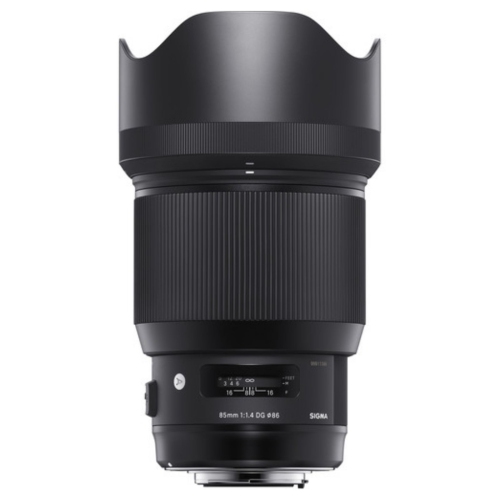
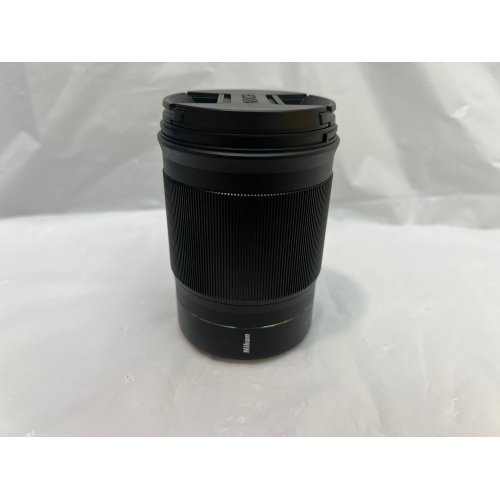
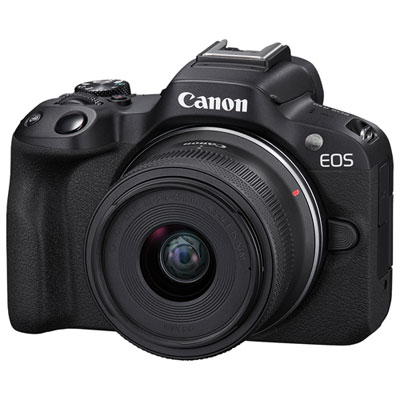
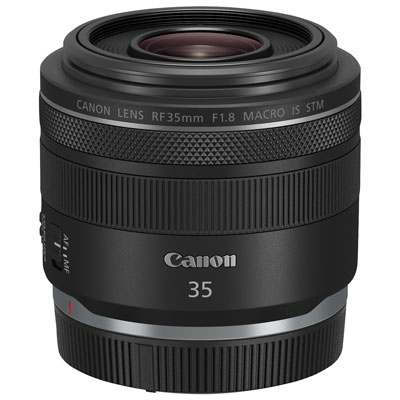
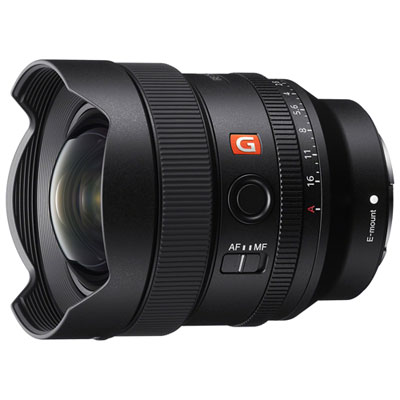
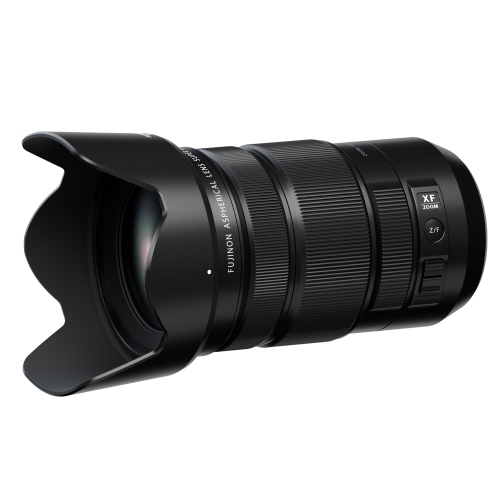
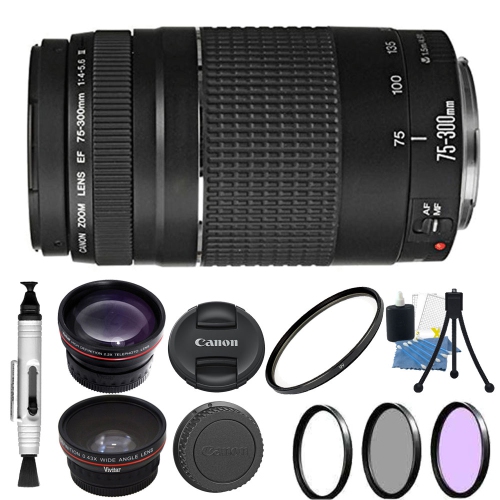
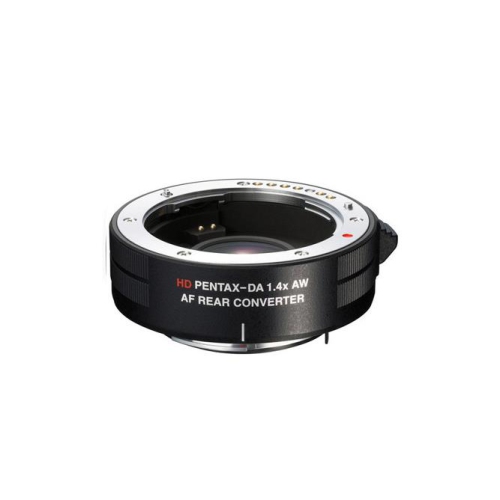
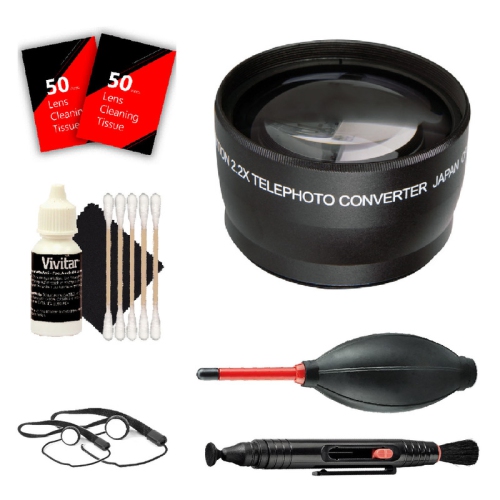
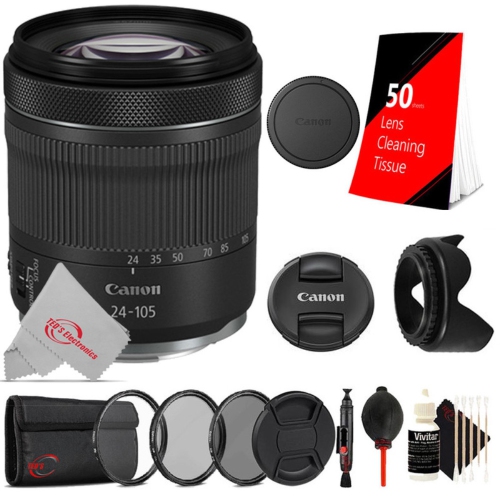
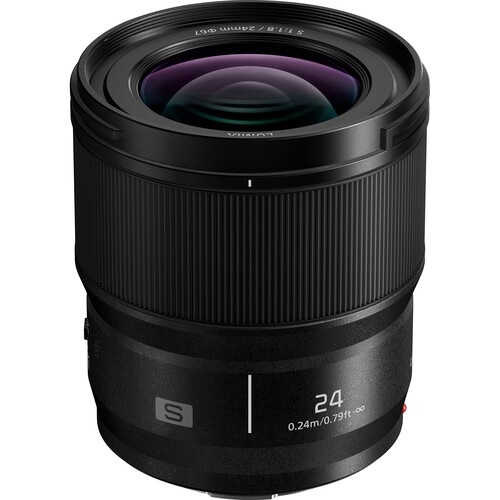
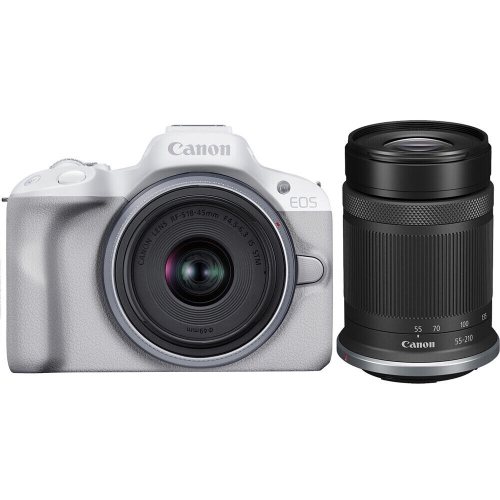
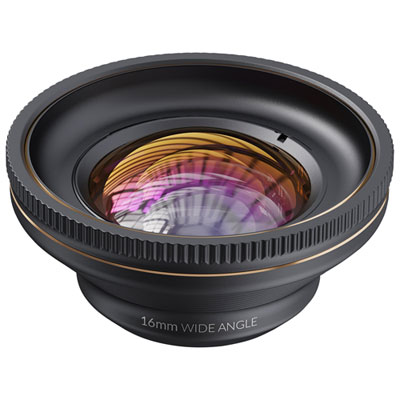
Focal length, aperture, and autofocus shape portrait results
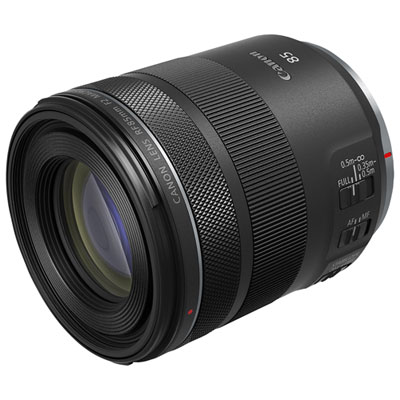
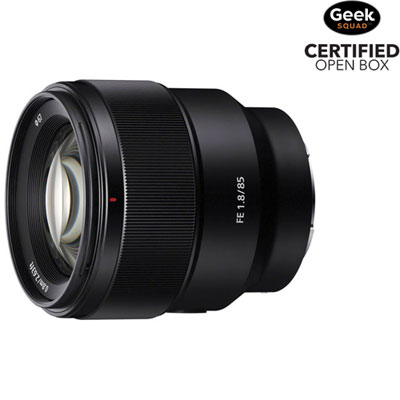
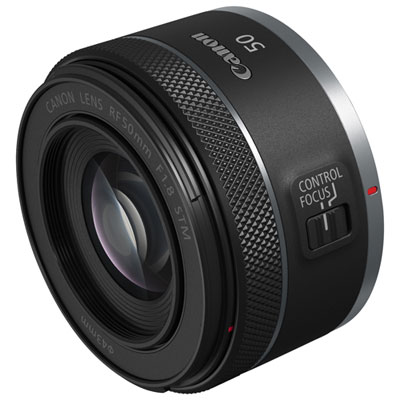
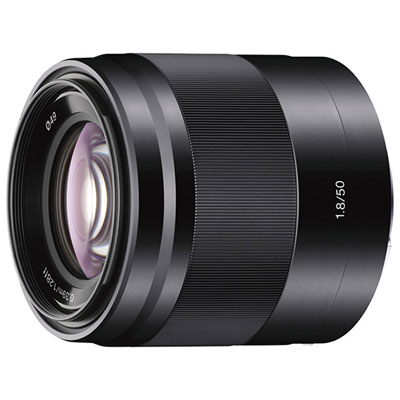
Portrait photography is all about connection: a thoughtful expression, a child’s laugh between poses, or the quiet confidence captured in a professional headshot. The right camera lens can help preserve those details while giving portraits a natural perspective and a pleasing background blur. Prime lenses with focal lengths around 50mm, 85mm, and 135mm are popular choices because they can flatter facial features and create separation between the subject and their surroundings. A 50mm lens offers a familiar, versatile view that works well for full-body portraits, couples, family groups, and environmental portraits where the setting adds to the story. An 85mm lens is often chosen for head-and-shoulder portraits and half-body compositions, allowing the photographer to stand at a comfortable distance while producing a balanced perspective. A 135mm lens provides even more working distance and can give outdoor portraits a beautifully compressed look, especially when the background includes trees, architecture, or softly lit scenery. Telephoto zoom lenses in the 70-200mm range are another flexible option, making it easier to adjust framing without moving closer to the subject. They are especially useful for weddings, events, graduation photos, and candid family portraits, where expressions can disappear quickly. When browsing camera lenses for portraits, consider the camera’s lens mount and sensor format first, since a lens must be compatible with the camera body and its field of view can change with a crop-sensor camera. A lens that feels moderately wide on a full-frame camera may provide a tighter portrait view on a crop-sensor model, which can be helpful when photographing faces but less convenient in a small room. For photographers comparing compatible options, Nikon Lenses for Portraits can be a useful place to explore a focused assortment.
Maximum aperture is another important consideration. A wider aperture, represented by a smaller f-number, allows more light to reach the camera sensor and can create a shallower depth of field. This helps draw attention to the eyes while softening distracting details behind the subject. Wide-aperture lenses can be particularly valuable in indoor spaces, during the cooler months when natural light is limited, or at outdoor sessions held near sunset. The appearance of background blur depends on more than aperture alone: focal length, subject distance, background distance, and the design of the lens all contribute to the final look. For example, moving a subject several steps away from a hedge or wall can produce a softer background than placing them directly in front of it, even when the same lens settings are used. Autofocus performance also matters, especially for photographing children, pets, moving subjects, or people who are not accustomed to posing. Features such as eye-detection compatibility, quiet focusing, and responsive tracking can make it easier to capture a natural expression instead of interrupting the moment. Image stabilization may be helpful for handheld shooting in lower light, although it does not freeze subject movement; a child turning toward the camera or a person walking through a frame may still require a faster shutter speed. Size and weight deserve attention as well. A bright telephoto zoom can offer impressive flexibility, but a lighter prime lens may be more comfortable for a long portrait session, travel, street photography, or a day spent moving between indoor and outdoor locations. Think about the way the lens will be used in real life: a photographer working in a compact apartment may appreciate a shorter focal length, while someone making portraits in a park or on a large property may prefer the reach and background compression of a longer lens. Accessories such as lens hoods, protective filters, and suitable camera bags can also help keep a portrait setup ready for spontaneous opportunities.
Portrait lenses can suit a broad range of photographers, from someone building a first interchangeable-lens camera kit to an experienced creator refining a particular style. They can be used for family albums, school and graduation portraits, professional profiles, engagement sessions, newborn photography, creative self-portraits, and content creation. A prime lens is often a thoughtful gift for a photography enthusiast because it can encourage a different approach to composition: instead of relying on zoom, the photographer moves, observes the light, and becomes more intentional about the relationship between subject and background. A versatile zoom can be a practical choice for someone who photographs events or travels, since it can handle changing distances and unpredictable moments without requiring frequent lens changes. When selecting a portrait lens as a gift, check the recipient’s camera brand, lens mount, sensor size, and existing equipment before making a choice. It is also worth considering whether they prefer compact gear for walks and gatherings or a larger lens for controlled sessions and outdoor work. During the warmer seasons, portrait lenses can be used for backyard gatherings, family reunions, travel photos, and golden-hour sessions in parks or along the waterfront. As the weather cools, they remain useful for indoor family portraits, creative studio work, professional headshots, and celebrations where available light may vary from room to room. A lens with the right focal length, aperture, focusing performance, and handling can make it easier to work patiently and comfortably, leaving more attention for the person in front of the camera. Whether the goal is a softly lit close-up, a full-length portrait surrounded by scenery, or an expressive candid image made from a respectful distance, choosing a lens suited to the photographer’s camera and style helps turn ordinary moments into portraits with personality and depth.
Maximum aperture is another important consideration. A wider aperture, represented by a smaller f-number, allows more light to reach the camera sensor and can create a shallower depth of field. This helps draw attention to the eyes while softening distracting details behind the subject. Wide-aperture lenses can be particularly valuable in indoor spaces, during the cooler months when natural light is limited, or at outdoor sessions held near sunset. The appearance of background blur depends on more than aperture alone: focal length, subject distance, background distance, and the design of the lens all contribute to the final look. For example, moving a subject several steps away from a hedge or wall can produce a softer background than placing them directly in front of it, even when the same lens settings are used. Autofocus performance also matters, especially for photographing children, pets, moving subjects, or people who are not accustomed to posing. Features such as eye-detection compatibility, quiet focusing, and responsive tracking can make it easier to capture a natural expression instead of interrupting the moment. Image stabilization may be helpful for handheld shooting in lower light, although it does not freeze subject movement; a child turning toward the camera or a person walking through a frame may still require a faster shutter speed. Size and weight deserve attention as well. A bright telephoto zoom can offer impressive flexibility, but a lighter prime lens may be more comfortable for a long portrait session, travel, street photography, or a day spent moving between indoor and outdoor locations. Think about the way the lens will be used in real life: a photographer working in a compact apartment may appreciate a shorter focal length, while someone making portraits in a park or on a large property may prefer the reach and background compression of a longer lens. Accessories such as lens hoods, protective filters, and suitable camera bags can also help keep a portrait setup ready for spontaneous opportunities.
Portrait lenses can suit a broad range of photographers, from someone building a first interchangeable-lens camera kit to an experienced creator refining a particular style. They can be used for family albums, school and graduation portraits, professional profiles, engagement sessions, newborn photography, creative self-portraits, and content creation. A prime lens is often a thoughtful gift for a photography enthusiast because it can encourage a different approach to composition: instead of relying on zoom, the photographer moves, observes the light, and becomes more intentional about the relationship between subject and background. A versatile zoom can be a practical choice for someone who photographs events or travels, since it can handle changing distances and unpredictable moments without requiring frequent lens changes. When selecting a portrait lens as a gift, check the recipient’s camera brand, lens mount, sensor size, and existing equipment before making a choice. It is also worth considering whether they prefer compact gear for walks and gatherings or a larger lens for controlled sessions and outdoor work. During the warmer seasons, portrait lenses can be used for backyard gatherings, family reunions, travel photos, and golden-hour sessions in parks or along the waterfront. As the weather cools, they remain useful for indoor family portraits, creative studio work, professional headshots, and celebrations where available light may vary from room to room. A lens with the right focal length, aperture, focusing performance, and handling can make it easier to work patiently and comfortably, leaving more attention for the person in front of the camera. Whether the goal is a softly lit close-up, a full-length portrait surrounded by scenery, or an expressive candid image made from a respectful distance, choosing a lens suited to the photographer’s camera and style helps turn ordinary moments into portraits with personality and depth.
Top selling and popular products
-
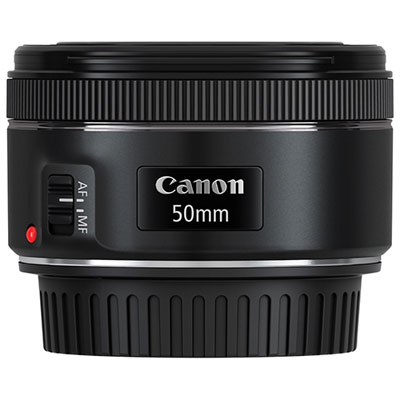 Your price for this item is $169.99
 -
 Your price for this item is $329.99
 -
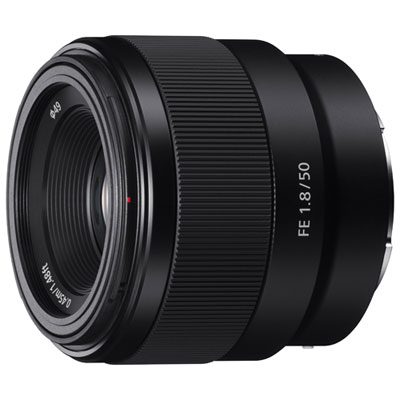 Your price for this item is $349.99
 -
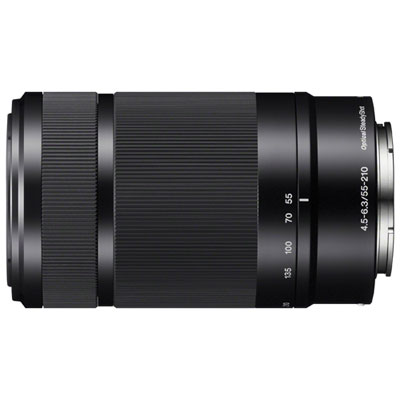 Your price for this item is $399.99
 -
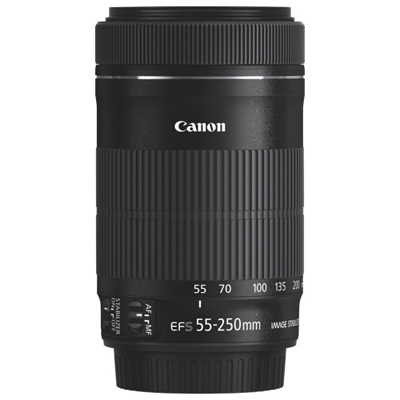 Your price for this item is $399.99
 -
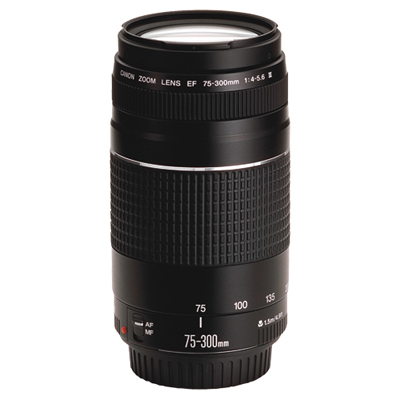 Your price for this item is $199.99
 -
 Your price for this item is $174.99
 -
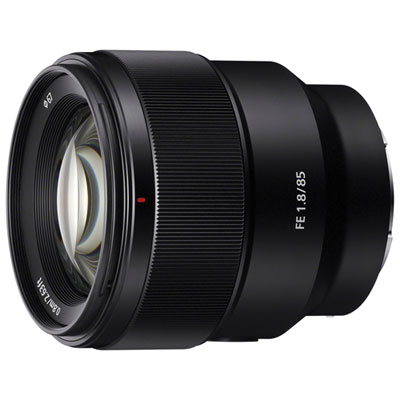 Your price for this item is $749.99
Discover more categories related to Camera Lenses for Portraits
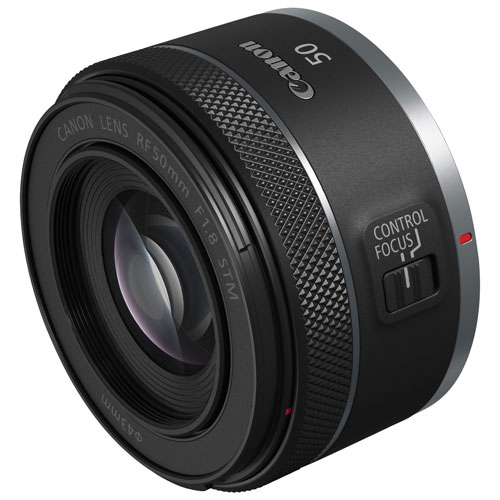
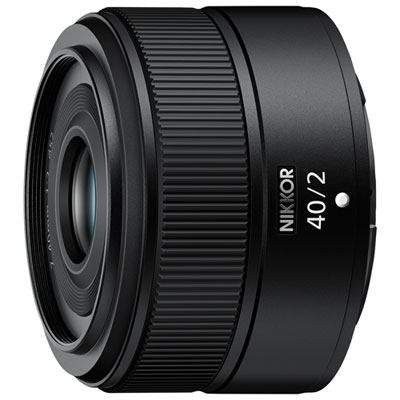
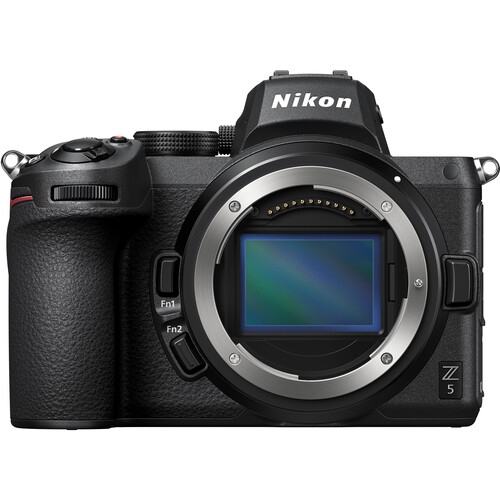
Top Collections:
Pokemon Centers, Kindle Devices, Best Budget Office Chairs, Apple iPhones 16, Best Laptops for Writers, iPhone 15 Apple, Canon G7X Cameras, Refurbished Apple Laptops, Alarm Clock, Motorola Razr Phones
Some products may be subject to Environmental Handling Fees
(EHF) depending on your province.
Learn more about EHFs.