Digital Cameras for Professional Photography
A digital camera will help ensure that your photos are sharp, clear, and free of blur. These cameras will also help ensure that your photos look good on the page or screen. Here are some of our top picks for digital cameras for professional photography.
Sort
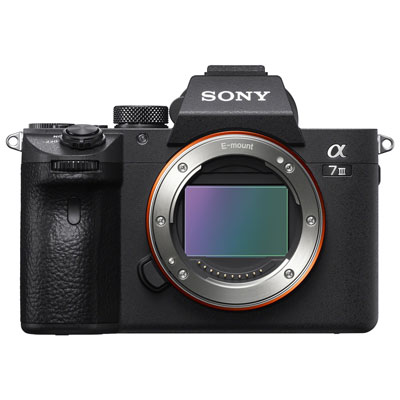
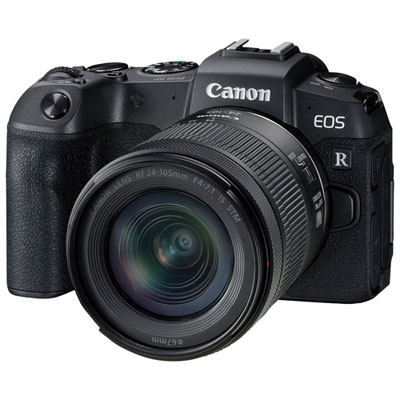

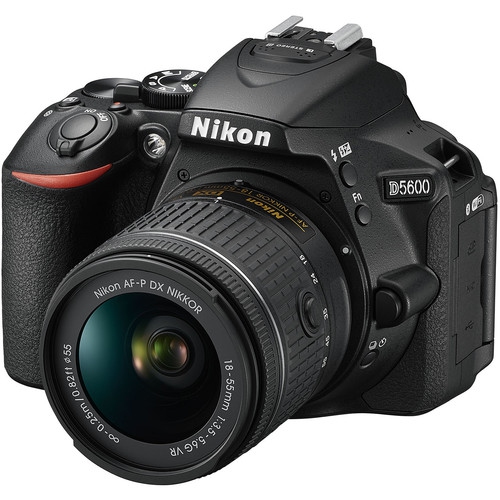
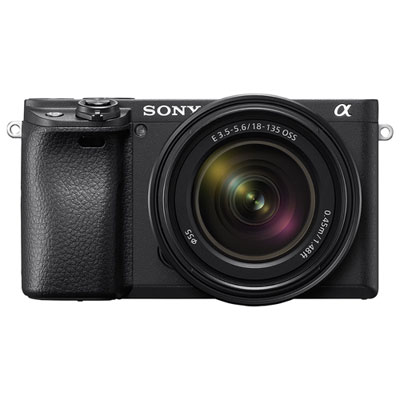
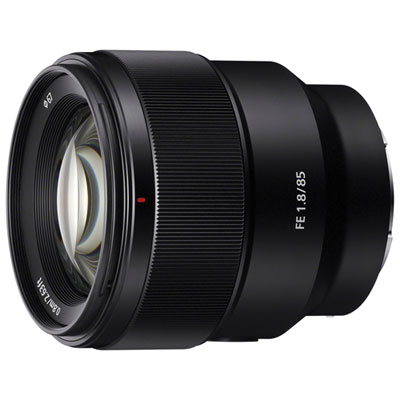
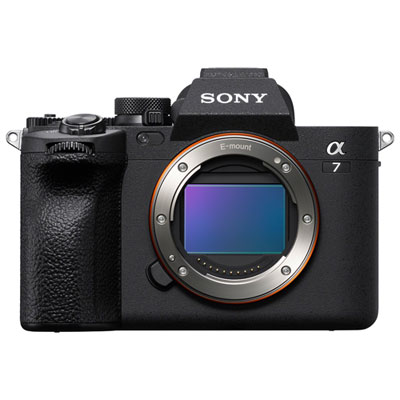
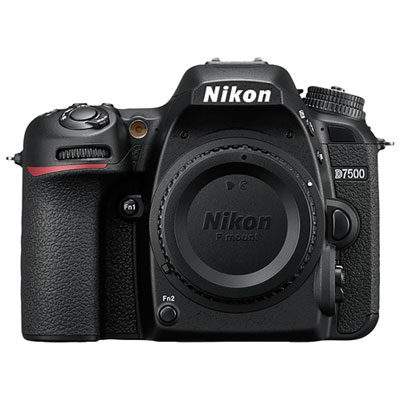
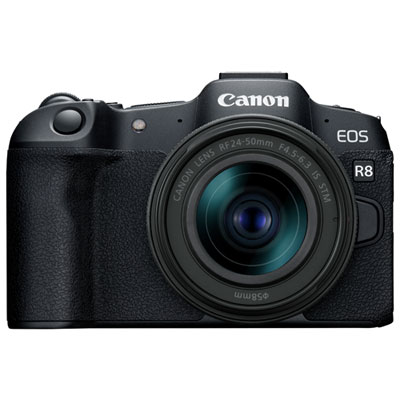
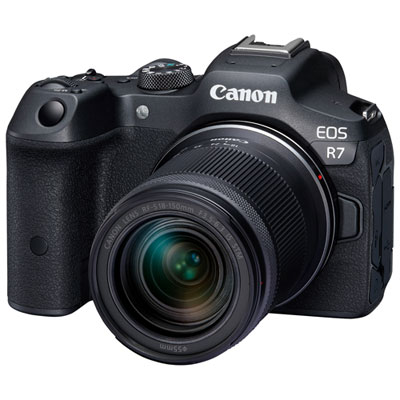
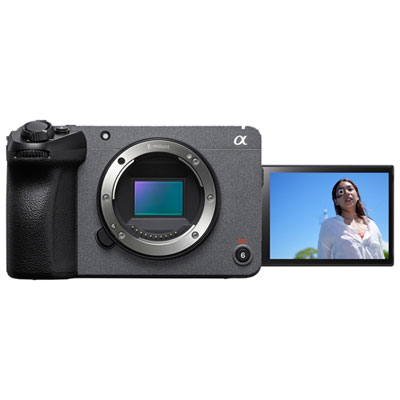
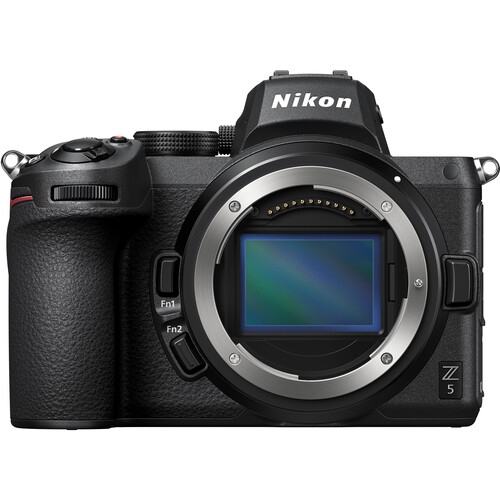
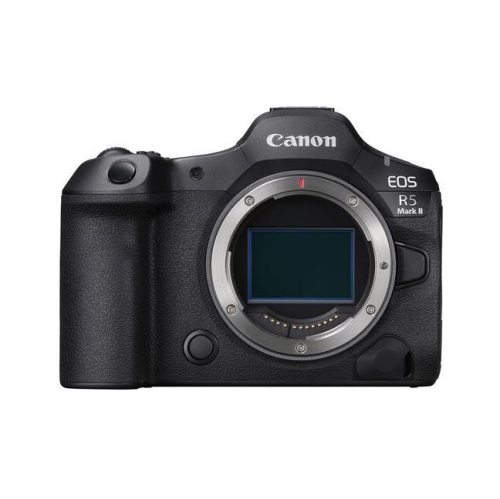
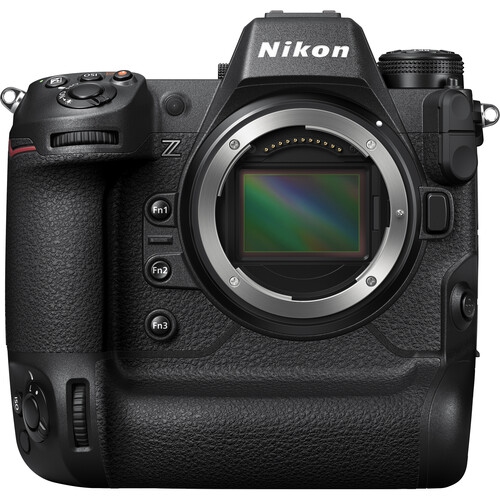
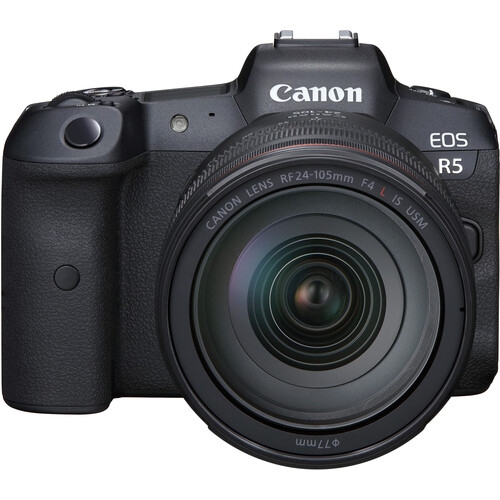
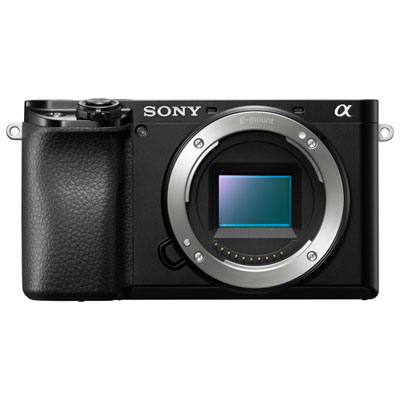
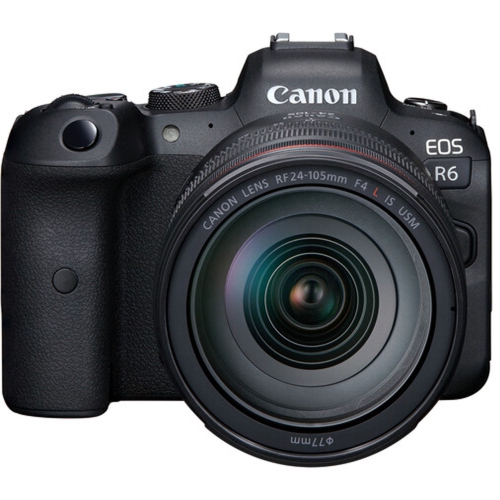
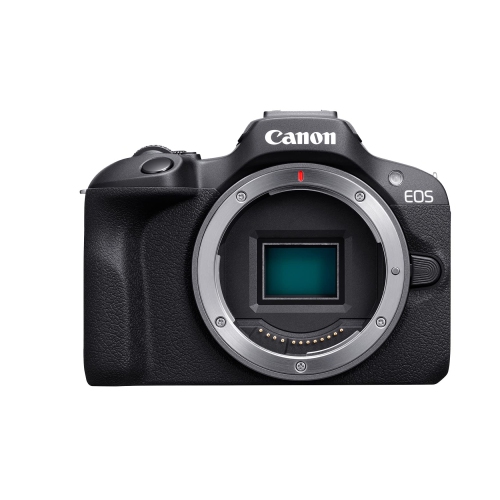
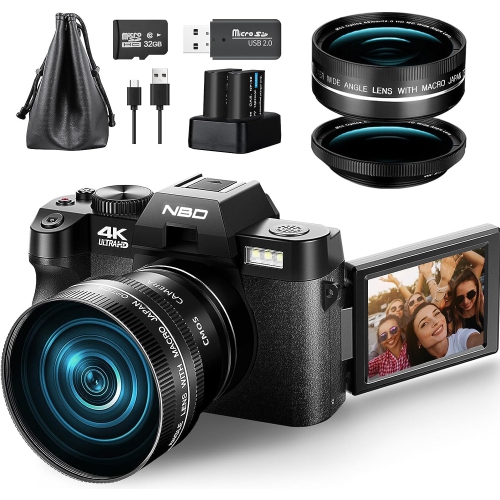
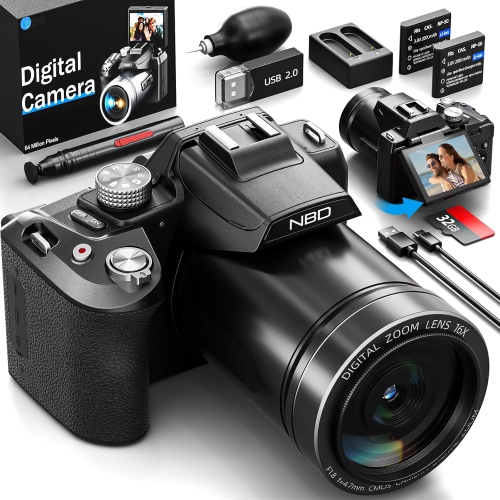
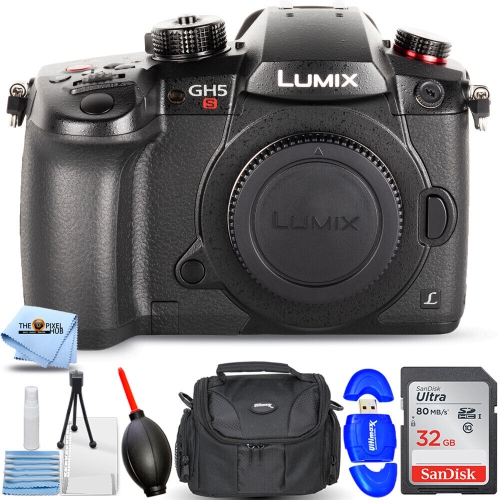
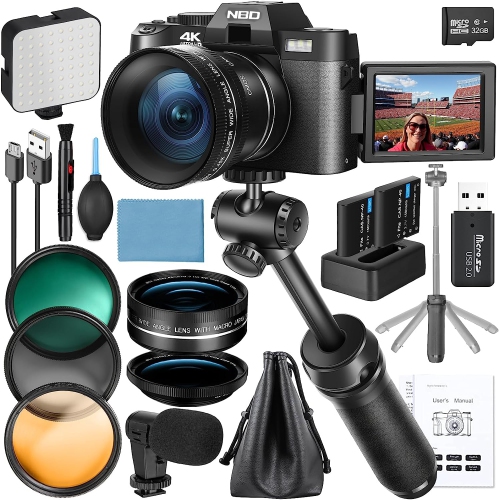
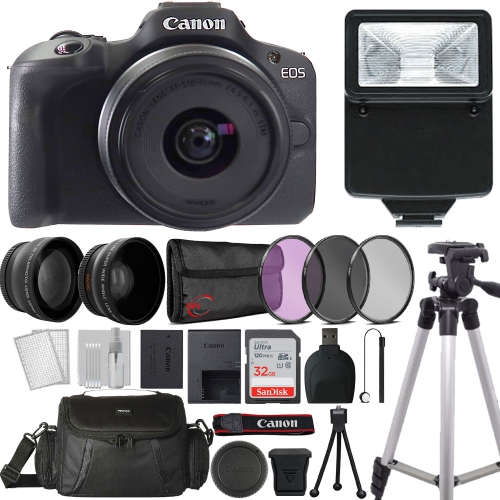
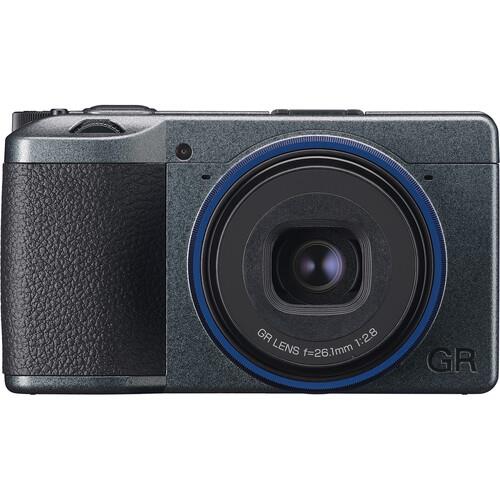
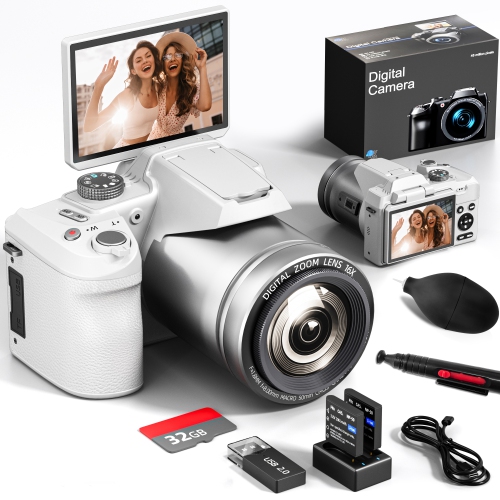
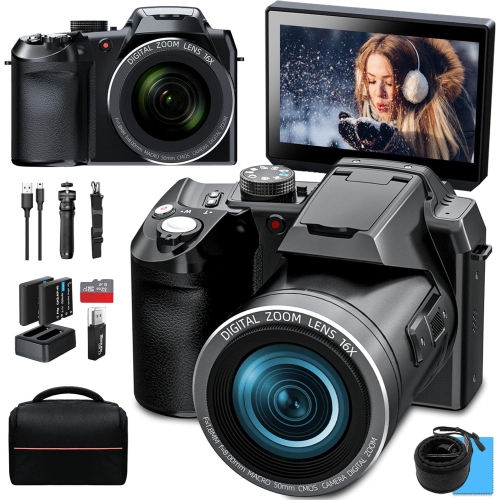
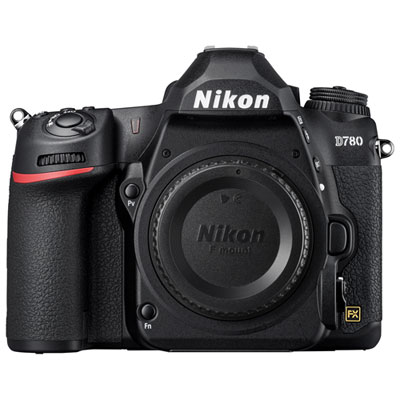
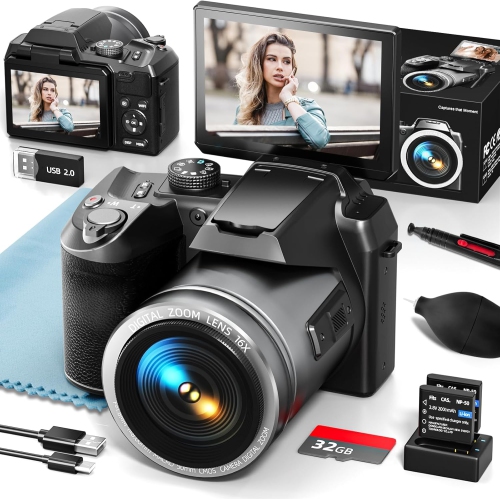
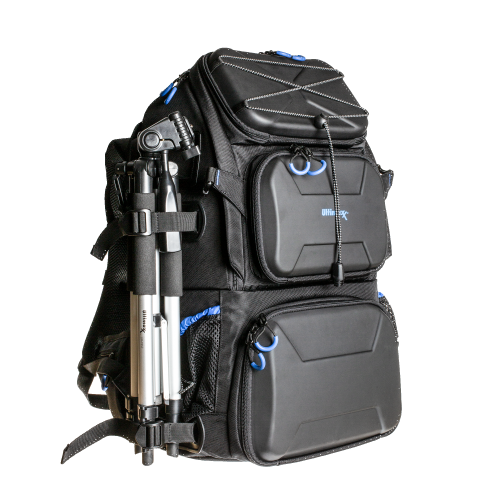
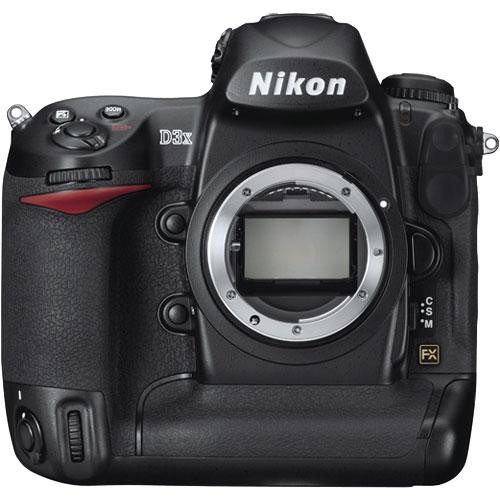
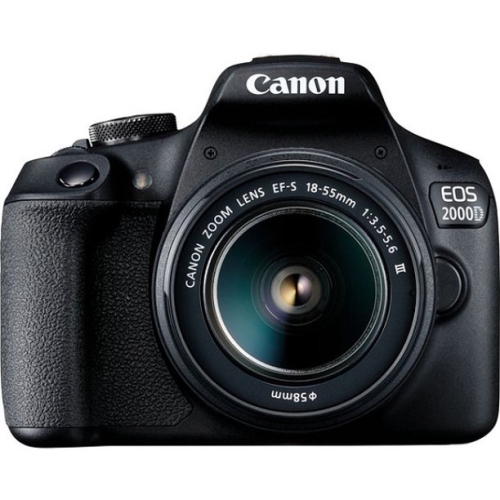
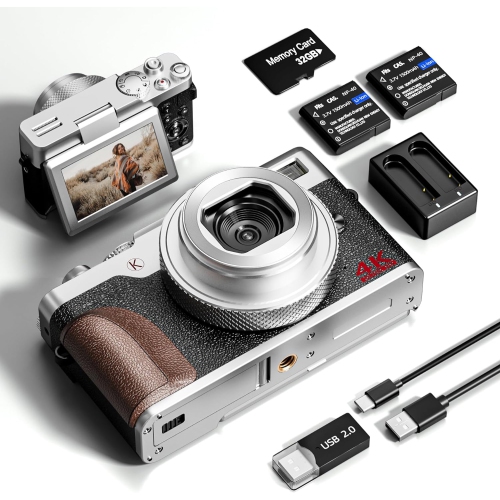

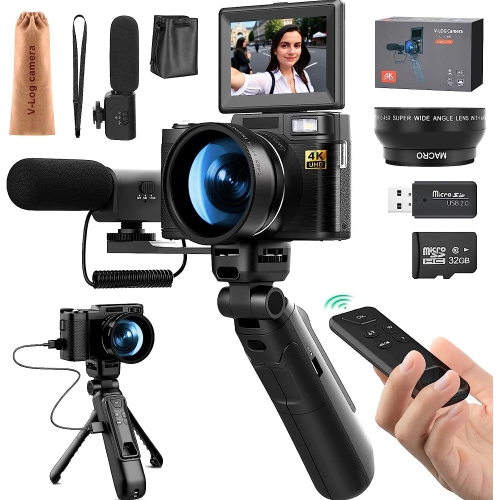
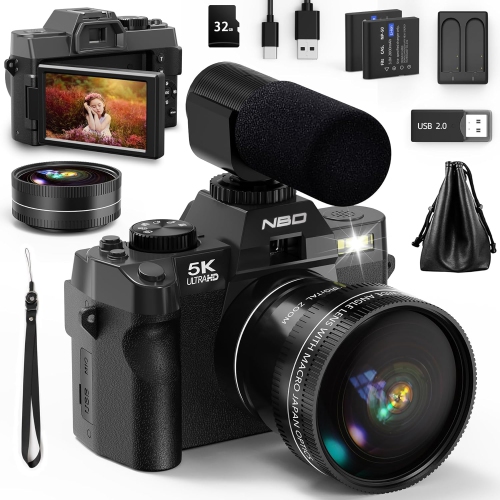
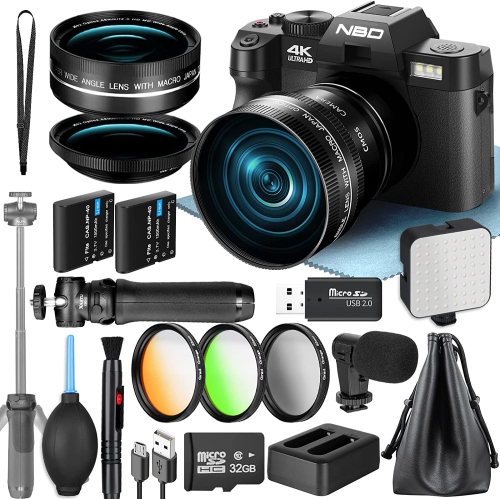
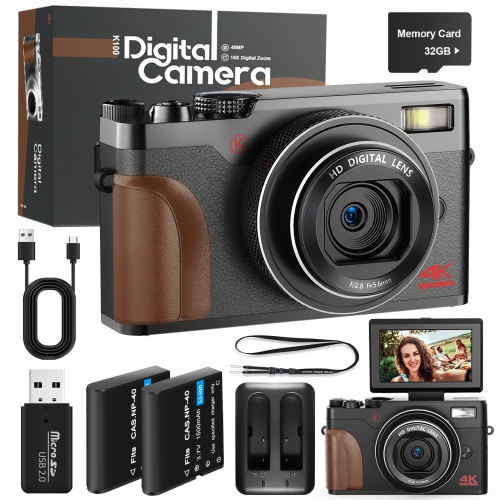
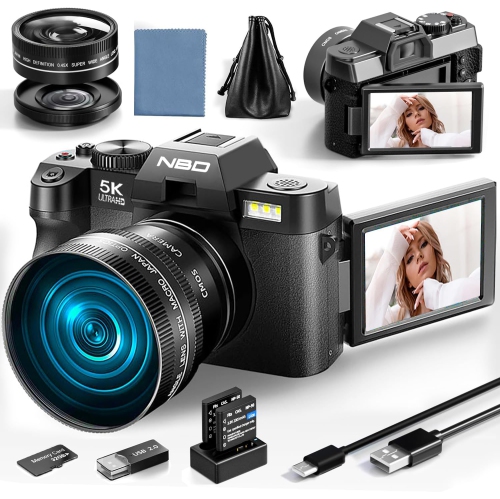
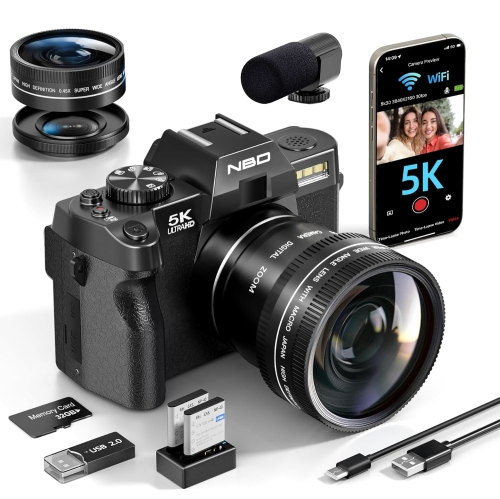
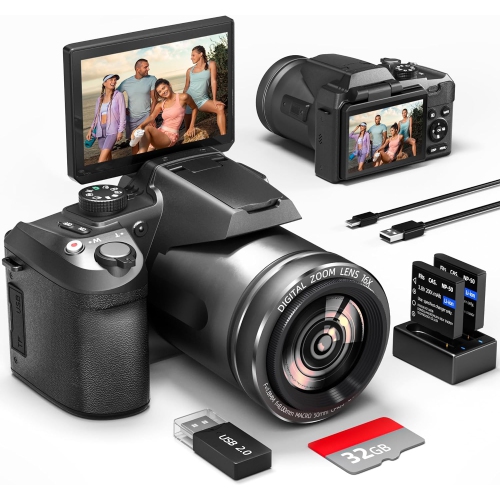
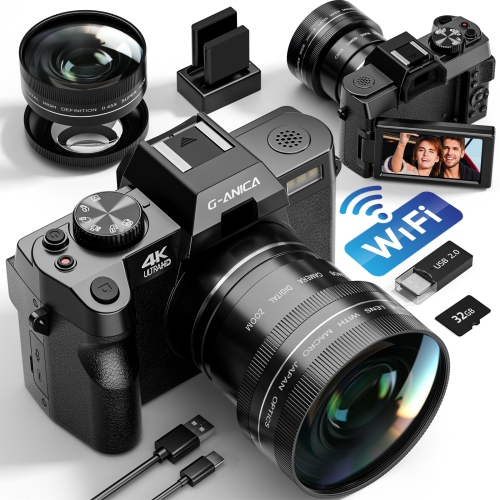
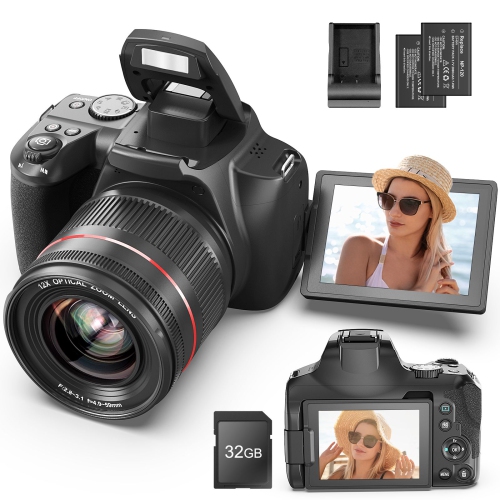
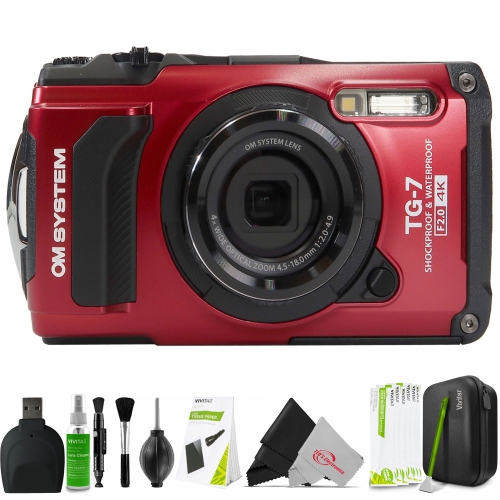
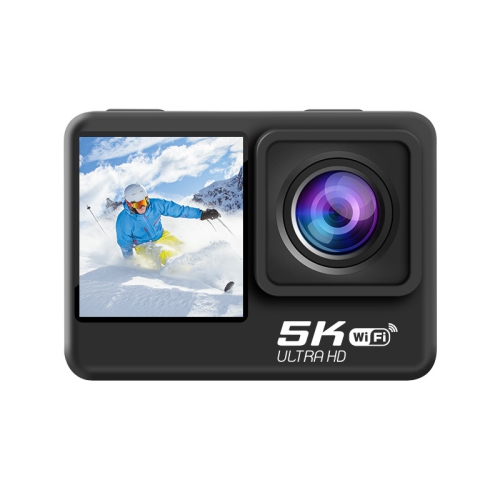
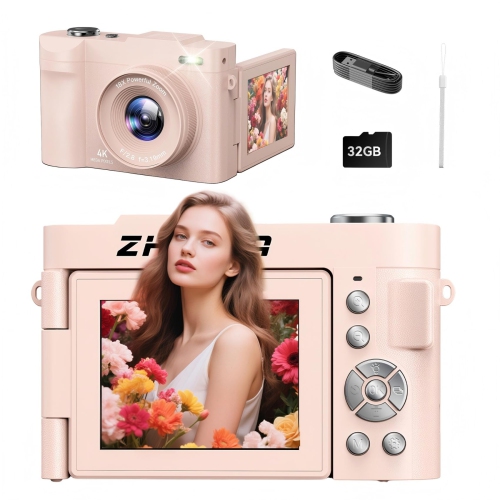
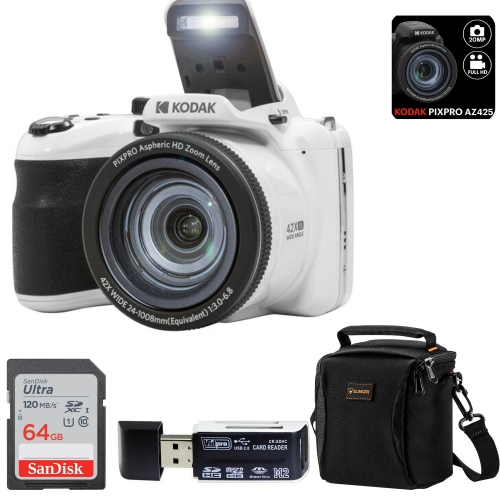
Performance and reliability for demanding creative assignments
Professional photography demands a camera that can keep pace with the way images are created, delivered, and viewed today. A reliable digital camera for professional photography should provide the resolution, responsiveness, colour control, and durability needed for paid assignments, personal projects, and demanding creative work. Full-frame and medium-format sensors are popular choices because their larger surface areas can capture fine detail, broad dynamic range, and smoother tonal transitions, especially in difficult lighting. High resolution is valuable for large prints, commercial layouts, detailed cropping, and clients who need images adapted for multiple formats. It is not the only specification that matters, however. A camera with excellent image quality should also offer a fast processing engine, accurate exposure controls, dependable autofocus, and a comfortable grip that remains easy to handle during a long wedding, studio session, or day in the field. Mirrorless designs are often chosen for their electronic viewfinders, live exposure previews, quiet shooting modes, and compact system layouts, while medium-format systems appeal to photographers who place exceptional emphasis on depth, texture, and subtle colour gradation. When comparing options in Cameras For Professional Photography, consider the kinds of images you make most often and the working conditions you regularly encounter. A landscape photographer may prioritize high resolution, dynamic range, image stabilization, and a tilting display for low or high viewpoints. A portrait photographer may look for natural skin-tone rendering, precise eye detection, and gentle control over focus and background separation. A sports, wildlife, or photojournalism professional may need rapid continuous shooting, a responsive viewfinder, deep buffers, and subject recognition that can follow a moving person, animal, or vehicle through a busy frame. For studio and commercial work, tethering support, dependable colour reproduction, dual card slots, and straightforward control of lighting and exposure can make a meaningful difference from one assignment to the next.
Build quality is another important part of a professional camera system. A magnesium-alloy body and extensive weather sealing can provide reassurance when a shoot takes place near blowing dust, light rain, snow, or changing temperatures, although protective care is still essential in harsh conditions. Dual memory card slots are especially useful for important assignments because they can record a backup copy as images are captured, helping reduce the impact of a damaged or misplaced card. Check the card formats supported by the camera, along with write speeds and capacity recommendations, particularly if you plan to capture high-resolution files, bursts of action, or both still images and video. Battery life also deserves attention: long ceremonies, outdoor sessions, and travel work may leave few opportunities to recharge, so removable batteries, USB charging, and portable power compatibility can be practical advantages. Autofocus systems have become increasingly sophisticated, with deep-learning recognition designed to identify eyes, faces, animals, vehicles, and other subjects, but a professional workflow still benefits from flexible focus-area controls and the ability to switch quickly between automatic tracking and deliberate manual selection. Image stabilization can help when photographing handheld in dim interiors, at dusk, or with a slower shutter speed, while a wide sensitivity range offers flexibility as the light changes from a bright outdoor scene to a shadowed reception hall. Look closely at the viewfinder resolution and refresh rate, display articulation, button placement, menu layout, and connection options as well. Small details such as a dedicated exposure dial, a customizable function button, or a screen that tilts for a low-angle composition can save time and help you stay focused on the scene rather than the equipment.
Digital cameras for professional photography can serve many different kinds of creators, from established working photographers and independent contractors to visual artists, content creators, educators, and enthusiasts building a serious portfolio. They may be used to photograph editorial assignments, family celebrations, product launches, architecture, performances, landscapes, food, fashion, pets, or fast-moving sporting events. The right camera can also be a thoughtful gift for a graduate entering a photography programme, a creative professional expanding into paid work, or a dedicated hobbyist preparing for a milestone trip or long-planned project. A camera body is only one part of the system, so check compatibility with the lenses and accessories the recipient already owns or hopes to use. Lens selection influences the final look as much as the camera itself: wide-angle lenses suit interiors, architecture, and expansive landscapes; standard and short-telephoto lenses are versatile for portraits and everyday assignments; and longer telephoto options help bring distant wildlife or athletic action closer without interrupting the scene. Flash systems, tripods, filters, extra batteries, memory cards, protective bags, and external microphones may also become important as a photographer’s work develops. During the warmer season, a rugged kit can follow a photographer through outdoor ceremonies, travel, and golden-hour portraits; during cooler months, quick controls, reliable batteries, and weather-conscious handling become especially valuable for street scenes, indoor events, and winter landscapes. Before choosing, balance image quality with size, weight, operating comfort, file storage needs, and the cost of building a complete system. A camera that feels natural in the hand, responds predictably, and supports the photographer’s preferred way of working is more likely to become a trusted creative tool for years of assignments and memorable images.
Build quality is another important part of a professional camera system. A magnesium-alloy body and extensive weather sealing can provide reassurance when a shoot takes place near blowing dust, light rain, snow, or changing temperatures, although protective care is still essential in harsh conditions. Dual memory card slots are especially useful for important assignments because they can record a backup copy as images are captured, helping reduce the impact of a damaged or misplaced card. Check the card formats supported by the camera, along with write speeds and capacity recommendations, particularly if you plan to capture high-resolution files, bursts of action, or both still images and video. Battery life also deserves attention: long ceremonies, outdoor sessions, and travel work may leave few opportunities to recharge, so removable batteries, USB charging, and portable power compatibility can be practical advantages. Autofocus systems have become increasingly sophisticated, with deep-learning recognition designed to identify eyes, faces, animals, vehicles, and other subjects, but a professional workflow still benefits from flexible focus-area controls and the ability to switch quickly between automatic tracking and deliberate manual selection. Image stabilization can help when photographing handheld in dim interiors, at dusk, or with a slower shutter speed, while a wide sensitivity range offers flexibility as the light changes from a bright outdoor scene to a shadowed reception hall. Look closely at the viewfinder resolution and refresh rate, display articulation, button placement, menu layout, and connection options as well. Small details such as a dedicated exposure dial, a customizable function button, or a screen that tilts for a low-angle composition can save time and help you stay focused on the scene rather than the equipment.
Digital cameras for professional photography can serve many different kinds of creators, from established working photographers and independent contractors to visual artists, content creators, educators, and enthusiasts building a serious portfolio. They may be used to photograph editorial assignments, family celebrations, product launches, architecture, performances, landscapes, food, fashion, pets, or fast-moving sporting events. The right camera can also be a thoughtful gift for a graduate entering a photography programme, a creative professional expanding into paid work, or a dedicated hobbyist preparing for a milestone trip or long-planned project. A camera body is only one part of the system, so check compatibility with the lenses and accessories the recipient already owns or hopes to use. Lens selection influences the final look as much as the camera itself: wide-angle lenses suit interiors, architecture, and expansive landscapes; standard and short-telephoto lenses are versatile for portraits and everyday assignments; and longer telephoto options help bring distant wildlife or athletic action closer without interrupting the scene. Flash systems, tripods, filters, extra batteries, memory cards, protective bags, and external microphones may also become important as a photographer’s work develops. During the warmer season, a rugged kit can follow a photographer through outdoor ceremonies, travel, and golden-hour portraits; during cooler months, quick controls, reliable batteries, and weather-conscious handling become especially valuable for street scenes, indoor events, and winter landscapes. Before choosing, balance image quality with size, weight, operating comfort, file storage needs, and the cost of building a complete system. A camera that feels natural in the hand, responds predictably, and supports the photographer’s preferred way of working is more likely to become a trusted creative tool for years of assignments and memorable images.
Top selling and popular products
-
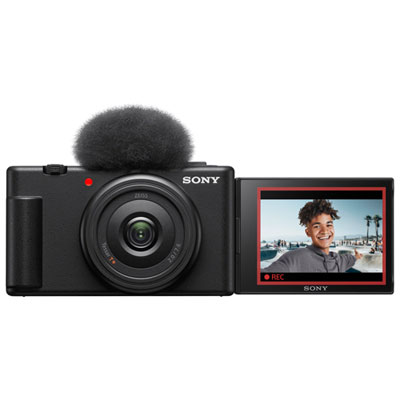 Your price for this item is $649.99
 -
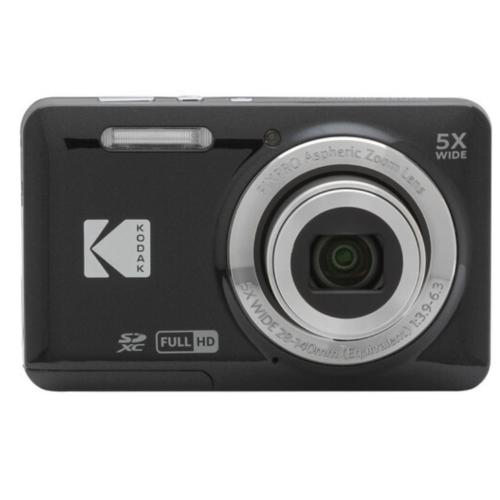 Your price for this item is $253
 -
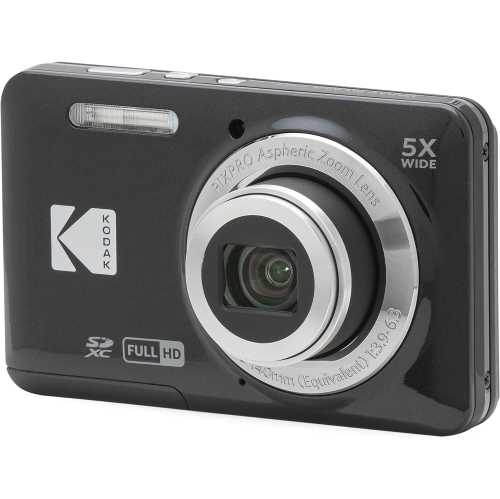 Your price for this item is $255
 -
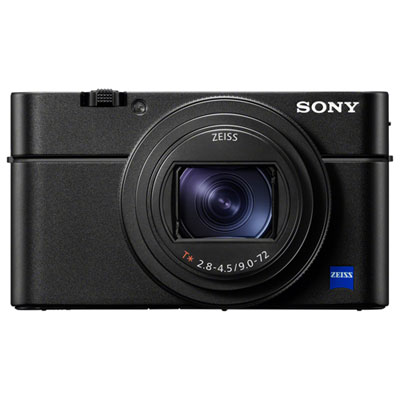 Your price for this item is $1999.99
 -
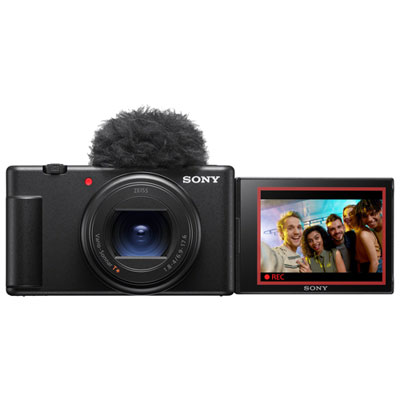 Your price for this item is $1199.99
 -
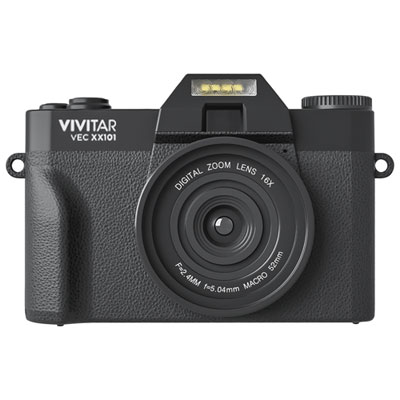 Your price for this item is $199.99
 -
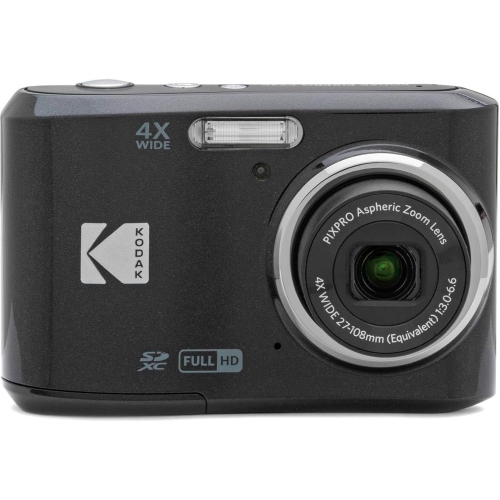 Your price for this item is $185
 -
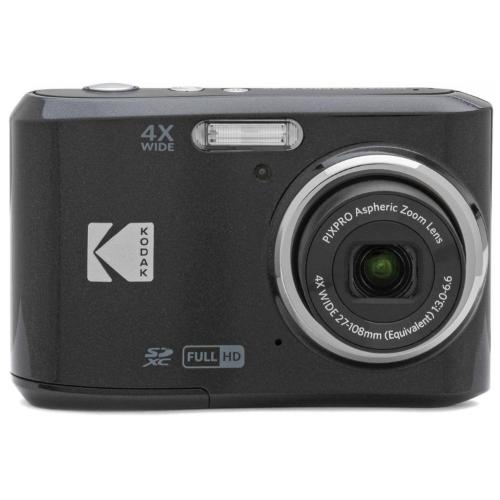 Your price for this item is $278
Discover more categories related to Digital Cameras for Professional Photography
Top Collections:
Pokemon Centers, Kindle Devices, Best Budget Office Chairs, Apple iPhones 16, Best Laptops for Writers, iPhone 15 Apple, Canon G7X Cameras, Refurbished Apple Laptops, Alarm Clock, Motorola Razr Phones
Some products may be subject to Environmental Handling Fees
(EHF) depending on your province.
Learn more about EHFs.