Mirrorless 4k Cameras
Capture every detail in stunning clarity with our selection of mirrorless 4K cameras. These cutting-edge devices combine the versatility of mirrorless technology with the incredible resolution of 4K video, giving you the power to create breathtaking visuals like never before. Whether you're a professional photographer looking to upgrade your gear or an enthusiast wanting to take your creativity to new heights, our range of mirrorless 4K cameras is sure to meet your needs. With advanced features and intuitive controls, these cameras offer a seamless shooting experience that will elevate your photography and videography to new levels.
Sort
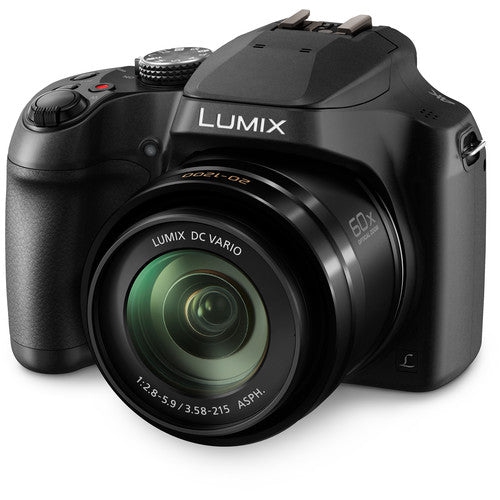
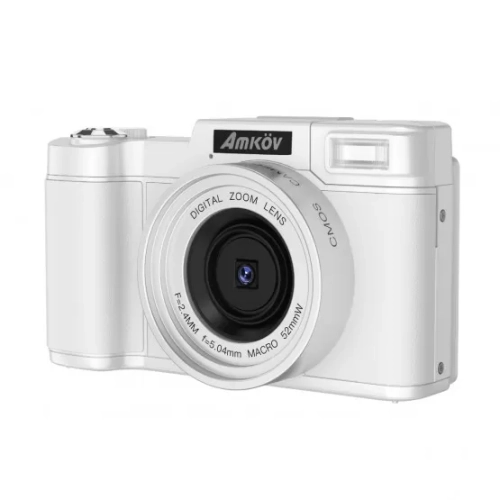
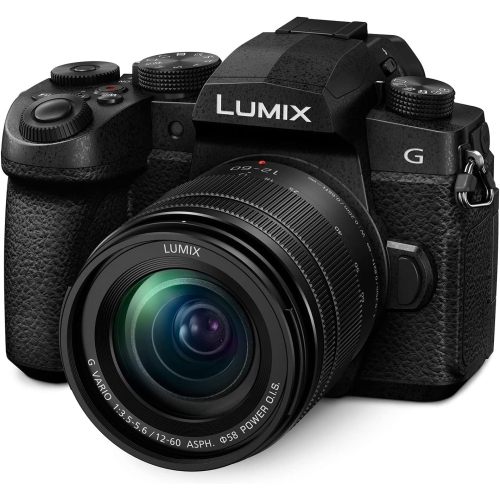
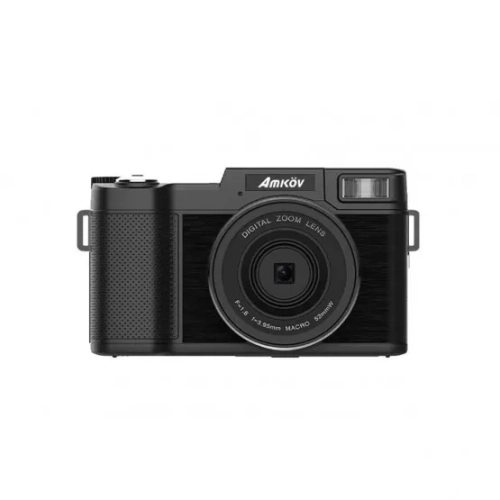
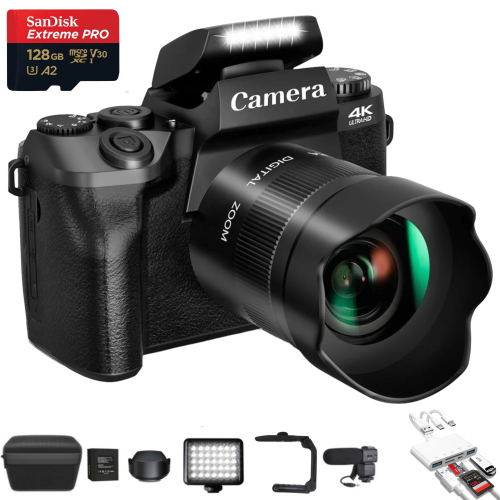
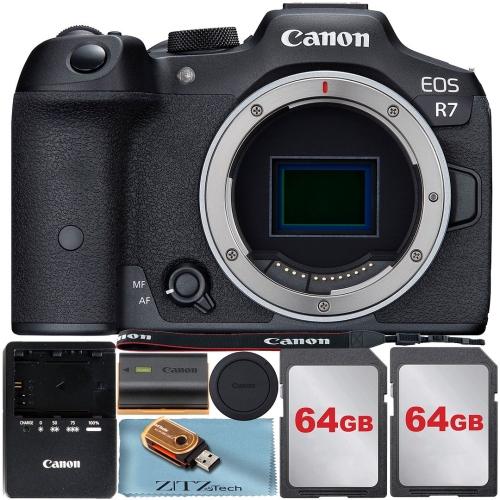
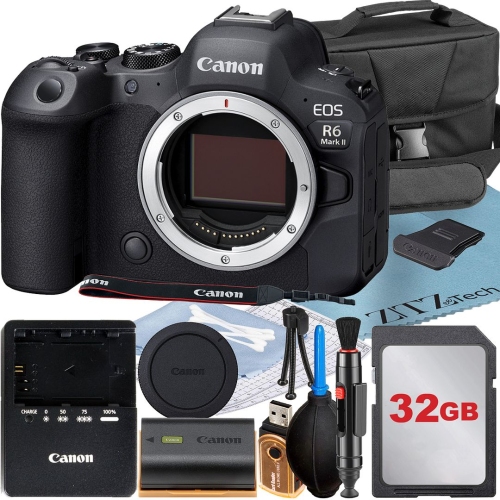
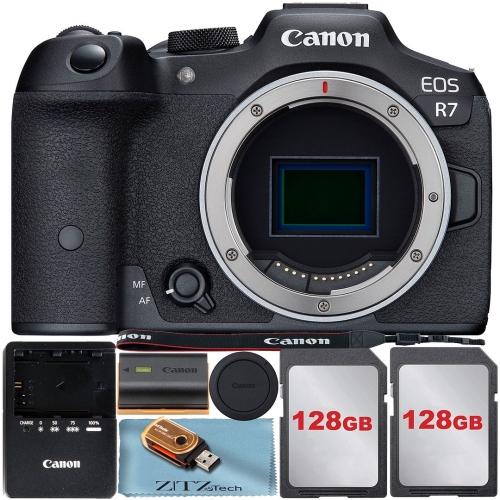
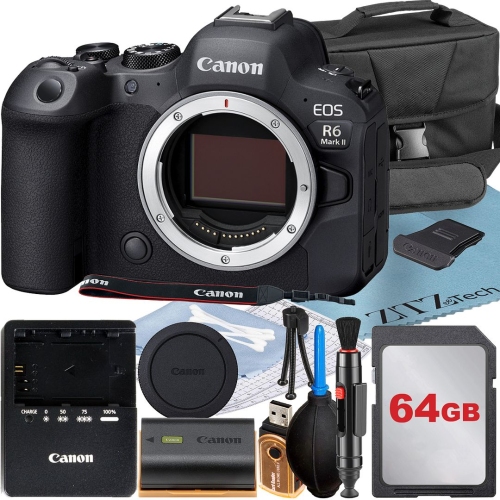
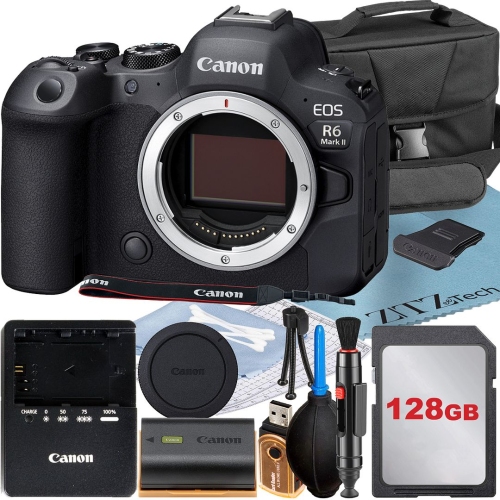
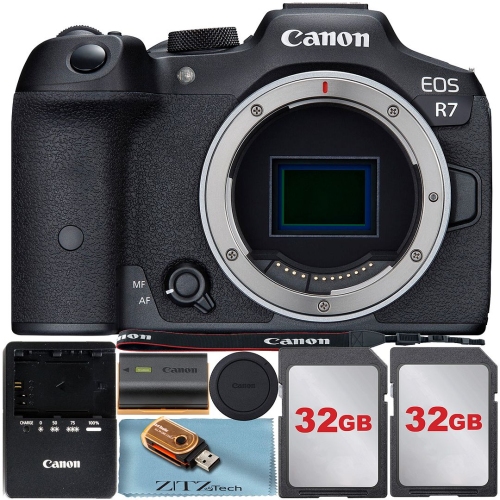
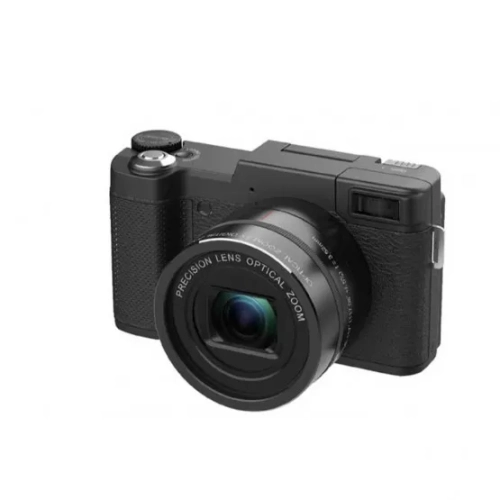
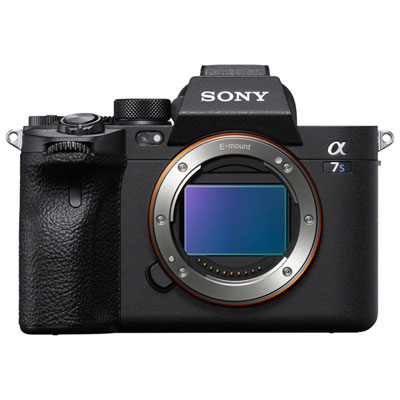
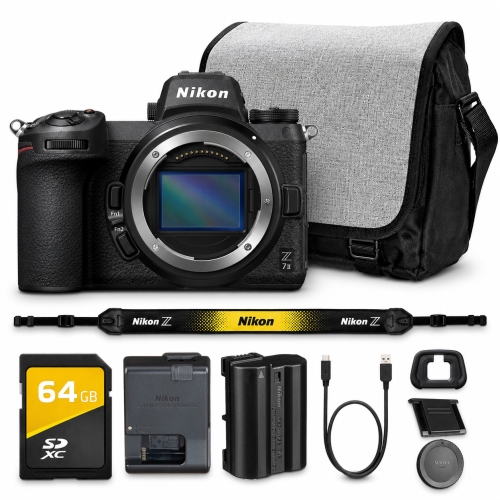
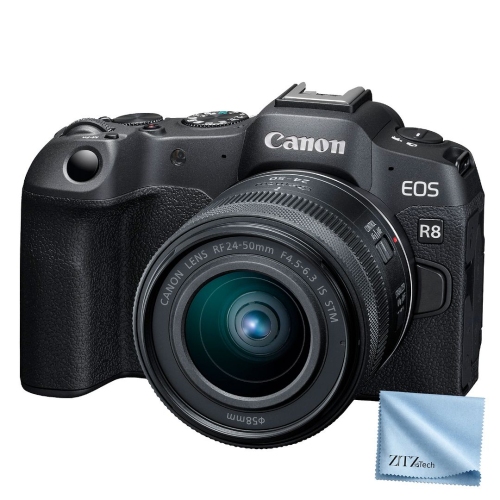
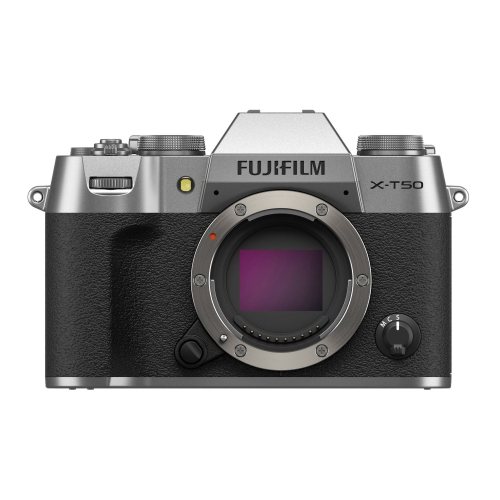
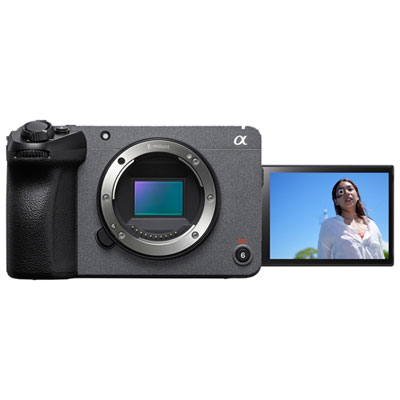
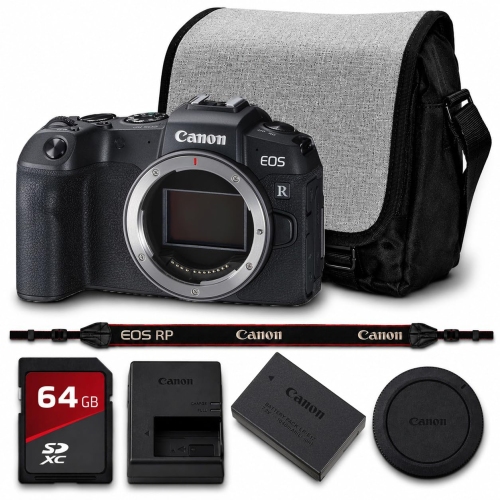
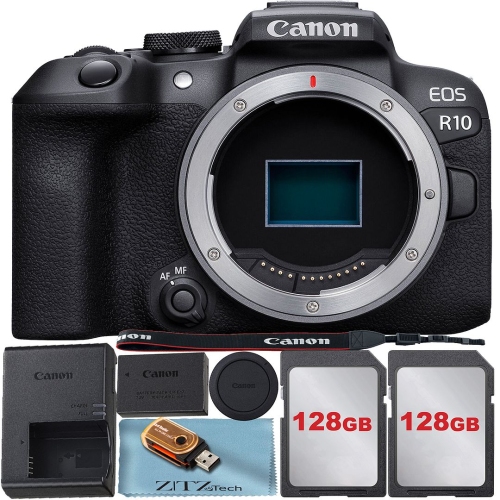
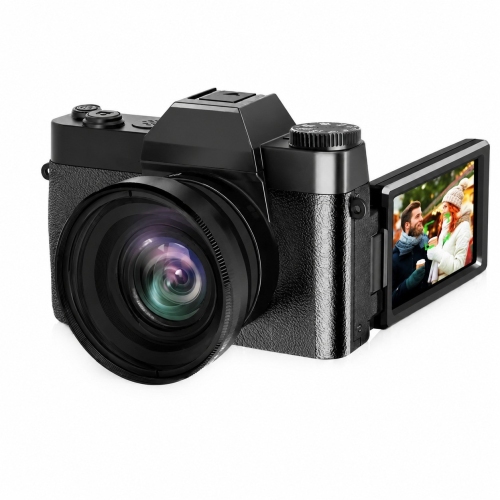
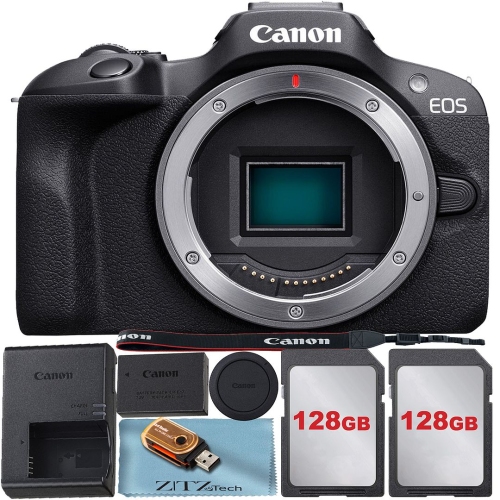
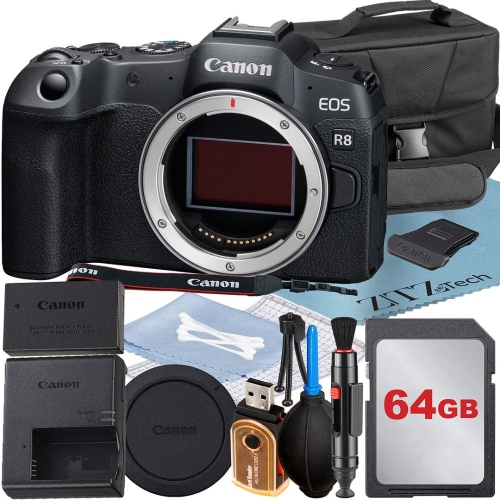
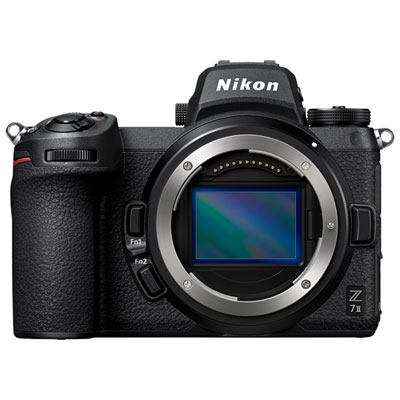
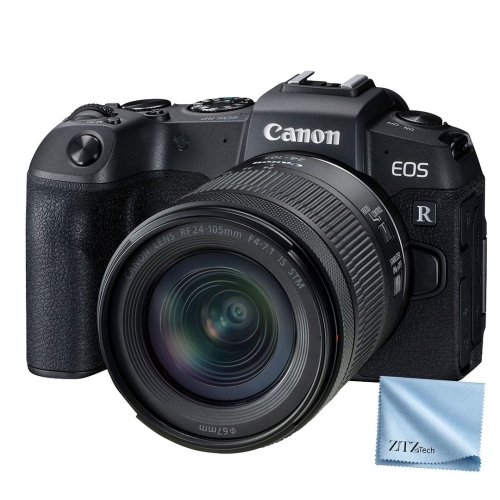
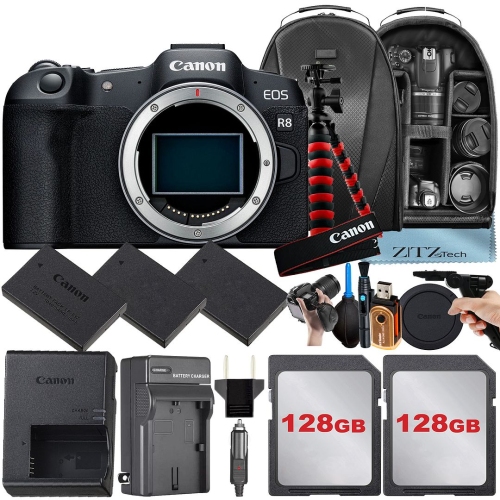
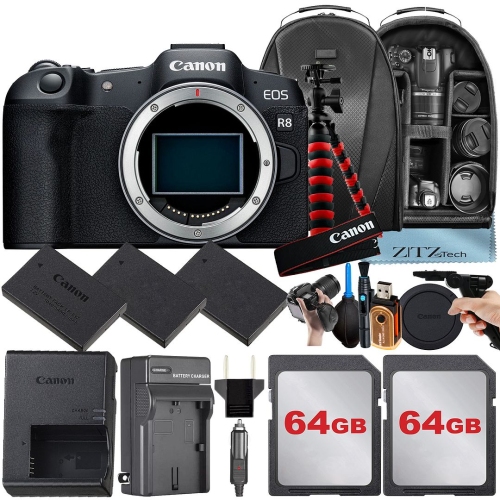
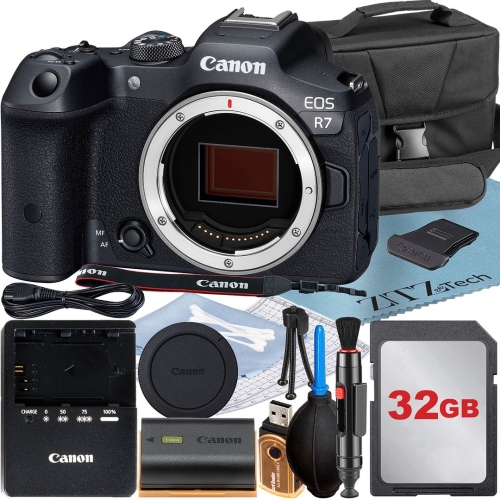
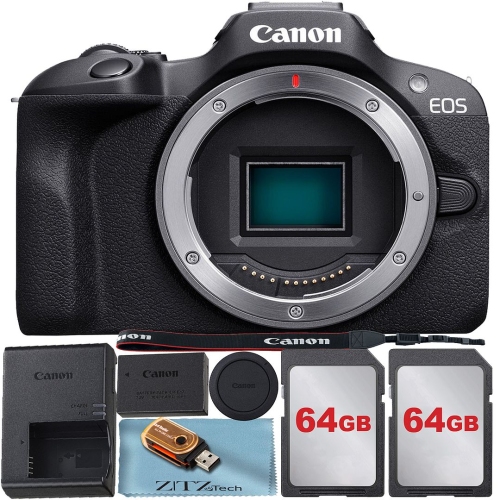
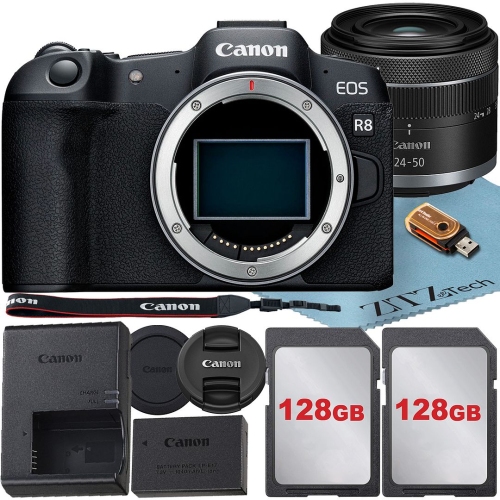
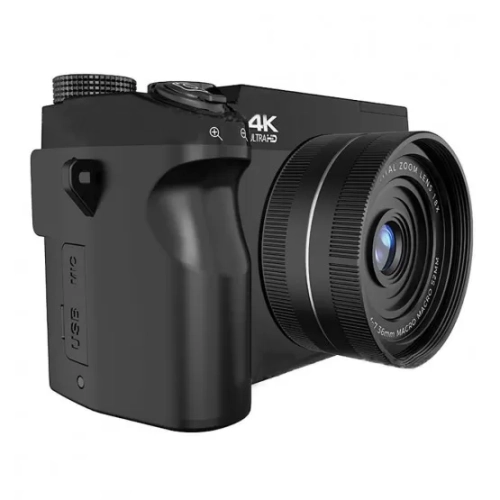
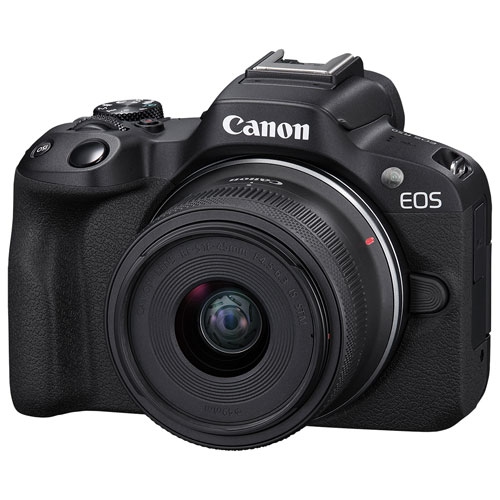
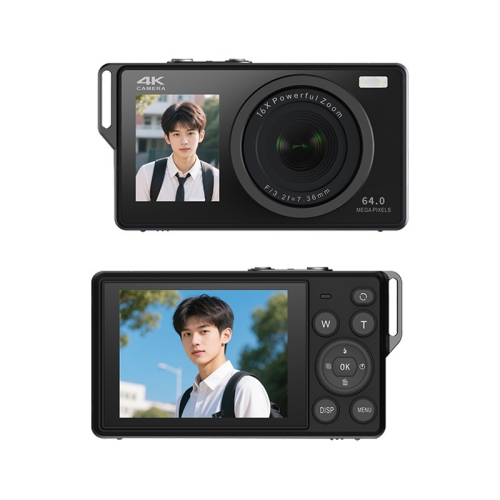
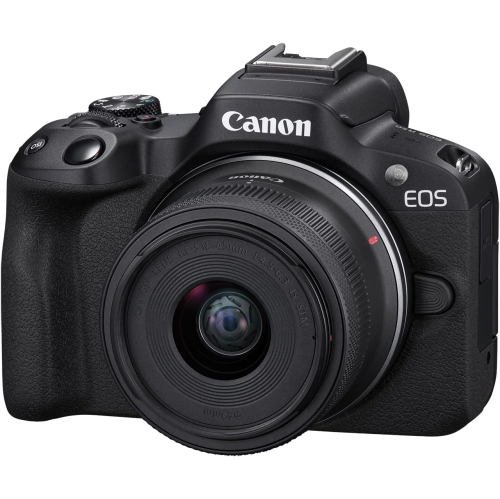
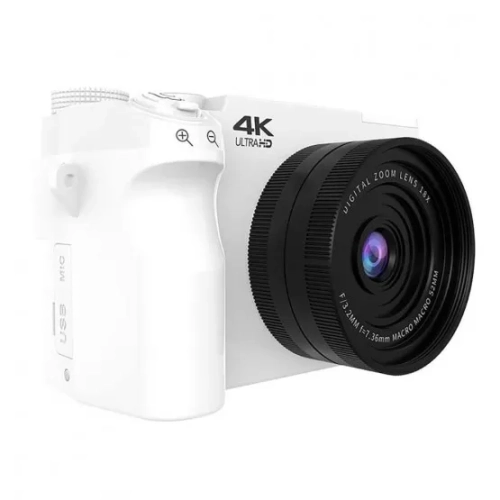
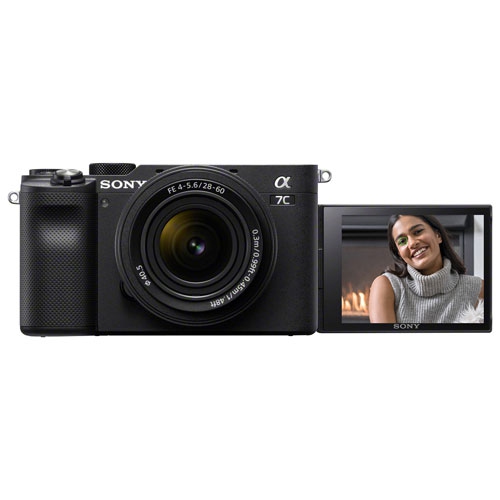
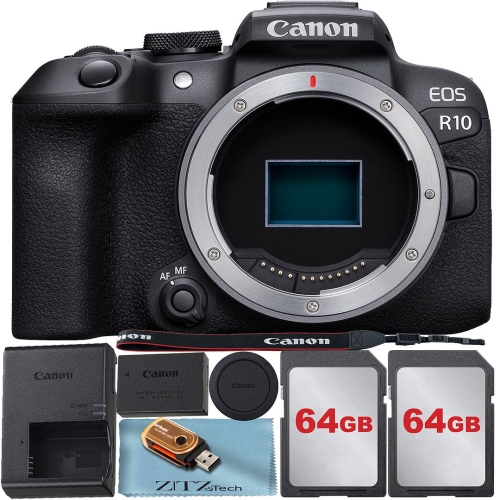
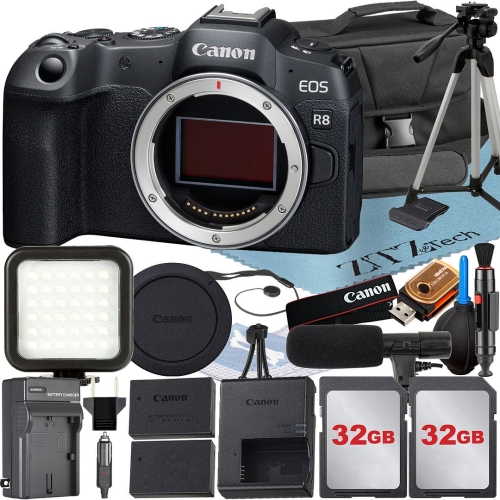
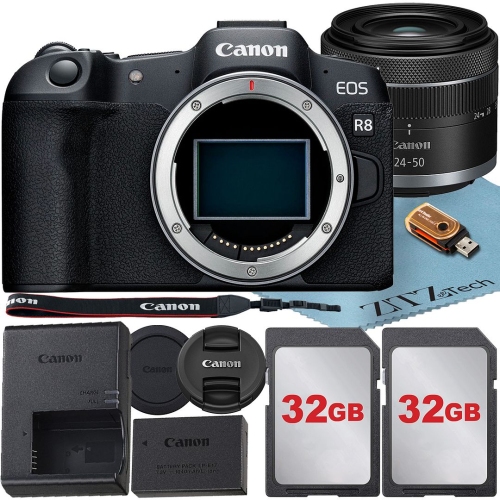
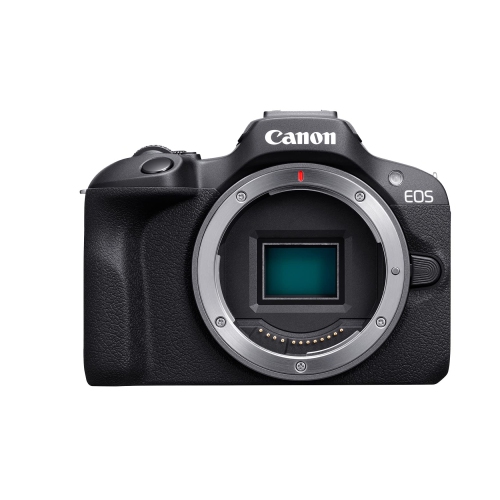
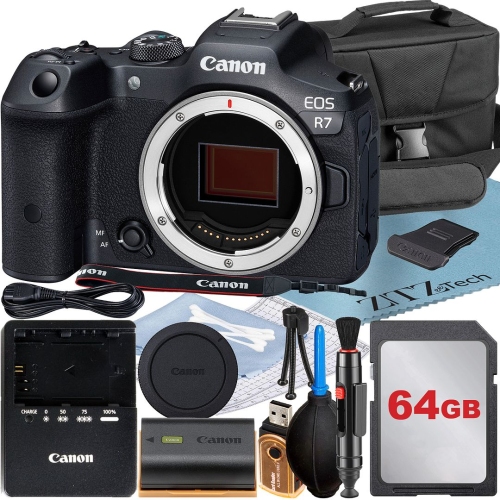
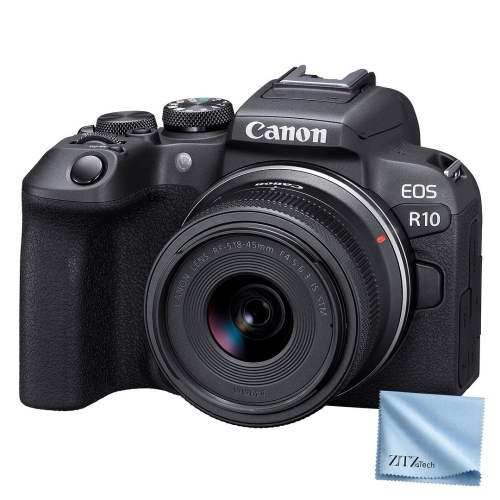
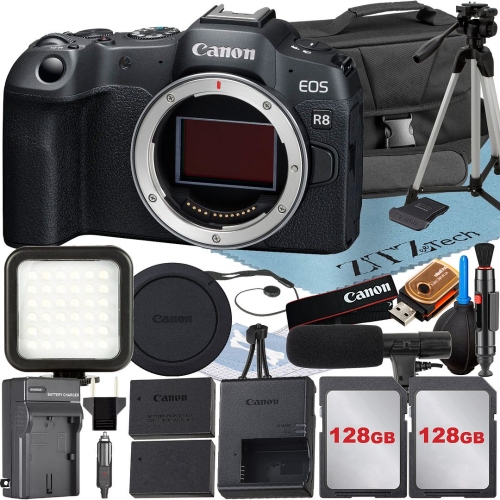
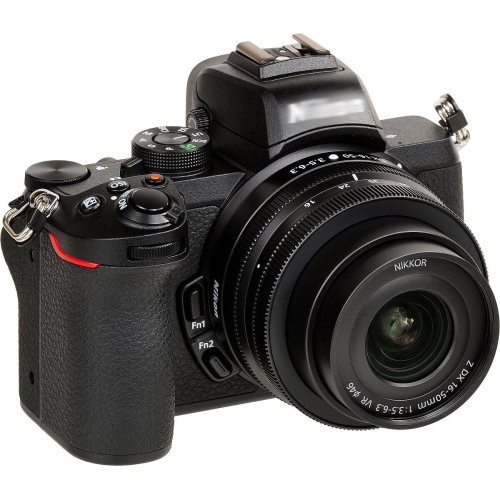
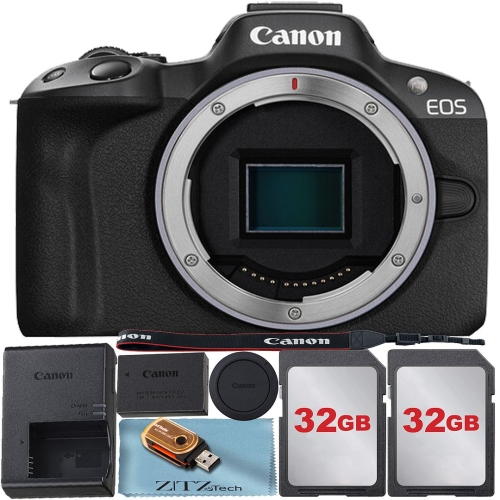
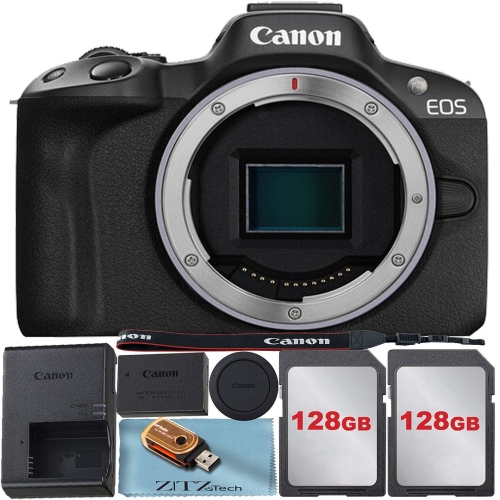
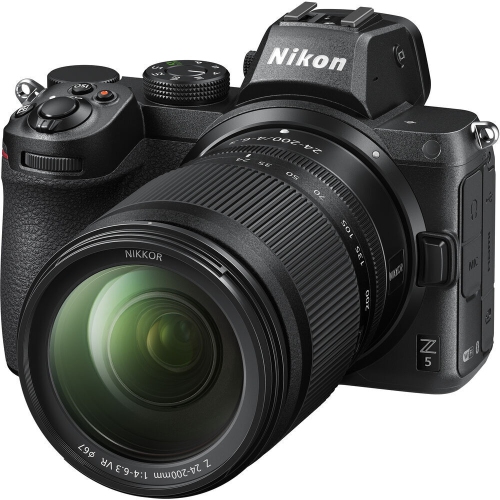
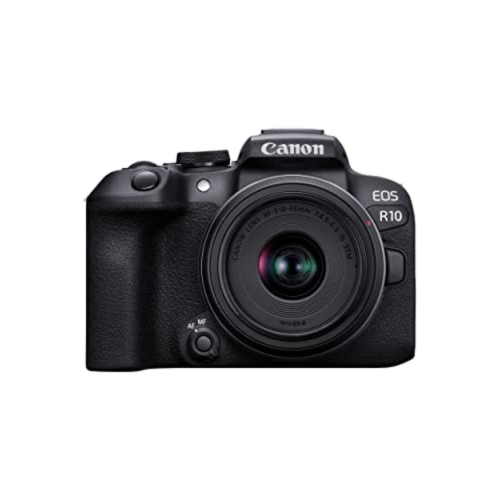
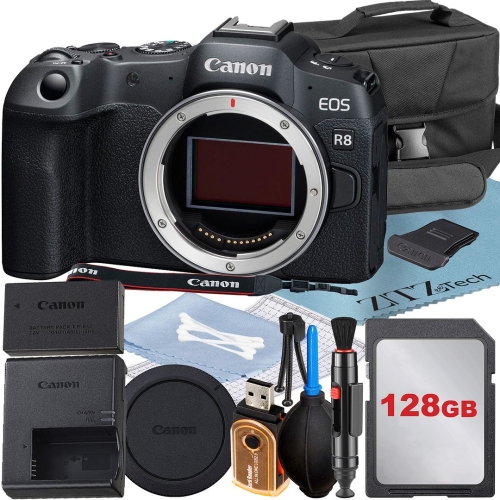
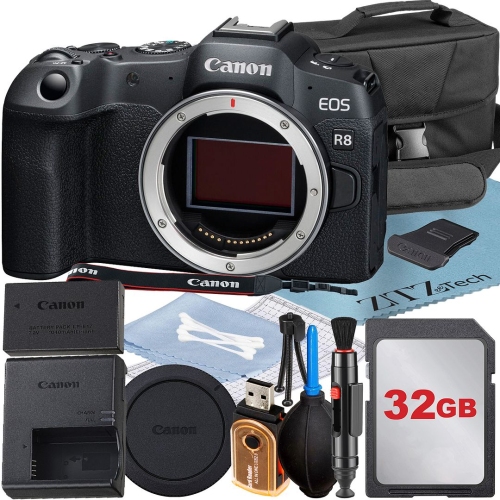
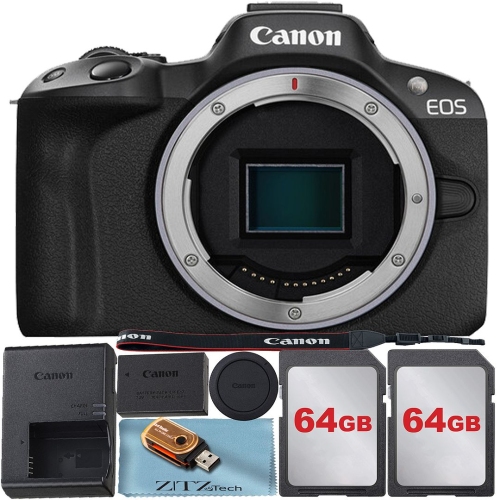
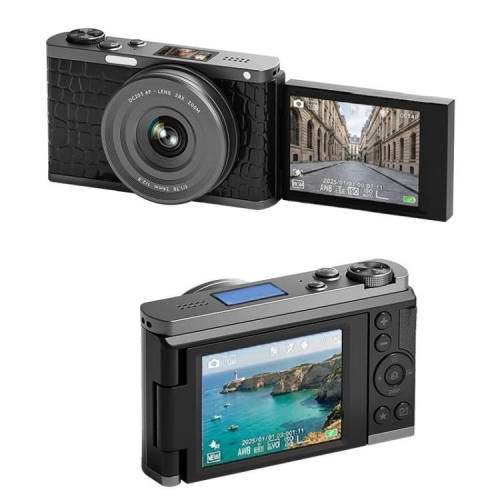
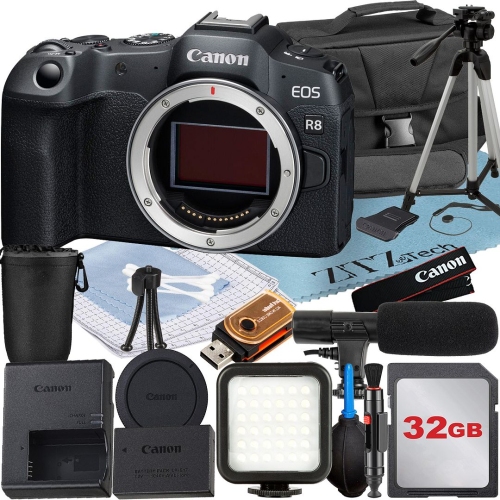
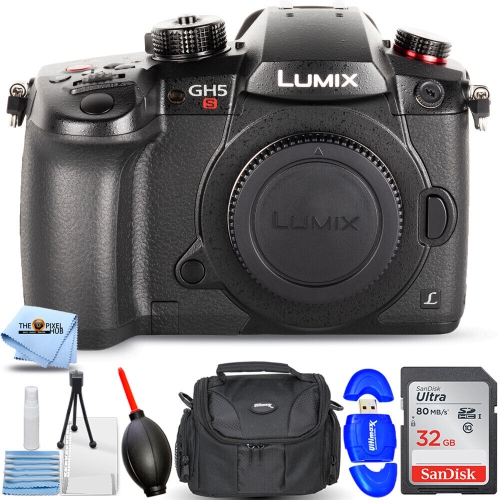
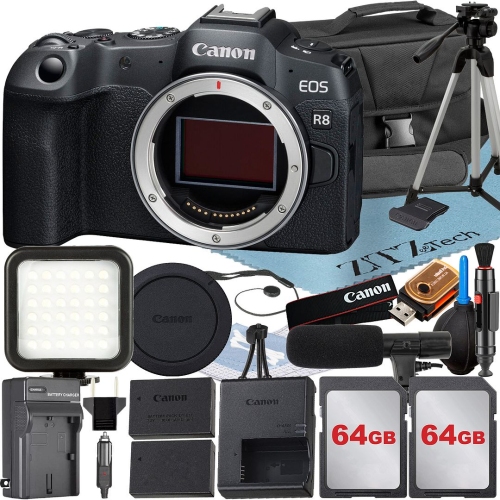
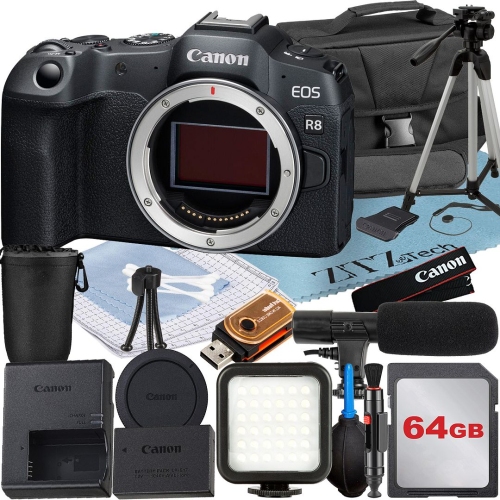
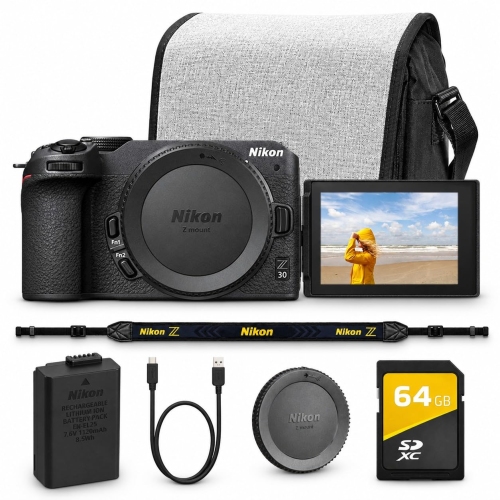
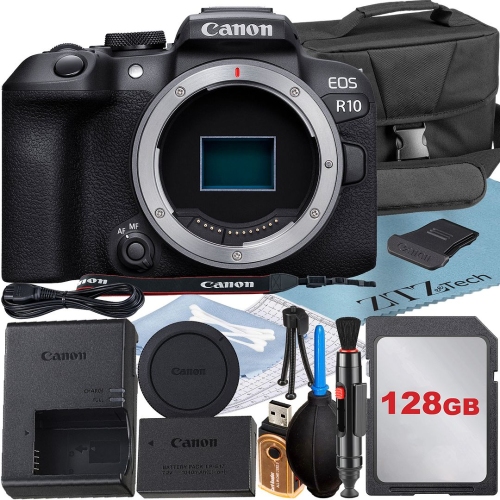
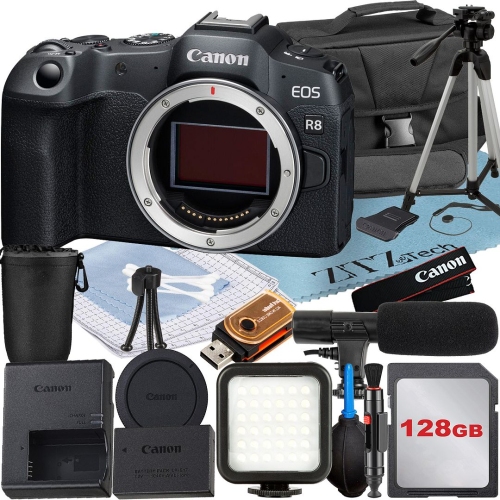
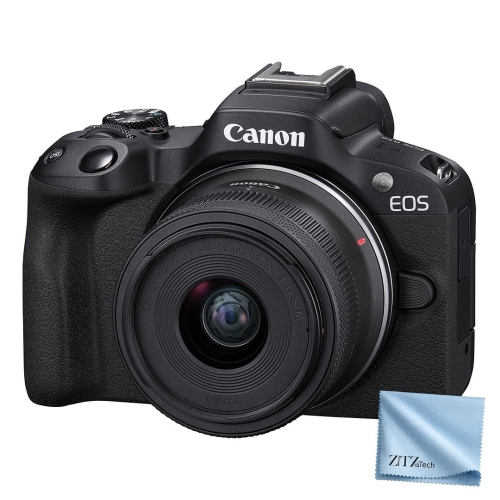
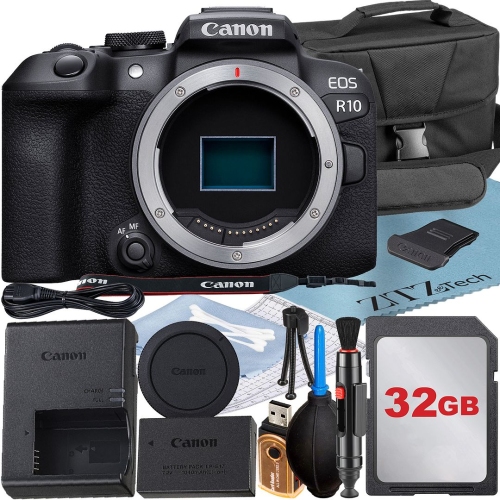
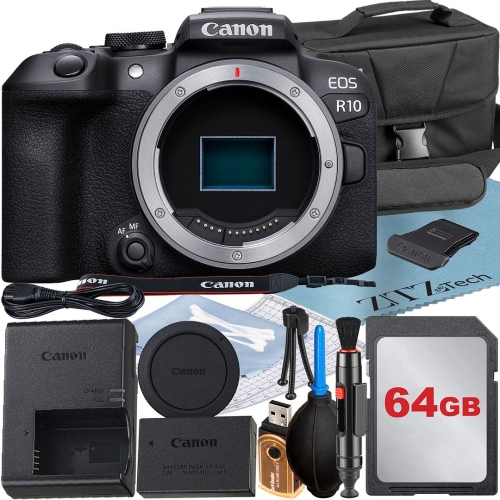
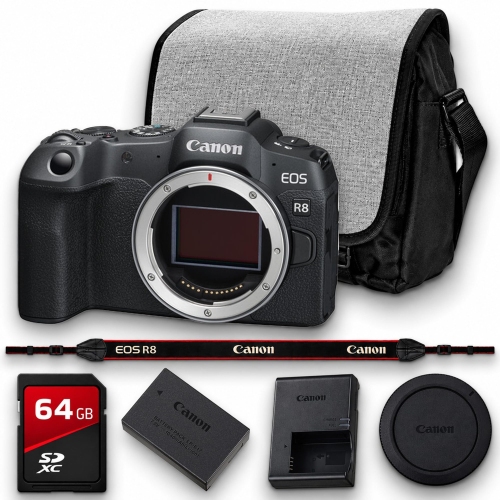
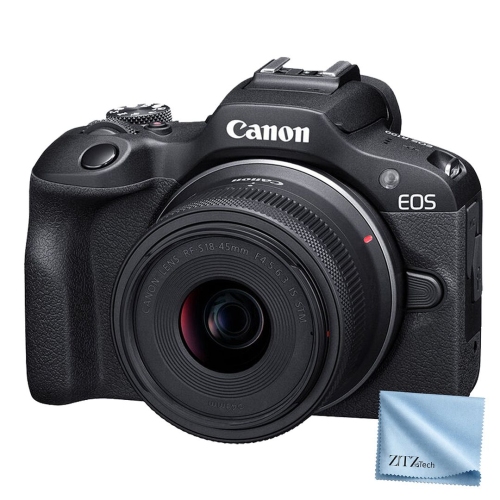
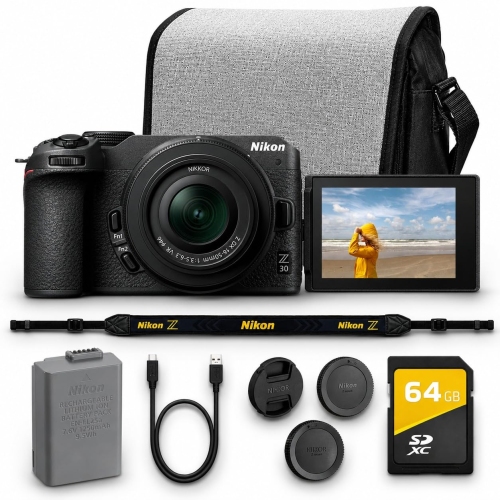
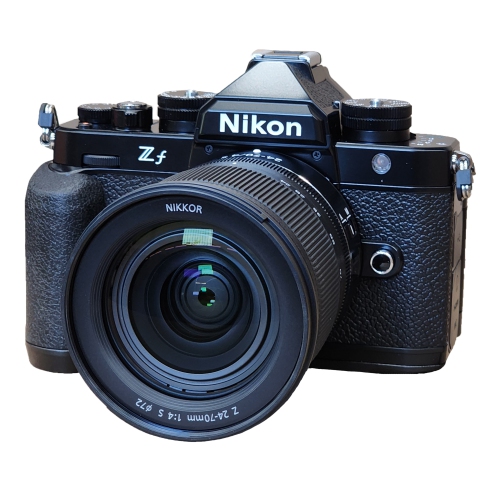
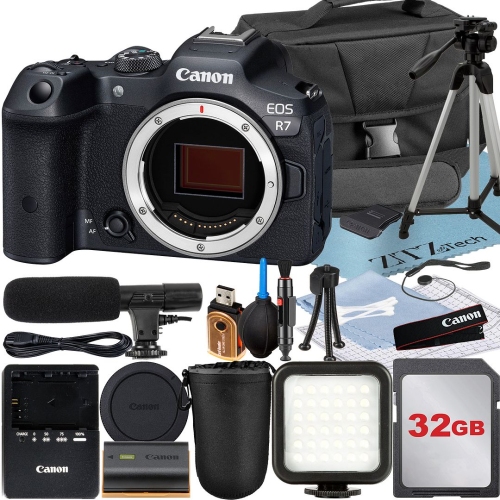
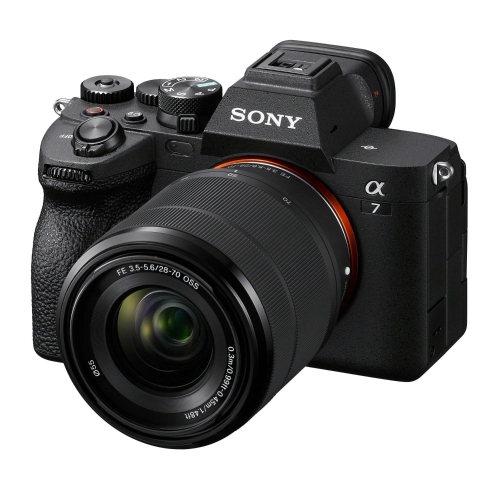
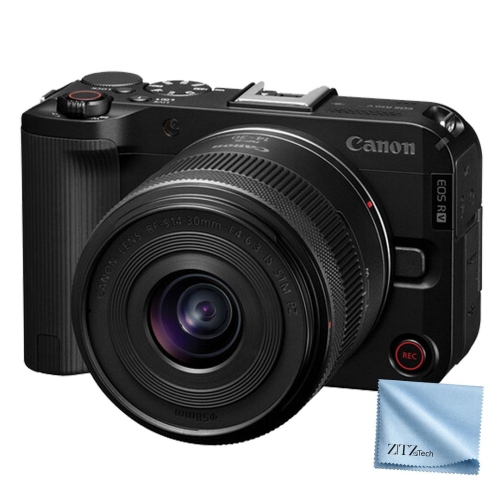
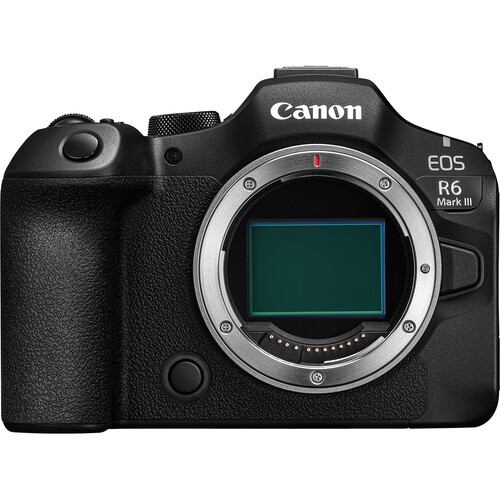
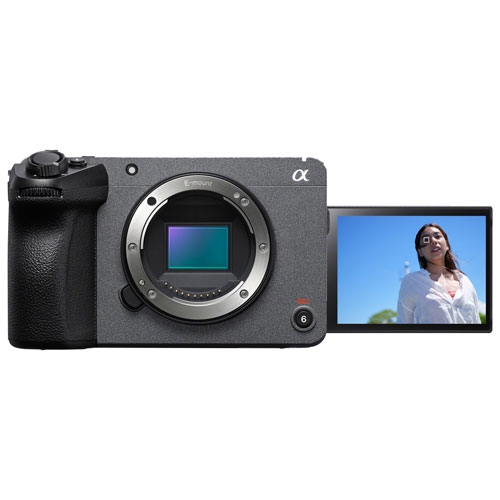
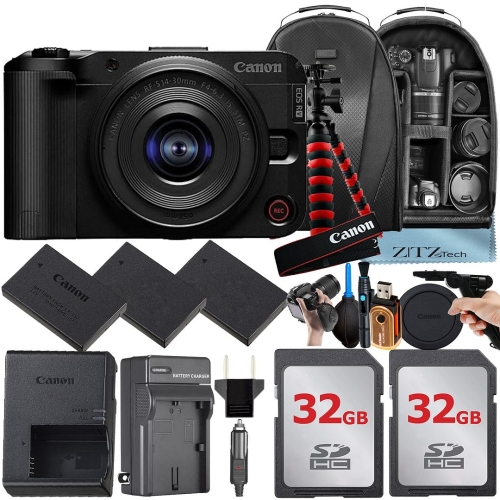
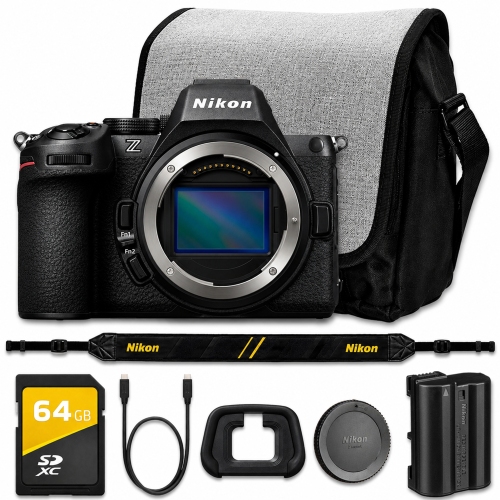
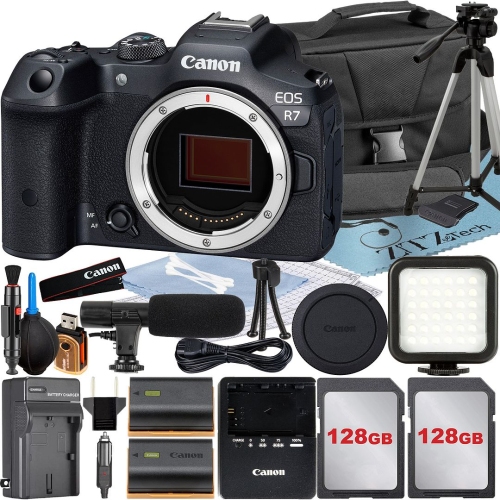
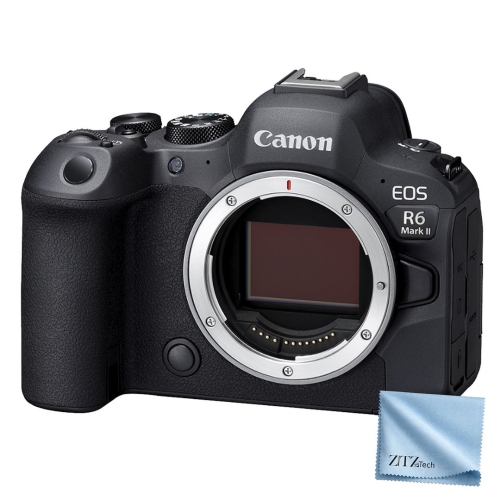
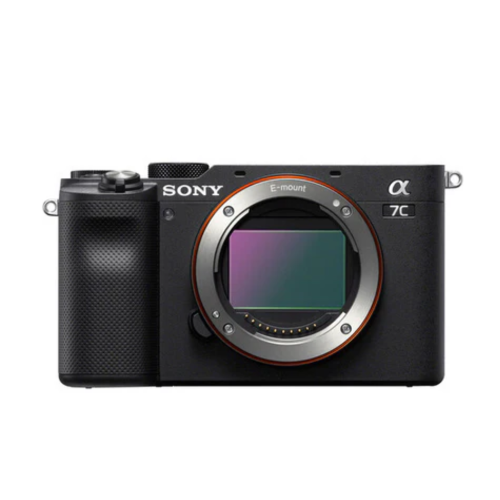
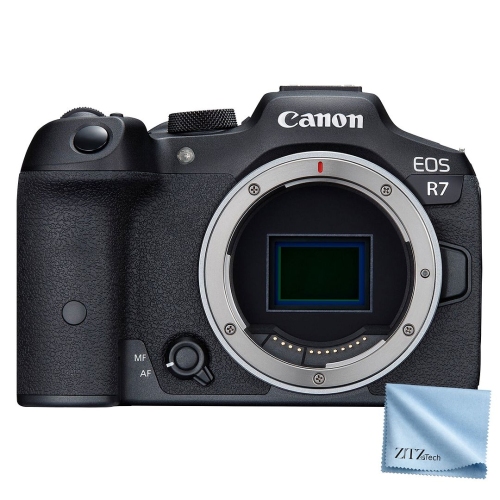
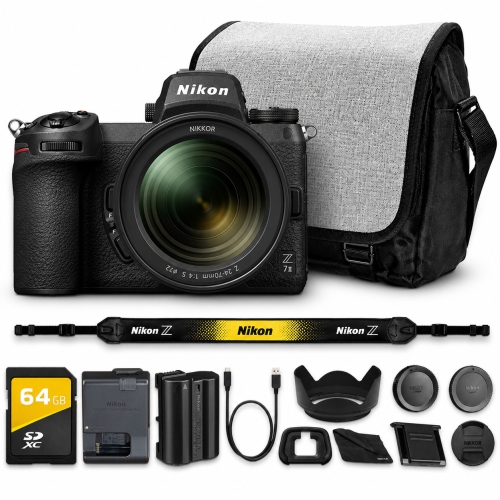
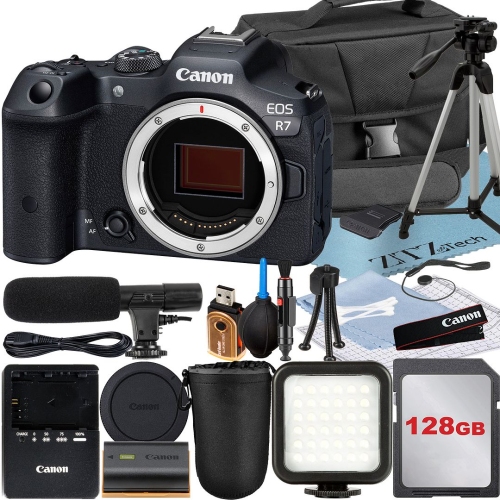
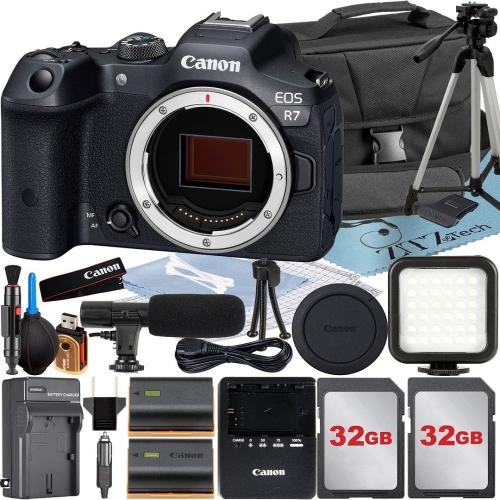
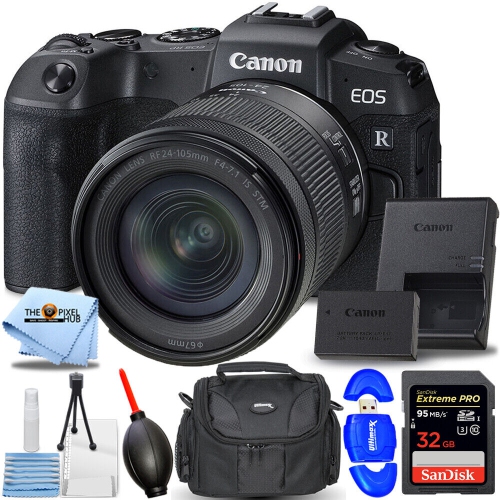
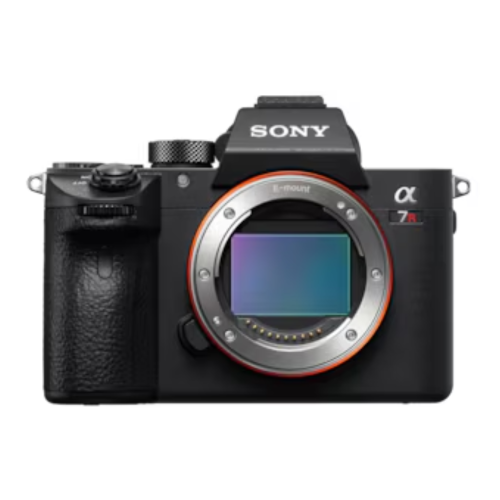
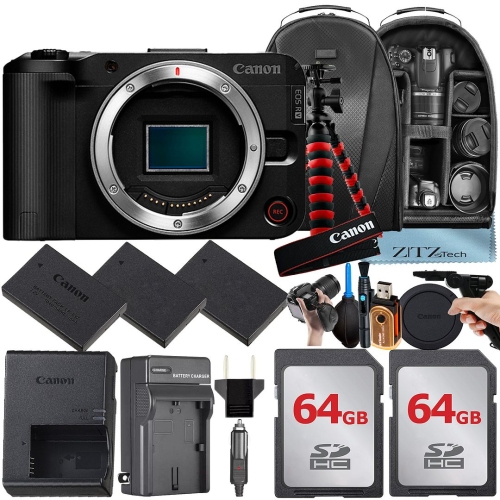
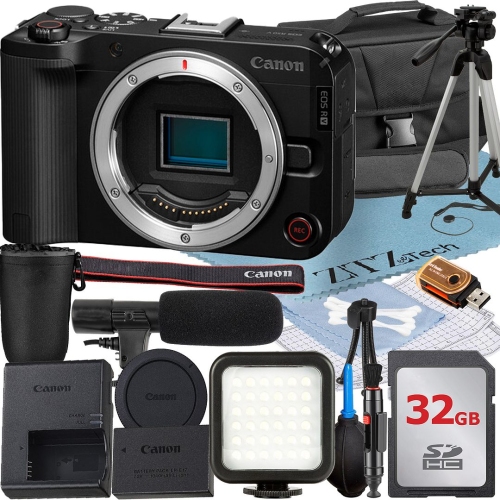
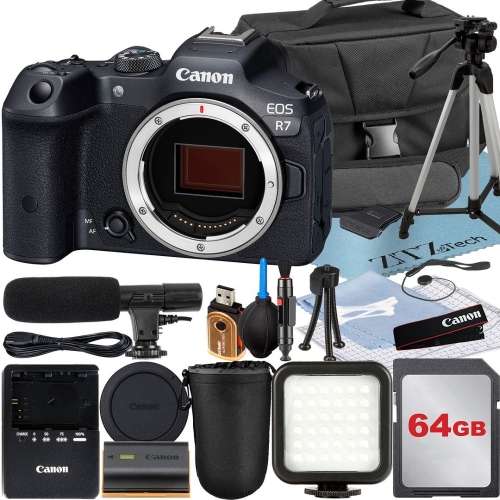
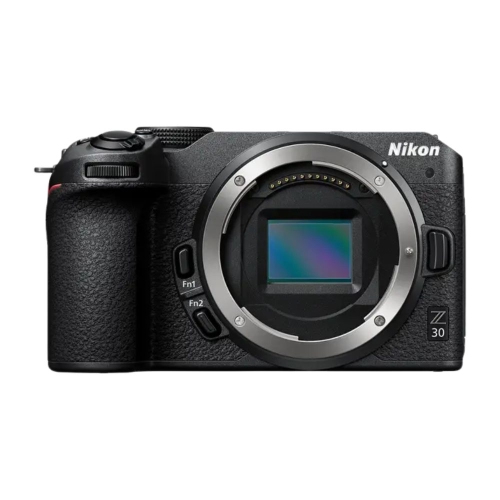
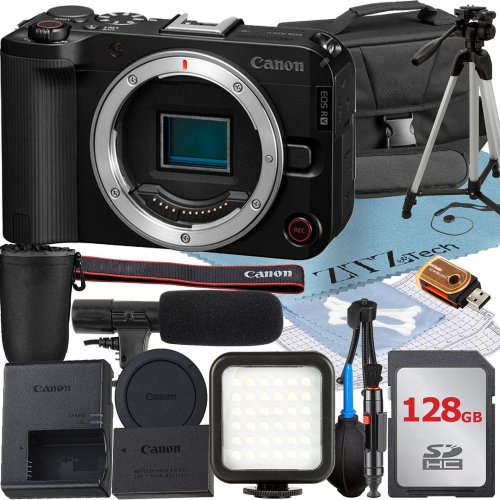
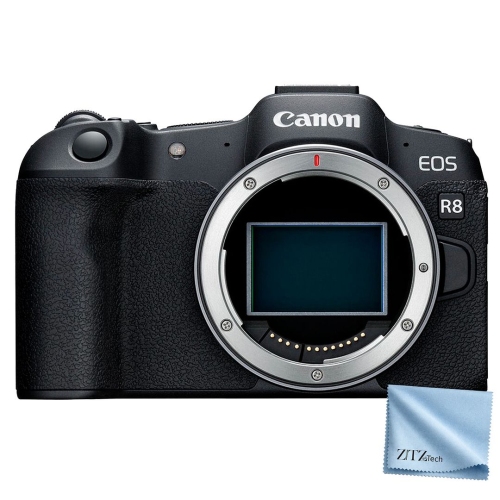
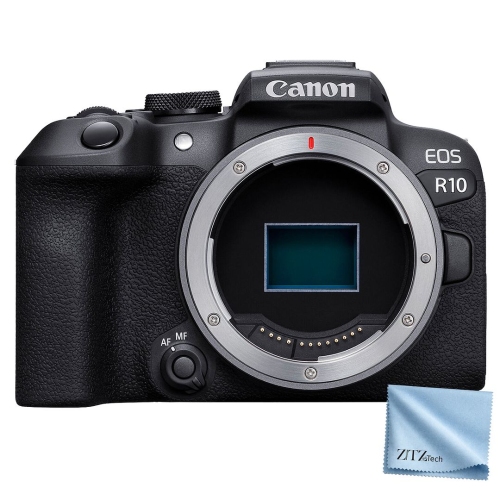
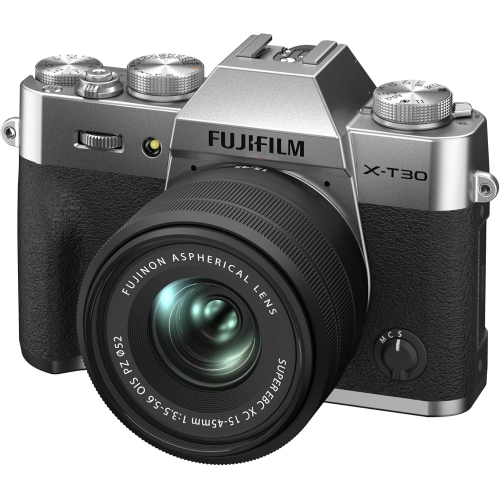
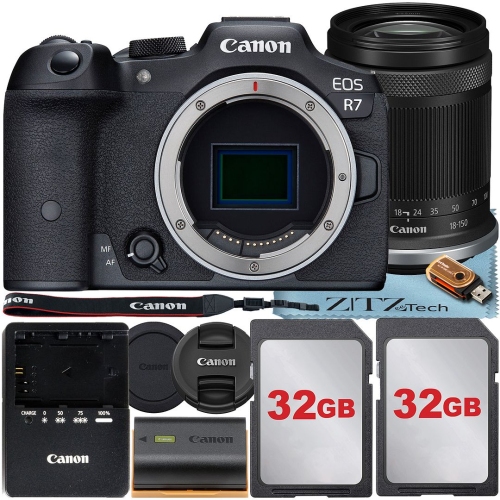
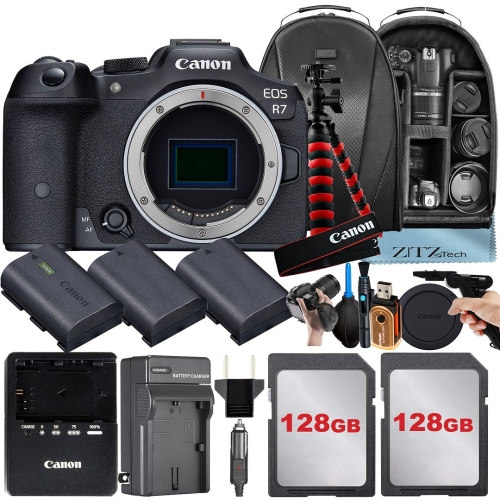
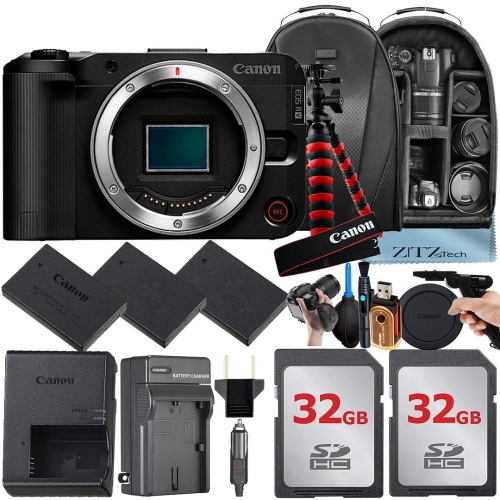
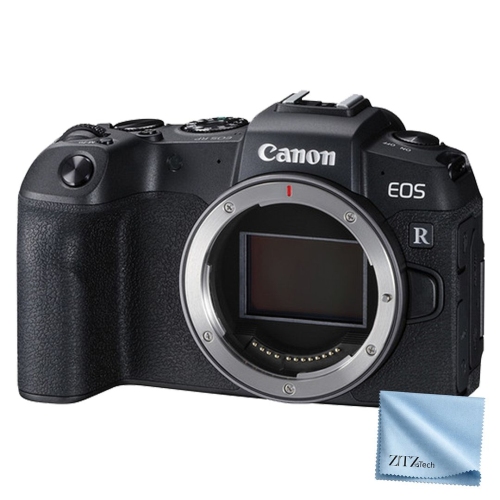
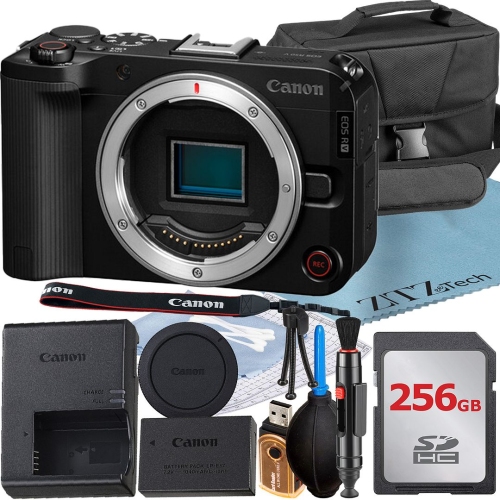
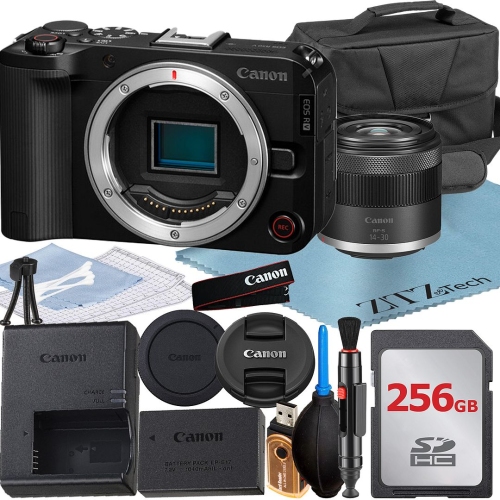
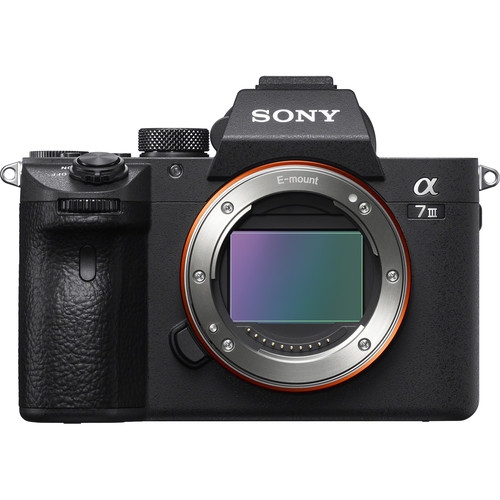
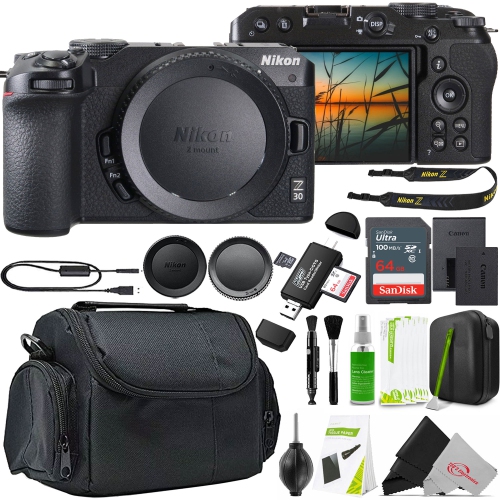
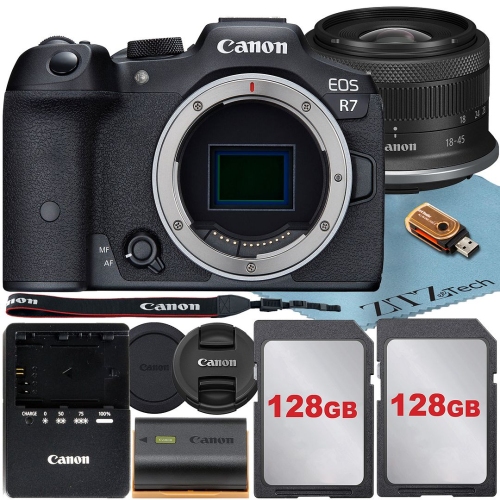
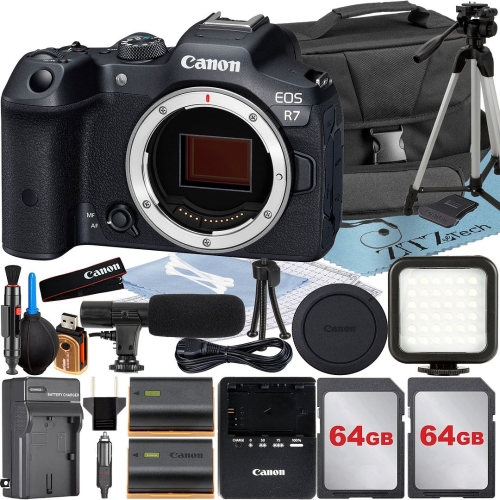

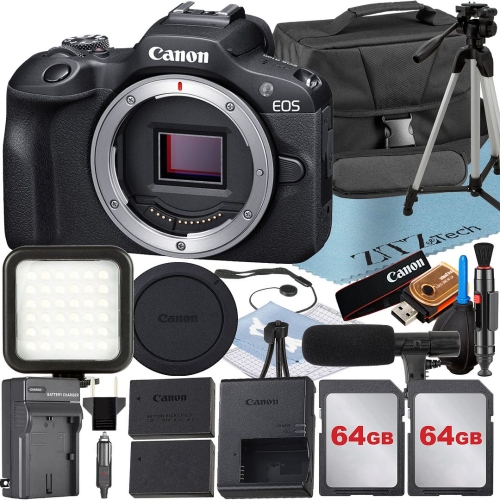
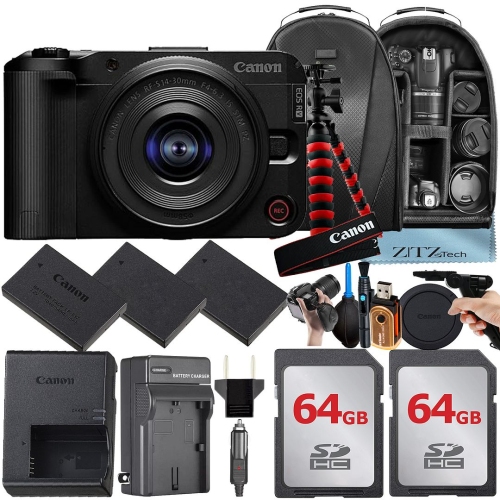
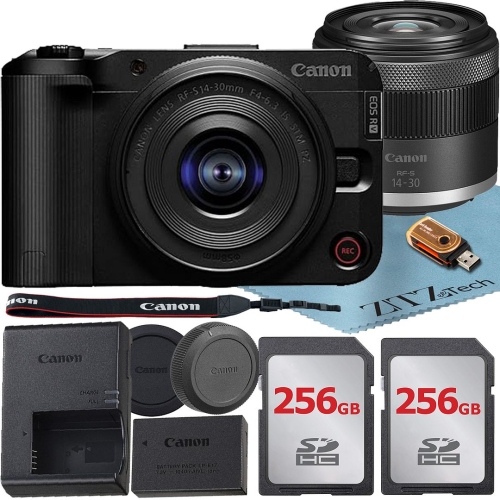
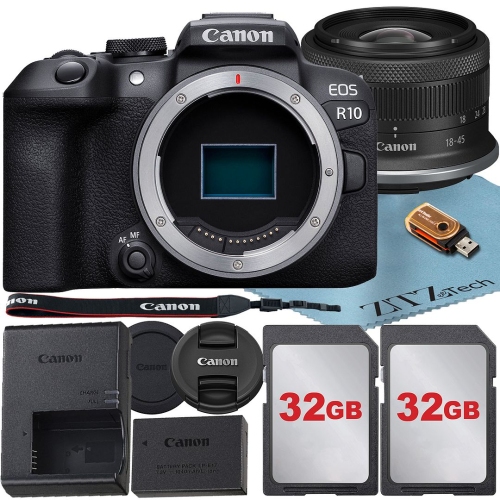
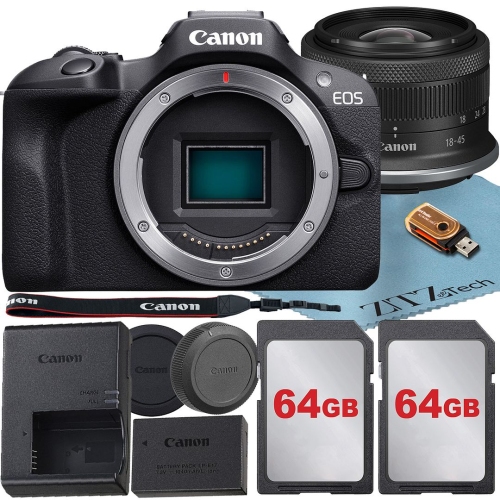
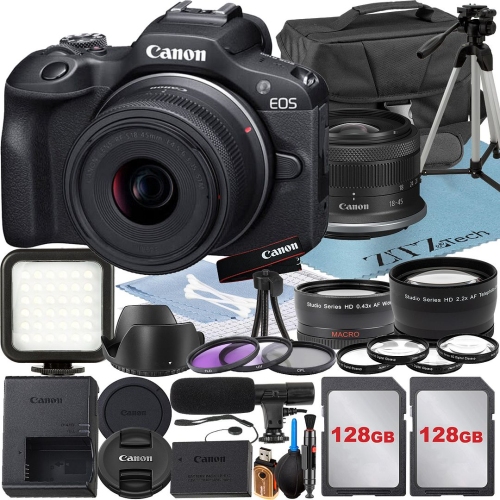
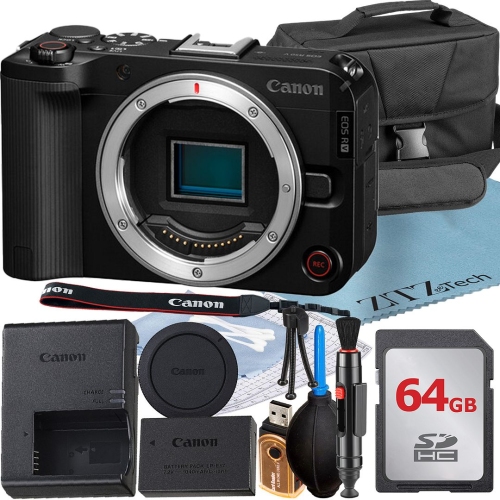
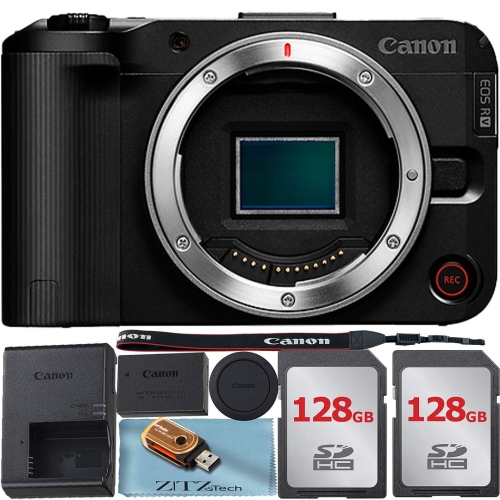
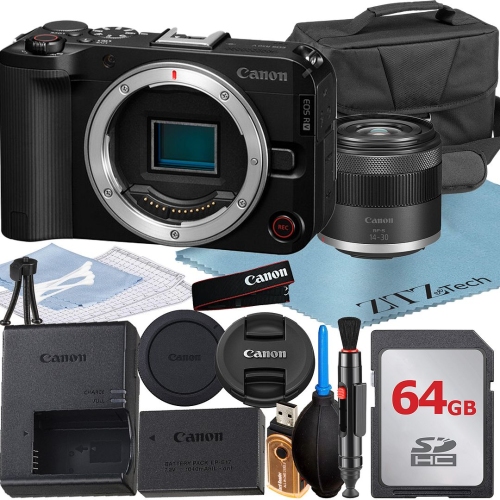
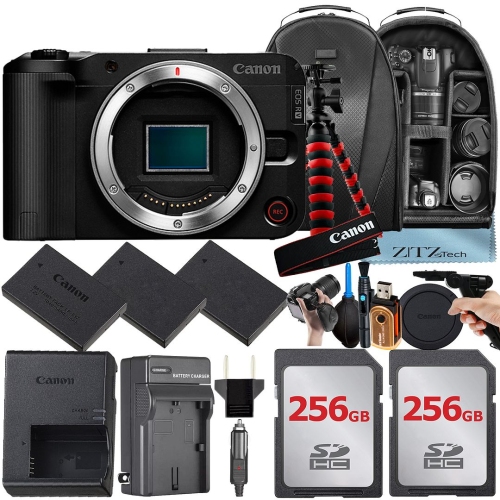
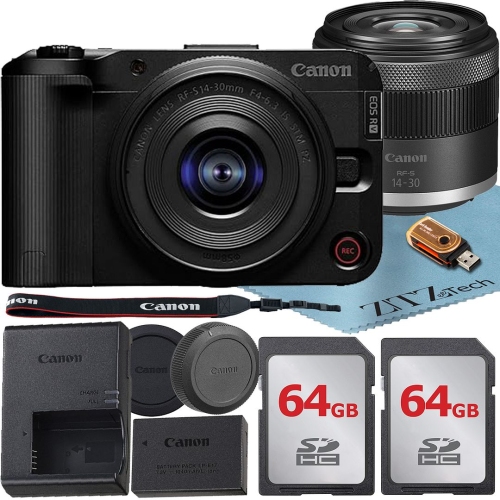
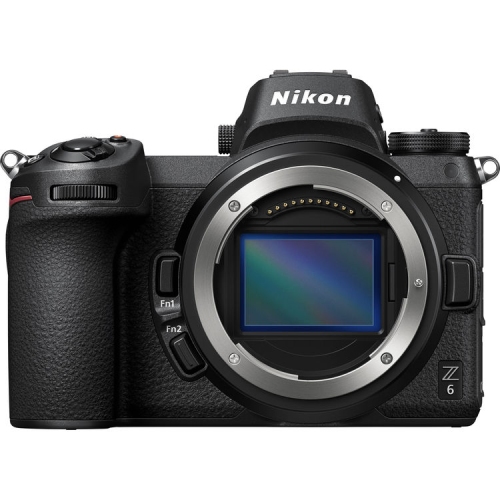
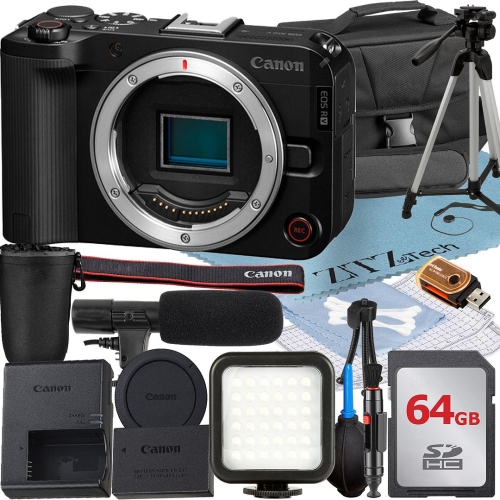
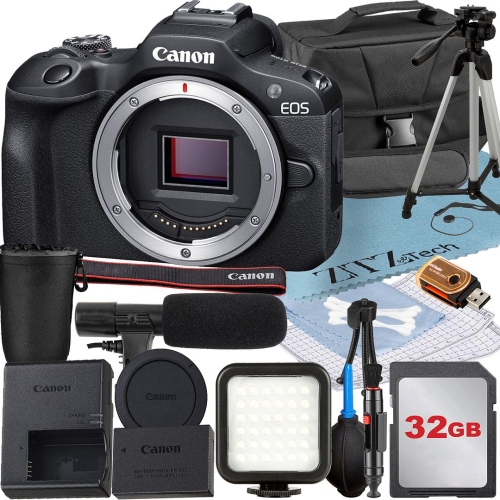
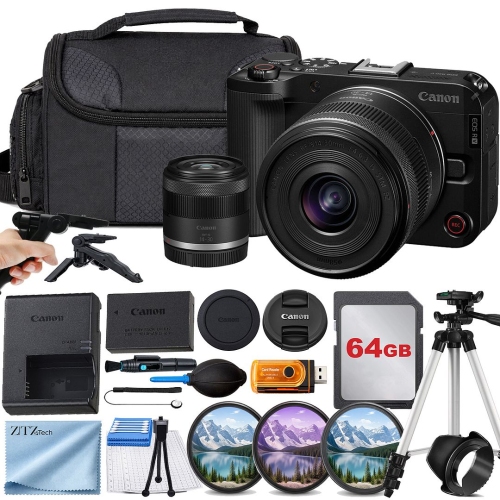
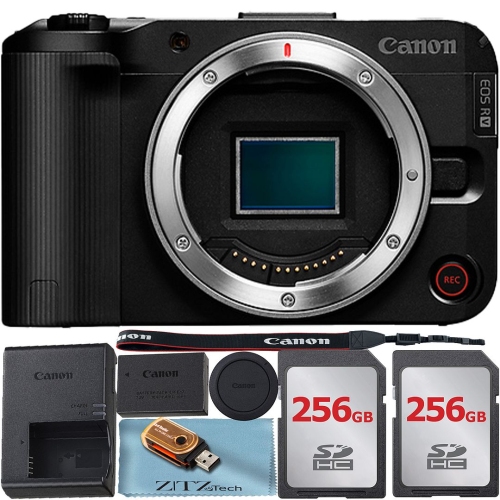
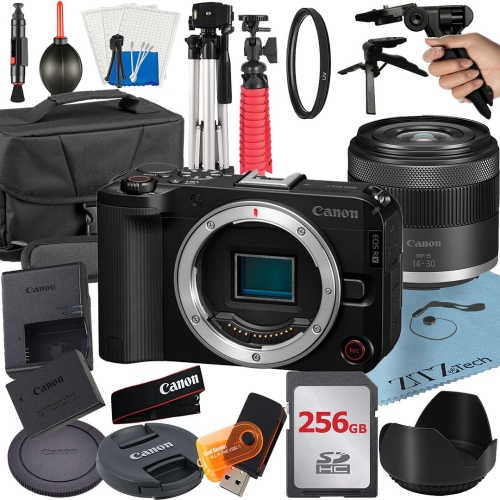
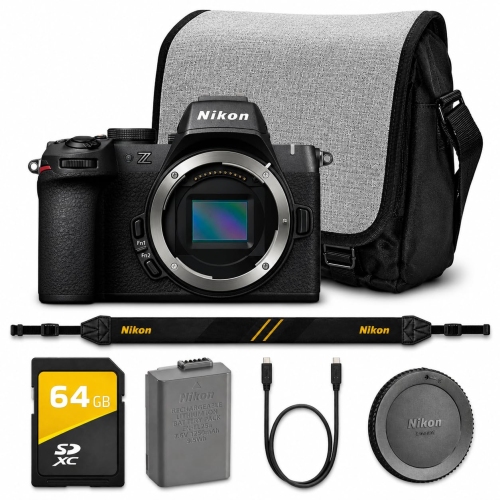
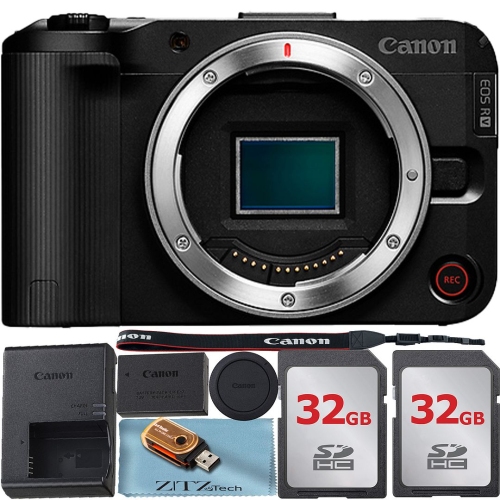
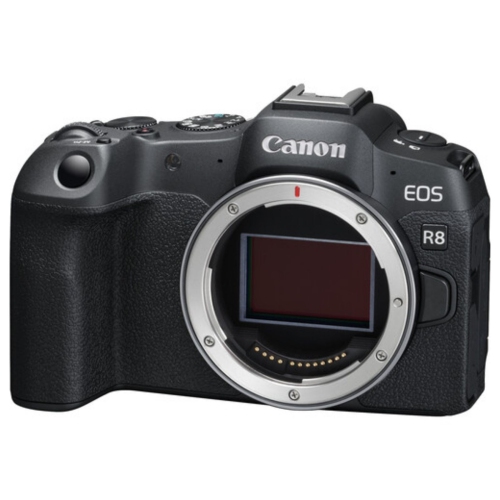
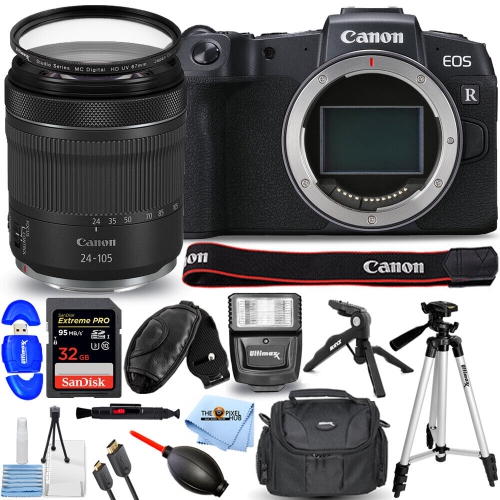
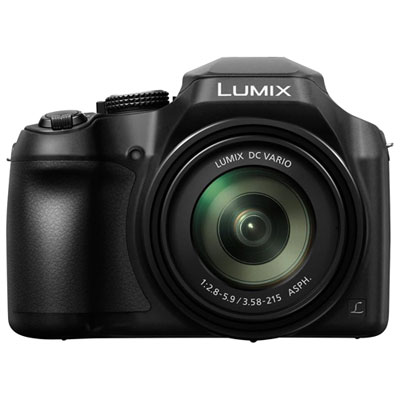
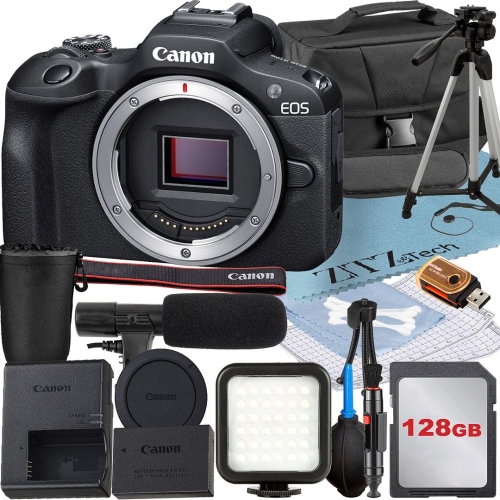
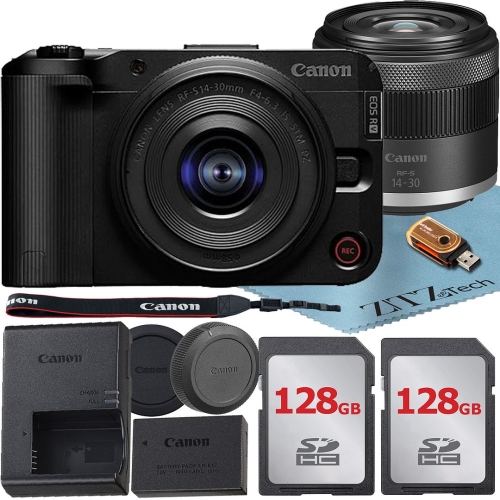
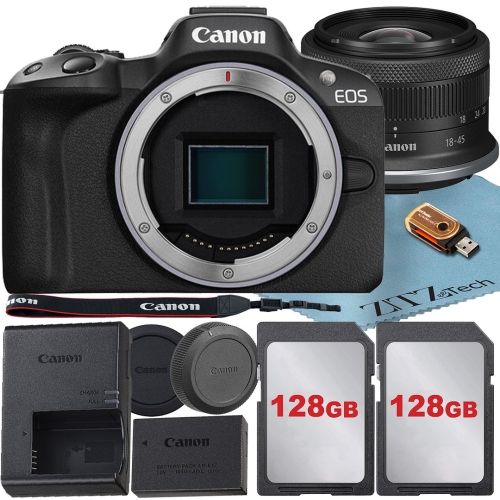
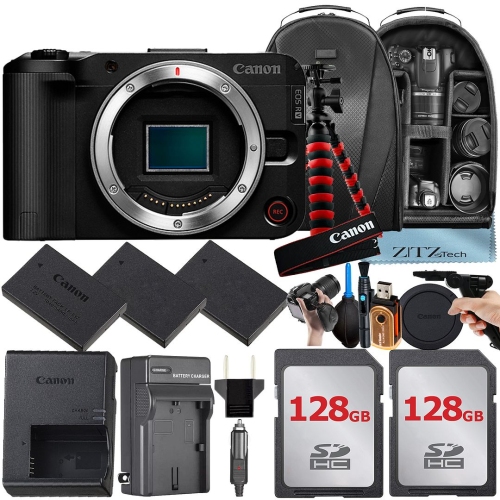
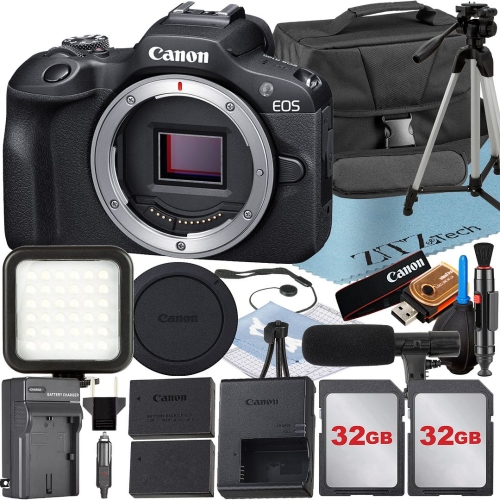
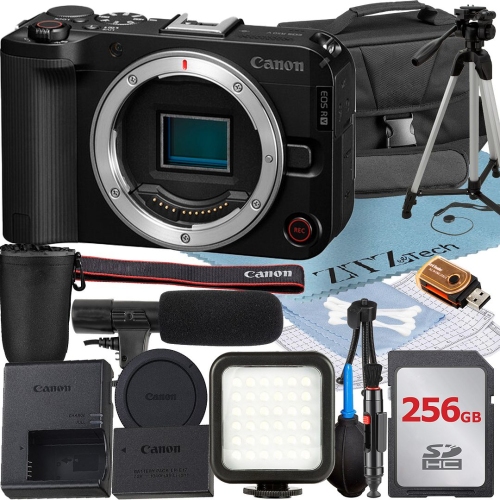
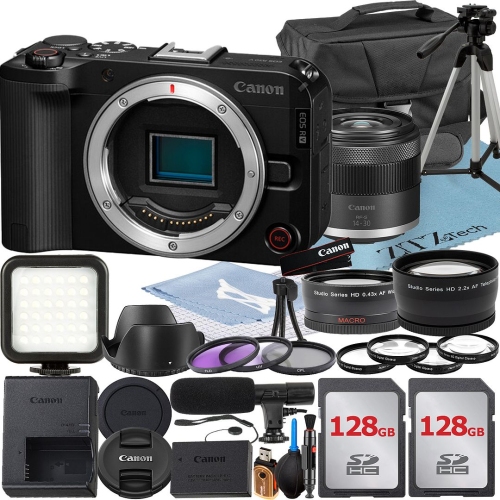
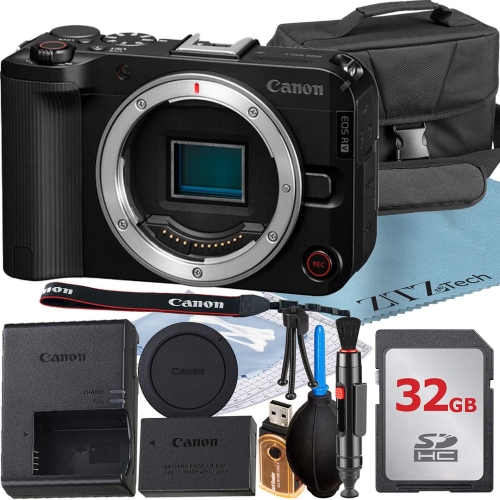
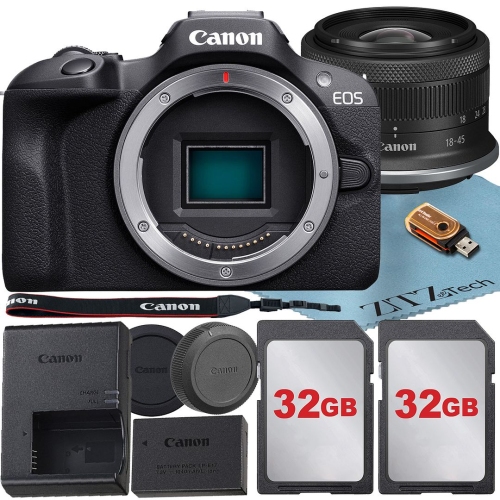
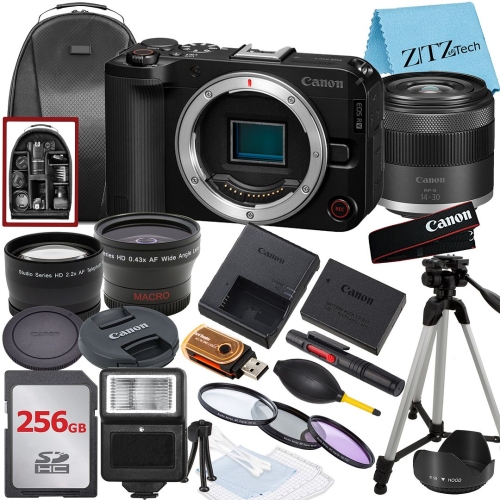
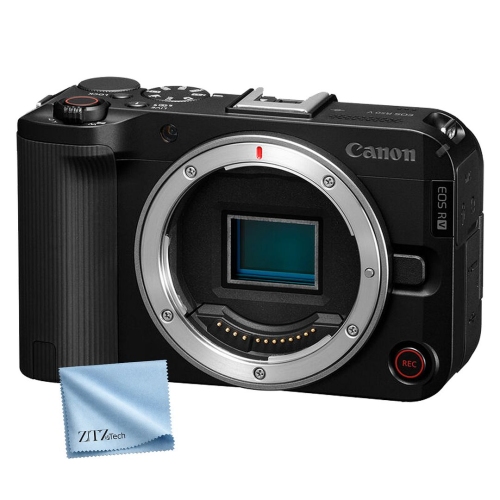
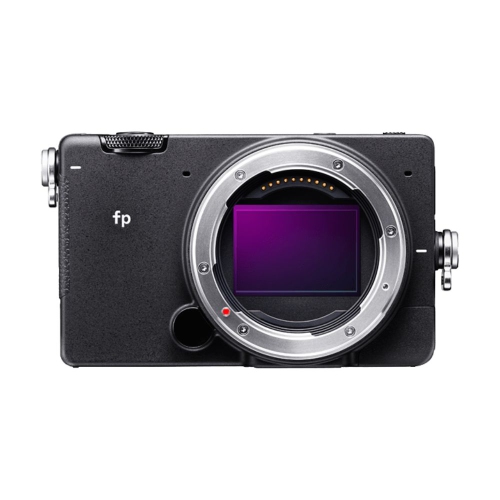
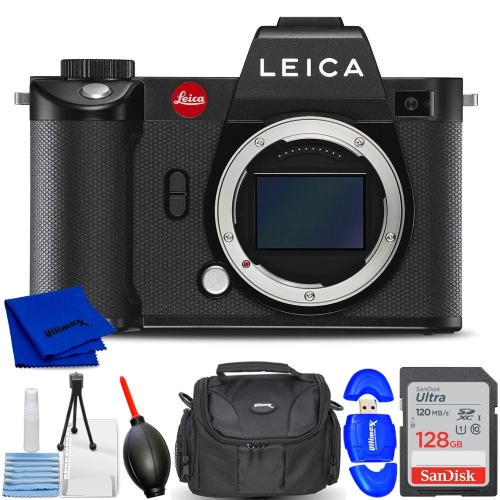
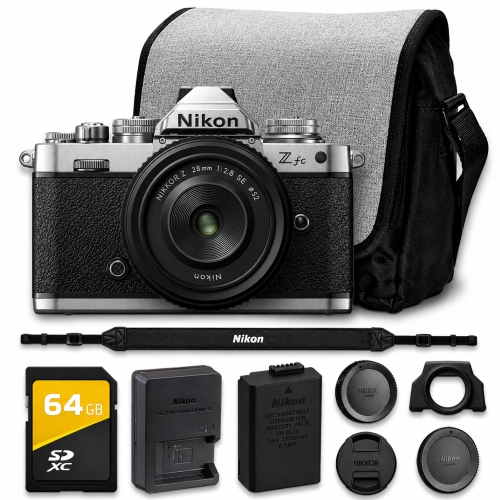
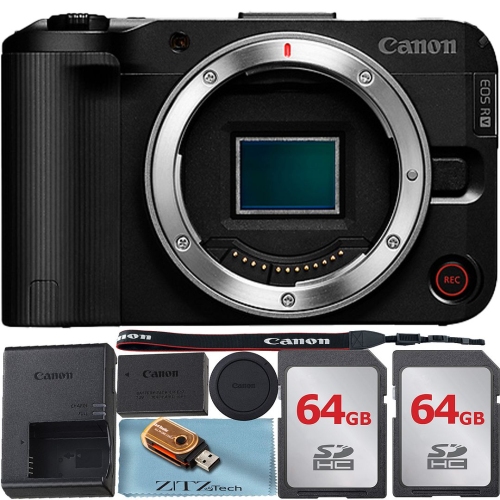
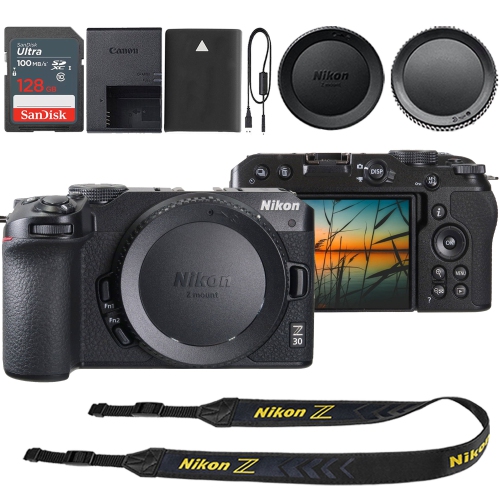
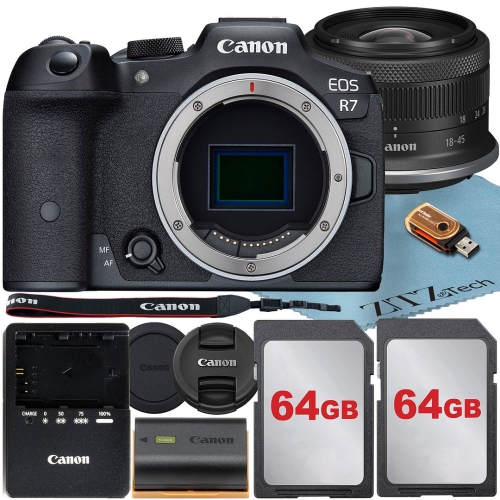
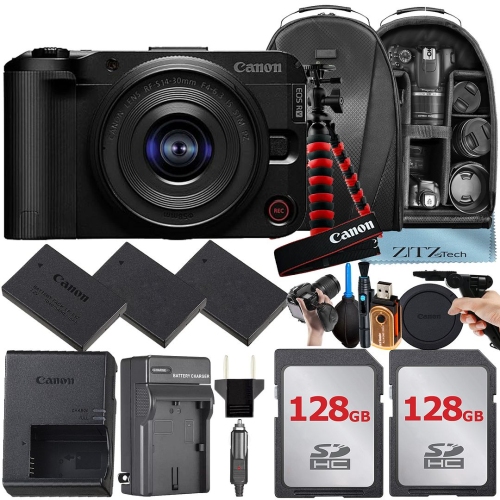
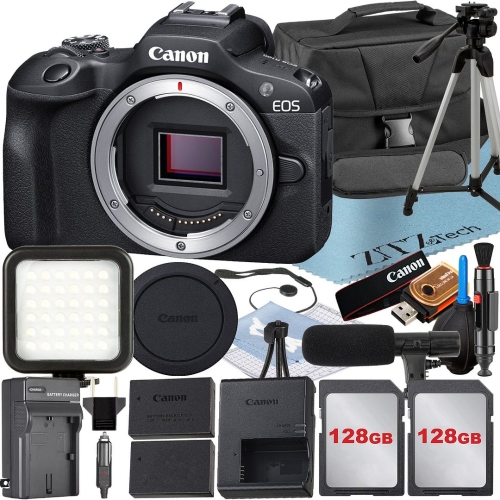
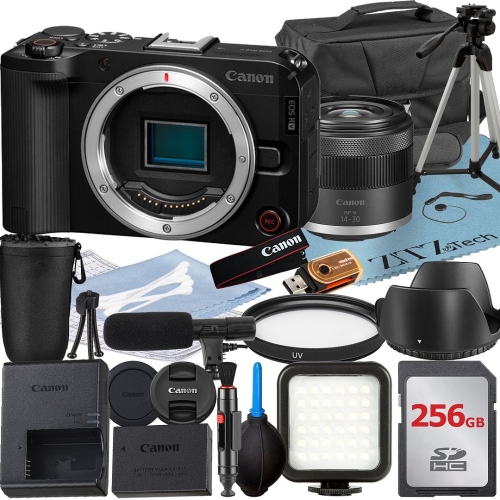
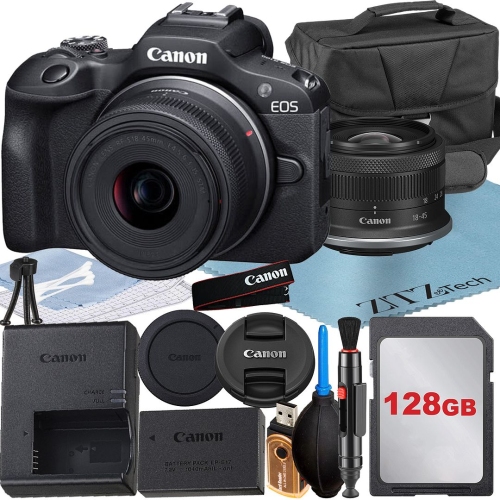
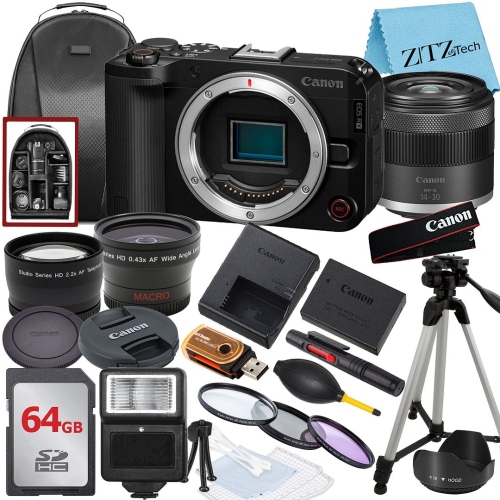
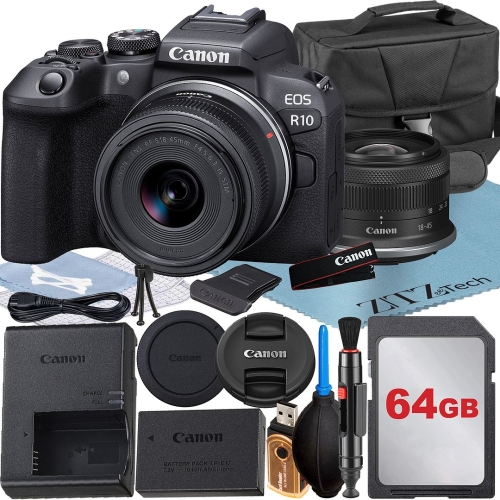
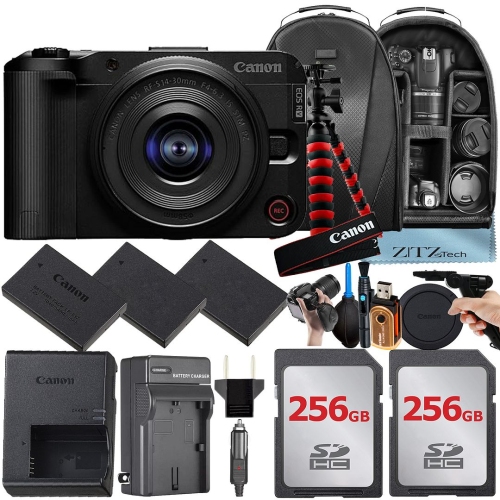
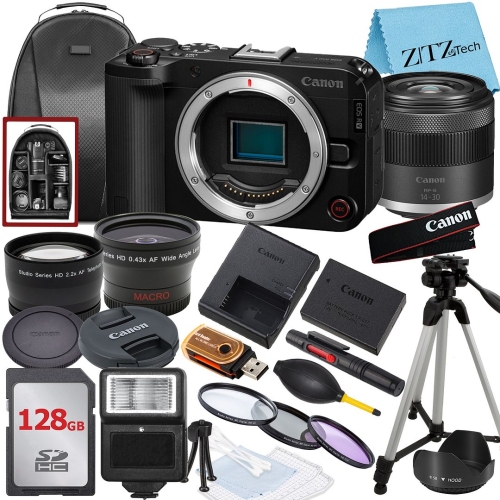
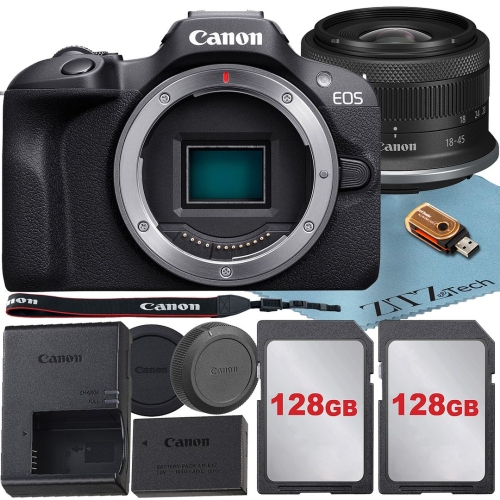
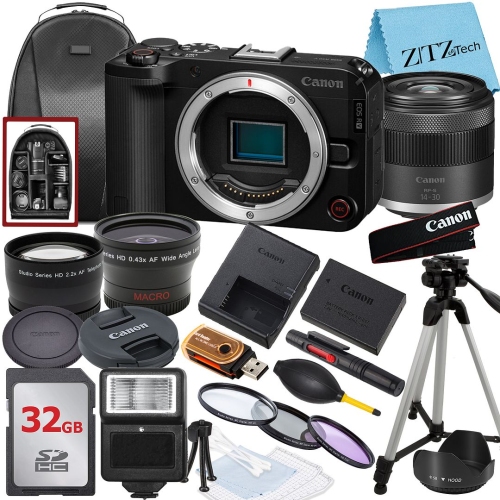
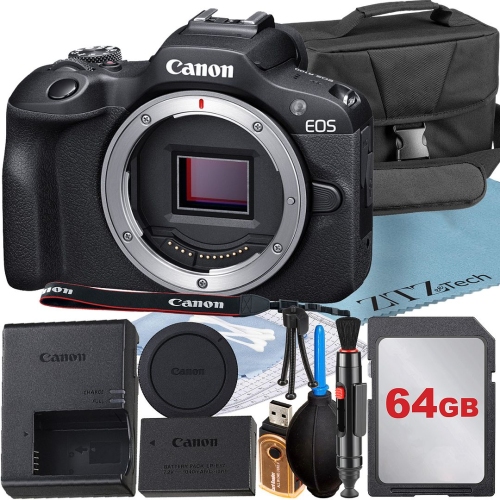
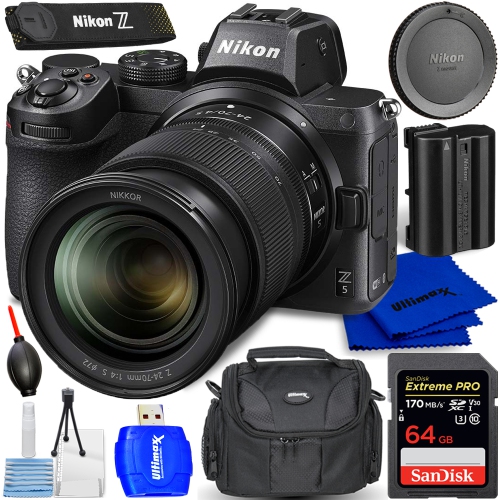
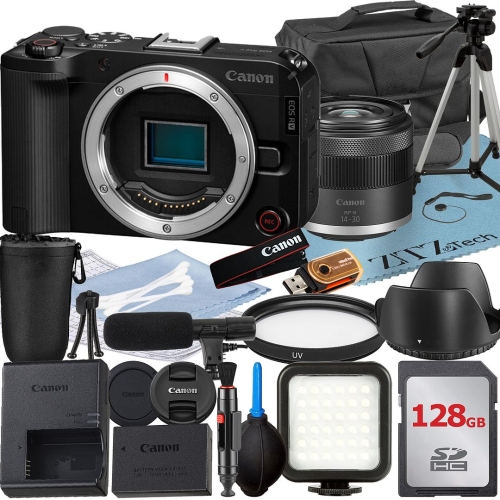
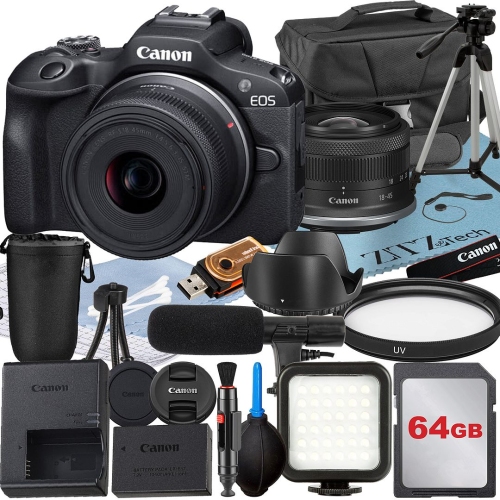
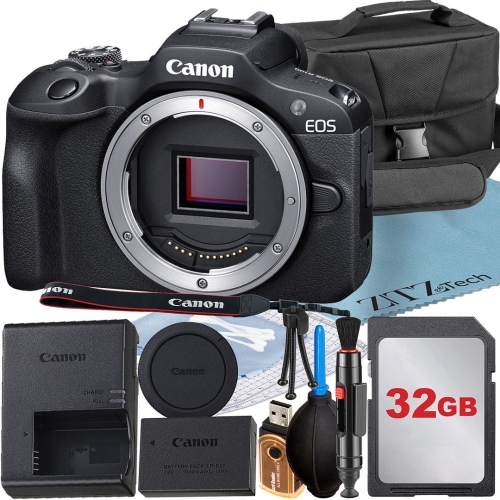
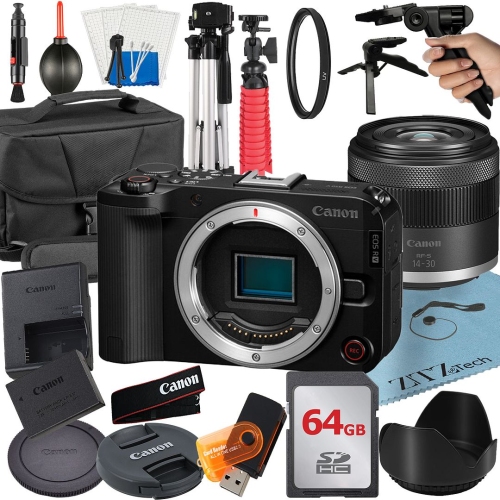
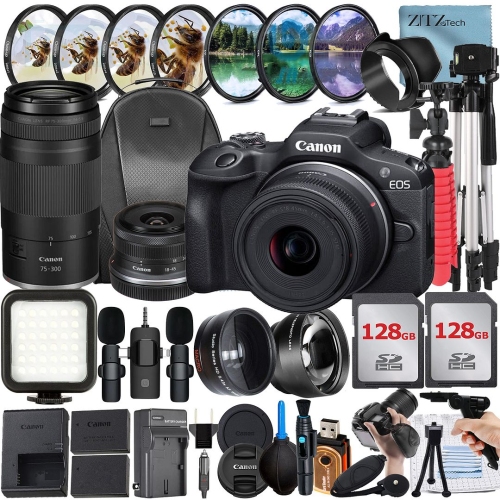
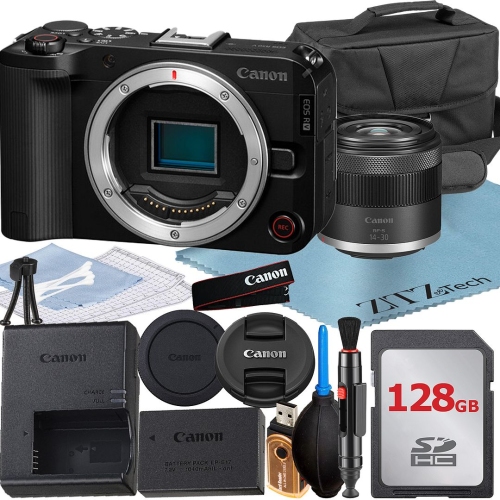
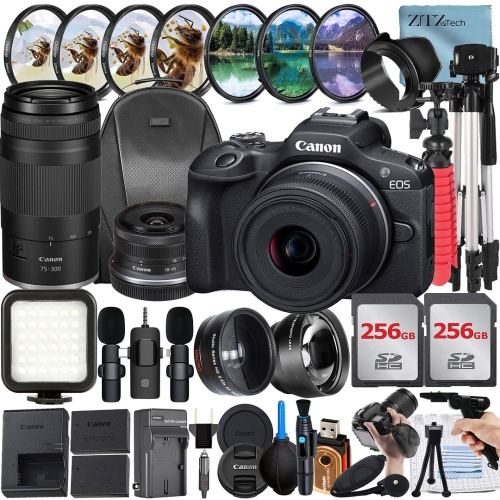
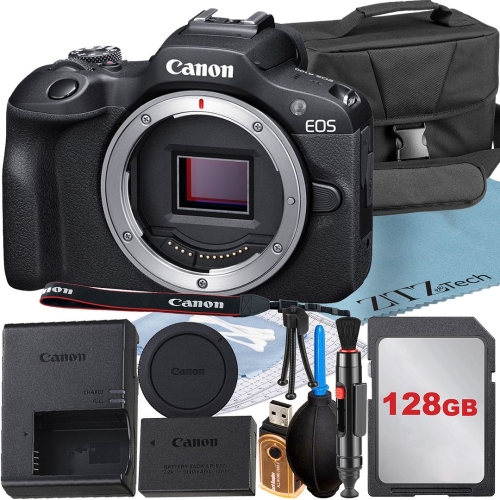
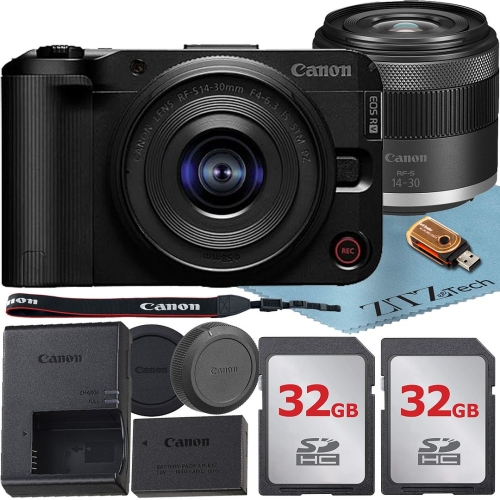
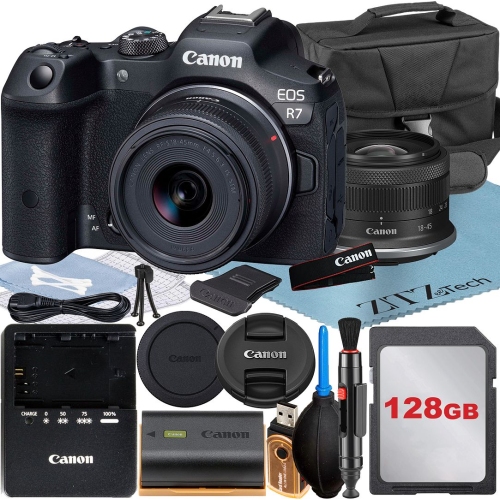
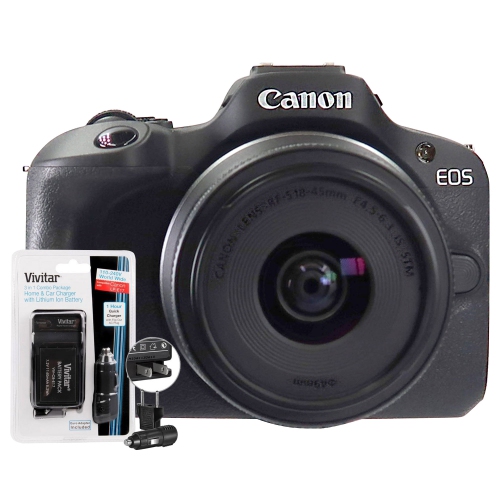
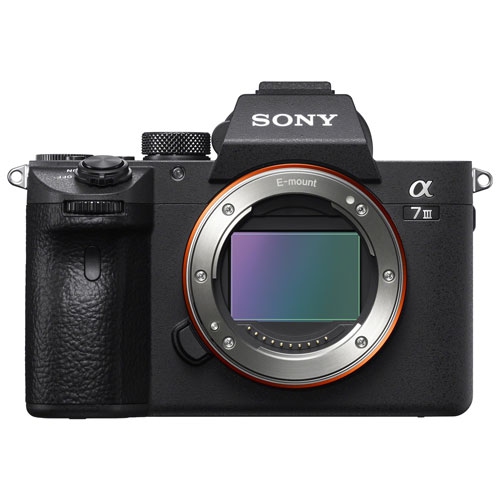
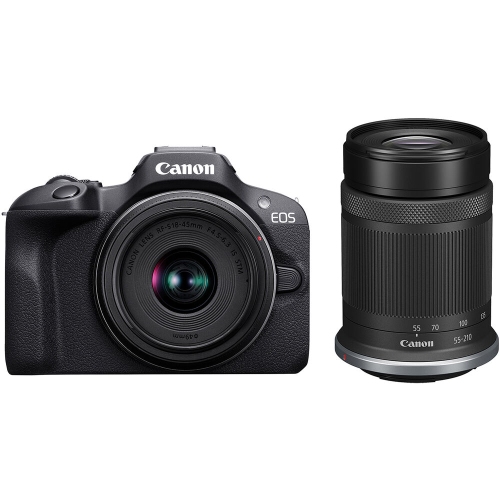
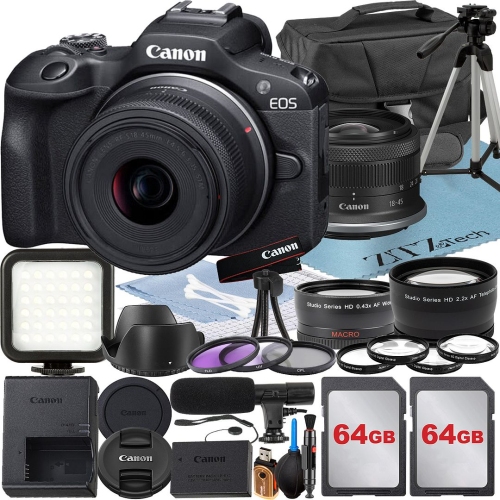
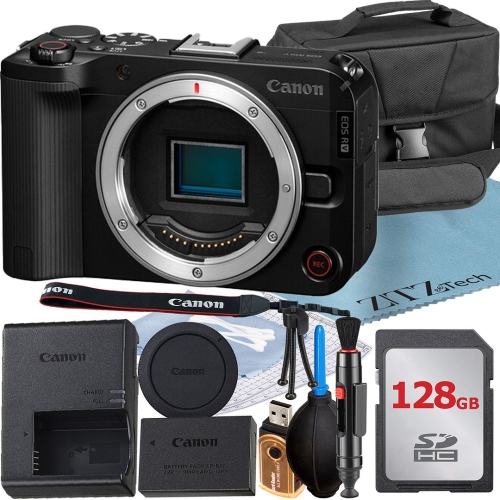
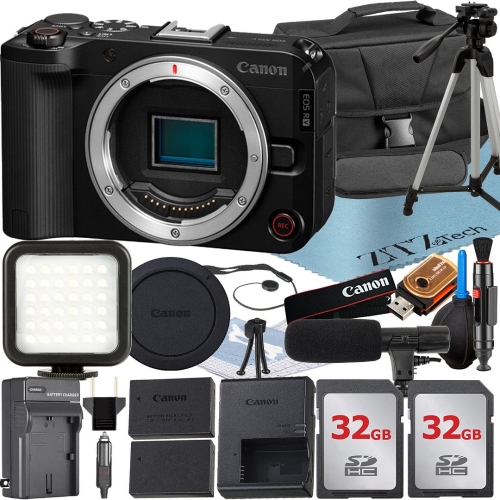
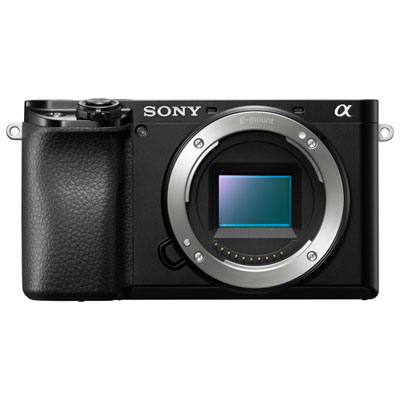
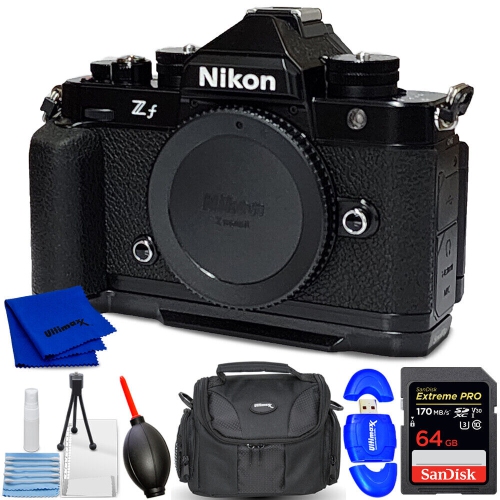
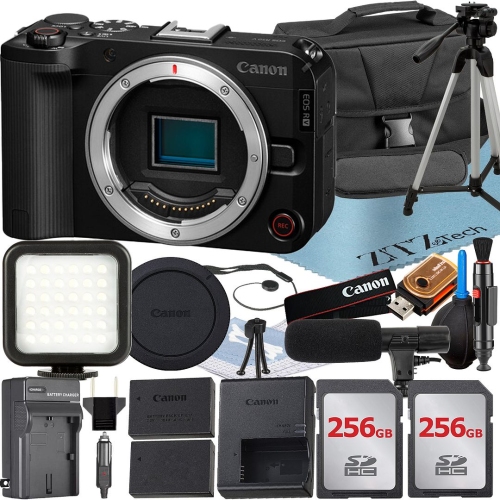
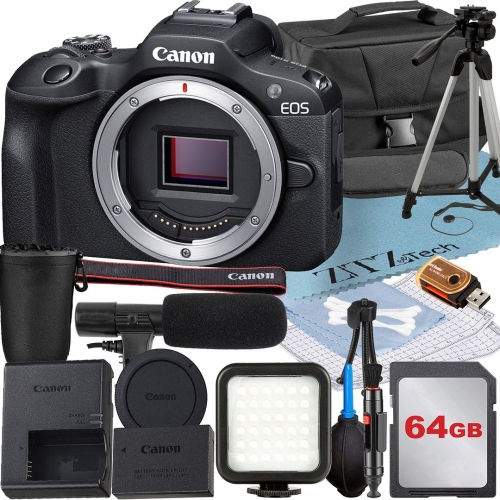
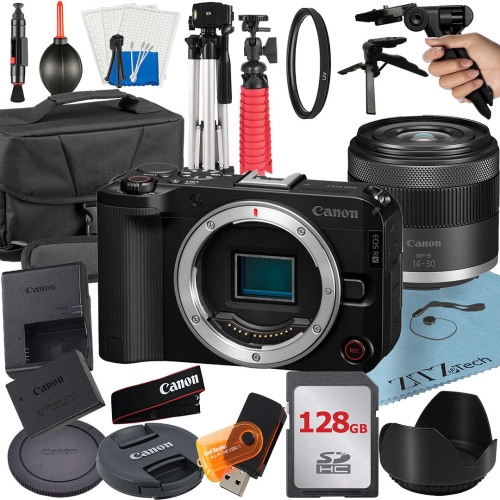
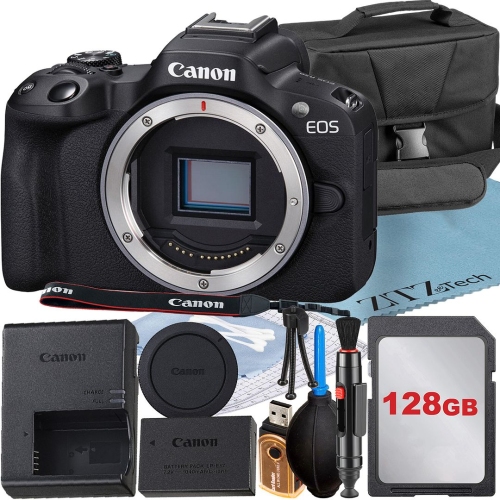
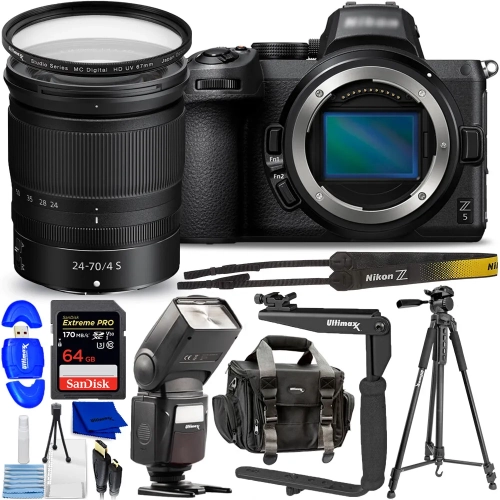
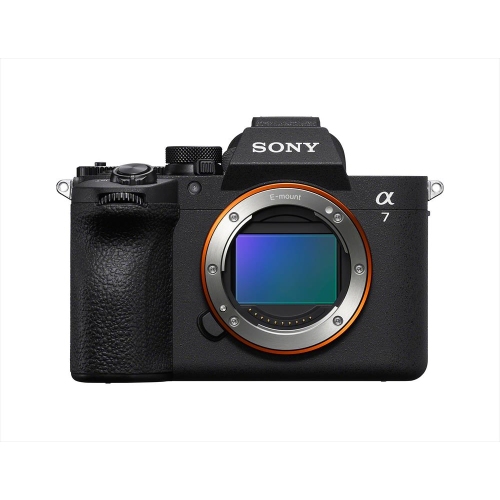
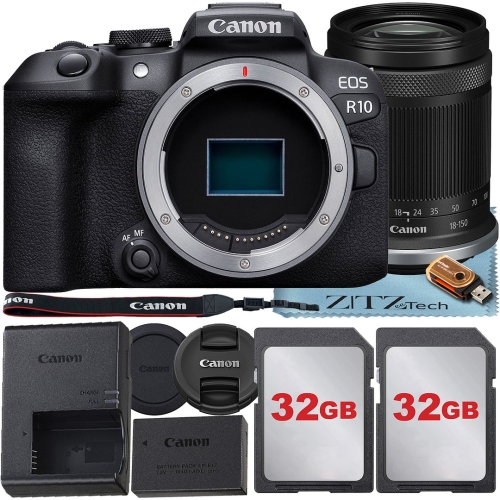
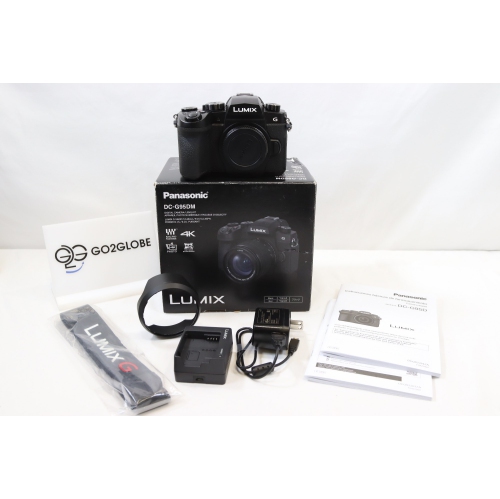
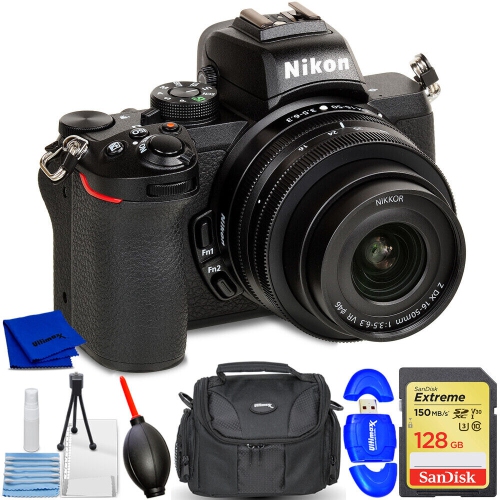
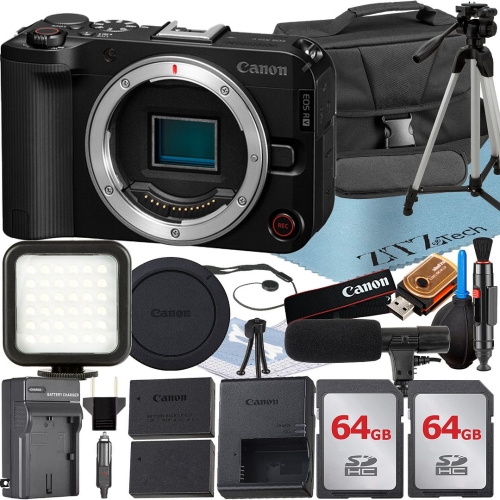
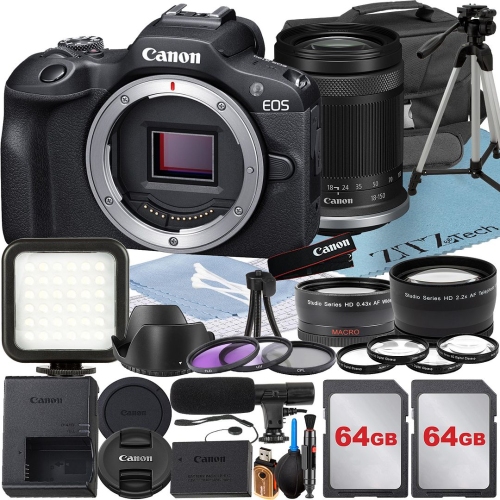
Key considerations for sensors, video, audio, and lenses
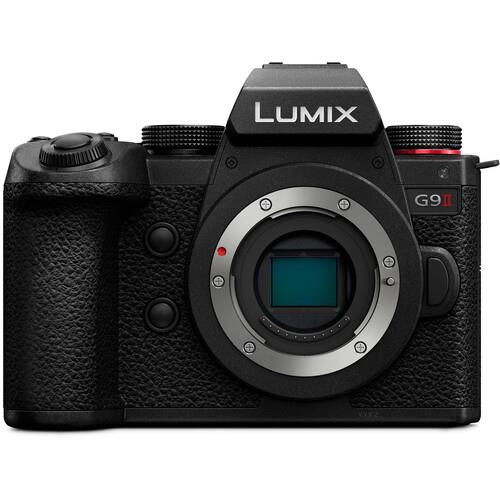
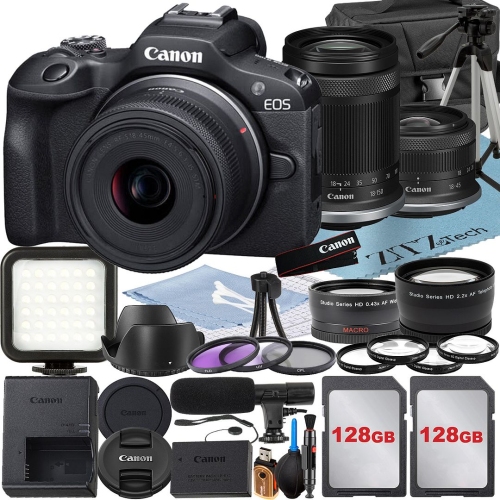
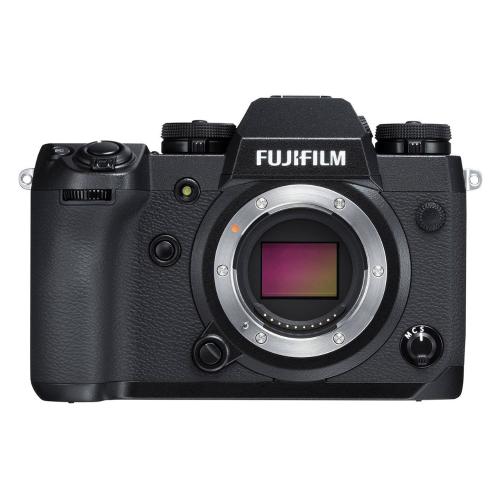
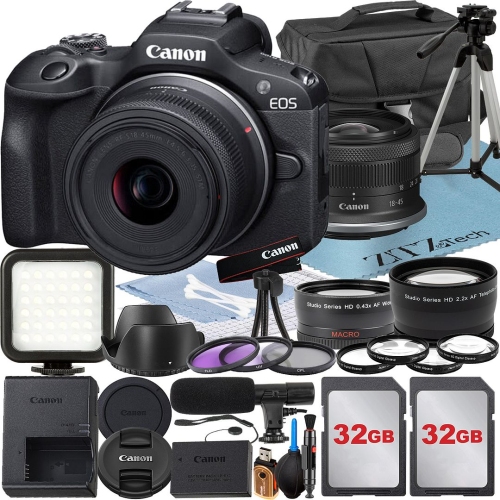
Mirrorless 4K cameras combine a compact, interchangeable-lens design with the detailed video quality expected by creators, families, travellers and working professionals. Unlike traditional DSLR cameras, mirrorless models use an electronic viewfinder or rear screen to display a live preview directly from the image sensor, making it easier to see exposure, colour and focus before recording. Their 4K video captures four times the resolution of Full HD, allowing footage to retain fine detail in landscapes, interviews, cooking demonstrations, live events and everyday family moments. Many models are also designed as hybrids, so the same camera can take high-quality still photos and cinematic video without requiring separate equipment. This flexibility makes a mirrorless 4K camera a thoughtful gift for a new content creator, photography student, aspiring filmmaker or traveller who wants more control than a smartphone can provide. It can also suit experienced photographers moving into video, especially when they want interchangeable lenses, a large sensor and a familiar camera body. For shoppers focused mainly on recording video, browsing Mirrorless Cameras for Videography can help narrow the selection toward models and features intended for motion capture. During the cooler months, these cameras can be used to document indoor gatherings, performances, crafts, lessons and family celebrations, while their portability remains useful for scenic walks, weekend trips and outdoor activities whenever the weather allows. Before choosing, consider how the camera will be held, transported and used in real situations. A smaller body may be easier to carry for long periods, while a larger design may offer a more comfortable grip, additional controls and better heat management during extended recording. A fully articulated screen can help when filming yourself, shooting from low or high angles, or monitoring a presentation from behind the camera. An electronic viewfinder is valuable in bright conditions when glare makes the rear display difficult to see, and a microphone input can make a noticeable difference when clear spoken audio matters.
Sensor size is one of the most important decisions when comparing mirrorless 4K cameras. APS-C sensors, often called crop sensors, can provide a useful balance of image quality, camera size and price. They are well suited to travel, street photography, sports, family videos and online content, and they can make distant subjects appear closer when paired with a telephoto lens. Full-frame sensors are larger and generally offer stronger low-light performance, a wider field of view with equivalent lenses and more control over background blur. They can be especially appealing for portraits, documentary work, weddings, dramatic video and indoor scenes where available light is limited. A full-frame system may also require larger or more specialised lenses, so the size, weight and cost of the complete kit are worth considering rather than judging the camera body alone. Video specifications deserve close attention as well. Internal 10-bit recording preserves more colour information than basic 8-bit recording, giving editors greater flexibility when correcting exposure, matching scenes or creating a particular look in post-production. Some models support 4:2:2 colour sampling, which can provide additional colour detail for grading, green-screen work and professional workflows. Frame rates of 24 or 30 frames per second create a natural, conventional appearance, while 60 frames per second produces smoother movement for sports, handheld action and fast camera pans. Recording at 120 frames per second, where available, allows clean slow-motion effects when the footage is played back at a standard frame rate. Check whether the desired resolution and frame rate are available with a crop, as some cameras change the angle of view or limit recording modes at higher settings. Autofocus performance is another major consideration. Modern mirrorless 4K cameras may use subject-recognition systems to track people, faces, eyes, animals, birds, vehicles and other moving subjects. Reliable tracking is helpful for solo creators, children’s activities, pets and action scenes, while manual focus controls remain valuable for planned shots, interviews and cinematic focus transitions. In-body image stabilization can reduce the appearance of camera shake when recording handheld, although it does not replace a tripod for locked-off shots or a gimbal for especially smooth movement.
A well-rounded setup also depends on the features surrounding the sensor and recording modes. Look for an HDMI output if you plan to use an external monitor or recorder, a headphone jack for checking audio during filming, and a microphone input for a compact on-camera microphone or wireless system. Headphone monitoring can reveal wind noise, clothing rustle or a loose connection before an important take is finished. Battery life, charging options and spare batteries matter for travel, school projects and events where there may not be a convenient outlet. Memory card compatibility and sustained write speed should match the selected 4K bit rate, since high-resolution, high-frame-rate footage can create large files quickly. It is also useful to check the camera’s maximum continuous recording time, heat-management design and file formats, particularly if you expect to record interviews, lectures or performances for long stretches. Lens choice shapes the final image as much as the camera body. A wide-angle lens works well for interiors, architecture, travel scenes and filming in confined spaces; a standard lens is versatile for portraits, product demonstrations and everyday storytelling; and a telephoto lens brings distant wildlife, sports and stage performances closer. A bright lens with a wide maximum aperture can help in dim rooms and create a softer background, while a zoom lens may be more convenient for changing compositions without moving the camera. Accessories such as a tripod, small light, camera bag, extra battery, memory card and external microphone can make a mirrorless 4K camera easier to use from the first day. For a beginner, straightforward controls, dependable autofocus and a comfortable lens may be more useful than an extensive list of advanced recording modes. For an experienced creator, 10-bit colour, high frame rates, log profiles, strong stabilization, dual card slots and robust connectivity may better support a growing workflow. Whether it is used to capture a child’s first performance, a quiet landscape during a weekend away, a detailed tutorial or polished footage for an online channel, the right mirrorless 4K camera should match the way you plan to shoot, edit, carry and share your work.
Sensor size is one of the most important decisions when comparing mirrorless 4K cameras. APS-C sensors, often called crop sensors, can provide a useful balance of image quality, camera size and price. They are well suited to travel, street photography, sports, family videos and online content, and they can make distant subjects appear closer when paired with a telephoto lens. Full-frame sensors are larger and generally offer stronger low-light performance, a wider field of view with equivalent lenses and more control over background blur. They can be especially appealing for portraits, documentary work, weddings, dramatic video and indoor scenes where available light is limited. A full-frame system may also require larger or more specialised lenses, so the size, weight and cost of the complete kit are worth considering rather than judging the camera body alone. Video specifications deserve close attention as well. Internal 10-bit recording preserves more colour information than basic 8-bit recording, giving editors greater flexibility when correcting exposure, matching scenes or creating a particular look in post-production. Some models support 4:2:2 colour sampling, which can provide additional colour detail for grading, green-screen work and professional workflows. Frame rates of 24 or 30 frames per second create a natural, conventional appearance, while 60 frames per second produces smoother movement for sports, handheld action and fast camera pans. Recording at 120 frames per second, where available, allows clean slow-motion effects when the footage is played back at a standard frame rate. Check whether the desired resolution and frame rate are available with a crop, as some cameras change the angle of view or limit recording modes at higher settings. Autofocus performance is another major consideration. Modern mirrorless 4K cameras may use subject-recognition systems to track people, faces, eyes, animals, birds, vehicles and other moving subjects. Reliable tracking is helpful for solo creators, children’s activities, pets and action scenes, while manual focus controls remain valuable for planned shots, interviews and cinematic focus transitions. In-body image stabilization can reduce the appearance of camera shake when recording handheld, although it does not replace a tripod for locked-off shots or a gimbal for especially smooth movement.
A well-rounded setup also depends on the features surrounding the sensor and recording modes. Look for an HDMI output if you plan to use an external monitor or recorder, a headphone jack for checking audio during filming, and a microphone input for a compact on-camera microphone or wireless system. Headphone monitoring can reveal wind noise, clothing rustle or a loose connection before an important take is finished. Battery life, charging options and spare batteries matter for travel, school projects and events where there may not be a convenient outlet. Memory card compatibility and sustained write speed should match the selected 4K bit rate, since high-resolution, high-frame-rate footage can create large files quickly. It is also useful to check the camera’s maximum continuous recording time, heat-management design and file formats, particularly if you expect to record interviews, lectures or performances for long stretches. Lens choice shapes the final image as much as the camera body. A wide-angle lens works well for interiors, architecture, travel scenes and filming in confined spaces; a standard lens is versatile for portraits, product demonstrations and everyday storytelling; and a telephoto lens brings distant wildlife, sports and stage performances closer. A bright lens with a wide maximum aperture can help in dim rooms and create a softer background, while a zoom lens may be more convenient for changing compositions without moving the camera. Accessories such as a tripod, small light, camera bag, extra battery, memory card and external microphone can make a mirrorless 4K camera easier to use from the first day. For a beginner, straightforward controls, dependable autofocus and a comfortable lens may be more useful than an extensive list of advanced recording modes. For an experienced creator, 10-bit colour, high frame rates, log profiles, strong stabilization, dual card slots and robust connectivity may better support a growing workflow. Whether it is used to capture a child’s first performance, a quiet landscape during a weekend away, a detailed tutorial or polished footage for an online channel, the right mirrorless 4K camera should match the way you plan to shoot, edit, carry and share your work.
Top selling and popular products
-
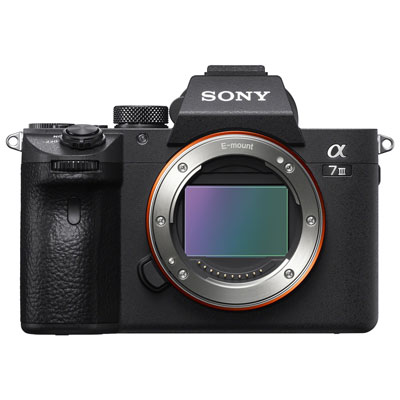 Your price for this item is $1899.99
 -
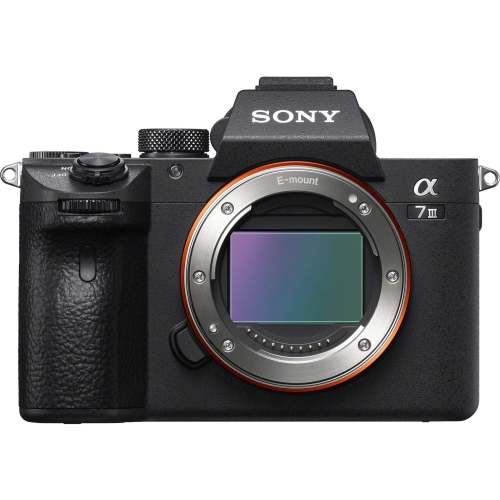 Your price for this item is $1899
 -
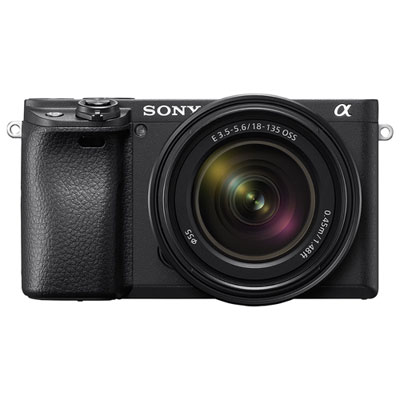 Your price for this item is $1749.99
 -
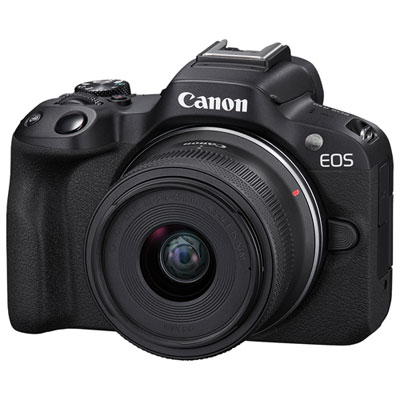 Your price for this item is $1099.99
 -
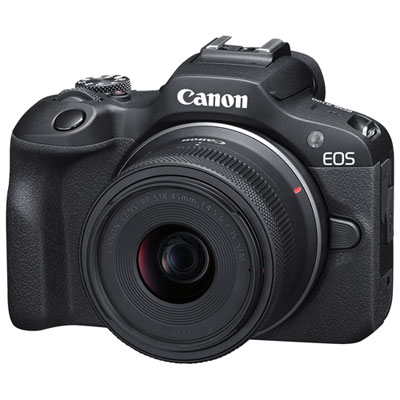 Your price for this item is $629.99
 -
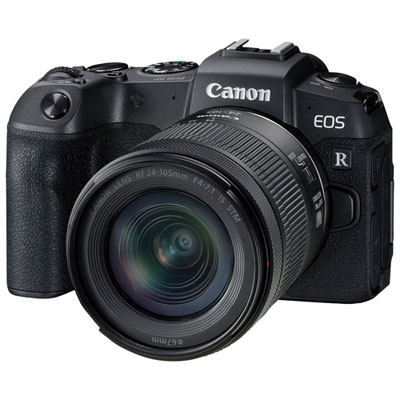 Your price for this item is $1499.99
 -
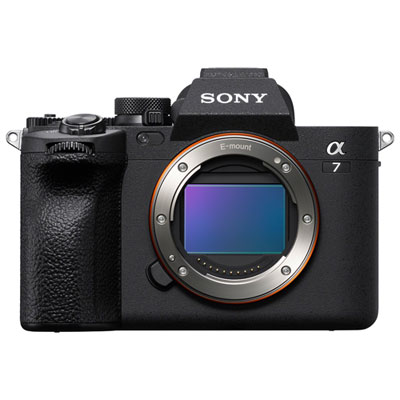 Your price for this item is $2699.99
 -
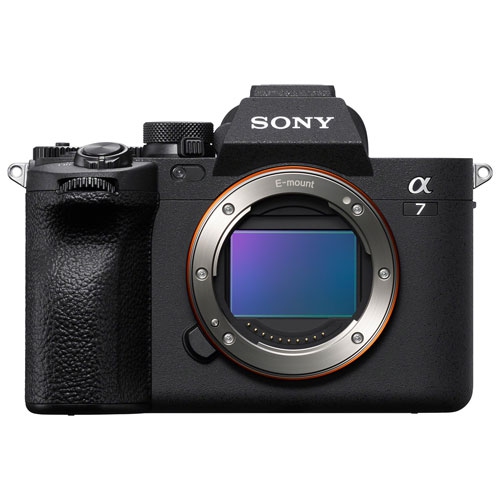 Your price for this item is $2419.99
Discover more categories related to Mirrorless 4k Cameras
Top Collections:
Pokemon Centers, Best Cameras for Sports Photography, Kindle Devices, Samsung Galaxy Phones, Canon G7X Cameras, Pokémon 30th Celebration Cards, Refurbished Apple Laptops, iPhone 15 Apple, Laptops for Students, Budget Smartphones
Some products may be subject to Environmental Handling Fees
(EHF) depending on your province.
Learn more about EHFs.