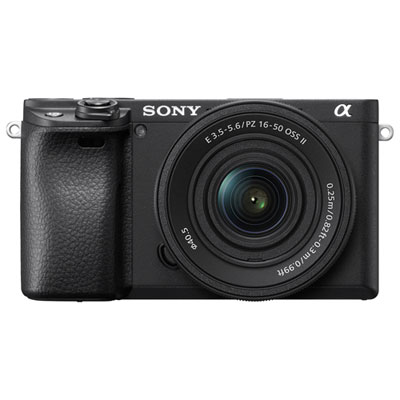
Mirrorless Cameras for Video And Photo
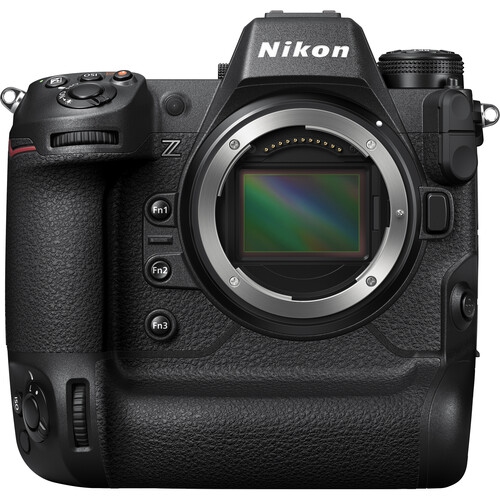
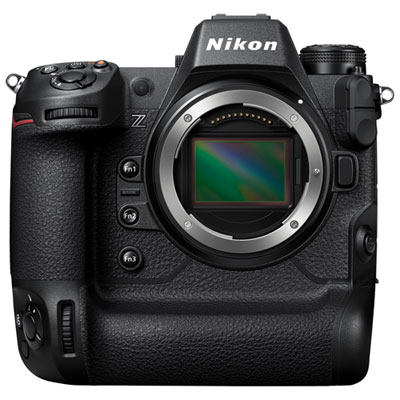
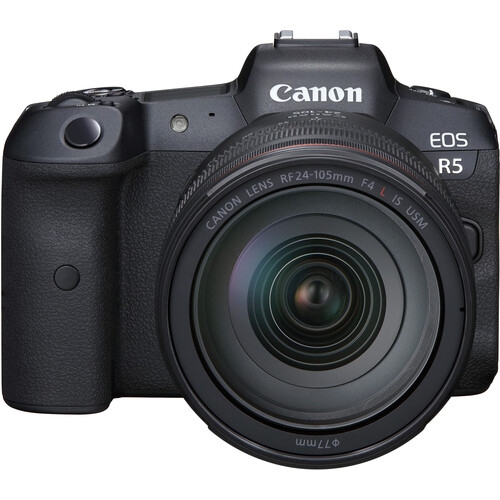
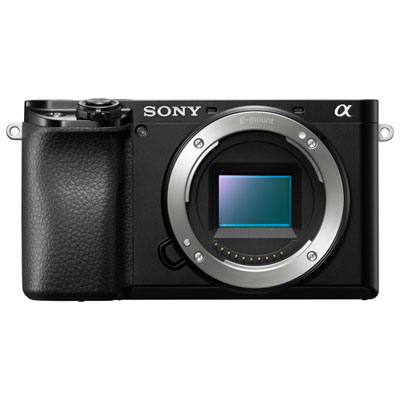
Capture stunning videos and photos with the latest innovation in camera technology - mirrorless cameras. Designed for both amateur enthusiasts and professional photographers, these cutting-edge devices offer exceptional image quality, versatility, and portability. Whether you're a vlogger looking to create content on the go or a seasoned filmmaker seeking a reliable tool for cinematic shots, our selection of mirrorless cameras is sure to meet your creative needs. With their advanced features, including high-resolution sensors, fast autofocus systems, and impressive video capabilities, these cameras empower you to unleash your creativity and capture every moment with precision and clarity. Discover the world of mirrorless cameras today and take your photography and videography skills to new heights.
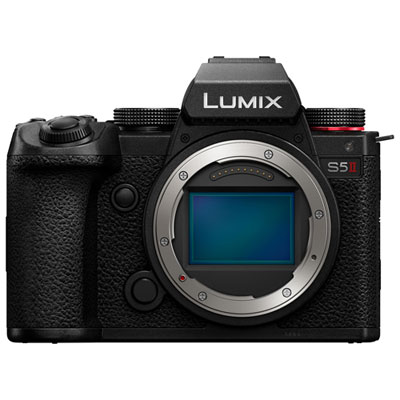
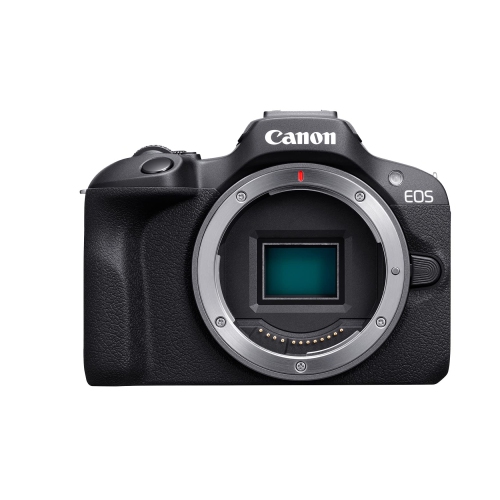
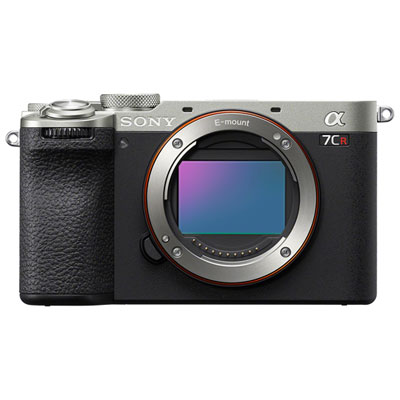
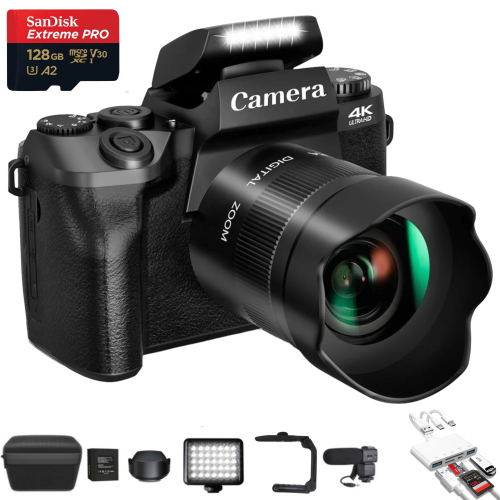
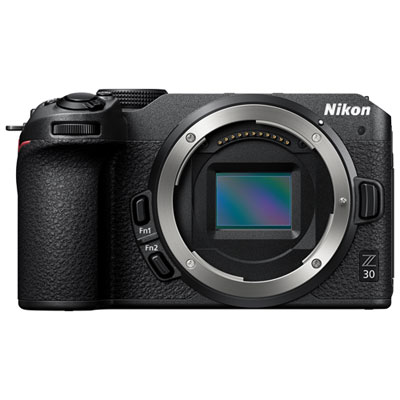
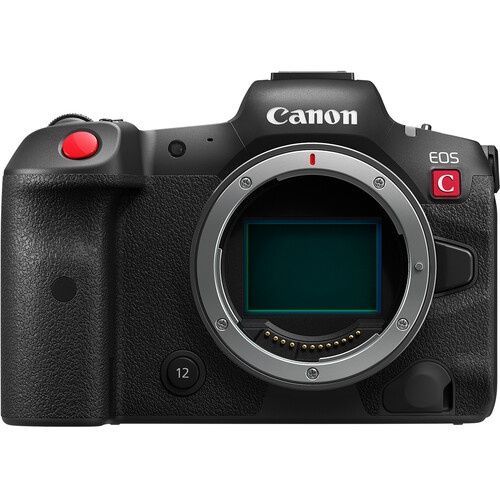
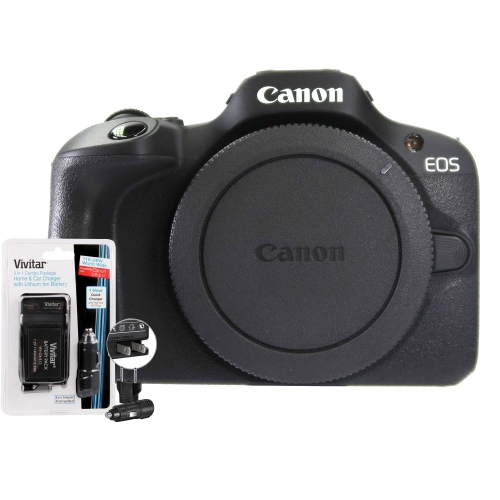
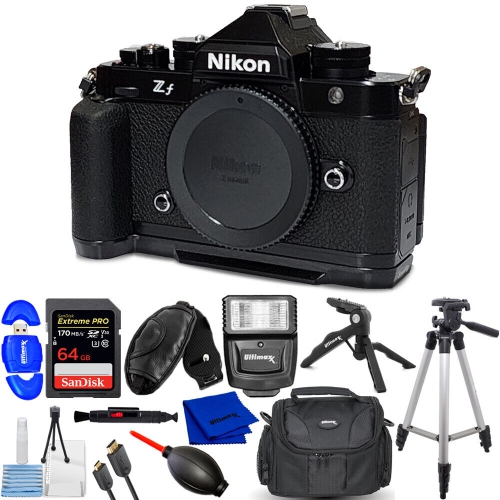
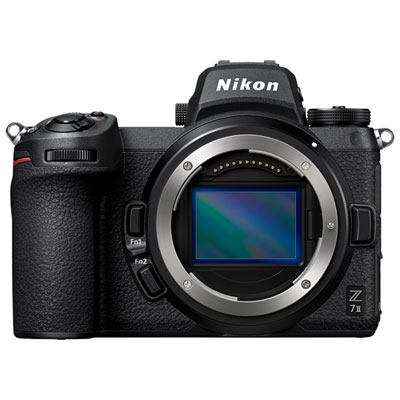
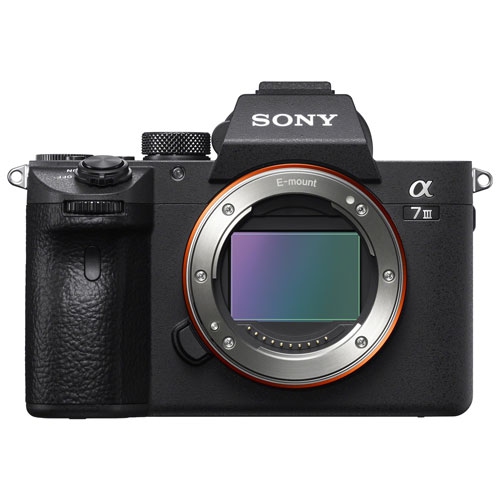
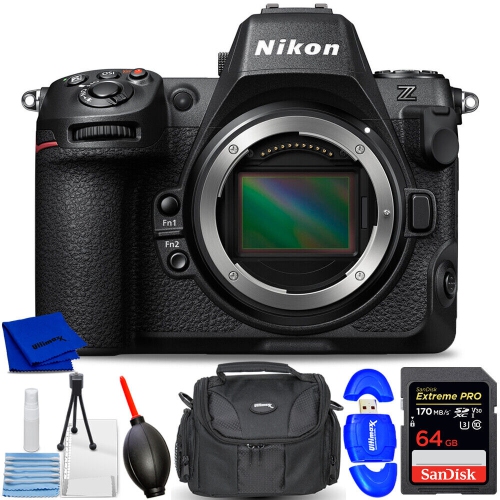
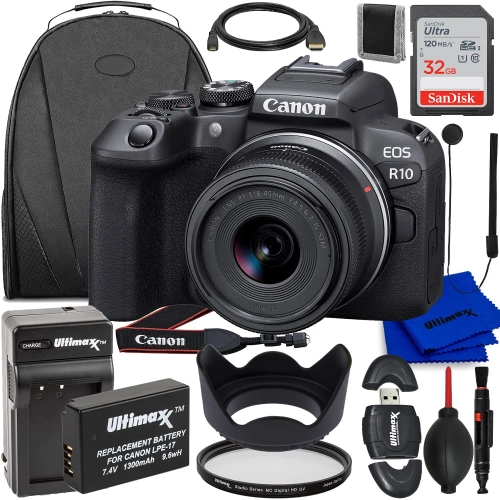
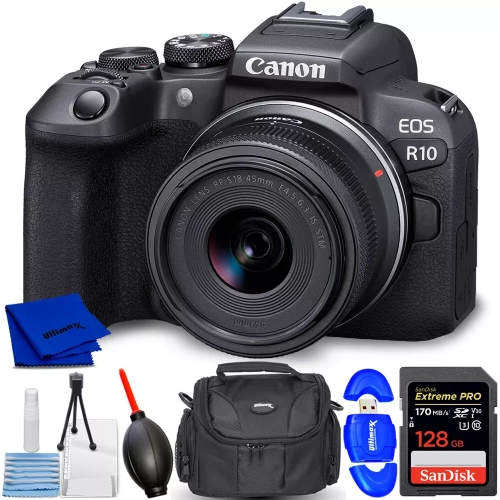
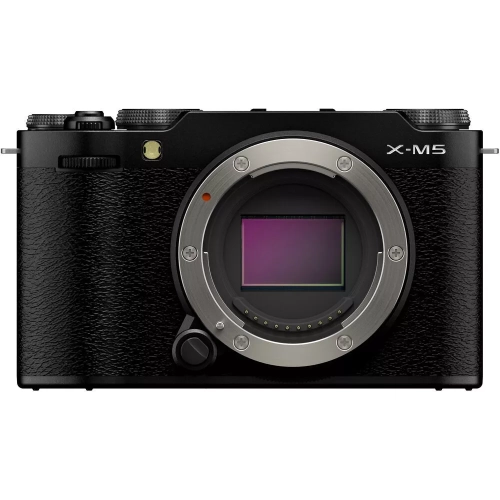

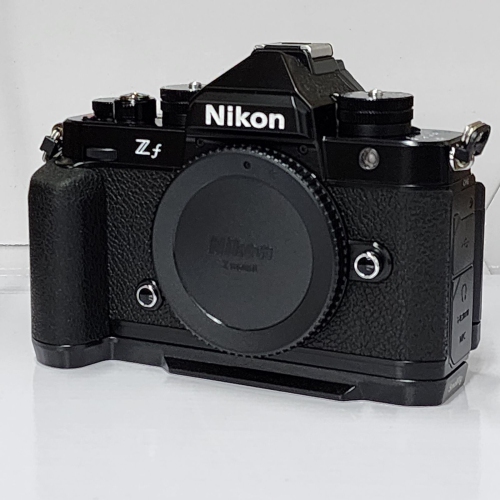
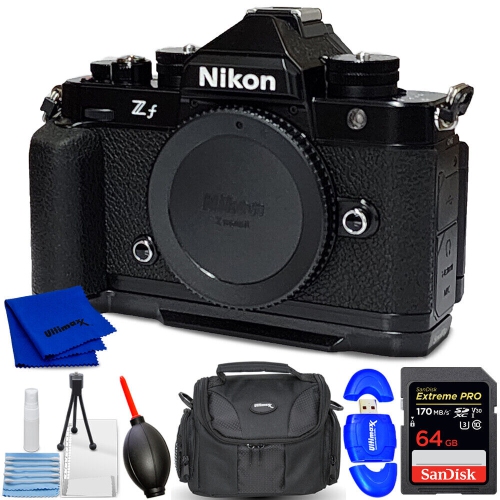
What matters when one camera handles photos and video
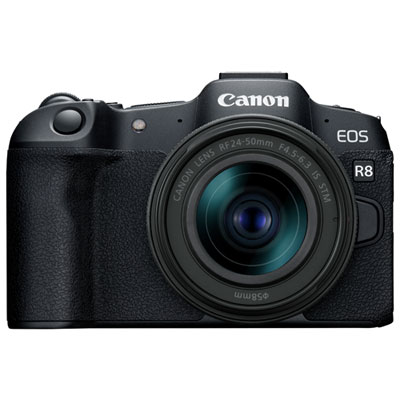
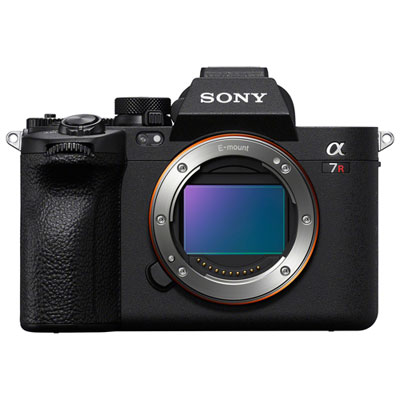
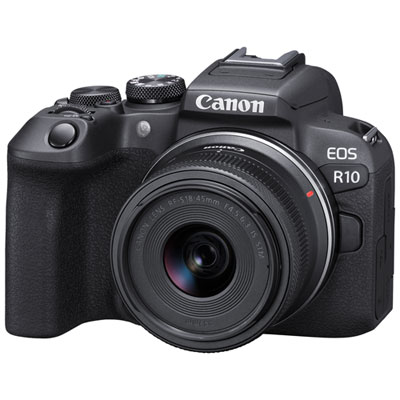
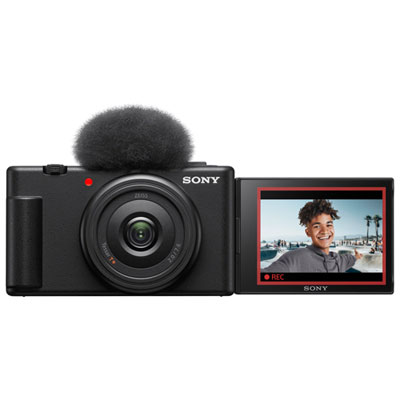
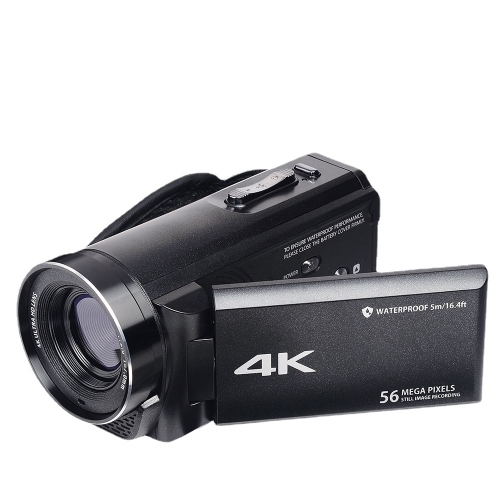
Video capability is about more than the resolution printed on a specification sheet. Detailed 4K footage is useful for everything from family memories to online presentations, but frame rates, sensor crops, autofocus behaviour, and recording limits influence how a camera performs in practice. Higher frame rates can create smooth slow motion when played back at a lower frame rate, though some settings reduce the area of the sensor used or require more light. Oversampled video can deliver fine detail by processing information from a higher-resolution sensor readout, while 10-bit recording offers more tonal information for compatible editing workflows. Log profiles provide flexibility for colour grading, but they generally need more post-production work than a standard picture profile. For someone who wants attractive footage with minimal editing, reliable automatic exposure, pleasing colour straight from the camera, and straightforward controls may be more valuable than advanced formats. Autofocus with face and eye detection can help keep a presenter sharp as they move, while adjustable focus-transition speed can make shifts between subjects feel less abrupt. In-body image stabilization can reduce visible camera shake with supported setups, and lens-based stabilization may add further flexibility; neither guarantees perfectly smooth footage while walking or prevents blur from a fast-moving subject in a photograph. A tripod or gimbal still has a place when the shot calls for steady framing or deliberate movement. Audio deserves equal attention: a microphone input supports an external microphone, and a headphone connection allows sound monitoring where provided. Wind noise, clothing rustle, and a distant speaker can distract from otherwise sharp footage. Cameras intended for longer sessions also benefit from suitable battery options and heat management, with actual recording duration depending on settings and conditions. For a closer focus on motion capture, Mirrorless Video Cameras offer a related category to explore alongside hybrid systems used regularly for still photography.
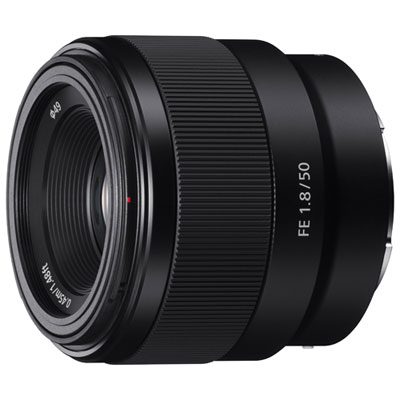
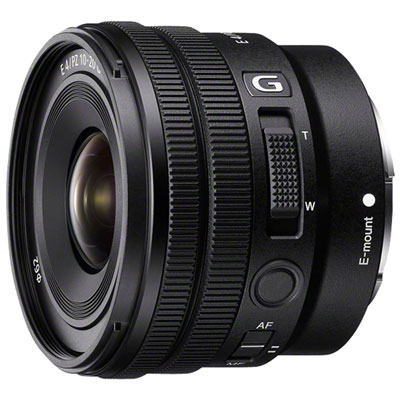
The lens system, physical fit, and everyday care of a mirrorless camera all influence how useful it remains over time. Lens-mount compatibility is essential, since interchangeable lenses are not universally compatible, and an adapter does not always preserve every focusing or stabilization function. A compact standard zoom can cover group photographs, street scenes, and casual video without frequent lens changes, while a wide-aperture prime can help with dim indoor light and softly blurred backgrounds. Longer focal lengths bring distant subjects closer in the frame, but they can add weight and make small movements more noticeable. For video, a quiet focusing motor can help reduce mechanical sound near the camera, and limited focus breathing helps maintain more consistent framing as focus changes. The combined weight of the body and lens matters during a long outing, especially when a camera is carried alongside a coat, snacks, and other travel essentials. Bodies may use reinforced composite materials, metal alloys, or a combination of both, with grip texture and control placement affecting comfort during extended use. Weather sealing, where specified, can provide added resistance to dust and moisture, but it should not be treated as waterproofing, and protection also depends on the attached lens and properly closed covers. During the cooler months, a protective bag and spare battery can be useful companions; letting a cold camera warm gradually inside a closed bag can help limit condensation when moving indoors. Routine care includes keeping lens caps in place during transport, removing loose dust with an appropriate blower, and using cleaning materials intended for optical surfaces. Lens changes are best kept brief and sheltered from blowing dust, and sensor cleaning requires particular care. Memory cards should meet the camera’s stated requirements for the chosen video settings, with regular backups protecting photographs and footage after each session. As gifts, these cameras can suit an aspiring filmmaker, a photography student, or a relative documenting family milestones, particularly when the system matches their existing lenses and comfort level. The lasting appeal is versatility: a camera that feels manageable on an ordinary afternoon can also support more deliberate portraits, polished presentations, and creative projects as its owner’s skills develop.
Top selling and popular products
-
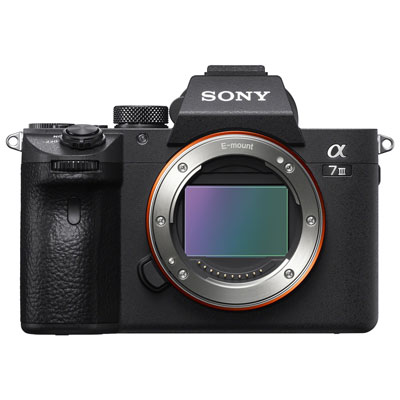 Your price for this item is $1899.99
 -
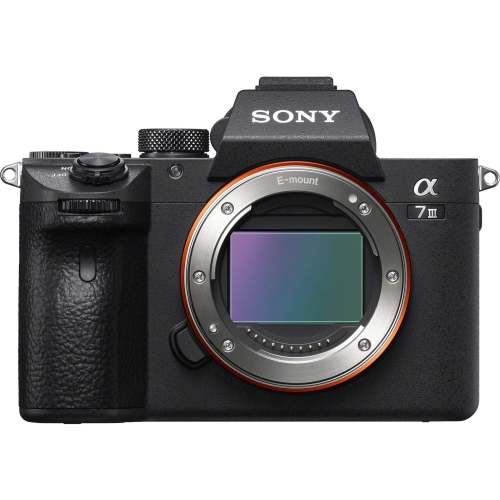 Your price for this item is $1899
 -
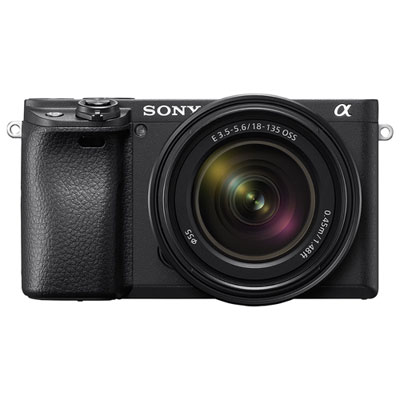 Your price for this item is $1749.99
 -
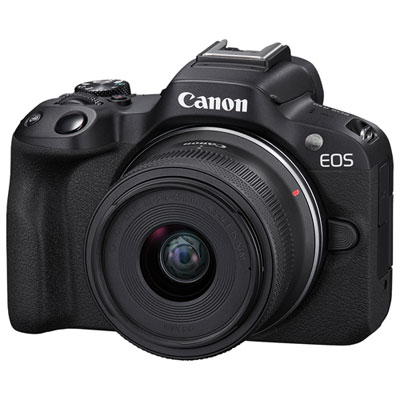 Your price for this item is $999.99
 -
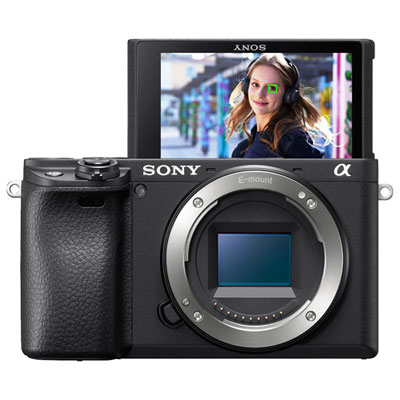 Your price for this item is $1249.99
 -
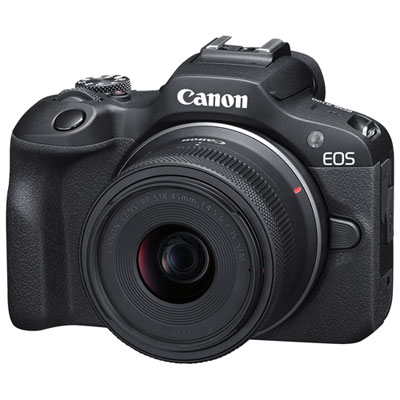 Your price for this item is $749.99
 -
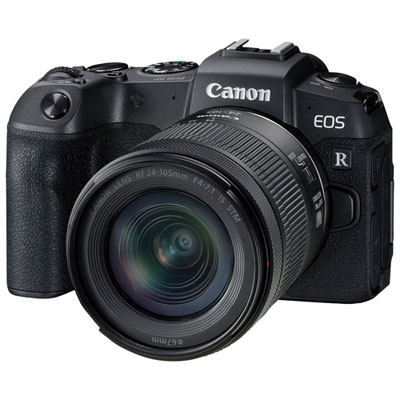 Your price for this item is $1499.99
 -
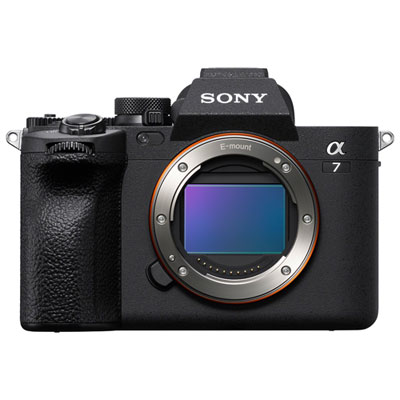 Your price for this item is $2699.99