Mirrorless Cameras for YouTube
If you're looking for a new camera to use on YouTube, you might consider a mirrorless camera. These cameras are smaller and lighter than traditional DSLRs, but they offer the same image quality. Here are some mirrorless cameras for YouTube available on the market.
Sort
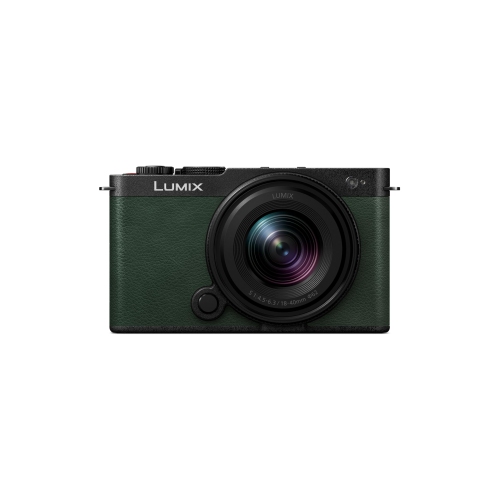
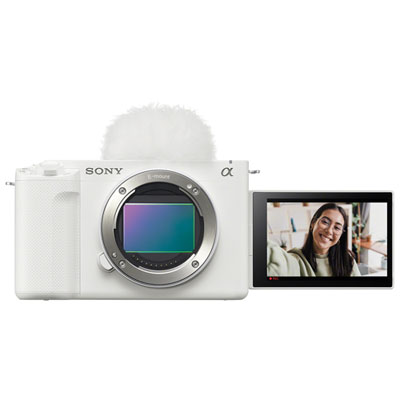
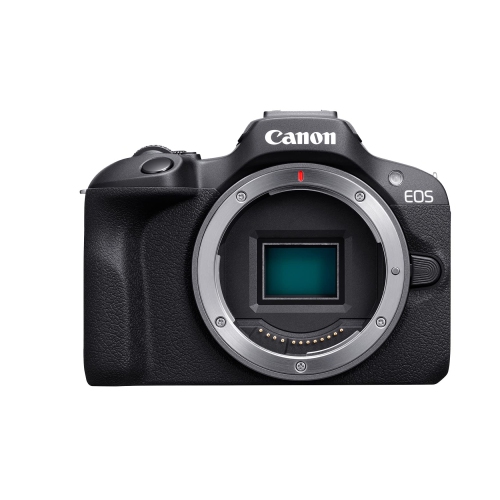
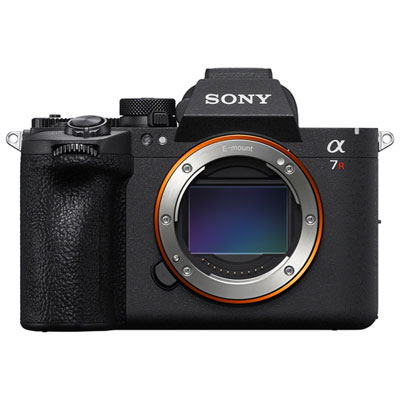
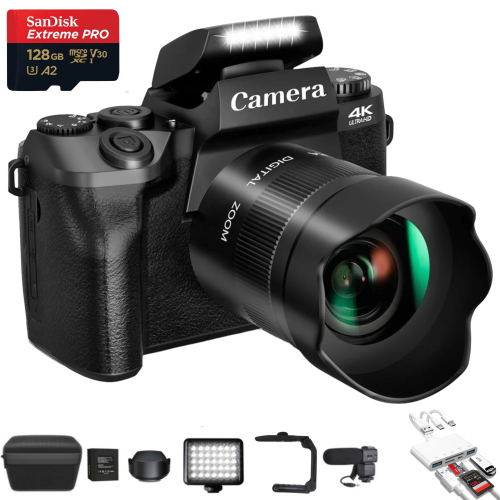
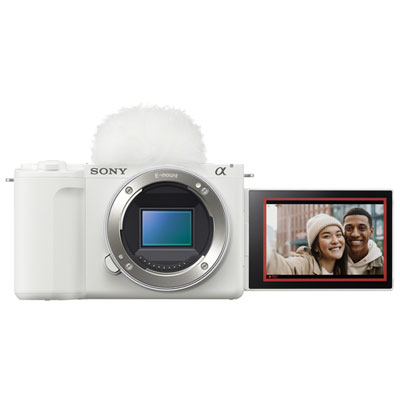
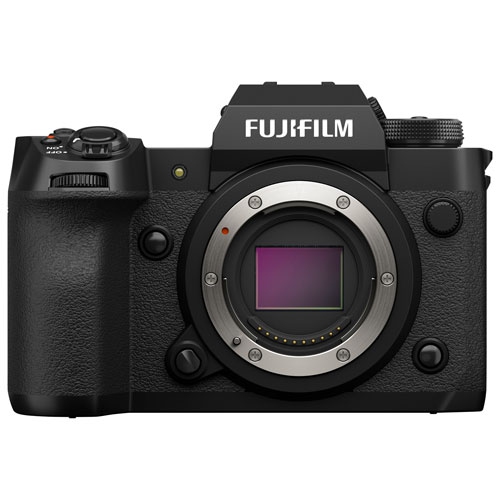
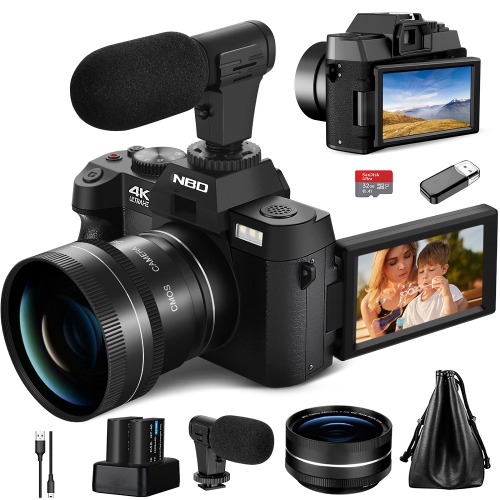
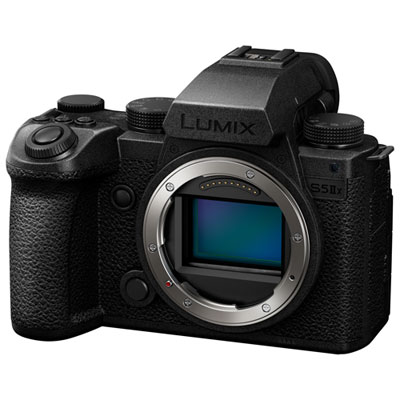
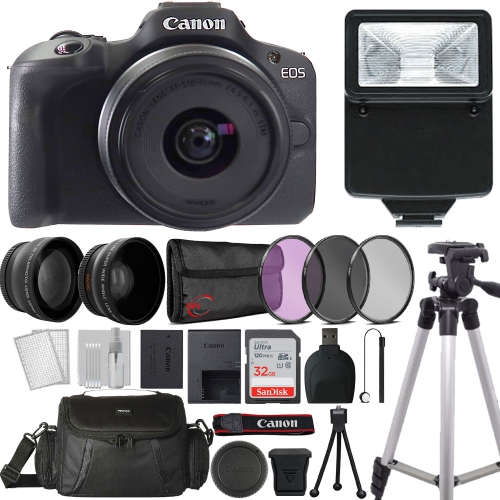
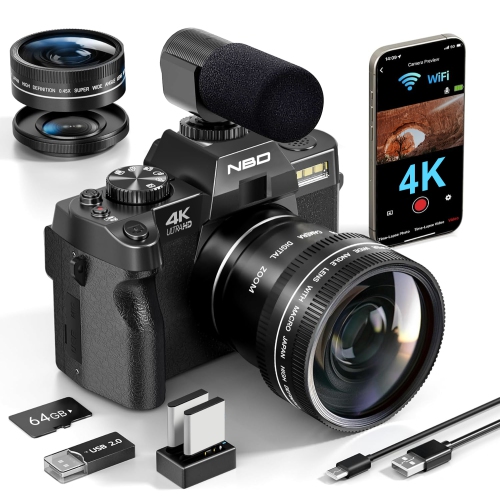
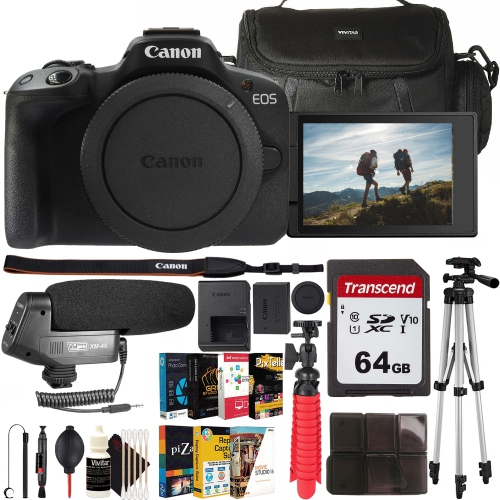
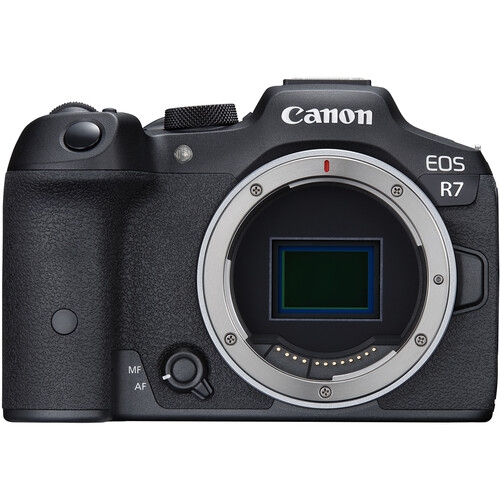
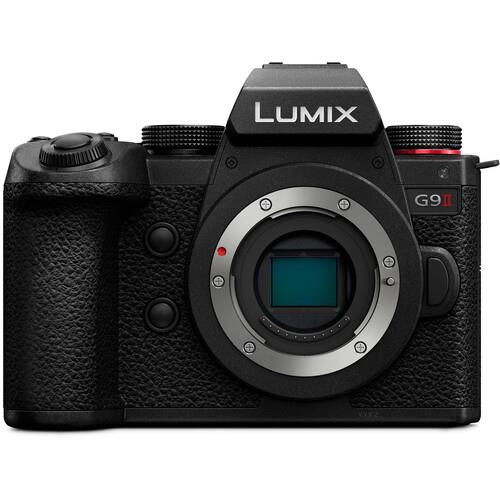
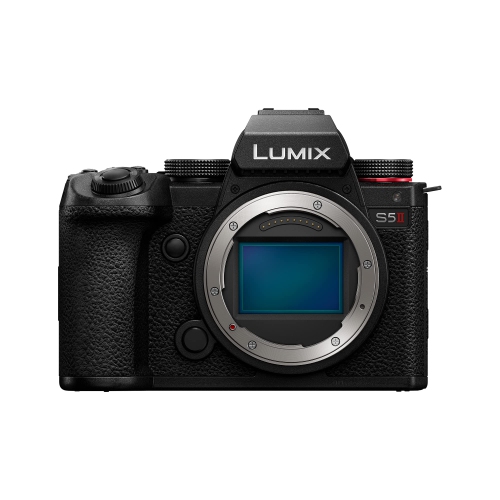
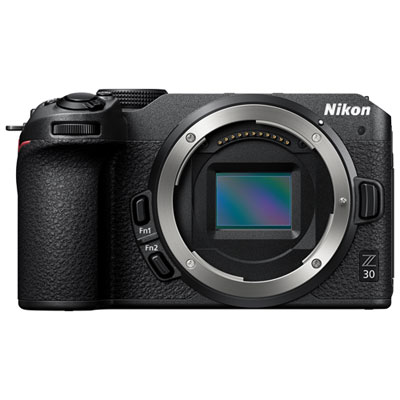
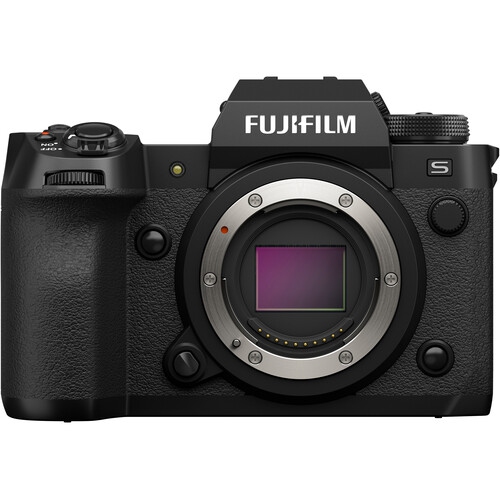
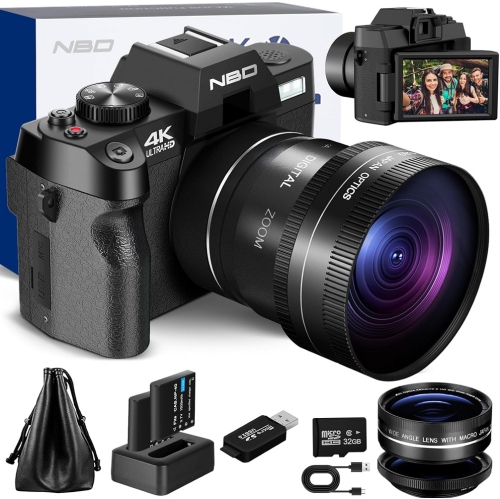
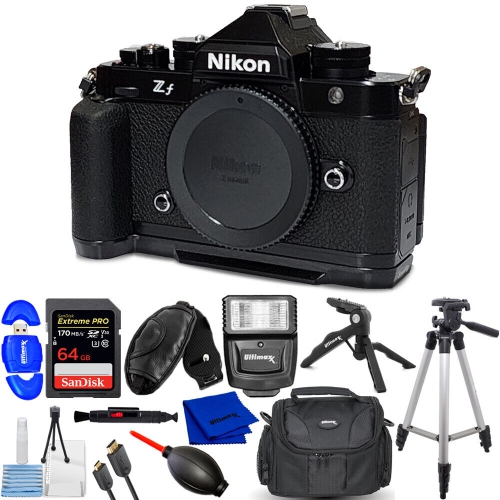
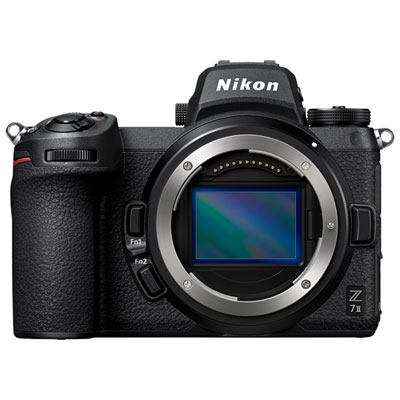

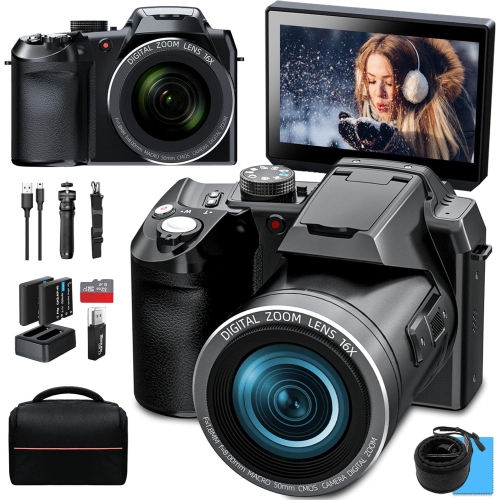
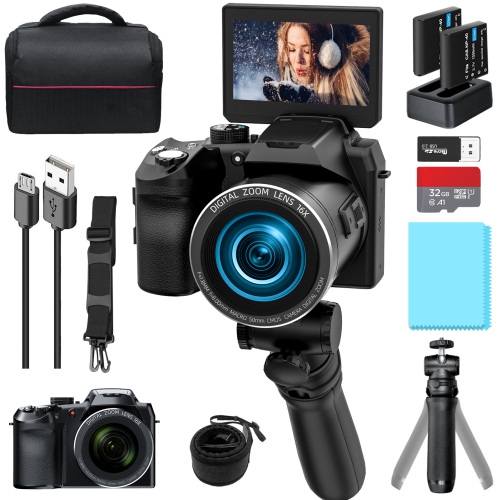
What matters beyond 4K for your YouTube setup
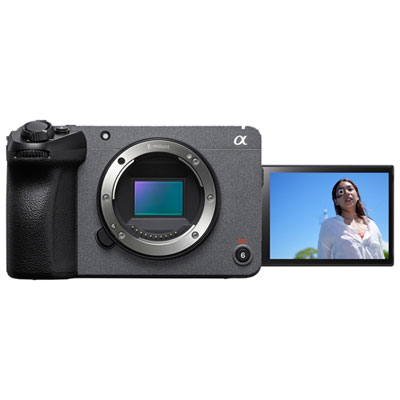
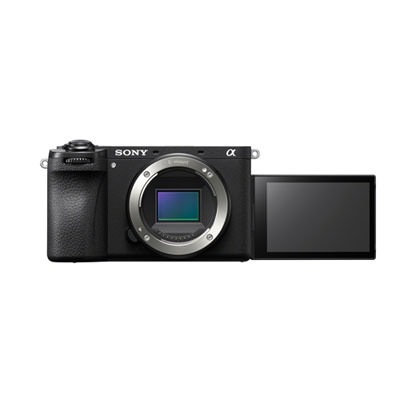
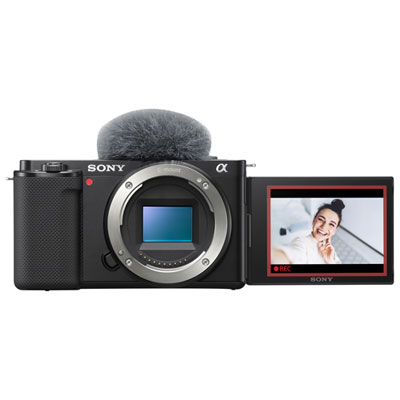
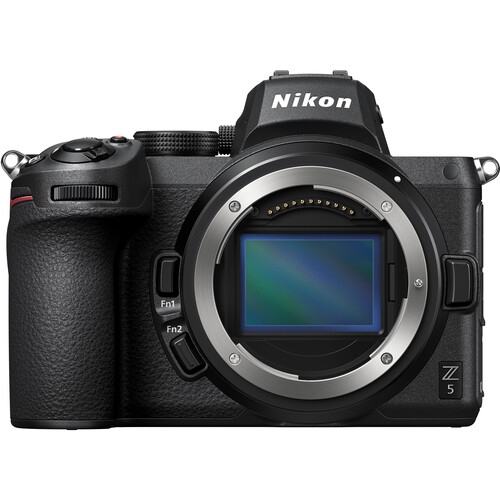
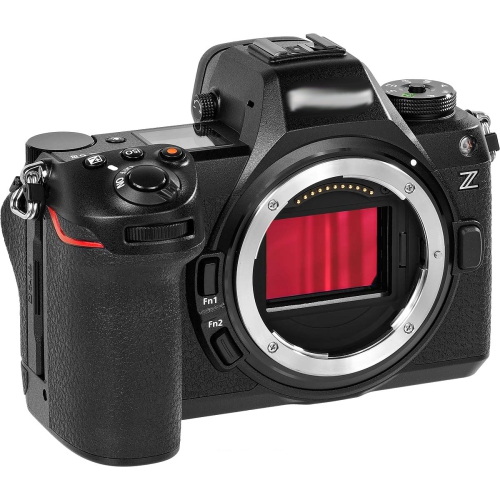
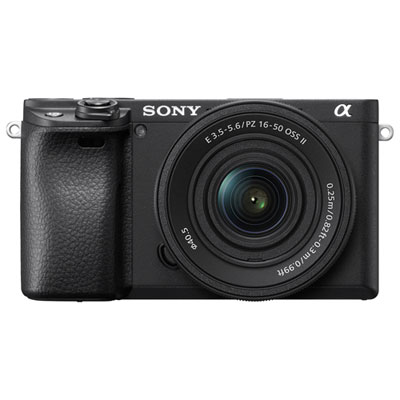
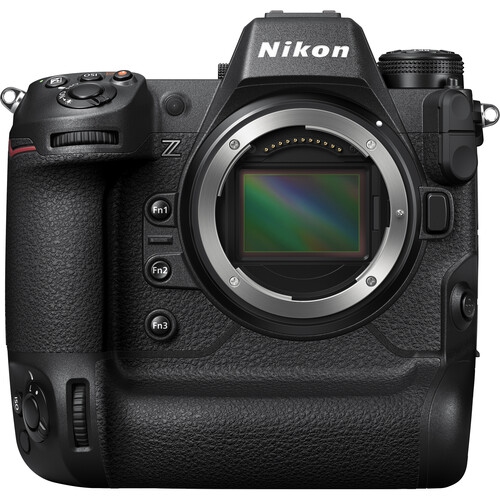
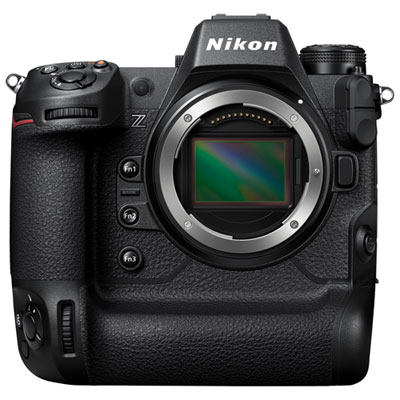
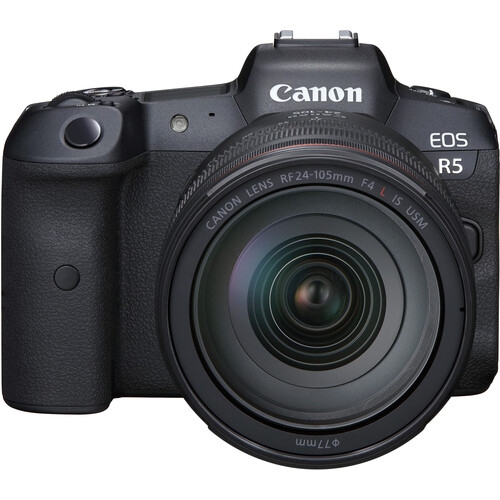
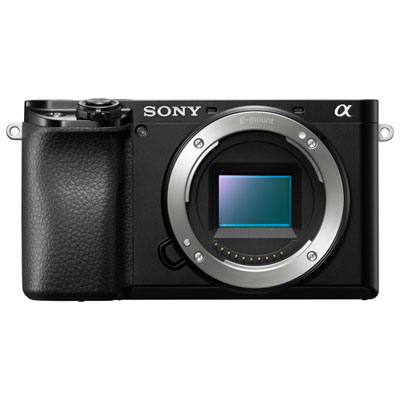
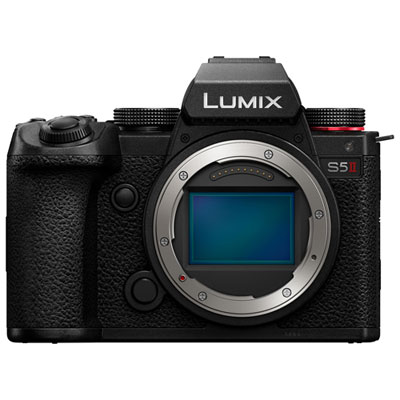
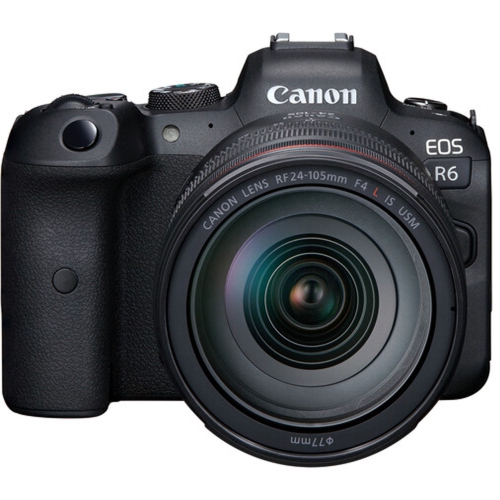
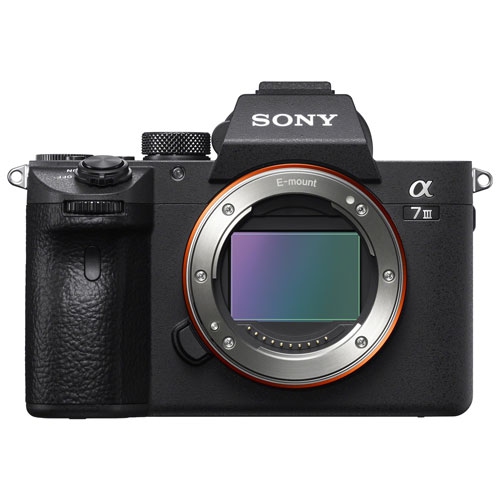
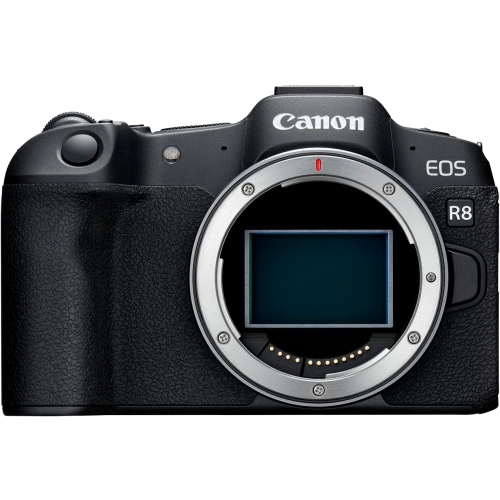
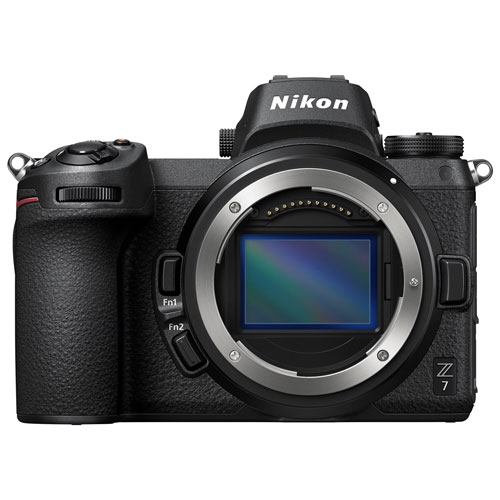
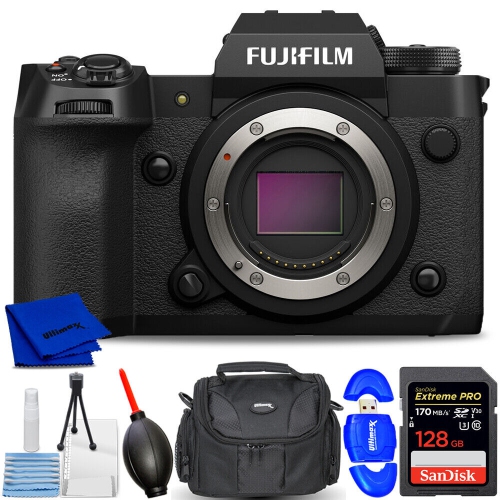
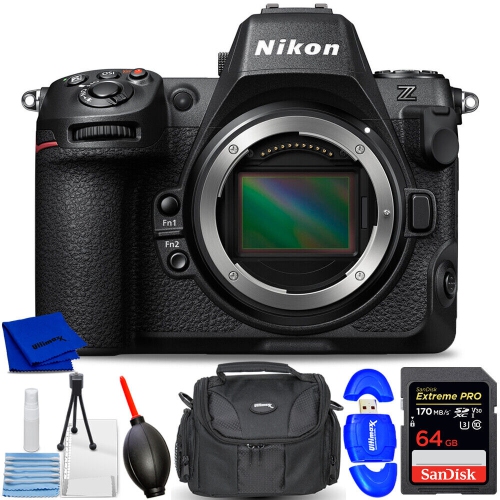
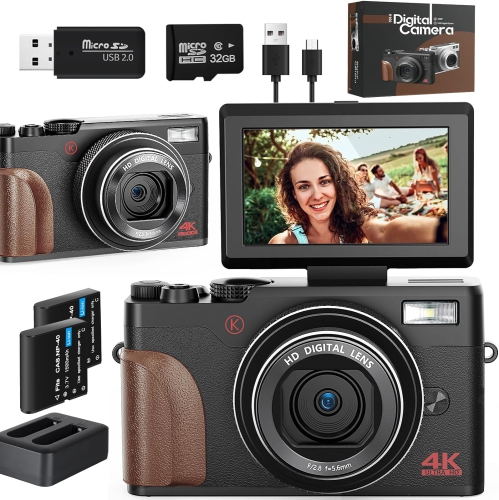
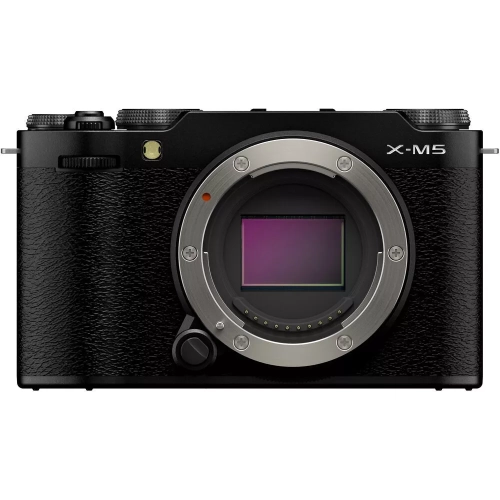
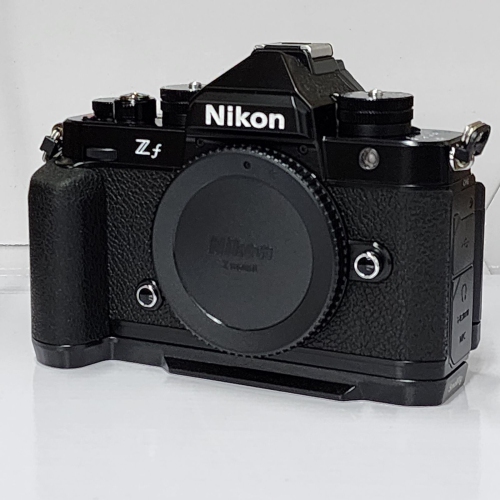
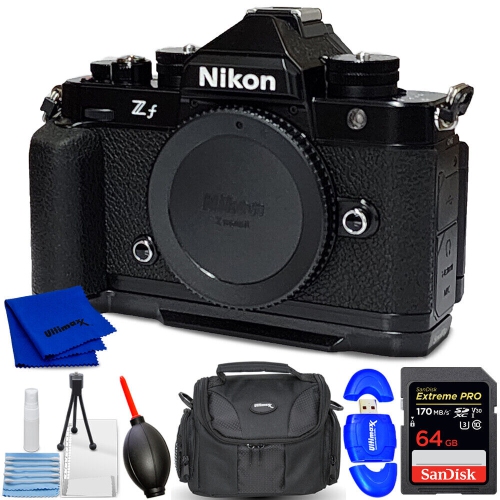
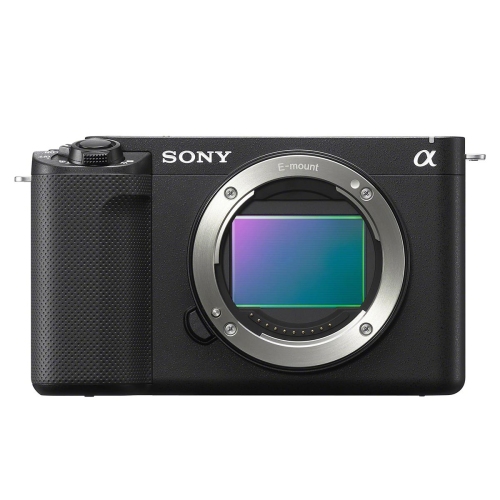
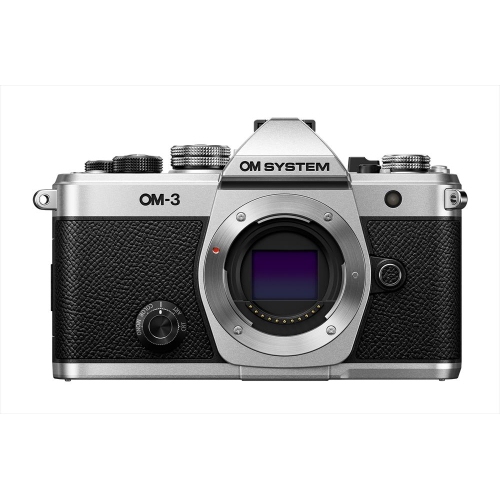
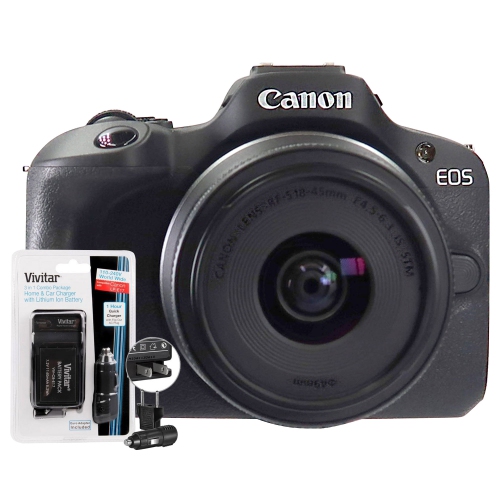
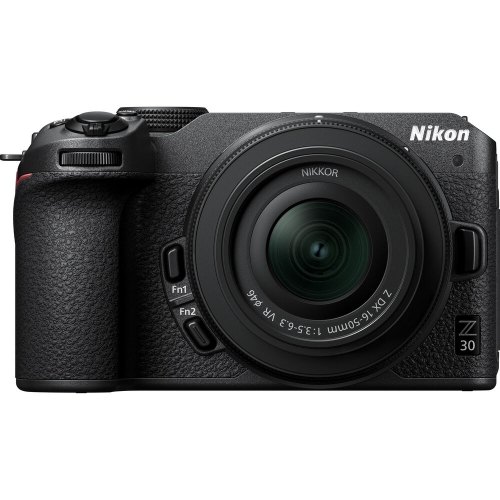
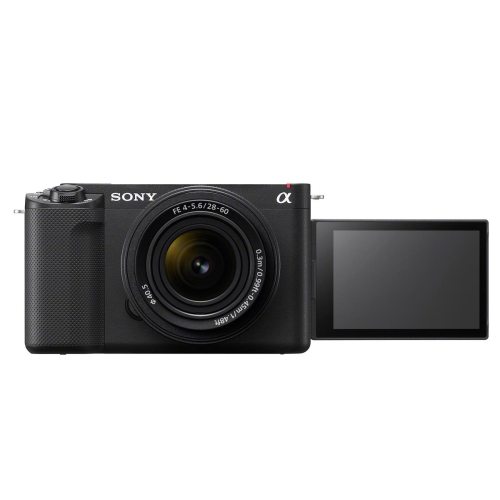
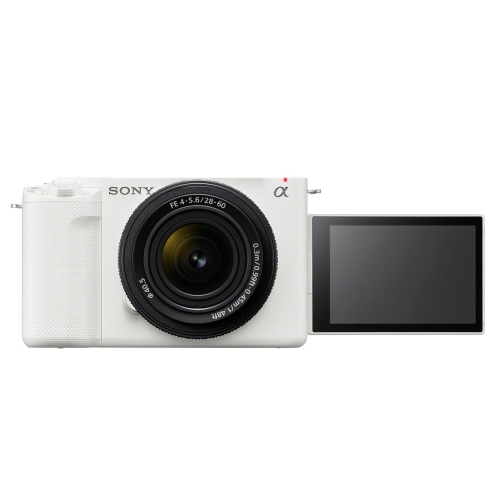
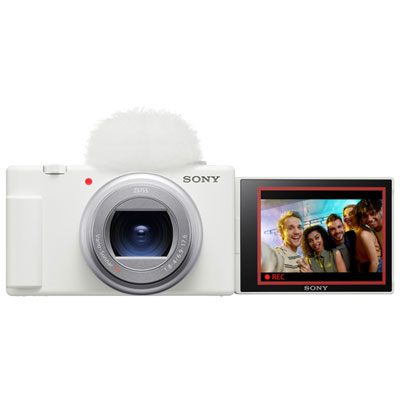
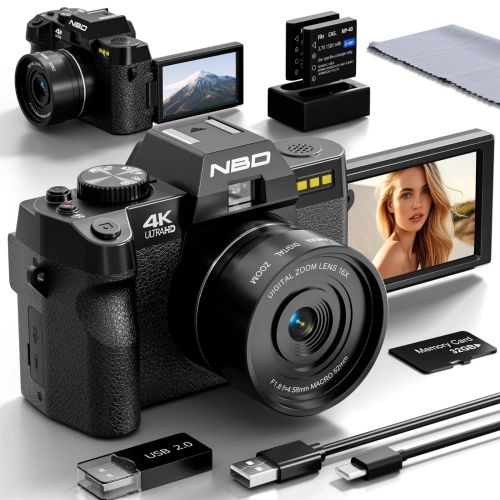
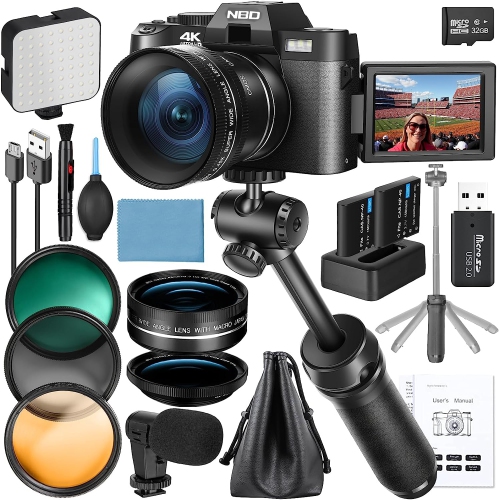
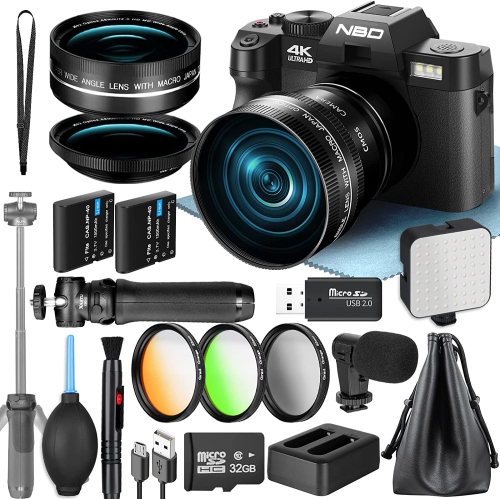
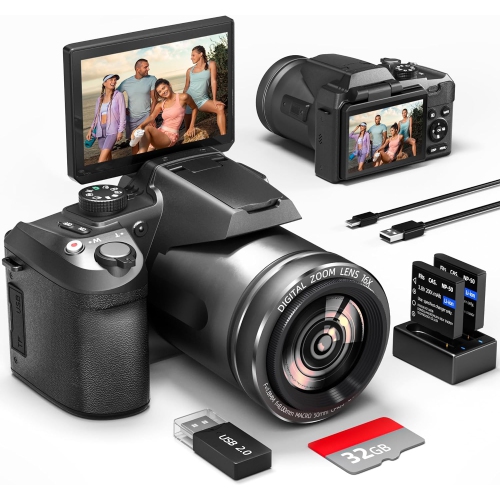
Mirrorless cameras for YouTube bring interchangeable lenses, detailed video and flexible framing to everything from desk-based tutorials to handheld vlogs. Their mirror-free design sends the view from the lens to an electronic viewfinder or rear screen, letting creators preview framing and exposure before filming. For many channels, the most useful combination is dependable autofocus, a screen that faces forward, clear 4K video and a connection for an external microphone. Those features support a straightforward routine: frame the shot, check the sound and stay focused on the presentation. A creator explaining a craft project needs hands and small details to remain visible, while someone filming a conversation needs faces to stay sharp as people lean forward or turn. Face and eye detection can help maintain focus during movement, though tracking performance varies between cameras and settings. Some models also offer focus modes that shift attention from a presenter’s face to an object held close to the lens, which can suit demonstrations and unboxing videos. A fully articulating screen makes it easier to monitor a solo recording, but its position matters when microphone and headphone cables are connected. Resolution is only part of the picture: readable controls, predictable exposure and pleasing skin tones can make everyday filming more manageable than a long list of advanced modes. Detailed 4K footage provides room to crop into a wider shot when delivering a Full HD video, while higher frame rates can support slow-motion sequences when played back at a lower frame rate. Not every camera offers the same autofocus, crop or image quality in every video mode. Mirrorless bodies also capture still photographs, making them useful for channel thumbnails, profile images and behind-the-scenes pictures. This combination suits new creators building a consistent setup, experienced presenters refining their production and photographers adding video to an existing creative routine.
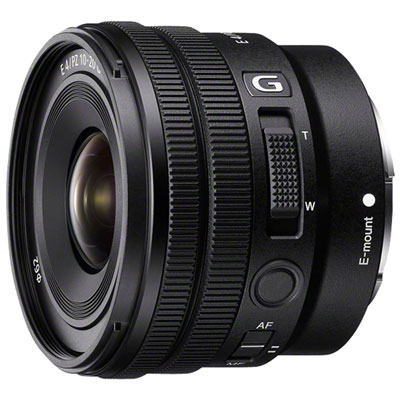
The lens and sensor work together to shape how a YouTube video looks, especially in rooms where camera placement is limited. A wider lens can fit a presenter and part of a workspace into the frame without requiring the camera to sit across the room. For handheld filming at arm’s length, the lens needs to remain wide enough after any crop applied by the selected video mode or digital stabilization. A standard zoom offers flexible framing for tutorials, interviews and supporting footage, while a close-focusing lens can reveal stitching, textures or small controls during a demonstration. A lens with a wider maximum aperture can help in dim interiors and soften a distracting background, although very shallow depth of field leaves less room for a presenter to move without drifting out of focus. Larger sensors can offer advantages in low light and background separation; smaller-sensor systems can make it easier to assemble a compact camera-and-lens combination. Neither format replaces thoughtful lighting or careful composition. A softly lit face and an uncluttered background often contribute more to a polished talking-head shot than resolution alone. Physical fit matters just as much during longer sessions. A comfortable grip, accessible record button and manageable total weight help when filming away from a tripod, particularly once a microphone or larger lens is attached. Bodies may use engineered plastics, metal alloys or a combination of materials, and build quality involves more than the outer finish: lens mounts, hinges, port covers and control dials all receive frequent handling. In-body stabilization and optical lens stabilization can reduce visible shake, but results depend on the camera, lens and type of movement. Walking footage may still benefit from a gimbal or another support. For a fixed desk setup, a sturdy tripod keeps framing consistent and frees the presenter’s hands. Lens-mount compatibility also deserves attention, since interchangeable lenses are not universally compatible, and adapters may affect autofocus or other functions.
Sound, power and file handling influence how easily a mirrorless camera fits into a repeatable YouTube workflow. A microphone input allows a compatible external microphone to capture speech closer to its source, reducing the distant sound common when a camera sits several feet from the presenter. A headphone output, where provided, helps reveal clothing rustle, distracting background noise or distorted audio before a full session is finished. Long interviews, lessons and livestreams place different demands on a camera than short clips: supported recording duration, battery life, card capacity and continuous power options all matter. USB power does not always mean a camera can operate indefinitely while filming, so the supported power method needs to match the intended setup. For streaming, some cameras can connect directly to a computer over USB, while others use an HDMI connection and a compatible capture device; output resolution, audio support and on-screen display settings vary. Memory cards must meet the speed requirements of the chosen recording mode, and higher-quality files need more storage and greater editing capacity. Advanced options such as 10-bit capture and log profiles provide more flexibility for colour adjustments, but they also add processing and editing considerations that may be unnecessary for a simple weekly upload. Creators producing both horizontal videos and vertical Shorts may value framing aids or recording modes that leave room for both layouts. For broader production needs, Mirrorless Cameras for Videography covers a related category suited to projects beyond a channel’s regular uploads. Everyday care helps protect the equipment between shoots: a padded bag limits knocks during transport, lens caps protect exposed glass, and a clean blower and suitable lens cloth help remove dust without rough wiping. Keeping the camera powered off during lens changes and minimizing the time the mount stays open can reduce dust entering the body. As a gift for an aspiring or established creator, a mirrorless camera is most useful when it fits the recipient’s existing lenses, editing setup and preferred filming style. The strongest match supports the videos they actually make, whether that means a compact kit for solo vlogging or a fixed setup for clear, consistent presentations.
The lens and sensor work together to shape how a YouTube video looks, especially in rooms where camera placement is limited. A wider lens can fit a presenter and part of a workspace into the frame without requiring the camera to sit across the room. For handheld filming at arm’s length, the lens needs to remain wide enough after any crop applied by the selected video mode or digital stabilization. A standard zoom offers flexible framing for tutorials, interviews and supporting footage, while a close-focusing lens can reveal stitching, textures or small controls during a demonstration. A lens with a wider maximum aperture can help in dim interiors and soften a distracting background, although very shallow depth of field leaves less room for a presenter to move without drifting out of focus. Larger sensors can offer advantages in low light and background separation; smaller-sensor systems can make it easier to assemble a compact camera-and-lens combination. Neither format replaces thoughtful lighting or careful composition. A softly lit face and an uncluttered background often contribute more to a polished talking-head shot than resolution alone. Physical fit matters just as much during longer sessions. A comfortable grip, accessible record button and manageable total weight help when filming away from a tripod, particularly once a microphone or larger lens is attached. Bodies may use engineered plastics, metal alloys or a combination of materials, and build quality involves more than the outer finish: lens mounts, hinges, port covers and control dials all receive frequent handling. In-body stabilization and optical lens stabilization can reduce visible shake, but results depend on the camera, lens and type of movement. Walking footage may still benefit from a gimbal or another support. For a fixed desk setup, a sturdy tripod keeps framing consistent and frees the presenter’s hands. Lens-mount compatibility also deserves attention, since interchangeable lenses are not universally compatible, and adapters may affect autofocus or other functions.
Sound, power and file handling influence how easily a mirrorless camera fits into a repeatable YouTube workflow. A microphone input allows a compatible external microphone to capture speech closer to its source, reducing the distant sound common when a camera sits several feet from the presenter. A headphone output, where provided, helps reveal clothing rustle, distracting background noise or distorted audio before a full session is finished. Long interviews, lessons and livestreams place different demands on a camera than short clips: supported recording duration, battery life, card capacity and continuous power options all matter. USB power does not always mean a camera can operate indefinitely while filming, so the supported power method needs to match the intended setup. For streaming, some cameras can connect directly to a computer over USB, while others use an HDMI connection and a compatible capture device; output resolution, audio support and on-screen display settings vary. Memory cards must meet the speed requirements of the chosen recording mode, and higher-quality files need more storage and greater editing capacity. Advanced options such as 10-bit capture and log profiles provide more flexibility for colour adjustments, but they also add processing and editing considerations that may be unnecessary for a simple weekly upload. Creators producing both horizontal videos and vertical Shorts may value framing aids or recording modes that leave room for both layouts. For broader production needs, Mirrorless Cameras for Videography covers a related category suited to projects beyond a channel’s regular uploads. Everyday care helps protect the equipment between shoots: a padded bag limits knocks during transport, lens caps protect exposed glass, and a clean blower and suitable lens cloth help remove dust without rough wiping. Keeping the camera powered off during lens changes and minimizing the time the mount stays open can reduce dust entering the body. As a gift for an aspiring or established creator, a mirrorless camera is most useful when it fits the recipient’s existing lenses, editing setup and preferred filming style. The strongest match supports the videos they actually make, whether that means a compact kit for solo vlogging or a fixed setup for clear, consistent presentations.
Top selling and popular products
-
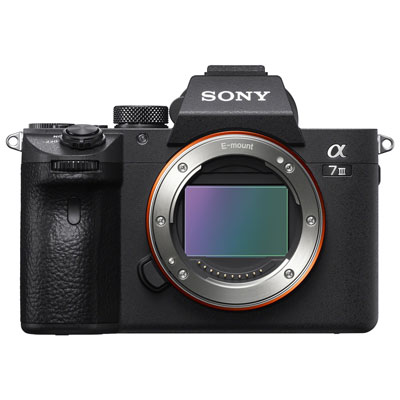 Your price for this item is $1899.99
 -
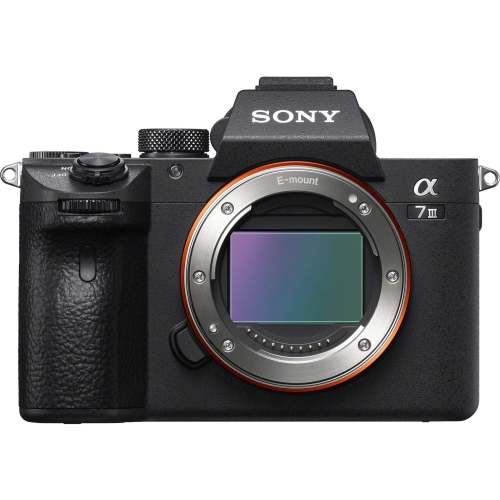 Your price for this item is $1899
 -
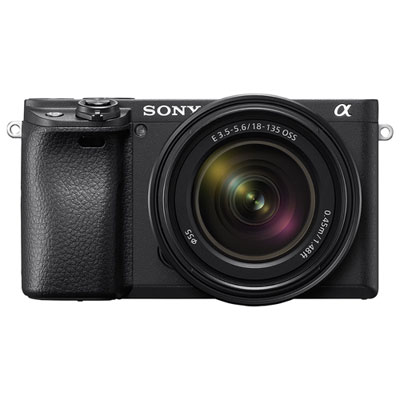 Your price for this item is $1749.99
 -
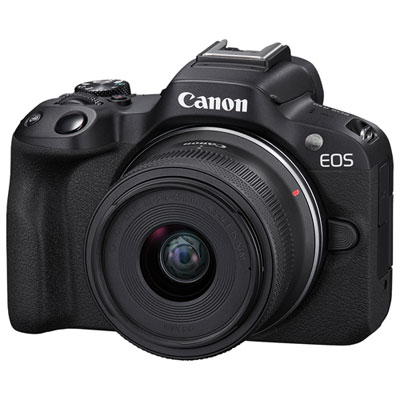 Your price for this item is $999.99
 -
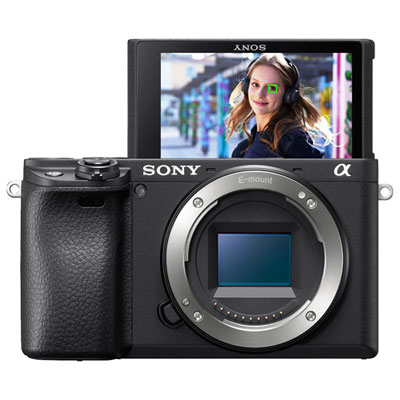 Your price for this item is $1249.99
 -
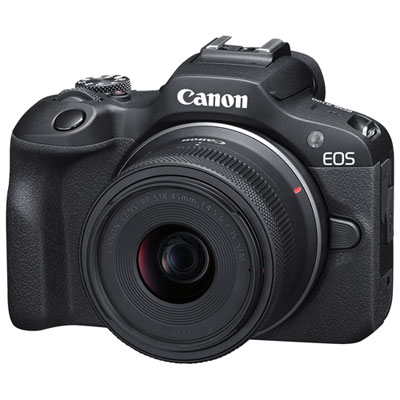 Your price for this item is $749.99
 -
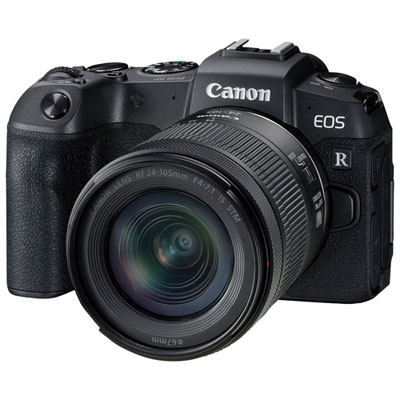 Your price for this item is $1499.99
 -
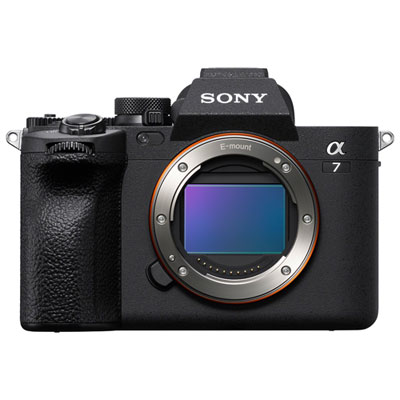 Your price for this item is $2699.99
Discover more categories related to Mirrorless Cameras for YouTube

Top Collections:
Pokemon Centers, Kindle Devices, Best Budget Office Chairs, Apple iPhones 16, Best Laptops for Writers, iPhone 15 Apple, Canon G7X Cameras, Refurbished Apple Laptops, Alarm Clock, Motorola Razr Phones
Some products may be subject to Environmental Handling Fees
(EHF) depending on your province.
Learn more about EHFs.