50mm Lenses for Sony
Capture stunning images with our wide selection of 50mm lenses for Sony cameras. Whether you're a professional photographer or an avid hobbyist, these lenses are designed to deliver exceptional image quality and versatility. With their fixed focal length, 50mm lenses are perfect for capturing everything from breathtaking portraits to detailed landscapes. Explore our range of Professional Lenses today and take your photography skills to new heights.
Sort
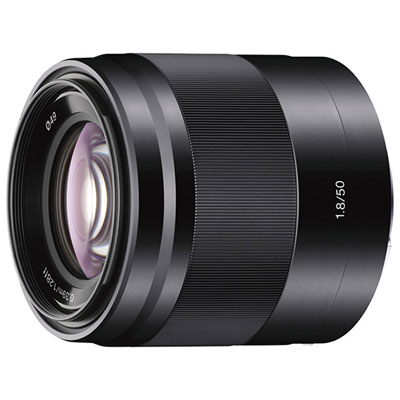
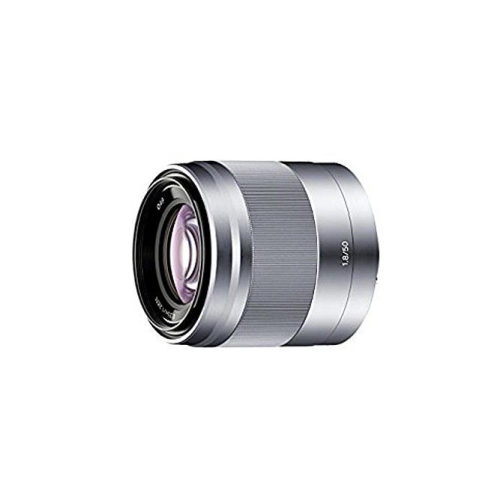
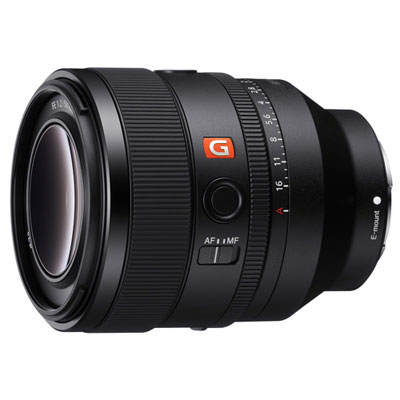
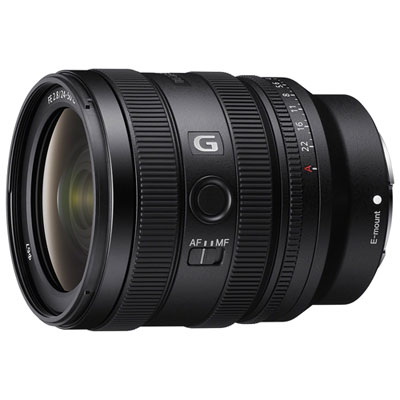
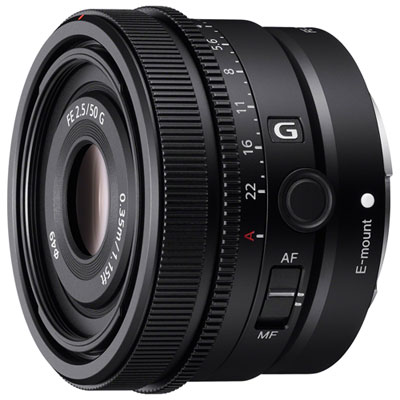
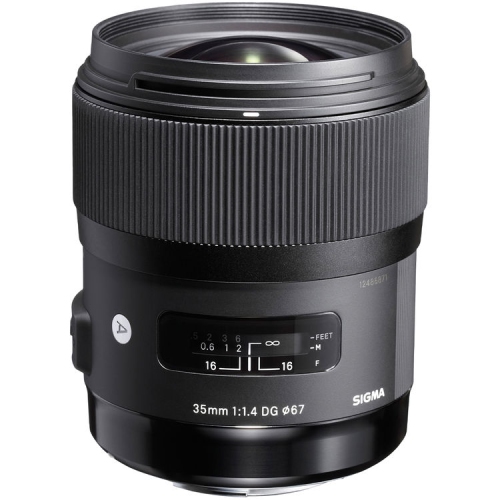
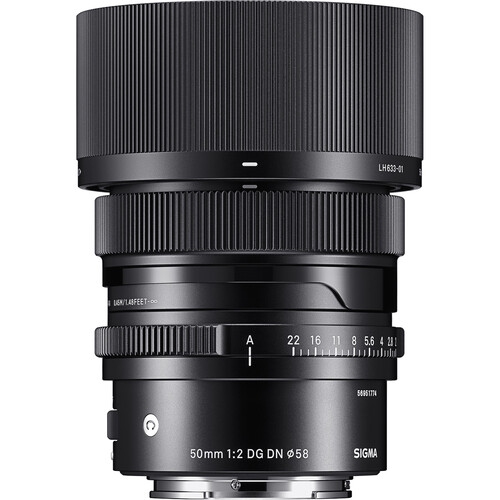
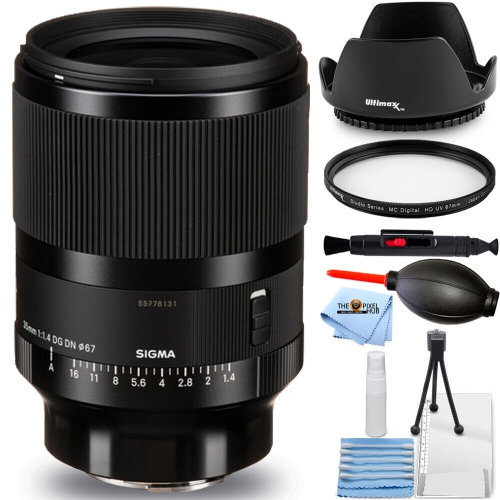
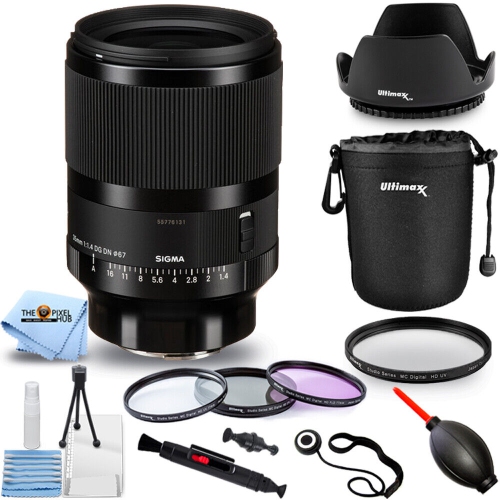
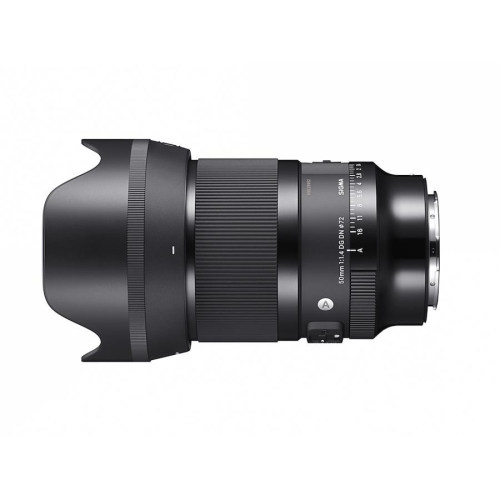
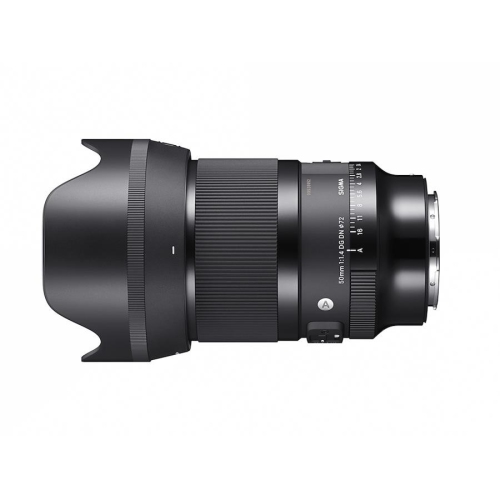
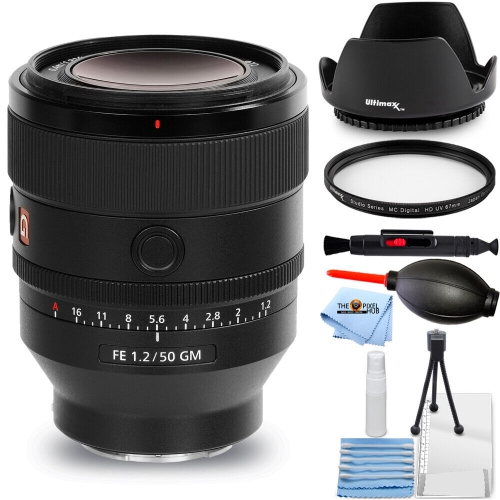
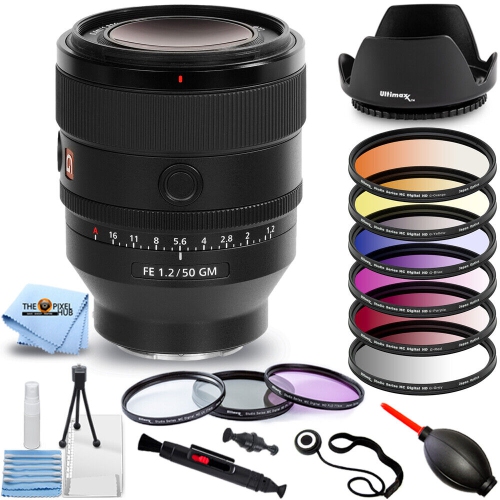
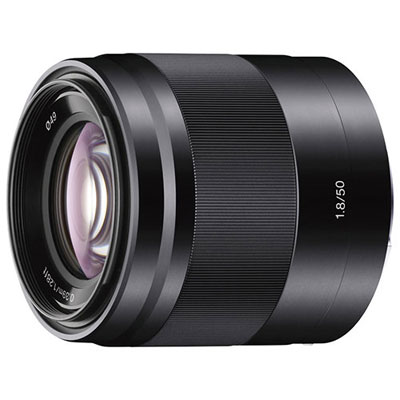
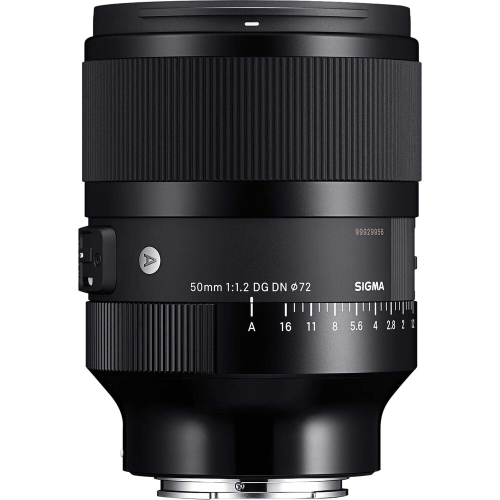
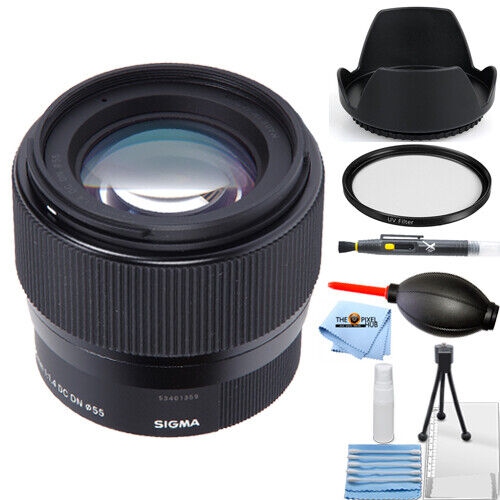
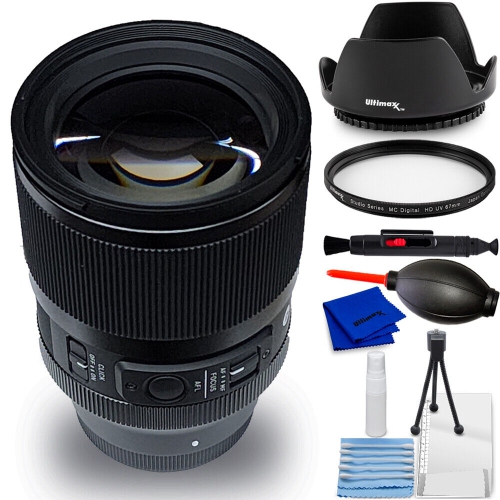
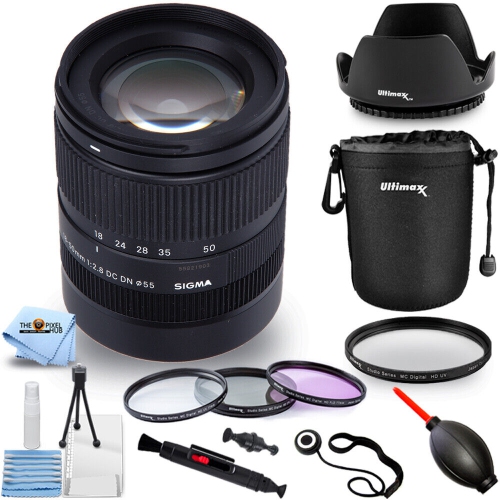
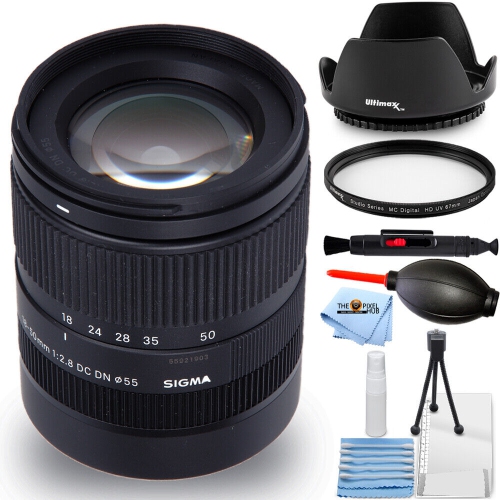
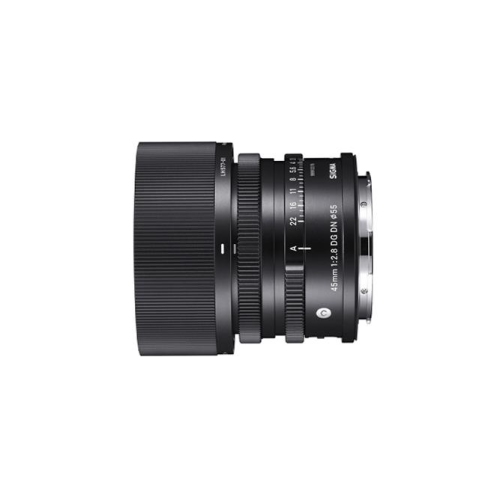
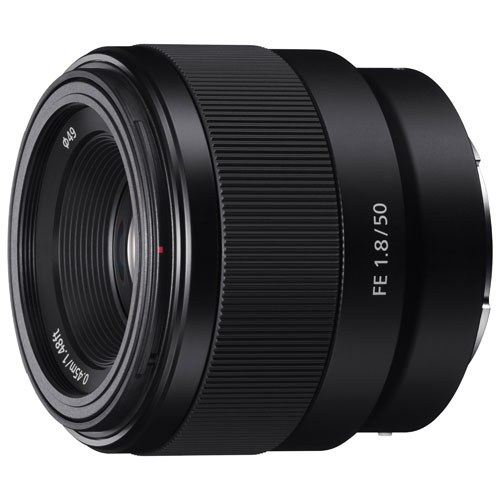
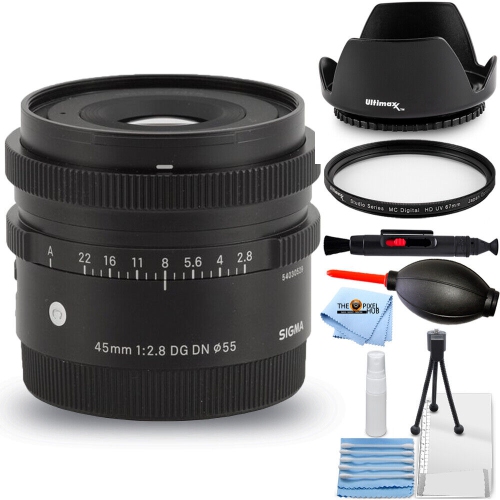
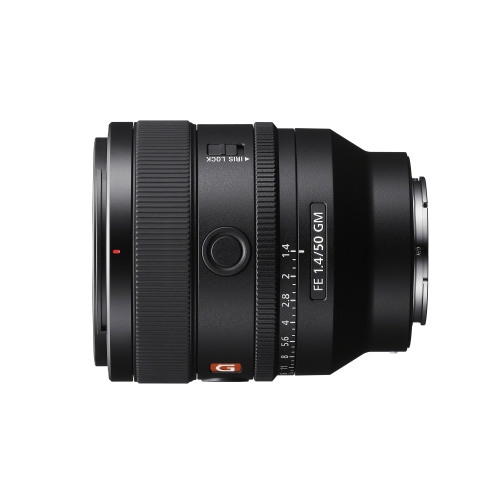
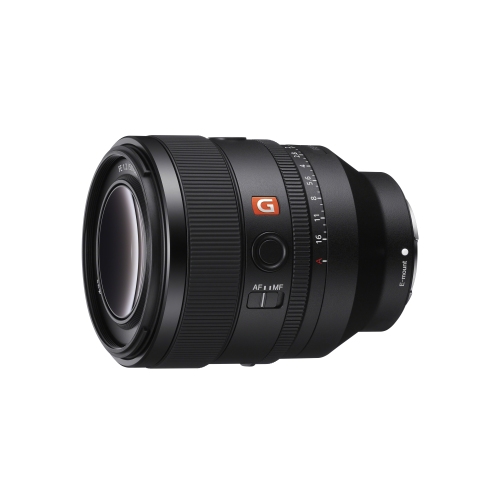
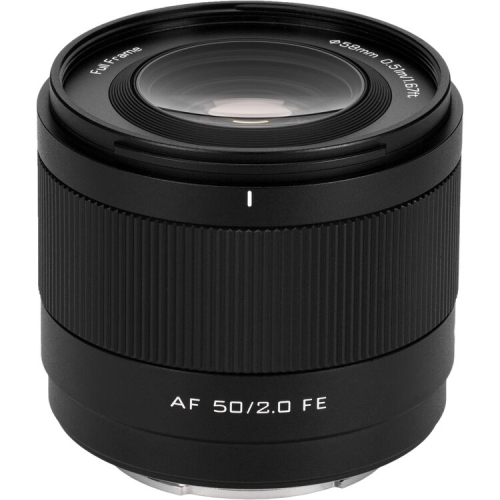
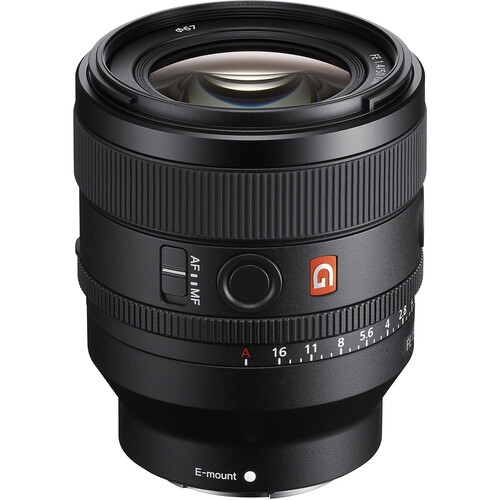
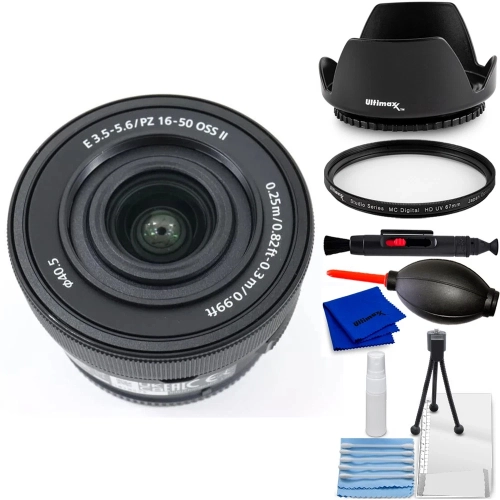
Room for your subject and the story around them
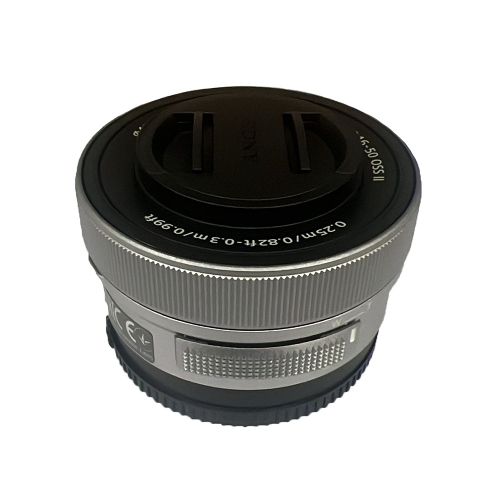
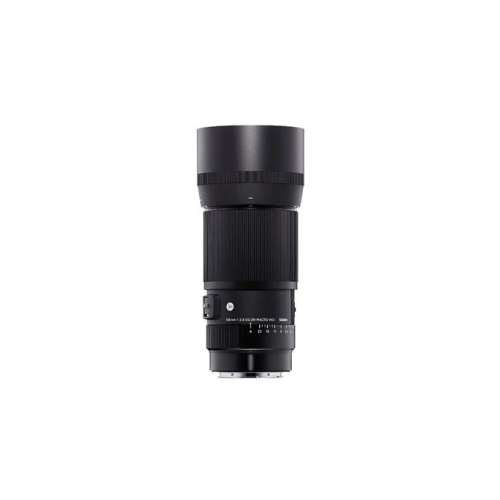
A 50mm lens offers a versatile fixed focal length for portraits, everyday photography, still-life compositions, and video. On a full-frame camera, its angle of view suits photographs that give a subject room to breathe without taking in as much of the scene as a wide-angle lens. A person seated at a café table, a musician holding an instrument, or a carefully arranged meal can fill the frame while retaining enough background to tell a story. On an APS-C camera with a 1.5× crop factor, a 50mm lens delivers an angle of view equivalent to a 75mm lens on full frame. The focal length itself does not change, but the tighter framing is particularly useful for individual portraits and details photographed from a little farther away. That distinction matters in smaller rooms, where an APS-C body paired with a 50mm lens may not leave enough space for a group photograph or a full-length portrait. As prime lenses, 50mm lenses do not zoom; changing the composition means moving the camera, repositioning the subject, or accepting a different crop. Their appeal often comes from a combination of manageable size, a bright maximum aperture, and image quality suited to both casual and more deliberate photography. Apertures such as f/1.8, f/1.4, and f/1.2 can admit more light than many standard zoom lenses at the same focal length, supporting faster shutter speeds in dim interiors. They also allow a shallow depth of field, separating a face or small object from an out-of-focus background. The widest aperture is not always the best setting, though. For two people standing at slightly different distances, closing the aperture can help keep both faces sharp. Background blur also depends on subject distance and the space behind the subject, so even a modest change in position can make a noticeable difference to the finished photograph.
Camera compatibility is the starting point when comparing 50mm lenses. The lens mount, sensor coverage, and supported electronic functions all need to match the intended camera. E-mount and A-mount are different systems, and lenses made for one do not attach directly to the other. Within E-mount, full-frame lenses commonly carry an FE designation, while lenses designed specifically for APS-C cameras cover a smaller image area. A full-frame E-mount lens can generally be used on an APS-C E-mount body, with the narrower angle of view described above. An APS-C E-mount lens on a full-frame E-mount camera typically calls for crop mode to avoid dark edges, reducing the portion of the sensor used and usually the recorded resolution. Mount adapters can introduce further limitations, particularly for autofocus and electronic aperture control, so a shared focal length alone does not establish compatibility. For photographers comparing separate camera systems, 50mm Lenses for Nikon represents a different mount-specific category rather than a set of directly interchangeable options. Beyond fit, autofocus performance deserves attention when photographing children, pets, or people moving towards the camera. Reliable subject tracking depends on both the camera and lens, and focus-motor behaviour can affect how smoothly and quietly focus changes during recording. Manual-focus lenses offer a different experience, with direct control that can suit still-life work, planned video shots, and photographers comfortable using focus magnification or peaking. Optical image stabilization, when included, can help reduce blur caused by camera movement during handheld shooting. It does not freeze a moving subject, and not every 50mm lens includes it. Some camera bodies provide in-body stabilization instead, with operation depending on the camera and lens combination. For video, focus breathing, close-focusing ability, and aperture control are also worth comparing: a lens that changes framing noticeably while refocusing may behave differently from one designed to keep that change small.
Construction and handling help determine how comfortably a 50mm lens fits into regular use. Lens barrels may use engineered plastics, metal, or a combination of materials, while optical elements and coatings are designed to manage reflections, contrast, and aberrations. A metal exterior can feel substantial, but material alone does not establish durability or optical quality. Assembly, mount construction, control design, and sensible handling all matter. Smaller lenses can balance comfortably on compact bodies and remain easy to carry for a full day; larger, wider-aperture designs may offer additional light-gathering capability while adding weight and taking up more room in a bag. A well-placed focus ring, an accessible focus-mode switch, or a dedicated aperture ring can make repeated adjustments easier, although these controls vary by lens. For close details such as jewellery, food textures, or craftwork, minimum focusing distance and maximum magnification are more informative than the 50mm designation alone. A standard 50mm prime is not automatically a macro lens. Portrait photographers may place more value on accurate eye focus and smooth background rendering, while someone recording a tabletop demonstration may care more about quiet operation and predictable manual adjustments. For gifting, the recipient’s exact camera mount and sensor format are essential details, along with whether they prefer autofocus or manual focus. Care is straightforward but benefits from a consistent routine: keep front and rear caps fitted during storage, remove loose dust with a suitable blower before wiping glass, and use a clean lens cloth with a lens-safe cleaning solution when needed. A compatible hood can reduce stray light and provide some protection against accidental contact with the front element. Filters must match the lens’s stated filter-thread diameter, which is separate from its 50mm focal length. A padded compartment helps prevent knocks during transport, and keeping dust away from the rear element and mount makes lens changes cleaner. These practical details support a lens that feels comfortable to carry, works properly with the camera, and suits the subjects photographed most often.
Camera compatibility is the starting point when comparing 50mm lenses. The lens mount, sensor coverage, and supported electronic functions all need to match the intended camera. E-mount and A-mount are different systems, and lenses made for one do not attach directly to the other. Within E-mount, full-frame lenses commonly carry an FE designation, while lenses designed specifically for APS-C cameras cover a smaller image area. A full-frame E-mount lens can generally be used on an APS-C E-mount body, with the narrower angle of view described above. An APS-C E-mount lens on a full-frame E-mount camera typically calls for crop mode to avoid dark edges, reducing the portion of the sensor used and usually the recorded resolution. Mount adapters can introduce further limitations, particularly for autofocus and electronic aperture control, so a shared focal length alone does not establish compatibility. For photographers comparing separate camera systems, 50mm Lenses for Nikon represents a different mount-specific category rather than a set of directly interchangeable options. Beyond fit, autofocus performance deserves attention when photographing children, pets, or people moving towards the camera. Reliable subject tracking depends on both the camera and lens, and focus-motor behaviour can affect how smoothly and quietly focus changes during recording. Manual-focus lenses offer a different experience, with direct control that can suit still-life work, planned video shots, and photographers comfortable using focus magnification or peaking. Optical image stabilization, when included, can help reduce blur caused by camera movement during handheld shooting. It does not freeze a moving subject, and not every 50mm lens includes it. Some camera bodies provide in-body stabilization instead, with operation depending on the camera and lens combination. For video, focus breathing, close-focusing ability, and aperture control are also worth comparing: a lens that changes framing noticeably while refocusing may behave differently from one designed to keep that change small.
Construction and handling help determine how comfortably a 50mm lens fits into regular use. Lens barrels may use engineered plastics, metal, or a combination of materials, while optical elements and coatings are designed to manage reflections, contrast, and aberrations. A metal exterior can feel substantial, but material alone does not establish durability or optical quality. Assembly, mount construction, control design, and sensible handling all matter. Smaller lenses can balance comfortably on compact bodies and remain easy to carry for a full day; larger, wider-aperture designs may offer additional light-gathering capability while adding weight and taking up more room in a bag. A well-placed focus ring, an accessible focus-mode switch, or a dedicated aperture ring can make repeated adjustments easier, although these controls vary by lens. For close details such as jewellery, food textures, or craftwork, minimum focusing distance and maximum magnification are more informative than the 50mm designation alone. A standard 50mm prime is not automatically a macro lens. Portrait photographers may place more value on accurate eye focus and smooth background rendering, while someone recording a tabletop demonstration may care more about quiet operation and predictable manual adjustments. For gifting, the recipient’s exact camera mount and sensor format are essential details, along with whether they prefer autofocus or manual focus. Care is straightforward but benefits from a consistent routine: keep front and rear caps fitted during storage, remove loose dust with a suitable blower before wiping glass, and use a clean lens cloth with a lens-safe cleaning solution when needed. A compatible hood can reduce stray light and provide some protection against accidental contact with the front element. Filters must match the lens’s stated filter-thread diameter, which is separate from its 50mm focal length. A padded compartment helps prevent knocks during transport, and keeping dust away from the rear element and mount makes lens changes cleaner. These practical details support a lens that feels comfortable to carry, works properly with the camera, and suits the subjects photographed most often.
Top selling and popular products
-
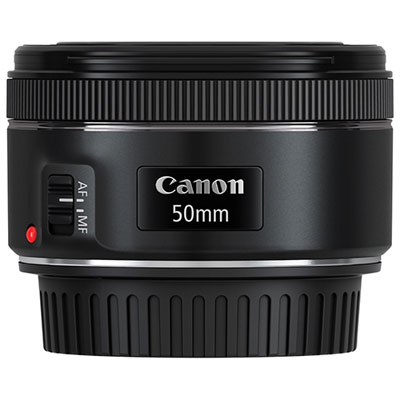 Your price for this item is $169.99
 -
 Your price for this item is $329.99
 -
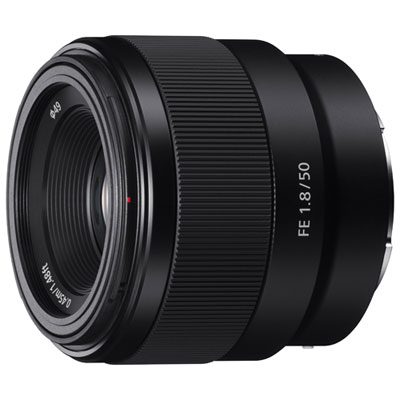 Your price for this item is $349.99
 -
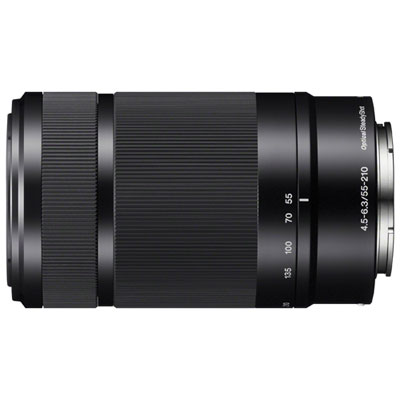 Your price for this item is $399.99
 -
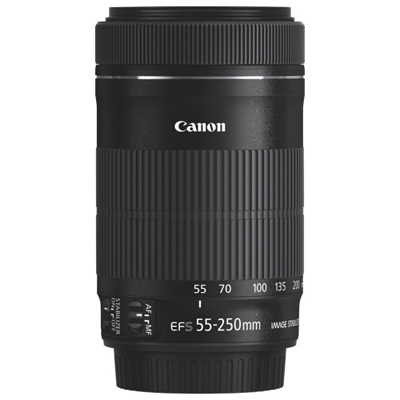 Your price for this item is $399.99
 -
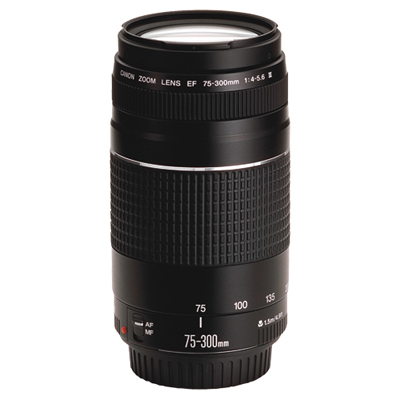 Your price for this item is $199.99
 -
 Your price for this item is $174.99
 -
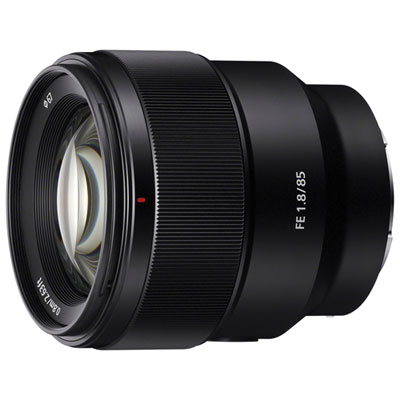 Your price for this item is $749.99
Discover more categories related to 50mm Lenses for Sony
Top Collections:
Pokemon Centers, Kindle Devices, Best Budget Office Chairs, Apple iPhones 16, Canon G7X Cameras, iPhone 15 Apple, Alarm Clock, Refurbished Apple Laptops, Flip Phones, Best Laptops for Writers
Some products may be subject to Environmental Handling Fees
(EHF) depending on your province.
Learn more about EHFs.