Sony Professional Lenses
Capture stunning images with our range of professional lenses from Sony. Whether you're a seasoned photographer or just starting out, our selection of high-quality lenses is designed to elevate your photography game to new heights. From wide-angle lenses that capture breathtaking landscapes to telephoto lenses that bring distant subjects up close, we have the perfect lens for every shooting scenario. Discover the power of precision and clarity with our professional lenses, and unlock endless creative possibilities for your photography journey.
Sort
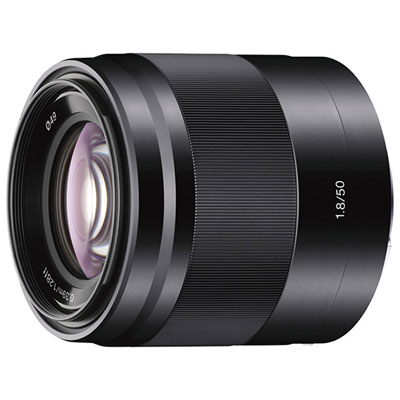
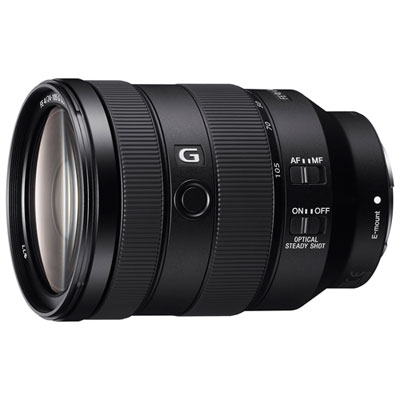
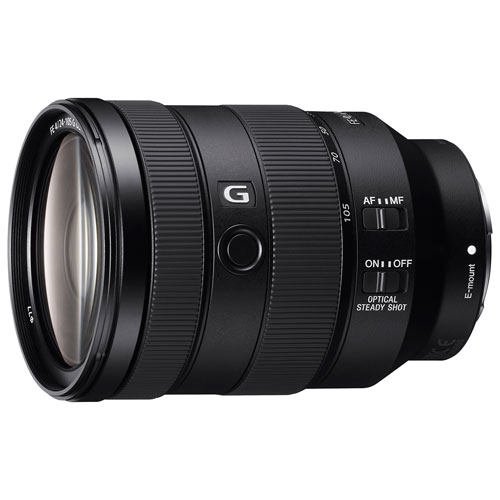
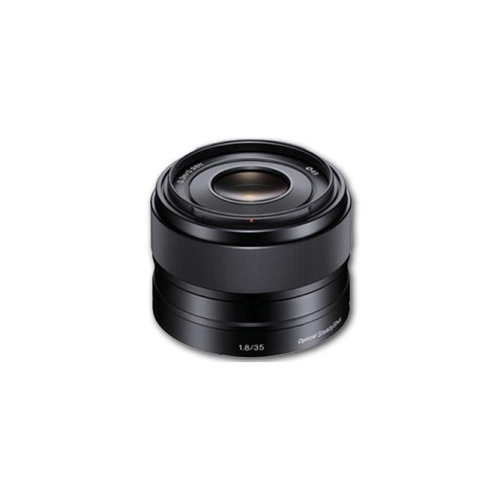
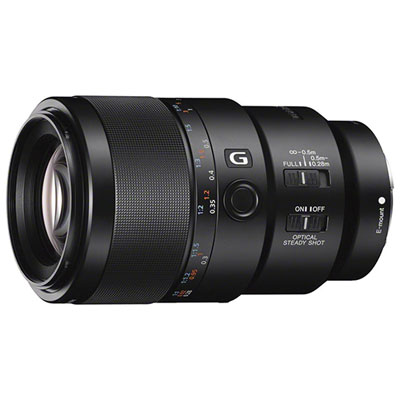
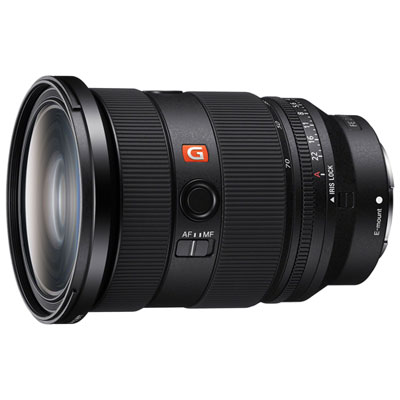
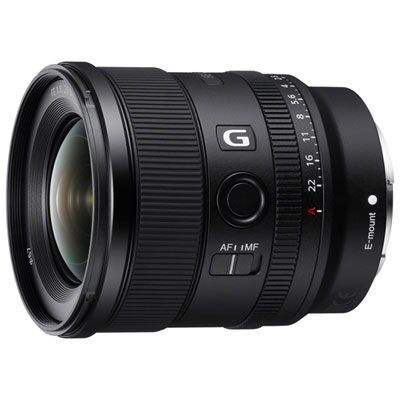
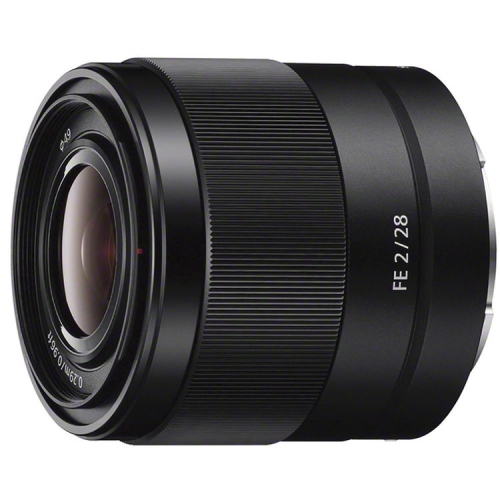


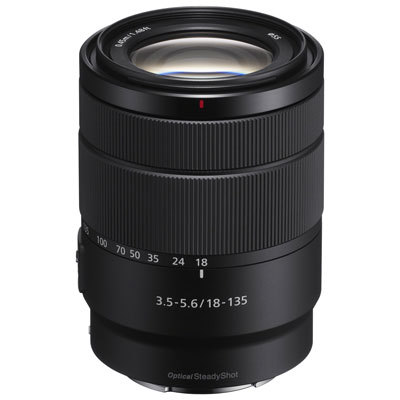
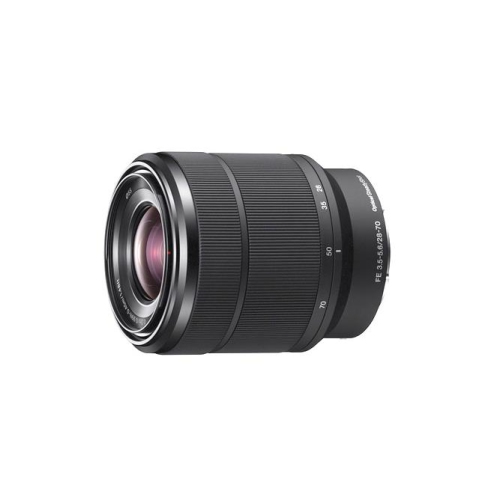
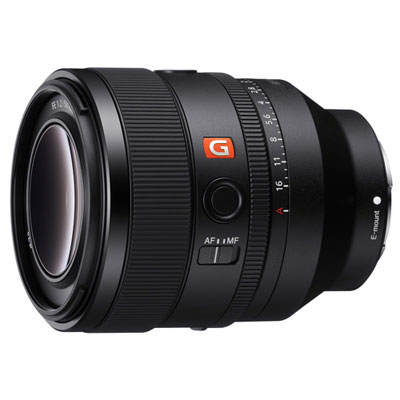

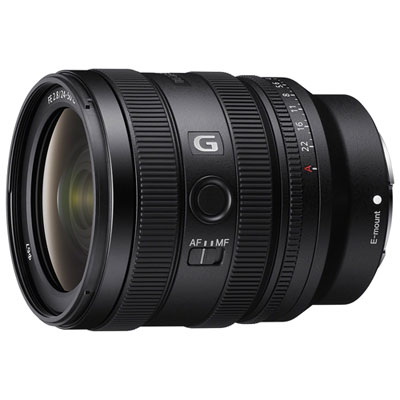

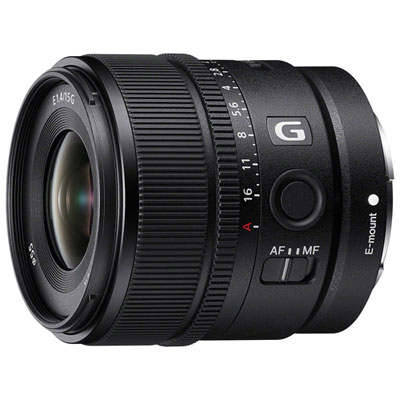
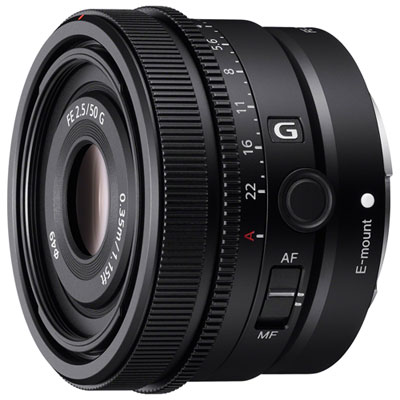
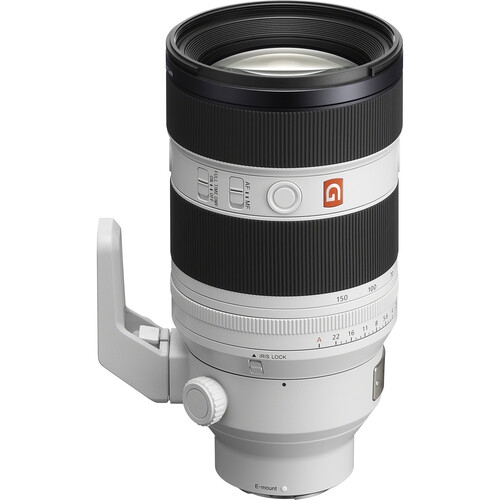
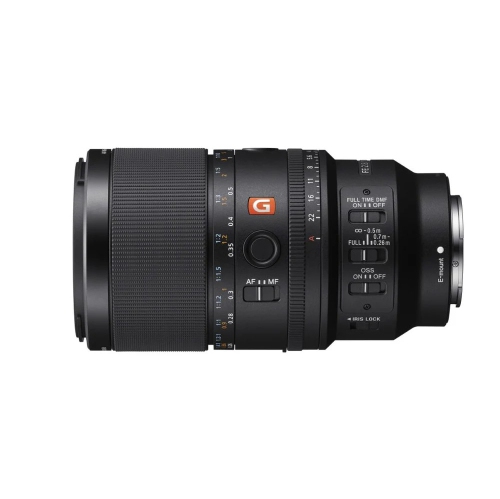
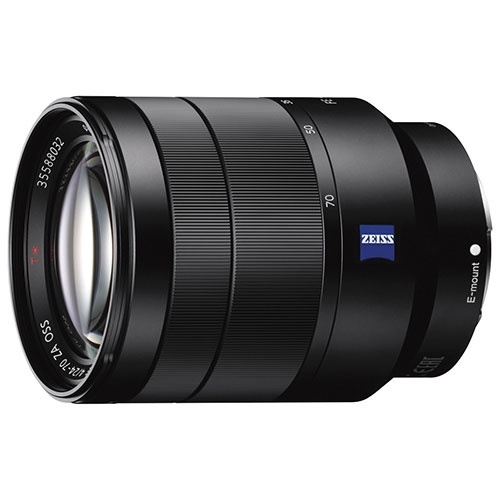
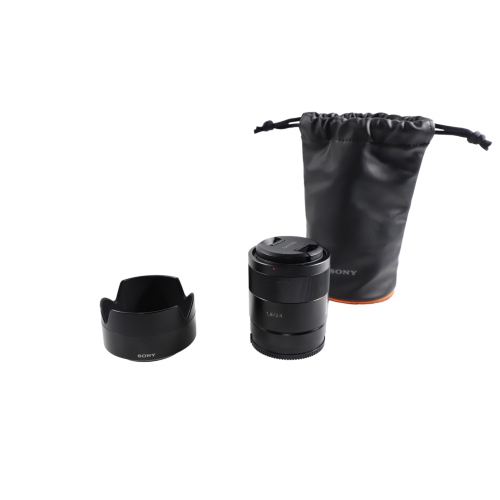
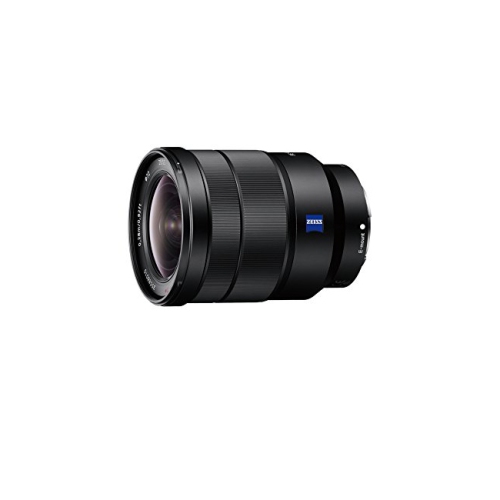
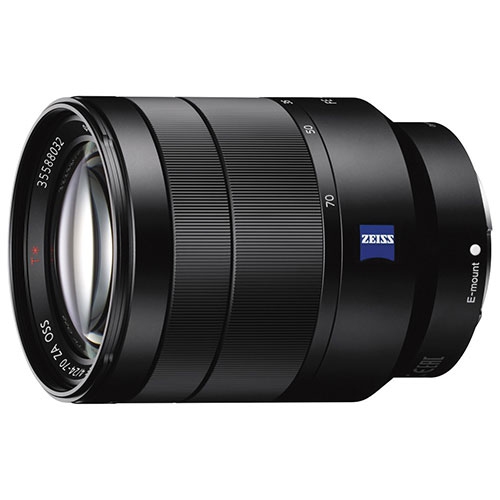
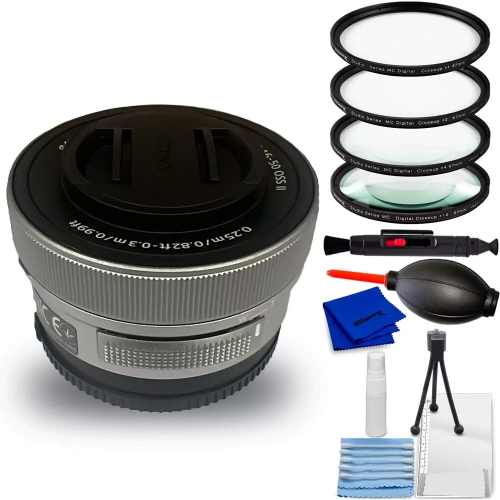
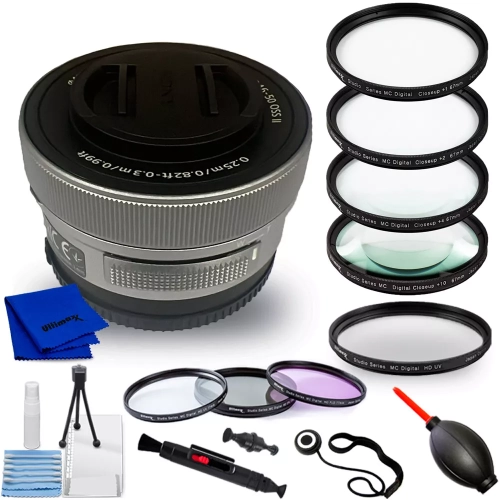
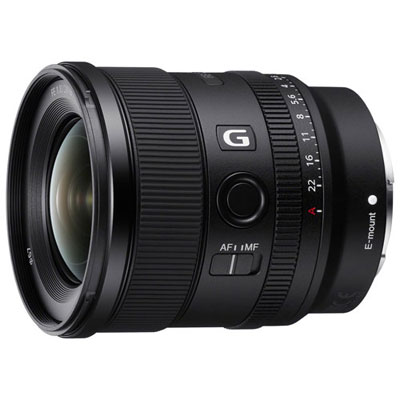
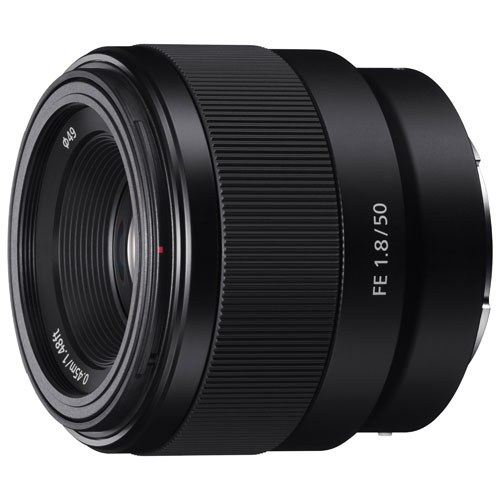
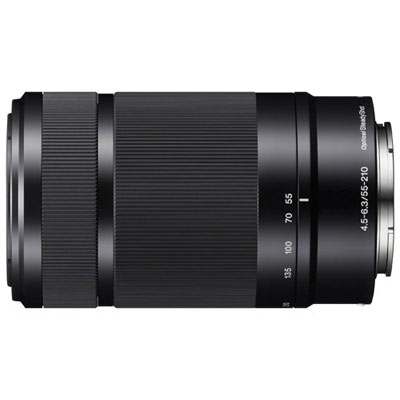
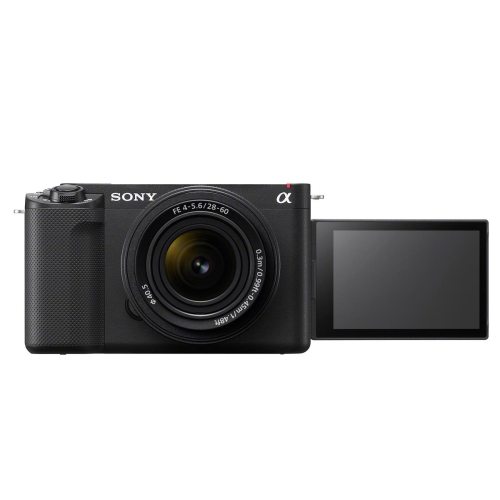
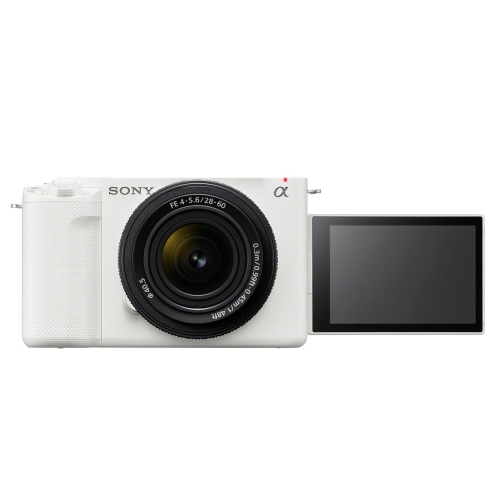
How E-mount lens design shapes your shooting options
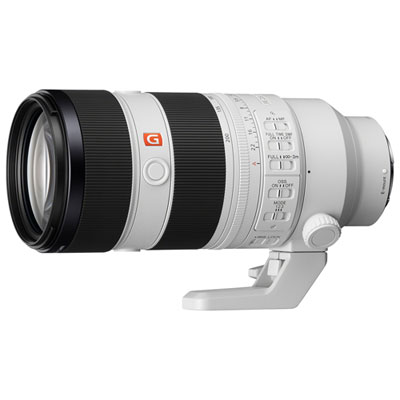
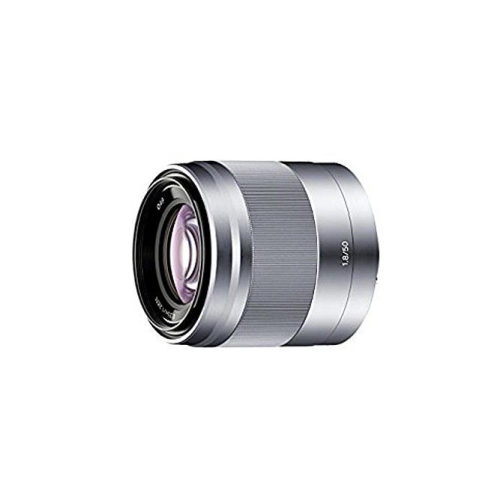
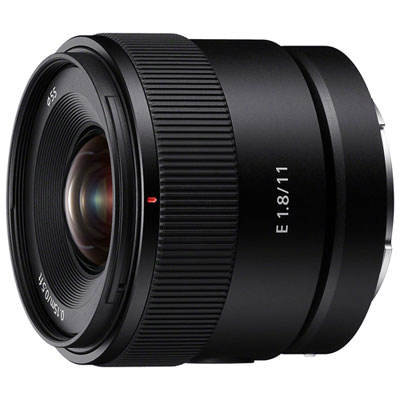
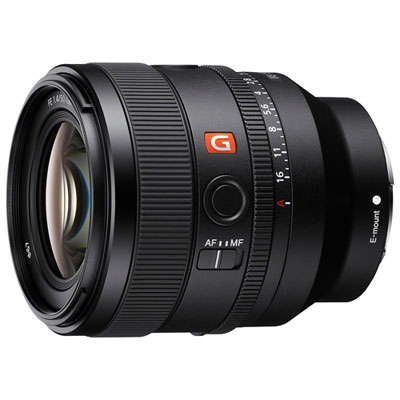
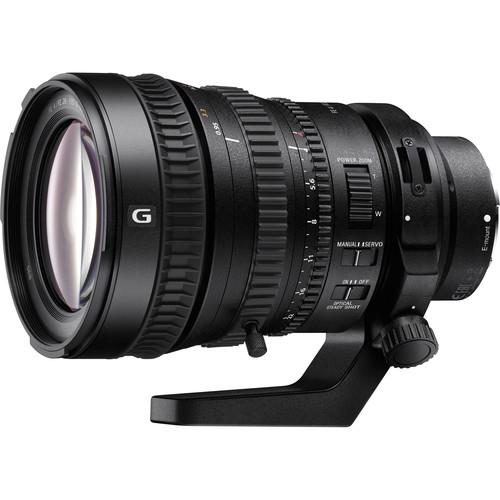
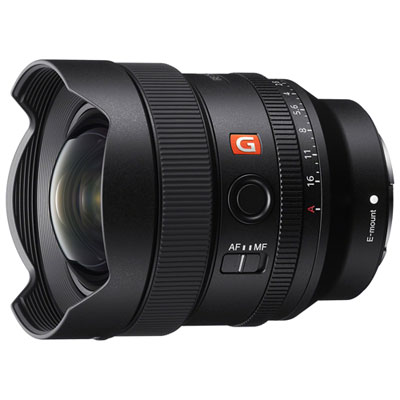
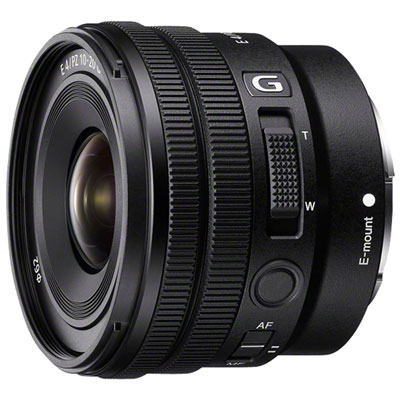
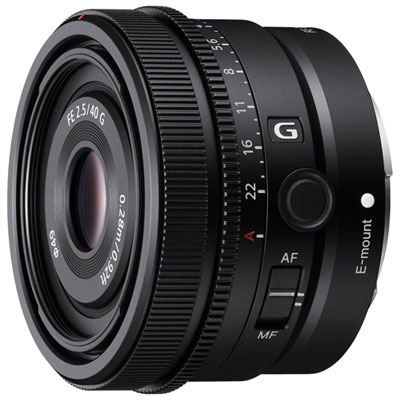
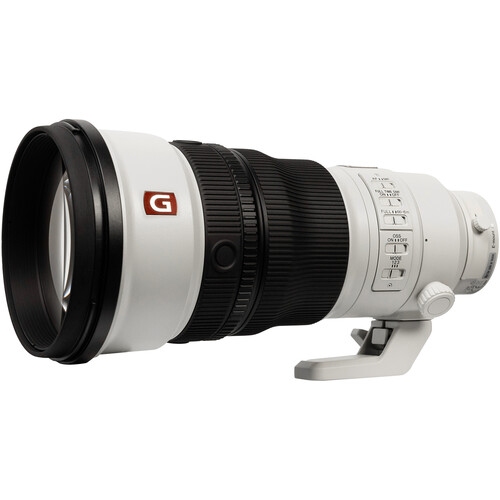
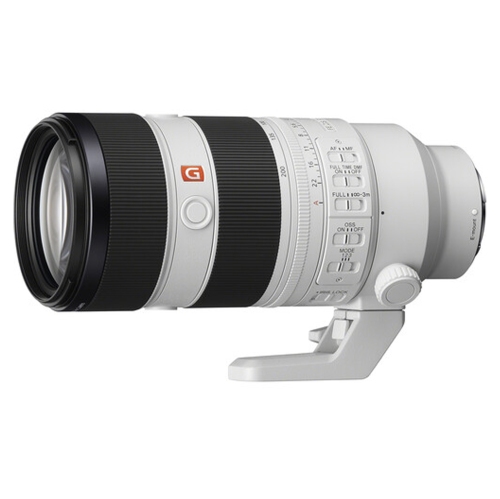
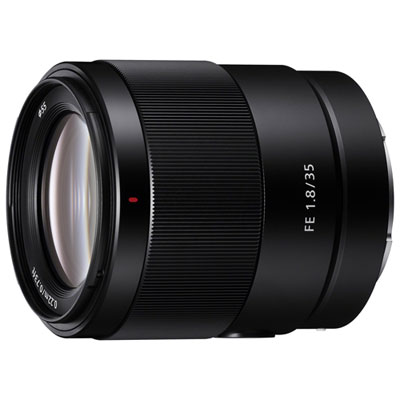
Professional camera lenses bring together precise optics, responsive focusing, and practical controls for demanding photography and video work. Within the E-mount system, options span wide-angle, standard, and telephoto focal lengths, with prime and zoom designs suited to different assignments. A prime lens has a fixed focal length and may offer a wide maximum aperture, making it useful for available-light portraits, indoor events, and images with softly blurred backgrounds. A zoom covers a range of focal lengths, allowing a photographer to move from a room-wide scene to a tighter composition without changing lenses. That flexibility matters during a wedding ceremony, a live performance, or an interview where moving the camera would interrupt the moment. Professional-grade optics often use aspherical elements, specialized glass, and surface coatings to help control distortion, colour fringing, flare, and reflections. These features support clear detail and contrast, although results still depend on the individual lens, aperture, lighting, and camera settings. Sharpness across the frame is valuable for architecture and detailed commercial work, while smooth transitions between sharp and out-of-focus areas can be especially appealing in portraiture. Maximum aperture affects both light gathering and depth of field: an f/1.4 prime offers different creative possibilities from an f/4 zoom, but neither specification alone determines overall image quality. Constant-aperture zooms maintain the same maximum aperture throughout their focal range, which can simplify exposure control when framing changes. The right balance is shaped by the work itself. A photographer covering a crowded reception may value a bright standard zoom and dependable autofocus, while someone photographing distant birds may prioritize reach, stabilization, and manageable weight. For a videographer following a subject through a busy room, quiet focus operation and predictable handling may matter as much as resolution. These differences make professional lenses practical working tools rather than interchangeable upgrades, with each optical design serving a distinct mix of subjects, working distances, and shooting styles.
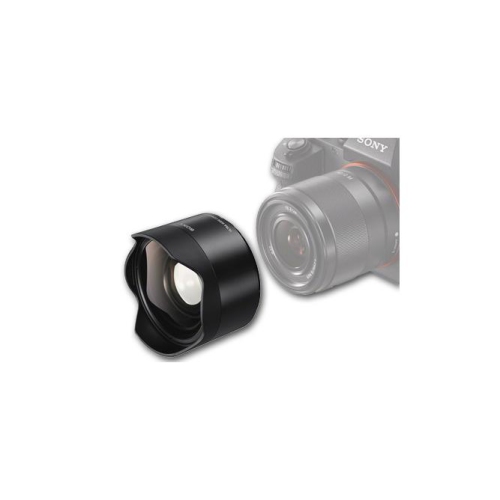
Camera fit starts with the mount and sensor format, not simply the lens’s physical size or professional designation. E-mount lenses share a mounting interface, but full-frame and APS-C designs differ in the size of the image circle they project. Full-frame lenses can generally be used on compatible APS-C E-mount cameras, where the smaller sensor captures a narrower angle of view; the lens’s stated focal length does not change. An APS-C lens on a full-frame camera may require a crop mode to avoid dark corners, reducing the area of the sensor used. Compatibility details also matter for autofocus functions, stabilization, and camera-based corrections, particularly when older bodies, adapters, or specialized cinema setups are involved. For a closer focus on full-frame E-mount options, Sony Fe Lenses provides a related lens category. Focal length then shapes how a lens fits everyday assignments. Wide-angle lenses take in interiors, expansive landscapes, and groups in confined spaces, though placing faces near the edges of a very wide frame can stretch their appearance. Standard focal lengths work well for documentary scenes, food, and everyday commercial photography because they offer versatile framing at comfortable working distances. Short telephoto lenses allow tighter portraits without crowding the subject, while longer telephotos bring distant action into the frame from the sidelines or a viewing area. Close-focusing ability deserves attention for jewellery, flowers, and small details; minimum focusing distance and maximum magnification describe different aspects of that capability. For video, focus breathing can alter framing as focus shifts, and lenses designed to limit it help keep those transitions visually steady. Some designs also offer a de-clickable aperture ring, power zoom, or configurable controls, but these features are not universal. Optical stabilization can assist with handheld shooting, especially at longer focal lengths, although it does not freeze a moving subject. Lens weight, barrel length, filter diameter, and balance on a tripod or gimbal all influence how comfortably the equipment fits into a complete working kit.
Construction and handling become especially important when a lens spends long days travelling between locations or working through repeated assignments. Professional designs may combine metal components with engineered composites to balance rigidity and weight, while precision-machined mounts help maintain a secure connection to the camera. Dust- and moisture-resistant construction can offer added reassurance outdoors, but it does not make a lens waterproof, and the level of protection varies by design. During the cooler months, moving equipment from cold outdoor air into a warm room can cause condensation. Keeping it in a closed camera bag while it gradually reaches room temperature helps limit sudden exposure to warm, humid air. Routine care is straightforward but worth doing carefully: remove loose dust with a hand blower before gently cleaning the glass with suitable lens-cleaning materials, and avoid rubbing grit across the surface. Front and rear caps protect the optical surfaces in transit, while a correctly fitted hood helps reduce stray light and offers some protection against incidental contact. A padded compartment keeps lenses from knocking against one another, and a dry storage space helps protect equipment between shoots. Larger telephoto designs may include a tripod collar so the lens, rather than the camera mount alone, can be supported on a tripod. Accessible focus-hold buttons, a focus-range limiter, and a well-damped manual focus ring can also make a noticeable difference when working quickly or wearing gloves. These lenses suit established photographers, filmmakers, advanced enthusiasts, and creators whose assignments call for repeatable results under changing conditions. They can also make meaningful gifts for someone building a serious camera kit, provided the recipient’s camera mount, sensor format, and preferred subjects are known. A compact prime might suit a photographer who walks for hours, whereas a versatile zoom may better serve someone moving between portraits, group photographs, and venue details. The most useful choice is one that complements existing equipment and solves a real shooting need, whether that means gathering more light, reaching a distant subject, focusing closer, or producing steadier, more controlled footage.
Camera fit starts with the mount and sensor format, not simply the lens’s physical size or professional designation. E-mount lenses share a mounting interface, but full-frame and APS-C designs differ in the size of the image circle they project. Full-frame lenses can generally be used on compatible APS-C E-mount cameras, where the smaller sensor captures a narrower angle of view; the lens’s stated focal length does not change. An APS-C lens on a full-frame camera may require a crop mode to avoid dark corners, reducing the area of the sensor used. Compatibility details also matter for autofocus functions, stabilization, and camera-based corrections, particularly when older bodies, adapters, or specialized cinema setups are involved. For a closer focus on full-frame E-mount options, Sony Fe Lenses provides a related lens category. Focal length then shapes how a lens fits everyday assignments. Wide-angle lenses take in interiors, expansive landscapes, and groups in confined spaces, though placing faces near the edges of a very wide frame can stretch their appearance. Standard focal lengths work well for documentary scenes, food, and everyday commercial photography because they offer versatile framing at comfortable working distances. Short telephoto lenses allow tighter portraits without crowding the subject, while longer telephotos bring distant action into the frame from the sidelines or a viewing area. Close-focusing ability deserves attention for jewellery, flowers, and small details; minimum focusing distance and maximum magnification describe different aspects of that capability. For video, focus breathing can alter framing as focus shifts, and lenses designed to limit it help keep those transitions visually steady. Some designs also offer a de-clickable aperture ring, power zoom, or configurable controls, but these features are not universal. Optical stabilization can assist with handheld shooting, especially at longer focal lengths, although it does not freeze a moving subject. Lens weight, barrel length, filter diameter, and balance on a tripod or gimbal all influence how comfortably the equipment fits into a complete working kit.
Construction and handling become especially important when a lens spends long days travelling between locations or working through repeated assignments. Professional designs may combine metal components with engineered composites to balance rigidity and weight, while precision-machined mounts help maintain a secure connection to the camera. Dust- and moisture-resistant construction can offer added reassurance outdoors, but it does not make a lens waterproof, and the level of protection varies by design. During the cooler months, moving equipment from cold outdoor air into a warm room can cause condensation. Keeping it in a closed camera bag while it gradually reaches room temperature helps limit sudden exposure to warm, humid air. Routine care is straightforward but worth doing carefully: remove loose dust with a hand blower before gently cleaning the glass with suitable lens-cleaning materials, and avoid rubbing grit across the surface. Front and rear caps protect the optical surfaces in transit, while a correctly fitted hood helps reduce stray light and offers some protection against incidental contact. A padded compartment keeps lenses from knocking against one another, and a dry storage space helps protect equipment between shoots. Larger telephoto designs may include a tripod collar so the lens, rather than the camera mount alone, can be supported on a tripod. Accessible focus-hold buttons, a focus-range limiter, and a well-damped manual focus ring can also make a noticeable difference when working quickly or wearing gloves. These lenses suit established photographers, filmmakers, advanced enthusiasts, and creators whose assignments call for repeatable results under changing conditions. They can also make meaningful gifts for someone building a serious camera kit, provided the recipient’s camera mount, sensor format, and preferred subjects are known. A compact prime might suit a photographer who walks for hours, whereas a versatile zoom may better serve someone moving between portraits, group photographs, and venue details. The most useful choice is one that complements existing equipment and solves a real shooting need, whether that means gathering more light, reaching a distant subject, focusing closer, or producing steadier, more controlled footage.
Top selling and popular products
-
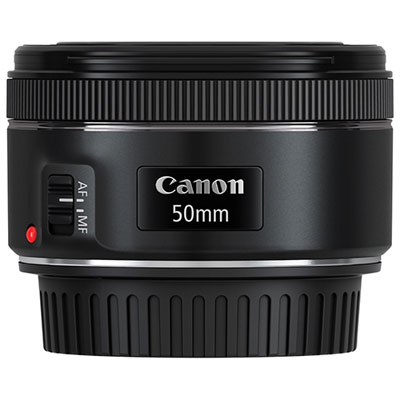 Your price for this item is $169.99
 -
 Your price for this item is $329.99
 -
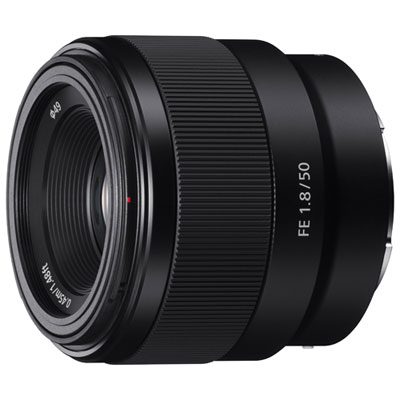 Your price for this item is $349.99
 -
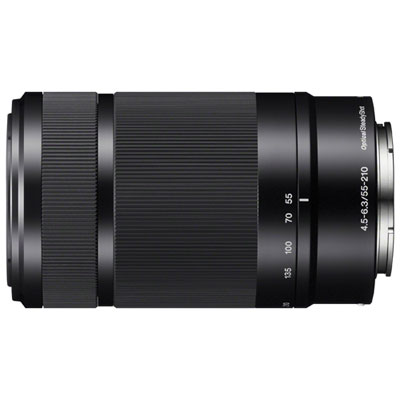 Your price for this item is $399.99
 -
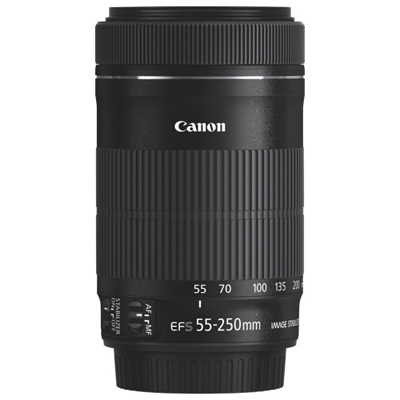 Your price for this item is $399.99
 -
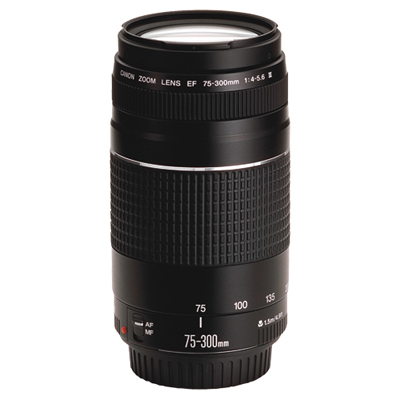 Your price for this item is $199.99
 -
 Your price for this item is $174.99
 -
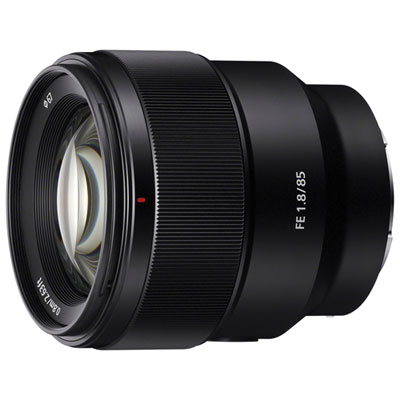 Your price for this item is $749.99
Discover more categories related to Sony Professional Lenses
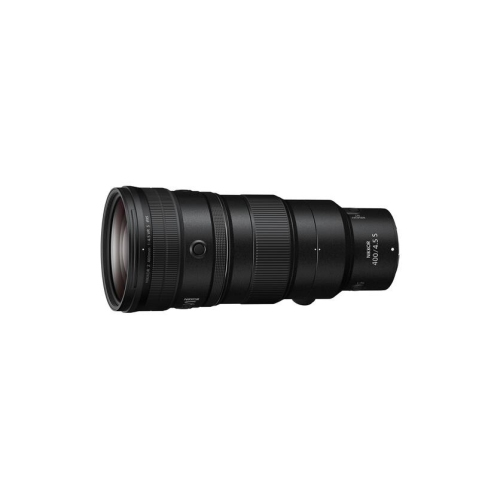
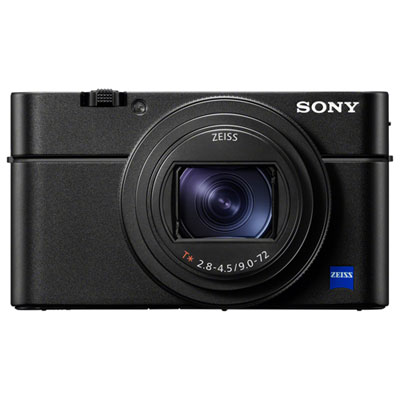
Top Collections:
Pokemon Centers, Kindle Devices, Best Budget Office Chairs, Apple iPhones 16, Best Laptops for Writers, iPhone 15 Apple, Canon G7X Cameras, Refurbished Apple Laptops, Alarm Clock, Motorola Razr Phones
Some products may be subject to Environmental Handling Fees
(EHF) depending on your province.
Learn more about EHFs.