Countertop Burners
Countertop burners are an invaluable tool in almost any kitchen, allowing users to cook quickly and efficiently. These burners come in a variety of shapes and sizes, so it is important to choose one that is best suited to your needs. Here are some great options available.
Sort
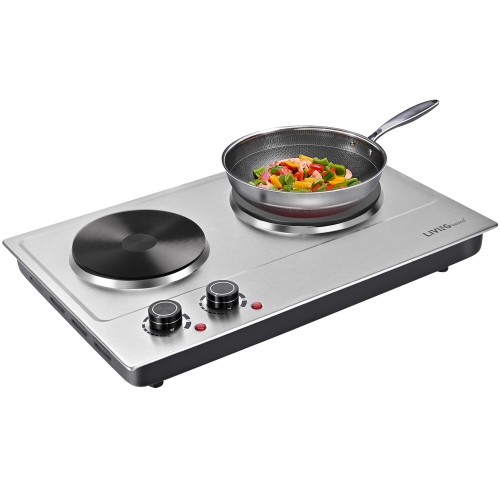
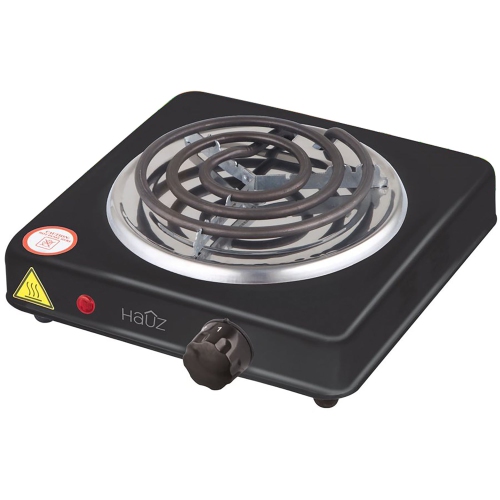

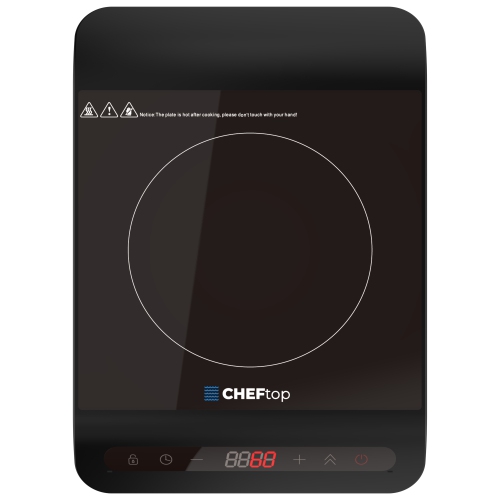
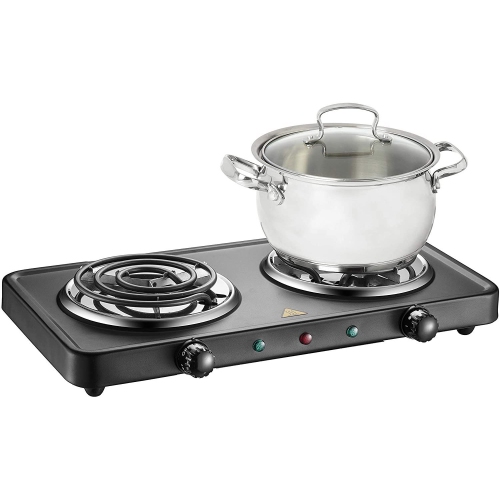
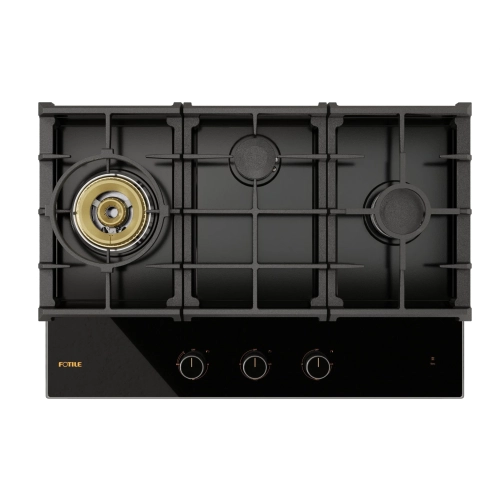
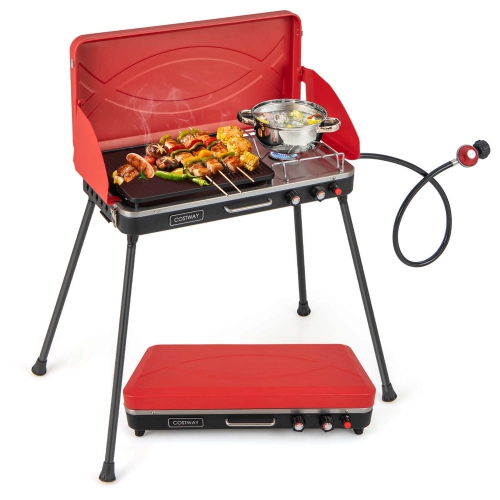
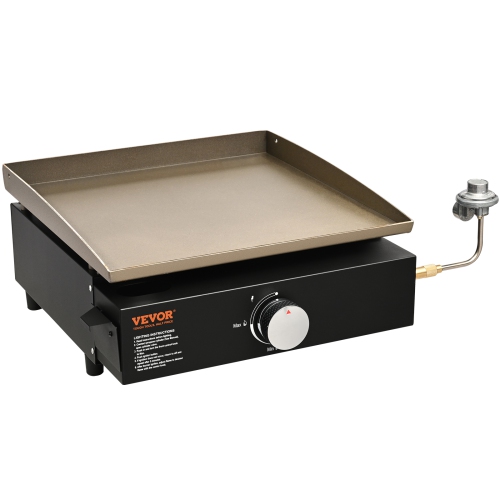
Extra cooking capacity for busy kitchens and small spaces
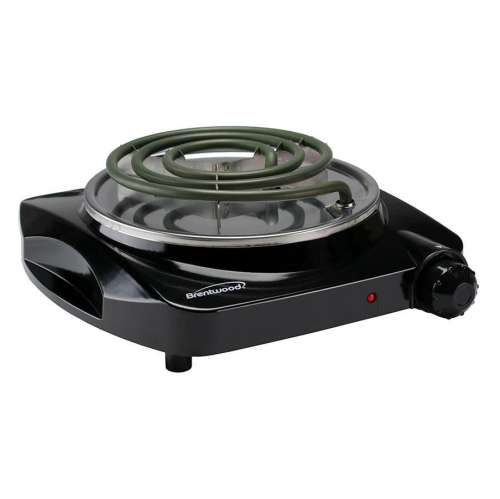
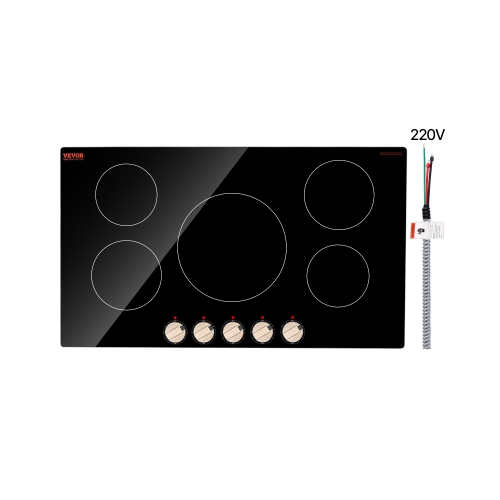
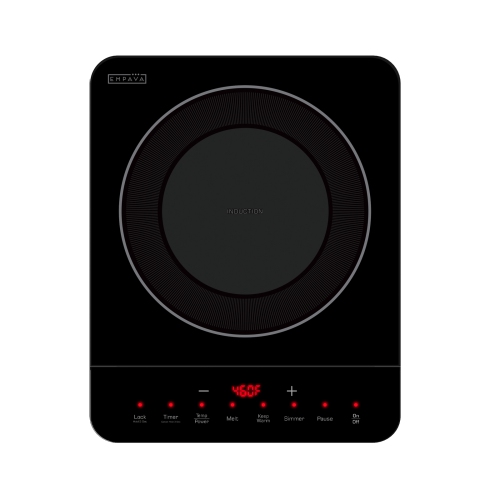
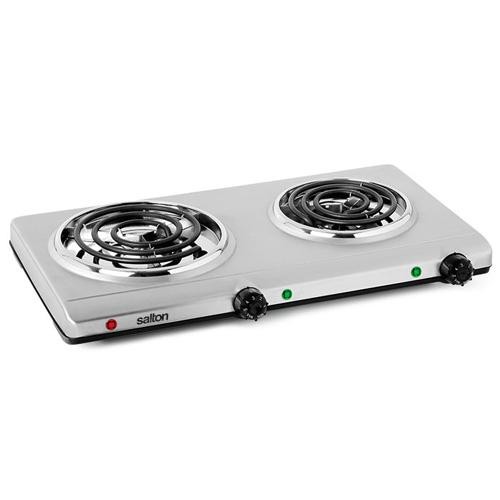
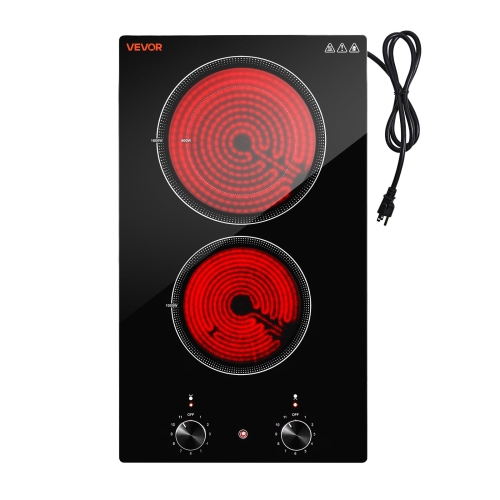
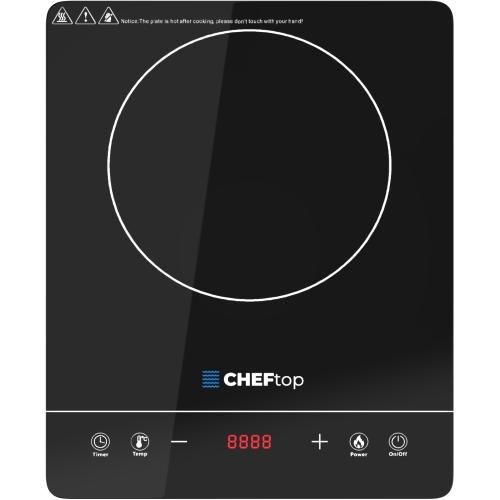
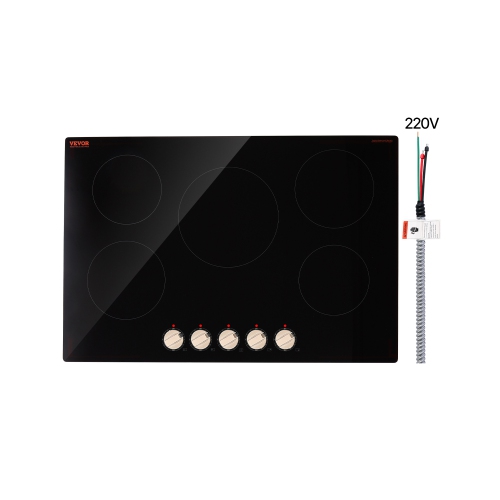
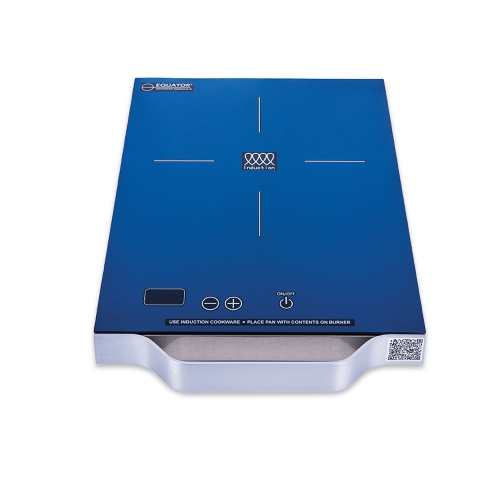
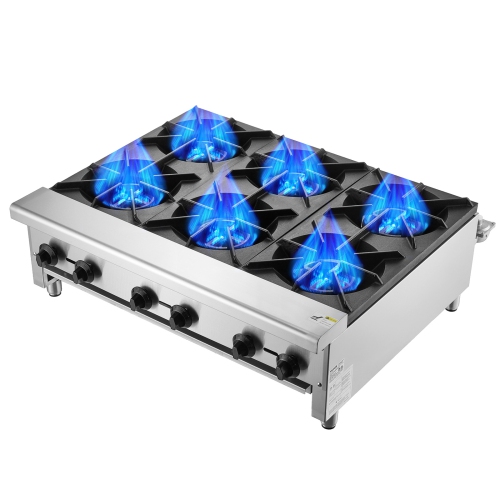
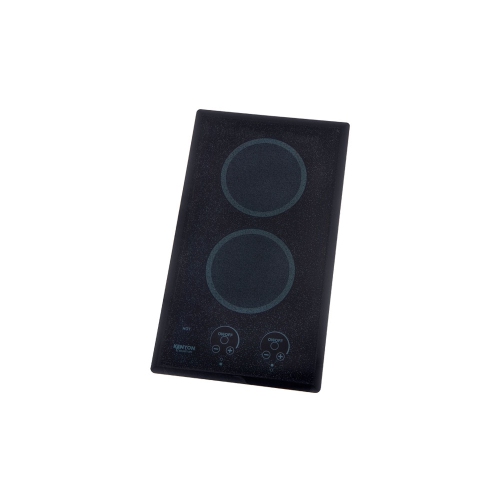
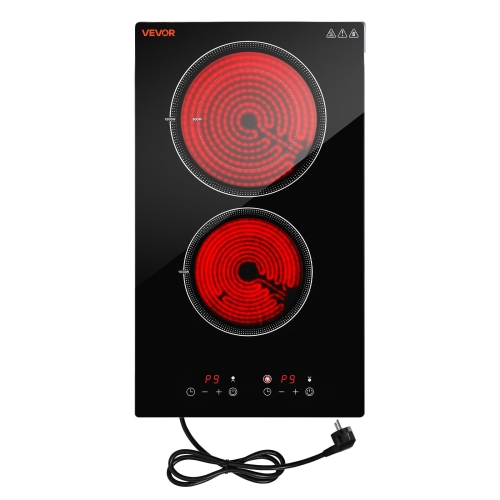
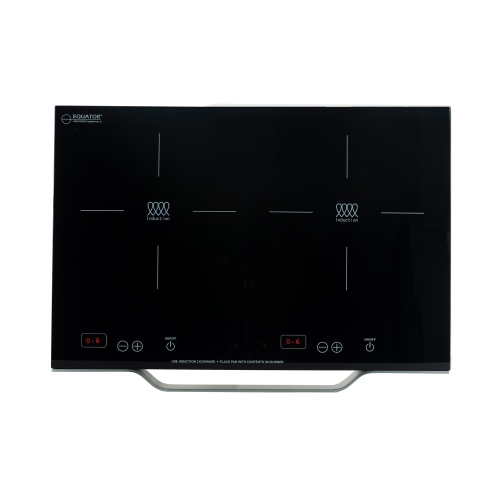
Countertop burners provide a practical extra cooking surface when your main range is busy, unavailable, or simply not large enough for the meal you are preparing. Designed to plug into a standard electrical outlet, these portable appliances can be placed on a stable, heat-resistant countertop, kitchen island, serving table, or other suitable surface when you need an additional burner. They are useful in many homes, from compact apartments and dorm rooms to cottages, recreational vehicles, offices, and kitchens undergoing renovations. A countertop burner can help keep a pot of soup warm while vegetables simmer on the main stove, provide a dedicated surface for a large family meal, or make it easier to prepare separate dishes with different temperatures. They can also be useful for entertaining, allowing sauces, gravies, dips, or side dishes to stay warm near the dining area without taking up space on the range. During the cooler months, a portable burner can be especially handy for preparing comforting meals such as oatmeal, stew, pasta, hot chocolate, and mulled beverages, while its compact design makes storage straightforward when it is no longer needed. When comparing countertop burners, start by considering how many cooking surfaces you need. A single burner is a convenient choice for occasional use, small kitchens, reheating, or simple tasks such as boiling water and warming a saucepan. If you regularly prepare several dishes at once or want to expand the capacity of a smaller range, a double burner can provide more flexibility. Independent controls are important on double models because they let you adjust each cooking surface separately, whether one pan needs gentle heat and another needs a stronger setting. The size and shape of your cookware also matter. Check that the heating surface can comfortably support the pots and pans you plan to use, and think about where the appliance will be stored between uses. Those looking for a compact selection can browse Single Burner Cooktops for options suited to one-pan cooking and smaller spaces.
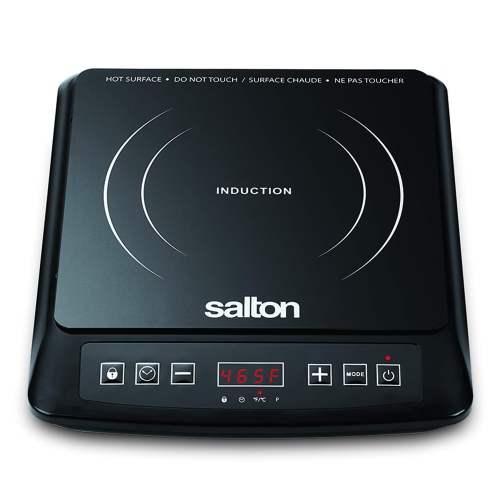
The heating technology you choose will influence cookware compatibility, temperature control, cleaning, and the way heat reaches your food. Cast iron or coil hot plates are familiar, straightforward options that work with virtually any flat-bottomed cookware, including stainless steel, cast iron, enamel, and many non-stick pans. They are often valued for their uncomplicated controls and durable cooking surfaces, although they may take longer to heat up and cool down than other designs. Because the surface stays hot after the control is turned down, allow extra time for cooling and use care when moving the appliance or setting it aside. Infrared burners use a radiant heating element beneath a smooth glass surface and can heat cookware quickly without requiring magnetic pots or pans. Their flat surfaces are convenient to wipe clean after the appliance has cooled, though spills should be attended to promptly and cookware should be lifted rather than dragged to help protect the surface. Induction burners create heat directly in compatible cookware, offering rapid response and precise temperature adjustment. They generally require magnetic cookware, such as cast iron or some types of stainless steel; a simple magnet test can help determine whether a pan is suitable. Induction surfaces themselves remain comparatively cooler than traditional hot plates, but the cookware and any food spills can still become very hot. For any countertop burner, look for useful features such as adjustable temperature settings, clearly marked controls, indicator lights, automatic shutoff, overheat protection, nonslip feet, and a cool-touch handle or housing where appropriate. These details can make everyday cooking more manageable, particularly for students, older adults, new cooks, and anyone who appreciates simple controls. A countertop burner can also make a thoughtful housewarming, wedding, graduation, or cottage gift because it solves a practical need without requiring a full kitchen installation. It may give a first-time renter more room to cook, help a host manage a buffet, or offer a visiting family an extra way to prepare food. Before use, place the burner on a level, uncluttered, heat-resistant surface with room around the appliance for ventilation. Keep cords away from hot surfaces, use cookware with a stable flat base, avoid leaving an active burner unattended, and follow the manufacturer’s instructions for cleaning and storage. With the right heating style, capacity, cookware compatibility, and safety features, a countertop burner can become a dependable addition to the kitchen for everyday meals, special gatherings, and those times when one more cooking surface makes the entire meal easier to manage.
The heating technology you choose will influence cookware compatibility, temperature control, cleaning, and the way heat reaches your food. Cast iron or coil hot plates are familiar, straightforward options that work with virtually any flat-bottomed cookware, including stainless steel, cast iron, enamel, and many non-stick pans. They are often valued for their uncomplicated controls and durable cooking surfaces, although they may take longer to heat up and cool down than other designs. Because the surface stays hot after the control is turned down, allow extra time for cooling and use care when moving the appliance or setting it aside. Infrared burners use a radiant heating element beneath a smooth glass surface and can heat cookware quickly without requiring magnetic pots or pans. Their flat surfaces are convenient to wipe clean after the appliance has cooled, though spills should be attended to promptly and cookware should be lifted rather than dragged to help protect the surface. Induction burners create heat directly in compatible cookware, offering rapid response and precise temperature adjustment. They generally require magnetic cookware, such as cast iron or some types of stainless steel; a simple magnet test can help determine whether a pan is suitable. Induction surfaces themselves remain comparatively cooler than traditional hot plates, but the cookware and any food spills can still become very hot. For any countertop burner, look for useful features such as adjustable temperature settings, clearly marked controls, indicator lights, automatic shutoff, overheat protection, nonslip feet, and a cool-touch handle or housing where appropriate. These details can make everyday cooking more manageable, particularly for students, older adults, new cooks, and anyone who appreciates simple controls. A countertop burner can also make a thoughtful housewarming, wedding, graduation, or cottage gift because it solves a practical need without requiring a full kitchen installation. It may give a first-time renter more room to cook, help a host manage a buffet, or offer a visiting family an extra way to prepare food. Before use, place the burner on a level, uncluttered, heat-resistant surface with room around the appliance for ventilation. Keep cords away from hot surfaces, use cookware with a stable flat base, avoid leaving an active burner unattended, and follow the manufacturer’s instructions for cleaning and storage. With the right heating style, capacity, cookware compatibility, and safety features, a countertop burner can become a dependable addition to the kitchen for everyday meals, special gatherings, and those times when one more cooking surface makes the entire meal easier to manage.
Top selling and popular products
-
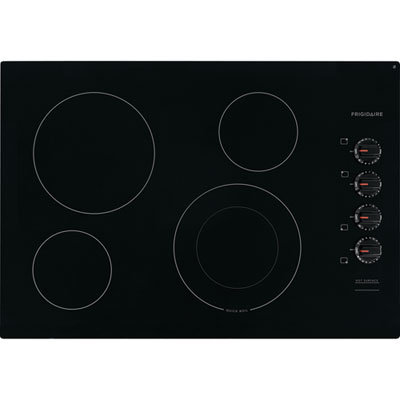 Your price for this item is $699.99
 -
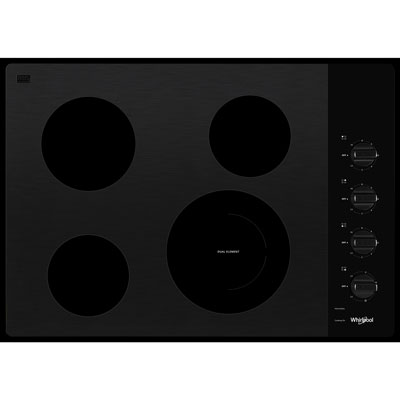 Your price for this item is $949.99
 -
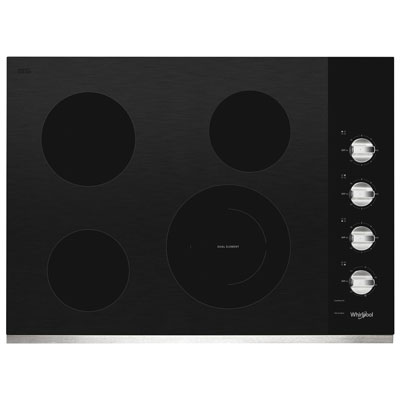 Your price for this item is $949.99
 -
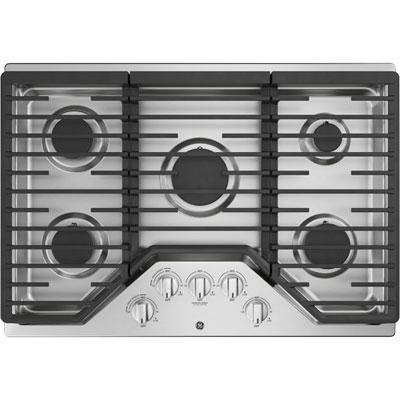 Your price for this item is $1499.99
 -
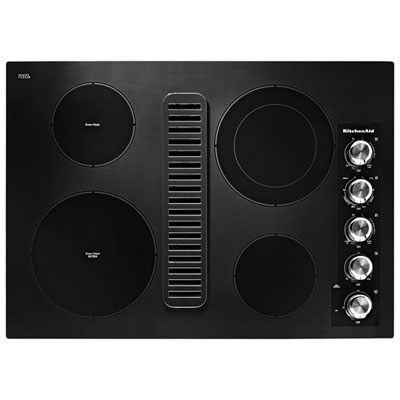 Your price for this item is $2999.99
 -
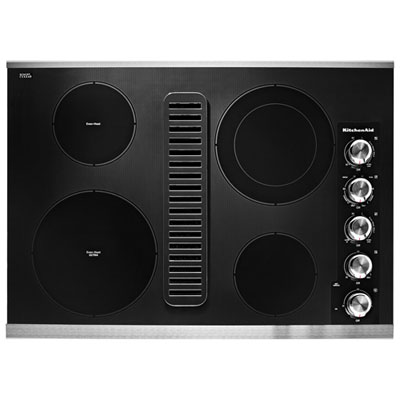 Your price for this item is $3099.99
 -
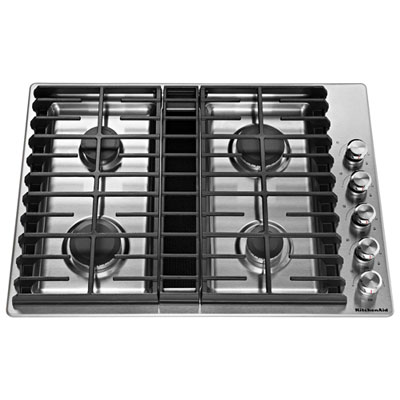 Your price for this item is $3099.99
 -
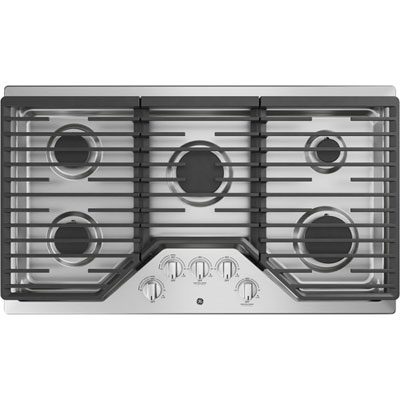 Your price for this item is $1899.99
Discover more categories related to Countertop Burners
Top Collections:
Pokemon Centers, Kindle Devices, Best Budget Office Chairs, Apple iPhones 16, Best Laptops for Writers, iPhone 15 Apple, Canon G7X Cameras, Refurbished Apple Laptops, Alarm Clock, Motorola Razr Phones
Some products may be subject to Environmental Handling Fees
(EHF) depending on your province.
Learn more about EHFs.