Lenses for Concert Photography
Capture every moment of your favorite concerts with this wide selection of lenses specifically designed for concert photography. Whether you're a professional photographer or an avid music lover looking to enhance your concert experience, this range of lenses offers the perfect solution to help you capture stunning, high-quality images in low-light environments. From telephoto lenses that bring you closer to the action on stage to wide-angle lenses that capture the entire crowd, these lenses have something for every concertgoer.
Sort

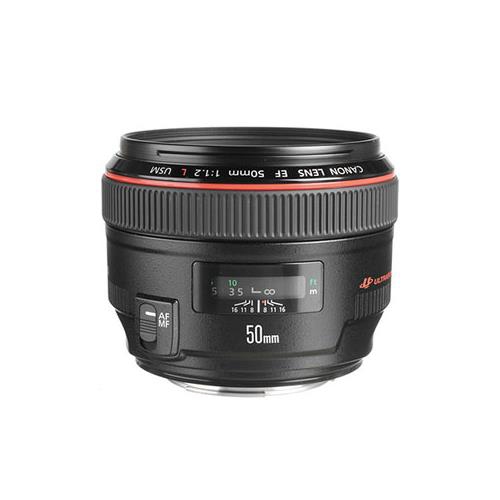
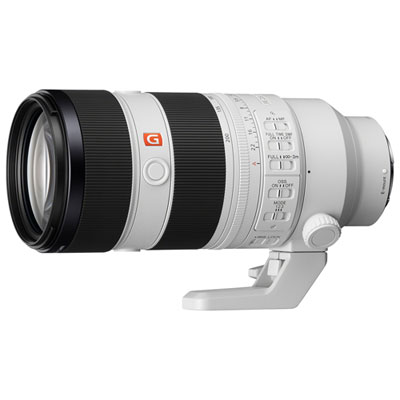
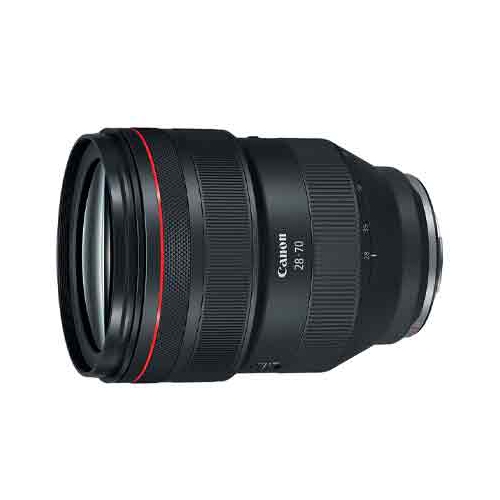
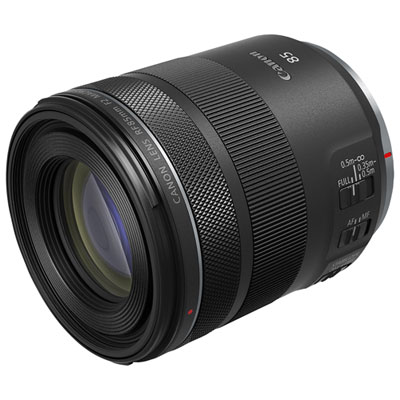
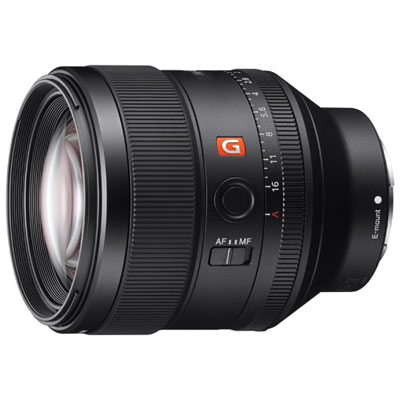
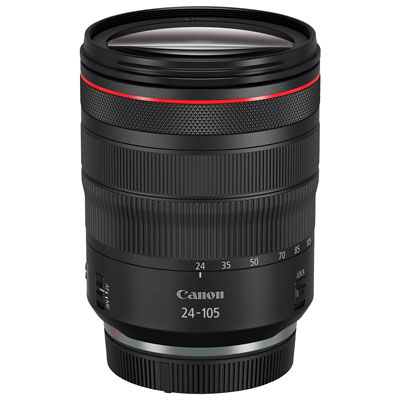

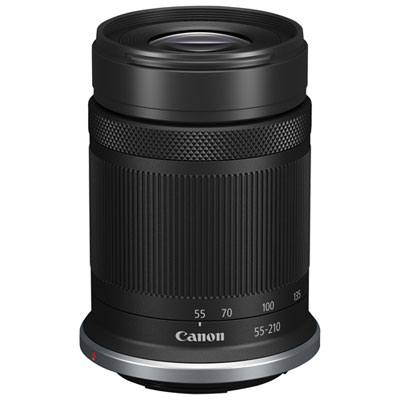
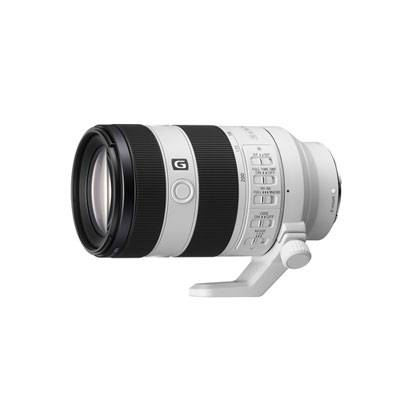
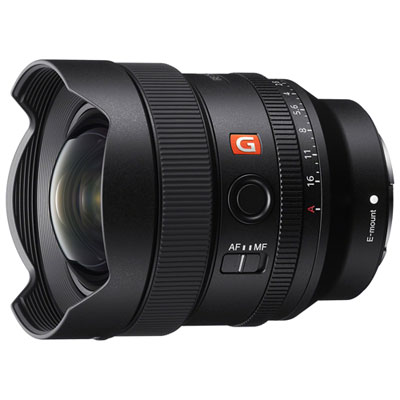
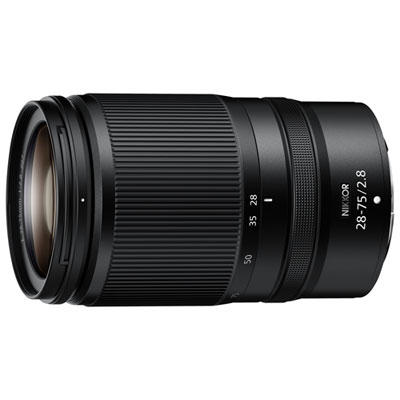
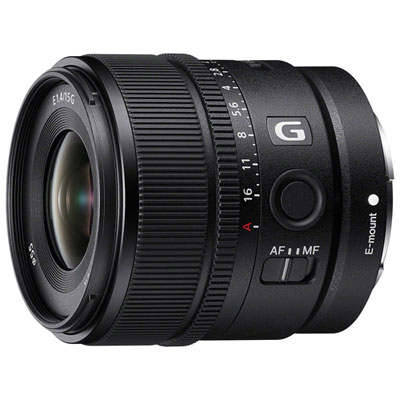
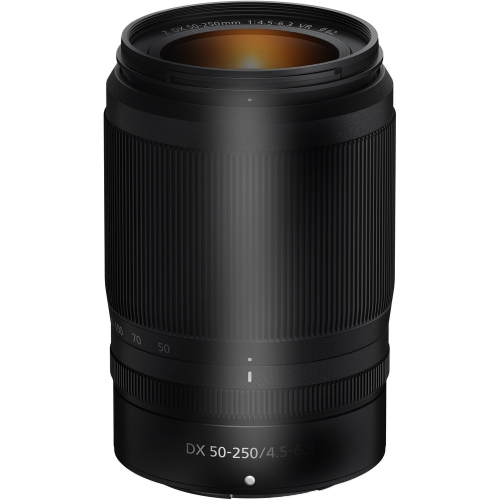
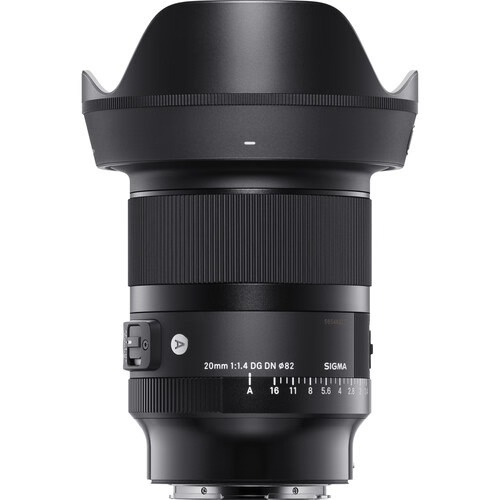
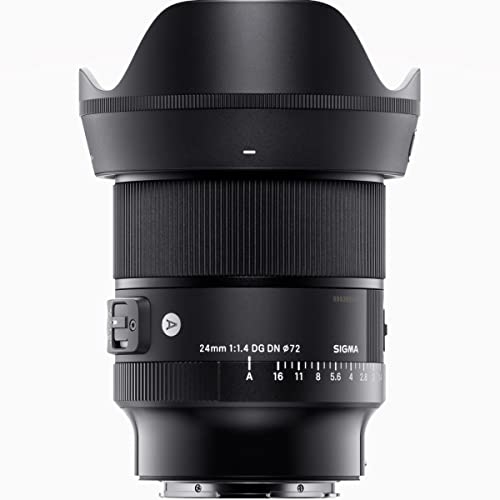
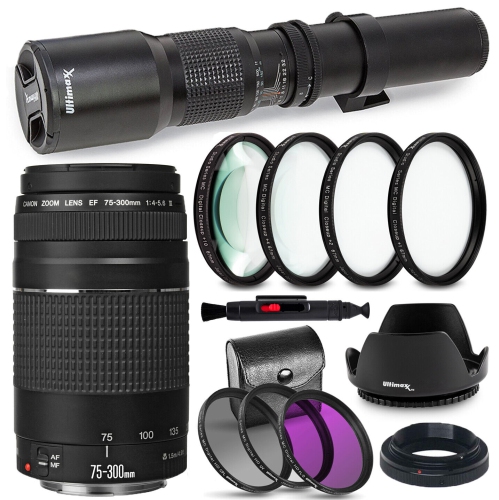

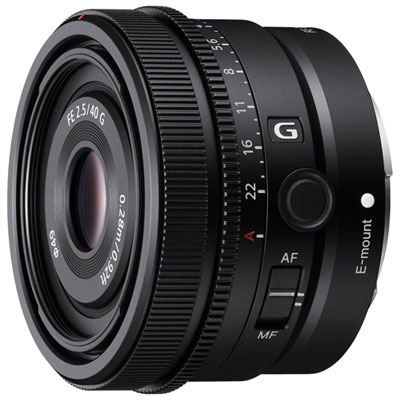
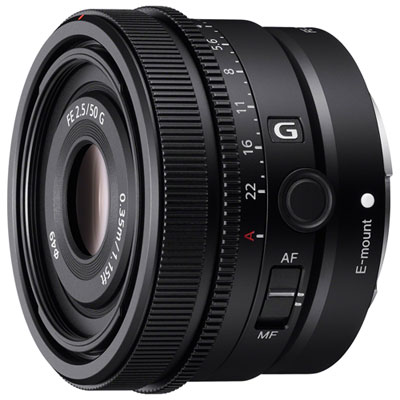
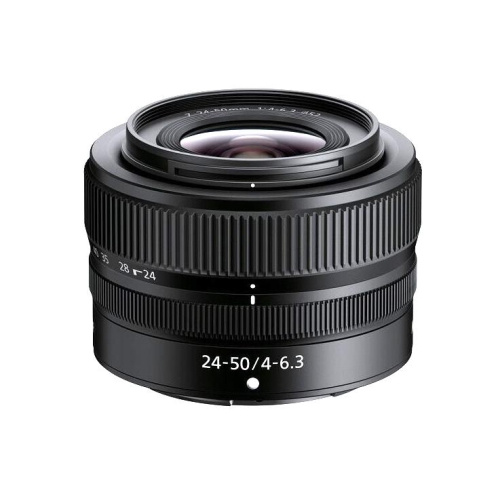

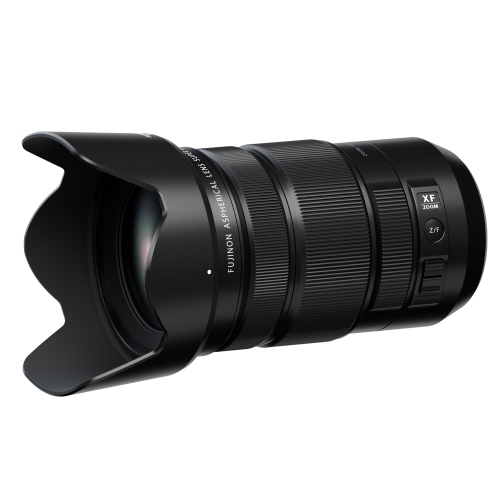
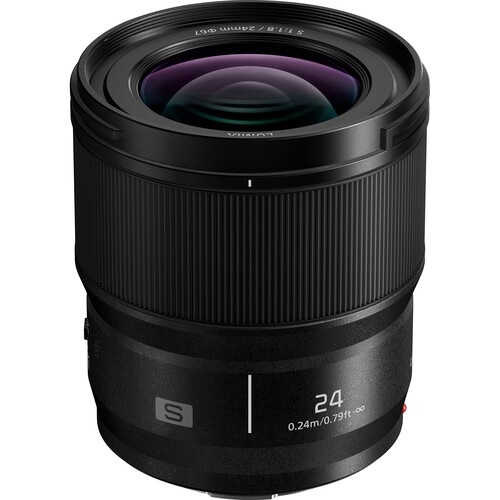

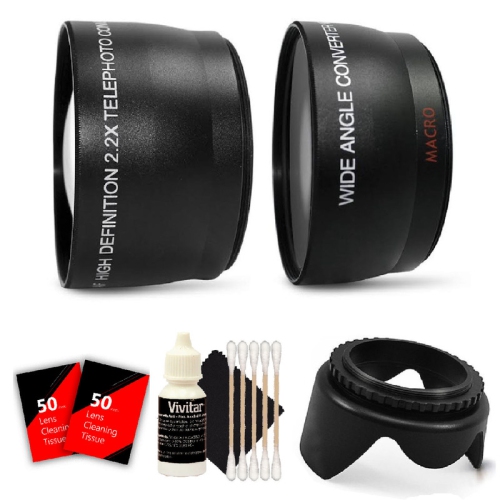
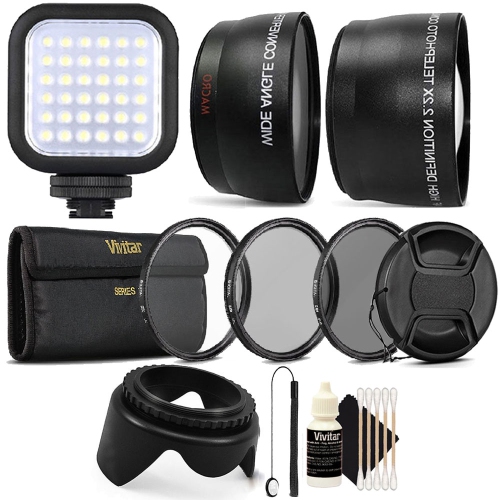
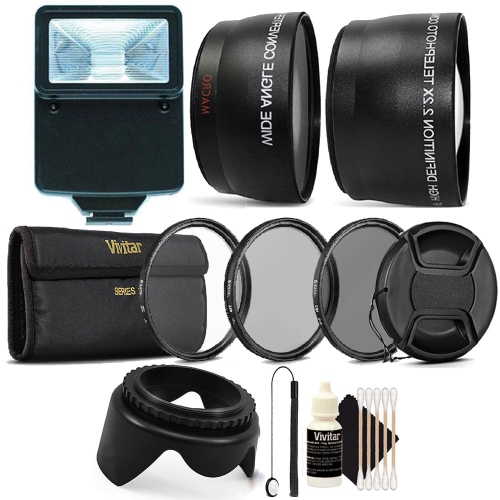
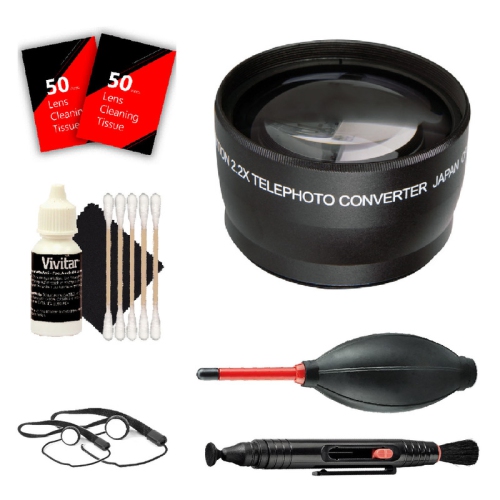
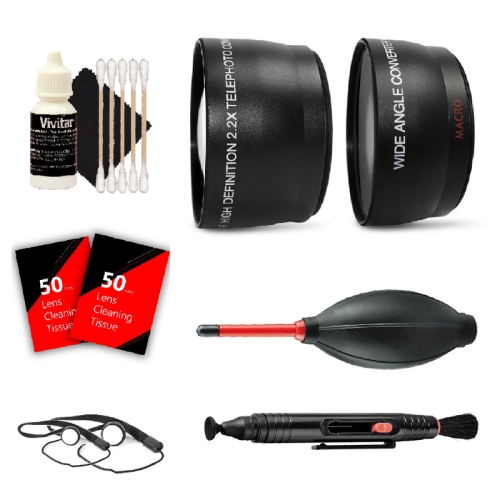
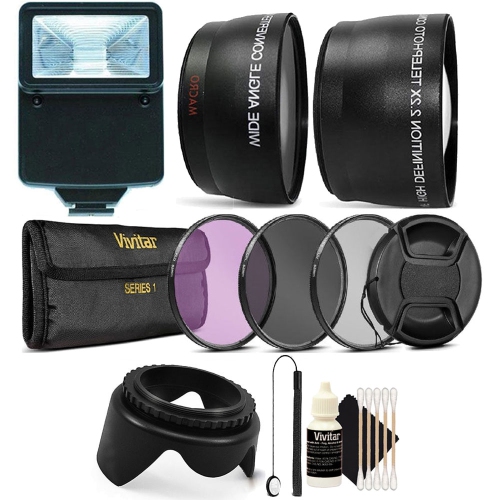
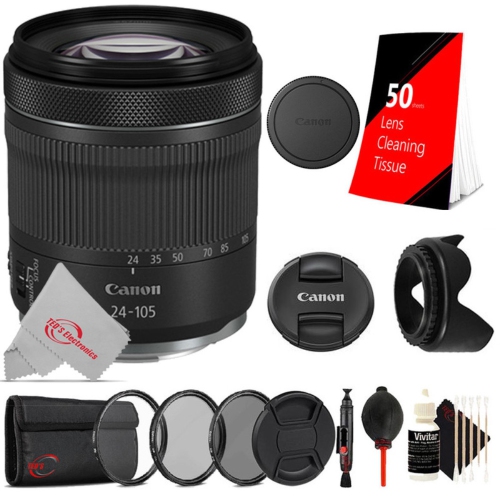
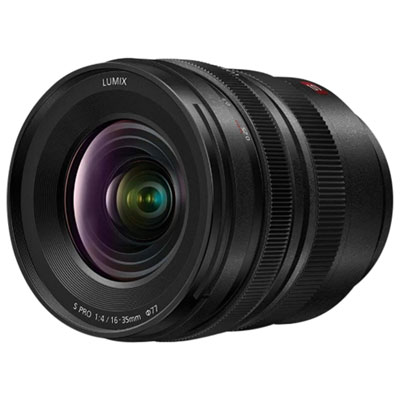
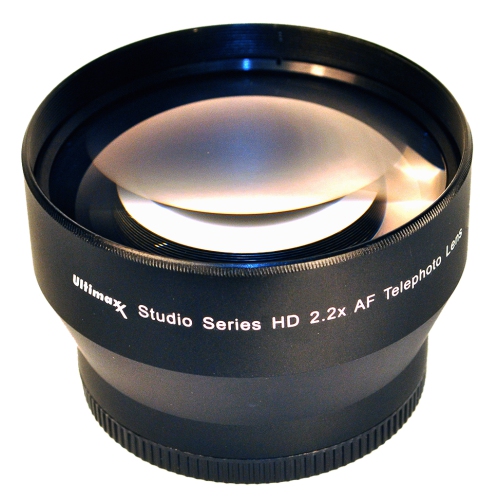
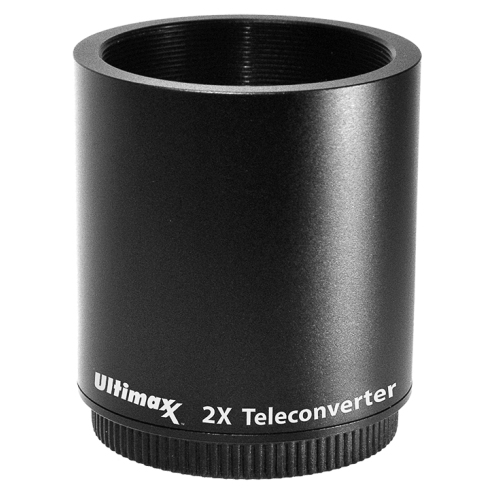
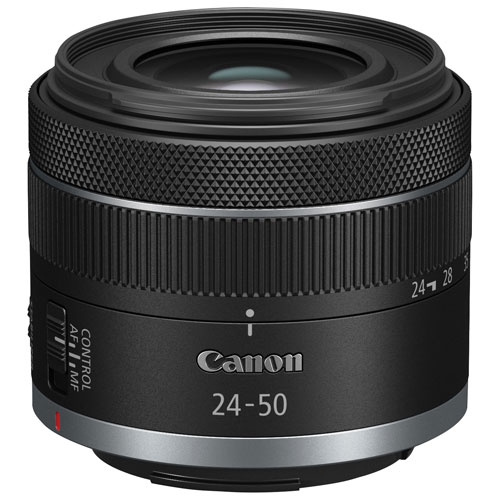
The right focal length matters when stage conditions change
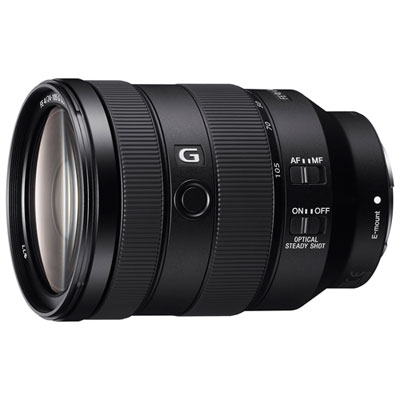
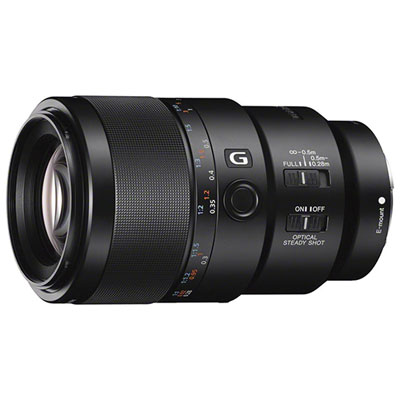
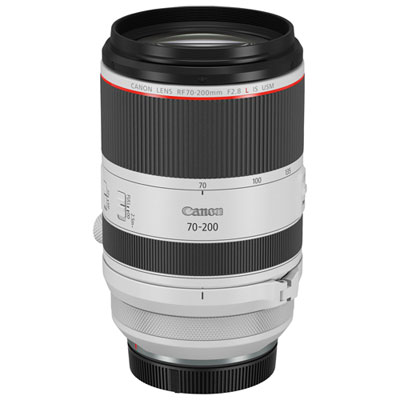
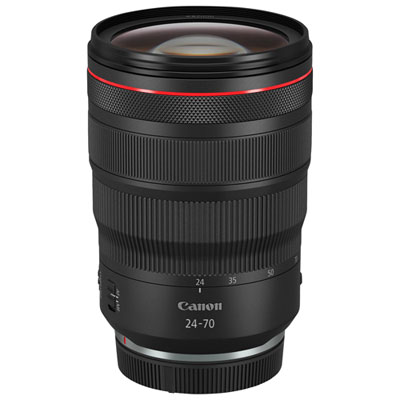
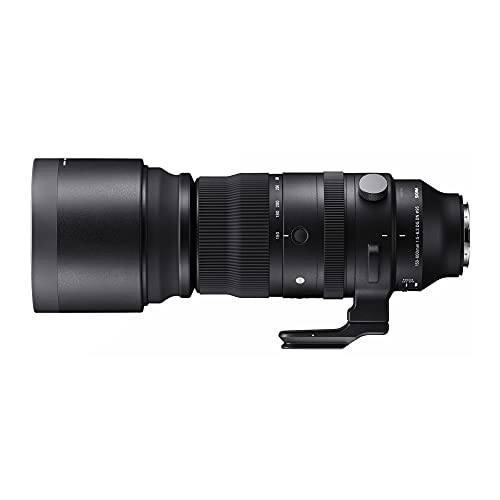
Concert photography brings together fast movement, dramatic lighting and limited working space, making the right lens an important part of capturing a memorable image. Performers can move from a quiet moment at a microphone to a burst of motion under changing coloured lights in seconds, while the photographer may be working from a photo pit, the side of a venue or somewhere in the middle of the crowd. Lenses for concert photography are designed to help manage these conditions by offering useful focal lengths, wide apertures and dependable focusing performance. A fast zoom lens with a constant f/2.8 aperture is often a versatile choice for live music because it can let in plenty of light without requiring frequent lens changes. A 24-70mm range can cover broad stage scenes, groups of performers and closer portraits when working near the front of a venue. At the wider end, it can include the lighting rig, audience and surrounding atmosphere; at the longer end, it can frame a singer, guitarist or drummer while keeping enough of the stage in view to show the energy of the performance. A 70-200mm lens with a constant f/2.8 aperture can be especially useful from farther back, allowing photographers to create tight headshots and expressive detail without pushing through a crowded floor. It can also help isolate a performer against a darker background, where the subject’s face, hands or instrument becomes the centre of attention. These focal lengths are popular workhorses because they can handle many different venues, from intimate clubs with low ceilings to large indoor arenas and open-air festivals. When comparing options, check that the lens mount matches the camera body and consider whether the camera uses a full-frame sensor or a crop sensor, as the effective field of view will change. Autofocus speed and accuracy matter when stage lights are shifting and performers are moving quickly, while image stabilization may help with steadier handheld framing between moments of action, although it cannot freeze subject movement. Size and weight also deserve attention: a larger telephoto lens can offer valuable reach, but a lighter lens may be more comfortable during a long set when there is little room to put gear down.
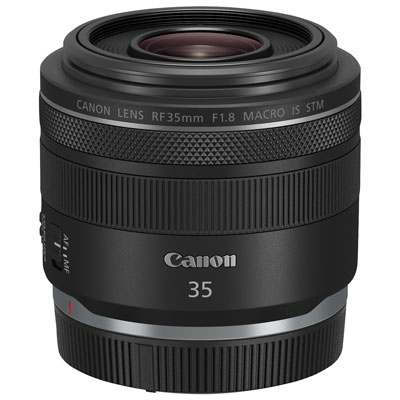
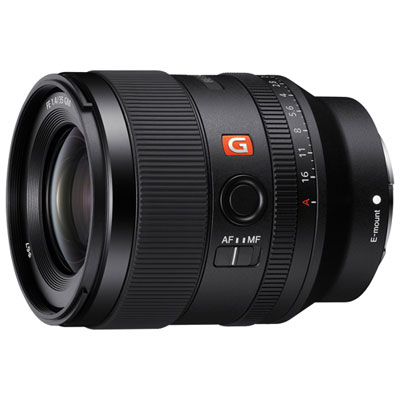
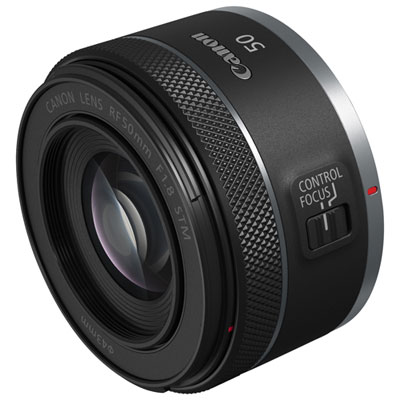
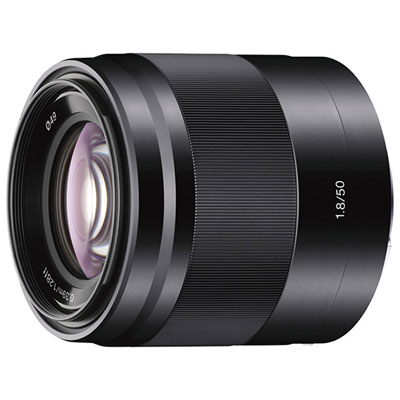
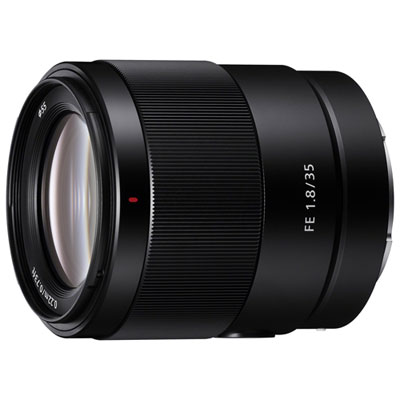
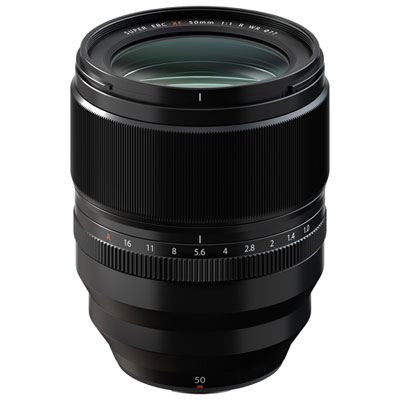
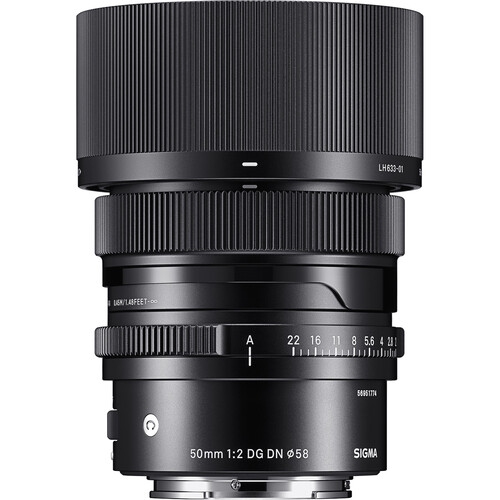
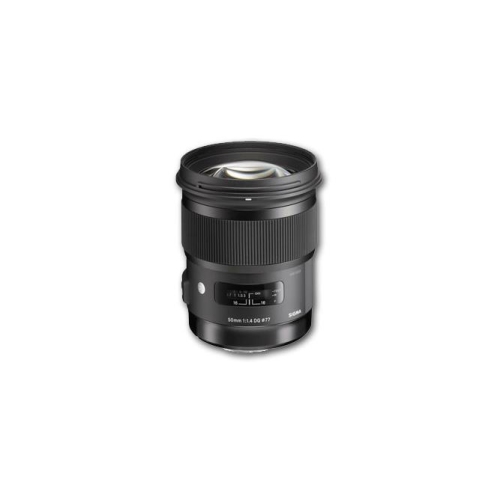
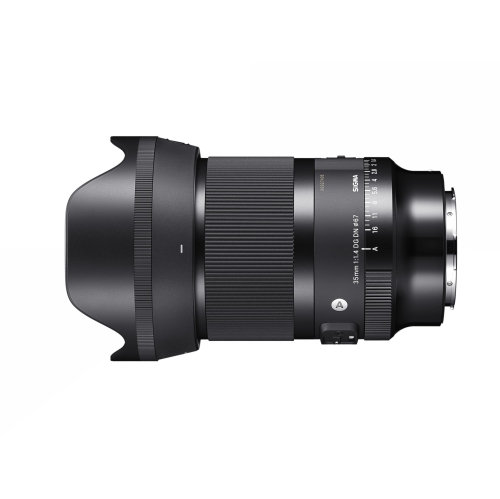
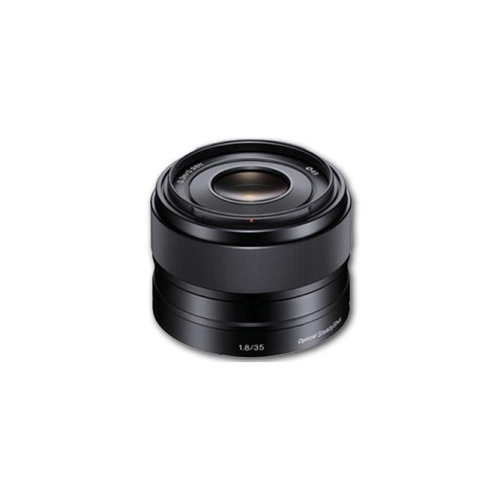
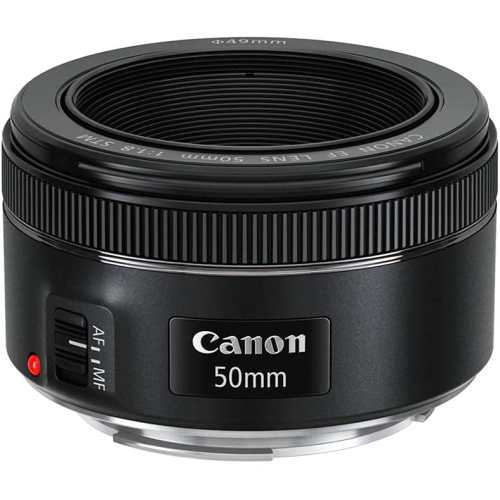
Prime lenses can be a strong alternative for venues where the lighting is particularly dim or where a simple, lightweight setup is preferred. A 35mm lens with an f/1.4 or f/1.8 aperture offers a natural-looking perspective and can gather more light than many standard zoom lenses, making it suitable for environmental views that show both the performer and the atmosphere around them. It can be a good fit for small clubs, rehearsal spaces and close viewpoints where stepping back is difficult. A 50mm lens with an f/1.4 or f/1.8 aperture is another practical option, especially for photographers who want a compact lens for portraits and close details. Its perspective can feel intimate without being excessively tight, and its wide aperture can help create separation between a performer and a busy background. Prime lenses usually require the photographer to move or compose from a fixed viewpoint rather than zooming, but that limitation can encourage thoughtful framing and keep a camera kit easy to carry. Wider apertures can also produce attractive background blur, though photographers should remember that the depth of field becomes narrower, so careful focusing on the nearest eye is important for portraits. For outdoor festivals and performances during the cooler months, consider the conditions in which the equipment will be used, including sudden temperature changes, light rain, dust and long periods spent standing. A lens hood can help reduce stray light from stage fixtures and protect the front element from accidental contact, while a protective filter may be useful for photographers who regularly work in busy environments. It is also worth considering the camera’s low-light performance, since a lens and camera work together: a bright aperture may allow a faster shutter speed and lower ISO, but exposure choices still depend on the venue, the lighting design and the desired look. Photographers who cover concerts professionally may prefer to build a kit around two complementary zoom ranges, while occasional shooters may find that one bright prime lens is easier to carry and less intimidating to use.
Lenses for concert photography can appeal to a wide range of users, including music photographers, event professionals, content creators, students learning photography and fans who want to document local performances from permitted areas. They can also make thoughtful gifts for someone who spends evenings photographing bands, follows touring artists or is building a camera kit for festivals and venue work. Before choosing a gift, confirm the recipient’s camera system, sensor format and existing lenses so the focal length adds something useful rather than duplicating equipment they already own. A person who usually shoots with a standard lens may appreciate the extra reach of a 70-200mm lens for performers on a distant stage, while someone who works in small clubs may get more use from a bright 35mm or 50mm prime. Photographers who stand in a photo pit may value a flexible 24-70mm range for quick changes in composition, while those shooting from the audience may need the reach of a telephoto lens to fill the frame from behind rows of spectators. Look at the minimum focusing distance as well, since it can be helpful for capturing nearby instruments, set details and candid moments around the stage. Compatibility with autofocus features, eye detection and manual focus controls can affect how naturally the lens fits into a photographer’s workflow. Storage and transport are important too: a padded bag, secure lens caps and a comfortable strap can make carrying equipment between venues easier, particularly during busy concert seasons. If photography interests extend beyond live music, a lens suited to controlled setups may also be useful for documenting instruments, posters and merchandise; those needs may be better served by options featured on Lenses for Product Photography. The best choice ultimately balances low-light performance, focal length, focusing speed, portability and camera compatibility, giving the photographer dependable ways to preserve the glow of stage lights, the movement of a performance and the connection between an artist and the crowd.
Prime lenses can be a strong alternative for venues where the lighting is particularly dim or where a simple, lightweight setup is preferred. A 35mm lens with an f/1.4 or f/1.8 aperture offers a natural-looking perspective and can gather more light than many standard zoom lenses, making it suitable for environmental views that show both the performer and the atmosphere around them. It can be a good fit for small clubs, rehearsal spaces and close viewpoints where stepping back is difficult. A 50mm lens with an f/1.4 or f/1.8 aperture is another practical option, especially for photographers who want a compact lens for portraits and close details. Its perspective can feel intimate without being excessively tight, and its wide aperture can help create separation between a performer and a busy background. Prime lenses usually require the photographer to move or compose from a fixed viewpoint rather than zooming, but that limitation can encourage thoughtful framing and keep a camera kit easy to carry. Wider apertures can also produce attractive background blur, though photographers should remember that the depth of field becomes narrower, so careful focusing on the nearest eye is important for portraits. For outdoor festivals and performances during the cooler months, consider the conditions in which the equipment will be used, including sudden temperature changes, light rain, dust and long periods spent standing. A lens hood can help reduce stray light from stage fixtures and protect the front element from accidental contact, while a protective filter may be useful for photographers who regularly work in busy environments. It is also worth considering the camera’s low-light performance, since a lens and camera work together: a bright aperture may allow a faster shutter speed and lower ISO, but exposure choices still depend on the venue, the lighting design and the desired look. Photographers who cover concerts professionally may prefer to build a kit around two complementary zoom ranges, while occasional shooters may find that one bright prime lens is easier to carry and less intimidating to use.
Lenses for concert photography can appeal to a wide range of users, including music photographers, event professionals, content creators, students learning photography and fans who want to document local performances from permitted areas. They can also make thoughtful gifts for someone who spends evenings photographing bands, follows touring artists or is building a camera kit for festivals and venue work. Before choosing a gift, confirm the recipient’s camera system, sensor format and existing lenses so the focal length adds something useful rather than duplicating equipment they already own. A person who usually shoots with a standard lens may appreciate the extra reach of a 70-200mm lens for performers on a distant stage, while someone who works in small clubs may get more use from a bright 35mm or 50mm prime. Photographers who stand in a photo pit may value a flexible 24-70mm range for quick changes in composition, while those shooting from the audience may need the reach of a telephoto lens to fill the frame from behind rows of spectators. Look at the minimum focusing distance as well, since it can be helpful for capturing nearby instruments, set details and candid moments around the stage. Compatibility with autofocus features, eye detection and manual focus controls can affect how naturally the lens fits into a photographer’s workflow. Storage and transport are important too: a padded bag, secure lens caps and a comfortable strap can make carrying equipment between venues easier, particularly during busy concert seasons. If photography interests extend beyond live music, a lens suited to controlled setups may also be useful for documenting instruments, posters and merchandise; those needs may be better served by options featured on Lenses for Product Photography. The best choice ultimately balances low-light performance, focal length, focusing speed, portability and camera compatibility, giving the photographer dependable ways to preserve the glow of stage lights, the movement of a performance and the connection between an artist and the crowd.
Top selling and popular products
-
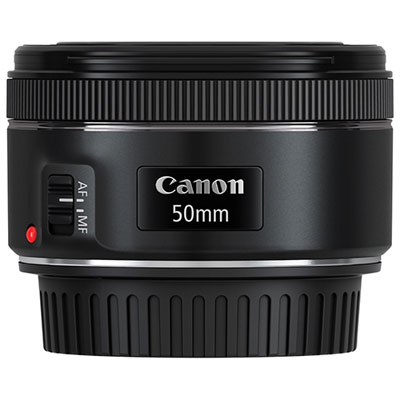 Your price for this item is $169.99
 -
 Your price for this item is $329.99
 -
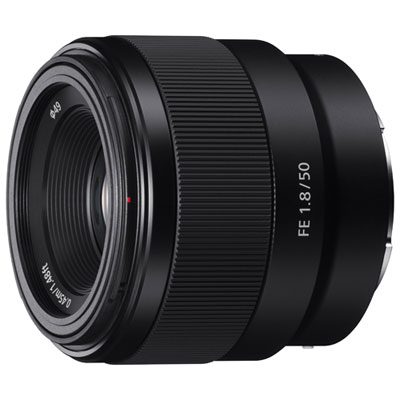 Your price for this item is $349.99
 -
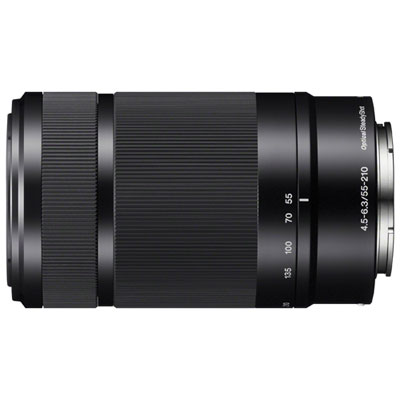 Your price for this item is $399.99
 -
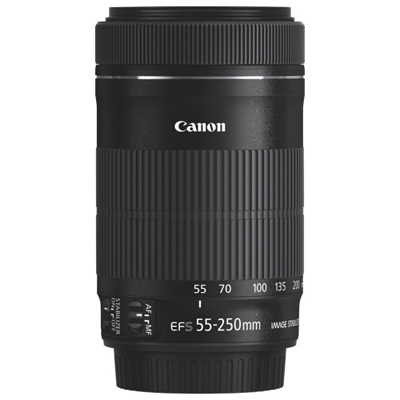 Your price for this item is $399.99
 -
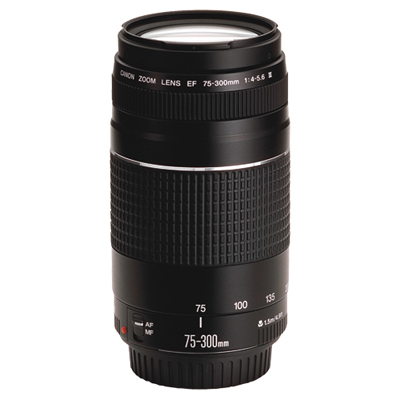 Your price for this item is $199.99
 -
 Your price for this item is $174.99
 -
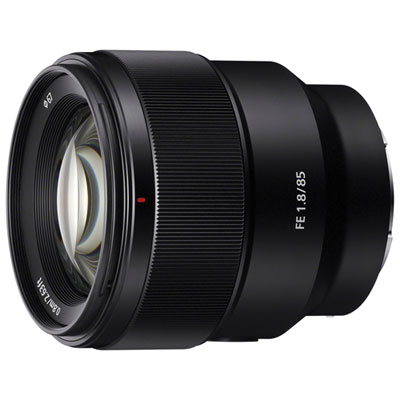 Your price for this item is $749.99
Discover more categories related to Lenses for Concert Photography
Top Collections:
Pokemon Centers, Kindle Devices, Best Budget Office Chairs, Apple iPhones 16, Best Laptops for Writers, iPhone 15 Apple, Canon G7X Cameras, Refurbished Apple Laptops, Alarm Clock, Motorola Razr Phones
Some products may be subject to Environmental Handling Fees
(EHF) depending on your province.
Learn more about EHFs.